

A Tale of Rome
Sofia Tucci
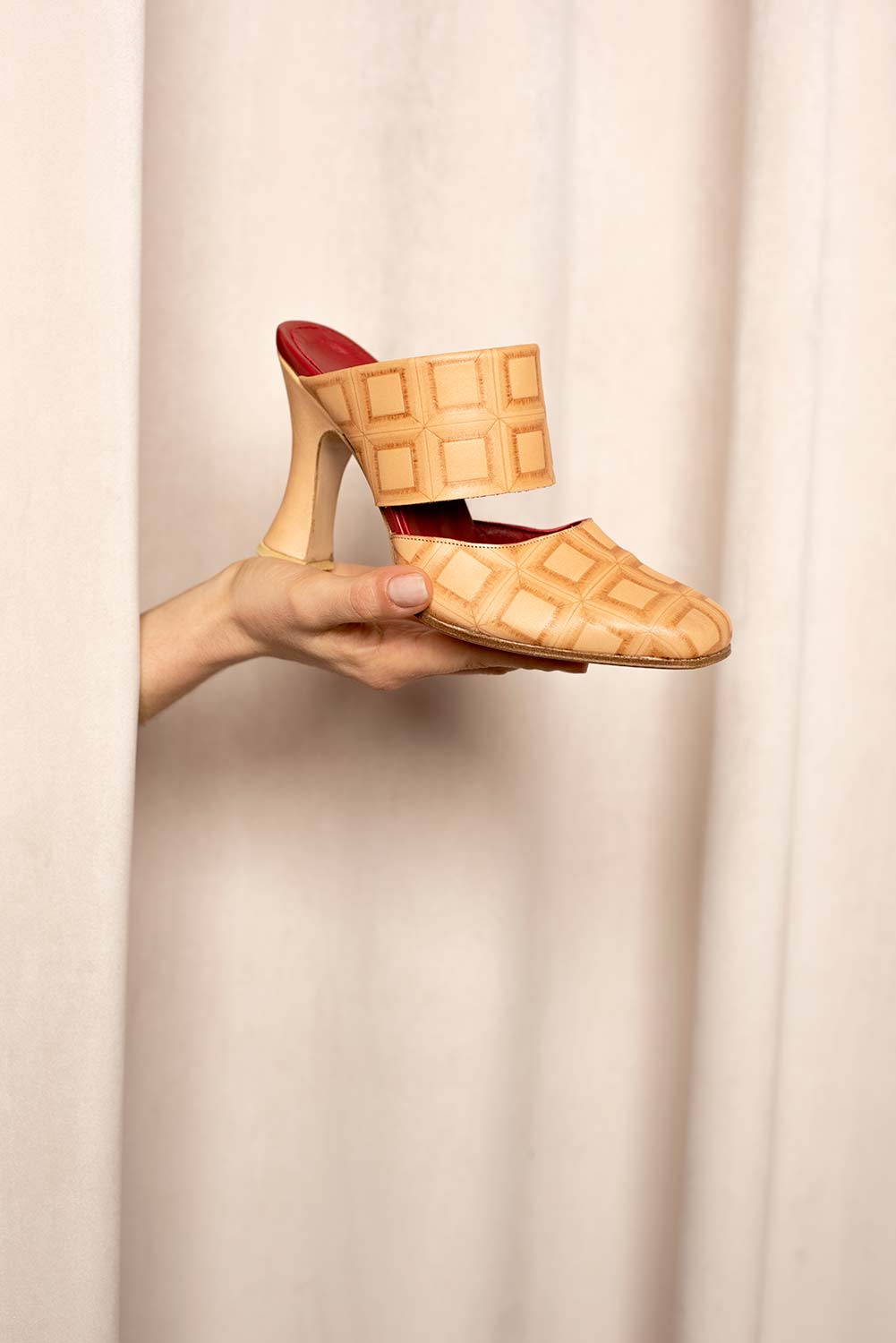
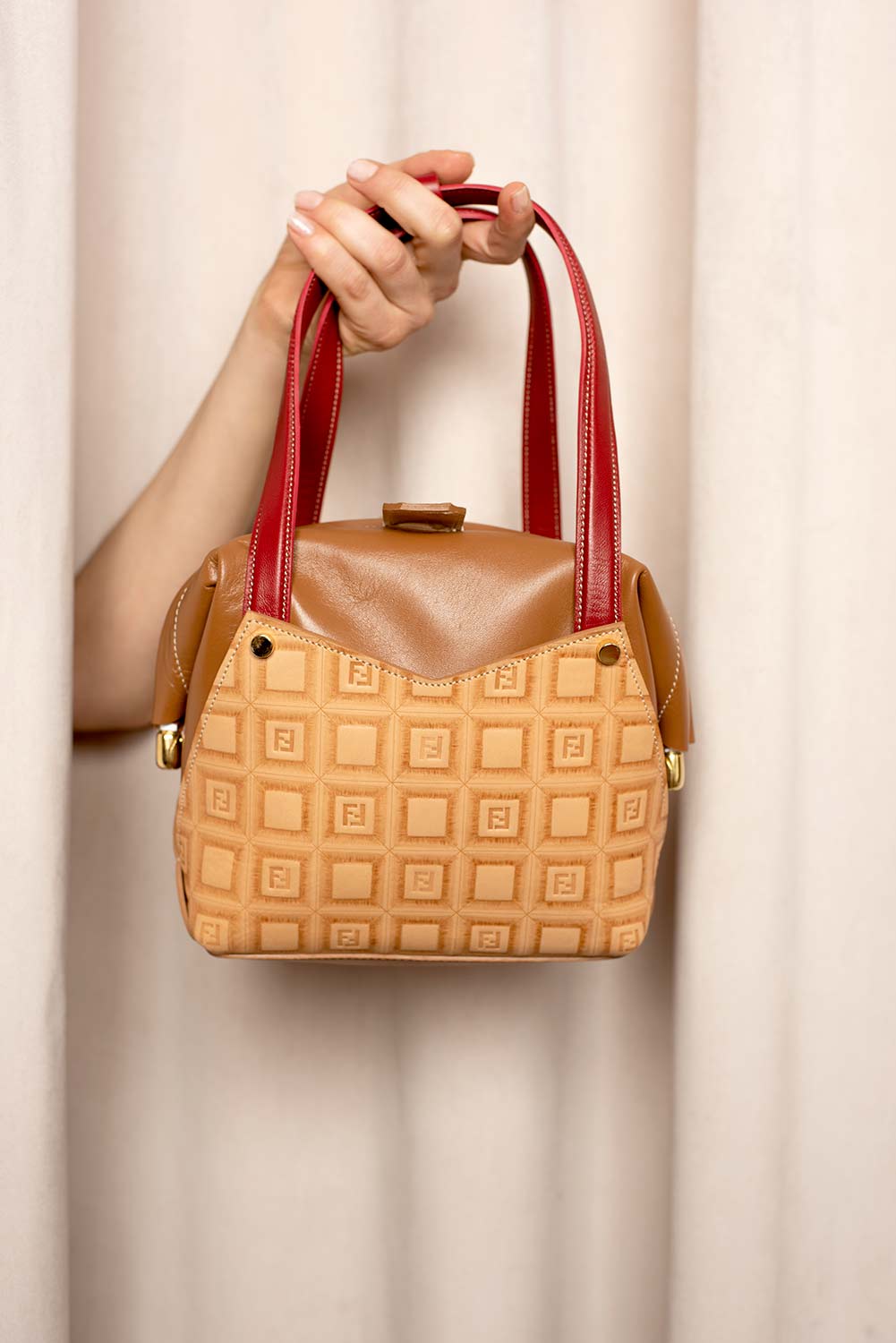
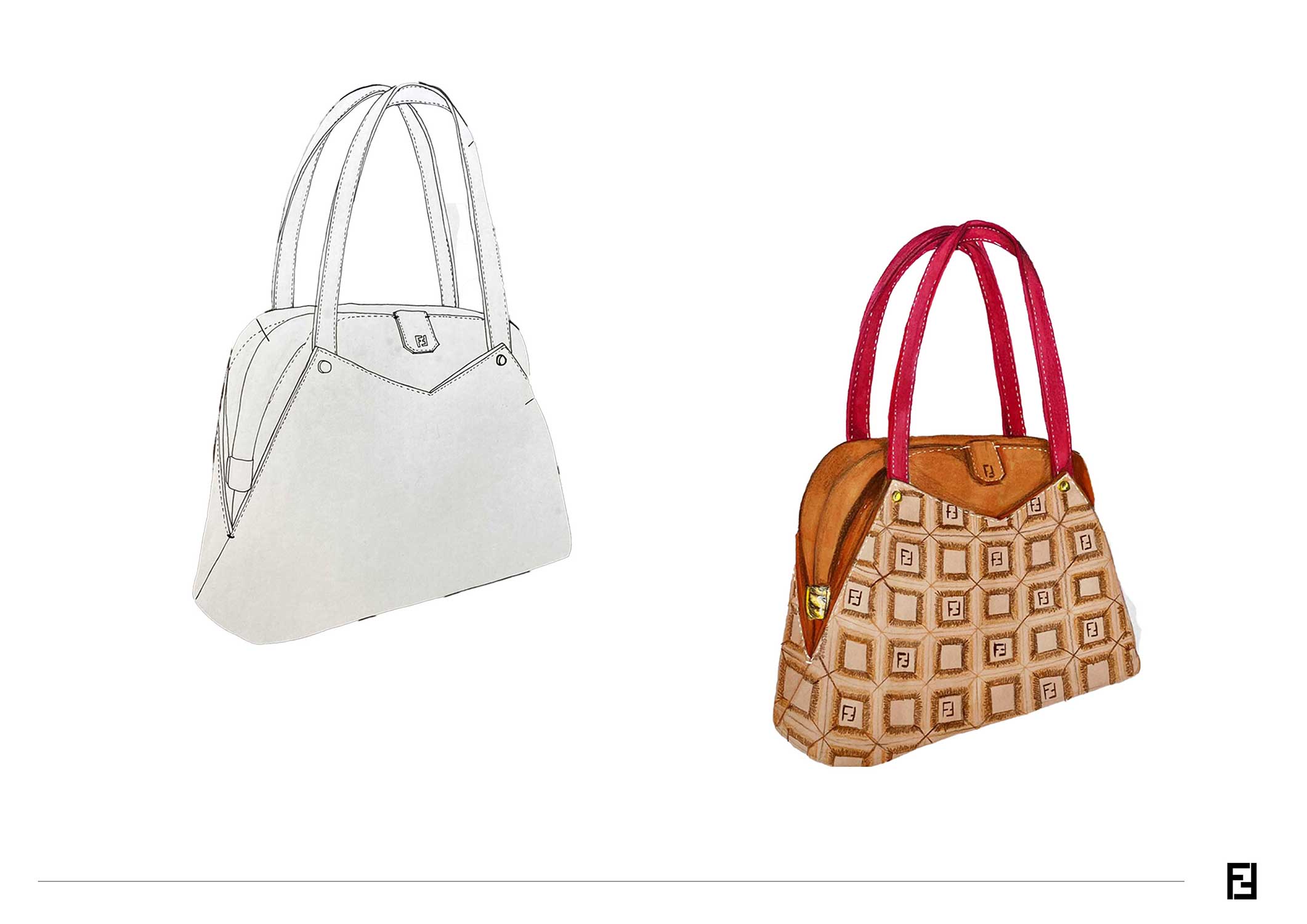
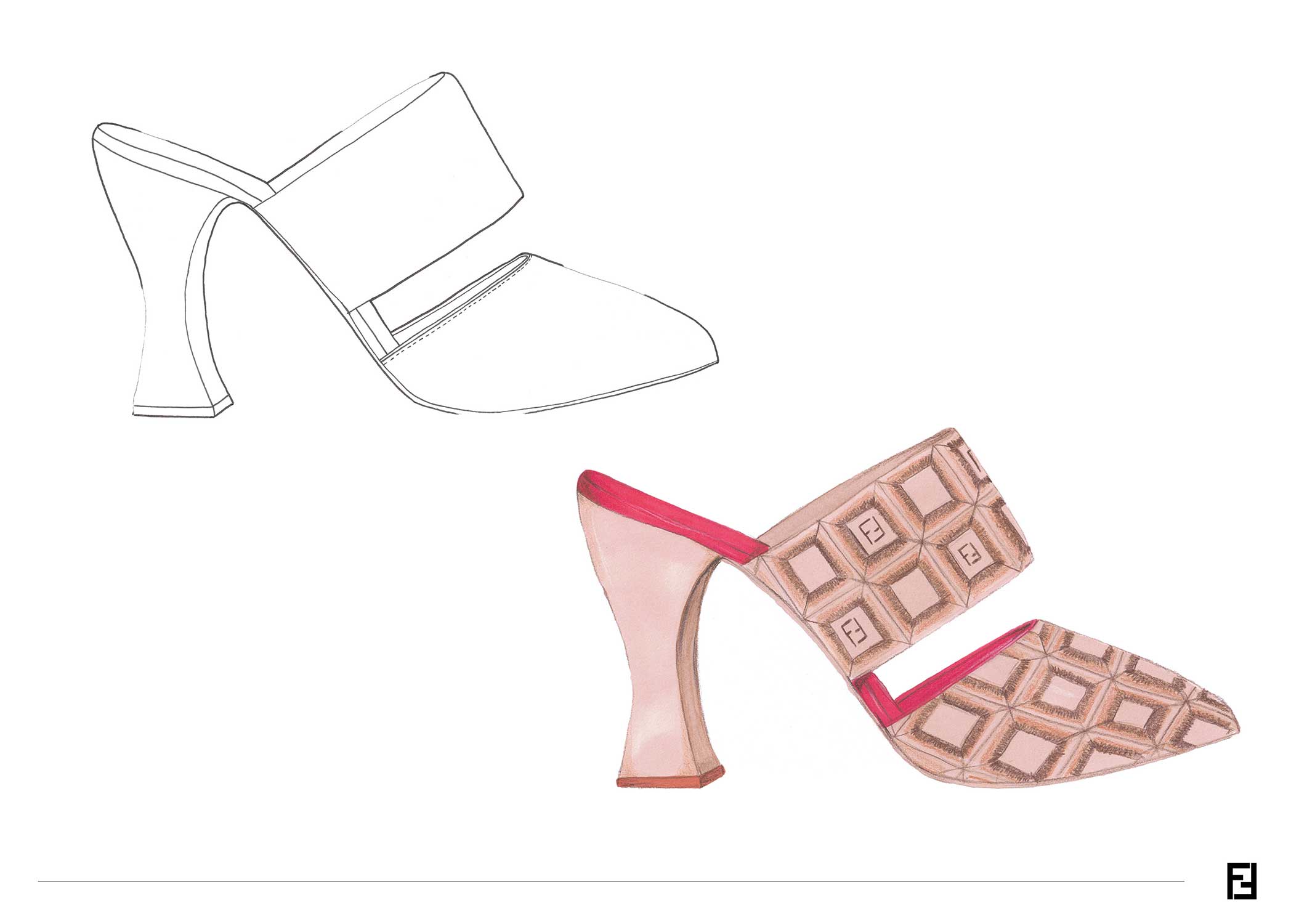
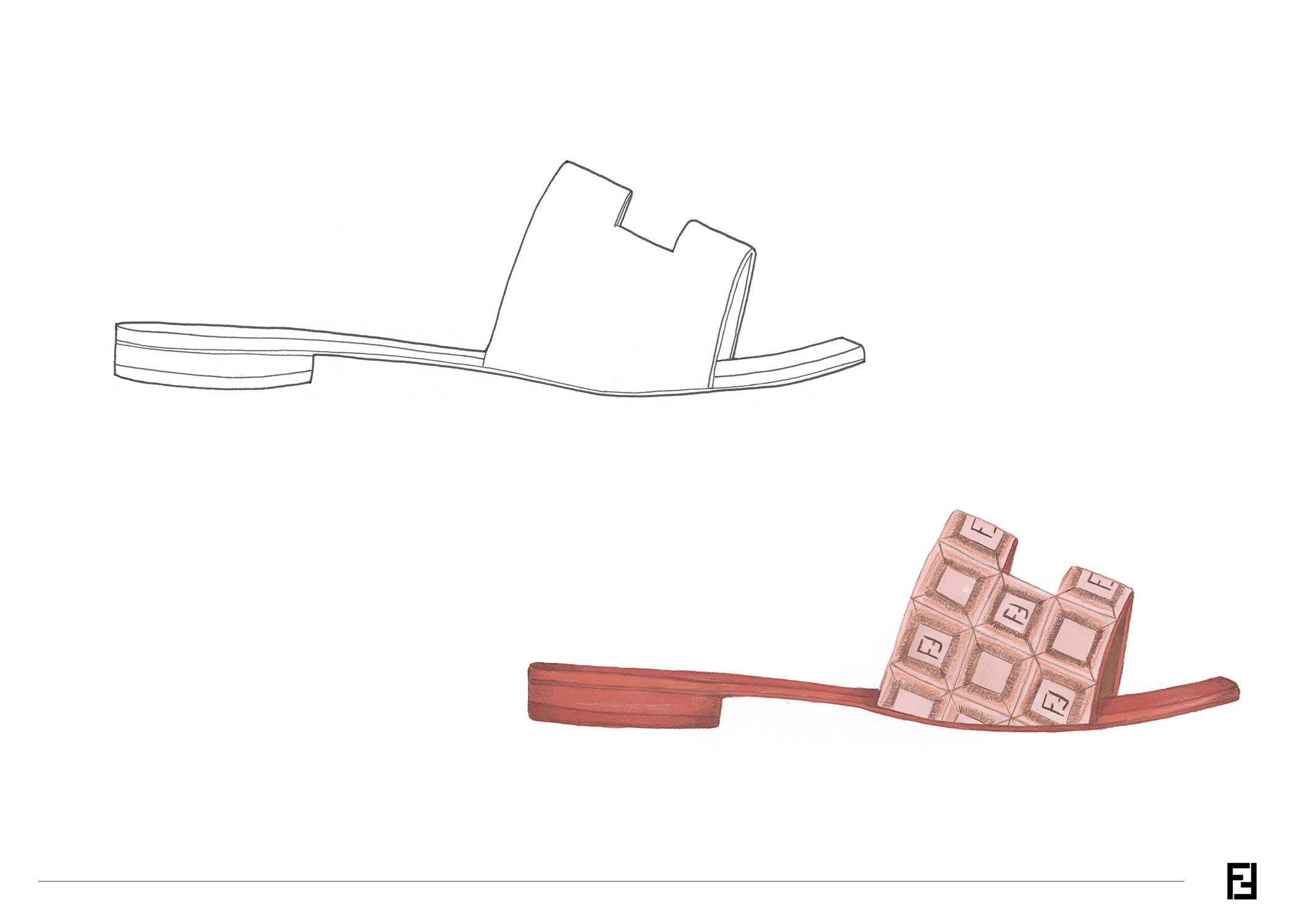
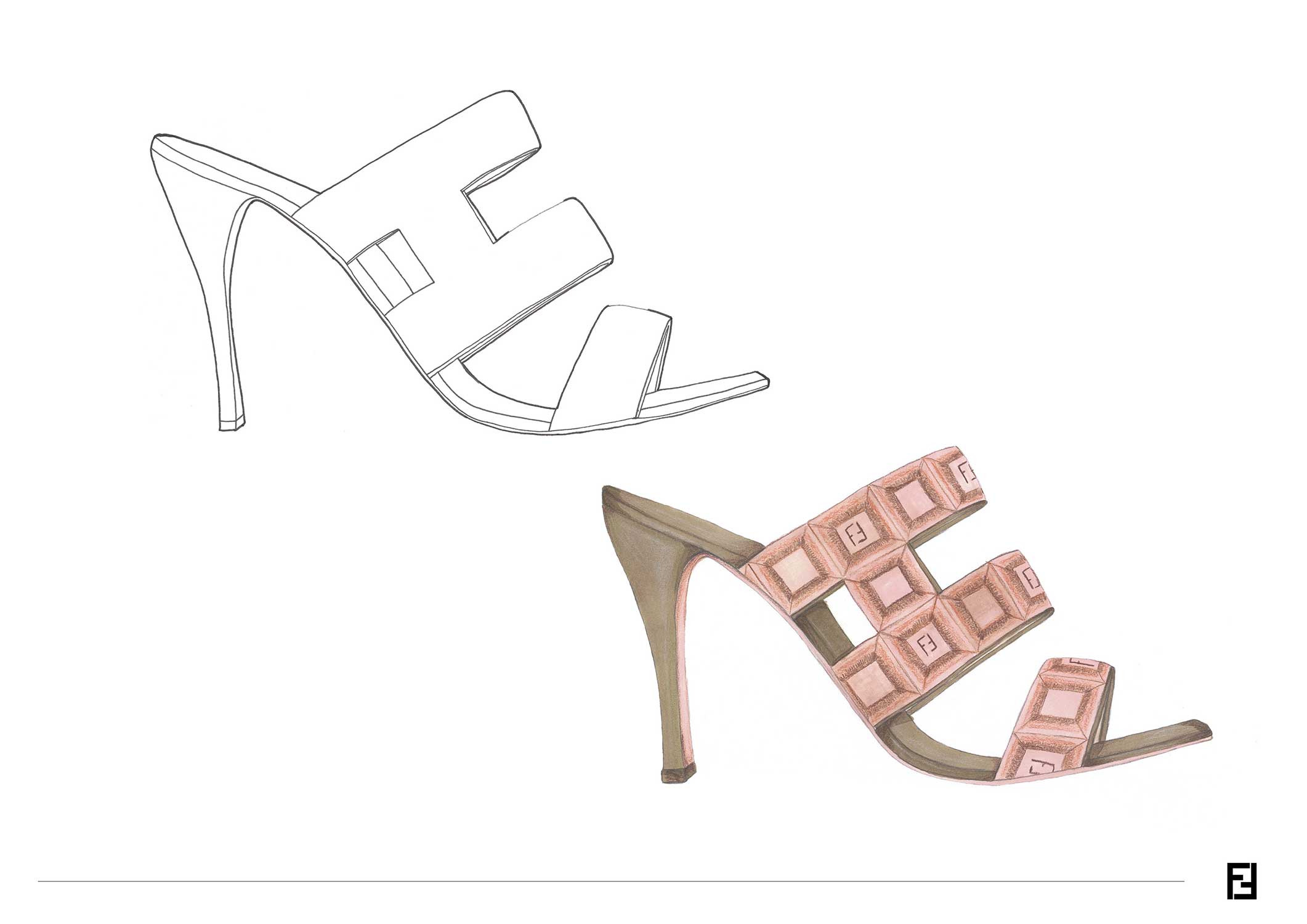
Roma è Storia, Arte, Religione, Politica e soprattutto Architettura e Bellezza. Passeggiando si coglie la straordinarietà dei monumenti più famosi: il Colosseo, Castel Sant’Angelo, il Foro Romano. Ma Roma è anche le sue chiese, le sue strade, le fontane, i vicoli; un museo a cielo aperto. Da questa ricerca visuale primaria il focus è andato, poi, sui palazzi, e soprattutto l’interno di questi edifici, adornati con affreschi, dipinti, bassorilievi. L’elemento ricorrente era rappresentato dal soffitto a cassettoni, tipico di un luogo suggestivo come il Pantheon. Ma Roma è anche costituita dal popolo, dai costumi e dalle tradizioni. Il cuoio era, ed è ancora, un materiale tipicamente romano e soprattutto impiegato nella di Tolfa. La tradizione romana è anche legata a mestieri tradizionali come il doratore, l’ebanista e come la professione di Incisore. Cuoio naturale e incisione sono diventati, così, gli elementi per costituire il connubio tra la bellezza e l’artigianalità di Roma.
Rome is History, Art, Religion, Politics and, above all, Architecture. Walking around you can feel the extraordinariness of the most famous monuments: Colosseo, Castel Sant’Angelo, il Foro Romano.
But Rome i salso its streets, churches, fountains; an open-air museum. Going in depth, this first visual research focused on its buildings with their frescos, paintings and bas-reliefs. The recurring element is coffered ceiling as in the Pantheon’s. But Rome i salso made by its people, costumes and traditions.
Leather is still one of thee tipical roman materials especially in the Tolfa area. The roman tradition is still tied to its storical artisan such as the doratore, or ebanista or incisore. So leather and engraving became the combination of the beauty and artisanal part of Rome.
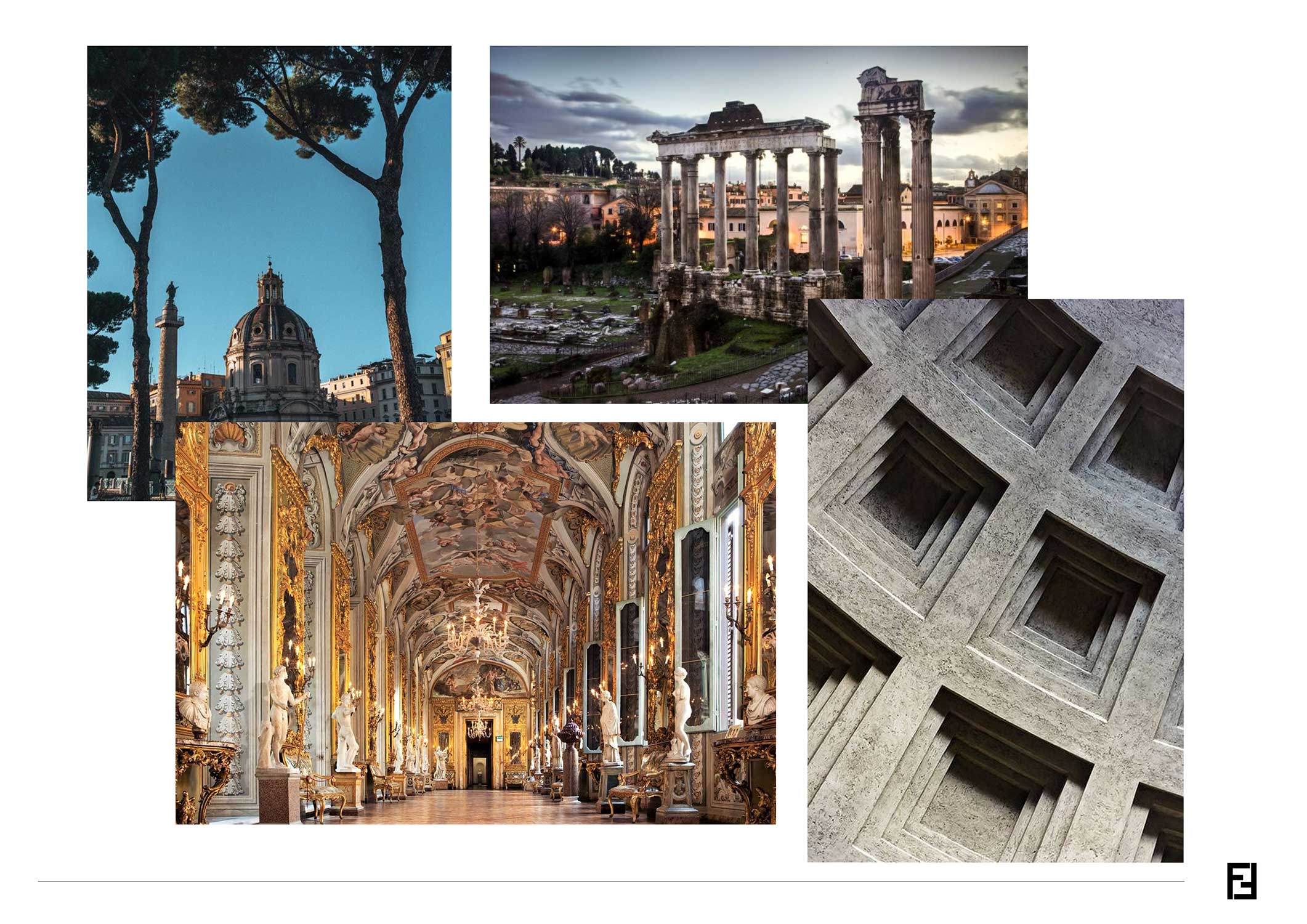
Moodboard
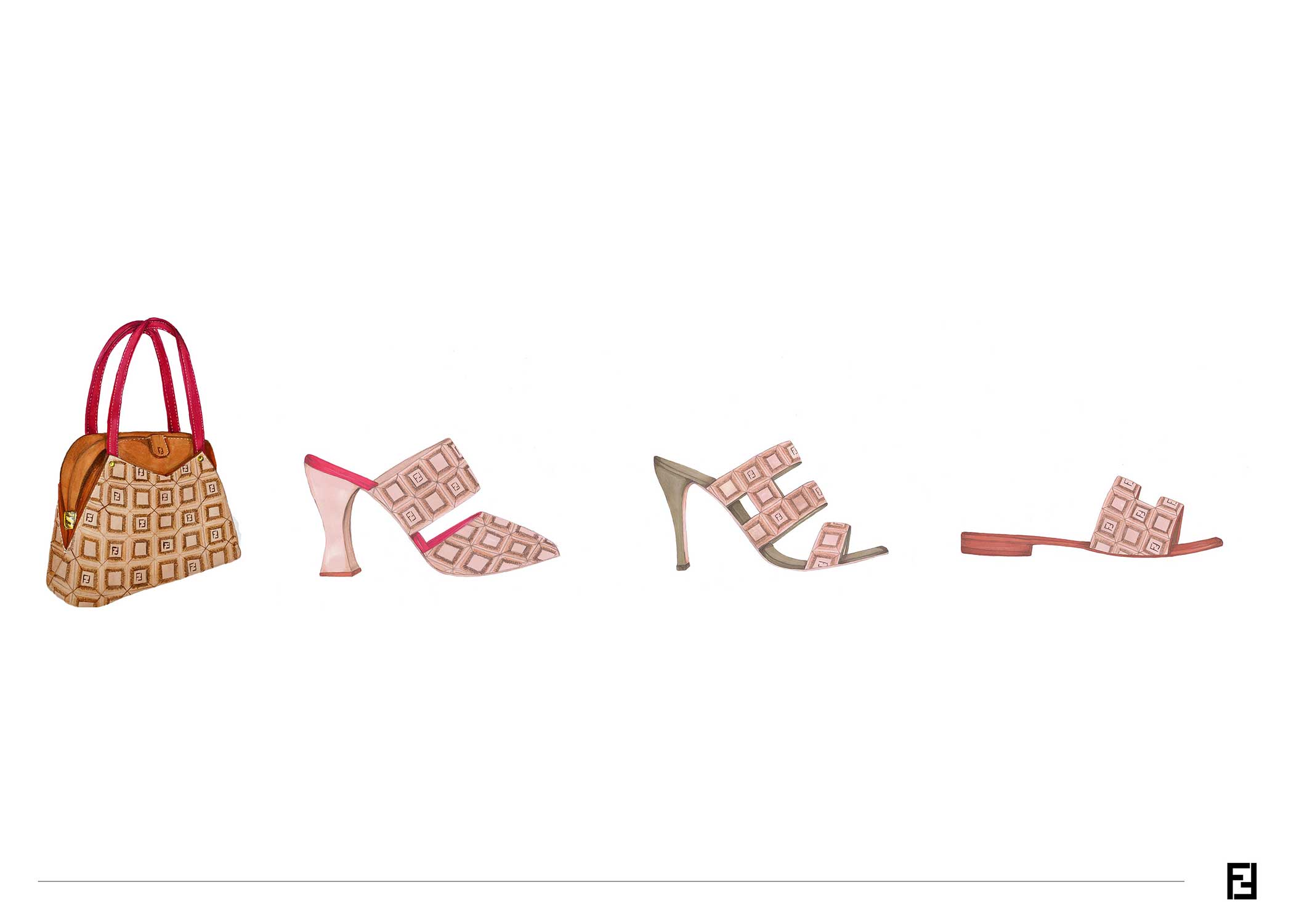
line up
Share the project:


