


ANGELO ALBANO
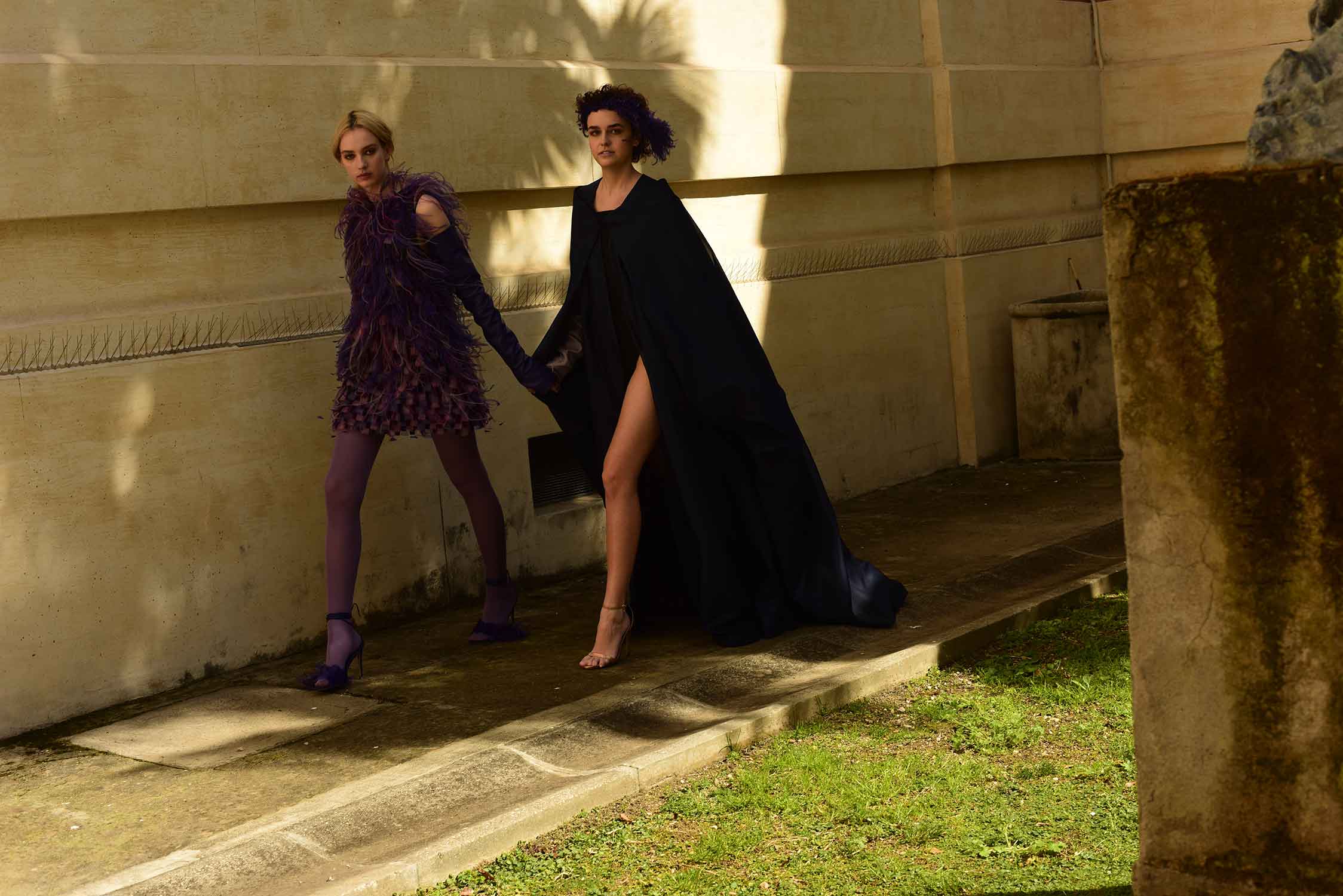
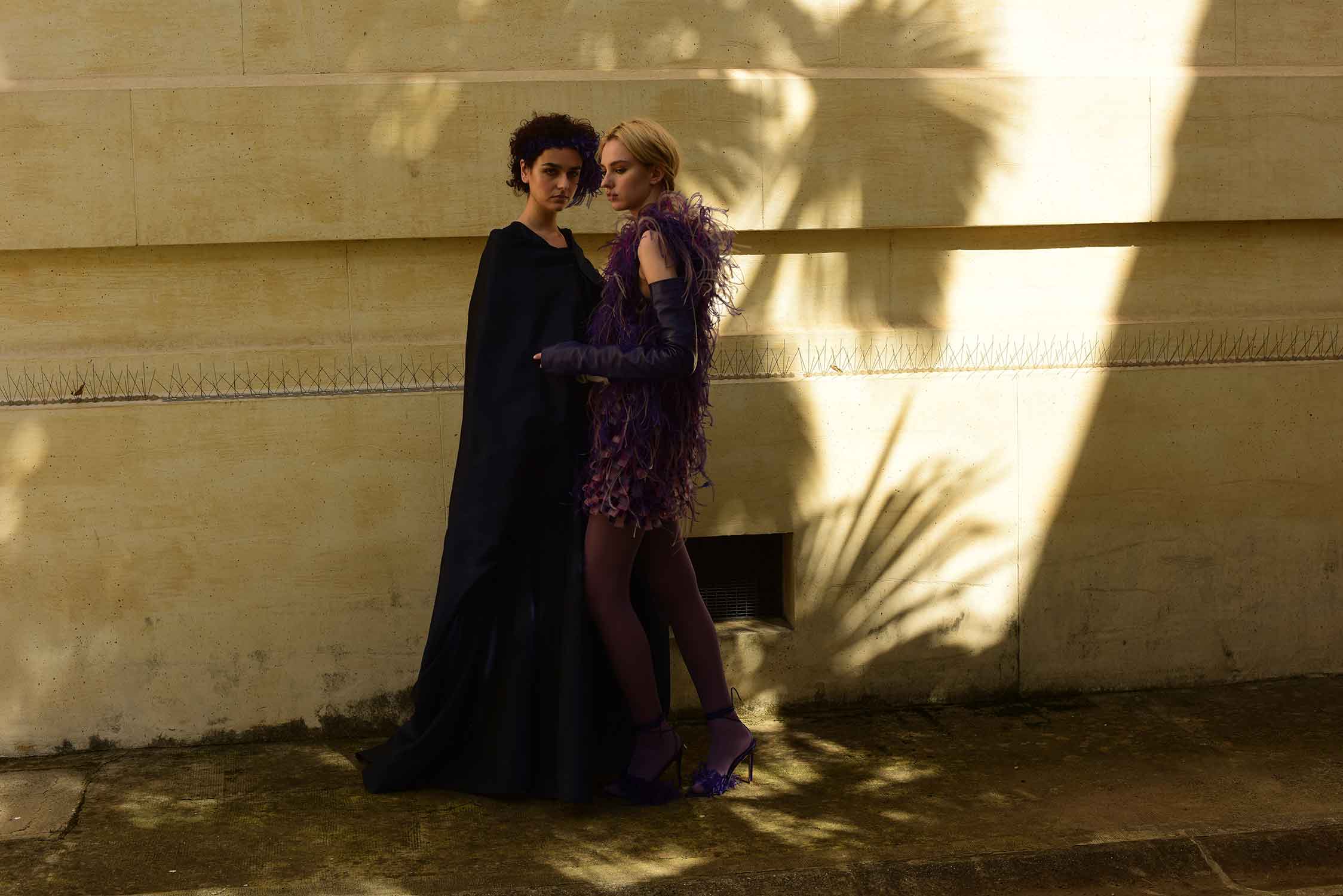
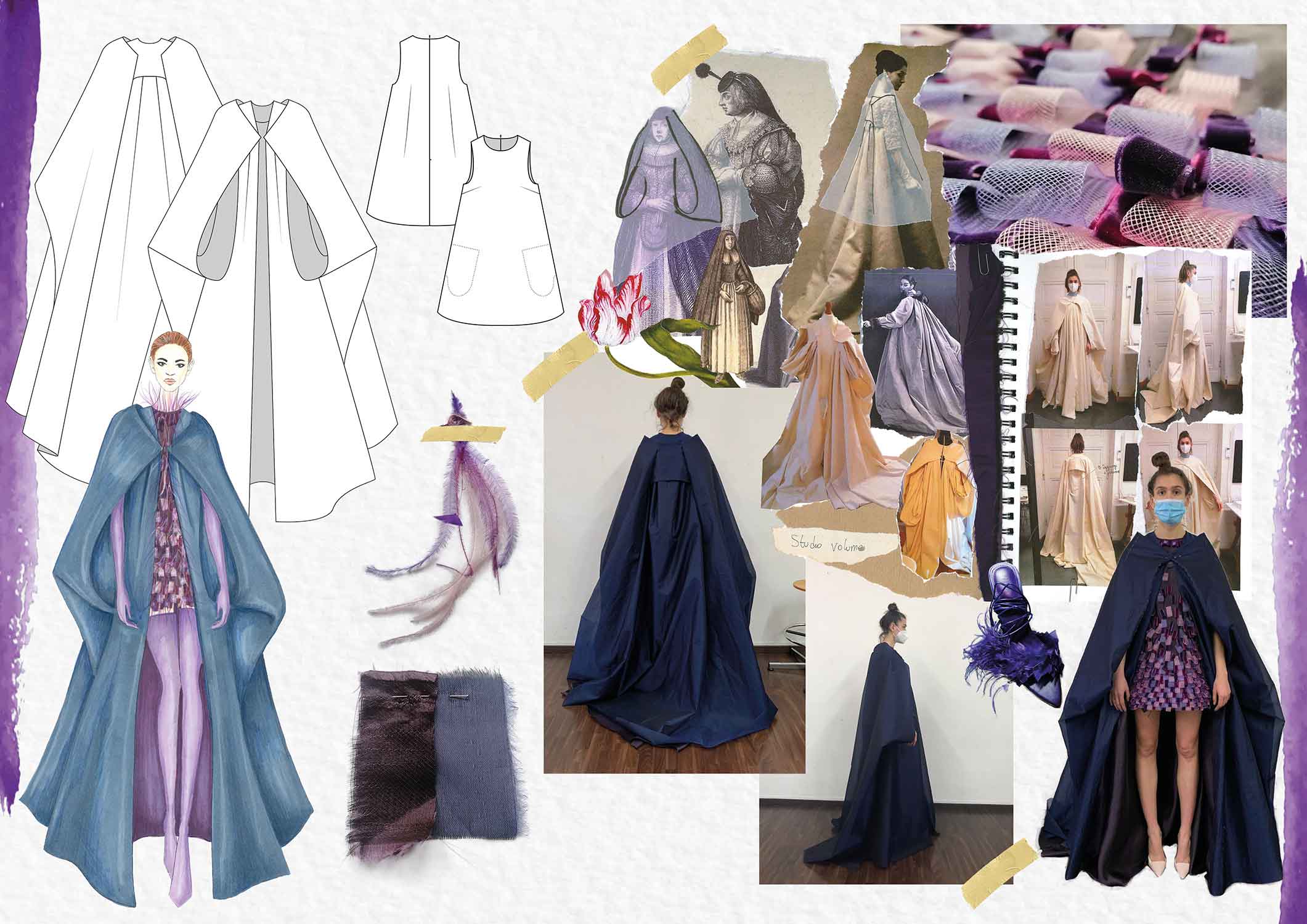
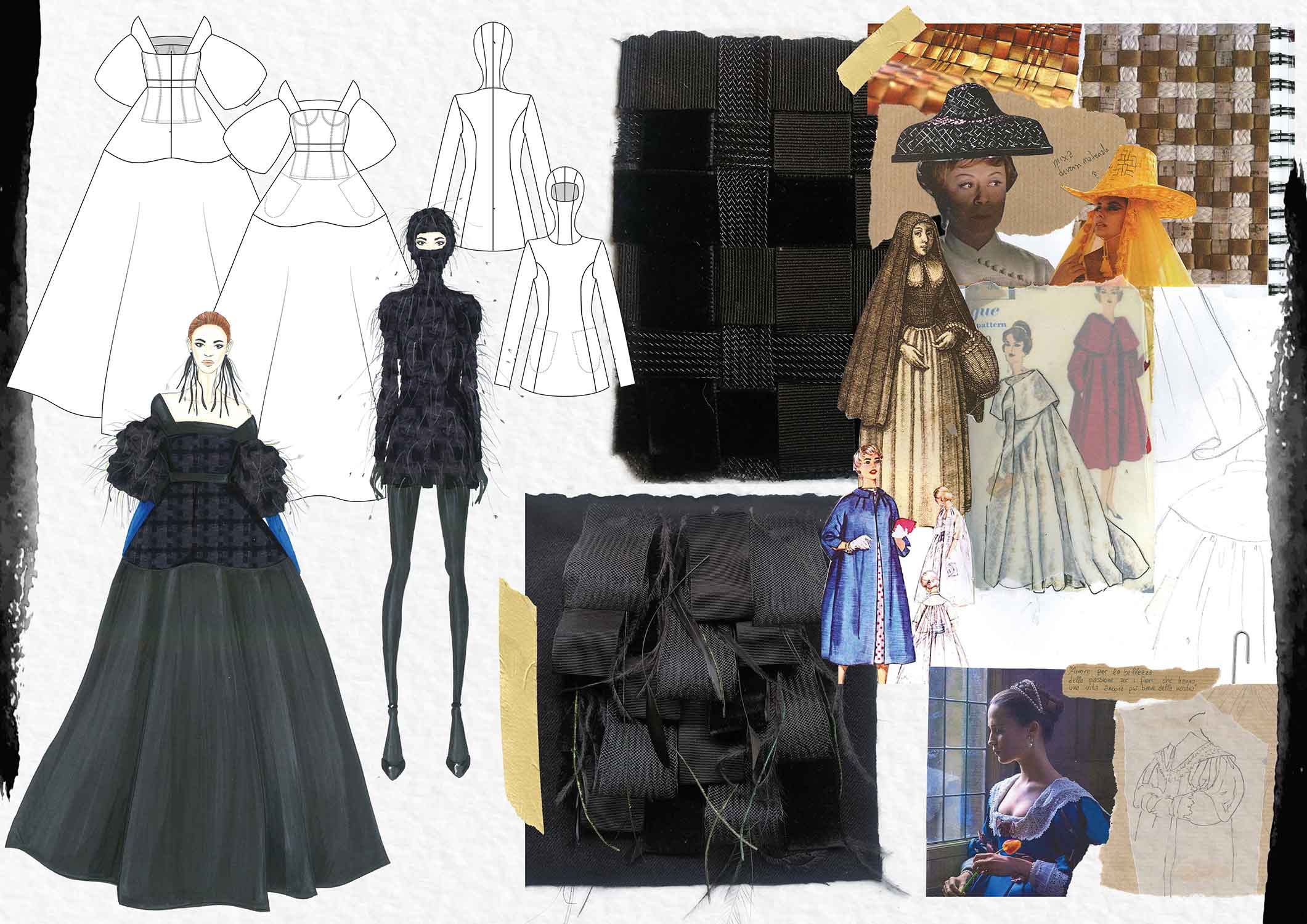
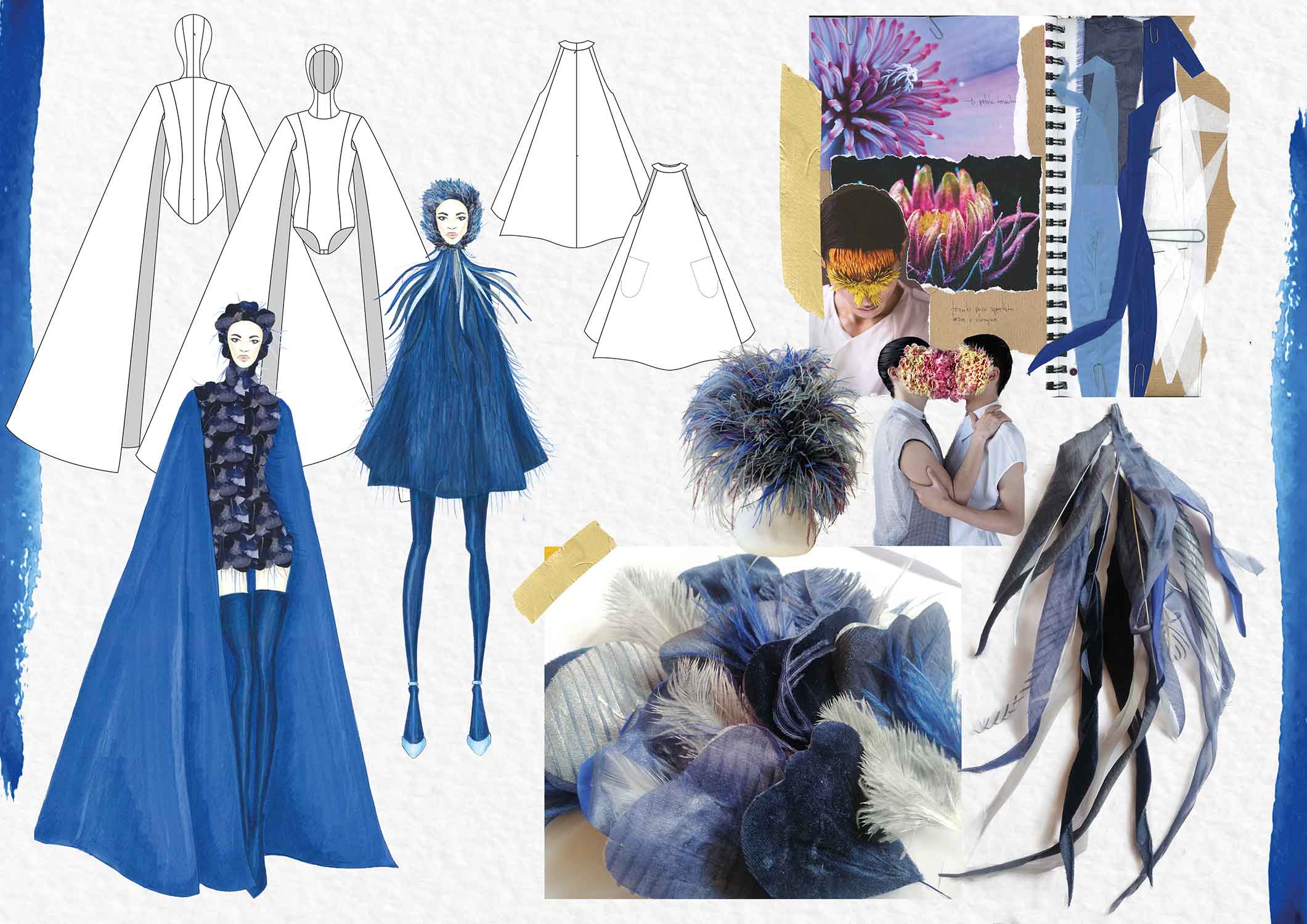
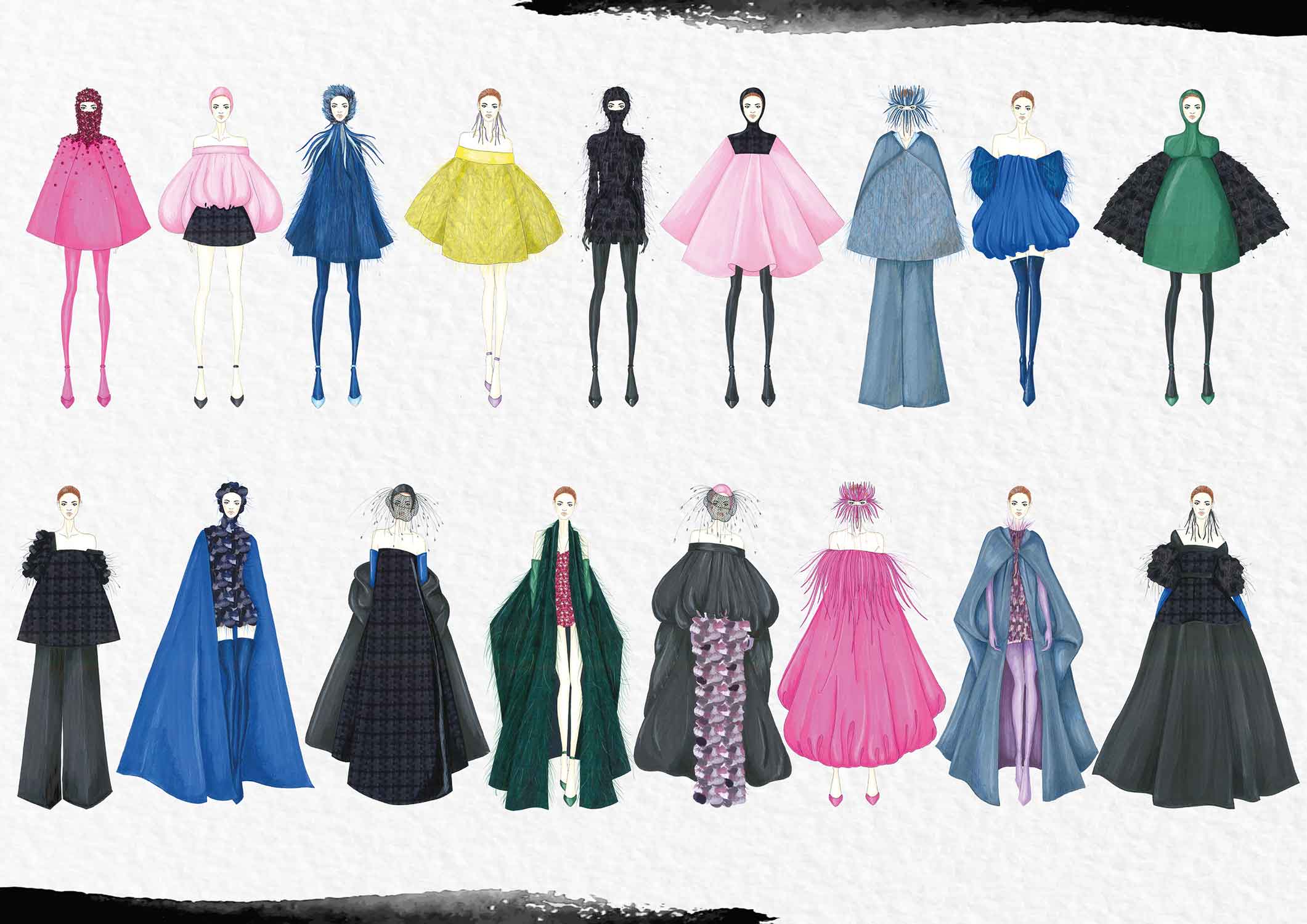
“Amore per la bellezza per i fiori che hanno vita più breve della nostra” è la frase che funge da incipit per il mio progetto; essa è tratta da La ragazza dei tulipani, un film del 2017 diretto da Justin Chadwick, all’interno del quale il leitmotiv è questa ripetuta ossessione della gente per i tulipani, a tal punto da sacrificare tutti i loro beni per comprare i bulbi di questi fiori. I tulipani diventano simbolo di ricchezza; tuttavia, questa prosperità materiale sottintende una certa fugacità. L’ideologia qui sottesa è che l’uomo sia nato per amare ciò che è destinato a non durare; il motivo per cui ciò accade lo spiega in maniera esemplare Hermann Hesse, famoso poeta del Novecento, in Scritto sulla sabbia, componimento che può essere considerato una vera e propria lode alla caducità della vita: in esso, infatti, l’autore afferma che amiamo ciò che è come noi e, pertanto, essendo noi stessi esseri destinati alla morte, siamo attratti da ciò che ci somiglia, ovvero da tutto ciò che è effimero. Un’ossessione per i fiori si ritrova nell’artista Duy Anh Nhan Duc, “Cerco, con il mio lavoro, di catturare l’aspetto unico delle piante mettendo in evidenza quelle che tutti conosciamo, ma che non guardiamo più. Tutto è una scusa per onorare la pianta”, ci dice l’artista. Ogni sua opera è, quindi, un invito, rivolto a tutti, a prendere tempo per guardare la natura con occhi diversi. Nel suo studio, Duy Anh Nhan Duc trasforma le piante con forme sottili e inventa una natura poetica come in equilibrio sulla fragilità di un momento. Le opere di Duy Anh Nhan Duc, rappresentano la natura e rendono visibile, allo stesso tempo, anche l’elemento di caducità in essa racchiusa, richiamando l’atmosfera che si respira nel celebre film di Fellini, Giulietta degli spiriti. Tra sedute spiritiche, ricordi del passato, visioni e sogni, Giulietta compie il suo percorso di liberazione: dai primi tentativi di negazione dei tradimenti del marito, poi rivelatesi veri, al periodo della ribellione, rappresentato dall’amicizia con l’equivoca vicina di casa Susy, che attrae Giulietta con l’esplosiva sensualità che la donna vorrebbe copiare, salvo poi tirarsi indietro all’ultimo per essere davvero sé stessa. È proprio nel finale del film che vediamo finalmente Giulietta liberare la bambina che è ancora in lei dai sensi di colpa cattolici, grazie alla complicità del nonno. I motivi dominanti di questo film, quindi, richiamano la ricerca della propria individualità e l’ebbrezza erotica, che contribuisce a salvare la protagonista del film, il tutto racchiuso in un ambiente effimero e dionisiaco. Questa ambientazione del film di Fellini, legata al mondo onirico e al concetto di bellezza, rimanda alle foto del contemporaneo Craig Burrows, il quale attraverso attraverso il suo lavoro fotografico, sperimenta il processo della fluorescenza visibile indotta da raggi ultravioletti: si tratta di una tecnica fotografica che impiega luce ultravioletta ad alta intensità per produrre immagini e per catturare le onde luminose per noi invisibili. Il soggetto della sua arte è ancora una volta la natura: il fotografo, infatti, incantato dal suo luminoso splendore, realizza fotografie di fiori assolutamente uniche che esprimono alla perfezione la bellezza nascosta del mondo naturale. Il risultato è un’estetica eterea, che fa apparire polline, petali, stami e steli come se appartenessero ad un altro mondo. Per migliorare ulteriormente le sue opere, Burrows inserisce i fiori su sfondi nerissimi, che fanno risaltare ancora di più le incredibili tinte delle immagini. La collezione mixa volumi ripresi dai costumi olandesi del ‘600 con forme tipiche degli anni ‘60 del ‘900. Il risultato è una commistione di forme, texture, colori brillanti che definiscono la figura di una donna leggera e quasi onirica che non ha paura di osare. I ricami, con nastri di crinolina, grois grain, nastri di velluto e piume di diverso tipo che alleggeriscono la figura, mescolano i diversi riferimenti della ricerca trasformandosi in applicazioni all over creando così delle figure quasi magiche. I materiali utilizzati sono di diverso peso e sensazione tattile e vanno dall’organza al velluto, dal taffetà al fil coupè. Colori brillanti in diversi toni creano delle sottilissime sfumature contribuendo a creare l’immagine di una donna elegante e sofisticata.
“Love of beauty for flowers that have a shorter life than ours” is the sentence that acts as the opening words for my project; it is taken from Tulips Fever, film directed by Justin Chadwick, in which the leitmotif is this repeated obsession of people for tulips, to the point to sacrifice all their possessions to buy the bulbs of these flowers. Tulips become a symbol of wealth; however, this material prosperity implies a certain fleetingness. The underlying ideology is that man was born to love what is destined not to last; the reason why it happens is explained by Hermann Hesse, famous poet of the 20th century, in “In sand geschriben”, a poem that can be considered a real praise to the transience of life: the author states that we love what is like us and, therefore, being ourselves beings destined for death, we are attracted to what resembles us, which is to everything that is ephemeral. An obsession with flowers can be found in the artist Duy Anh Nhan Duc, “I try, with my work, to capture the unique appearance of plants by highlighting those we all know, but also those which we no longer look at. Everything is an excuse to honor the plant “, the artist says. Each of his works is, therefore, an invitation addressed to everyone, to take time to look at nature with different eyes. In his studio, Duy Anh Nhan Duc transforms plants with subtle shapes and invents a poetic nature as if balanced on the fragility of a moment.
The works of Duy Anh Nhan Duc, represent nature and make it visible, at the same time, the element of transience contained in it recalls the atmosphere that reigns in the famous film by Fellini, Juliet of the spirits. Between séances, memories of the past, visions and dreams, Juliet fulfills her path of liberation: from the first attempts to deny her husband’s betrayals, which later revealed themselves true, at the time of the rebellion, represented by the friendship with the dubious neighbor Susy, who attracts Juliet with the explosive sensuality that the woman would like to copy, only to pull back at the last to be truly herself. It is in the very end of the movie that we finally see Juliet free the child who is still in her from Catholic guilt, thanks to the complicity of her grandfather. The dominant motifs of this film, therefore, refers to the search for one’s individuality, which helps to save the protagonist, all enclosed in an ephemeral and Dionysian environment. This setting of Fellini’s film linked to the dream world and the concept of beauty refers to the photos of the contemporary Craig Burrows, who through his photographic work, experiments the process of visible fluorescence induced by ultraviolet rays: it is a technique camera that uses high intensity ultraviolet light to produce images and to capture light waves invisible to us. The subject of his art is once again nature: the photographer, enchanted by its luminous splendor, creates absolutely unique photographs of flowers that perfectly express the hidden beauty of the natural world. The result is an ethereal aesthetic, which makes pollen, petals, stamens and stems appear as if they belonged to another world. To improve further his works, Burrows places the flowers on very black backgrounds, which still make it stand out plus the amazing tints of the images. The collection mixes volumes taken from the Dutch costumes of the seventeenth century with typical shapes of the sixties. The result is a mixture of shapes, textures, bright colors that define the figure of one a light and almost dreamlike woman who is not afraid to dare. The embroideries, with crinoline ribbons, grois grain, velvet ribbons and feathers of different types that lighten the figure, mix the different references of research transforming itself into all-over applications thus creating almost magical figures. The materials used are of different weight and tactile sensation and range from organza to velvet, from taffeta to fil coupè. Bright colors in different tones create very subtle shades helping to create the image of an elegant and sophisticated woman.
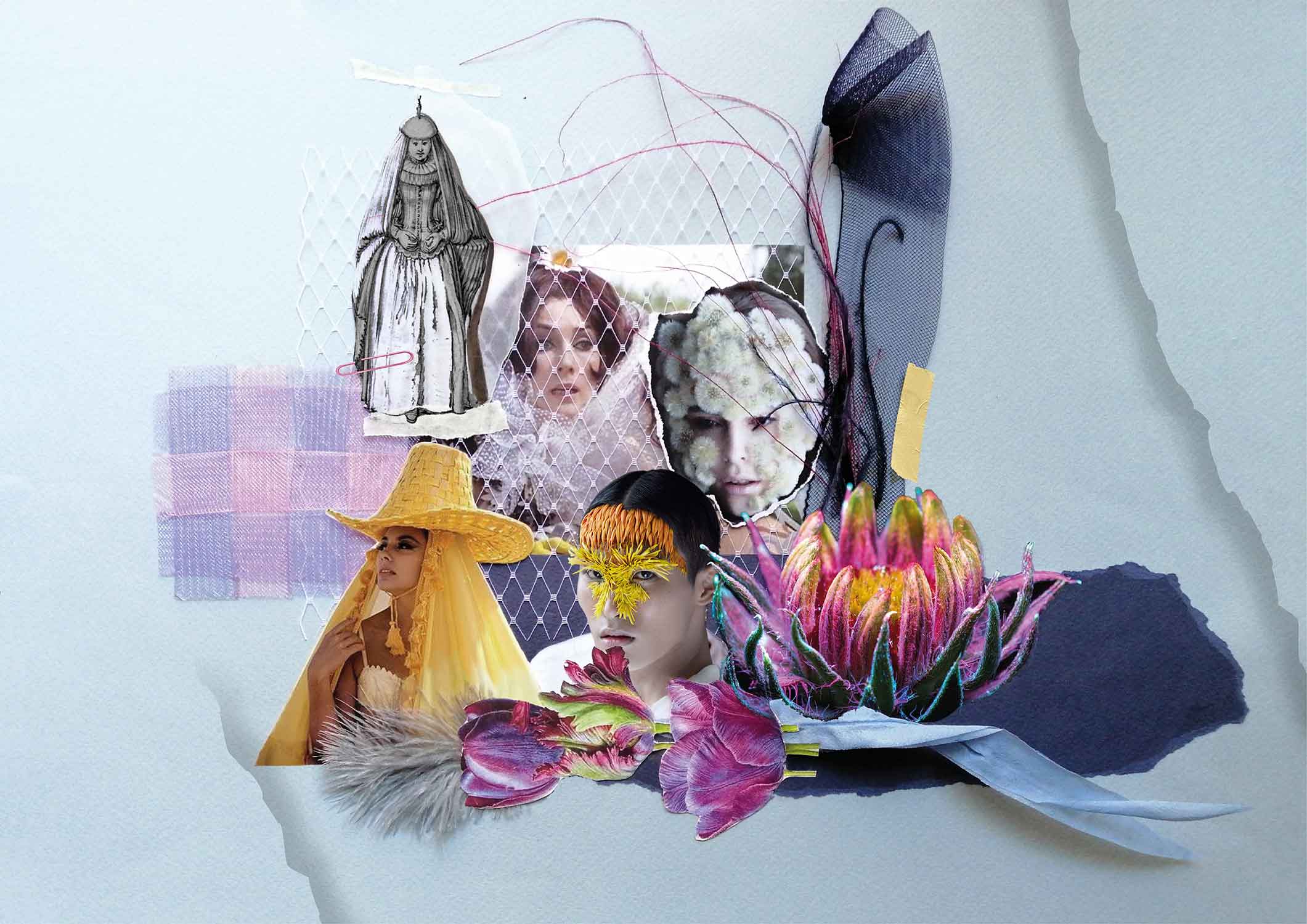
Moodboard
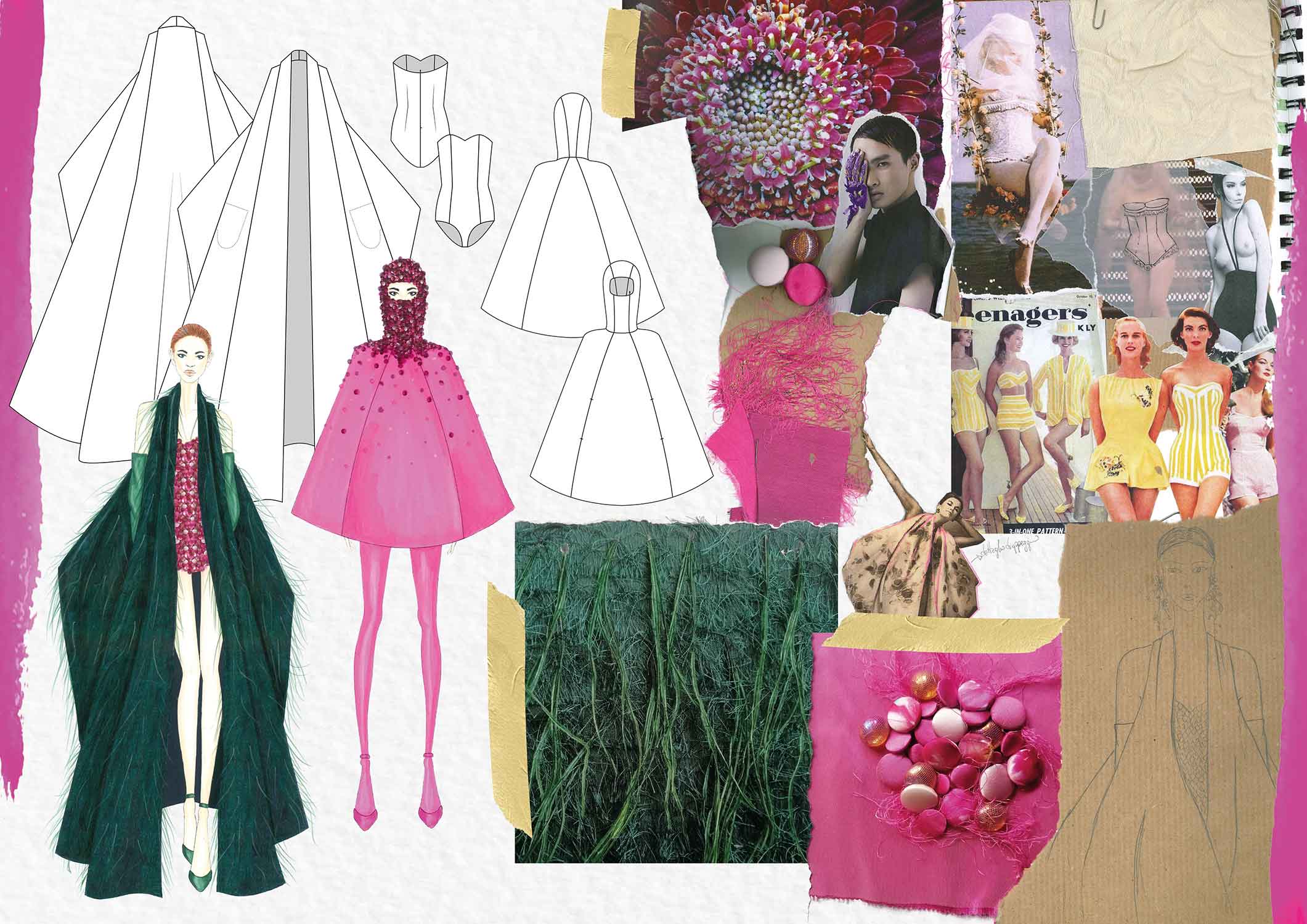
line up
Share the project:


