

LIGHTER
Elisa Castiglioni

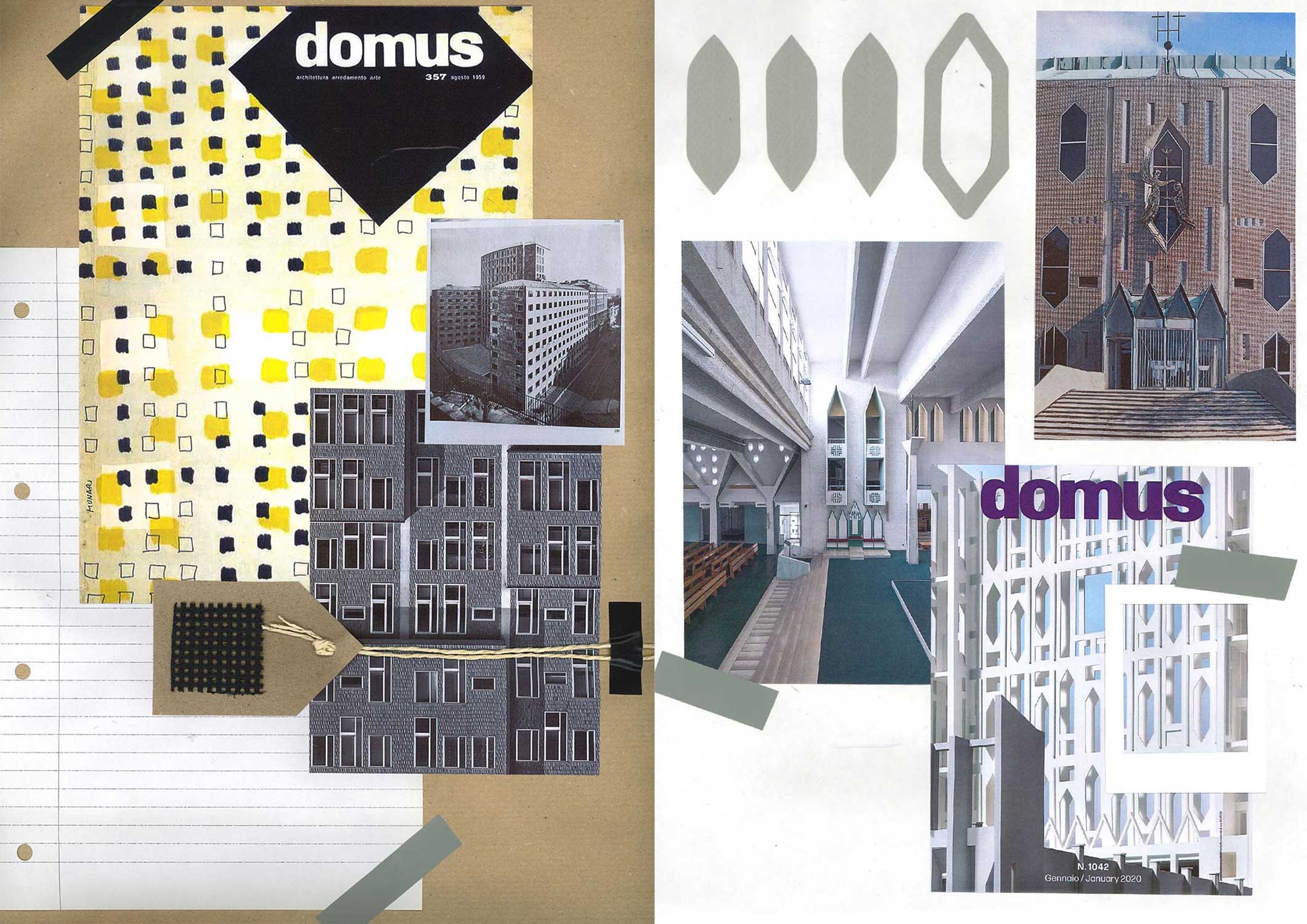
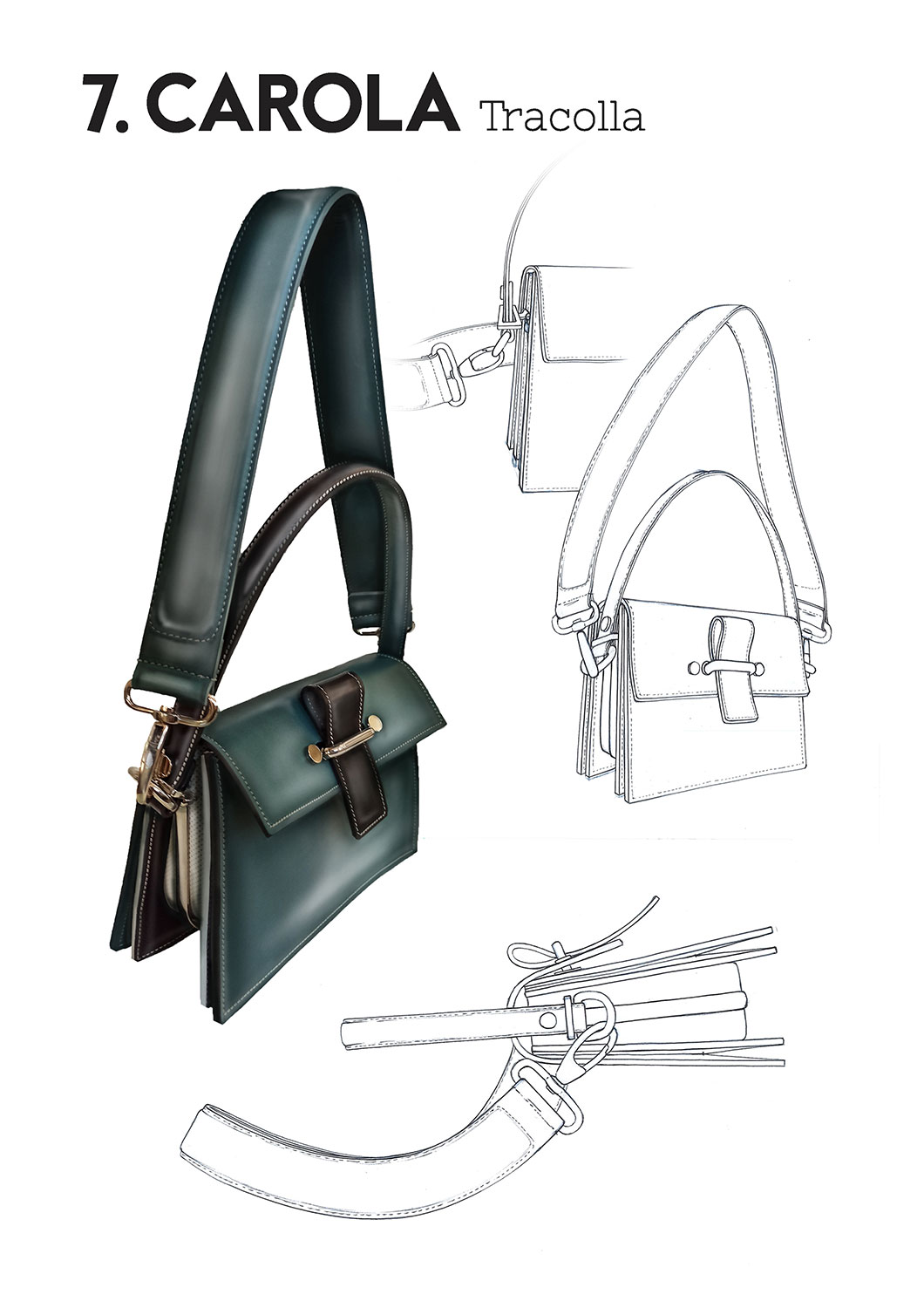
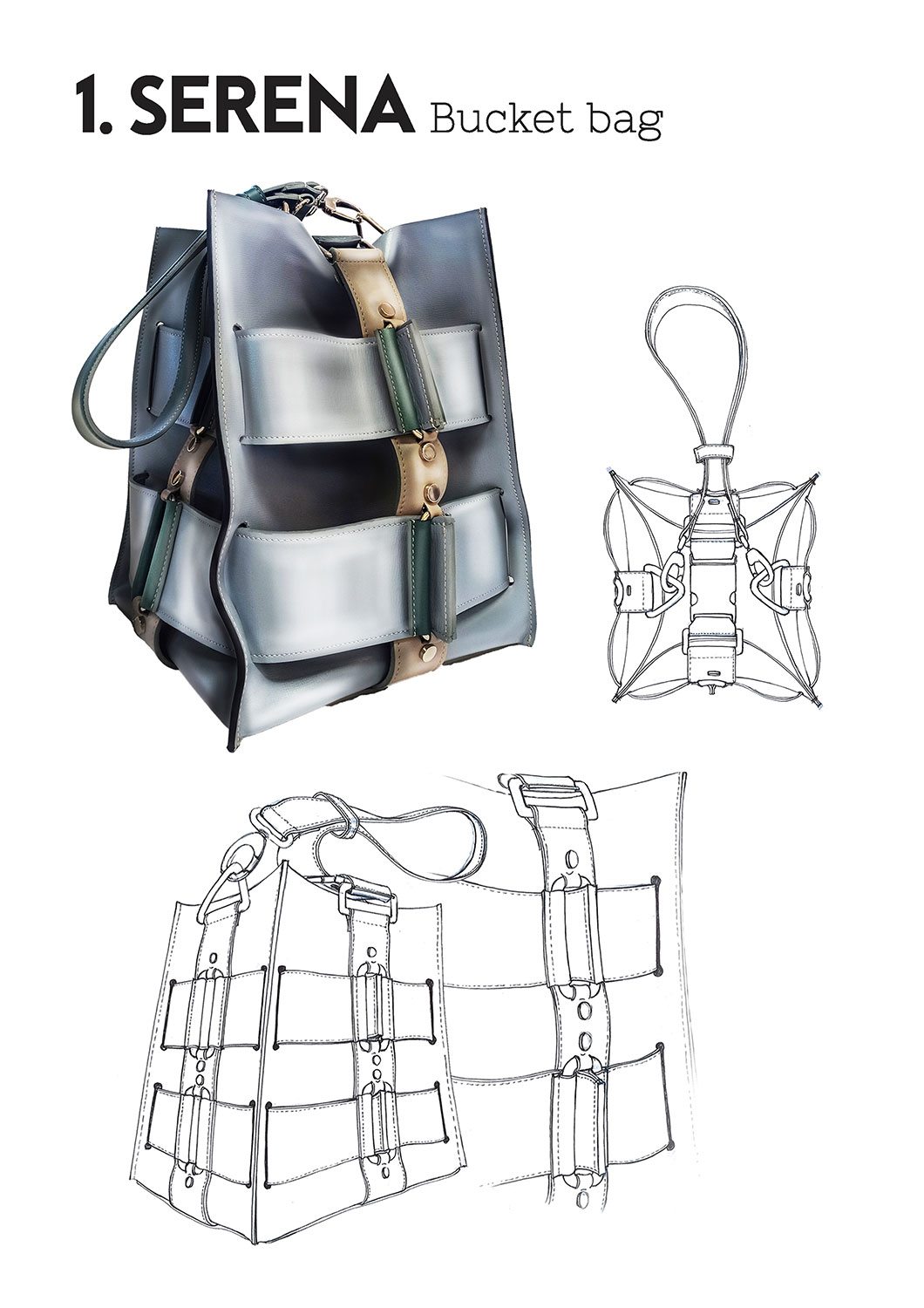
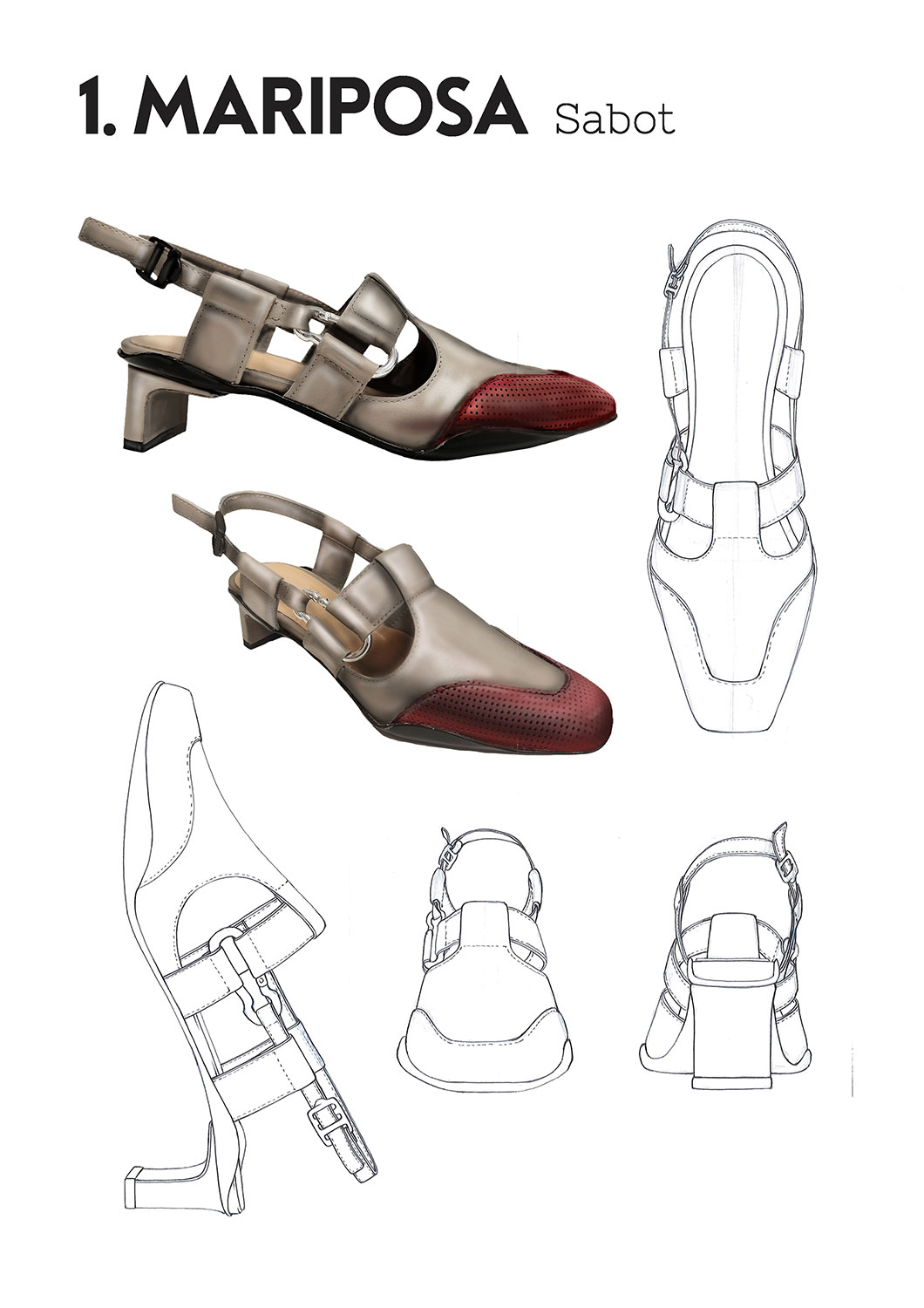
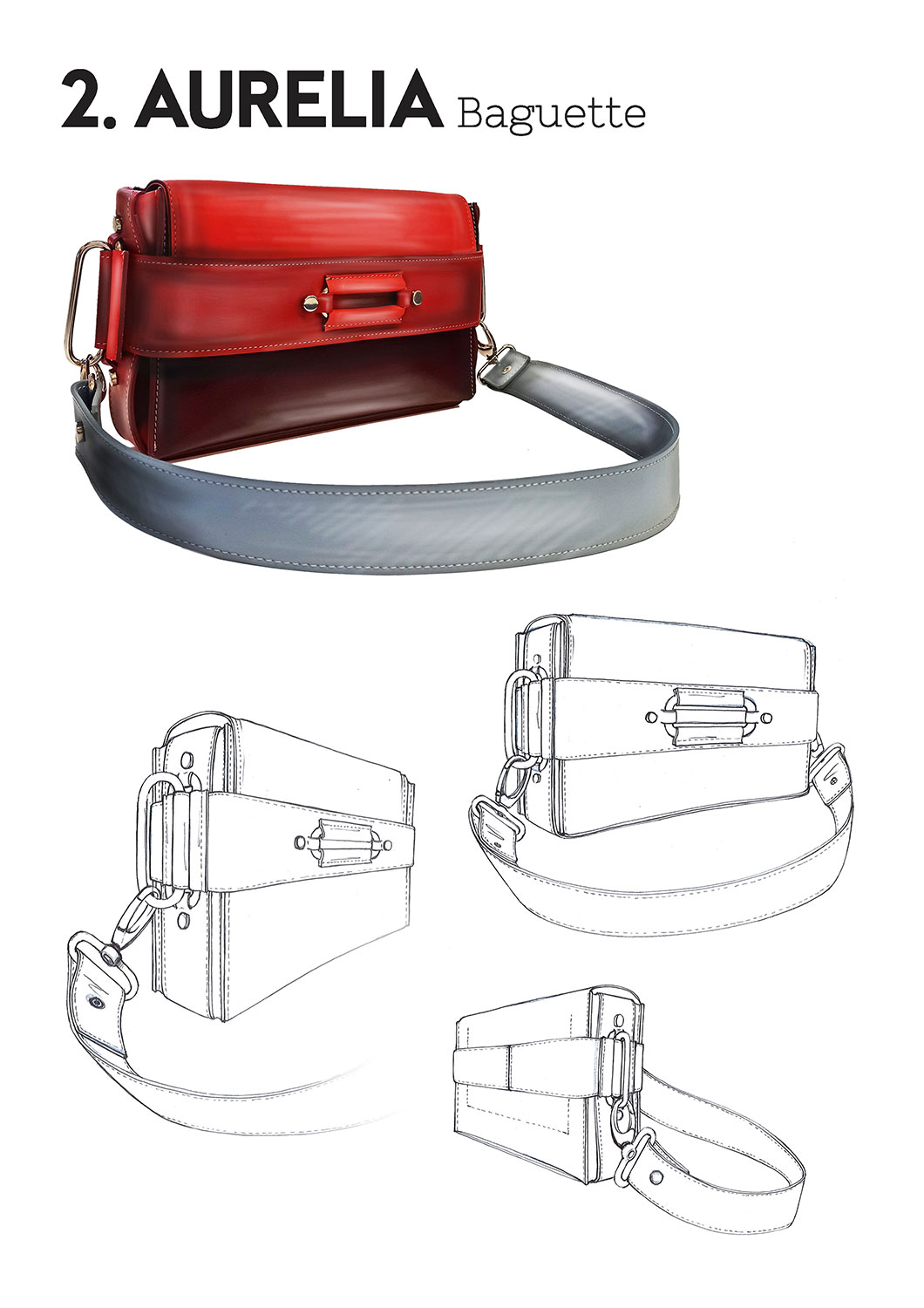
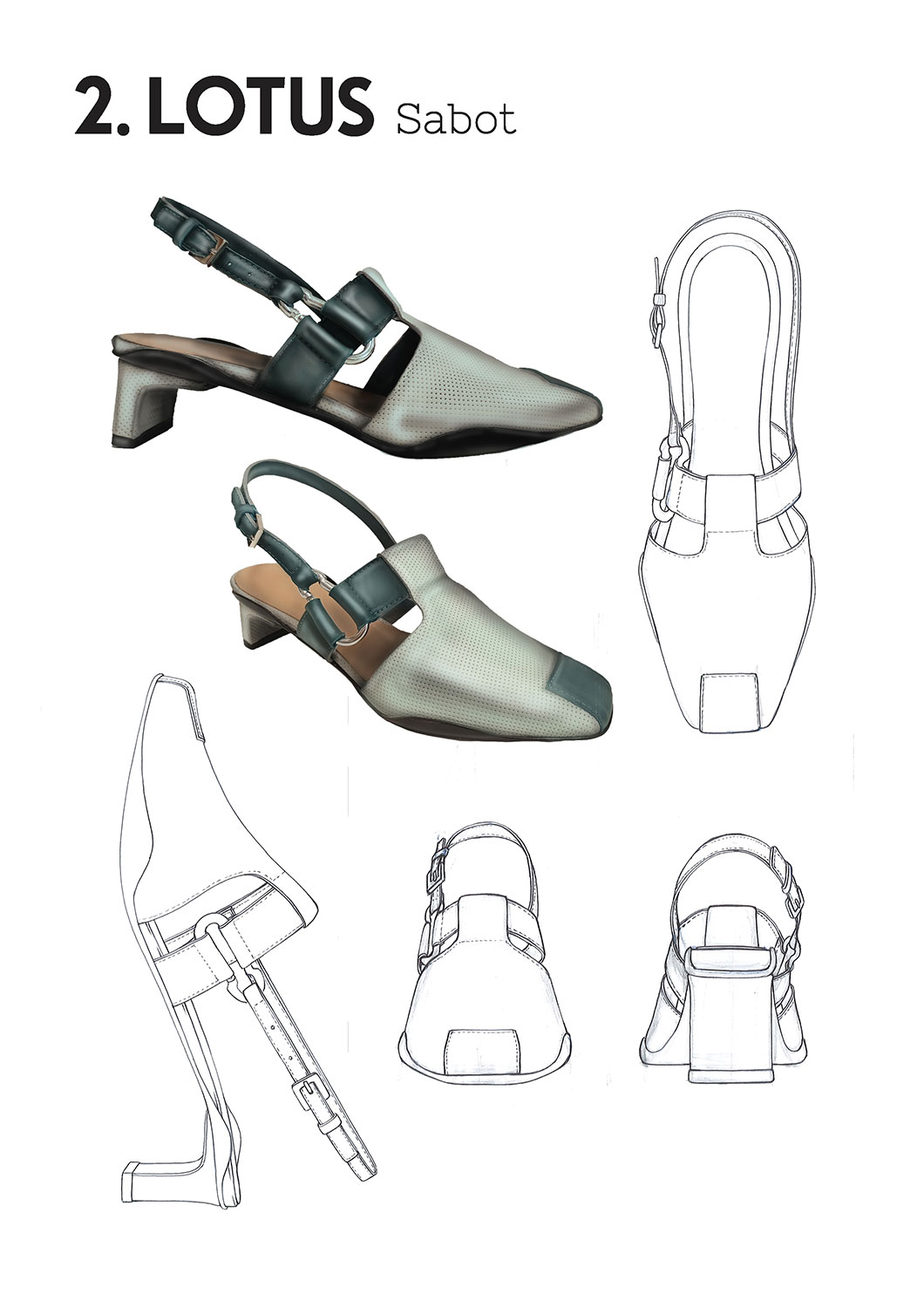
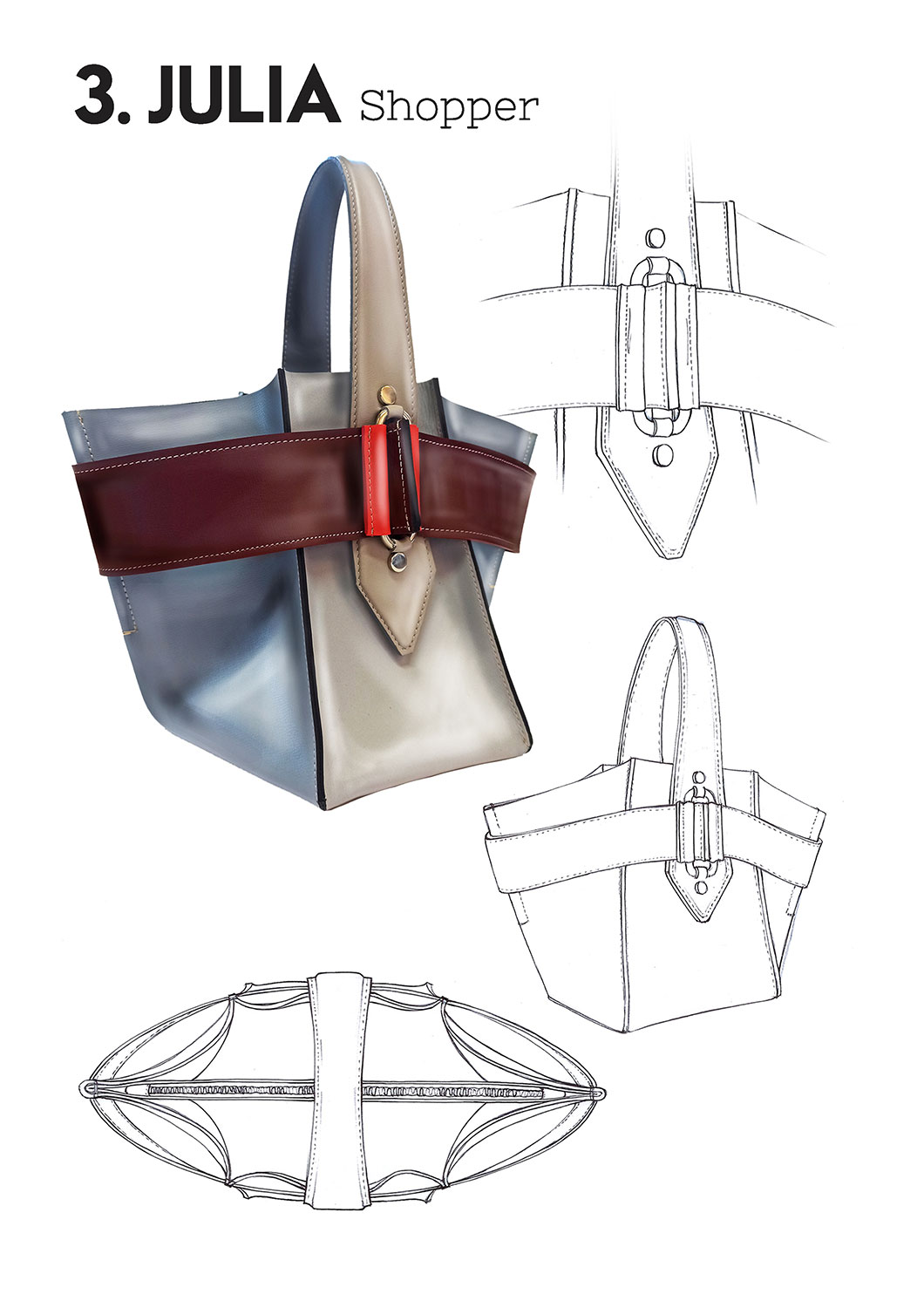
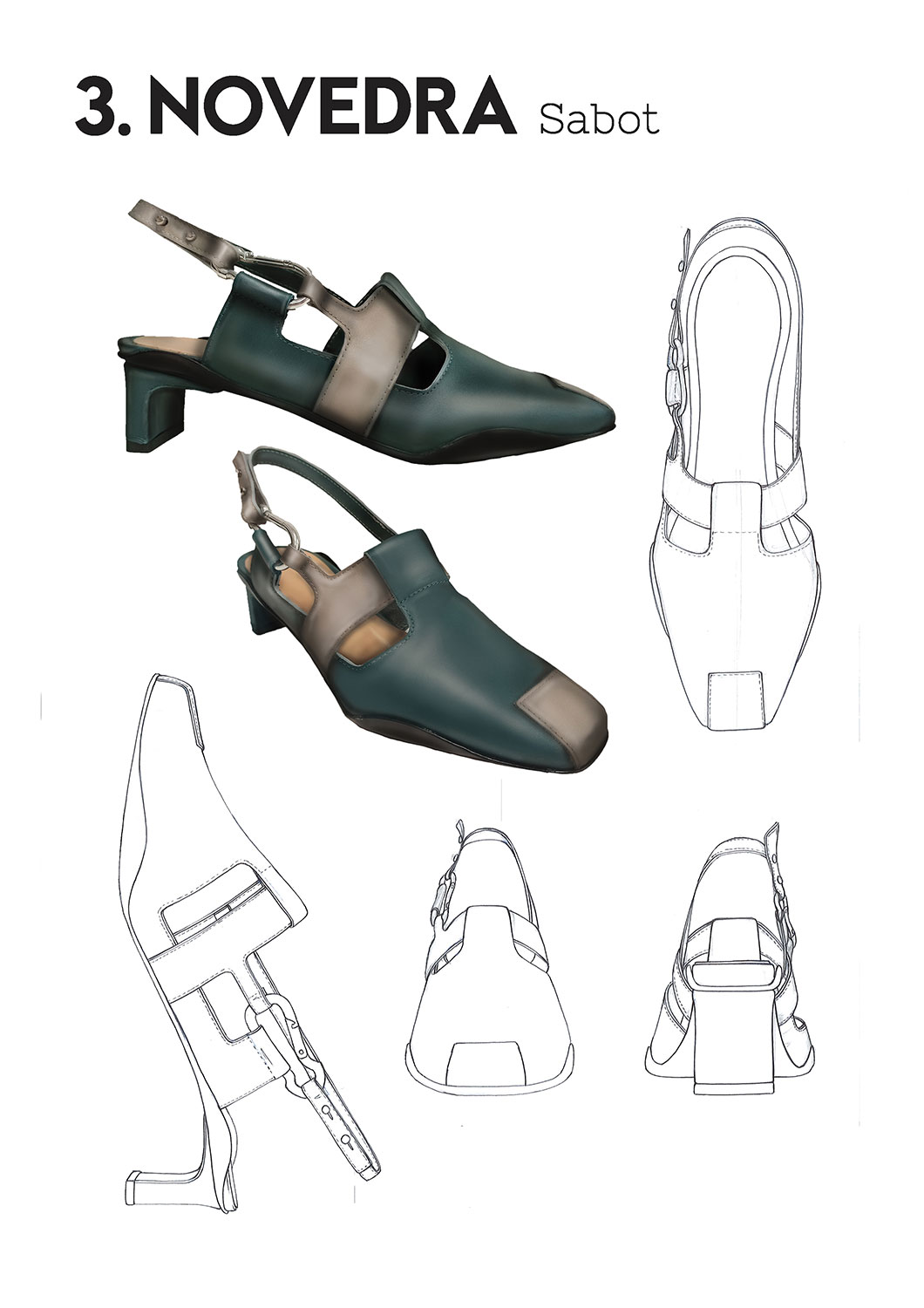
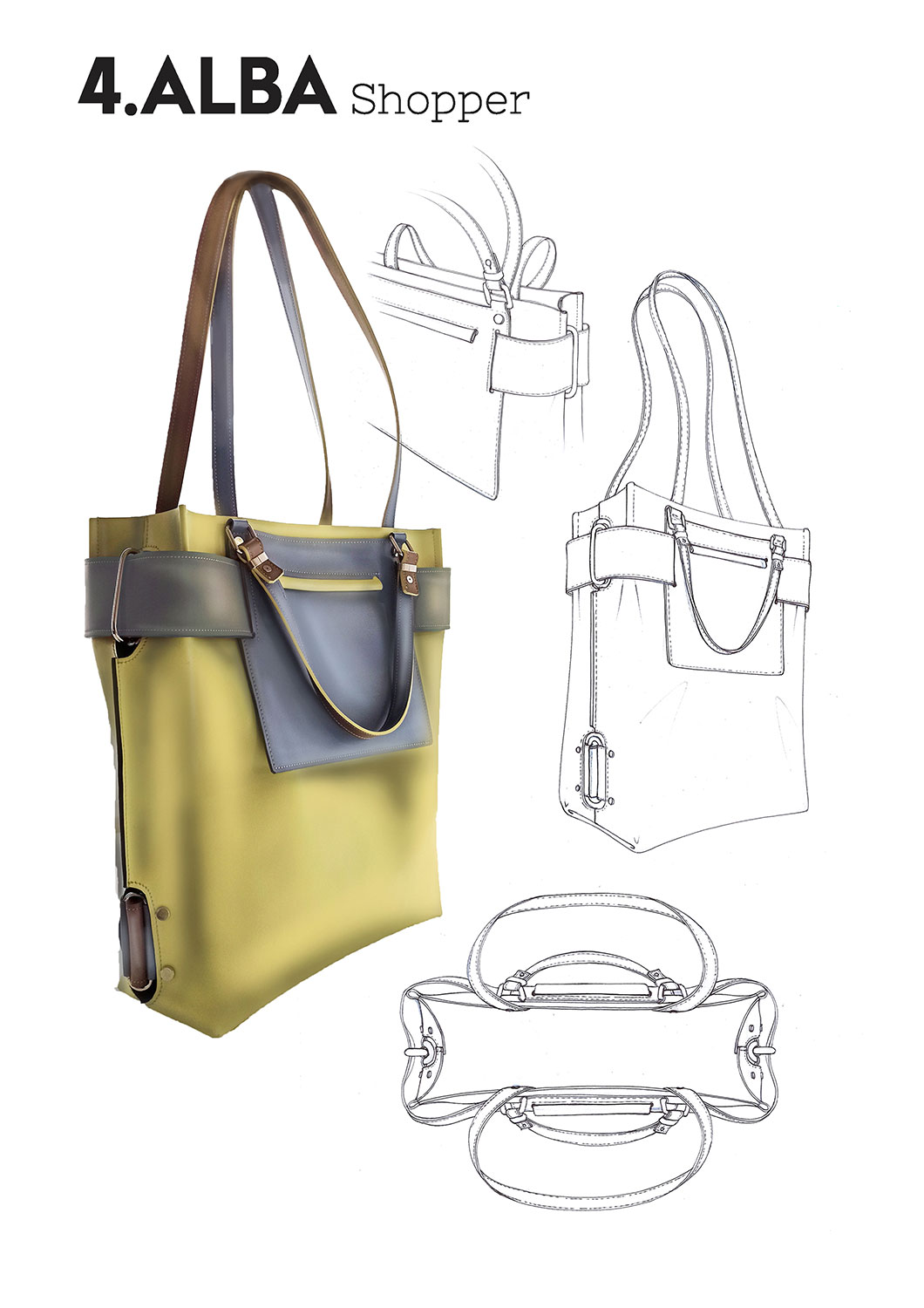
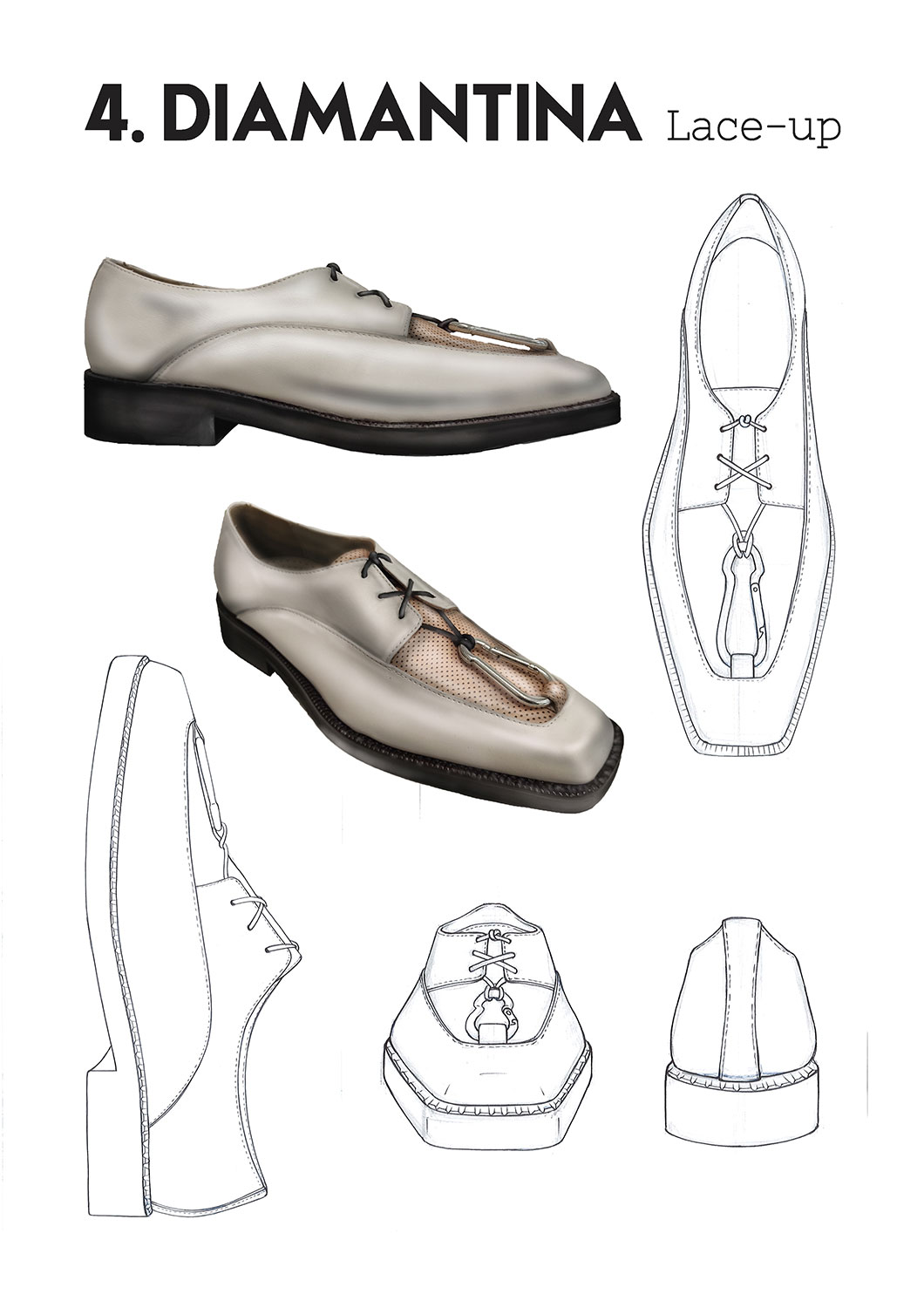
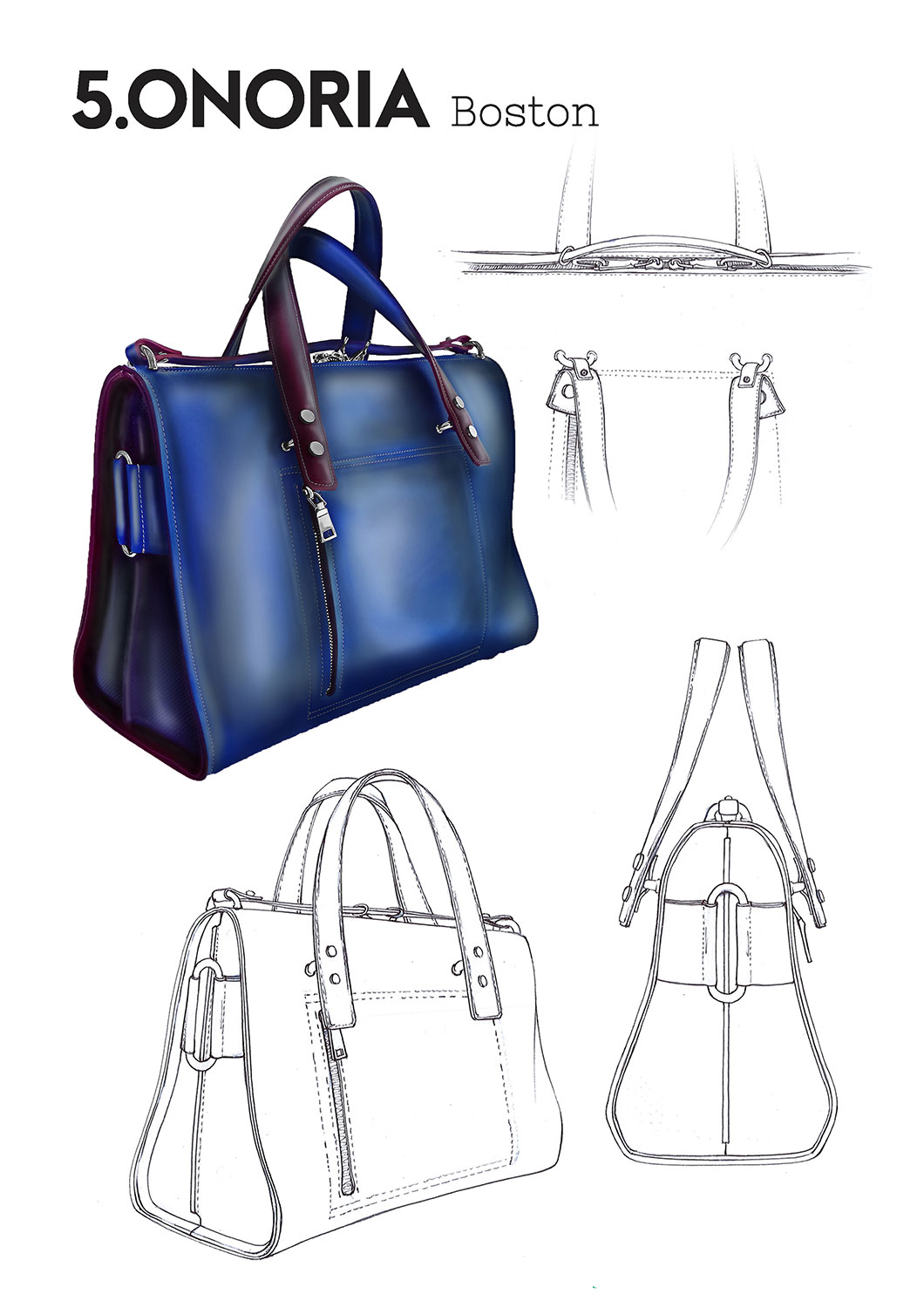
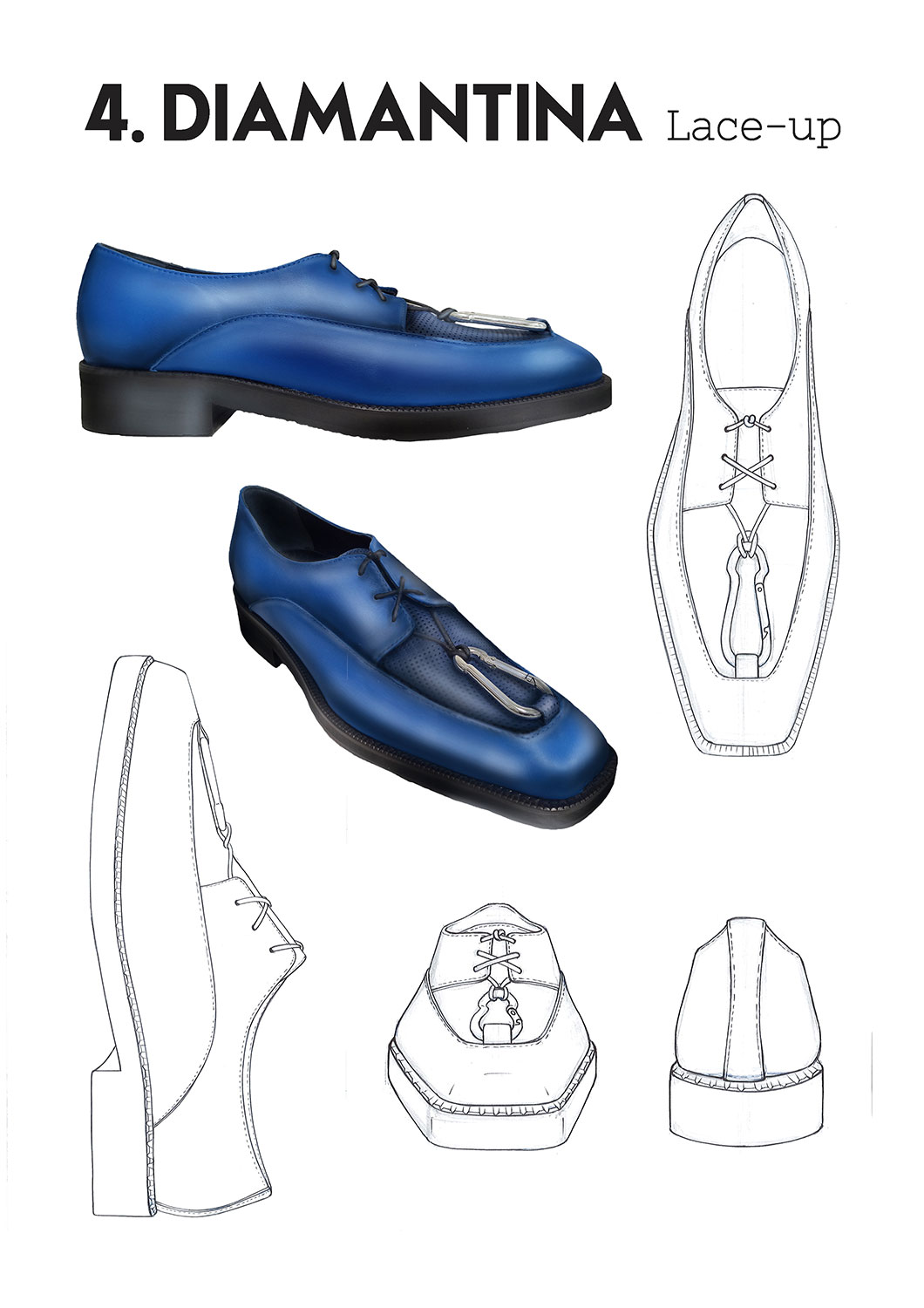
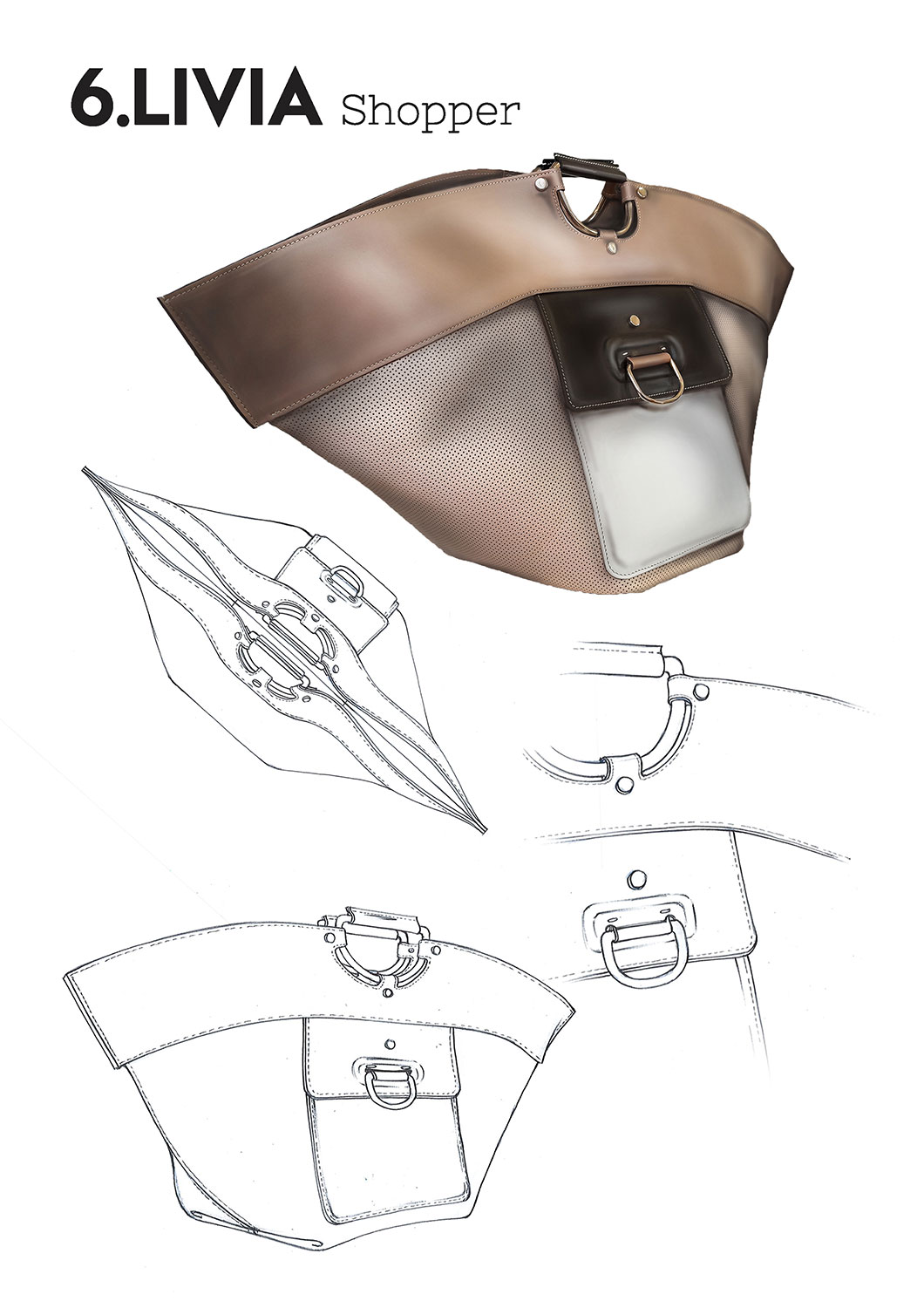
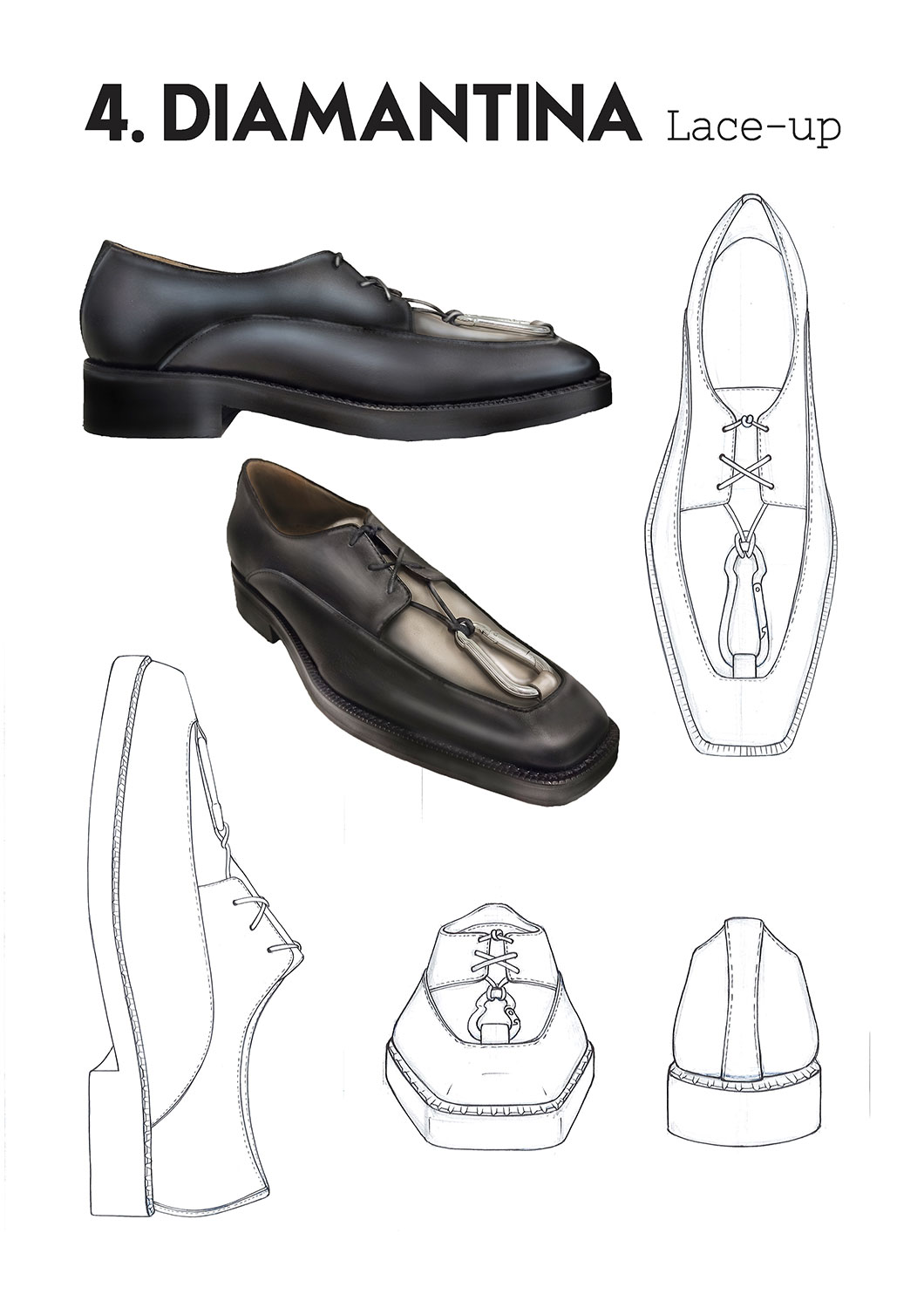
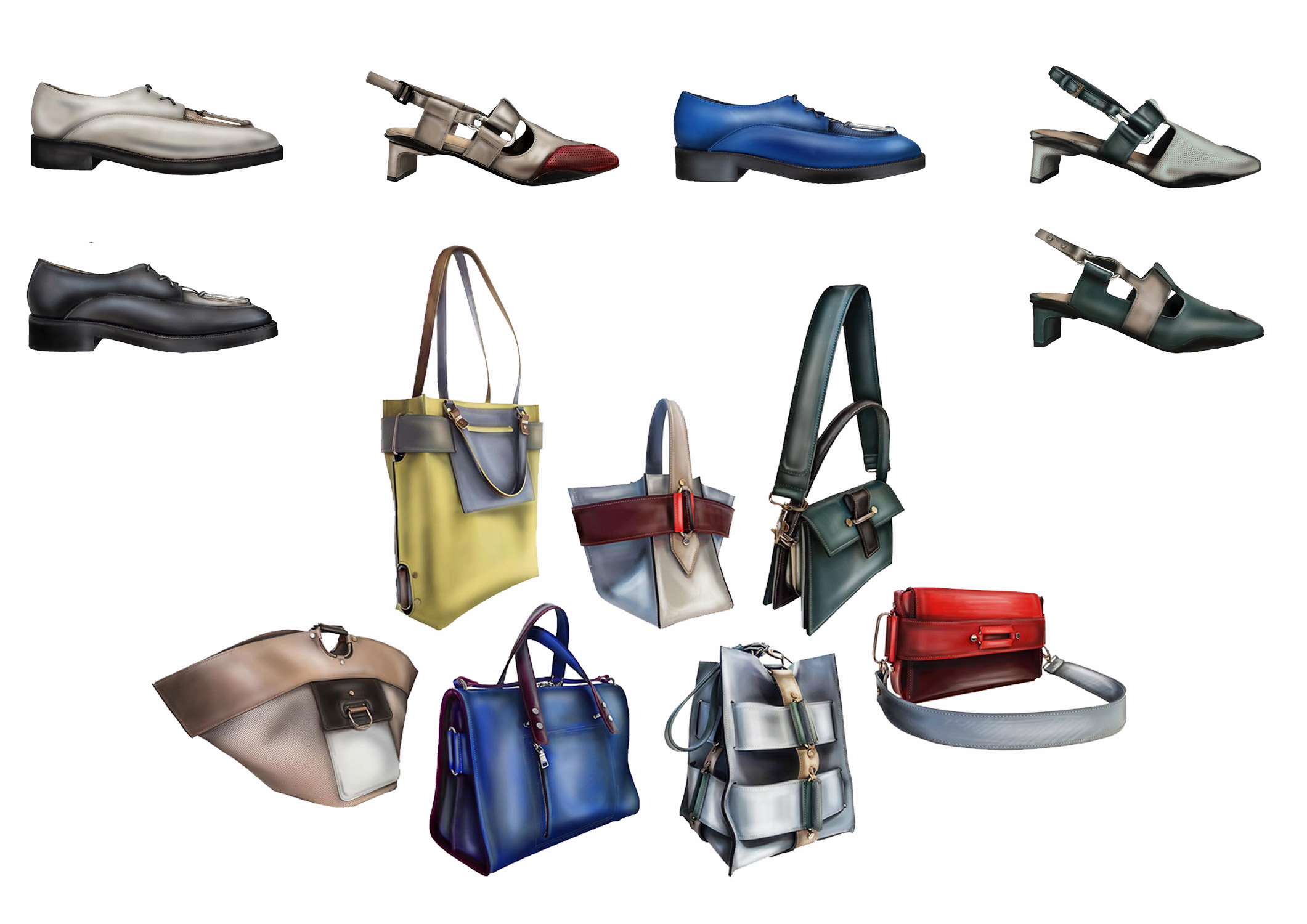
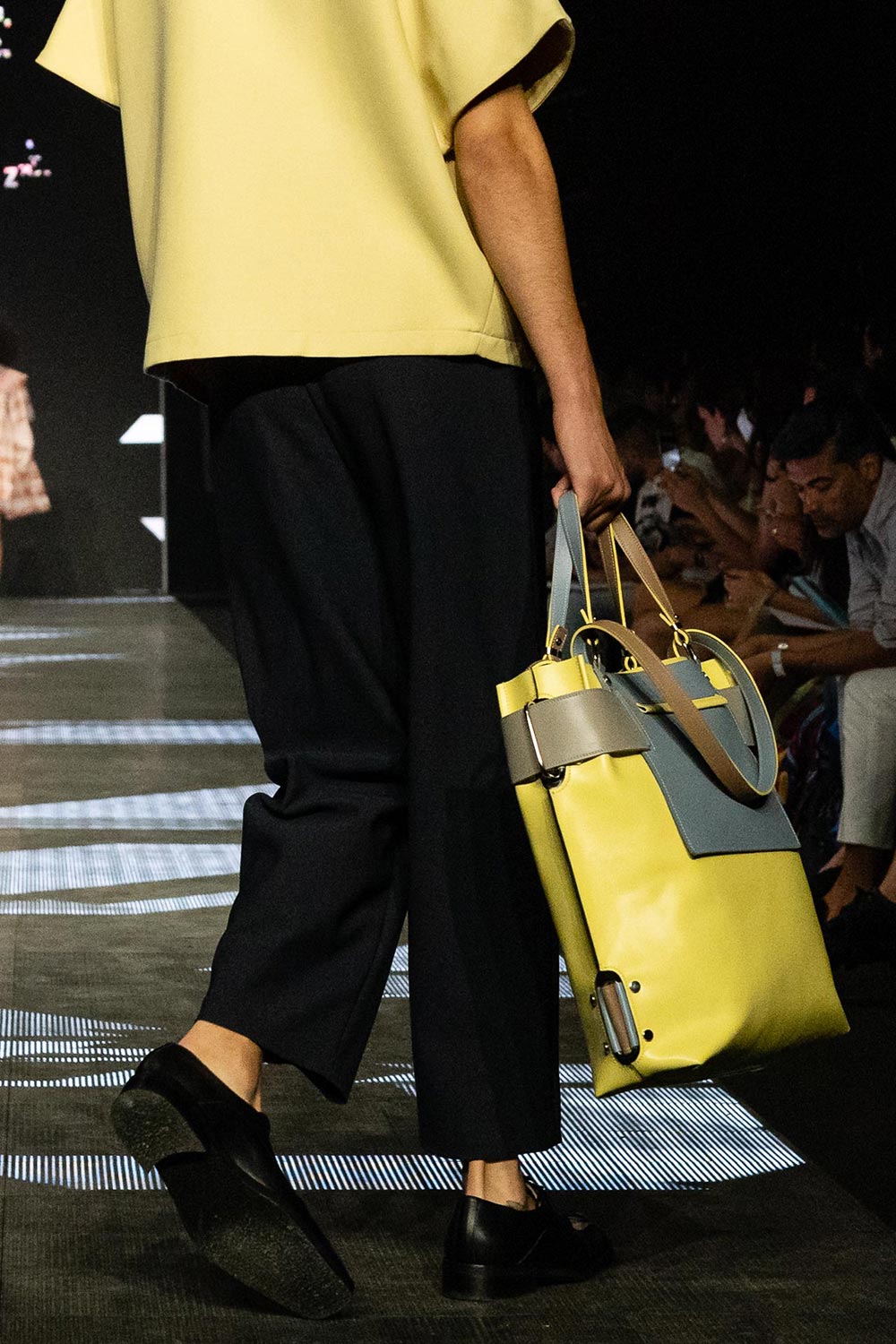
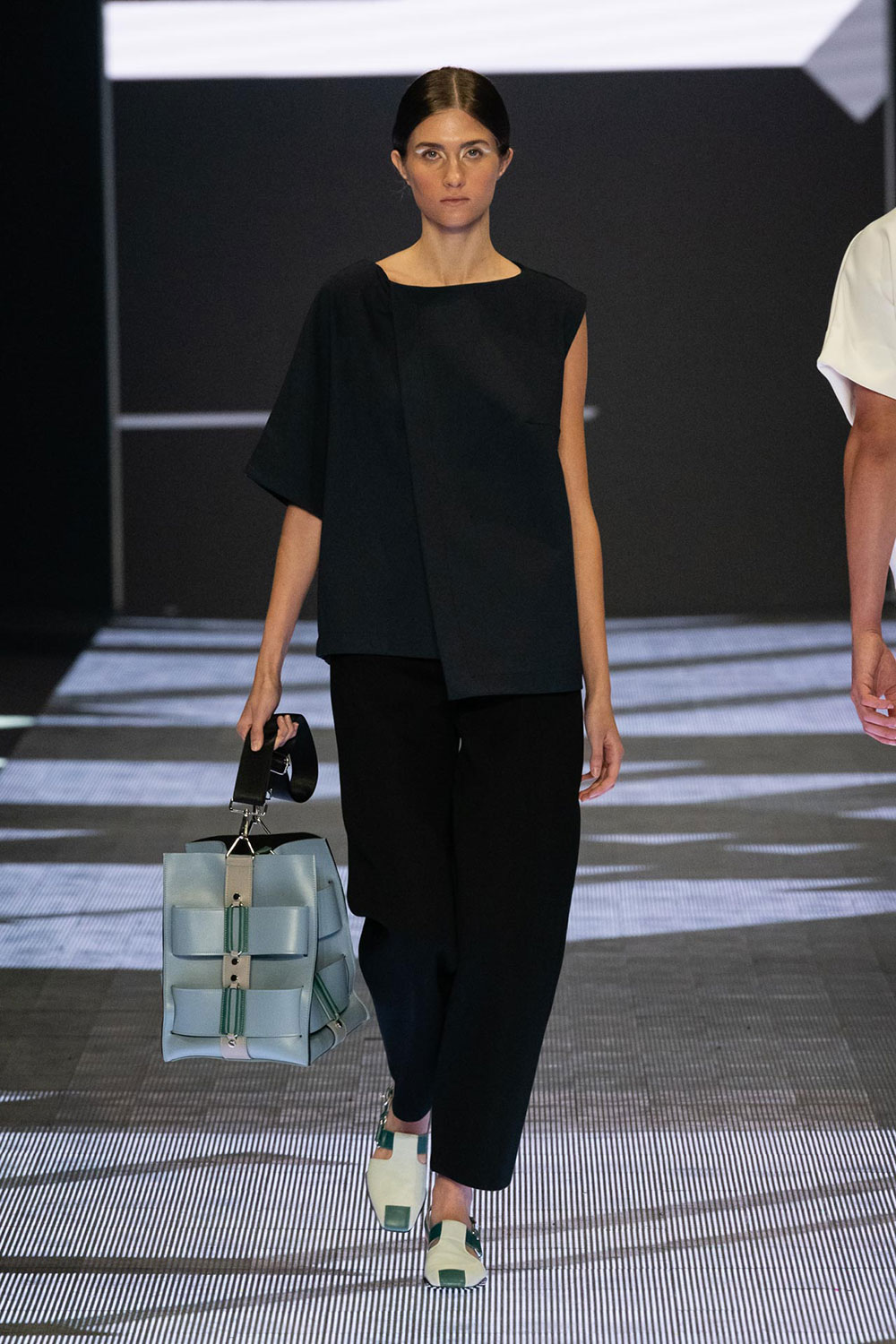
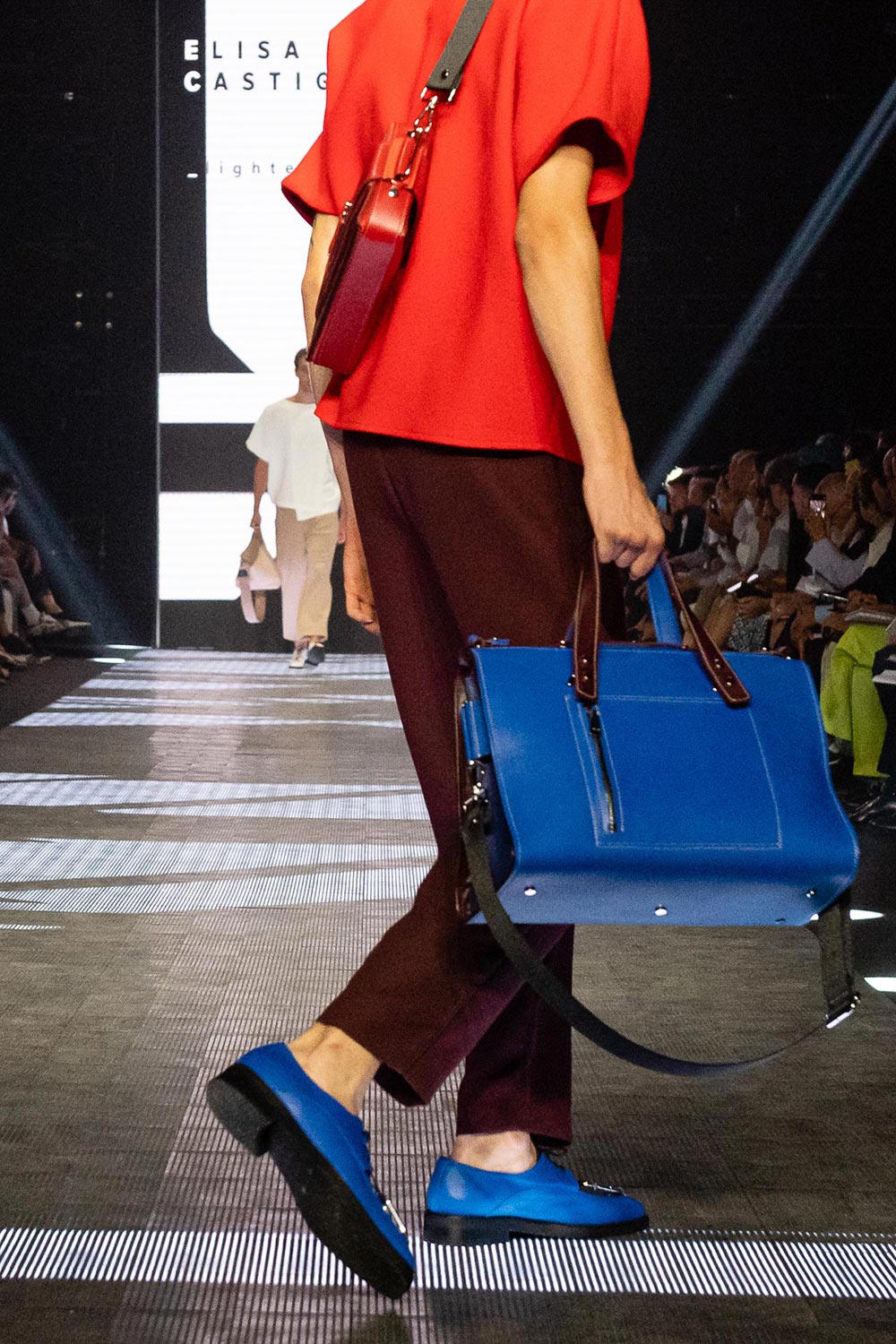
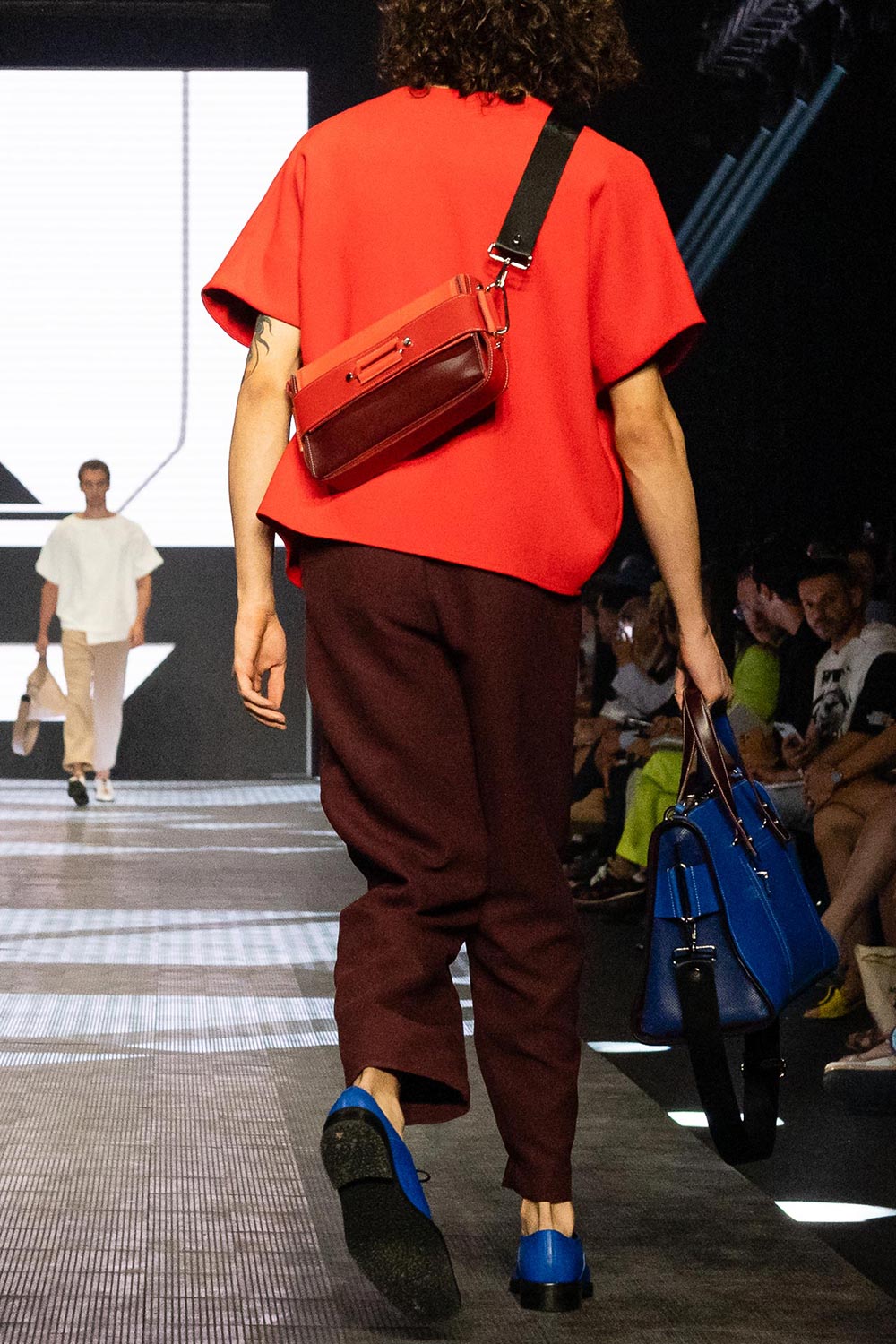
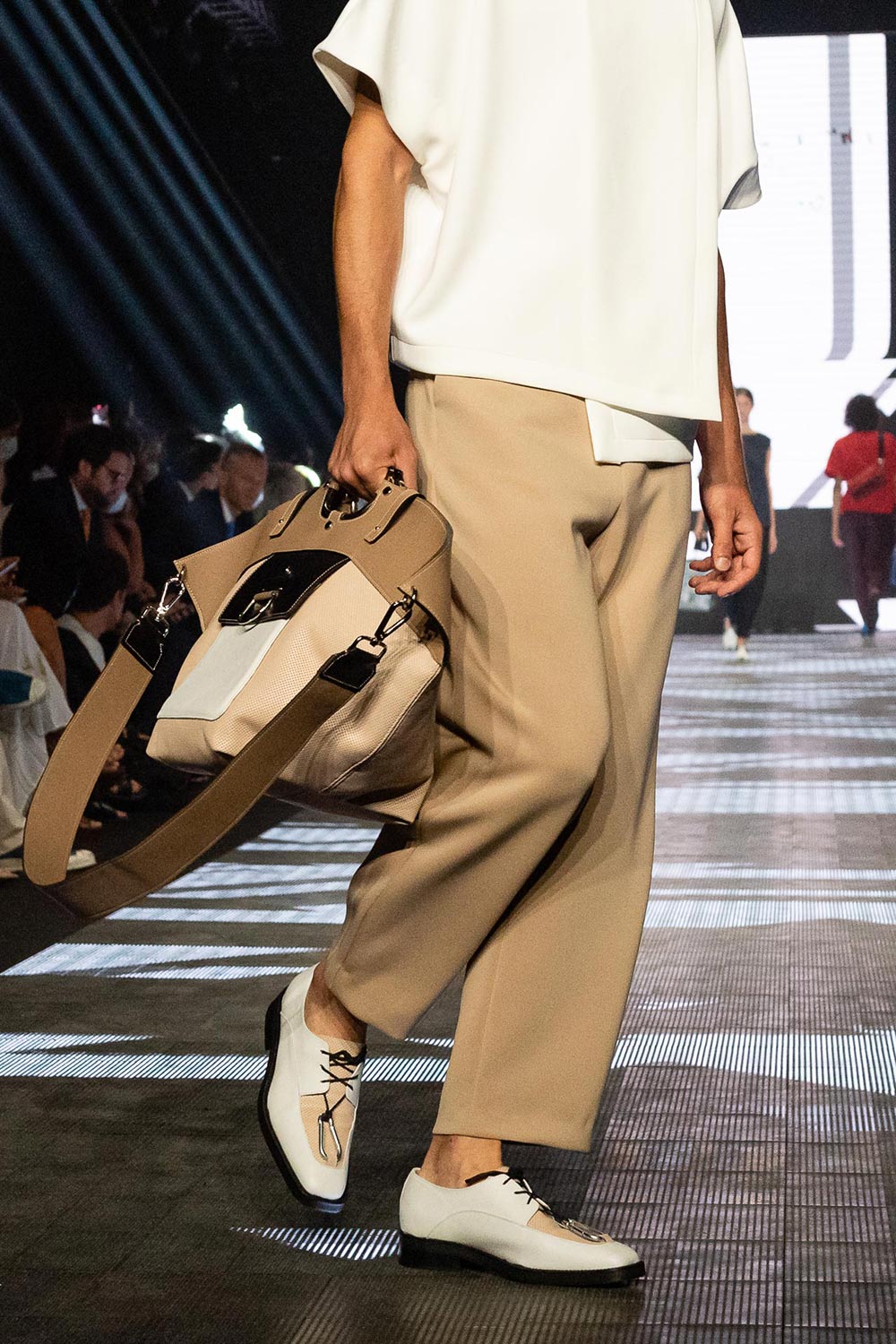
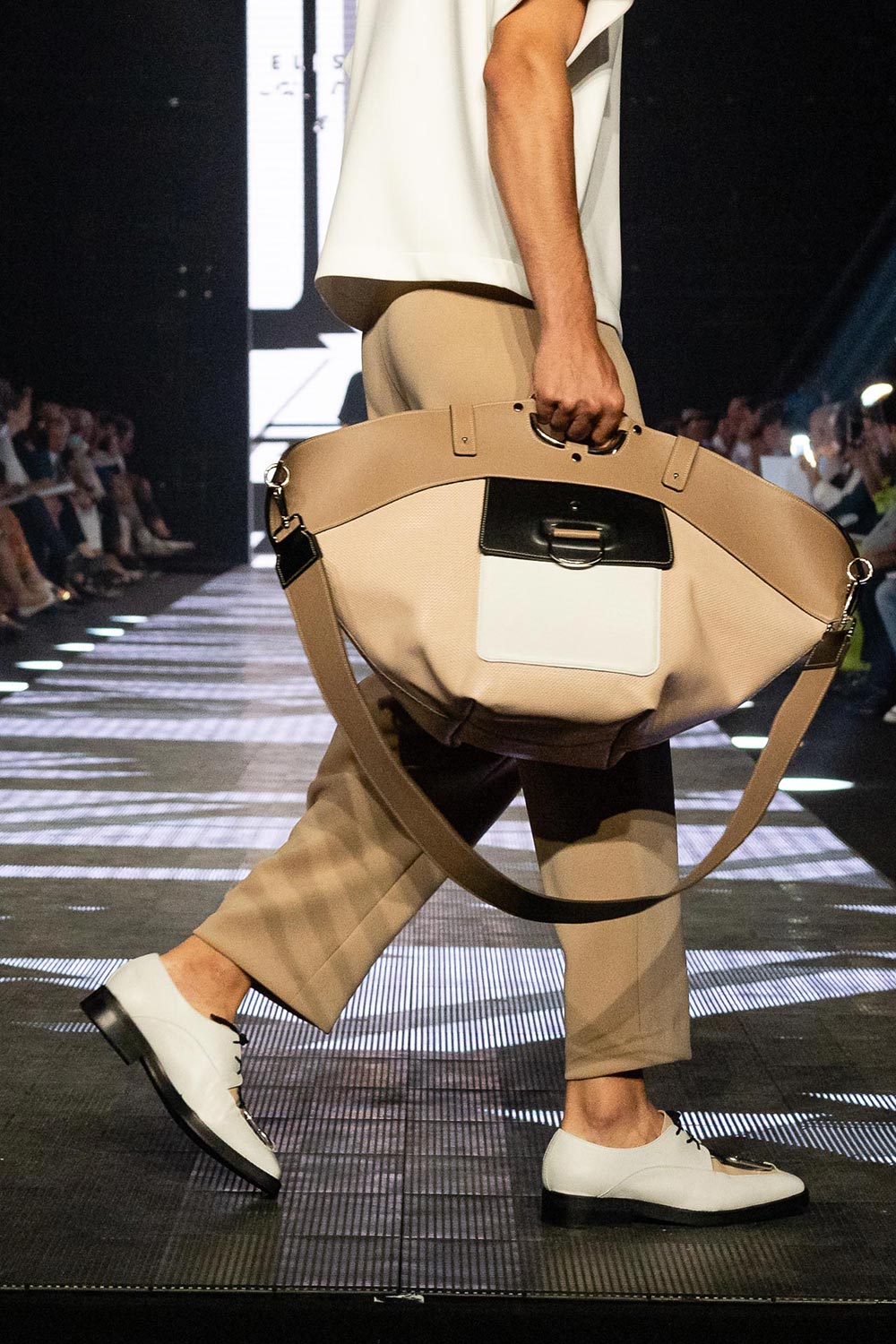
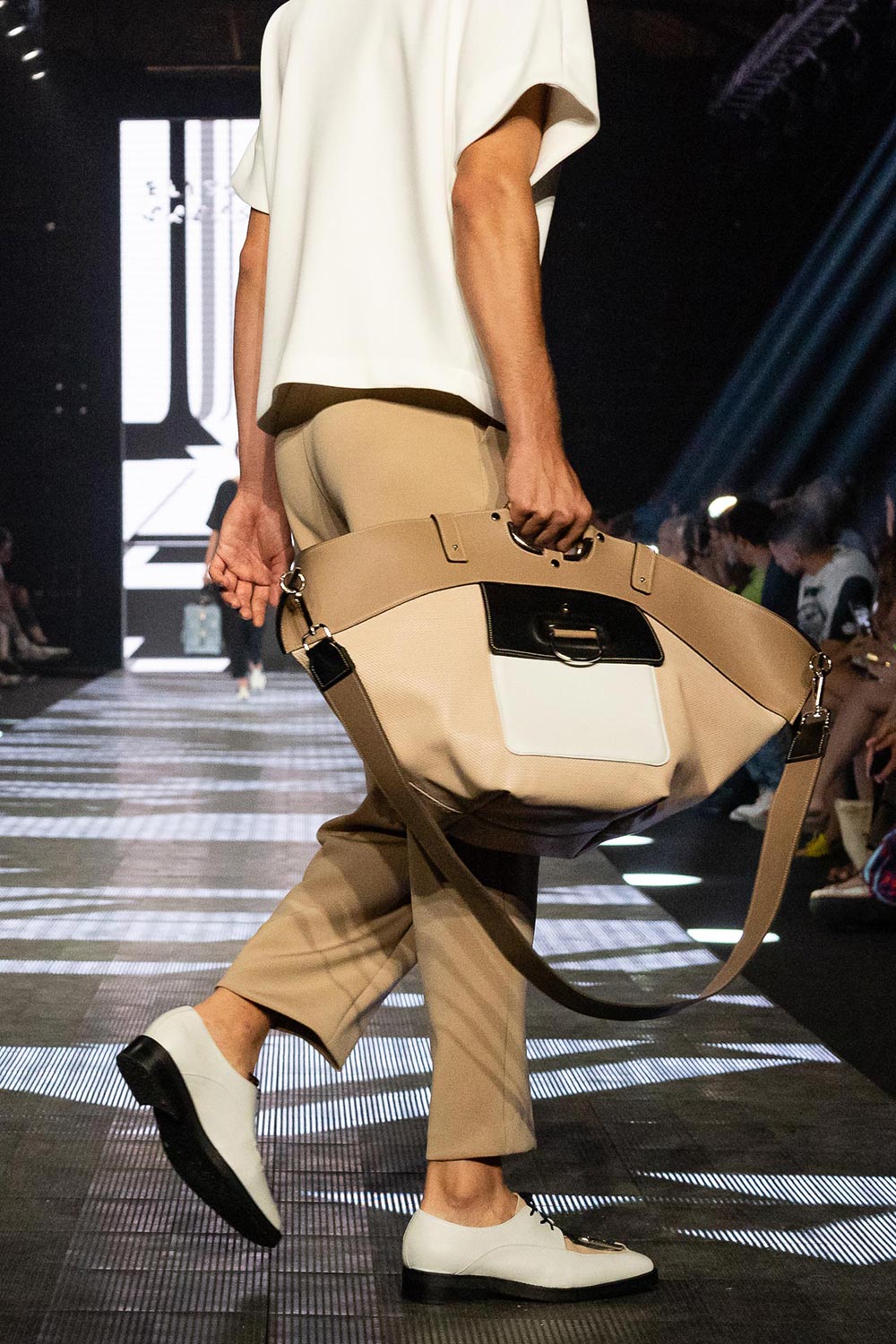
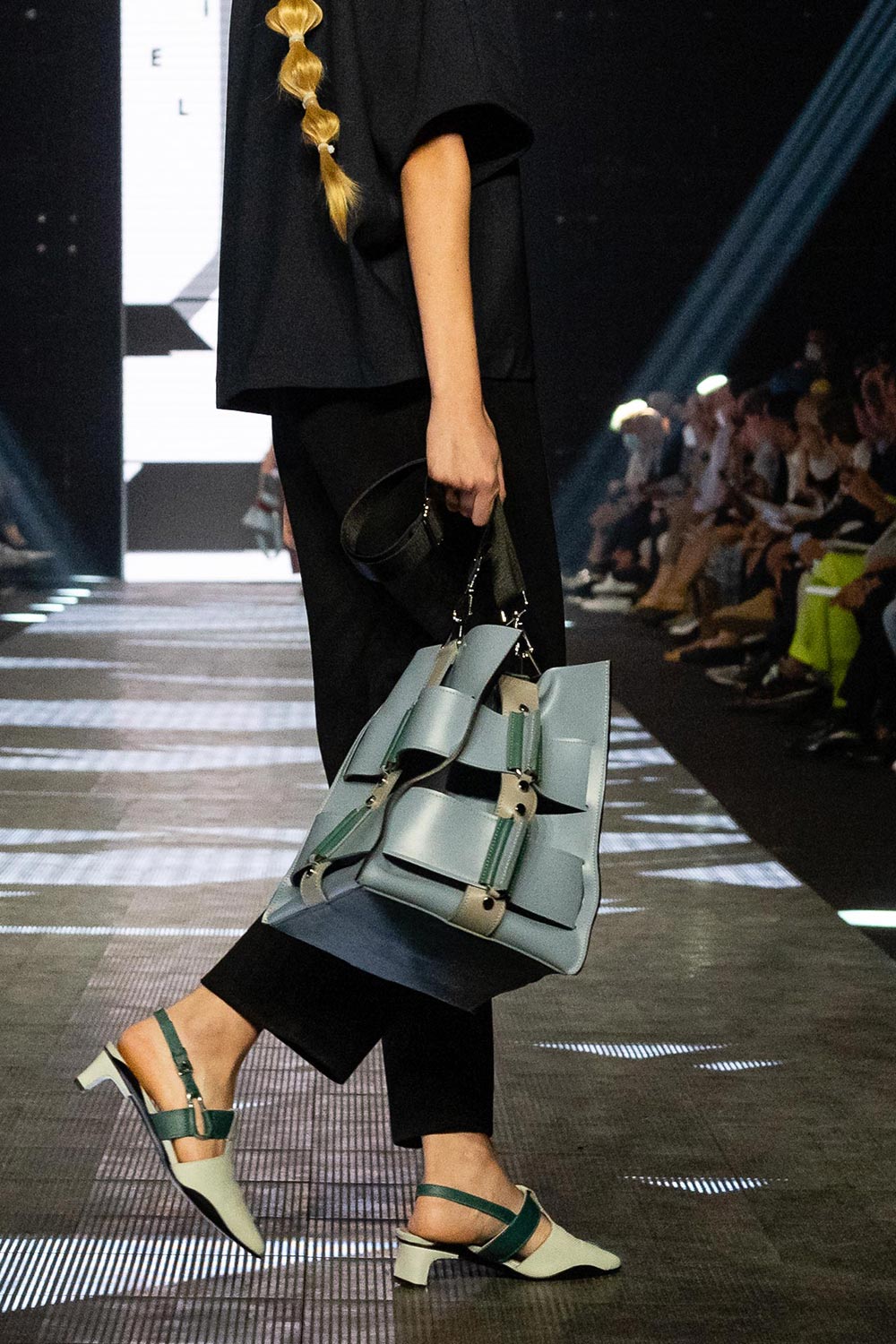
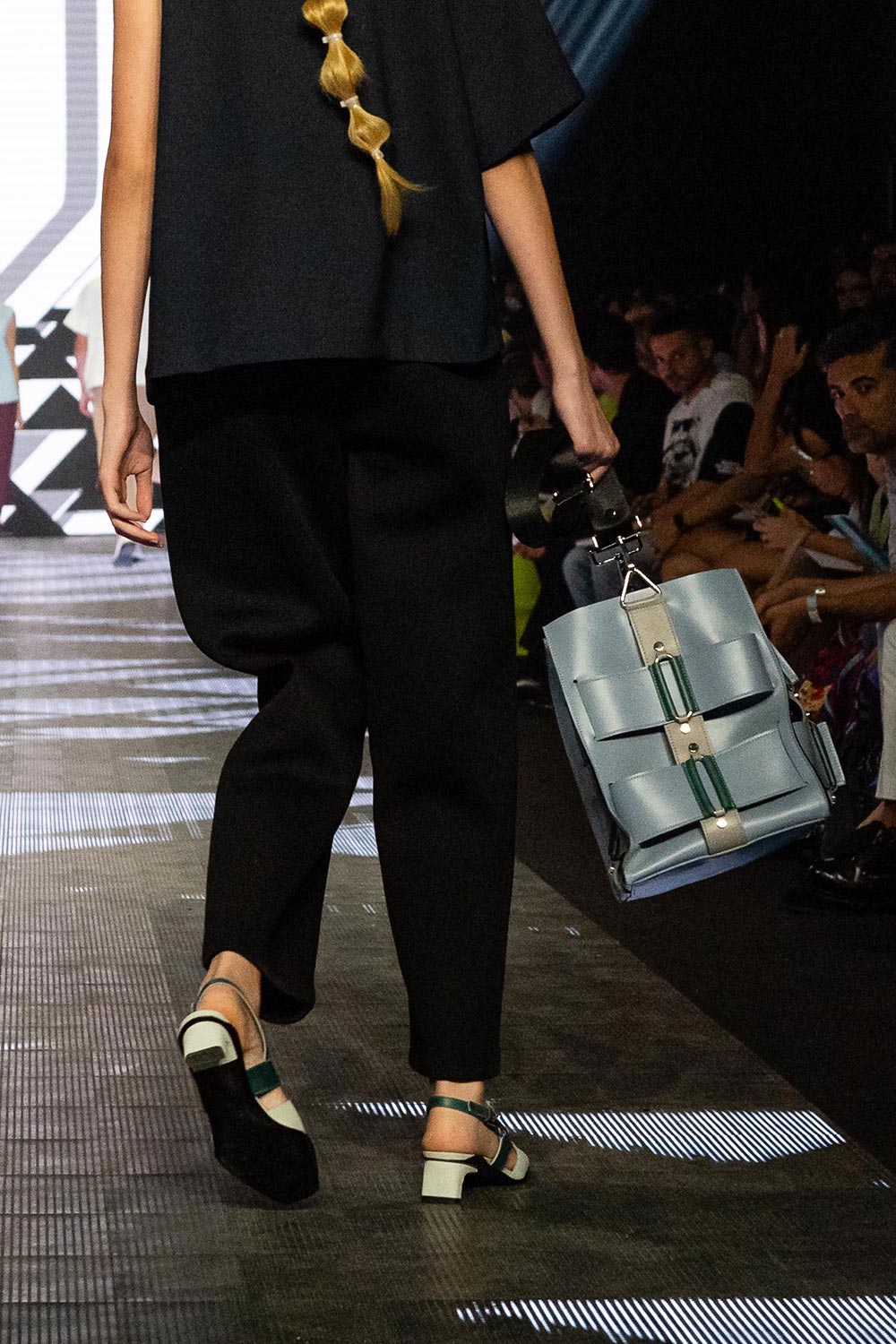
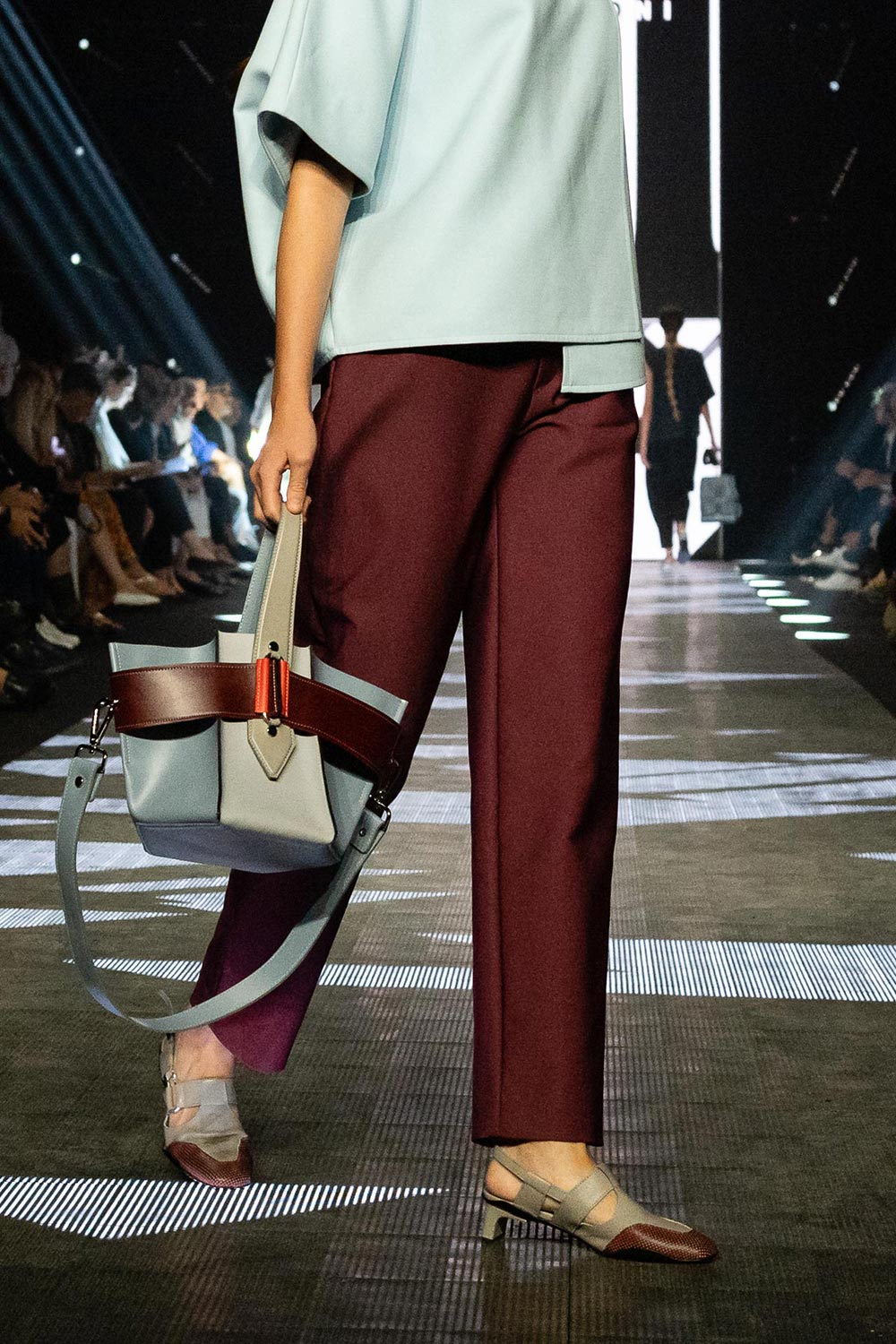
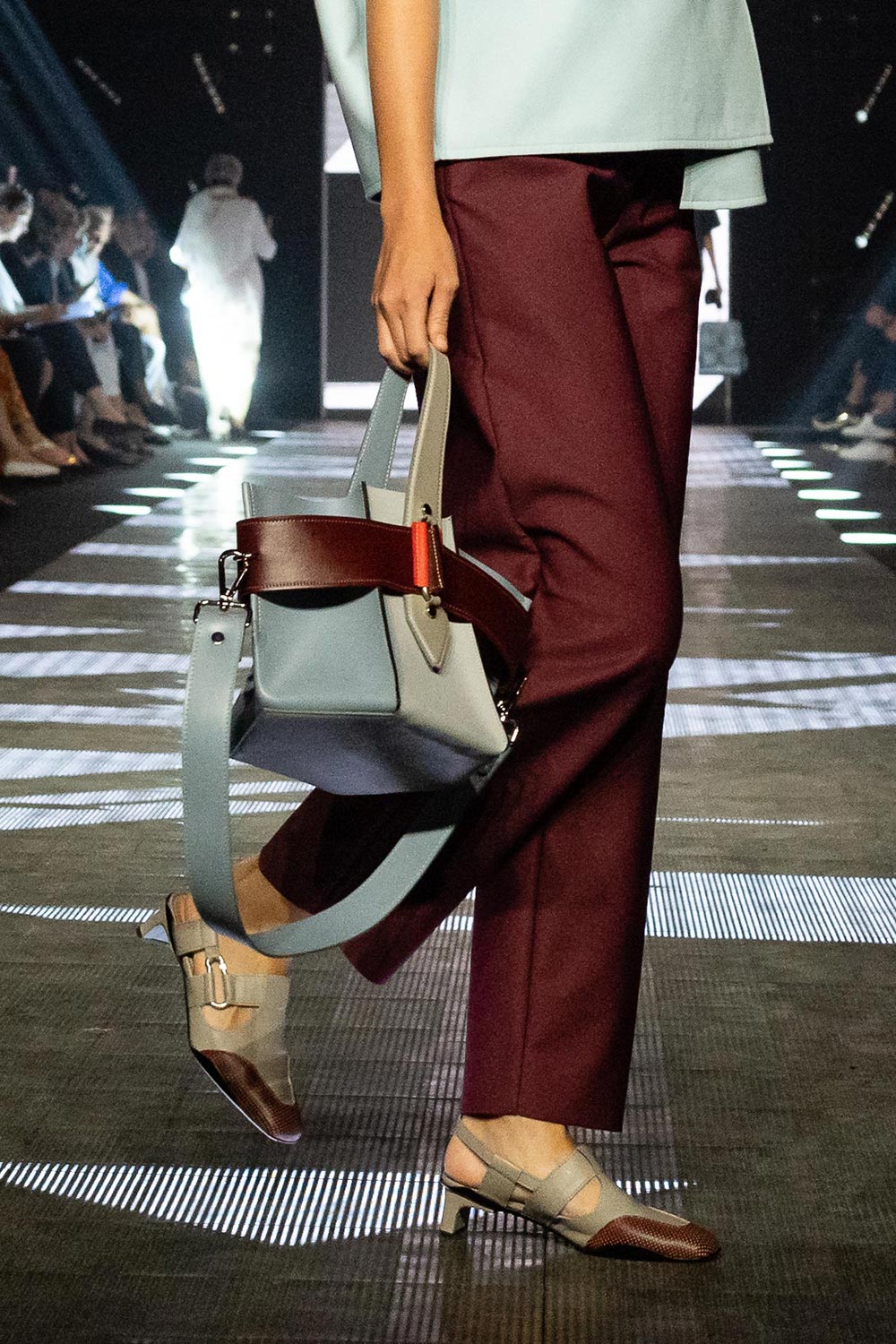
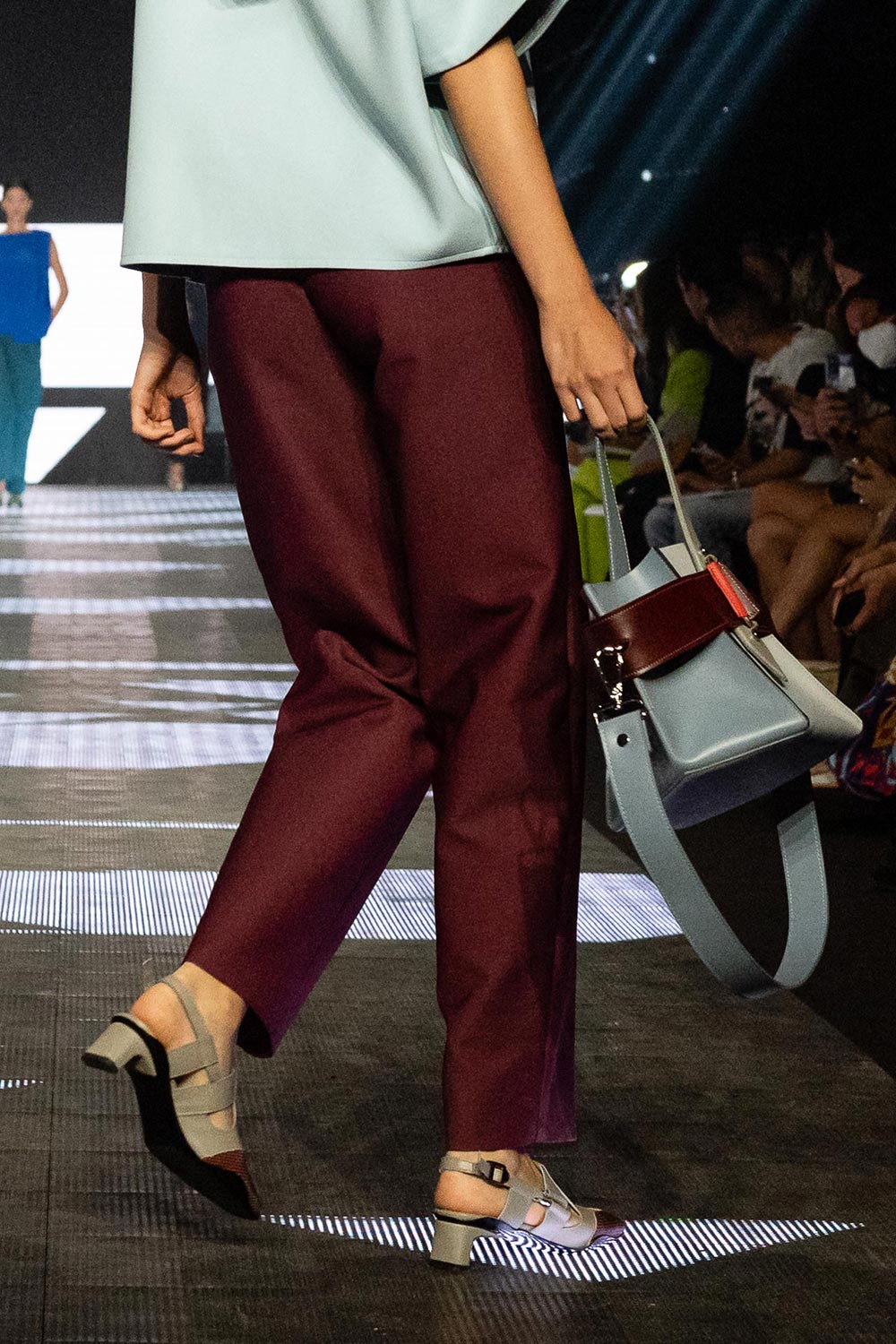
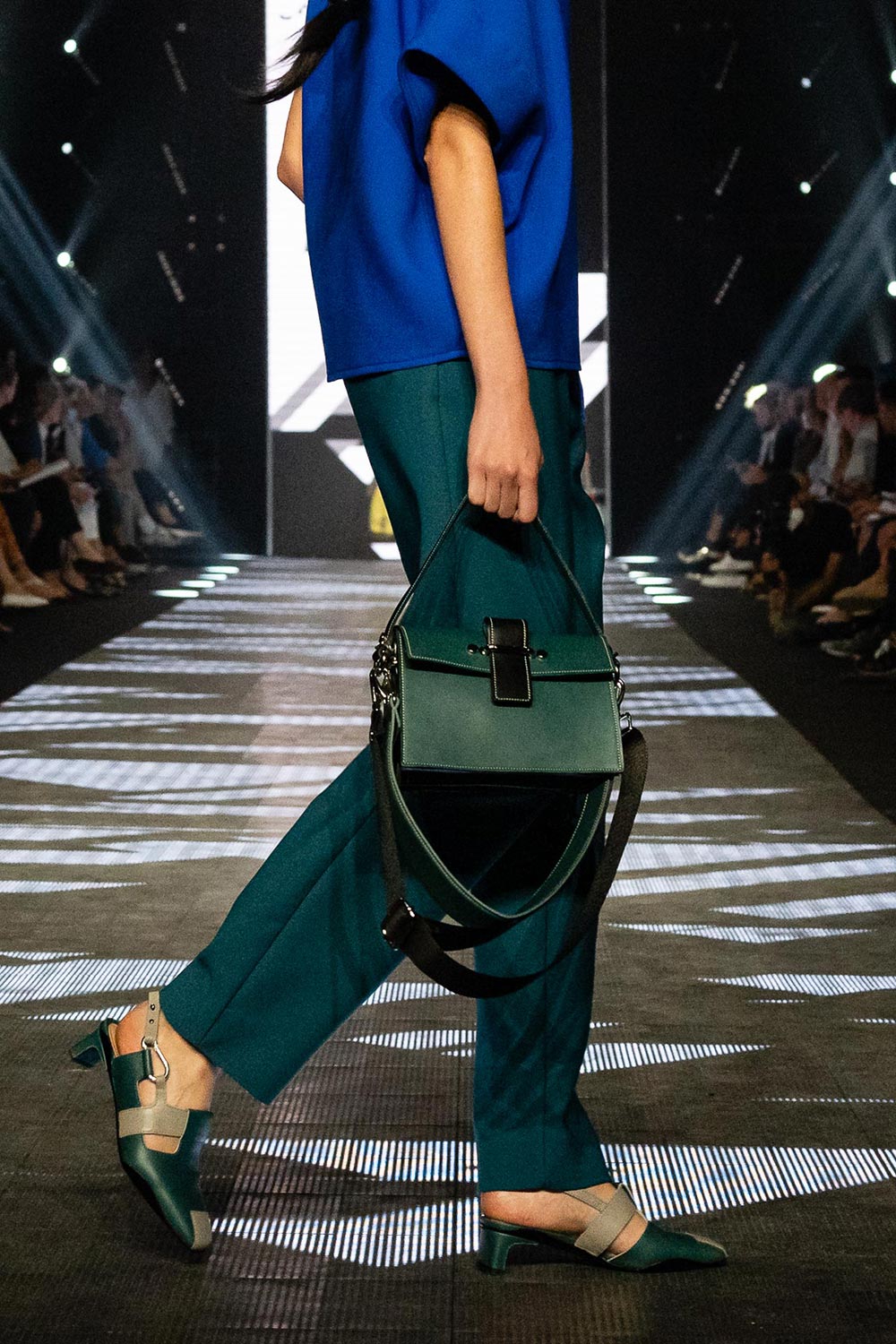
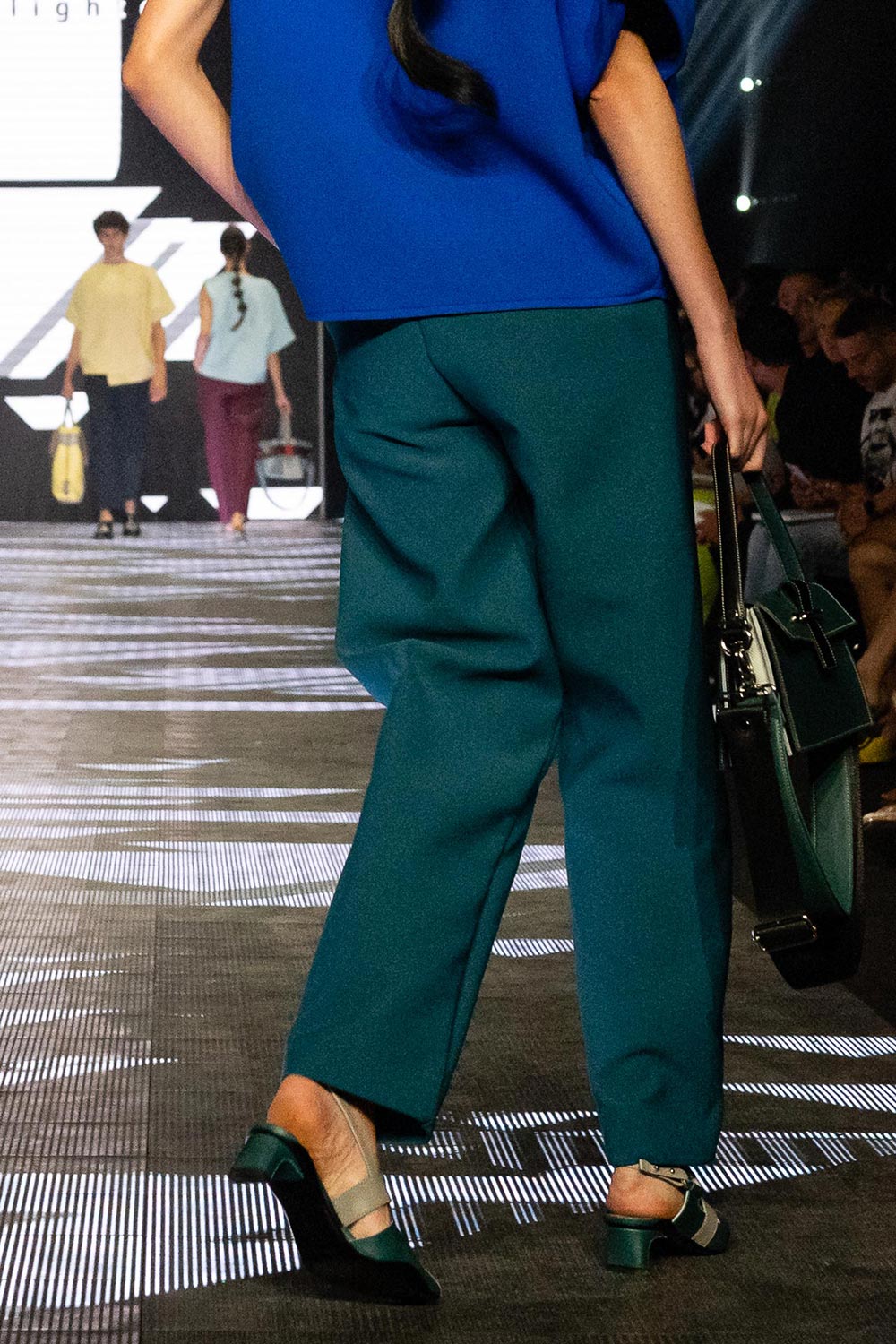
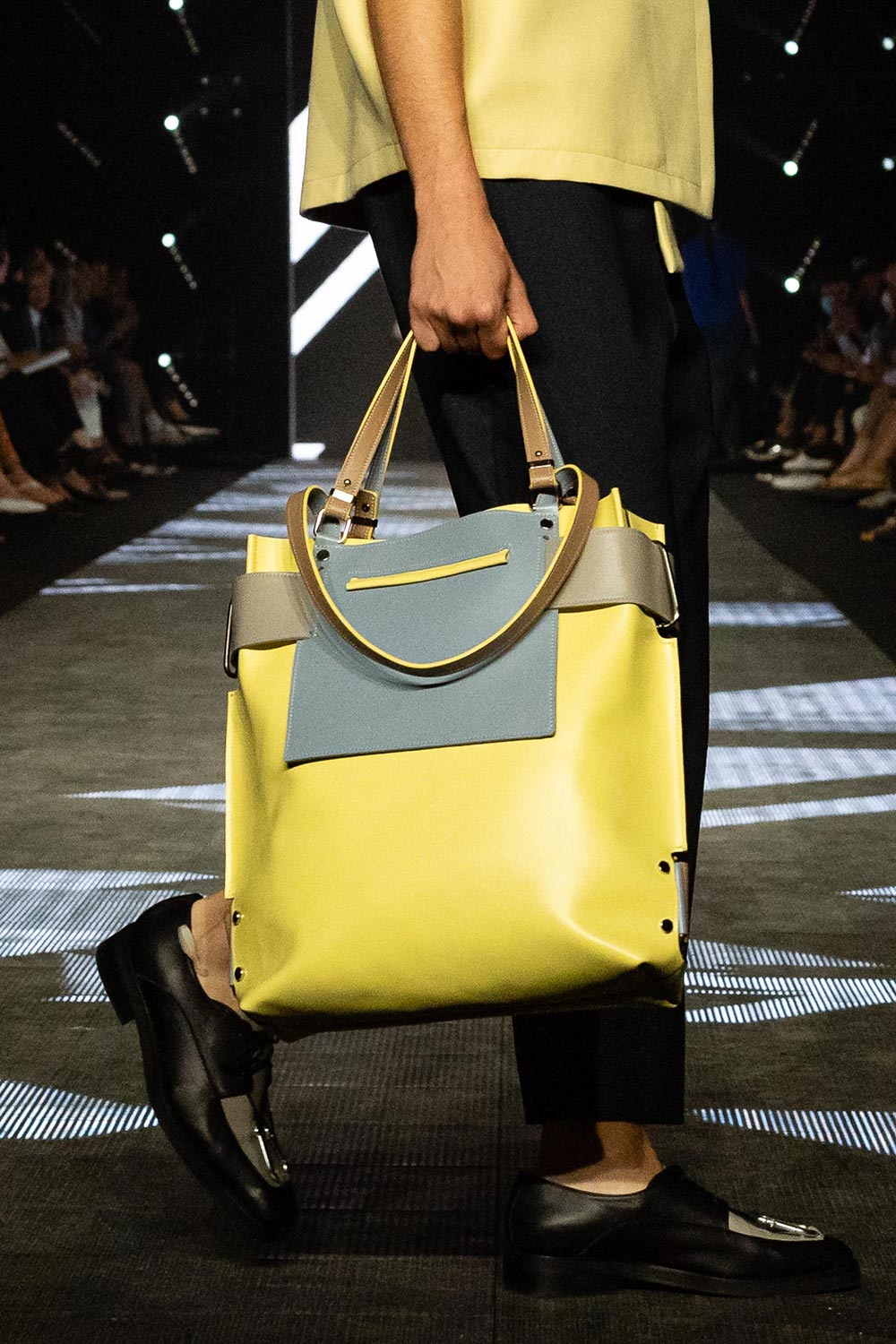
Il progetto si interessa al lavoro di Gio Ponti, alla sua storia artistica e progettuale. La ricerca iniziale, è volta alla reinterpretazione delle grafiche geometriche degli Sessanta e si è collegata indissolubilmente ai risultati ottenuti dall’architetto e designer sul finire degli anni Sessanta-Settanta proprio riguardo questi ambiti. La pulizia, il rigore e l’armonia tipici delle forme geometriche, il linguaggio attraverso il quale esprimere l’amore per il “classico”, la tendenza al razionale ed al moderno, il desiderio di sintesi fantastica: questo ciò che si è voluto raccontare. Tale “vocabolario” visivo raggiunge la sua massima sintesi nel progetto realizzato della Concattedrale di Taranto del 1971. La caratteristica peculiare di questo edificio religioso è l’effetto grafico che ne investe la totalità della superficie. Essa, infatti, è interamente ricoperta da fori ed aperture di carattere geometrico, quadrati, rettangoli e romboidi “a diamante”, disposti ritmicamente. Il volume viene del tutto annullato, la massa naturale del palazzo svanisce, in favore della più completa smaterializzazione. La ricerca della leggerezza divenne per Ponti una prerogativa imprescindibile di futuro. La storia dell’umanità, secondo il suo pensiero, va sintetizzandosi nel passaggio dal pesante al leggero, la curva della civiltà insegue un ideale di smaterializzazione: “L’architettura va dal pesante al leggero, dal grosso al sottile, dall’opaco al trasparente, dallo scuro al chiaro, dall’incolore al colorato, dal frammento all’unità, dal complicato al lineare. Chi va in senso inverso è in errore”. All’interno del progetto questo mondo di geometrie, spiragli e fessure si concretizza attraverso l’uso di pellami traforati, di tagli, di incastri, di sovrapposizioni e di oblunghi anelli in metallo, in grado sia di riportare nel design dell’oggetto le aperture dei palazzi di Ponti, sia l’interesse per gli effetti di luce e il senso di pesantezza negato proprio dal vuoto. Il “vuoto” è, della leggerezza, una conseguenza diretta ed implicita, è lo spazio fisico che si crea al dissolversi della materia. Un’area dell’oggetto che si può percepire più facilmente se delimitata e circoscritta. Nel concreto esso è stato tradotto attraverso più espedienti: fasce che si intersecano con il corpo borsa per mezzo di tagli ed anelli, manici ed attacchi scostati, tasche esterne. Una poesia di archi e semicerchi si muovono tutto attorno, sono manici, fasce e tracolle, incasellano lo spazio vuoto che in essi stessi si genera, sono “ambienti” che si compenetrano, che dialogano fra di loro e con l’esterno.
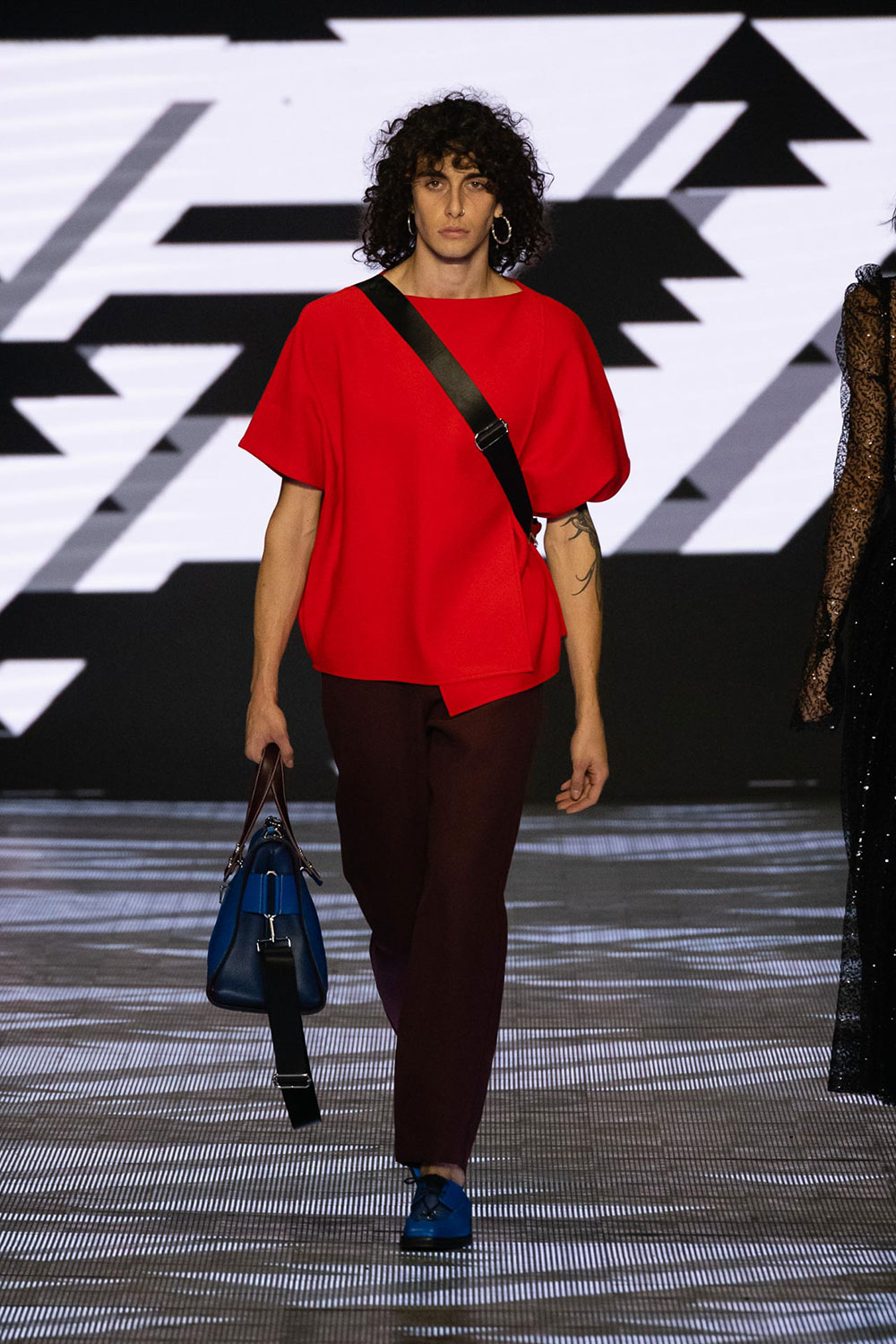
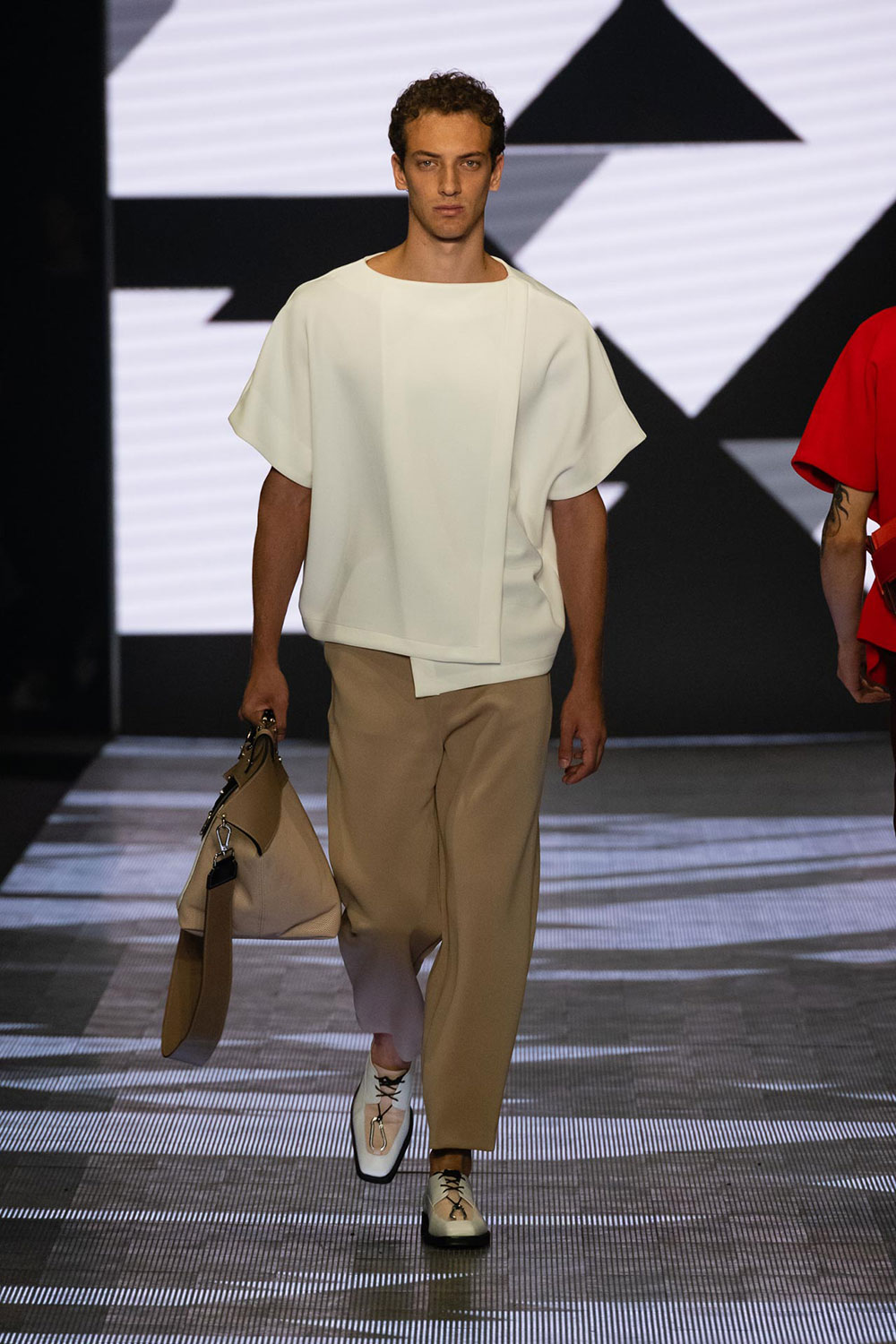
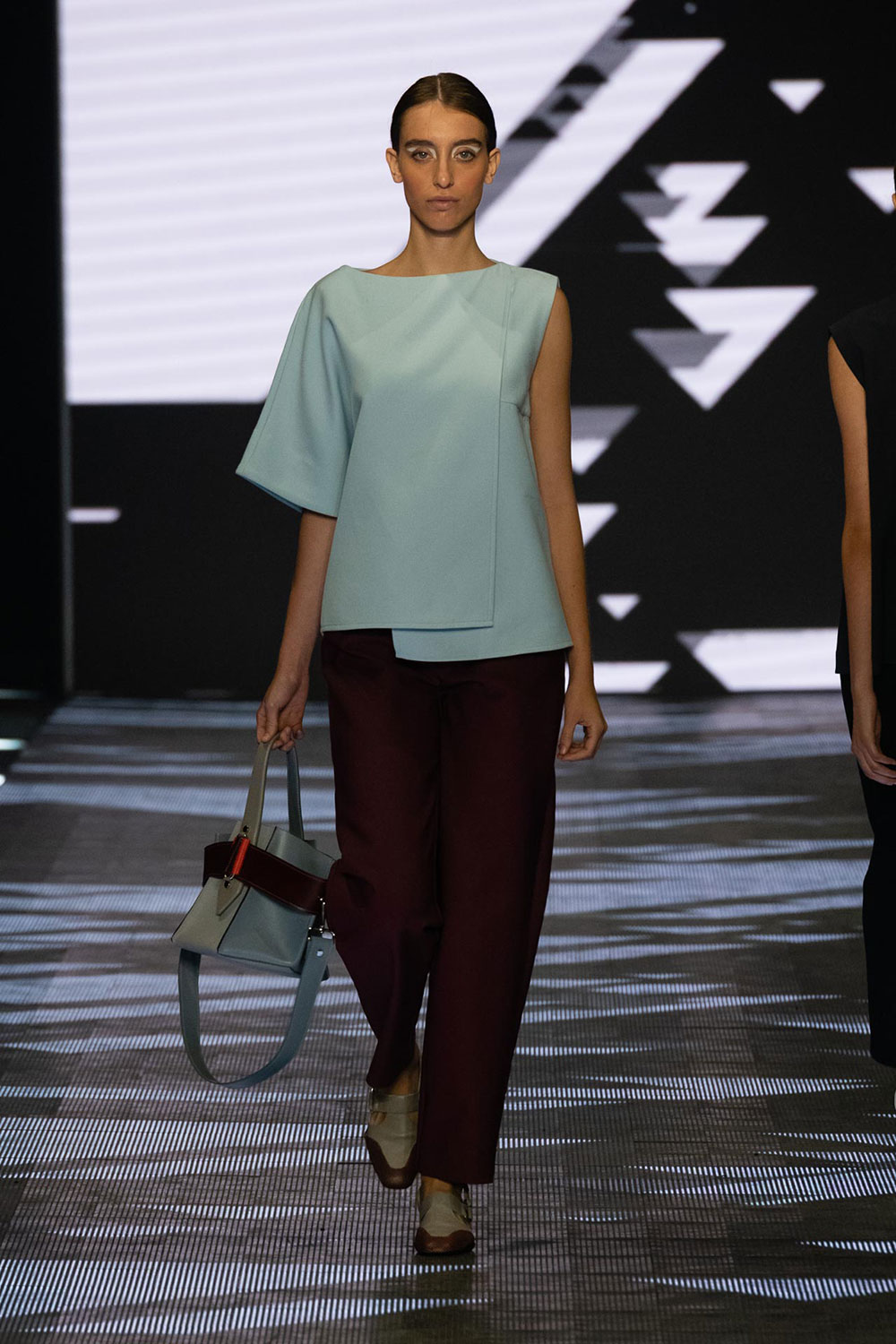
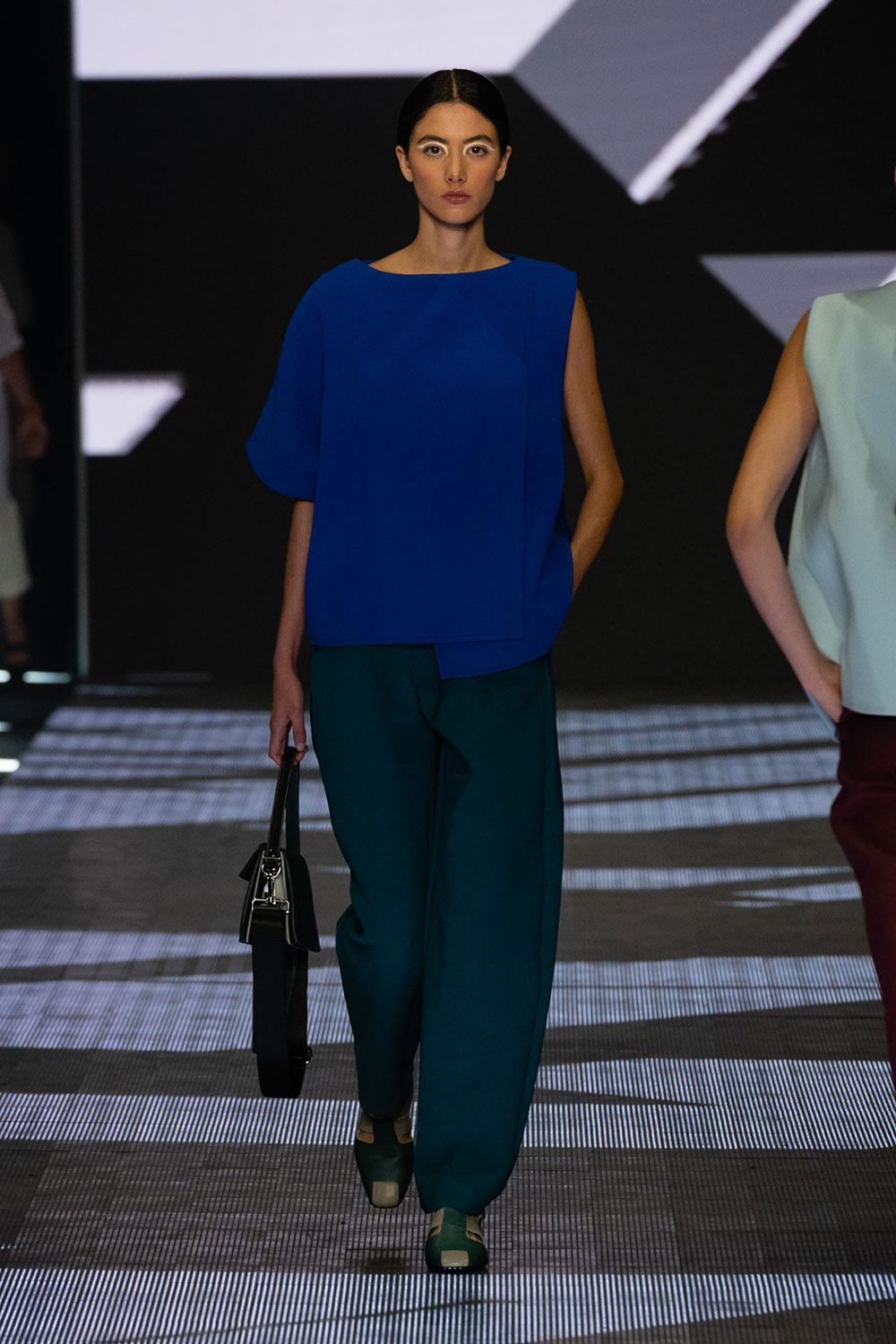
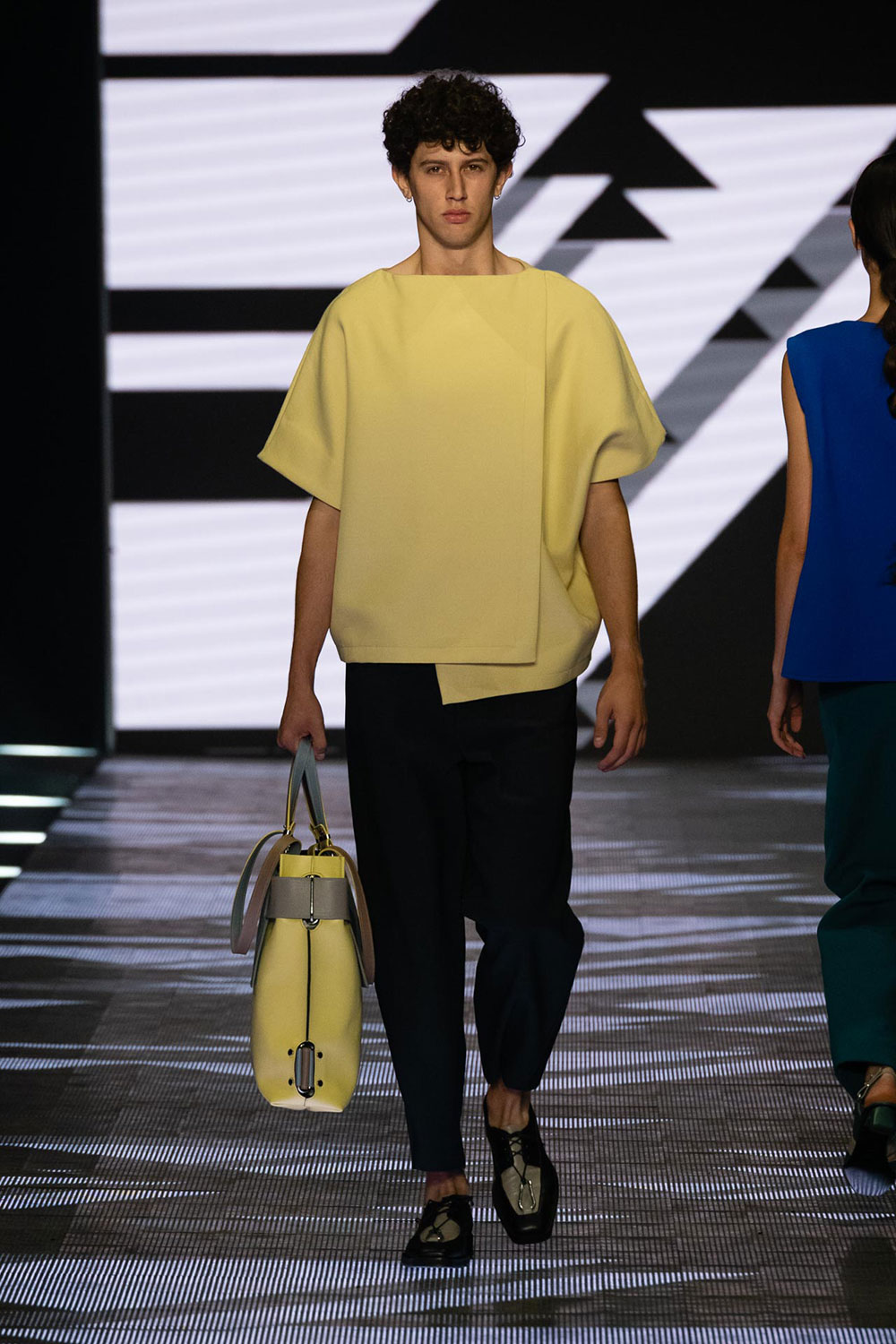
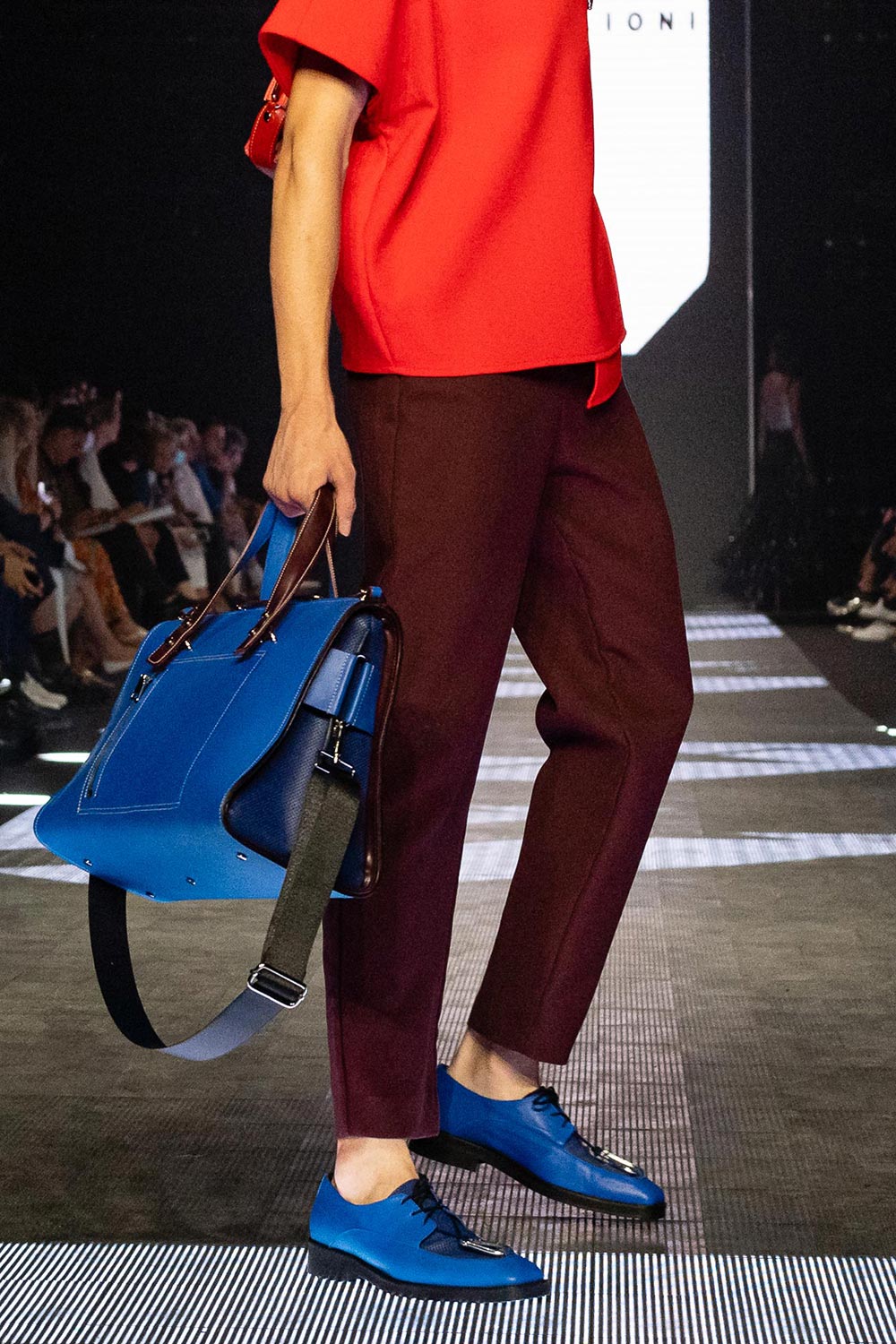
Altro importante elemento architettonico per Ponti è la luce ed allo stesso modo la luce si fa parte integrante del progetto attraverso l’uso di elementi metallici: anelli, manici, rivetti, passanti. Colore e luce sono, nel suo progettare, aspetti complementari. Le tonalità della vita e del vivere sono per lui vivaci, schiette, per l’appunto luminose. Gio Ponti, partendo dalla tradizione, si fa inventore di una modernità nuova. Ed è in questo contesto che la “cultura italiana” diviene un archivio attivo di archetipi e modelli, da riutilizzare e da reinterpretare, per dare vita ad un’avanguardia fortemente radicata nel tessuto intellettuale, nell’immaginario visivo ed antropologico della penisola. La sua idea di modernità crede alle tecnologie, da quelle più antiche sino alle contemporanee, e crea linguaggi architettonici innovativi attingendo al pensiero mediterraneo. Nelle sue opere vivono il futuro ed il passato, il sapere collettivo ed il mondo soggettivo. Le tipologie di calzatura, maschili e femminili, come le proposte di pelletteria, si rifanno infatti ad archetipi, a modelli “classici”, o a pure forme geometriche, rivisitate nelle rispettive componenti e declinazioni allo scopo di interpretare un concetto di modernità contemporanea, posta però su solide basi. Sono “vere forme”, oggetti che nella loro ricerca estetica, nel dettaglio, nel colore, puntano ad una completezza, ad un equilibrio delle parti, di modo che nulla di più vi vada aggiunto o che sia necessari togliere, nel rispetto della funzione e dell’armonia formale. Si è cercato, come ha fatto Ponti, ed espresso Ugo La Pietra “il “decor”, il superfluo, il dettaglio, l’effimero, ma sempre in chiave di concretezza”. Il design stesso è per lui vocazione pragmatica e spiccata intenzionalità fantastica, ed allo stesso modo si voluto progettare.
The project is focused on the work of Gio Ponti, in his artistic and design history. The initial research was aimed at reinterpreting the geometric graphics of the 1960s and it was inextricably linked to the results achieved by the architect and designer in the late 1960s-1970s in these areas. The cleanliness, rigour and harmony typical of geometric shapes, the language through which he expressed his love of the “classic”, his tendency towards the rational and the modern, his desire for fantastic synthesis: this is what he wanted to tell. This visual ‘vocabulary’ reaches its maximum synthesis in the design of the 1971 Taranto Co-cathedral. The peculiar characteristic of this religious building is the graphic effect that invests the entire surface. It is entirely covered with holes and geometric openings, squares, rectangles and diamond-shaped rhomboids arranged rhythmically. The volume is completely cancelled, the natural mass of the building vanishes, in favour of the most complete dematerialisation. For Ponti, the quest for lightness became an essential prerogative of the future. The history of mankind, according to his thinking, is synthesised in the passage from heavy to light, the curve of civilisation pursues an ideal of dematerialisation: “Architecture goes from heavy to light, from thick to thin, from opaque to transparent, from dark to light, from colourless to coloured, from fragment to unit, from complicated to linear. Who goes in the opposite direction is mistaken”. In the project, this world of geometries, glimpses and cracks is realised through the use of perforated leather, cuts, joints, overlaps and oblong metal rings, which bring the openings of Ponti’s buildings back into the design of the object, as well as the interest in the effects of light and the sense of heaviness denied by the void. The “void” is a direct and implicit consequence of lightness; it is the physical space that is created when matter dissolves. It is the physical space created when matter dissolves, an area of the object that can be perceived more easily if it is delimited and circumscribed. In concrete terms, this has been translated through various expedients: straps that intersect with the body of the bag by means of cuts and rings, handles and detached attachments, external pockets. A poem of arches and semicircles that move all around, they are handles, straps and shoulder straps, they frame the empty space that is generated in them, they are “environments” that interpenetrate, that dialogue with each other and with the outside world.
Another important architectural element for Ponti is light, and in the same way light becomes an integral part of the design through the use of metal elements: rings, handles, rivets, loops. Colour and light are complementary aspects of his design. For him, the colours of life and living are lively, straightforward and, indeed, luminous. Gio Ponti, starting from tradition, becomes the inventor of a new modernity. And it is in this context that ‘Italian culture’ becomes an active archive of archetypes and models, to be reused and reinterpreted, to give life to an avant-garde strongly rooted in the intellectual fabric, in the visual and anthropological imagination of the peninsula. His idea of modernity believes in technologies, from the most ancient to the contemporary, and creates innovative architectural languages drawing on Mediterranean thought. His works bring together the future and the past, collective knowledge and the subjective world. The types of footwear, both men’s and women’s, as well as the leather goods, are based on archetypes, “classic” models or pure geometric shapes, revisited in their respective components and declinations in order to interpret a concept of contemporary modernity, but on solid foundations. They are “true forms”, objects that in their aesthetic research, in the detail, in the colour, aim at completeness, at a balance of the parts, so that nothing more needs to be added or removed, respecting function and formal harmony. As Ponti did, and Ugo La Pietra expressed it, “the “decor”, the superfluous, the detail, the ephemeral, but always in a concrete key”. For him, design itself is a pragmatic vocation and a strong fantastical intentionality, and in the same way he wanted to design.

Moodboard
line up
Catwalk
Catwalk
Share the project:


