

HUMANUS MACHINA
Nicolas CEPEDA TORRES
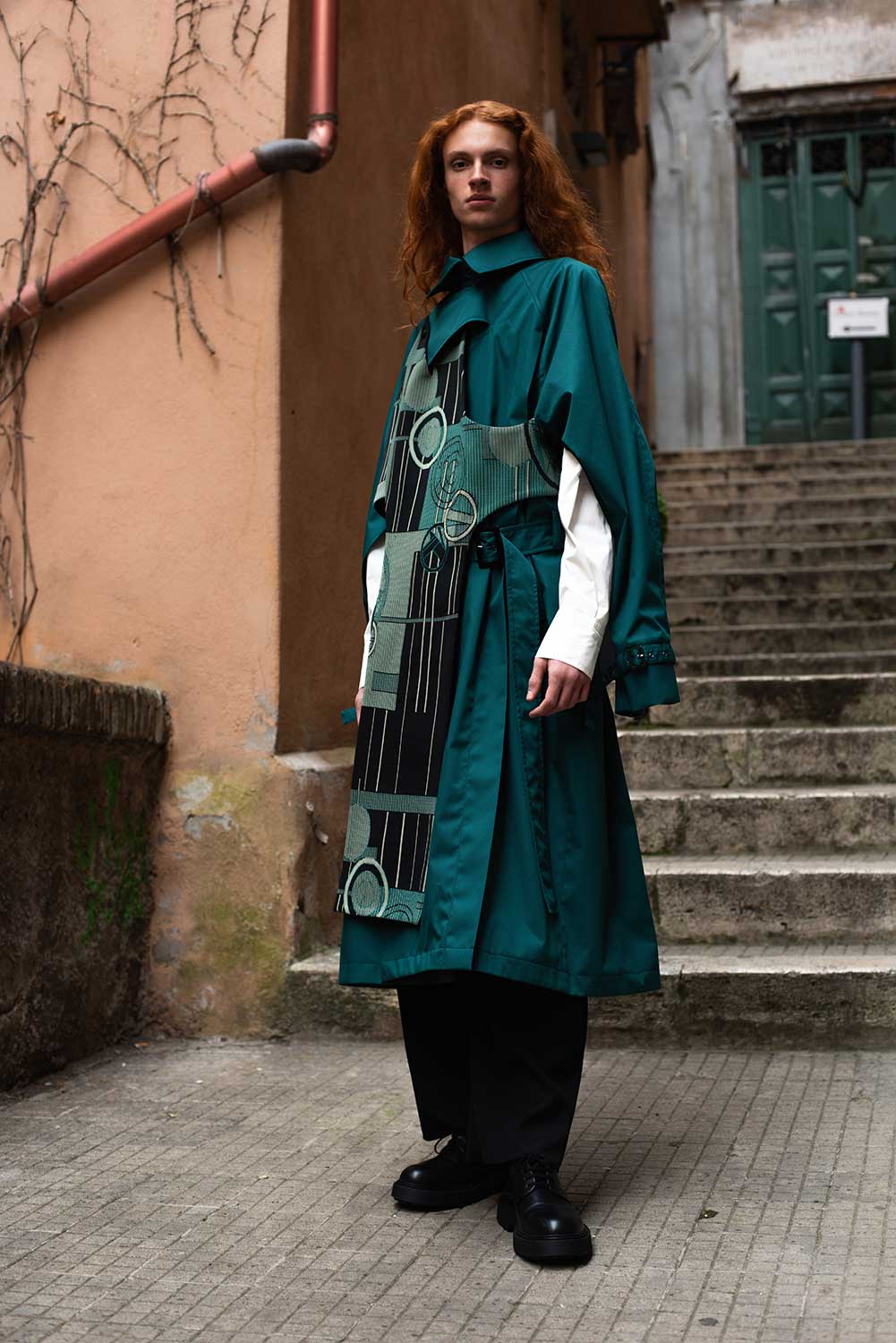
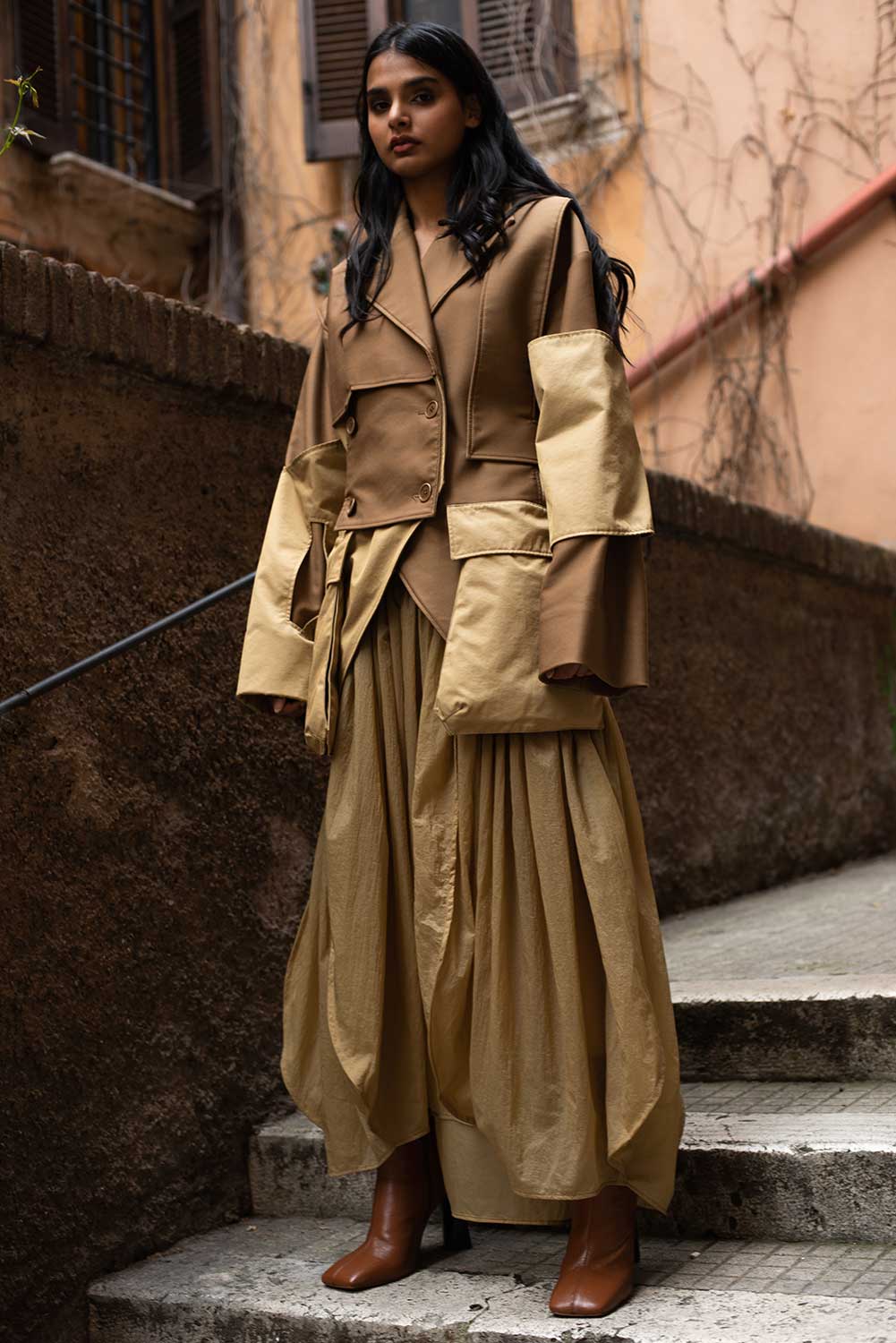
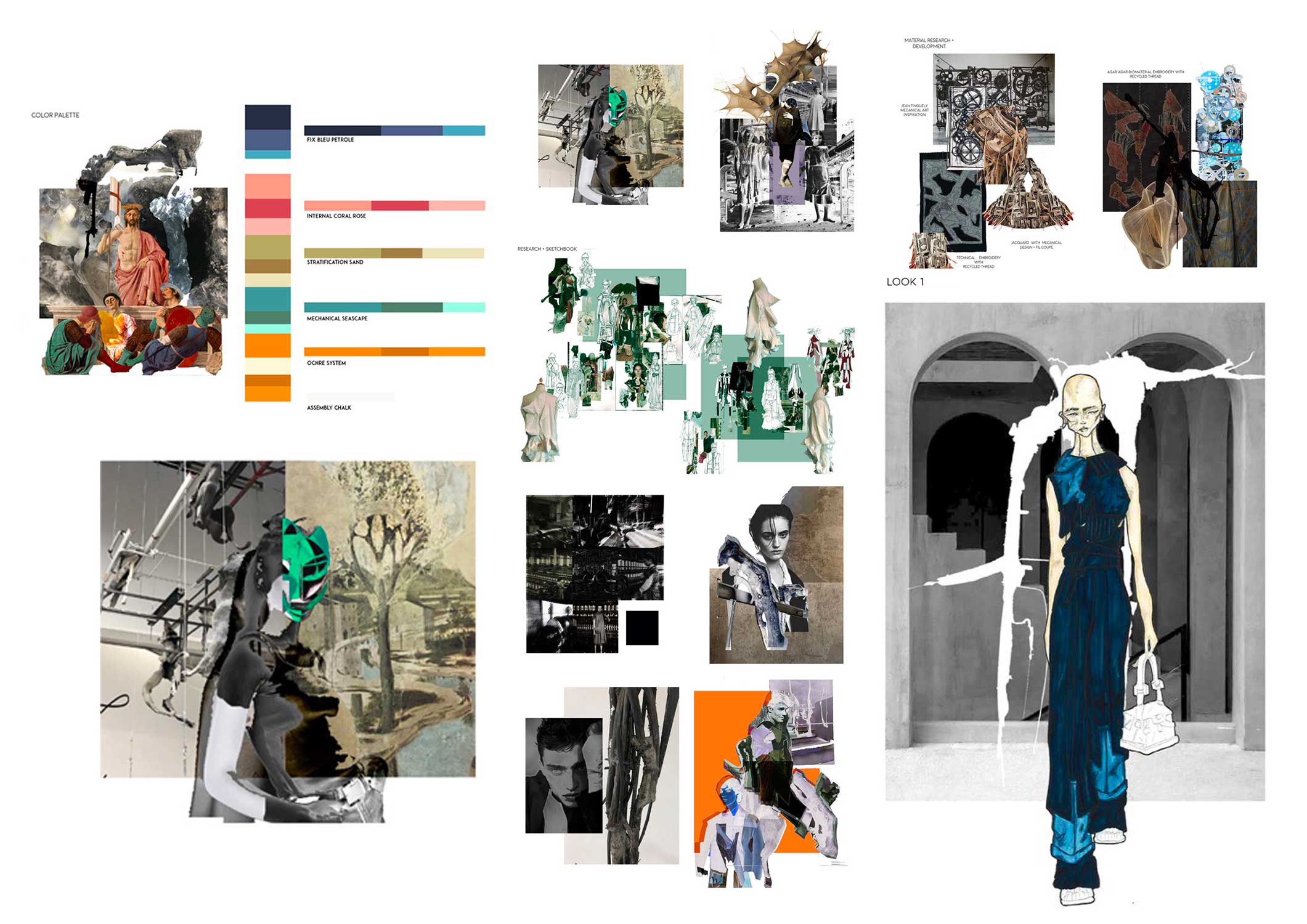
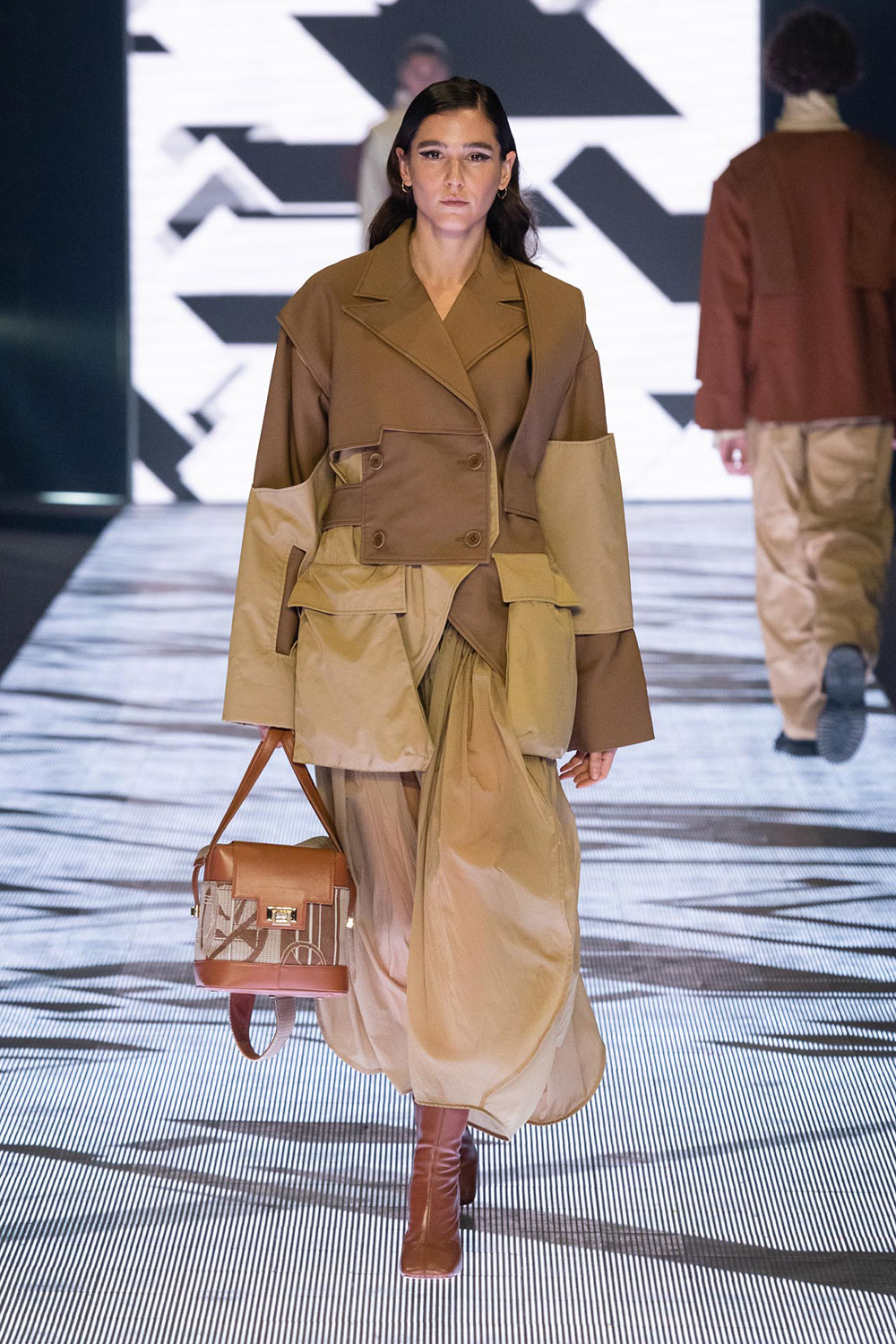
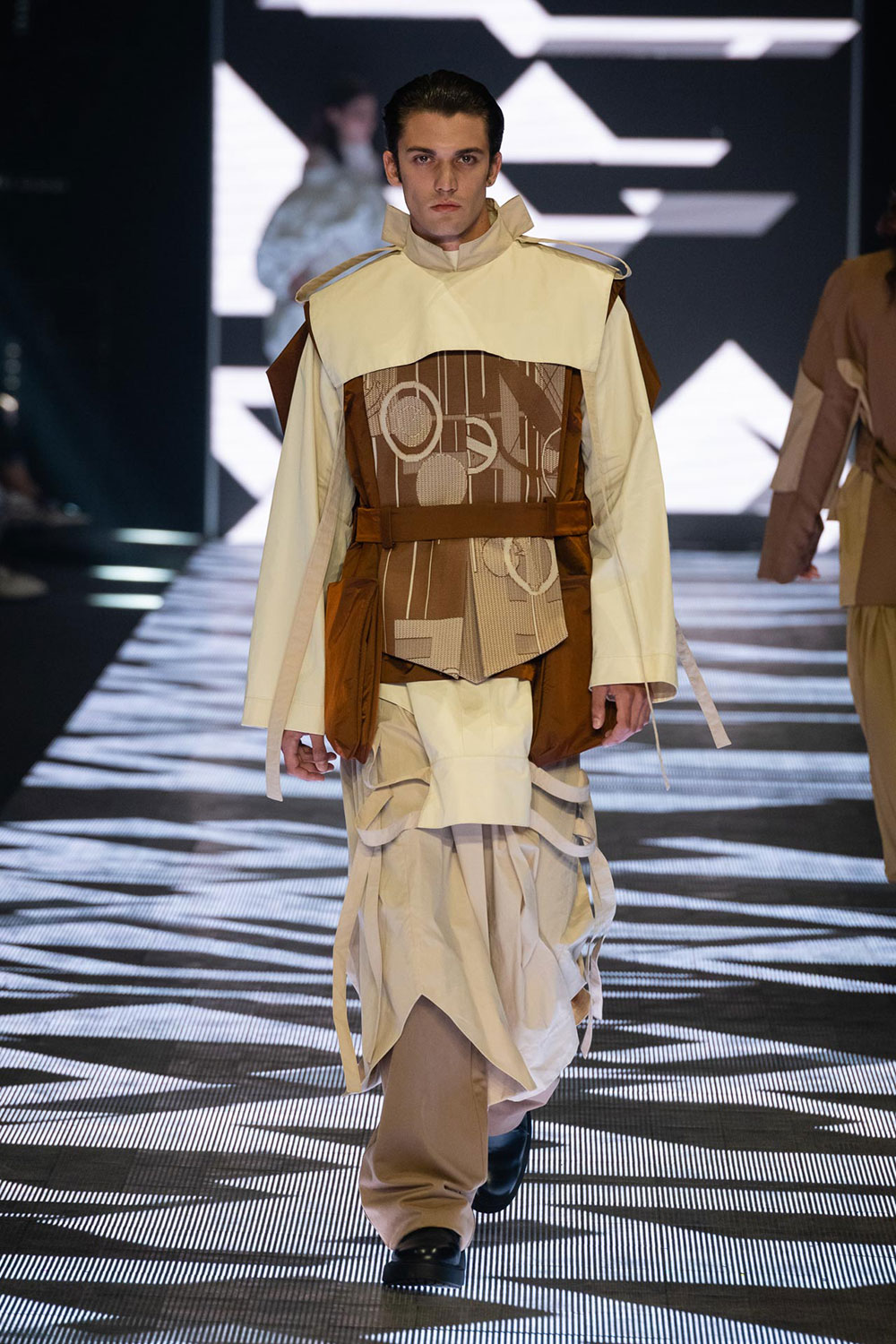
Humanus Machina rappresenta l’esito di uno studio volto ad indagare il problema della crescente accelerazione dei ritmi di vita che l’uomo contemporaneo si è imposto, riportandone spesso evidenze in stati di frenesia patologica. La struttura modulare, come sistema di assemblaggio nella ricerca della funzionalizzazione della forma, è la grammatica del linguaggio che si è voluto sviluppare. Il progetto sviluppato è la realizzazione di una collezione per l’autunno-inverno 2022/2023. Il primo argomento affrontato il modulo, dove gli esiti formali del funzionalismo vengono interpretati alla luce di riferimenti artistici e architettonici che possono ricondursi all’idea di un sistema di assemblaggio, nella loro reciproca relazione all’interno del processo creativo. I riferimenti artistici adottati in questo contesto sono relativi a diverse opere di Piero della Francesca, sia in riguardo all’essenza matematica da scorgere negli oggetti sensibili che alla concezione iconografica che struttura le sue opere; in primo luogo dunque apparsa necessaria l’analisi dei costumi dell’epoca, delle suggestioni visive dei diversi tessuti, della cromatica utilizzata nei dipinti e del drappeggio. In questa ricerca il drappeggio trattato come un fattore contenutistico, sulla base degli studi condotti a riguardo nell’ambito della filosofia estetica: esso dunque un elemento che, attraverso la trasfigurazione geometrica del corpo umano, esprime nuovi caratteri psicologici dell’uomo contemporaneo. Gli elementi di queste ricerche sono riuniti in una composizione creativa nella quale il sistema di assemblaggio consente di accostare elementi dal significato differente, che concorrono alla definizione di un nuovo contenuto. Altro riferimento artistico l’opera che lo scultore svizzero Jean Tinguely compie tra gli anni ’60 e ’70. Il fruitore percepisce il nuovo organismo come frutto di un incantesimo di cui egli stesso fa parte, e che produce nuove dimensioni percettive e di senso, quelle che l’uomo può dover affrontare ogni giorno. Nella presente collezione, a partire dalle suddette riflessioni e sulla base delle suggestioni che il lavoro dell’artista produce, si compiuta una ricerca culminata nello sviluppo di un tessuto jacquard in jersey. La ricerca formale e spaziale sulla meccanica nei lavori di Giulia Cenci trova numerosi punti di contatto con l’upcycling, sia dei materiali che più ampiamente inteso, ed stato di grande importanza nello sviluppo del presente lavoro. In ragione dalle suggestioni avute da esse si cercato di introdurre nella collezione sensazioni tattili relative a materiali plastici che si traducono nell’uso di tessuti tecnici e innovativi. Nell’approfondire criticità sociali nell’ambito della società industrializzata ci si è avvalsi delle testimonianze offerta da reportage fotografici. Il lavoro di Lewis Hine tra gli anni ’10 e ’30 mira ad attestare le condizioni di vita del proletariato industriale, con particolare riguardo al lavoro minorile, e tende ad una diffusa acquisizione di consapevolezza in merito. L’abbigliamento impiegato per il lavoro che l’opera fotografica documenta di fondamentale rilievo come riferimento per la concezione dei capi della collezione. L’ultimo argomento oggetto di ricerca la decostruzione come concetto compositivo della creazione di moda; al fine di approfondire questo tema risultato imprescindibile uno studio sul DNA di due case di moda concettuali per eccellenza: Maison Martin Margiela e COMME des GARÇONS. Tra il 1990 e il 2001, Martin Margiela crea codici che rivoluzionano la forma nell’abbigliamento maschile e femminile e costituiscono un esperimento sociale basato sulla decostruzione formale dei capi di abbigliamento. Una modellistica frutto di una ricerca speculativa e una geometrizzazione delle silhouette a esito dell’elaborazione di stereotipi maschili e femminili determinano una nuova estetica che si esprime attraverso una chiara riconoscibilità del processo creativo nell’oggetto finito. Rei Kawakubo ci mostra come fare del concetto una poesia, le cui parole sono capi che si susseguono l’uno all’altro per trasmettere un contenuto inedito. Con la presente collezione si offre l’esito della ricerca condotta al fine affrontare le criticità sociali esposte, nella piena consapevolezza della responsabilità che il ruolo di designer dovrebbe comportare.
Humanus Machina represents the outcome of a study aimed at investigating the problem of the increasing acceleration of the pace of life that contemporary man has imposed on himself, often bringing back evidence of it in states of pathological frenzy. The modular structure, as an assembly system in the search for the functionalization of form, is the grammar of the language that was intended to be developed. The project developed is the creation of a collection for autumn-winter 2022/2023. The first topic addressed the form, where the formal outcomes of functionalism are interpreted in light of artistic and architectural references that can be traced back to the idea of an assembly system, in their mutual relationship within the creative process. The artistic references adopted in this context are related to various works by Piero della Francesca, both in regard to the mathematical essence to be discerned in the sensible objects and the iconographic conception structuring his works; in the first place therefore it appeared necessary to analyze the costumes of the time, the visual suggestions of the different fabrics, the chromatics used in the paintings and the drapery. In this research the drapery treated as a content factor, based on the studies conducted on this subject in the field of aesthetic philosophy: it therefore an element that, through the geometric transfiguration of the human body, expresses new psychological characters of contemporary man. The elements of these researches are brought together in a creative composition in which the assemblage system makes it possible to juxtapose elements with different meanings, which contribute to the definition of a new content. Another artistic reference is the work that Swiss sculptor Jean Tinguely accomplished between the 1960s and 1970s. The user perceives the new organism as the result of a spell of which he himself is a part, and which produces new dimensions of perception and meaning, those that man may have to face every day. In the present collection, starting from the above reflections and based on the suggestions that the artist’s work produces, research is accomplished that culminated in the development of a jacquard jersey fabric. The formal and spatial research on mechanics in Giulia Cenci’s work finds numerous points of contact with upcycling, both of materials and more broadly understood, and was of great importance in the development of the present work. Because of the suggestions had from them, an attempt was made to introduce into the collection tactile sensations related to plastic materials that are translated into the use of technical and innovative textiles. In delving into critical social issues in the context of industrialized society, we made use of the evidence offered by photographic reportage. Lewis Hine’s work between the 1910s and 1930s aims to attest to the living conditions of the industrial proletariat, with particular regard to child labor, and tends toward widespread awareness of this. The clothing used for the work that the photographic work documents of fundamental importance as a reference for the design of the garments in the collection. The last topic being researched is deconstruction as a compositional concept of fashion creation; in order to explore this theme, a study of the DNA of two conceptual fashion houses par excellence, Maison Martin Margiela and COMME des GARÇONS, proved indispensable. Between 1990 and 2001, Martin Margiela created codes that revolutionized form in men’s and women’s clothing and constituted a social experiment based on the formal deconstruction of clothing. A pattern-making resulting from speculative research and a geometrization of silhouettes as a result of the elaboration of male and female stereotypes determine a new aesthetic that is expressed through a clear recognition of the creative process in the finished object. Rei Kawakubo shows us how to make the concept a poem, the words of which are garments that follow one another to convey unprecedented content. This collection offers the outcome of the research conducted in order to address the critical social issues exposed, in full awareness of the responsibility that the role of a designer should entail.
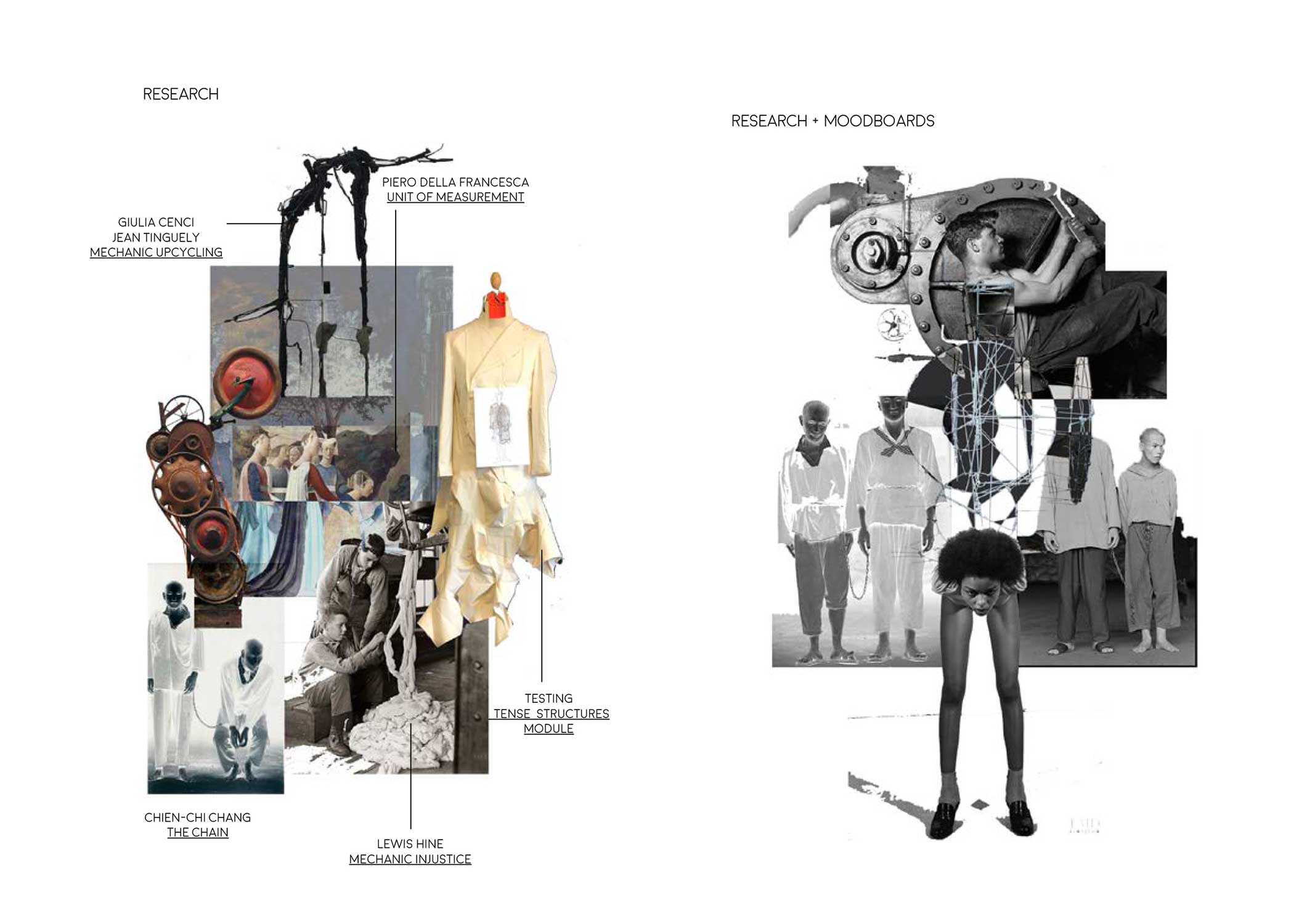
Moodboard
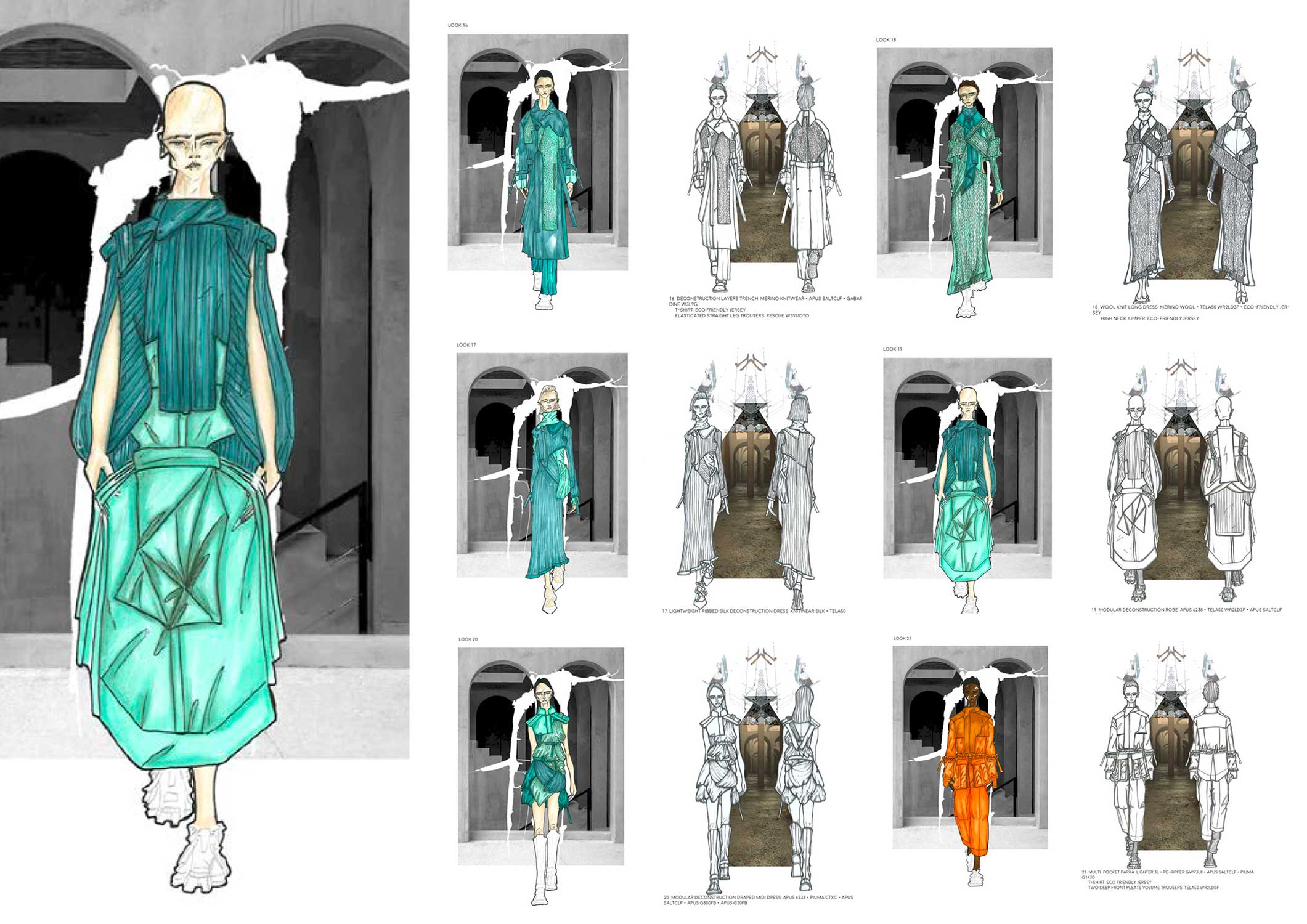
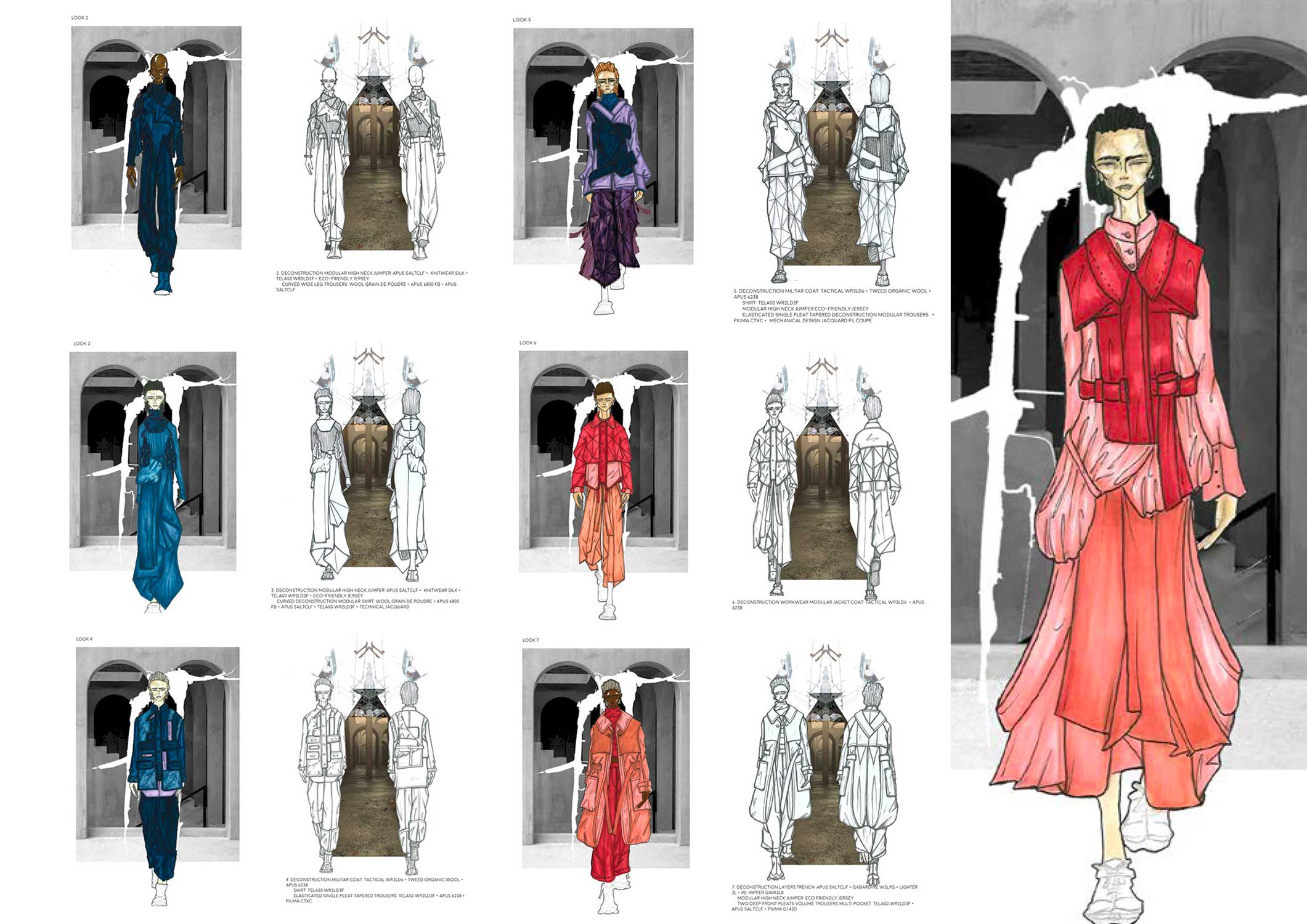
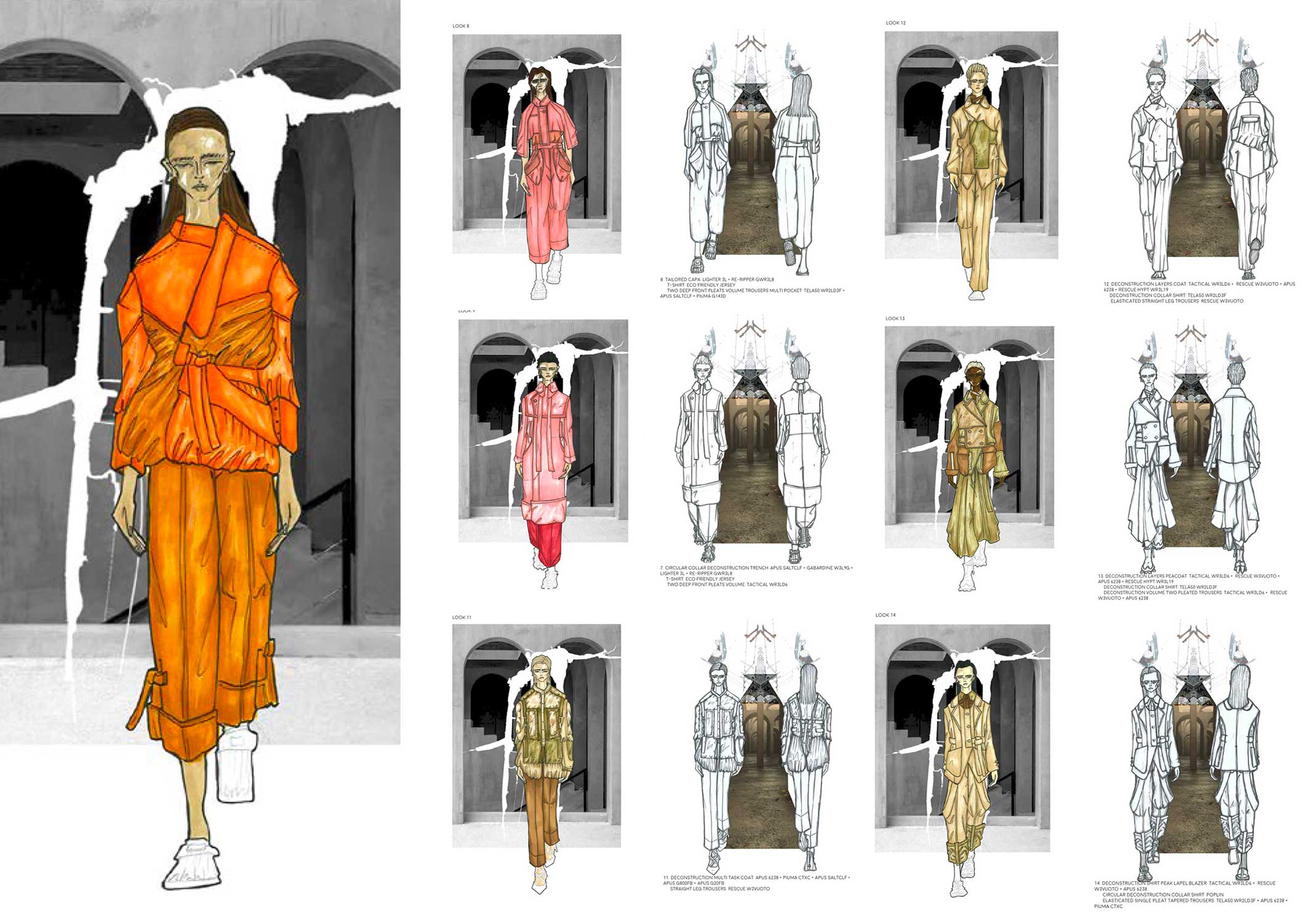
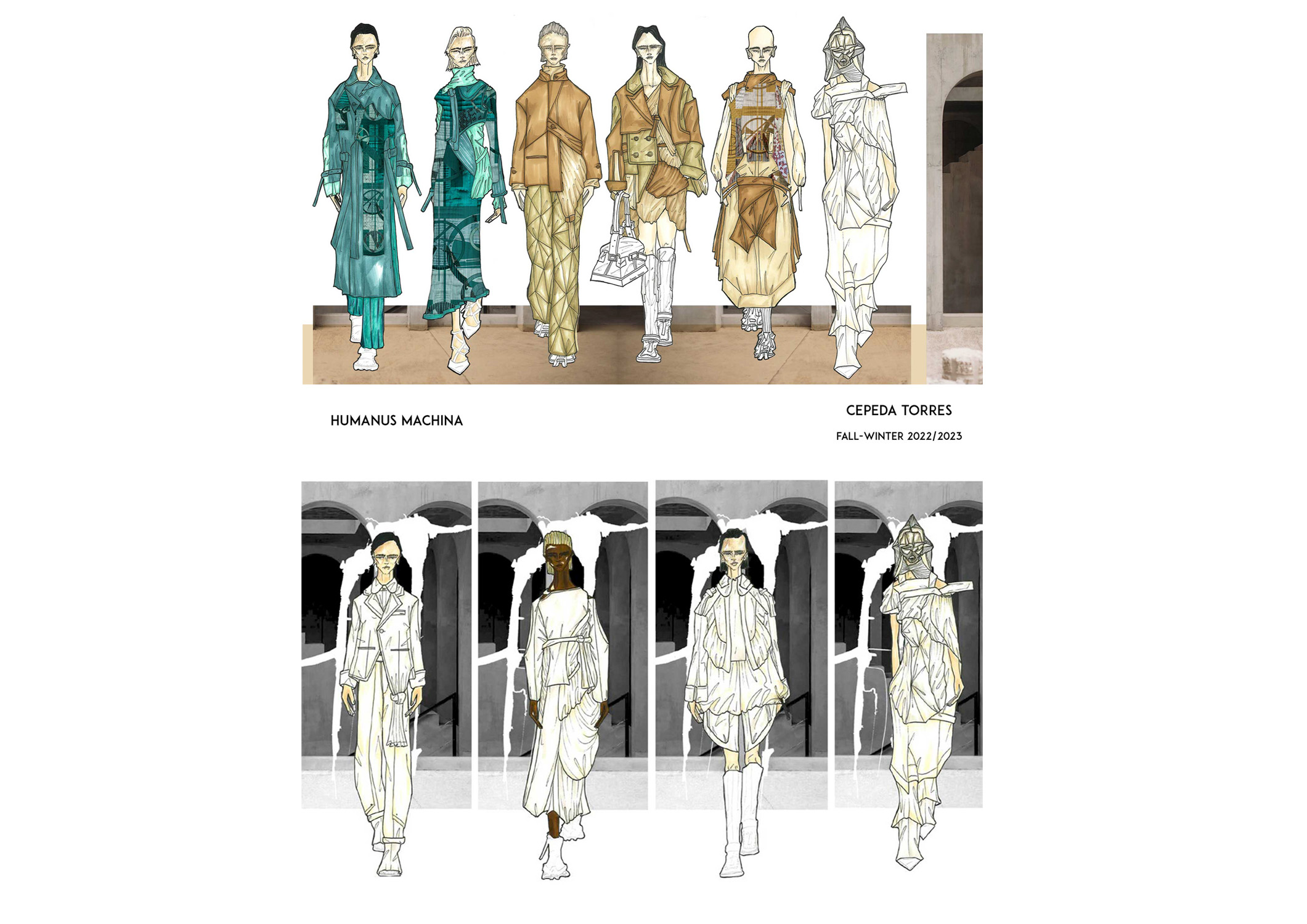
line up
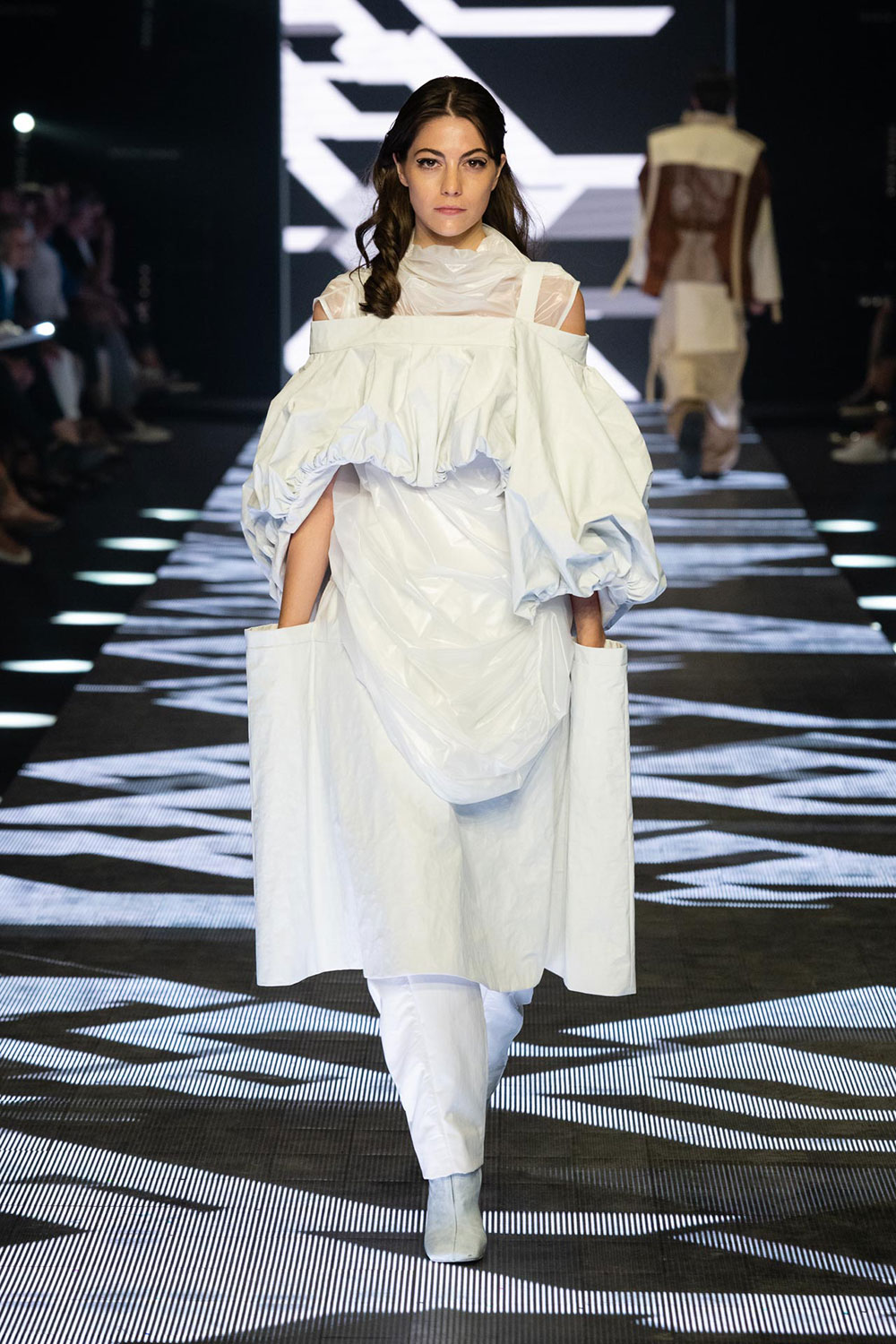
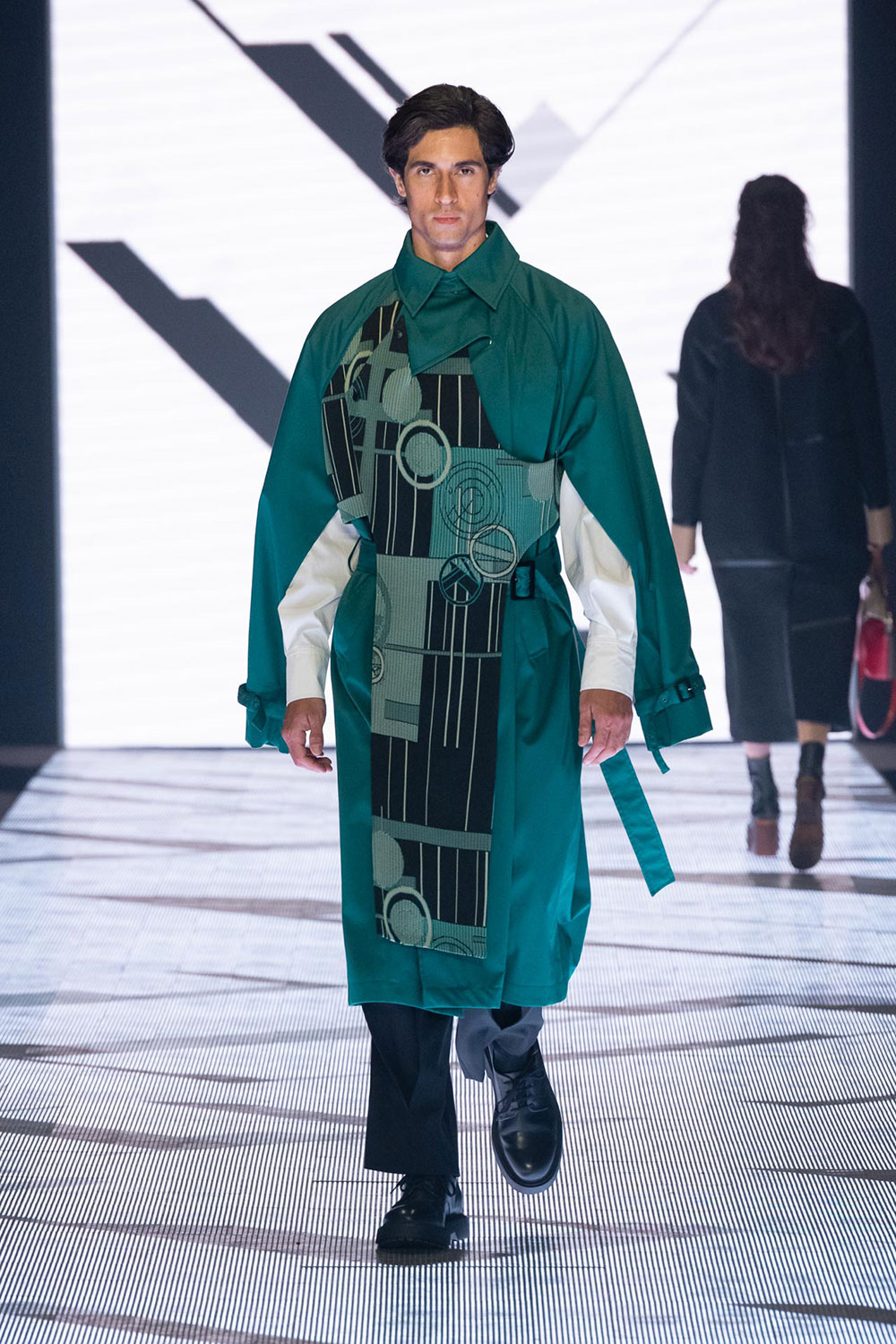
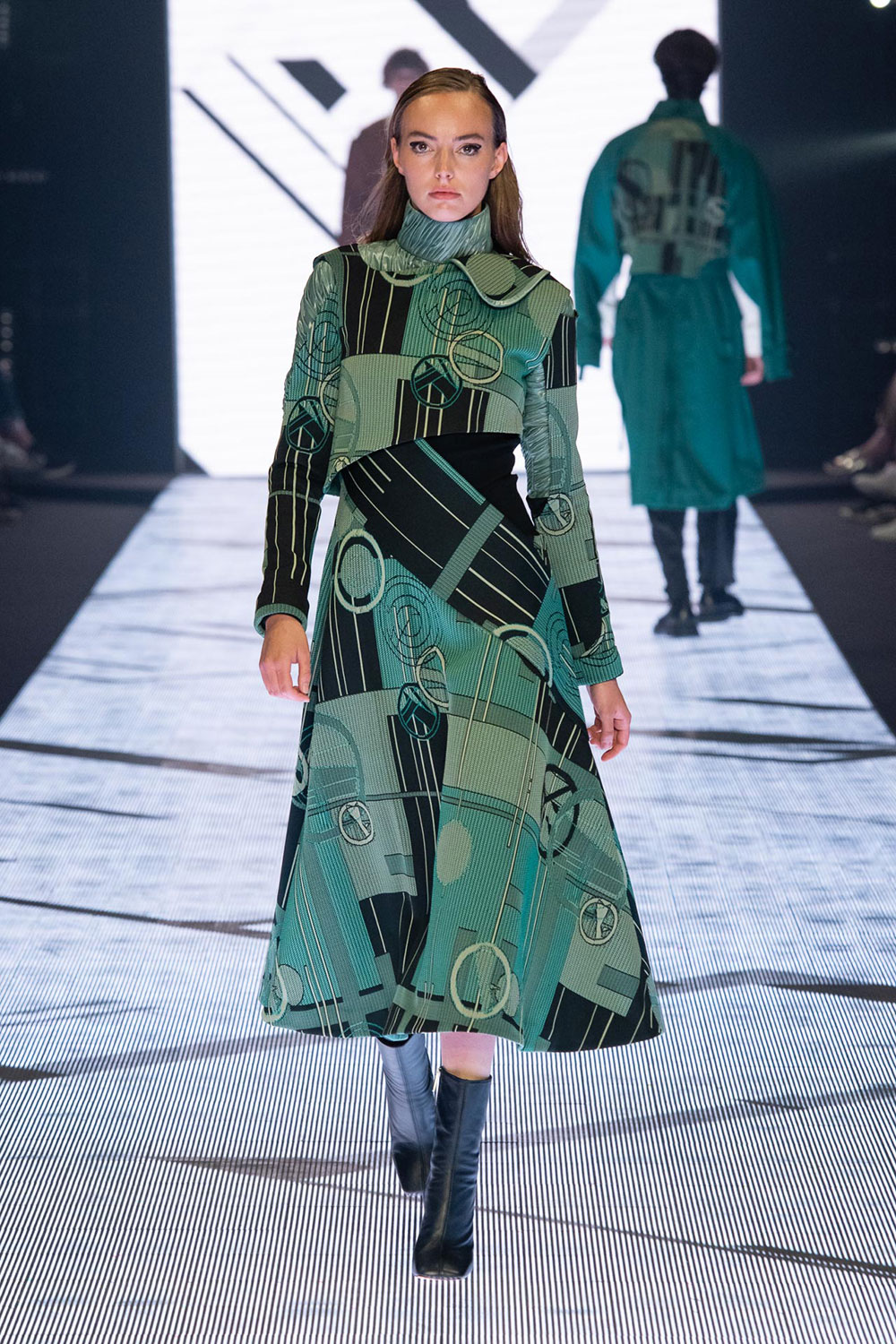

Catwalk
Catwalk
Share the project:


