


Morenike John Oyinkansola
La Nigeria è un paese ricco di cultura e tradizione. Oltre ad avere molte regioni e stati, la Nigeria ha tribù. Ci sono tre tribù principali: Yoruba, Hausa e Igbo. Ogni tribù ha le proprie lingue e tradizioni culturali. L’abbigliamento e l’abbigliamento sono una delle espressioni più significative della cultura. Possono essere utilizzati per identificare il patrimonio culturale ed essere rivelatori della propria regione. L’abbigliamento oggi è un indicatore del proprio passato tanto importante quanto lo erano storicamente i segni tribali.
Queste tradizioni tessili sono state tramandate oralmente con il passaparola, ma sfortunatamente a causa del colonialismo e dell’occidentalizzazione molte di queste tecniche sono state da tempo dimenticate a favore dell’assimilazione europea. Inoltre, ciò che rimane attraverso le opere culturali è stato ugualmente perso o piuttosto rubato poiché il 90% dell’intero continente africano delle opere culturali risiede in Europa e nelle Americhe. In ogni caso, è tutto per dire che queste pratiche sono più difficili da trovare.
Questa collezione è una versione di una pratica culturale Yoruba. È incentrato sulla gele che tradizionalmente viene utilizzata per rivestire una delle parti più sacre del corpo di una donna: la testa. Si dice che Dio conferisca le Sue benedizioni al capo, motivo per cui deve essere protetto. L’abbigliamento tradizionale non è considerato completo senza l’ornamento del gele. Viene indossato in occasione di matrimoni, feste, cerimonie, funerali (o celebrazioni della vita), luoghi di culto e altre celebrazioni. Gli anziani nigeriani potrebbero indossare sempre un gele.
Un tempo legato a mano direttamente sul capo come una scultura funzionante, il gele ha avuto negli ultimi anni moderni adattamenti per essere realizzato prêt-à-porter. Chiunque può legare un gele, ma la sua forma scultorea venerata per matrimoni e feste è un’arte. Uno di cui pochi sono capaci. È un simbolo di status e potere divino.
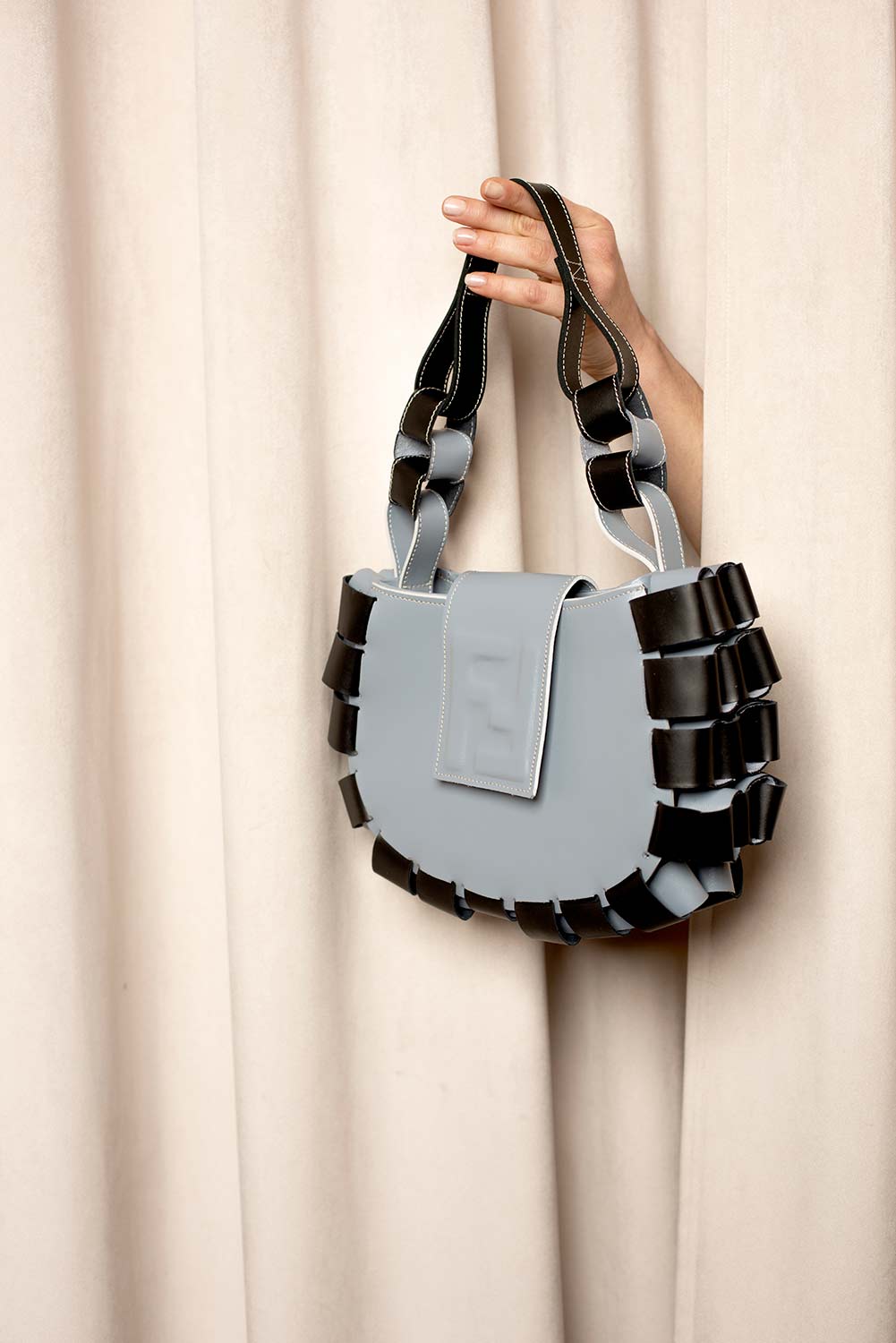
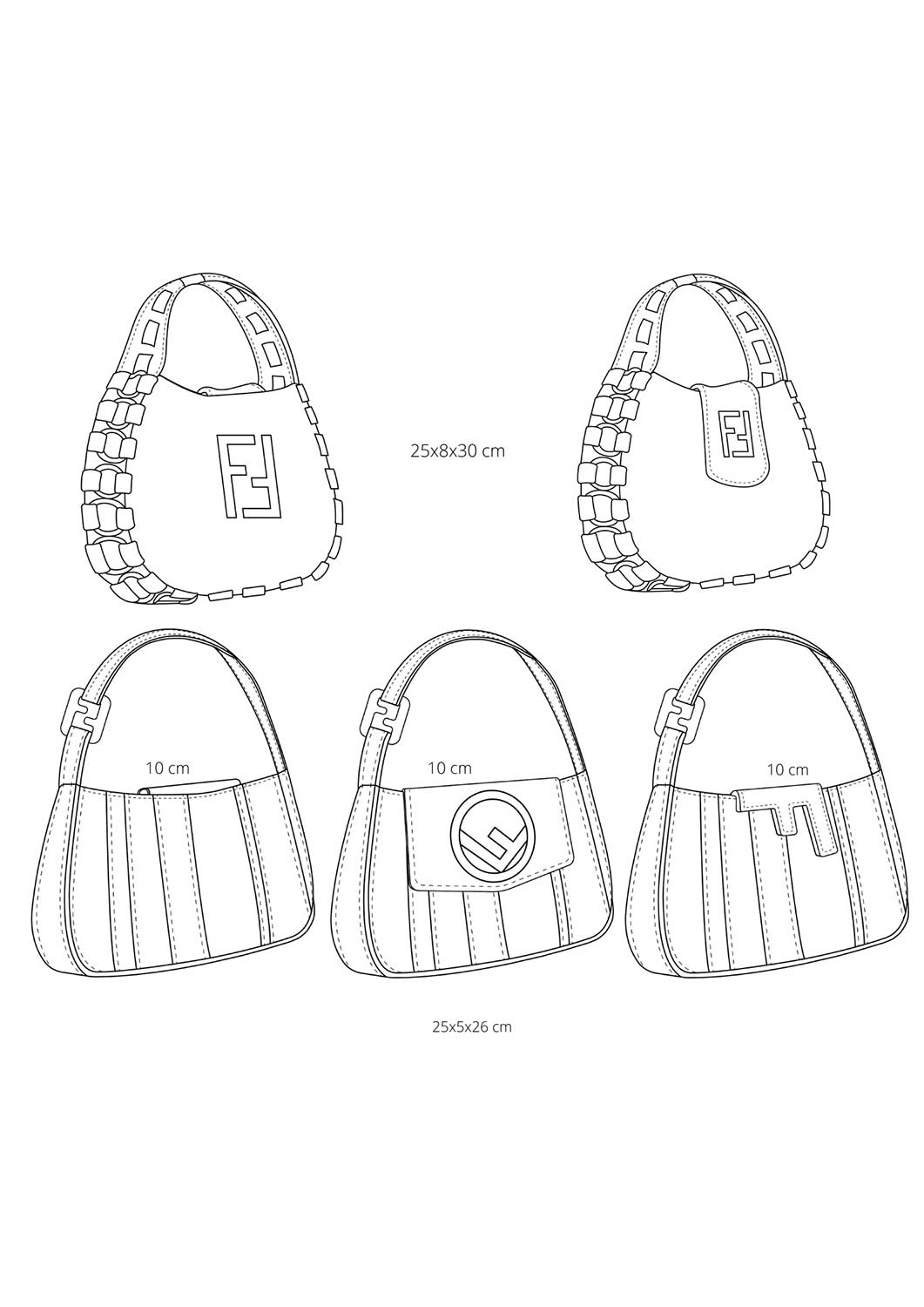
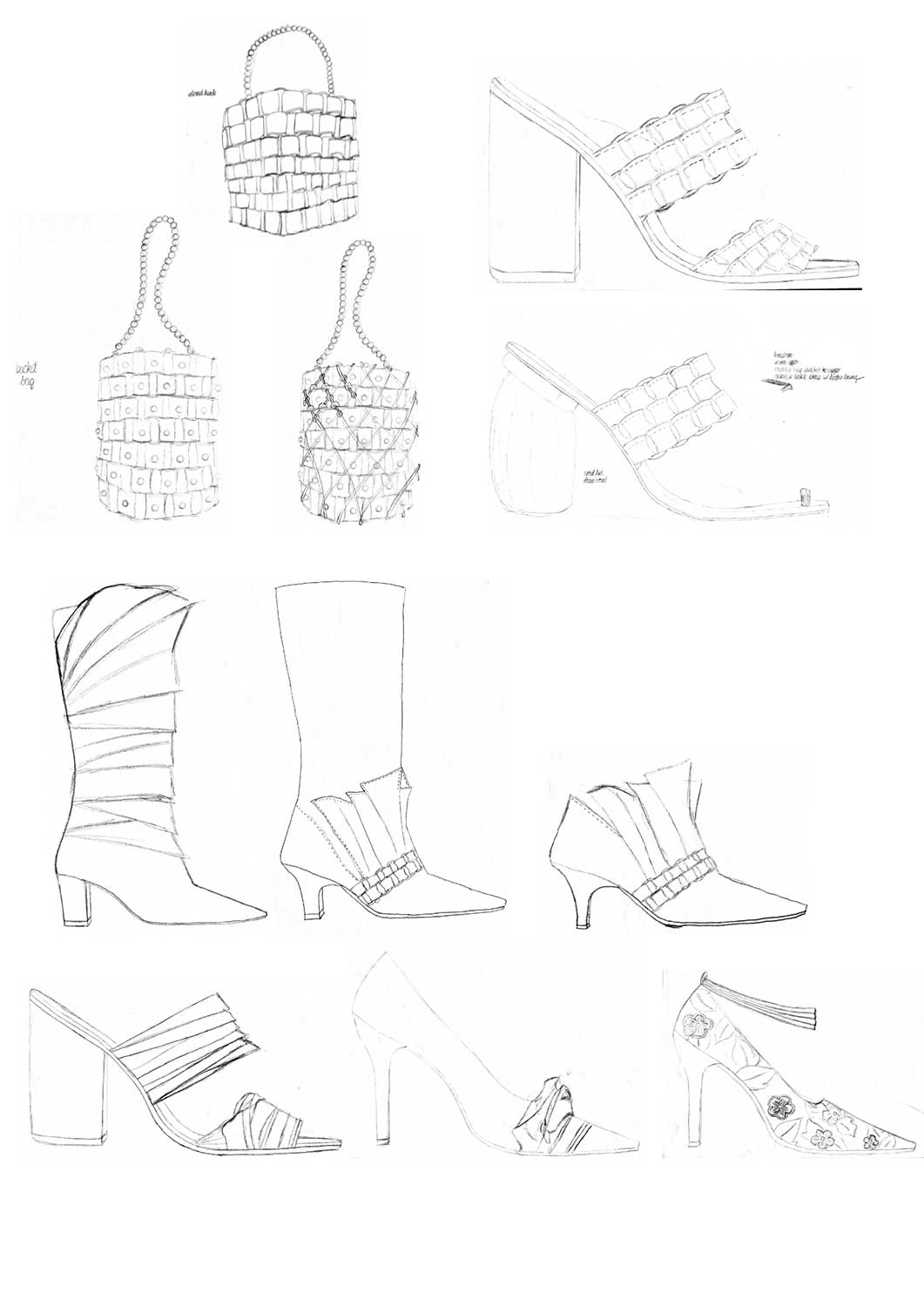
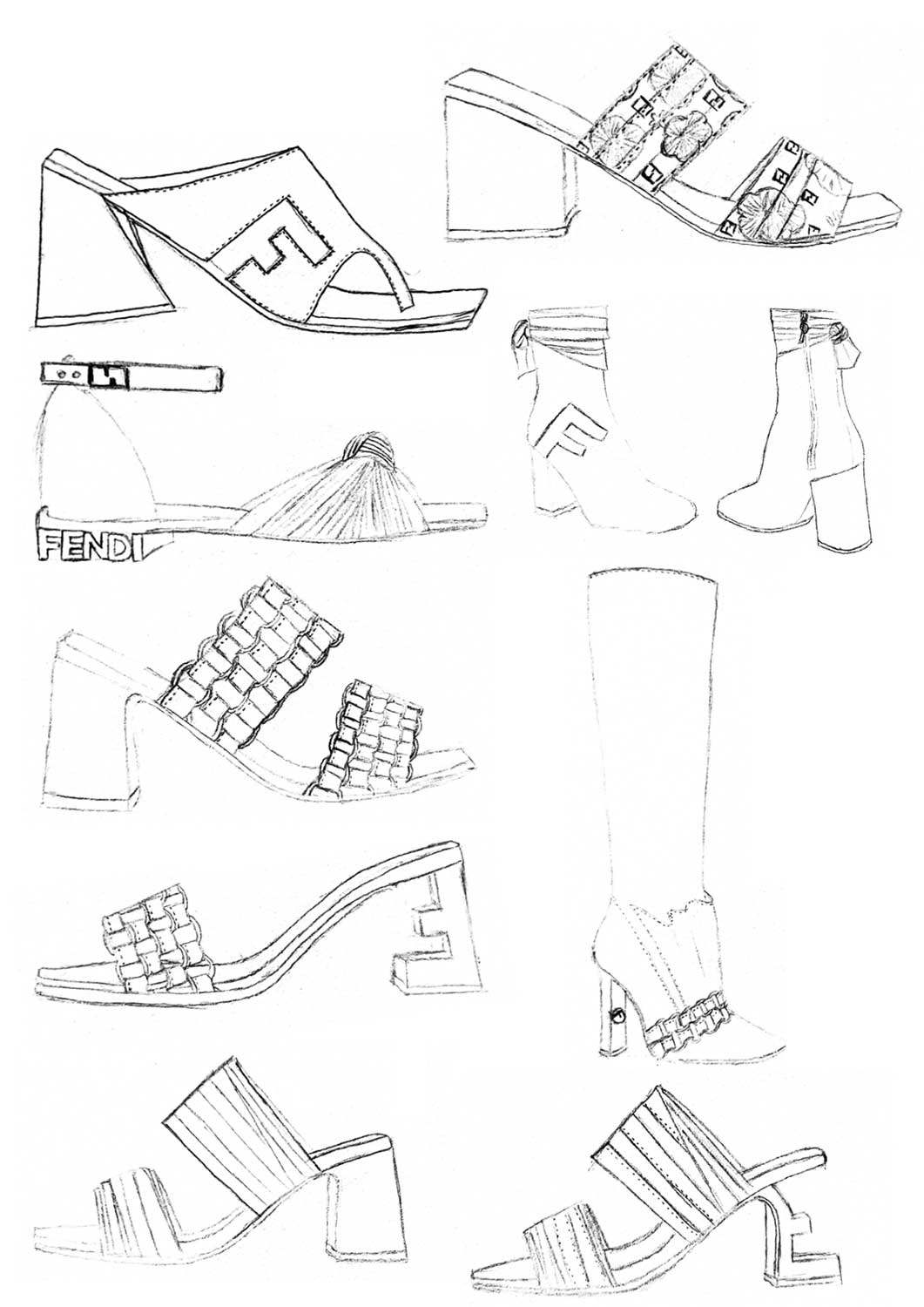
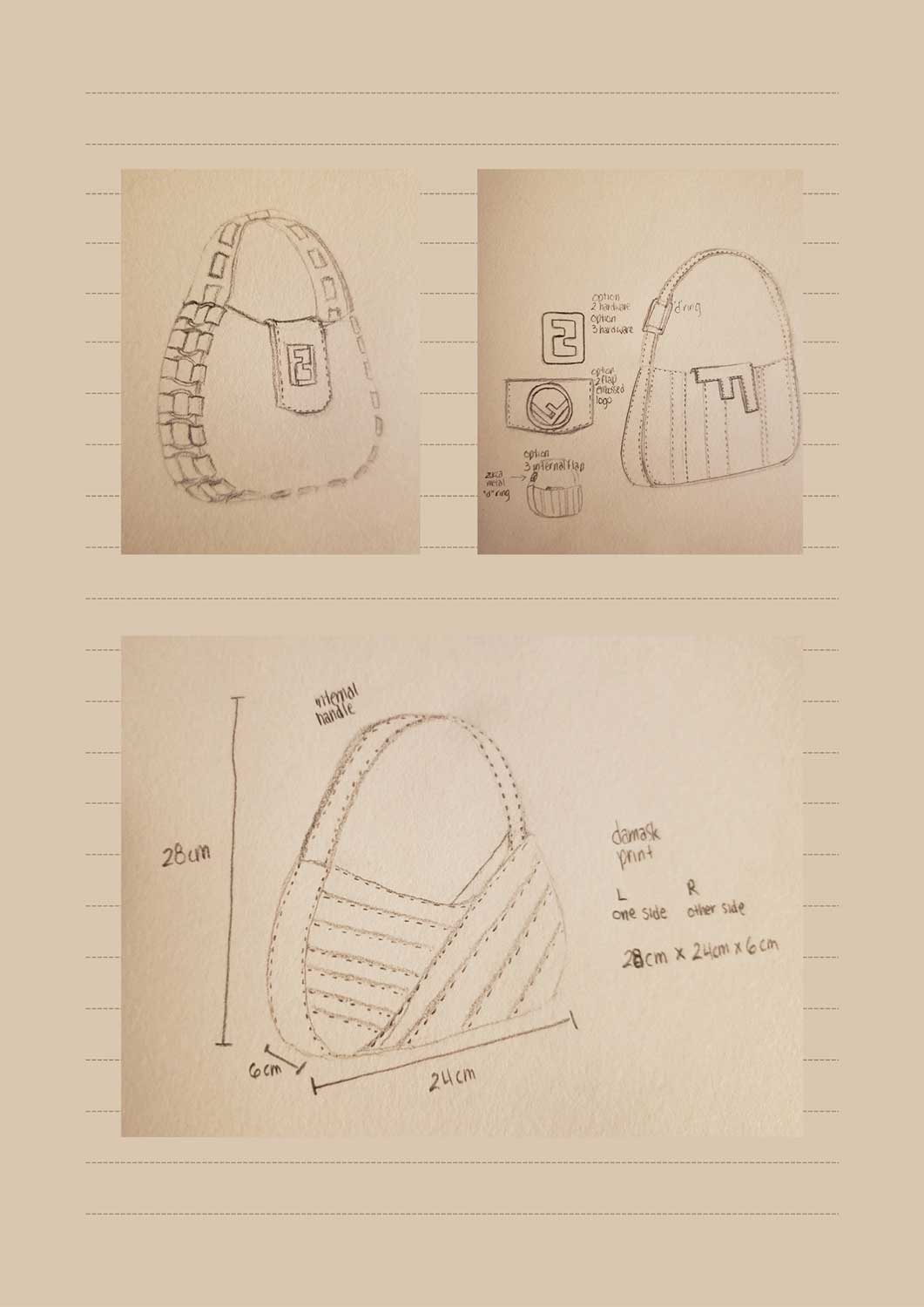
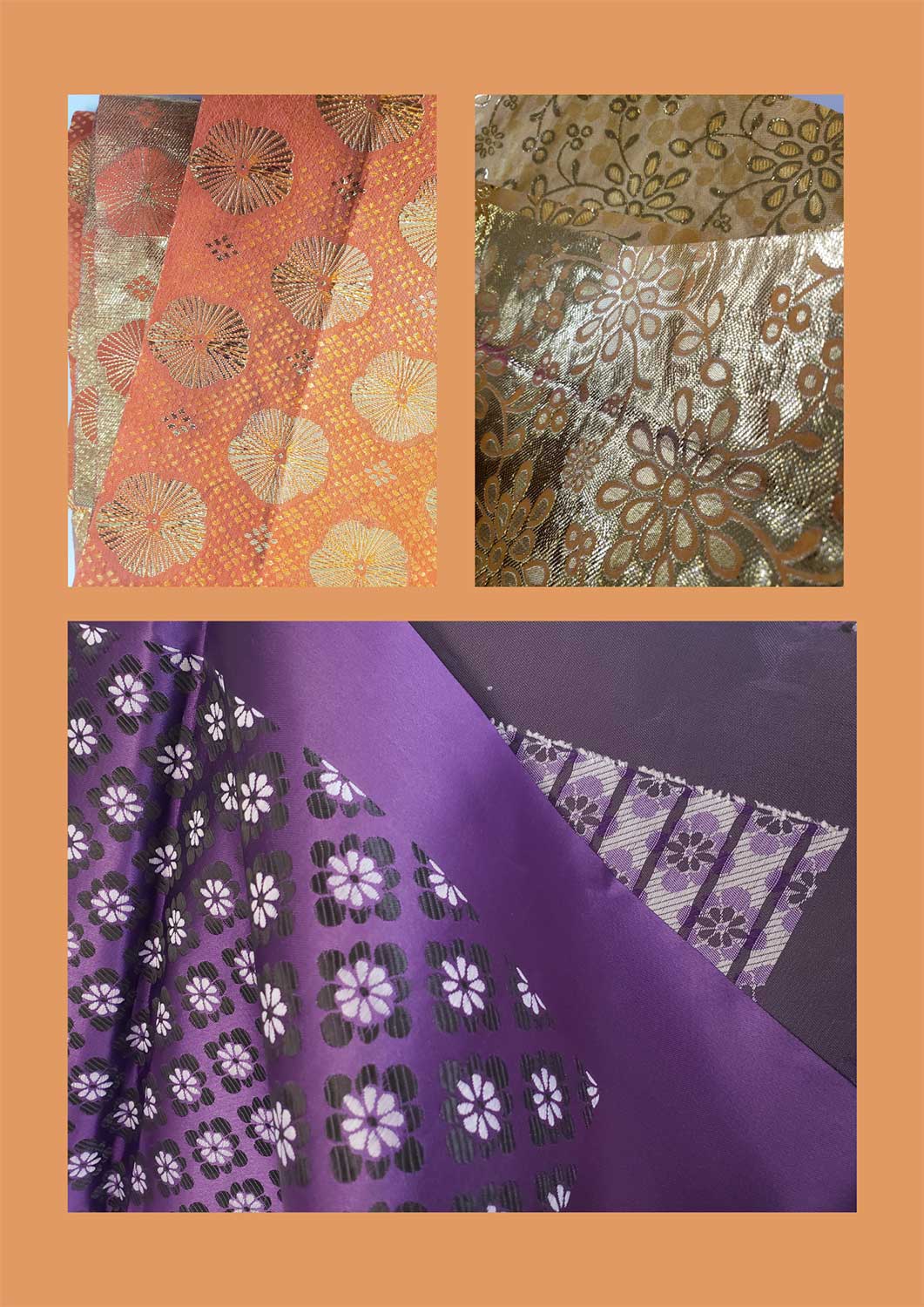
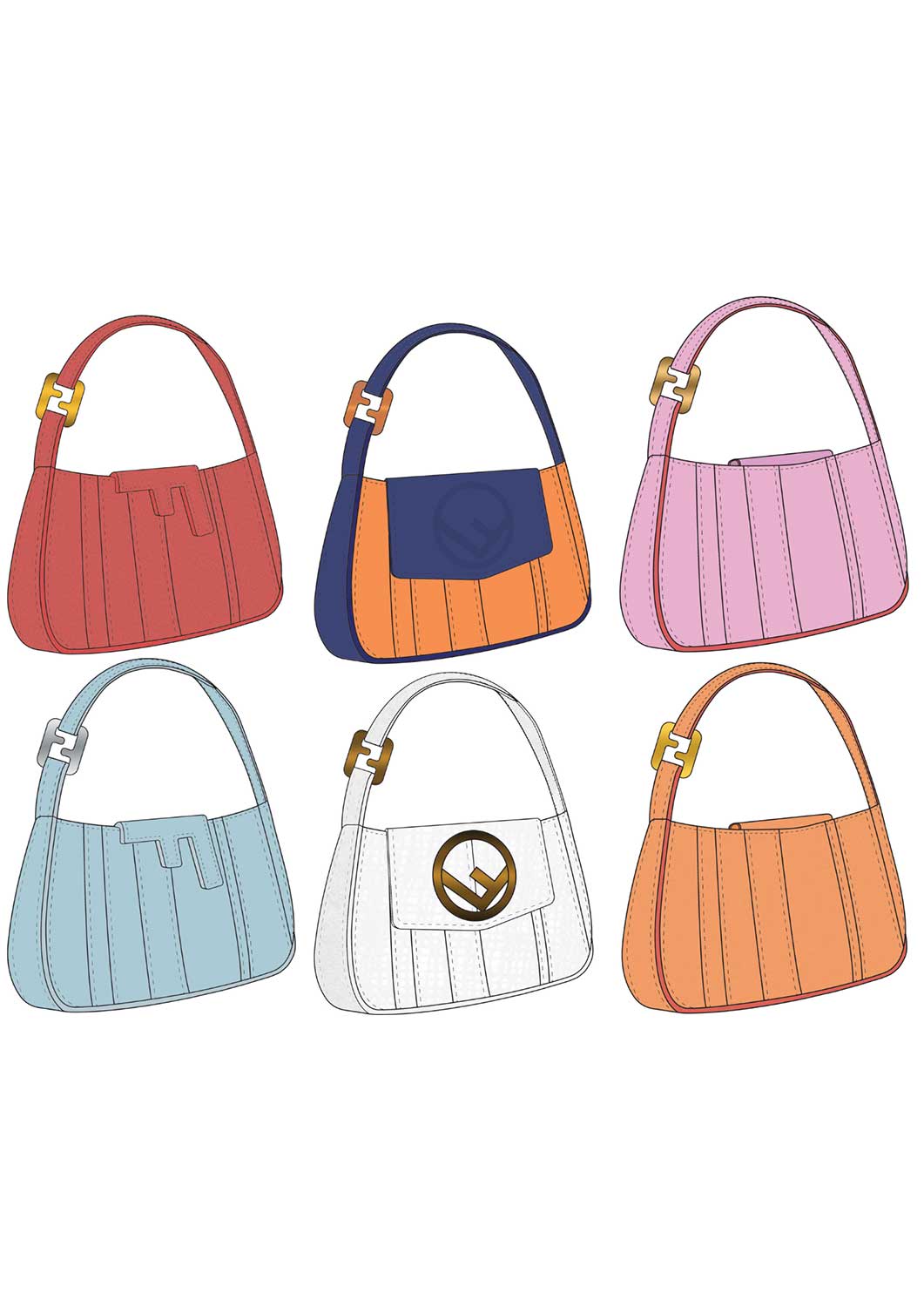
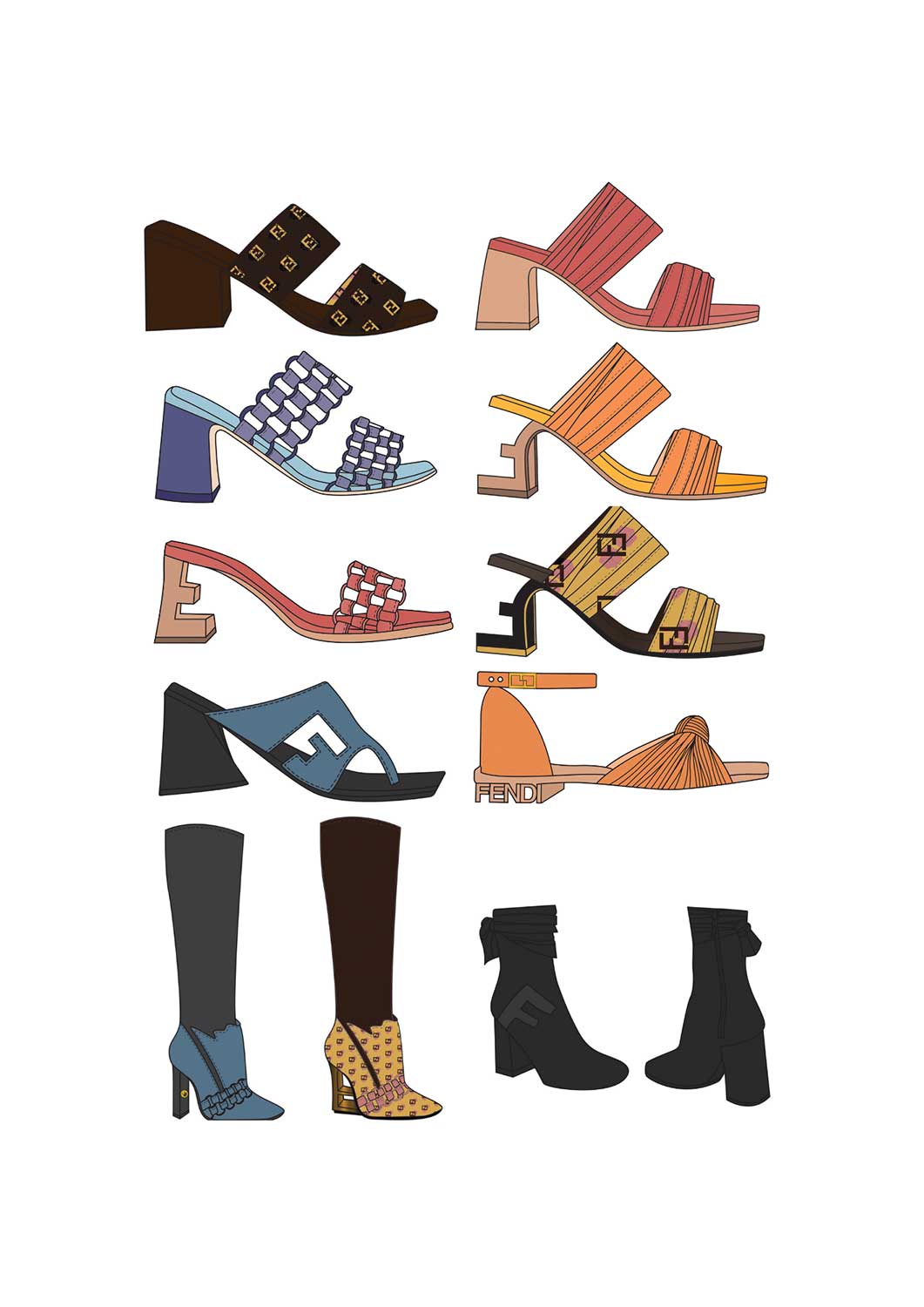
Probabilmente, gli accessori (cappelli, scarpe, borse) sono la parte più importante di un outfit e, come le gele, completano un look. Questa collezione di accessori è un adattamento per Fendi del gele nigeriano in pelle e damasco simile alla carta. Non prende in prestito nulla dalla cultura stessa in termini di stampa, motivi, ecc., ma piuttosto presenta e si concentra su un tessuto (damasco) che viene utilizzato specificamente dalle donne nigeriane per vestirsi la testa. Il damasco è usato in molte culture e di per sé non è unico. Questa unicità si trova nel suo uso come copricapo e nelle qualità simili alla carta delle fibre tessili che consentono di scolpire e modellare la gelatina attorno alla testa come origami o carta artigianale. Inoltre, i fili damascati sono invertiti su entrambi i lati del tessuto rendendolo double face. Questo può essere osservato negli esempi di stampa Fendi personalizzati nelle tomaie delle calzature. Questa dualità o molteplicità di colori si presenta anche nei toni misti e nella tavolozza dei colori dei vari disegni e prototipi. Le belle forme che creano i damaschi informano anche sottilmente su alcune forme della collezione. Sono il mio punto di riferimento e, in definitiva, la collezione è sviluppata in modo adatto ai gusti di Fendi utilizzando prevalentemente la pelle per praticità, longevità e qualità. Questa è Orí.
Nigeria is a country rich in culture and tradition. In addition to having many regions and states, Nigeria has tribes. There are three main tribes: Yoruba, Hausa and Igbo. Each tribe has its own language(s) and cultural traditions. Dress and attire are one of the most significant expressions of culture. They can be used to identify cultural heritage and be telltales of one’s region. Clothing today is just as important an indicator of one’s background as tribal marks historically were.
These textile traditions were passed down orally by word of mouth, but unfortunately as a result of colonialism and westernisation many of these techniques have been long forgotten in favour of European assimilation. Additionally, what remains through cultural works has been equally lost or rather stolen as 90% of the entire continent of Africa’s cultural works reside in Europe and the Americas. In any case, it’s all to say that these practices are harder to come by.
This collection is a take on a Yoruba cultural practice. It is centered on the gele which is traditionally used to dress one of the most sacred parts of a women’s body: her head. It is said that God bestows His blessings upon the head which is why it must be protected. Traditional attire is not considered complete without the adornment of the gele. It is worn at weddings, parties, ceremonies, funerals (or celebrations of life), places of worship and other celebrations. Nigerian elders might wear a gele at all times.
Once tied by hand directly on the head as a working sculpture, the gele has had modern adaptions in recent years to be made ready-to-wear. Anybody can tie a gele, but its revered sculptural form for weddings and festivities is an art. One that few are capable of. It is a symbol of status and divine power.
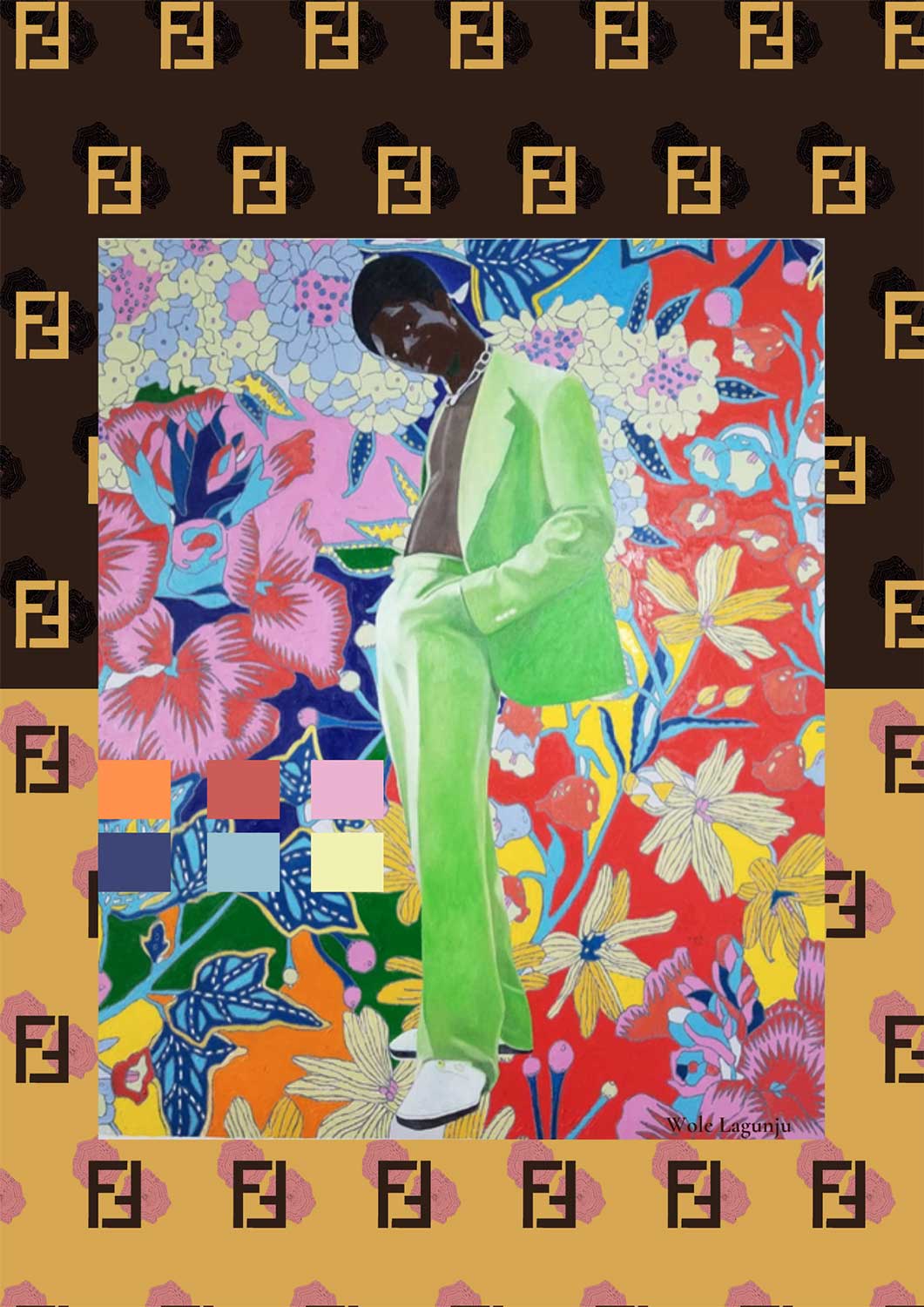
Arguably, accessories (hats, shoes, bags) are the most important part of an outfit, and like the gele, they complete a look. This accessories collection is an adaptation for Fendi of the Nigerian gele in leather and paper-like damask. It borrows nothing from the culture itself in terms of print, pattern, etc., but rather presents and centers around one textile (damask) which is specifically used by Nigerian women to dress one’s head. Damask is used in many cultures and is of itself not unique. This uniqueness is found in its use as a head dress and the paper like qualities of the textile’s fibers that allow the gele to be sculpted and modeled around the head like origami or paper craft. Additionally, damask threads are reversed on either side of the fabric making it double-faced. This can be observed in the custom Fendi print examples in the footwear uppers. This duality or multiplicity of colours also presents itself in the mixed tones and colour palette of the various designs and prototypes. The beautiful forms that the damasks create also subtly inform on some shapes of the collection. They are my point of reference and ultimately, the collection is developed in a way suitable to Fendi’s tastes predominantly utilising leather for practicality, longevity and quality. This is Orí.
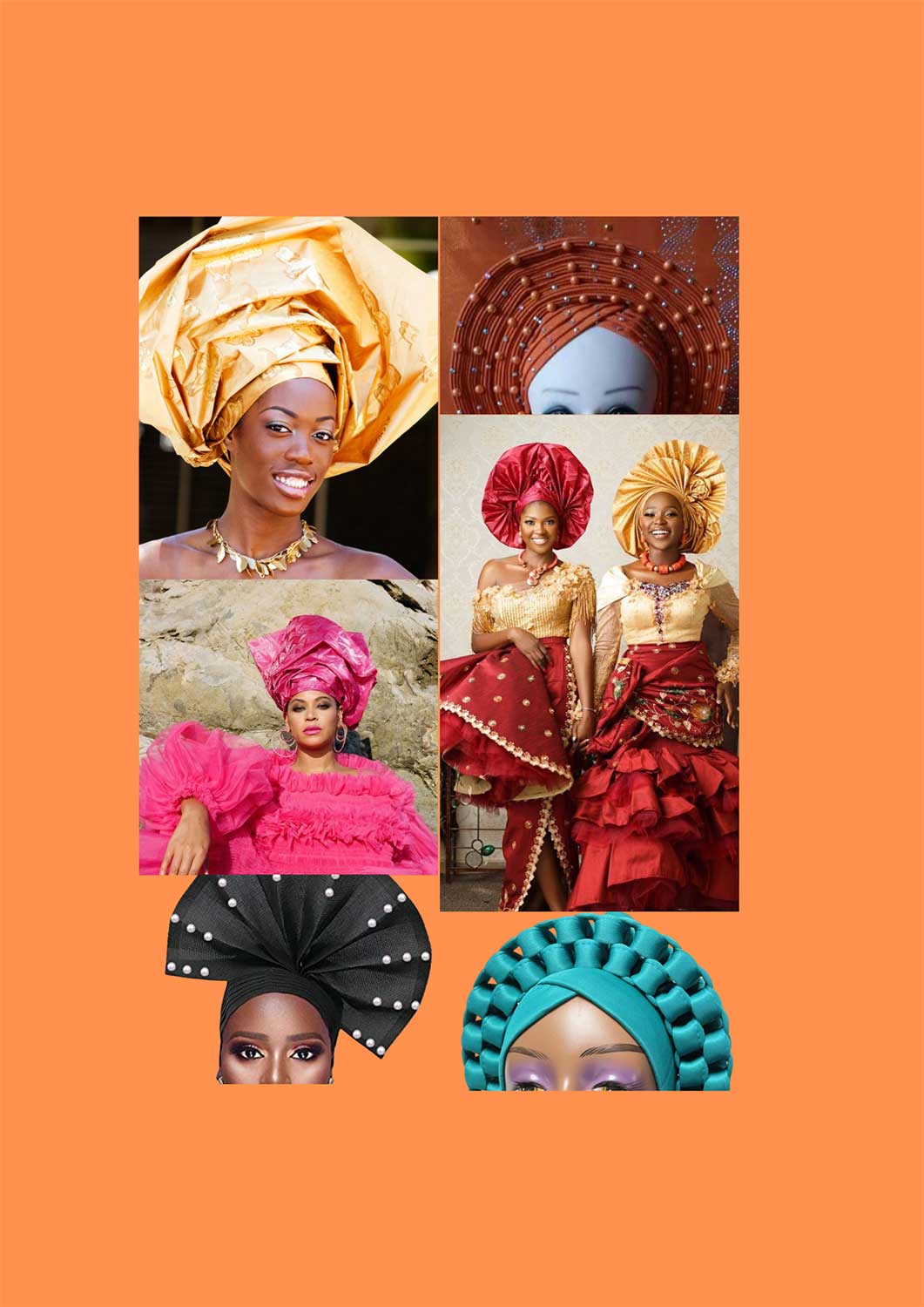
Moodboard
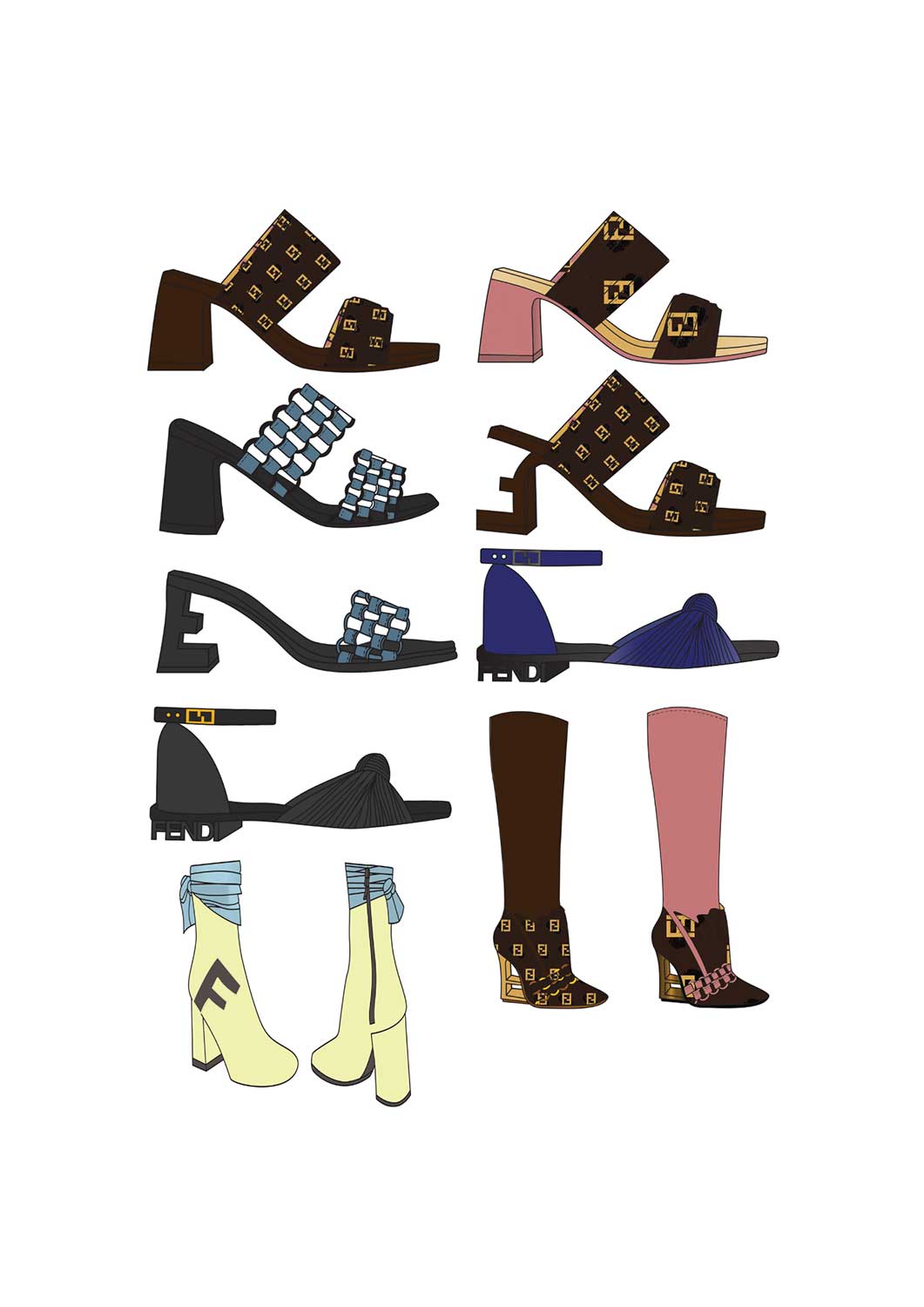
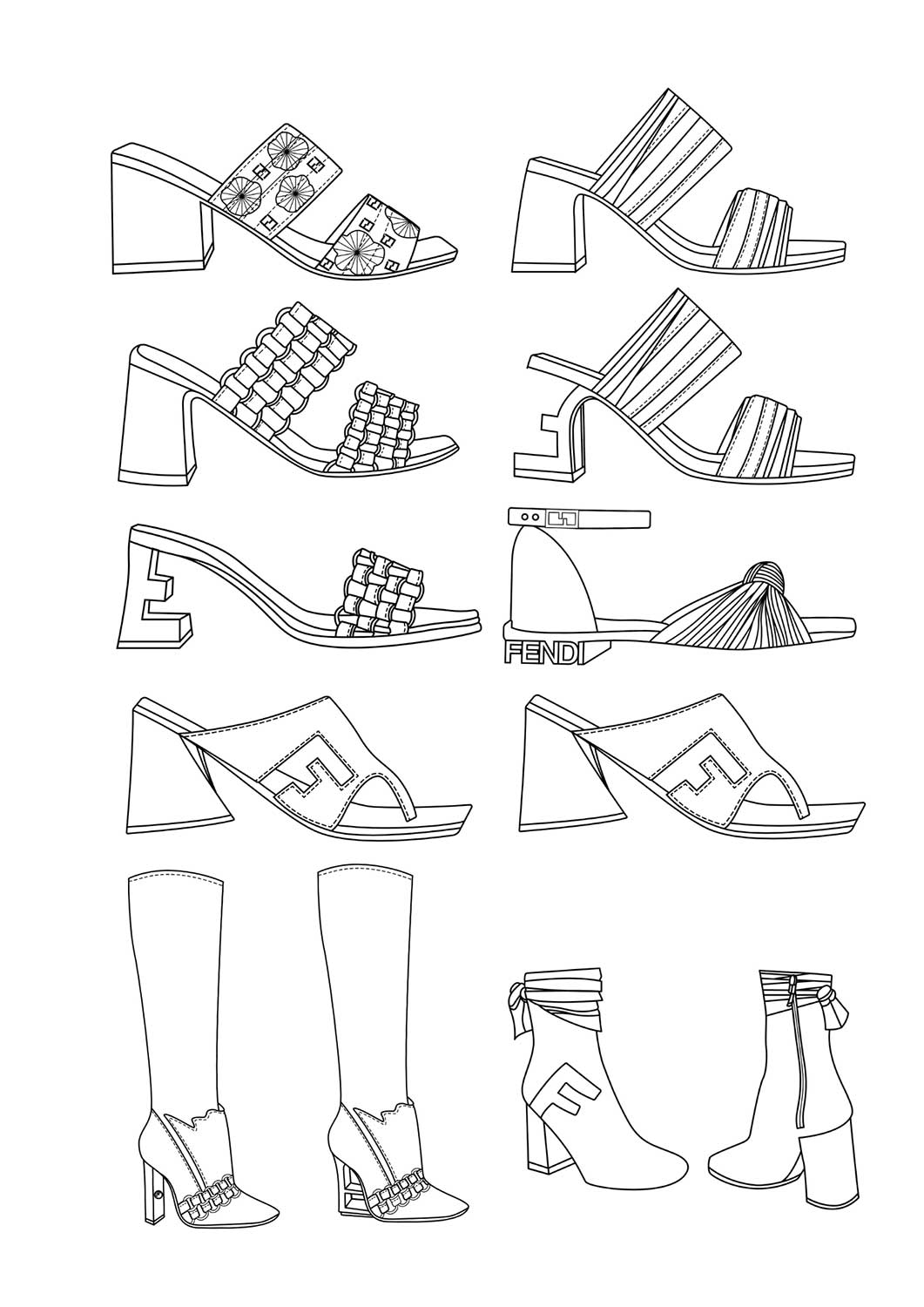
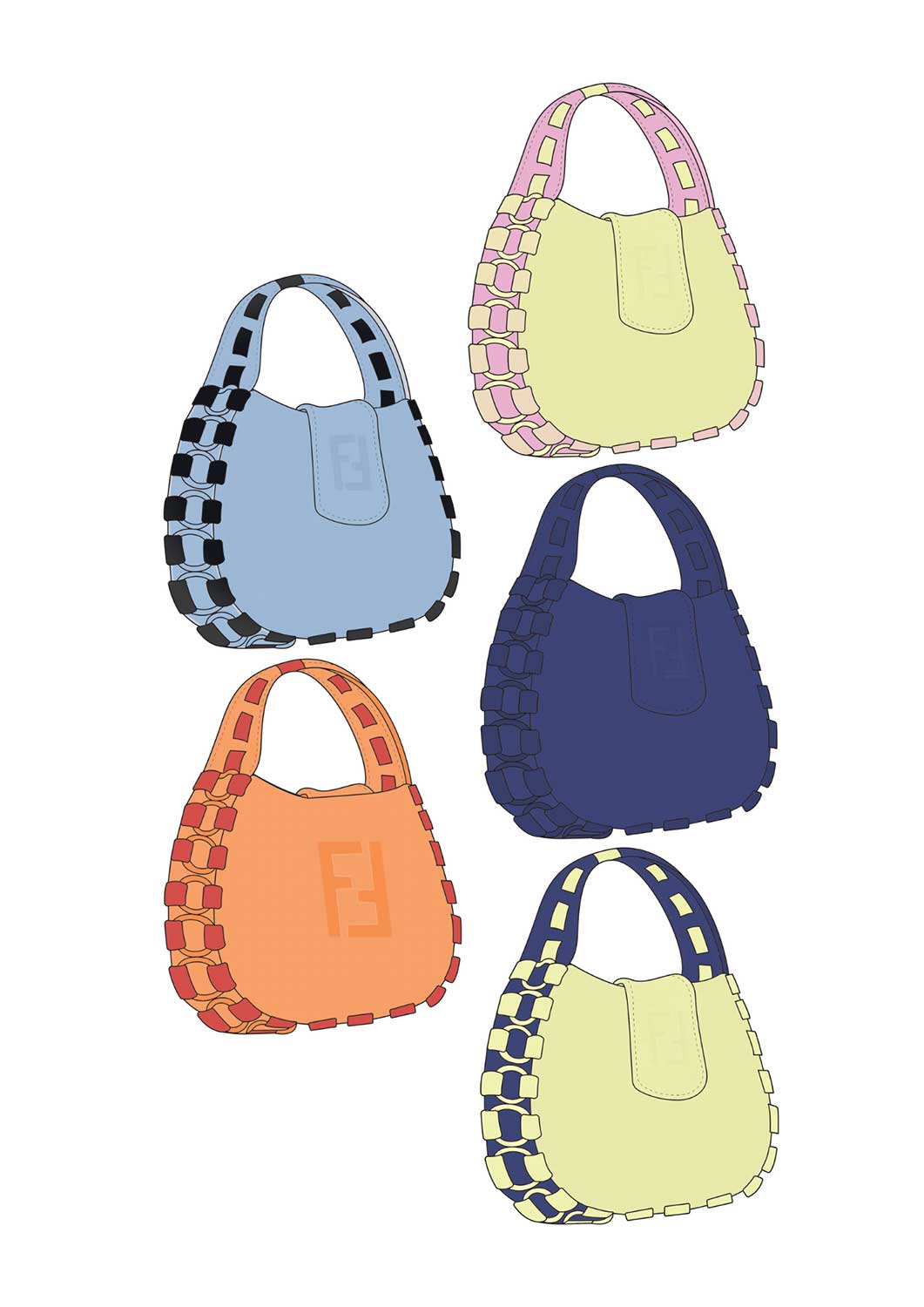
line up
Share the project:


