

In a Pinch
Morenike John Oyinkansola
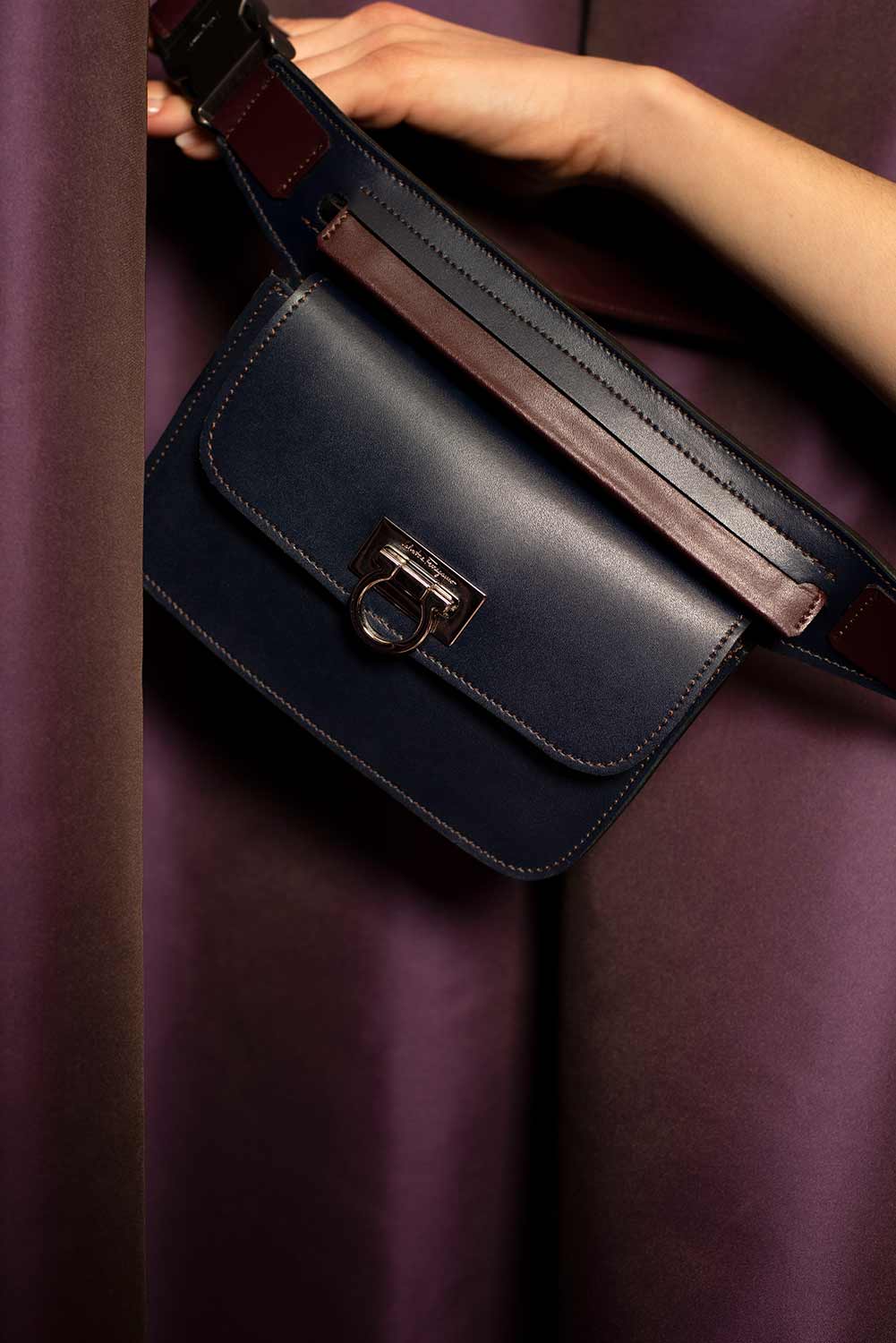
In linea con l’eredità del marchio, Salvatore Ferragamo ci ha implorato di progettare una collezione personalizzabile di accessori di lusso innovativi su misura per la sua clientela maschile. Concentrandosi principalmente su borse a mani libere e piccola pelletteria, i design dovevano essere rapidamente adattabili ai gusti del consumatore offrendo un livello di personalizzazione pur rimanendo accessibili e non eccessivamente complessi. La considerazione dei materiali e della tecnologia innovativa avrebbero giocato un ruolo chiave nel processo di sviluppo della collezione.
Inizialmente, ho esplorato l’uso dei bottoni automatici come mezzo per attaccare, staccare e scambiare rapidamente i materiali sulla superficie di un accessorio. Ho chiamato questo concetto “In a Snap” o “In un attimo”. Sebbene rapidamente intercambiabile e altamente accessibile, questa idea mancava di alcune qualità in relazione all’innovazione e al lusso. Era un po’ troppo rudimentale e rozzo per l’alto calibro del consumatore mirato. In questa fase, mi sono trovato un po’ privo di ispirazione riguardo a me stesso con l’estetica e la risoluzione dei problemi.
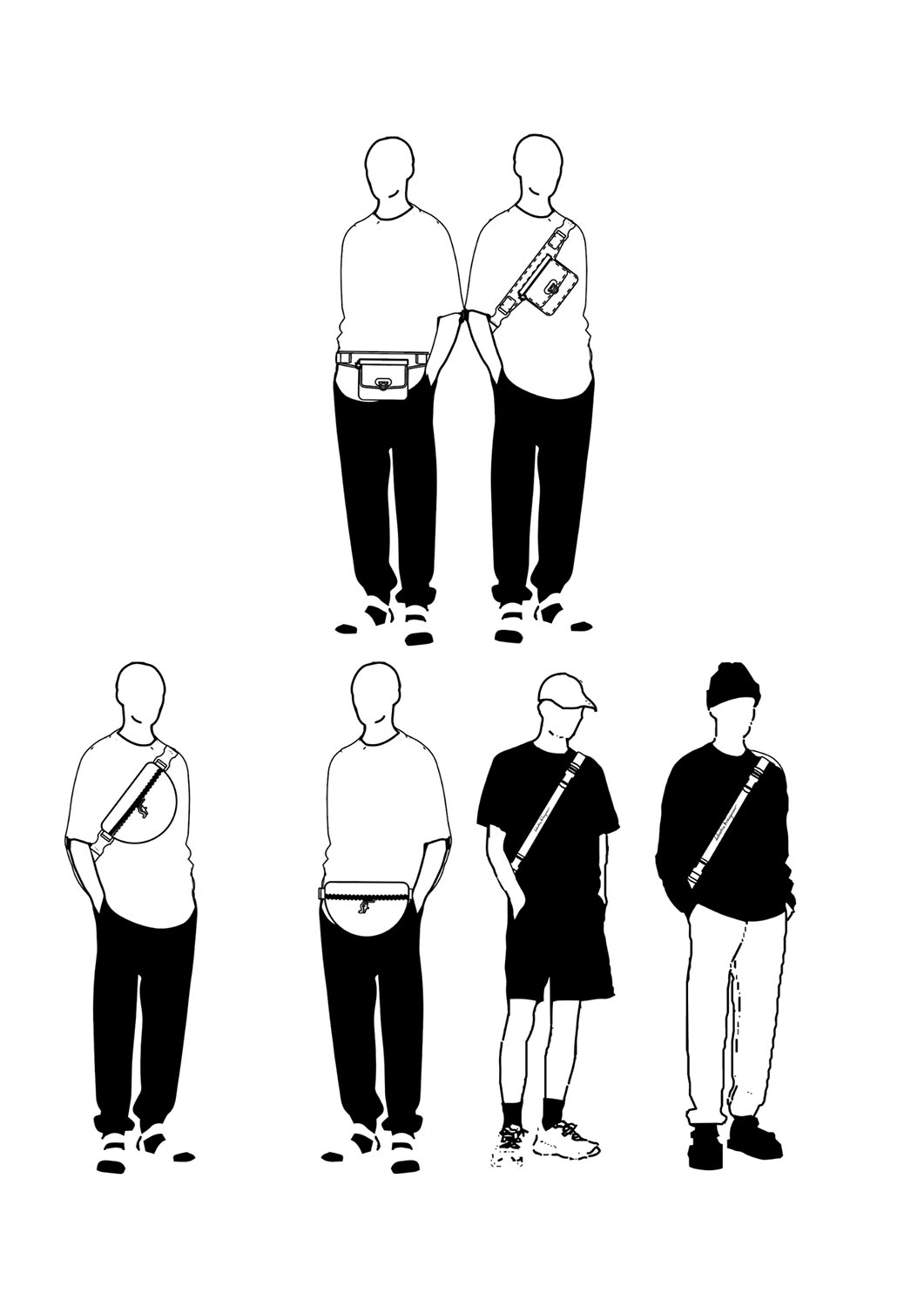
L’aspetto della personalizzazione si è rivelato il più impegnativo. In cerca di ispirazione, ho iniziato a spostare la mia prospettiva verso gli accessori stessi. Una delle prime idee di design si è rivelata promettente: la borsa a tracolla, nota anche come marsupiale. Era già popolare tra gli uomini per il suo comfort e praticità e aveva un grande potenziale di personalizzazione. Da questo punto è nato il resto della collezione.
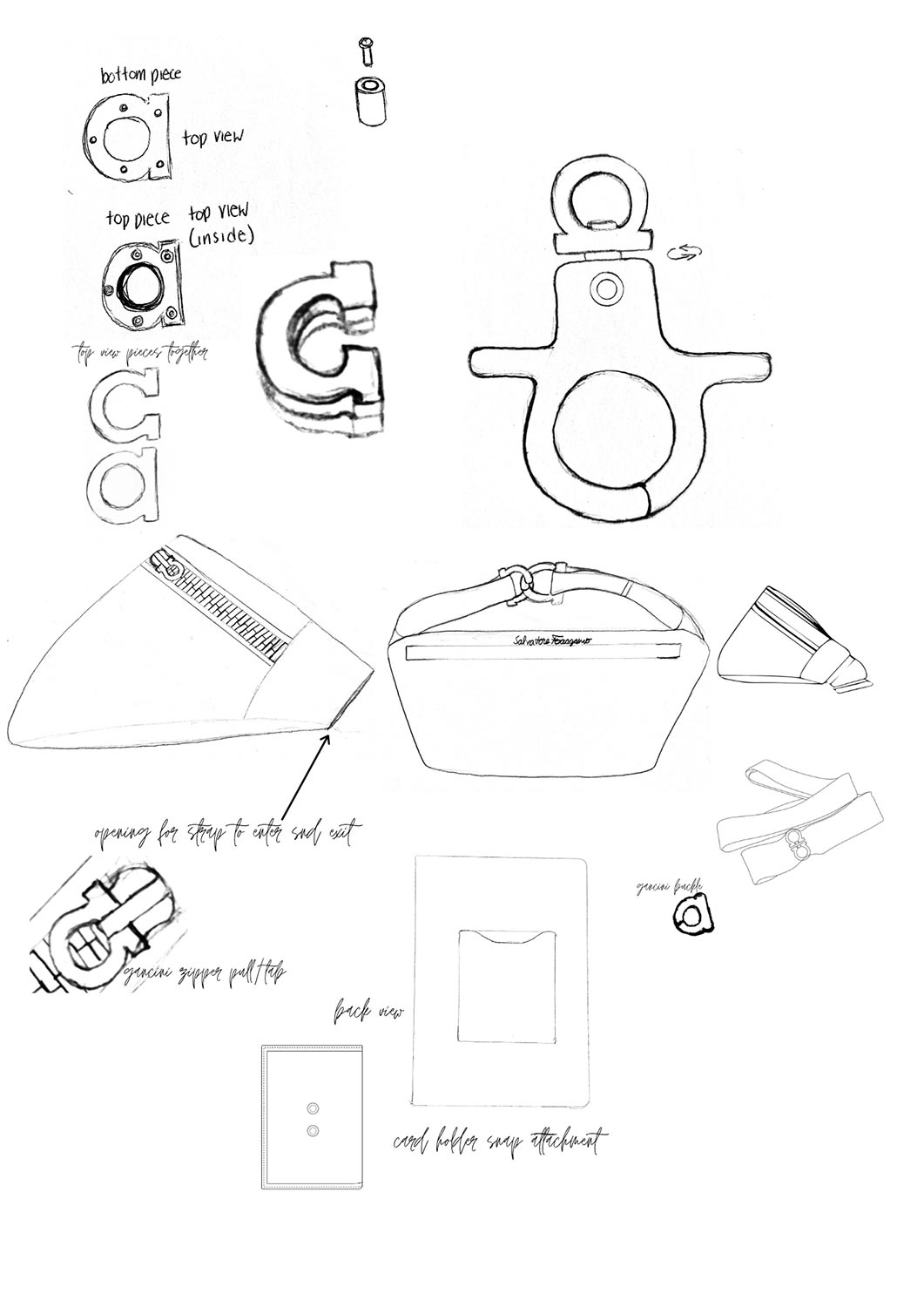
Utilizzando questo stile come protagonista, mi sono concentrato sul cinturino a tracolla come mezzo di personalizzazione immaginando un cinturino svincolato che potesse essere completamente rimovibile e intercambiabile con diversi colori e materiali (pelle, nylon, suede, ecc.). All’inizio, il cinturino scorreva liberamente attraverso il rivestimento della borsa senza cuciture per tenerlo in posizione, ma utilizzava piuttosto i suoi due moschettoni a forma di gancini per fissarlo al corpo durante l’uso. Alcuni potenziali problemi includevano i fermagli che si bloccavano sulla borsa mentre venivano scambiati a causa della loro forma unica e il disagio o il fastidio del cinturino liberato che si muoveva liberamente durante l’uso. Questa idea era promettente, ma necessitava di ulteriore sviluppo. Non è stato fino alla fase di modellazione e prototipazione che il concetto è stato in grado di evolversi completamente.
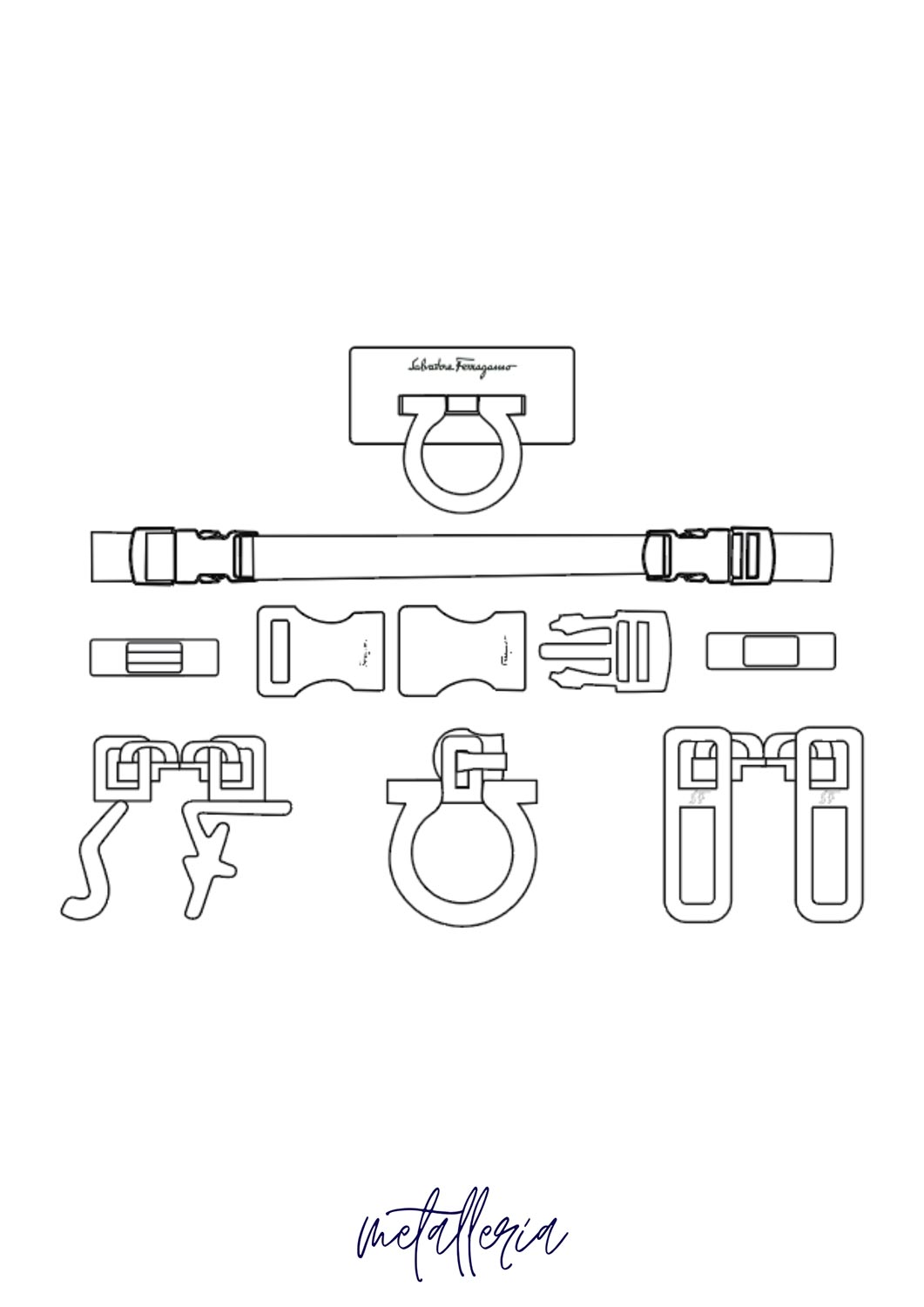
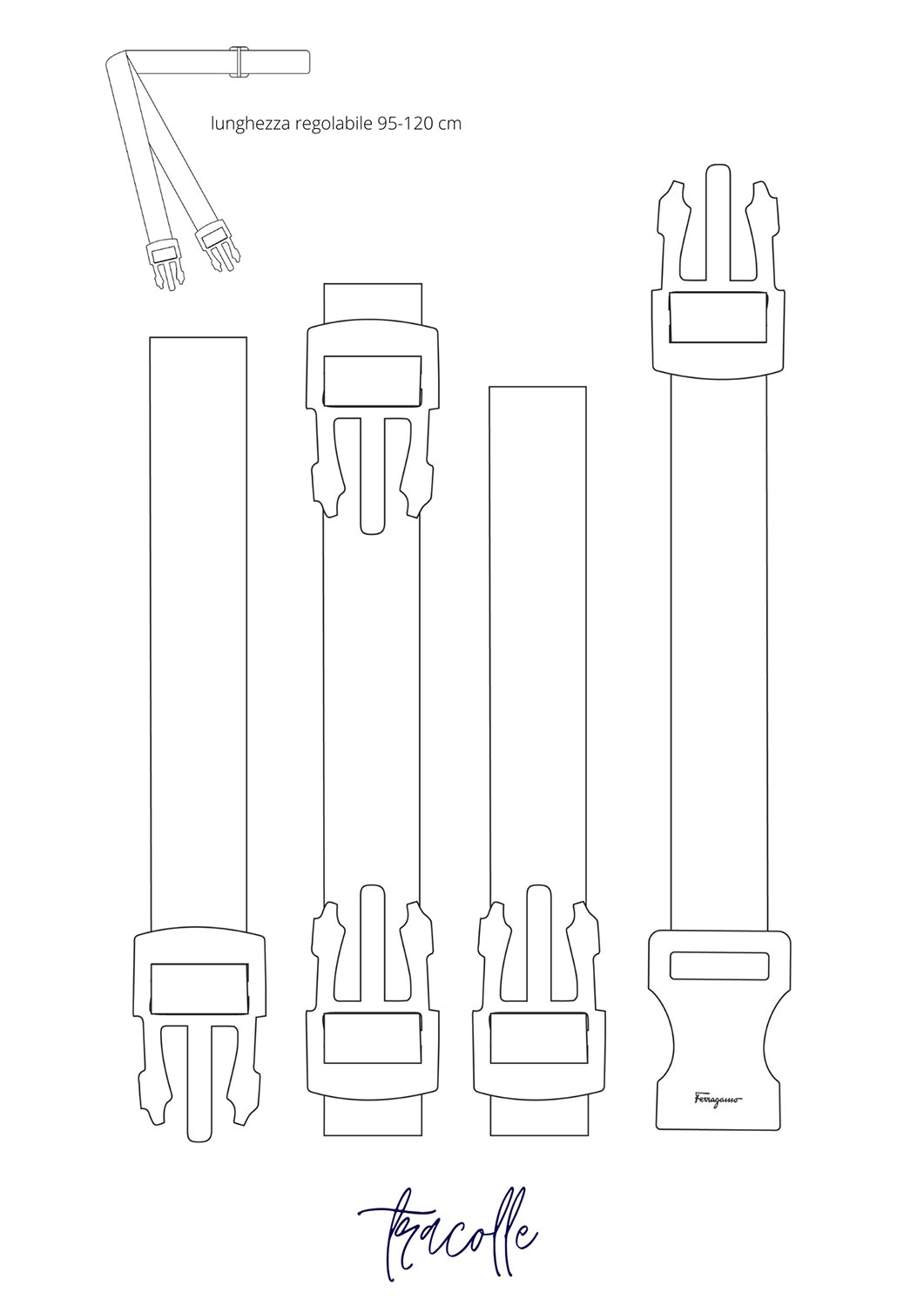
Piuttosto che una cinghia non protetta tra la fodera con moschettoni gancini, non ci sarebbe alcuna fodera in tessuto e le fibbie a sgancio laterale sarebbero utilizzate come punti di attacco e distacco. In questo modo, il cinturino è sicuro ma può essere completamente rimosso in una versione semplice ma interessante del già familiare cinturino fissato con fibbia. Allacciarsi e allacciarsi le cinture è facile come 1, 2, 3.
Da questa soluzione, le possibilità progettuali sono diventate praticamente infinite. Ho potuto vedere come questa personalizzazione potesse essere implementata in una collezione di beni in modo uniforme, raffinato e maschile. Come i bottoni automatici, la sua applicazione era veloce, facile e adattabile. In un attimo, le cinghie potrebbero essere completamente isolate dal corpo della borsa e con un clic, sostituite in un altro colore o materiale. In altre iterazioni, la fibbia è anche uno strumento per aggiungere l’accessorio e attaccare pezzi più piccoli a corpi più grandi. Ad esempio, un portachiavi o un altro piccolo articolo in pelle (venduto separatamente) potrebbe essere inserito a scatto in una controparte con fibbia che si trova nella tasca di una borsa o di uno zaino.
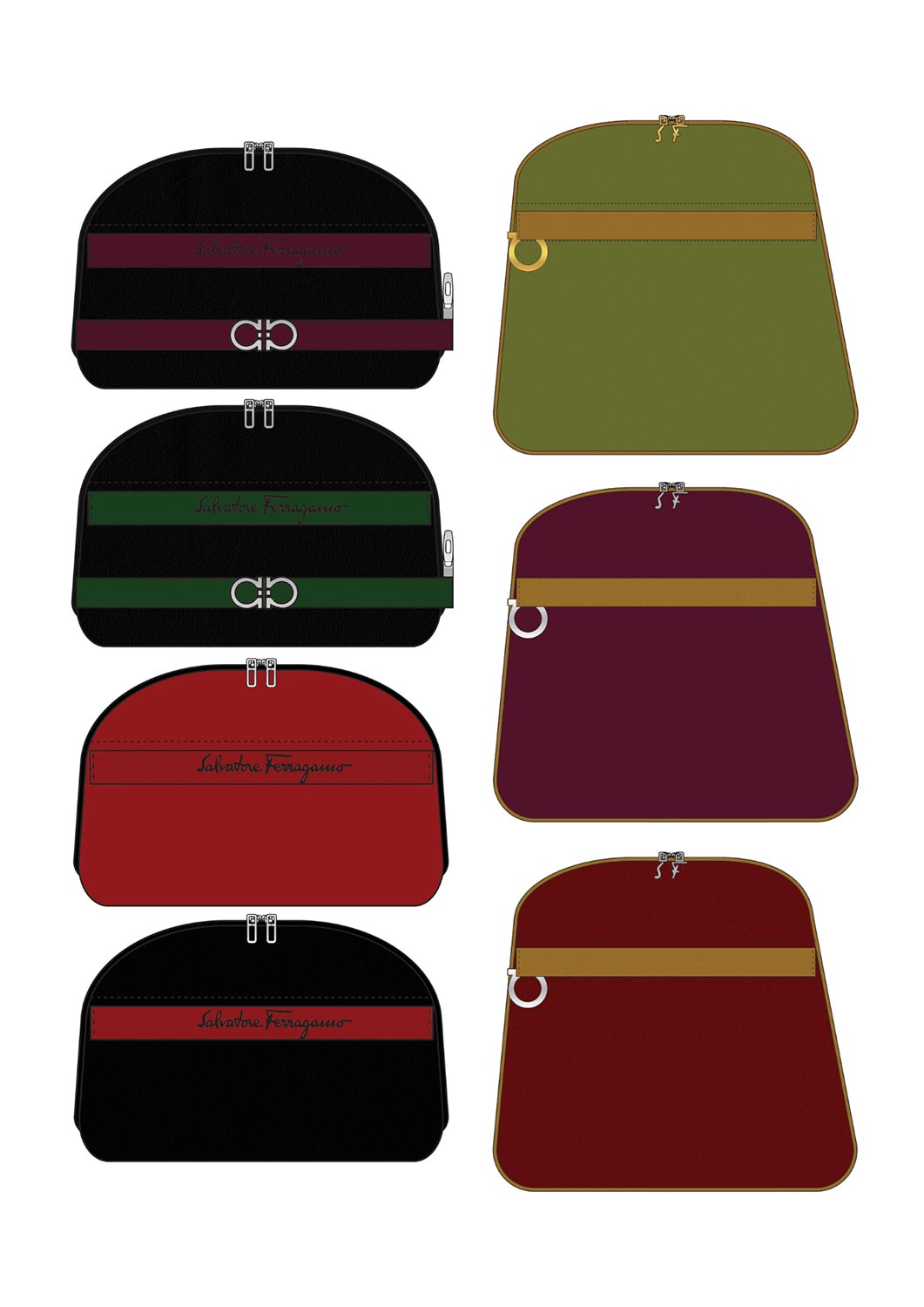
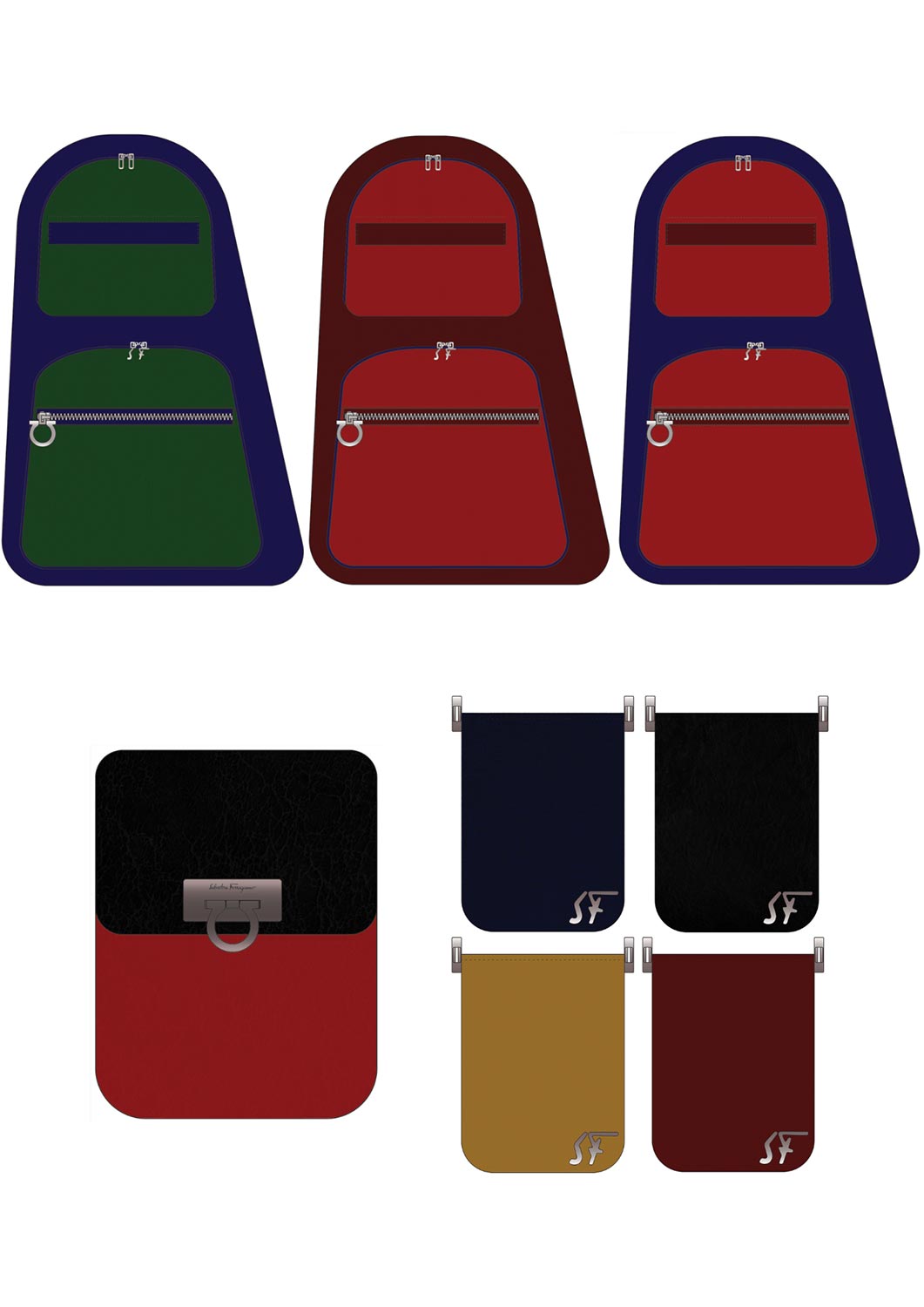
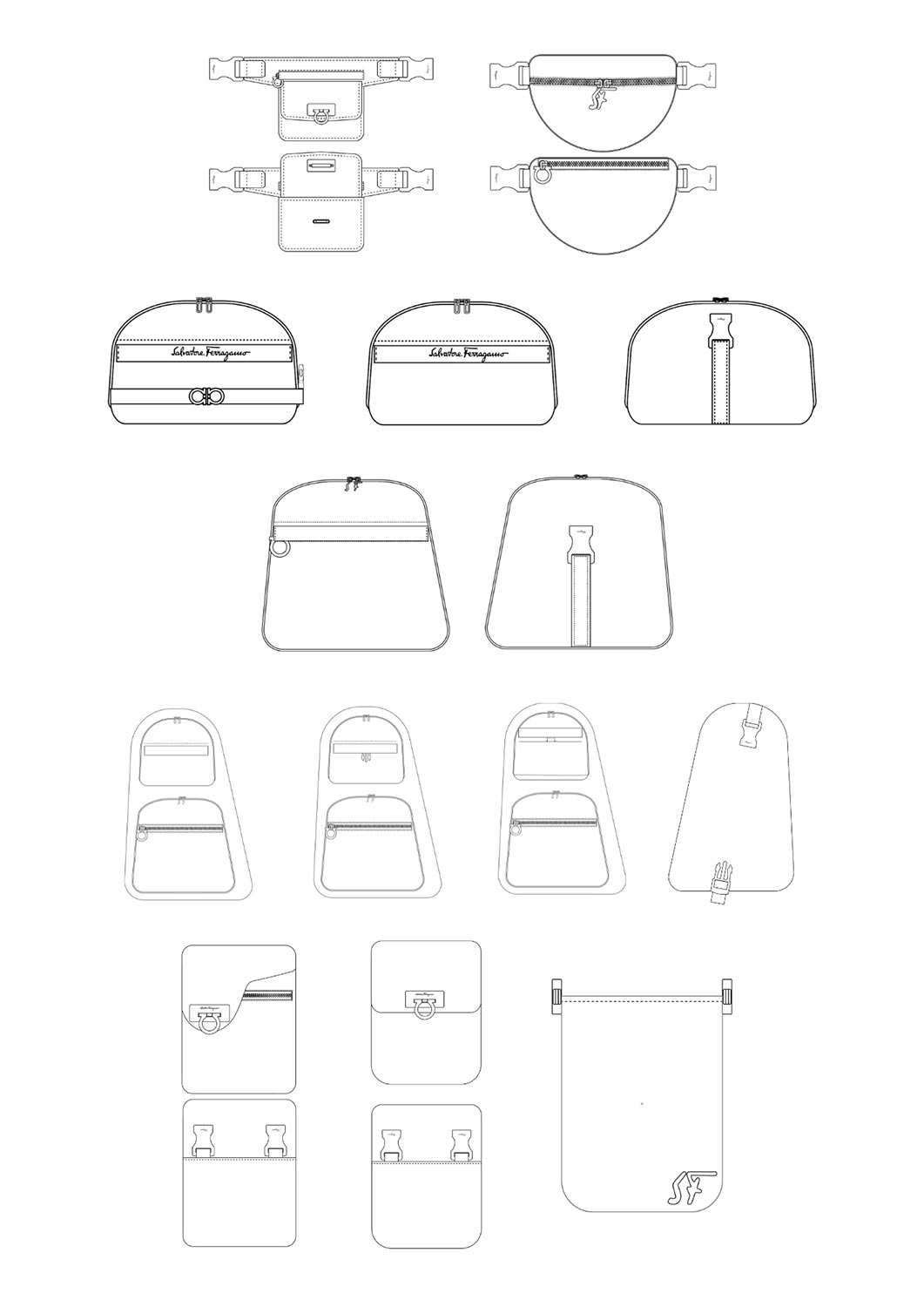
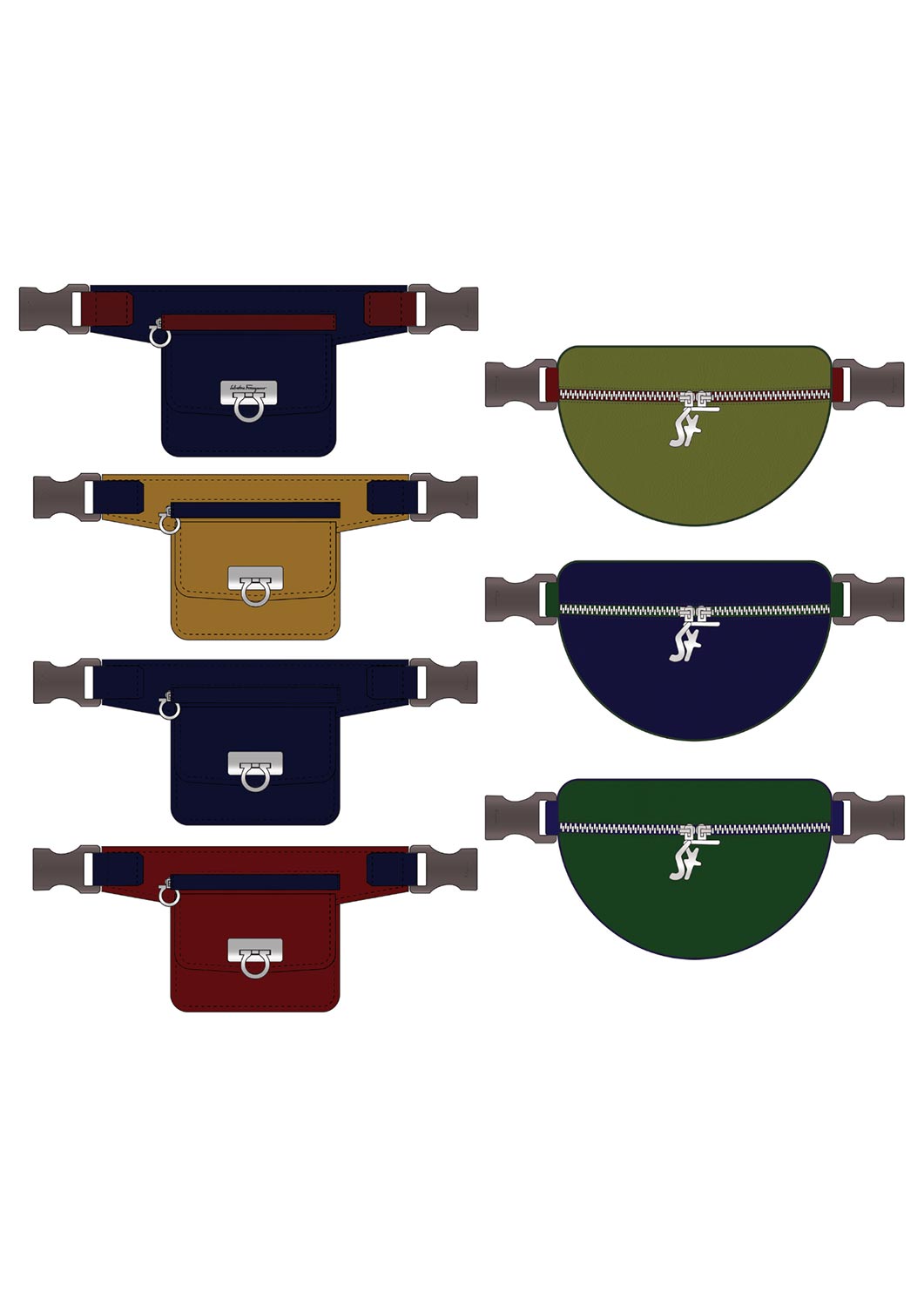
Ora ho sviluppato una collezione con un mezzo di personalizzazione uniforme. Ogni bene offriva la possibilità di rimuovere e mescolare e abbinare le cinghie. Alcuni hanno persino consentito un divertente componente aggiuntivo oltre alla personalizzazione principale. Ho selezionato una ricca tavolozza di colori che mi è sembrata in linea con l’eredità del marchio Salvatore Ferragamo con toni profondi e regali. Ho scoperto che mentre, disegnato per gli uomini, c’era un fascino unisex nel design che poteva anche essere tradotto e adattato per soddisfare la clientela femminile.
Keeping in line with the brand’s heritage, Salvatore Ferragamo implored us to design a customisable collection of innovative luxury accessories tailored toward its male clientele. Focusing primarily on hands-free bags and small leather goods, the designs needed to be quickly adaptable to the consumer’s tastes offering a level of personalisation while remaining accessible and not overly complex. Consideration of materials and innovative technology were to play a key role in the developmentmental process of the collection.
Initially, I explored the use of snap buttons as a means to quickly attach, detach and swap materials on the surface of an accessory. I called this concept “In a Snap.” Though quickly interchangeable and highly accessible, this idea lacked in certain qualities in relation to innovation and luxury. It was a bit too rudimentary and unpolished for the high caliber of the targeted consumer. In this stage, I found myself a bit uninspired concerning myself with aesthetics and problem-solving.
The customisation aspect proved to be the most challenging. Looking for inspiration, I began to shift my perspective towards the accessories themselves. One early design idea showed promise: the sling bag, also known as a marsupial. It was already popular among men for it’s comfort and convenience, and had grand potential for customisability. From this point, the rest of the collection was born.
Using this style as my protagonist, I focused on the crossbody strap as a means of customisation imagining a liberated strap that could be completely removable and interchanged with different colours and materials (leather, nylon, suede, etc.). In its inception, the strap would freely feed through the lining of the bag without stitching to hold it in place, but rather use its two gancini-shaped lobster clasps to secure it to the body during use. Some potential issues included the clasps catching on the bag as they were being interchanged as a result of their unique shape, and discomfort or annoyance from the liberated strap moving around freely during use. This idea was promising, but in need of further development. It was not until the patterning and prototyping stage that the concept was able to fully evolve.
Rather than an unsecured strap between the lining with gancini lobster clasps, there would be no fabric lining and side release buckles would be utilised as points of attachment and detachment. In this way, the strap is secure yet able to be completely removed in a simple yet interesting take on the already familiar buckle secured strap. Strapping in and buckling up is as easy as 1, 2, 3.
From this solution, the design possibilities became practically endless. I could see how this customisation could be implemented into a collection of goods in a uniform, refined and masculine way. Like the snap buttons, its application was quick, easy and adaptable. In a pinch, the straps could be completely isolated from the body of the bag and with a click, replaced in another colour or material. In other iterations, the buckle is even a tool for adding on to the accessory and attaching smaller pieces to larger bodies. For example, a keychain or other small leather good (sold separately) could be clicked into a buckle counterpart found in the pocket of a bag or backpack.
Now I developed a collection with a uniform means of personalisation. Each good offered the possibility to remove and mix and match straps. Some even allowed for a fun add-on in addition to the primary customisation. I selected a rich colour palette that I felt aligned with the Salvatore Ferragamo brand heritage with deep, regal tones. I found that while, designed for men, there was a unisex appeal in design which could also be translated and adapted to suit feminine clientele.
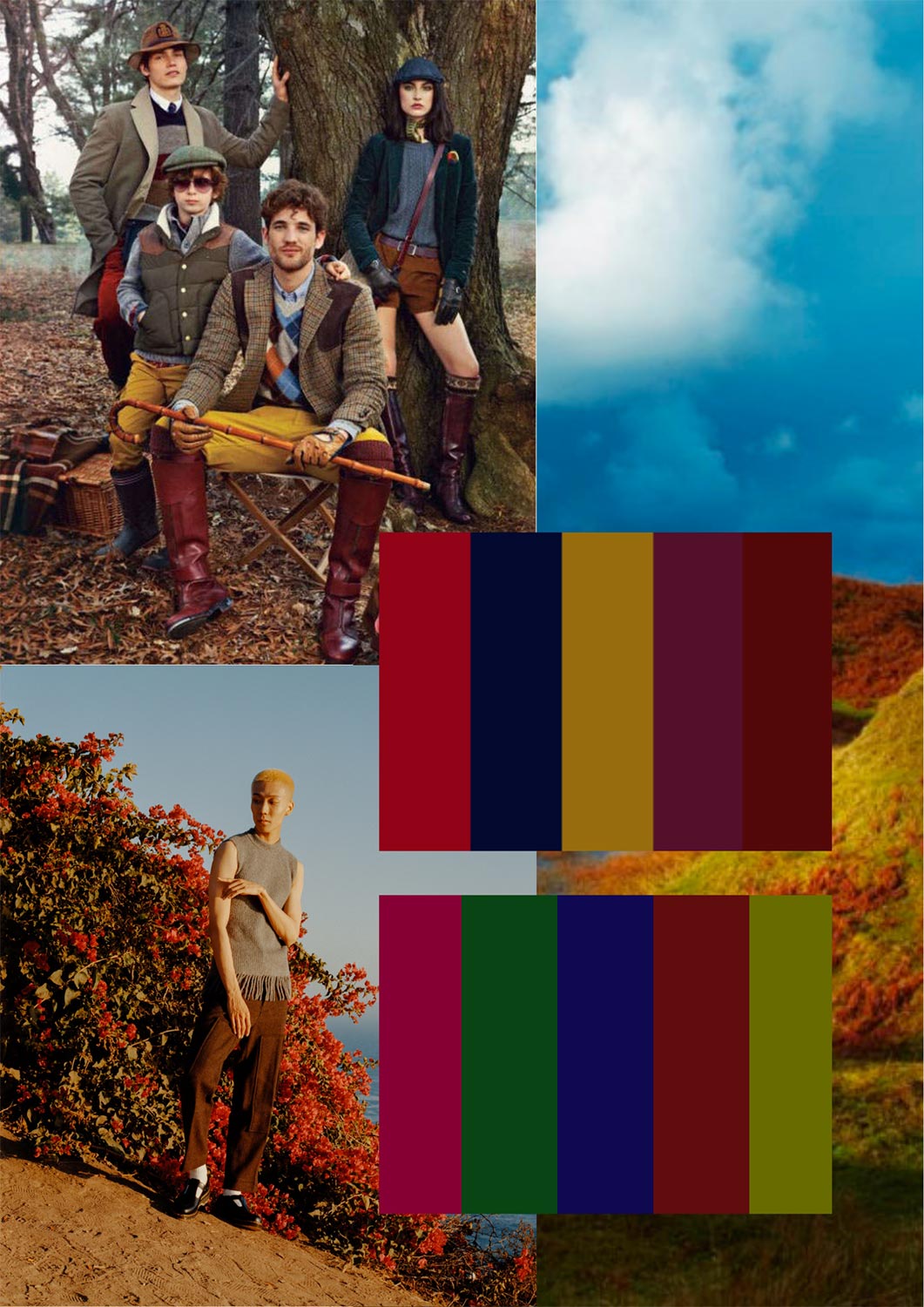
Moodboard
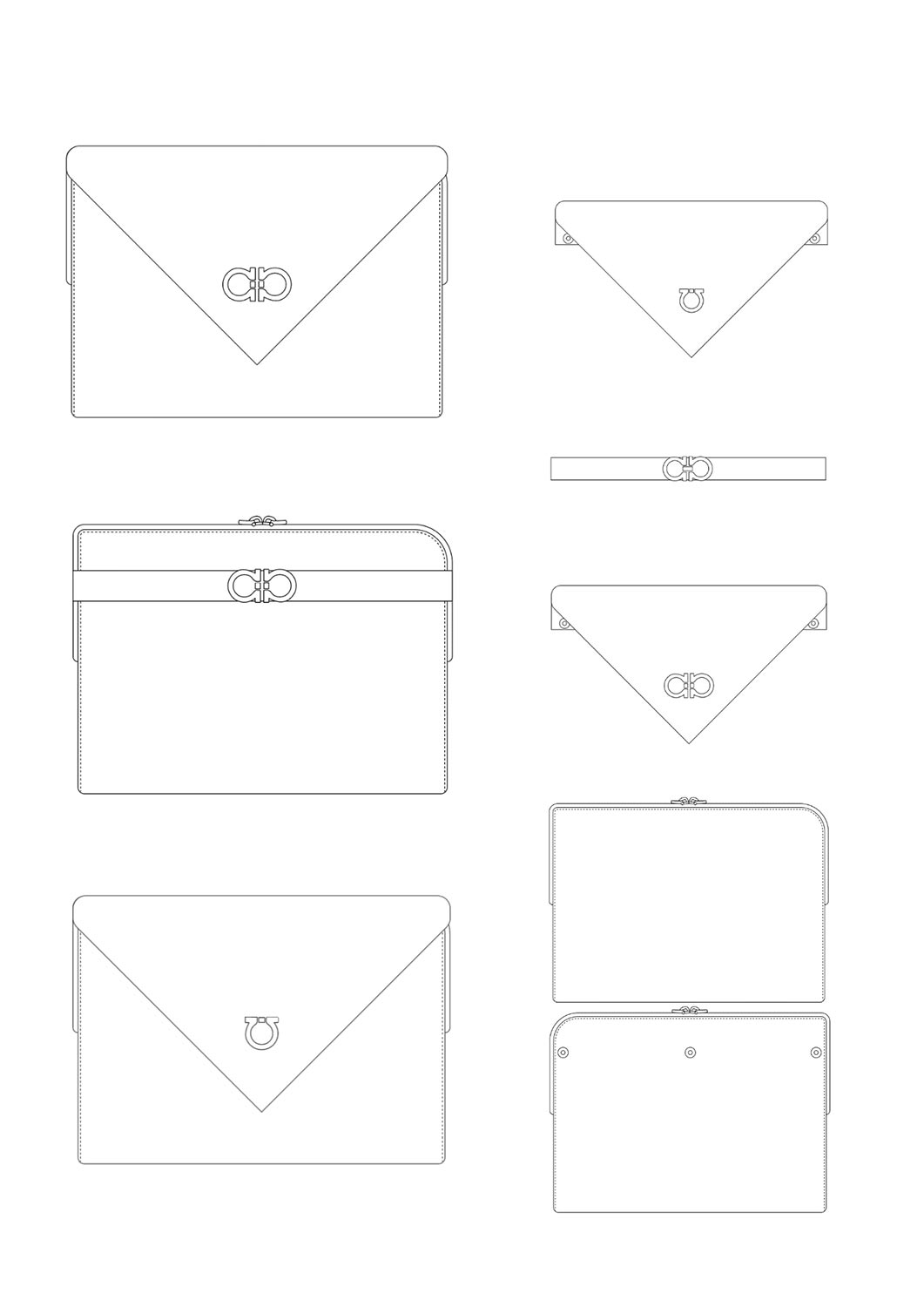
line up
Share the project:


