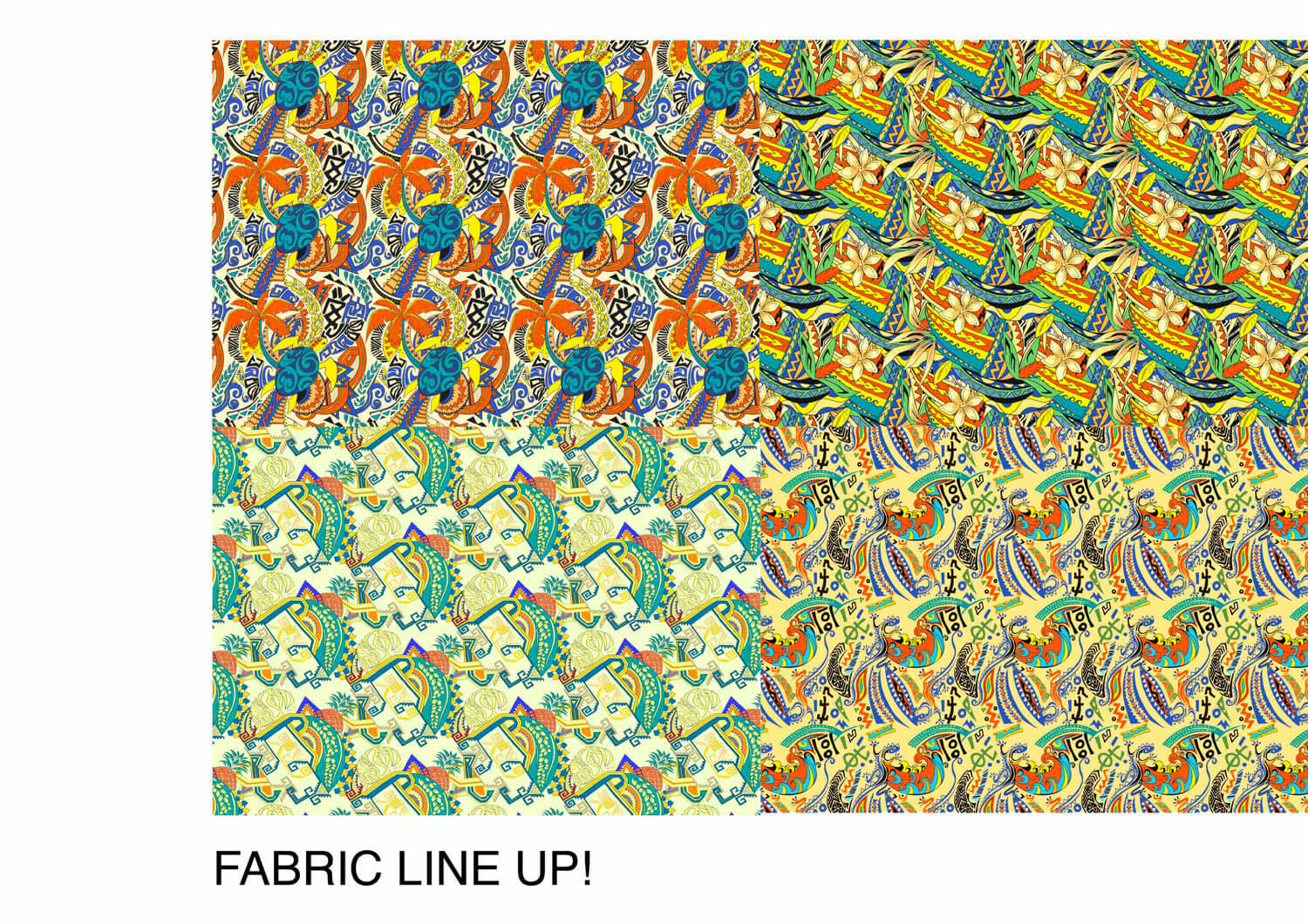
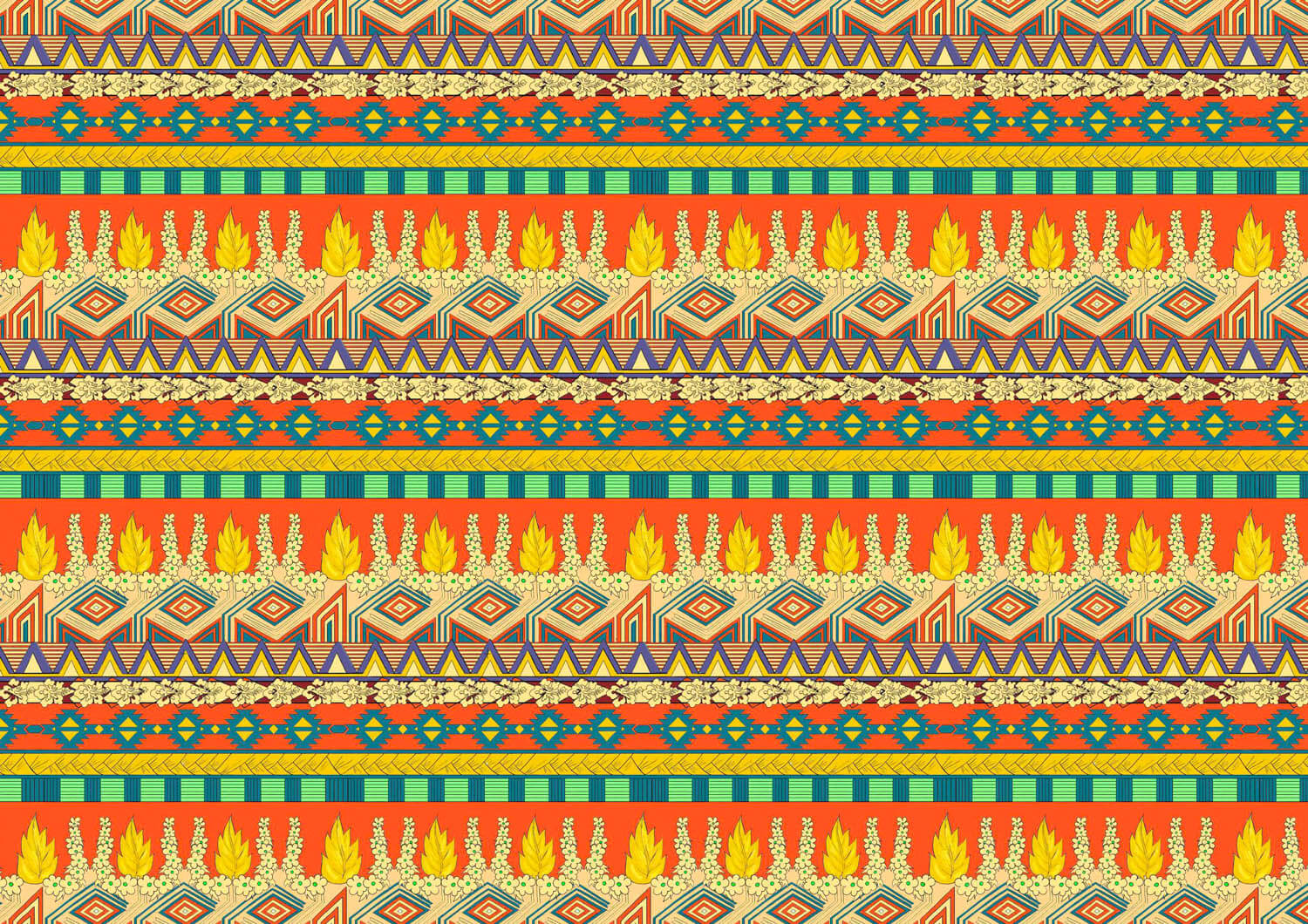
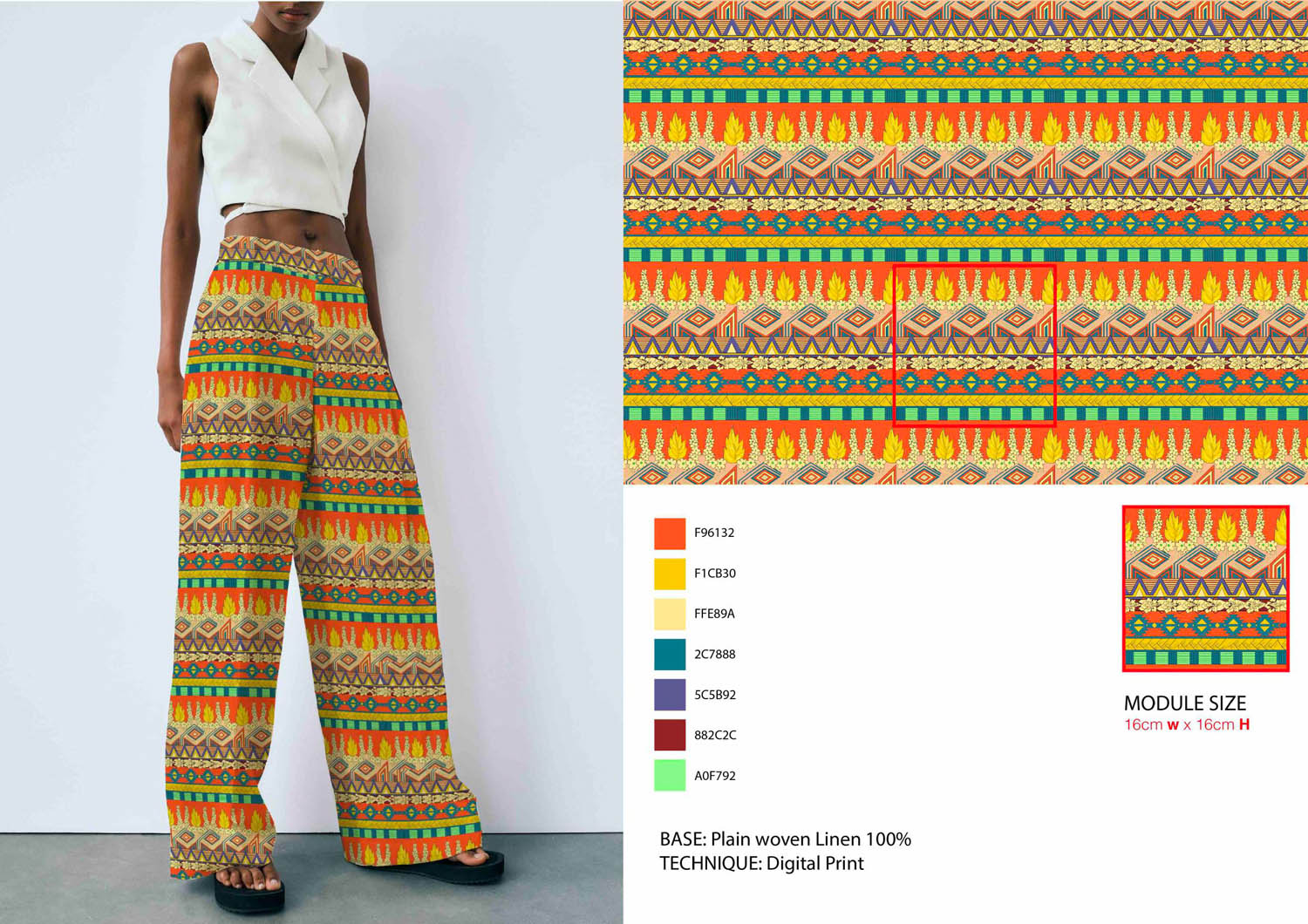
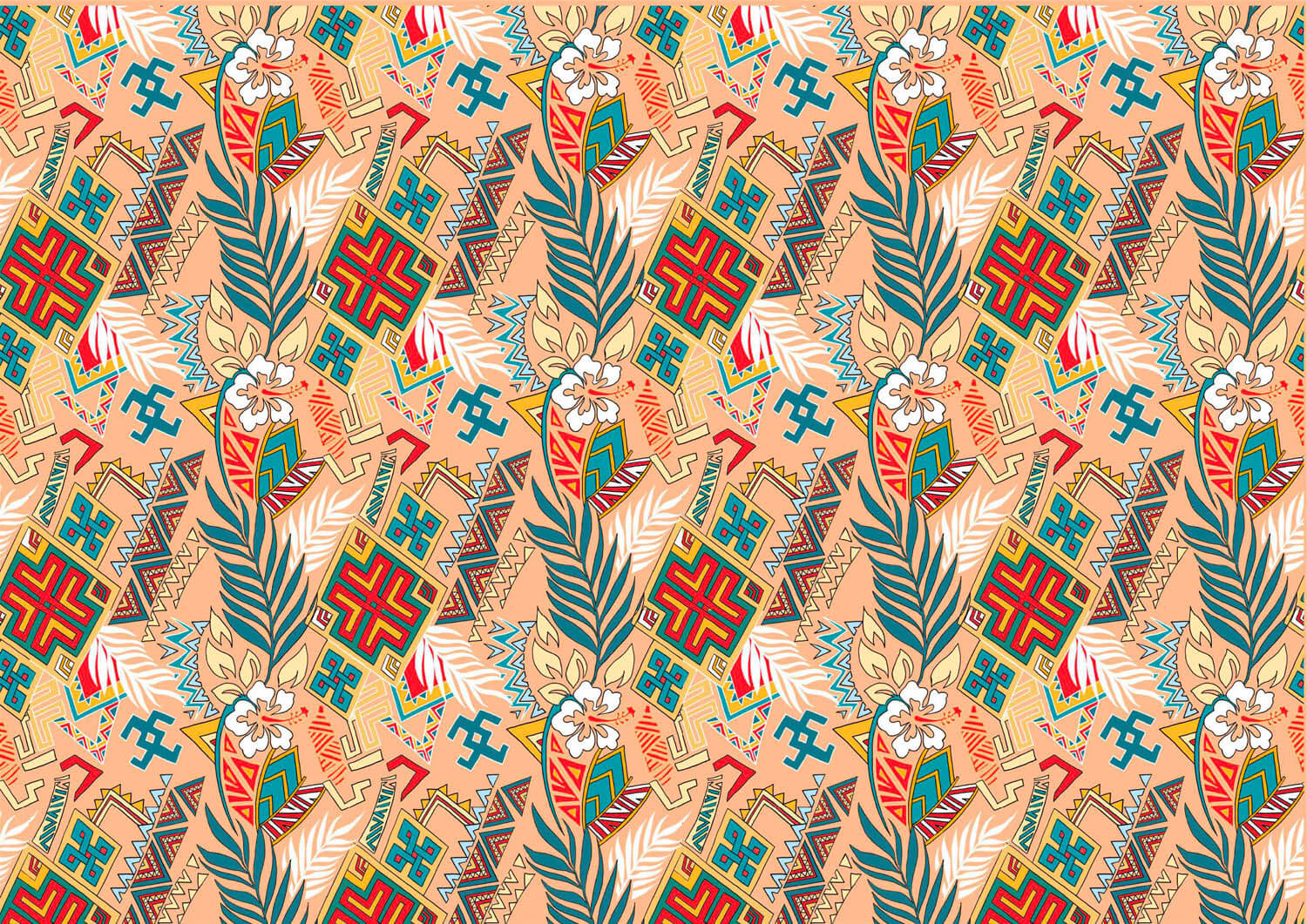
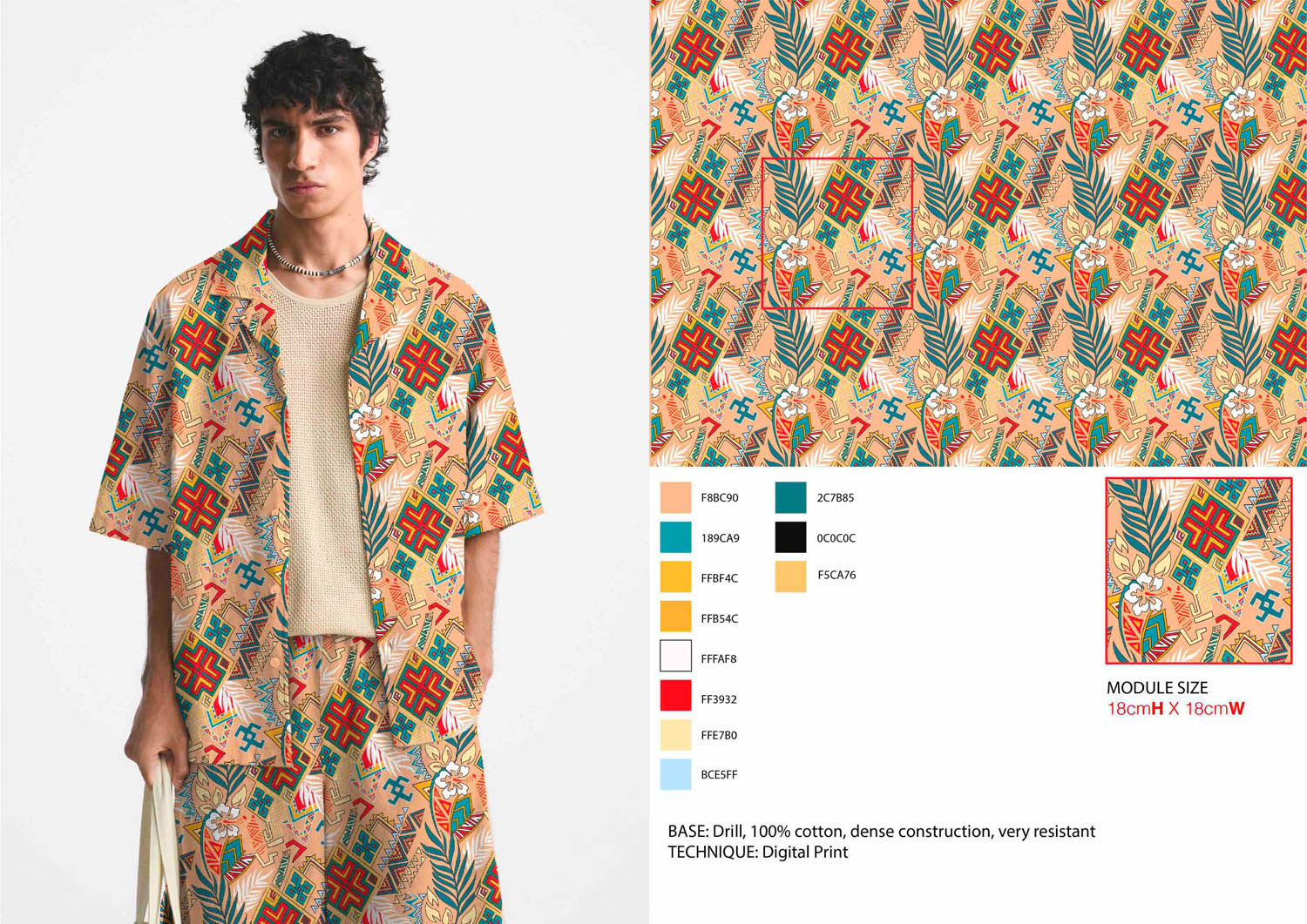
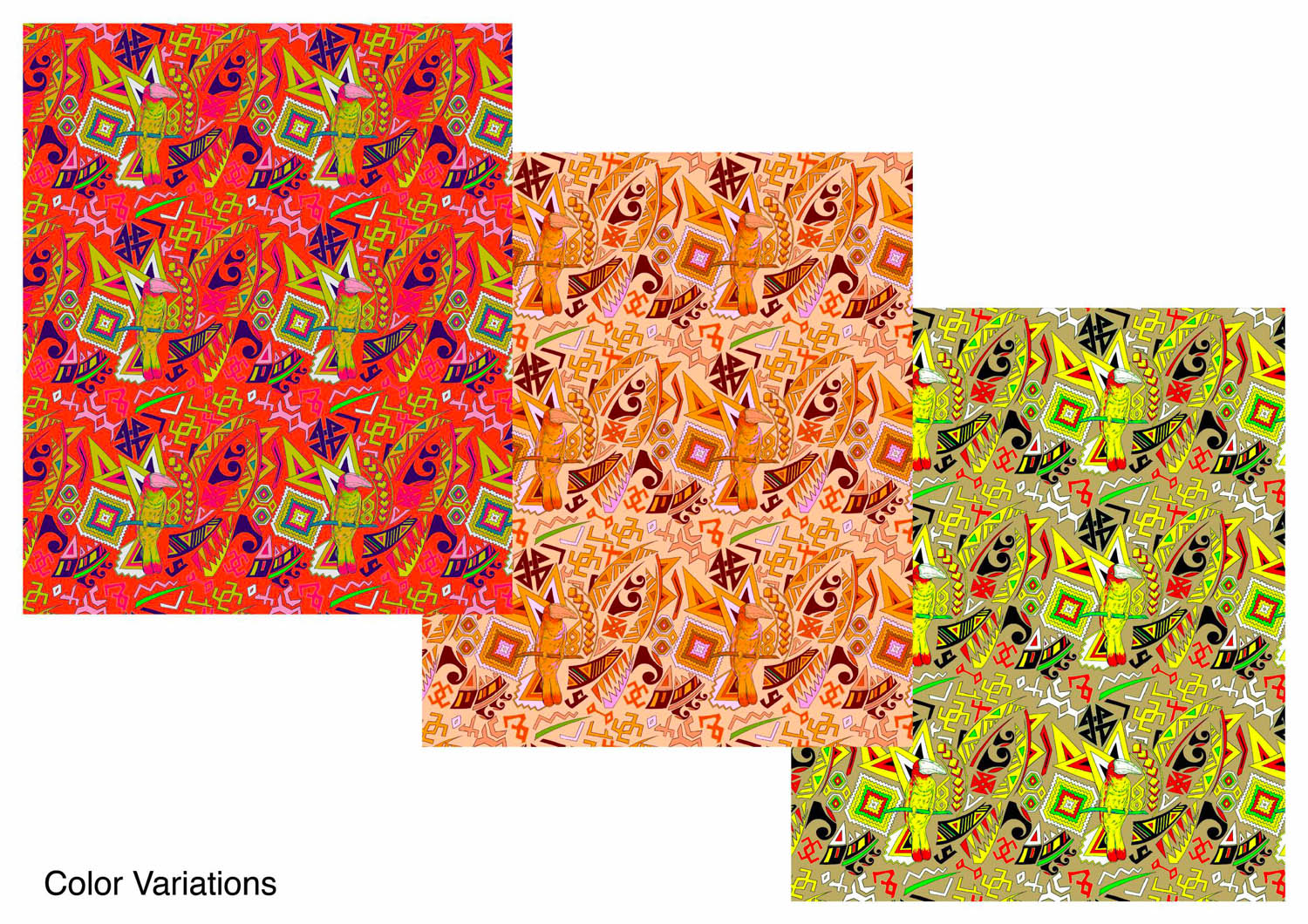
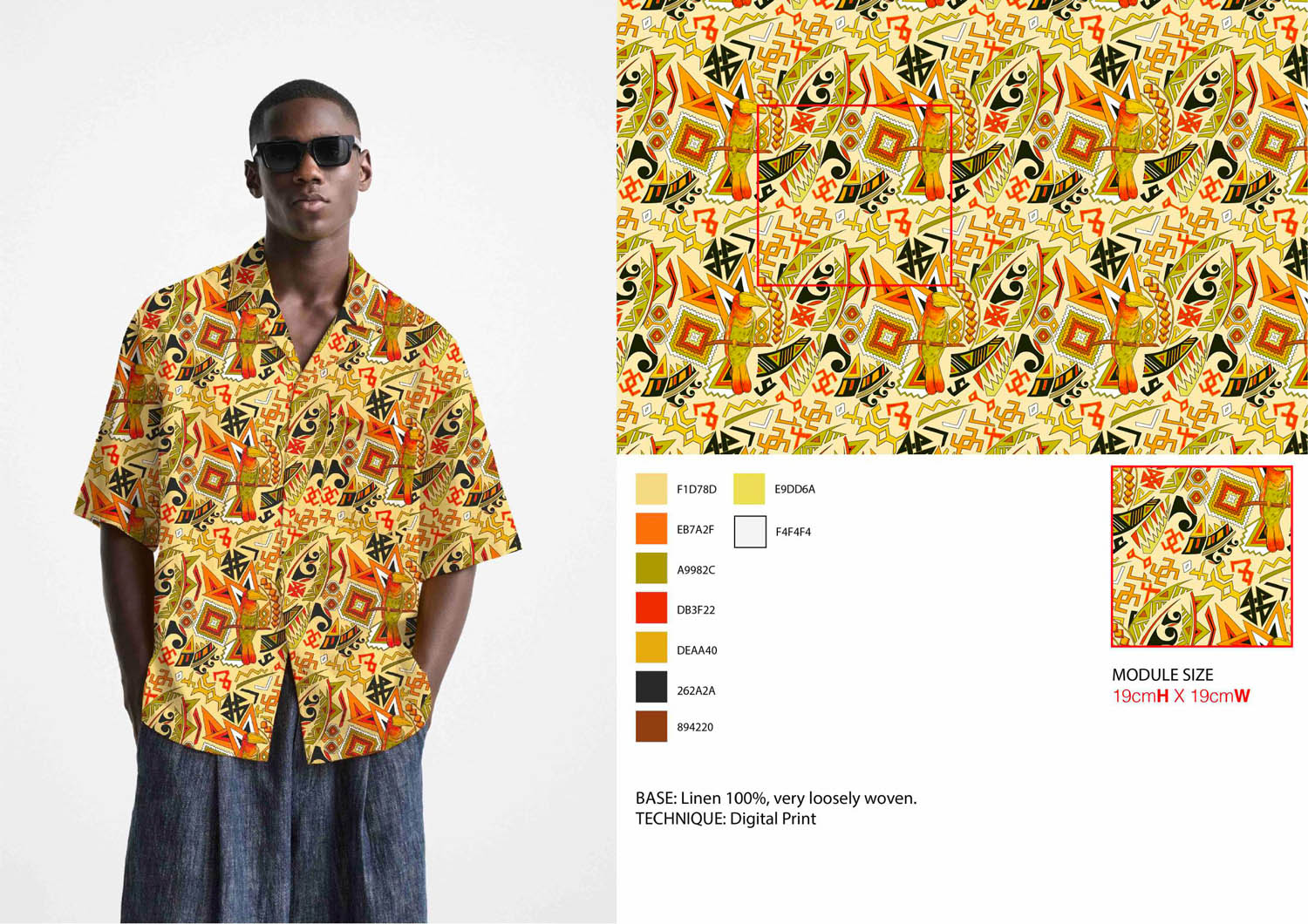
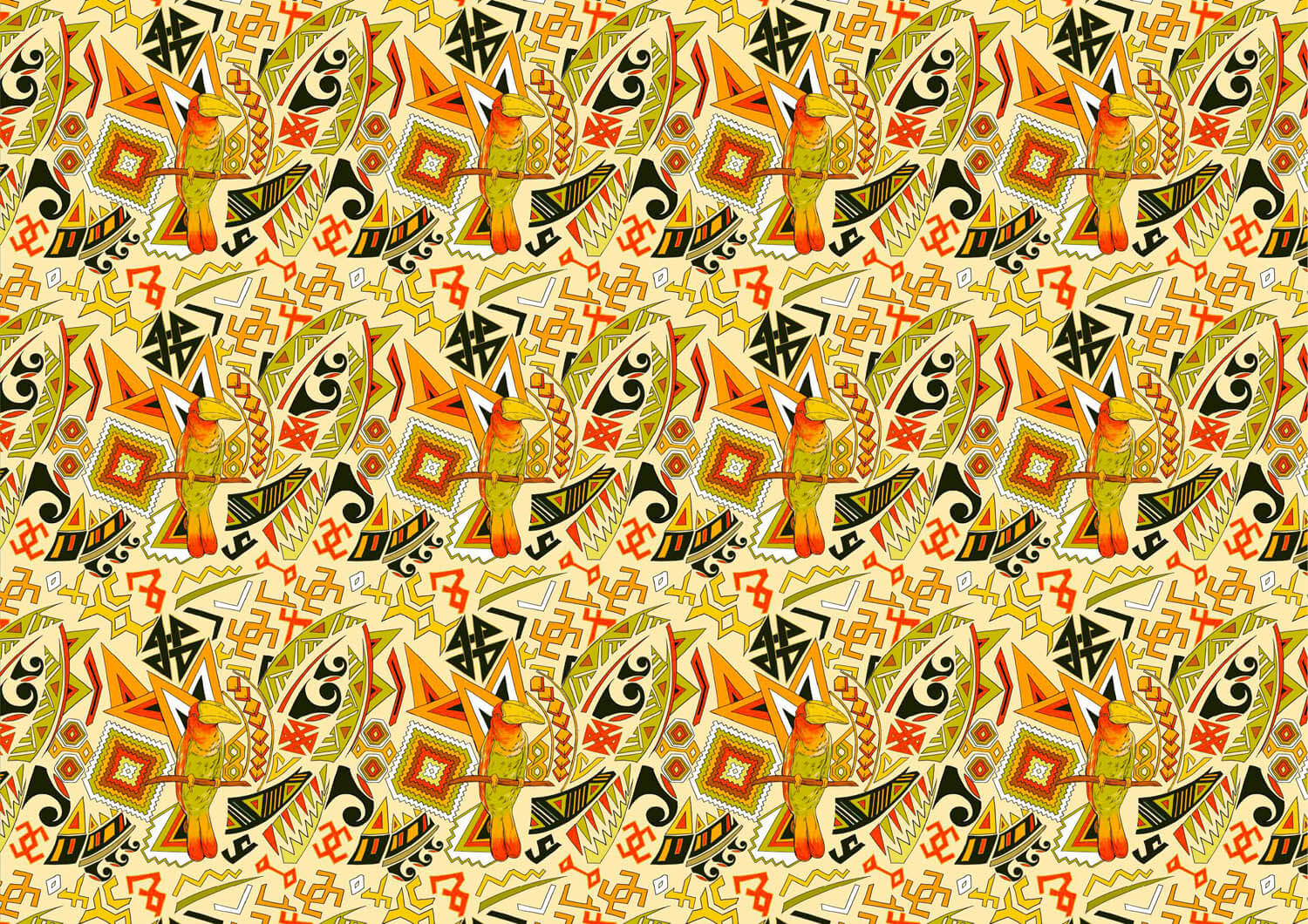
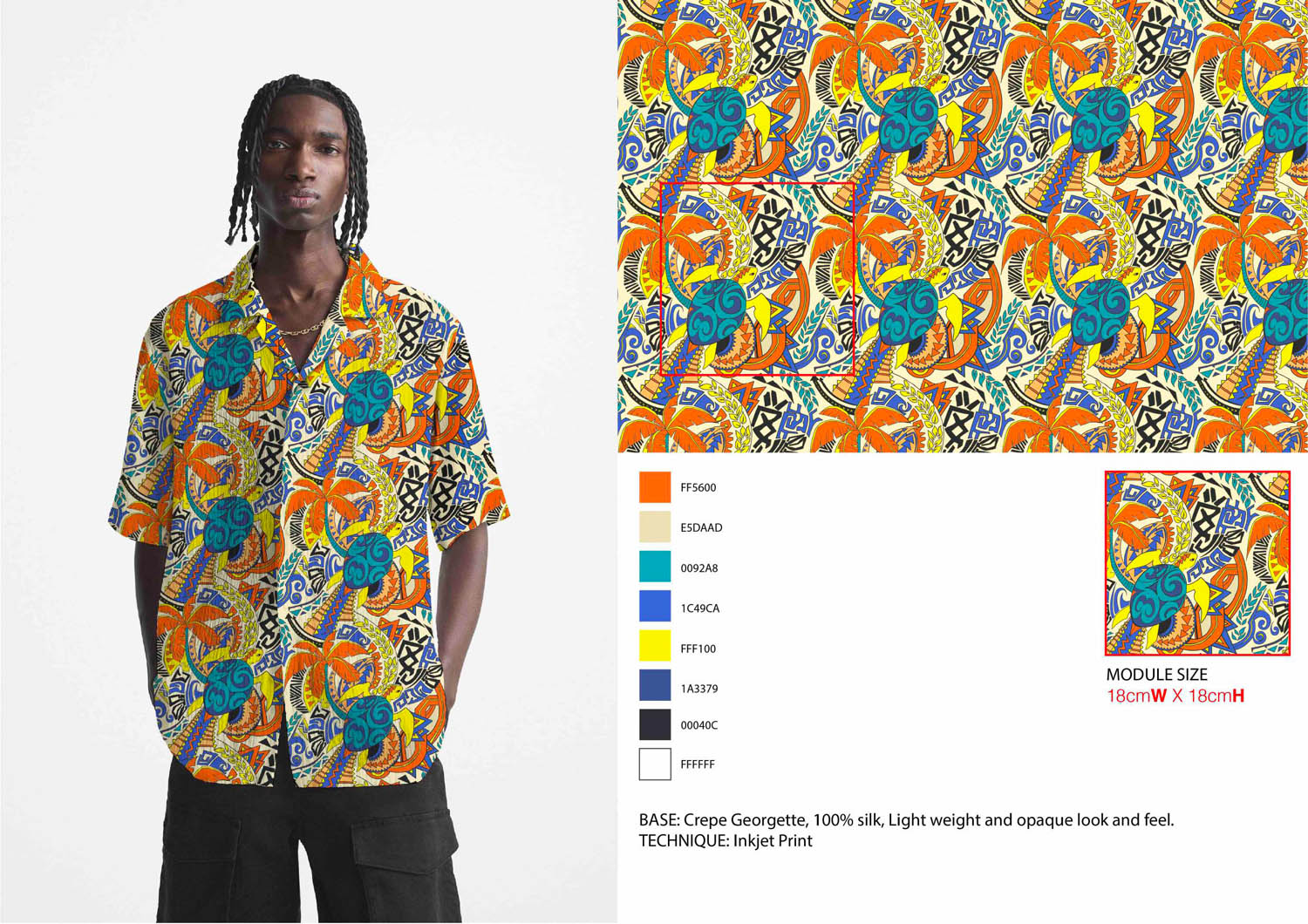
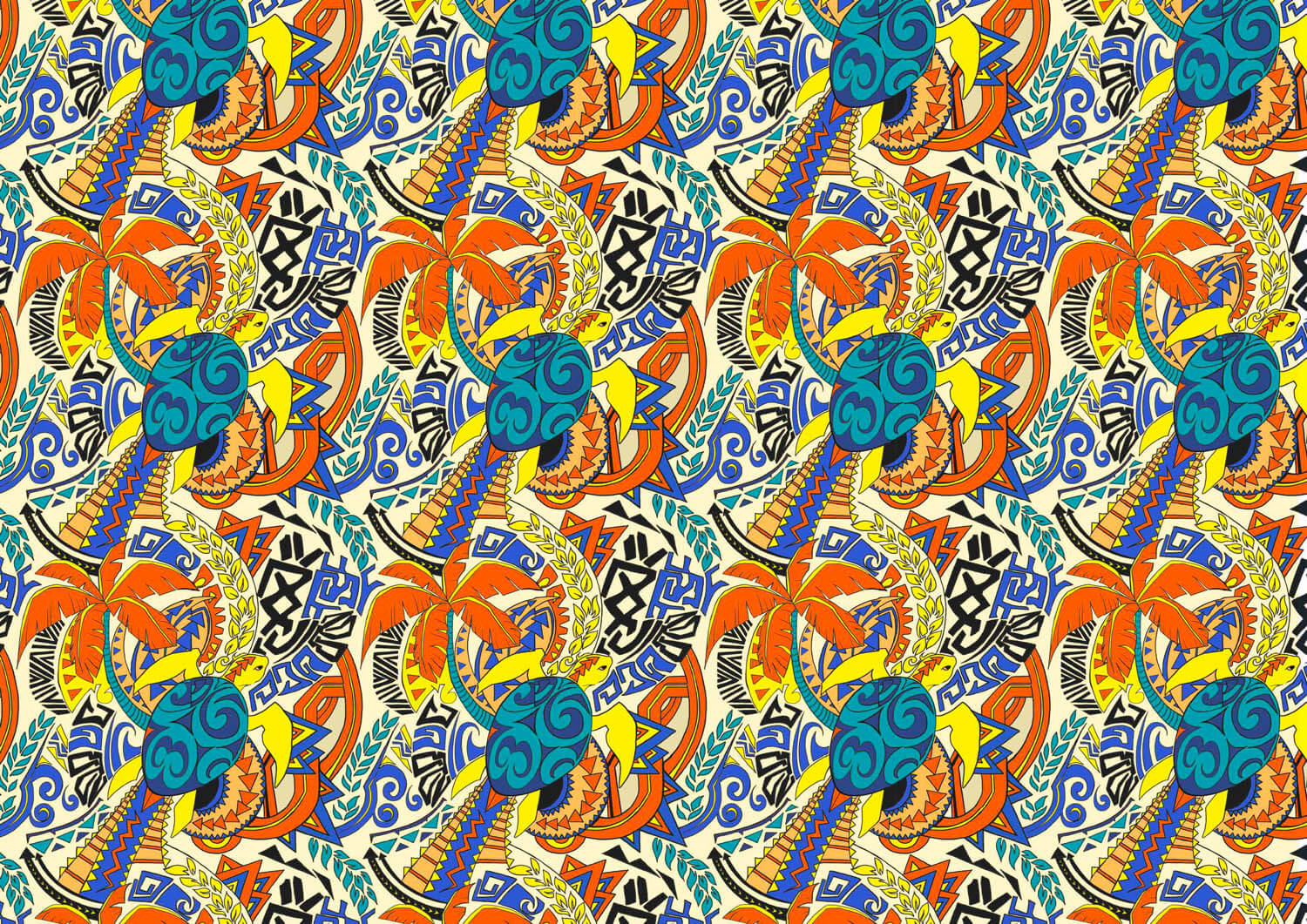
Africa centrale (Kuba) ´Hawaii
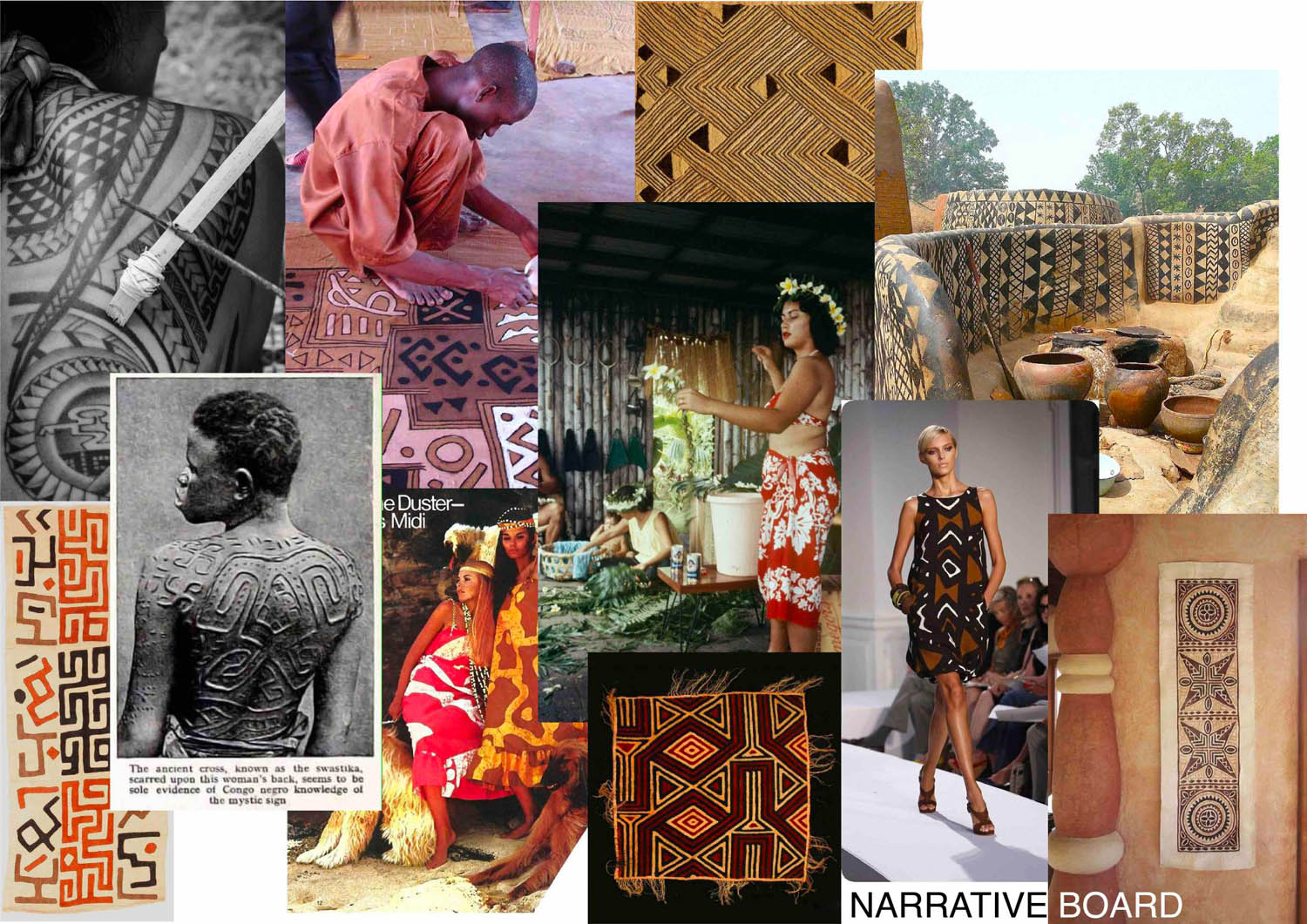
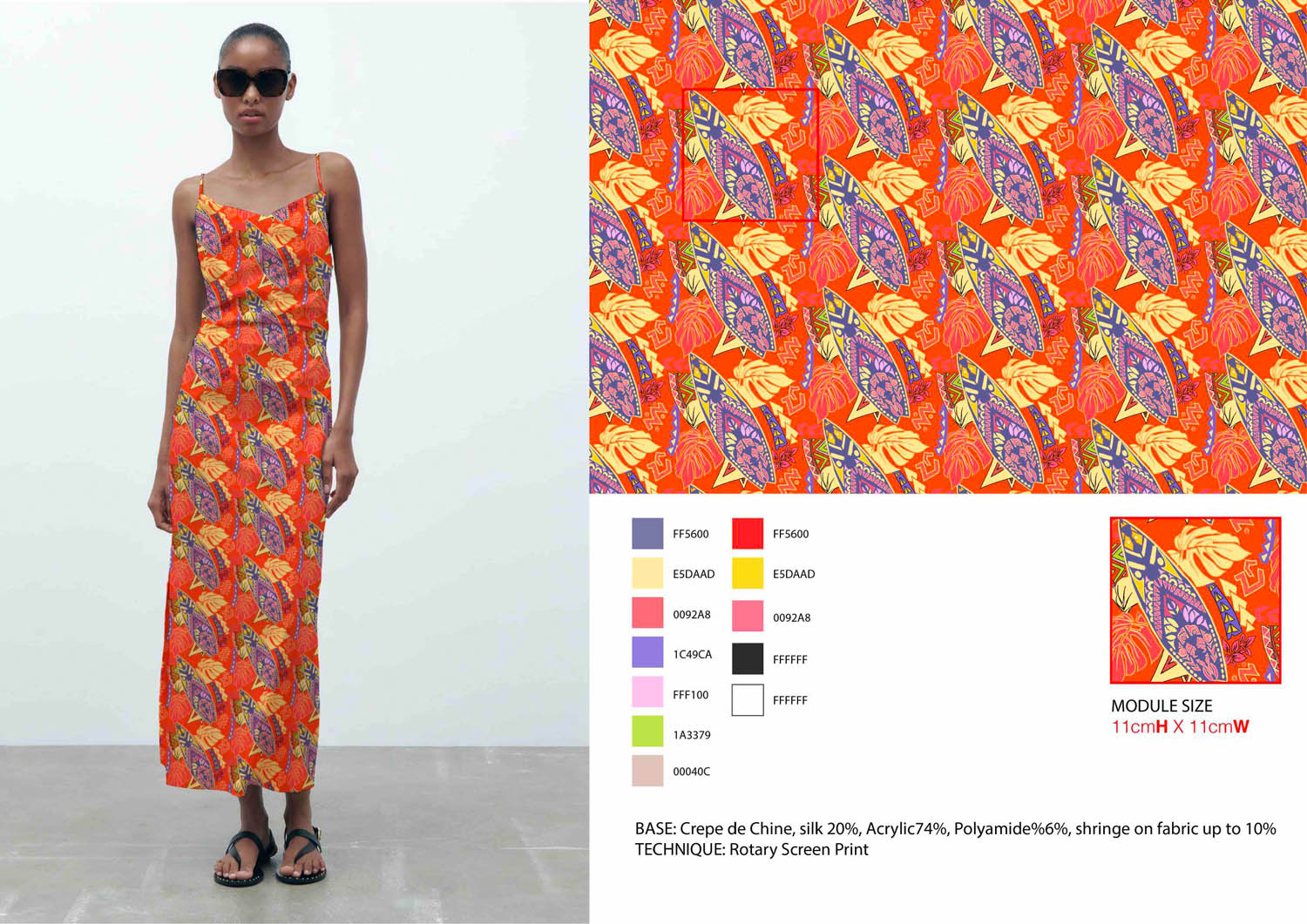
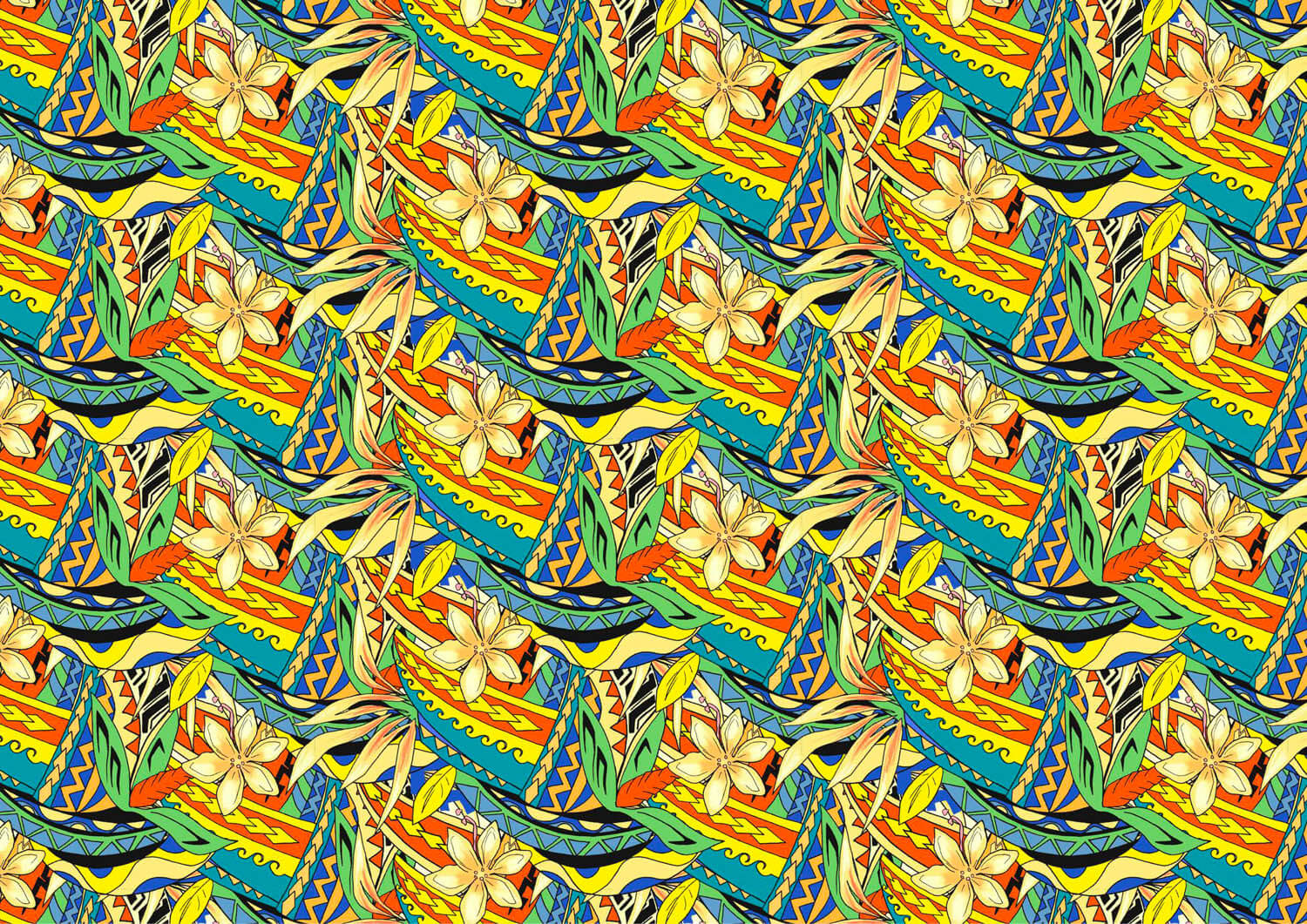
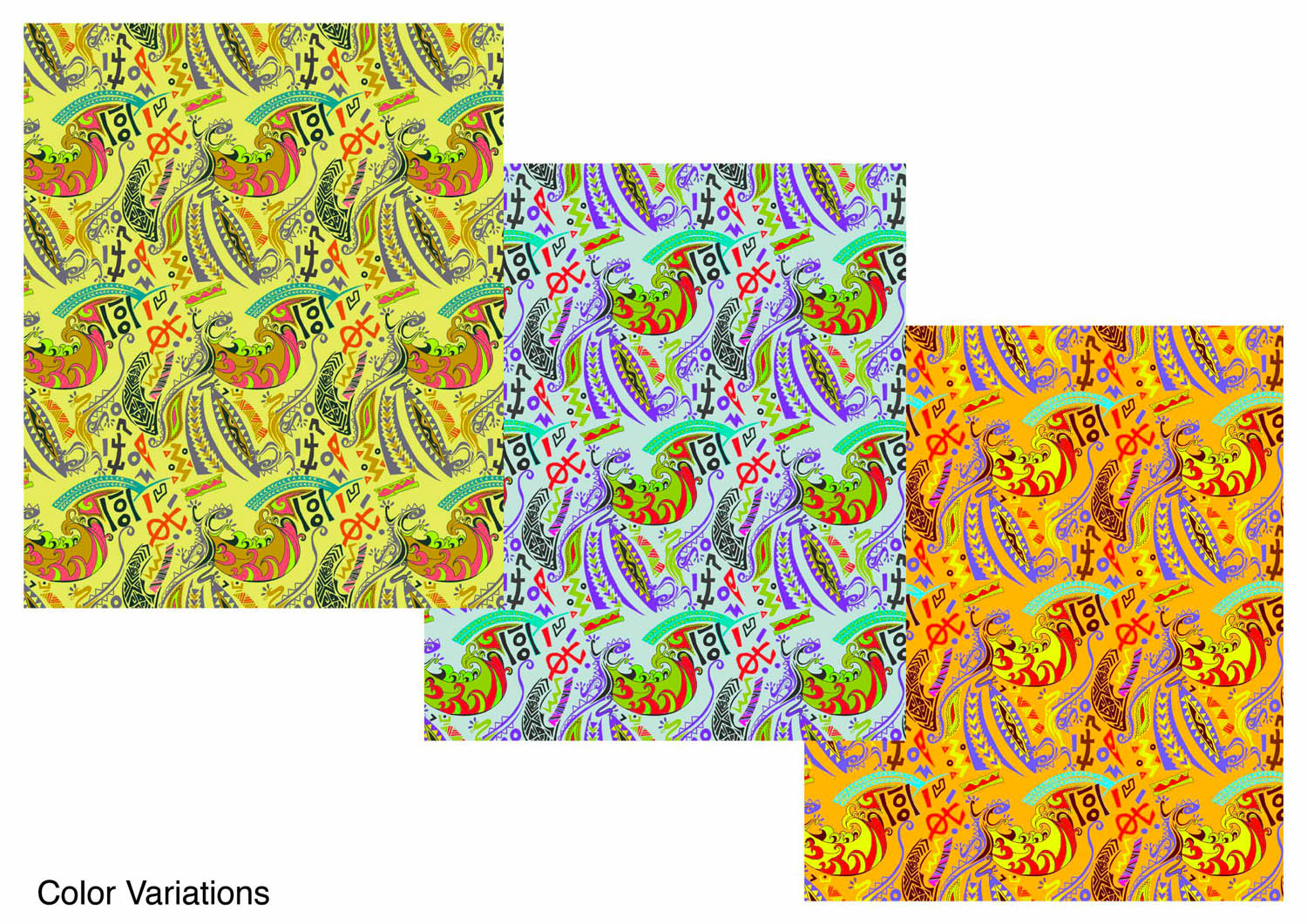
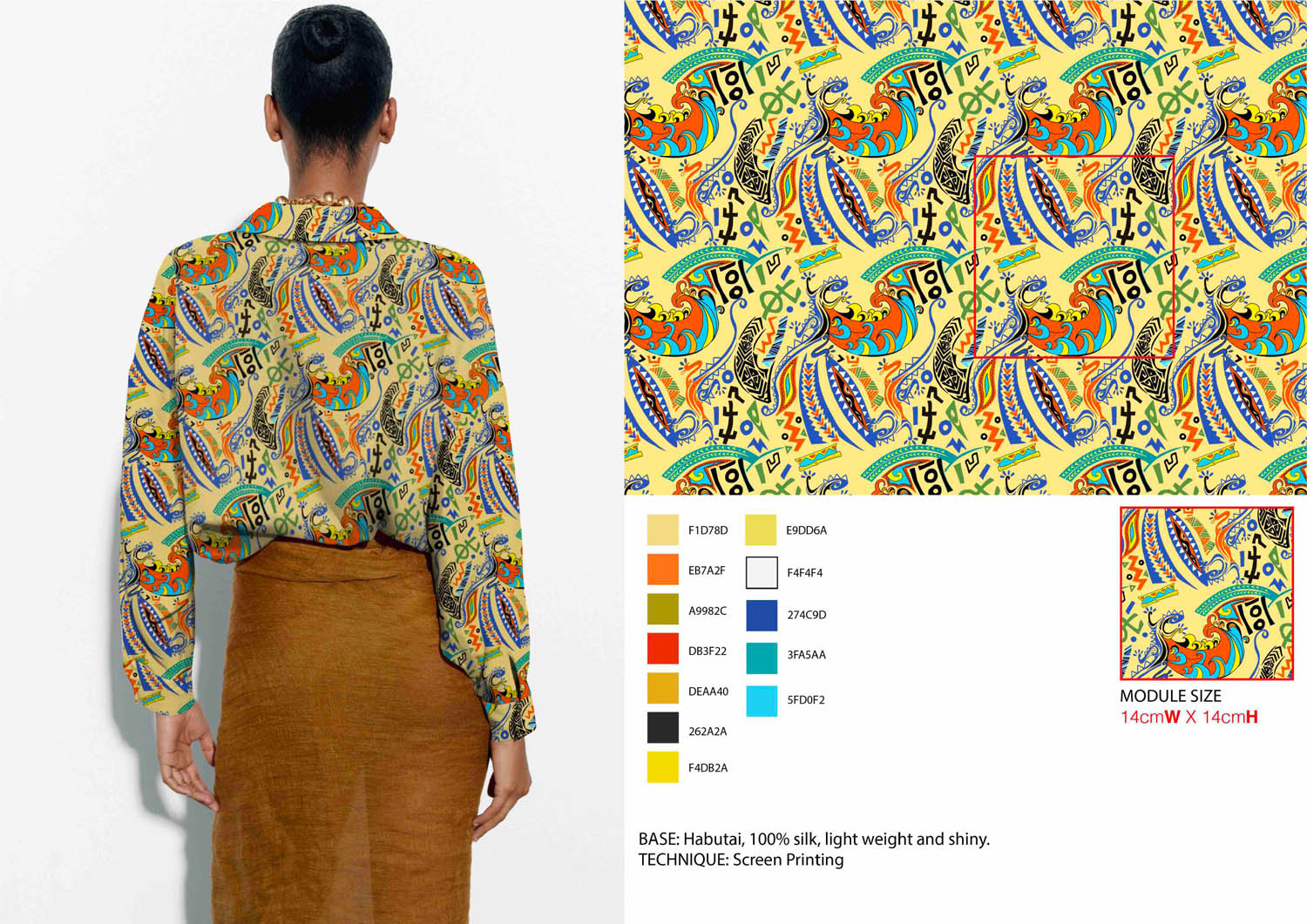
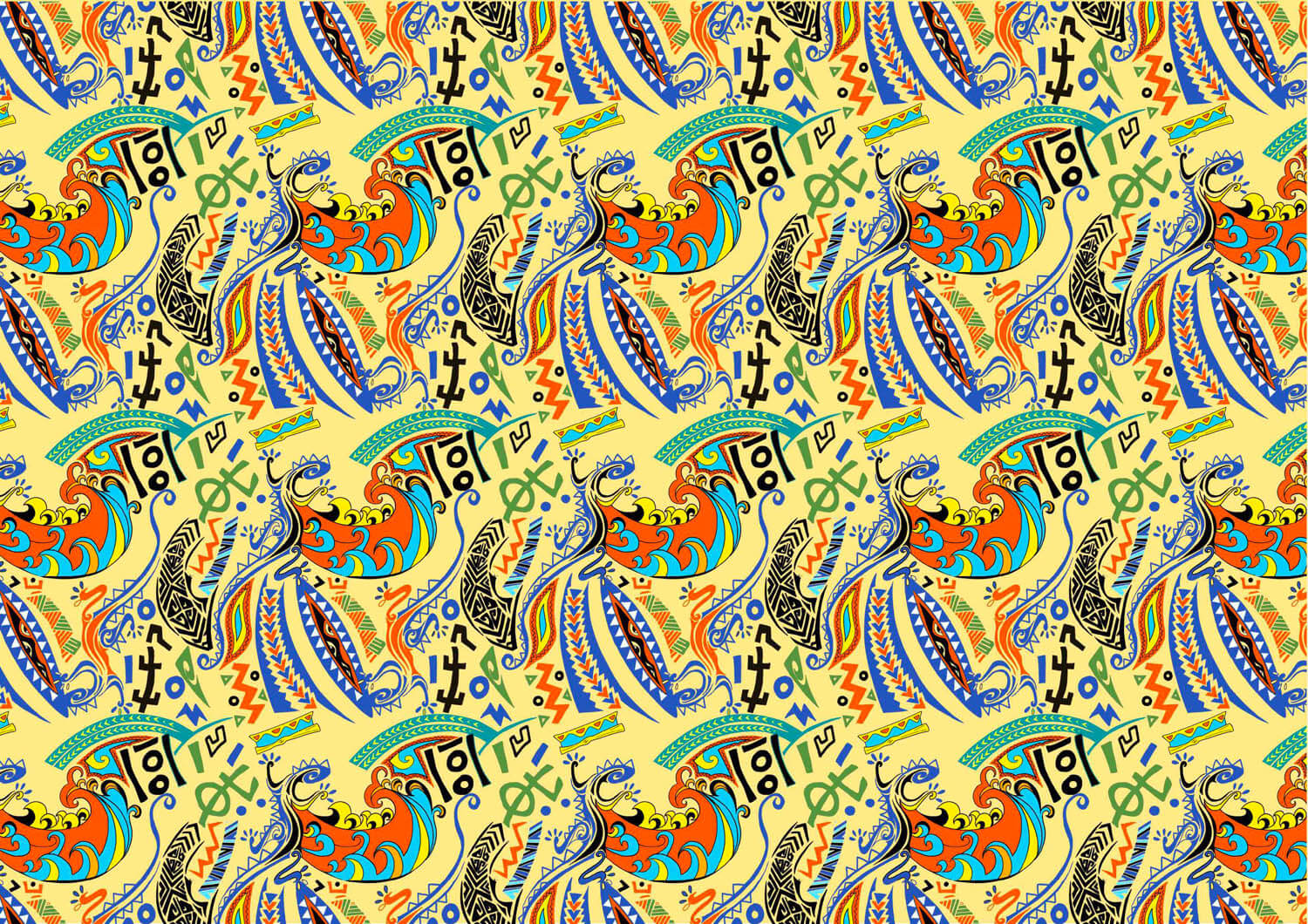
ispirato alla vita indigena delle popolazioni dell’Africa e delle Hawaii. Alle Hawaii e in Africa i valori indigeni sono molto rispettati. Anche se le Hawaii hanno mari e montagne bellissimi, si tratta anche di persone e di come interagiscono tra loro. È anche prezioso il modo in cui la loro cultura, come quella africana, si è conservata, anche attraverso pezzi storici e manufatti.
Motivi per fondere le due culture:
1. Il modo e lo stile di vita dei nativi in queste singole culture prima che i colonizzatori cristiani arrivassero nelle isole Hawaii e in Africa.
2. Le pratiche tribali e indigene che provengono dal mondo naturale e, soprattutto, come sono state conservate.
3. Pratiche indigene nell’uso dei tatuaggi, danze e rituali tradizionali, usanze tradizionali.
4. Senso di appartenenza locale in entrambe le culture
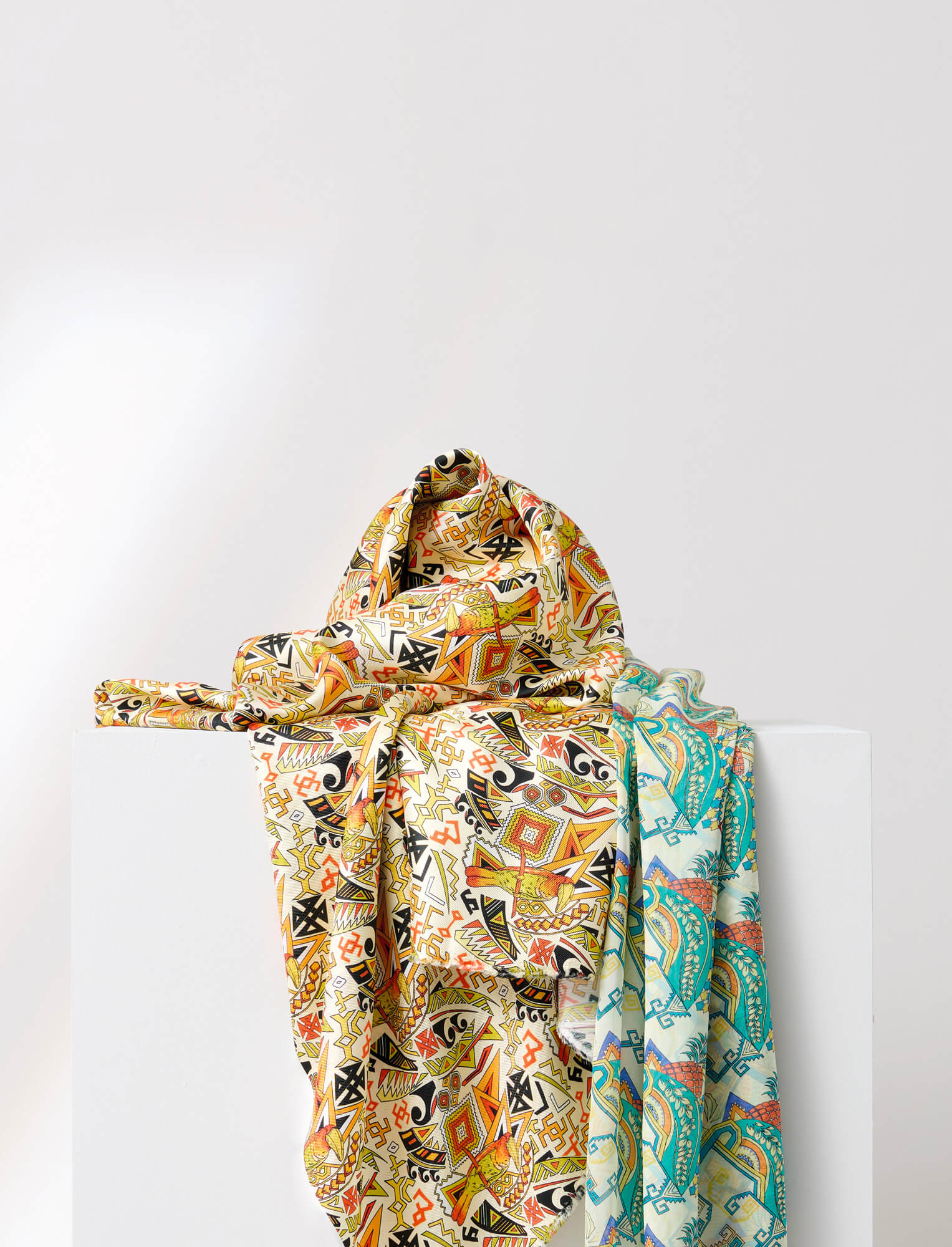
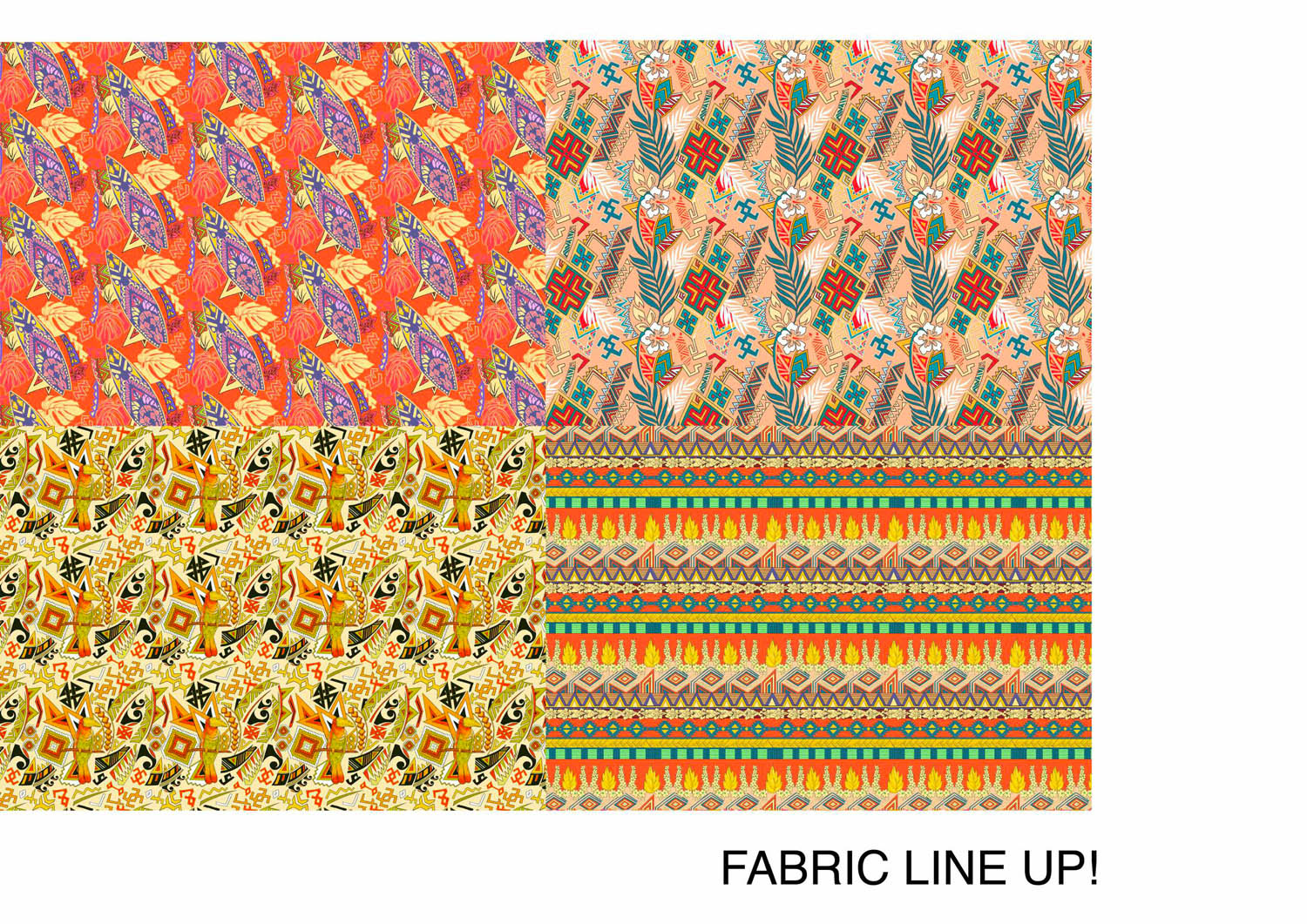
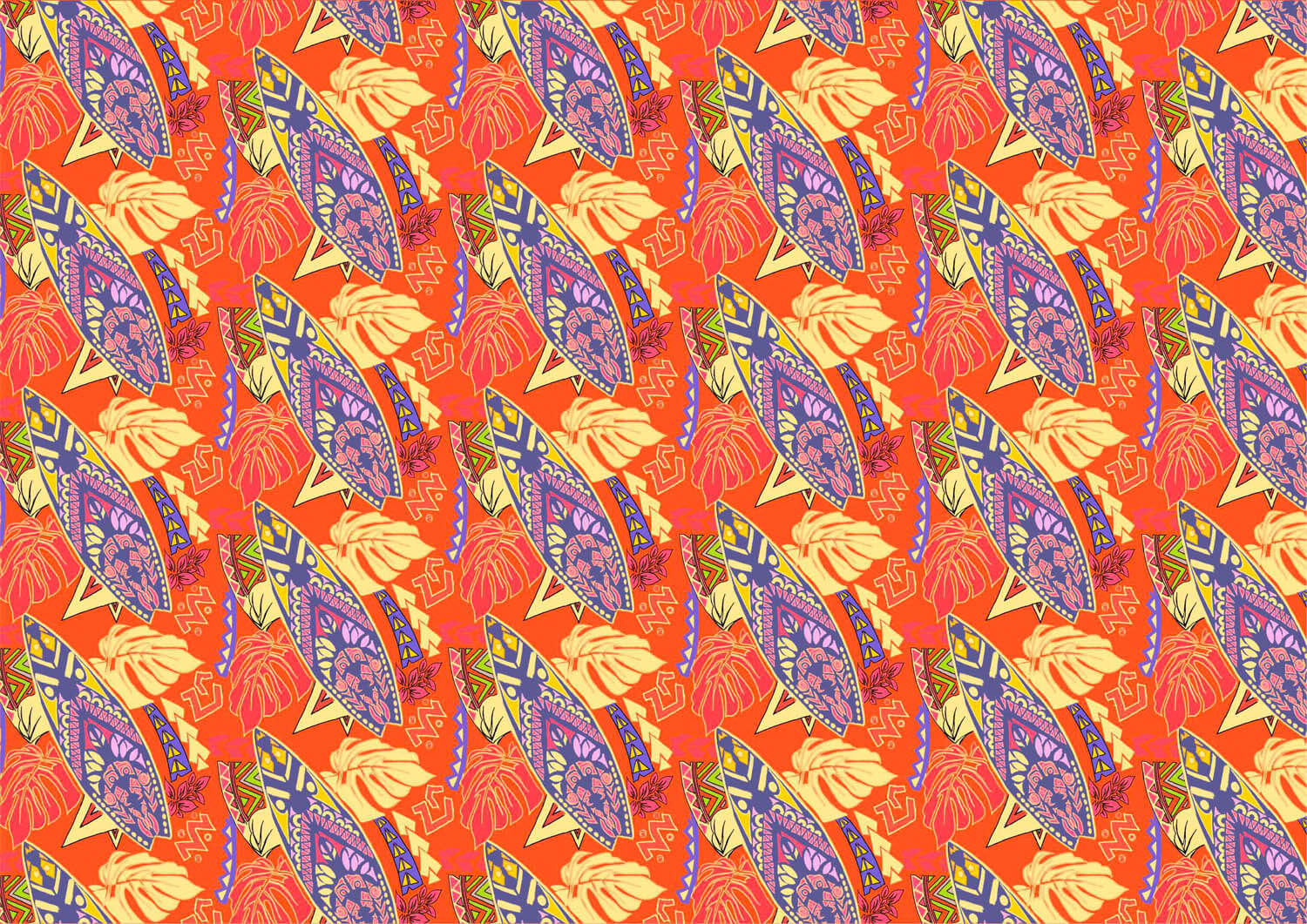
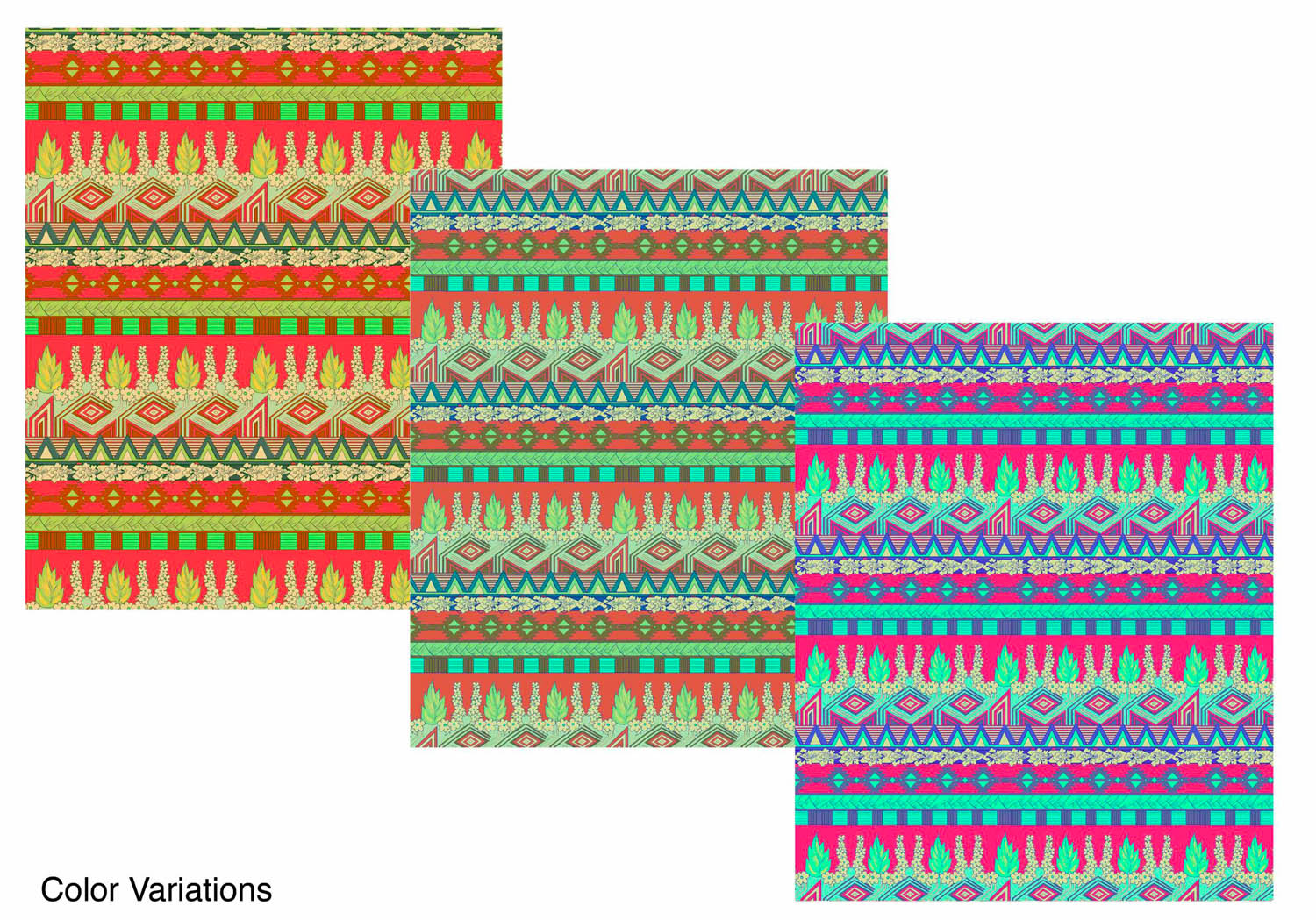
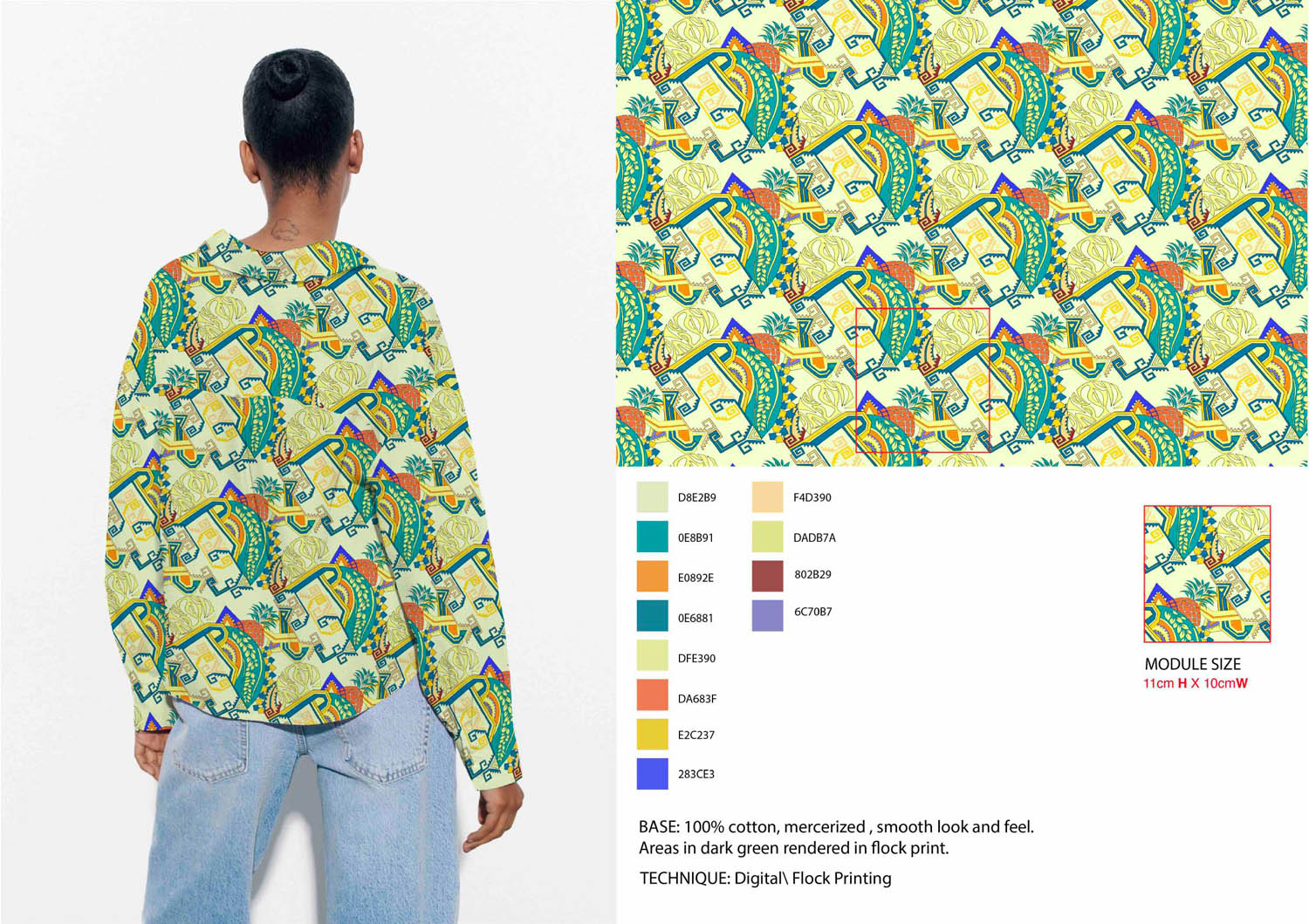
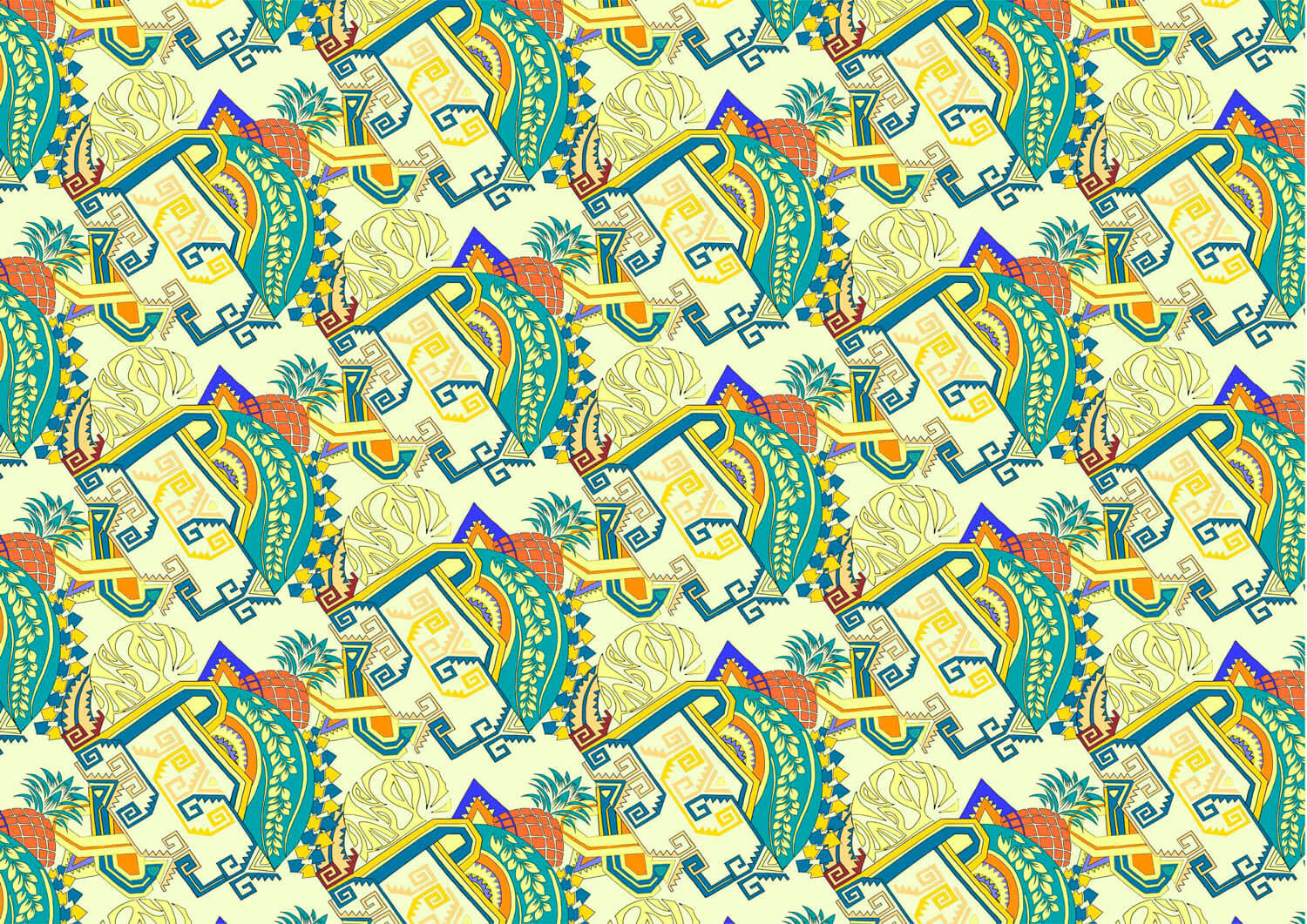
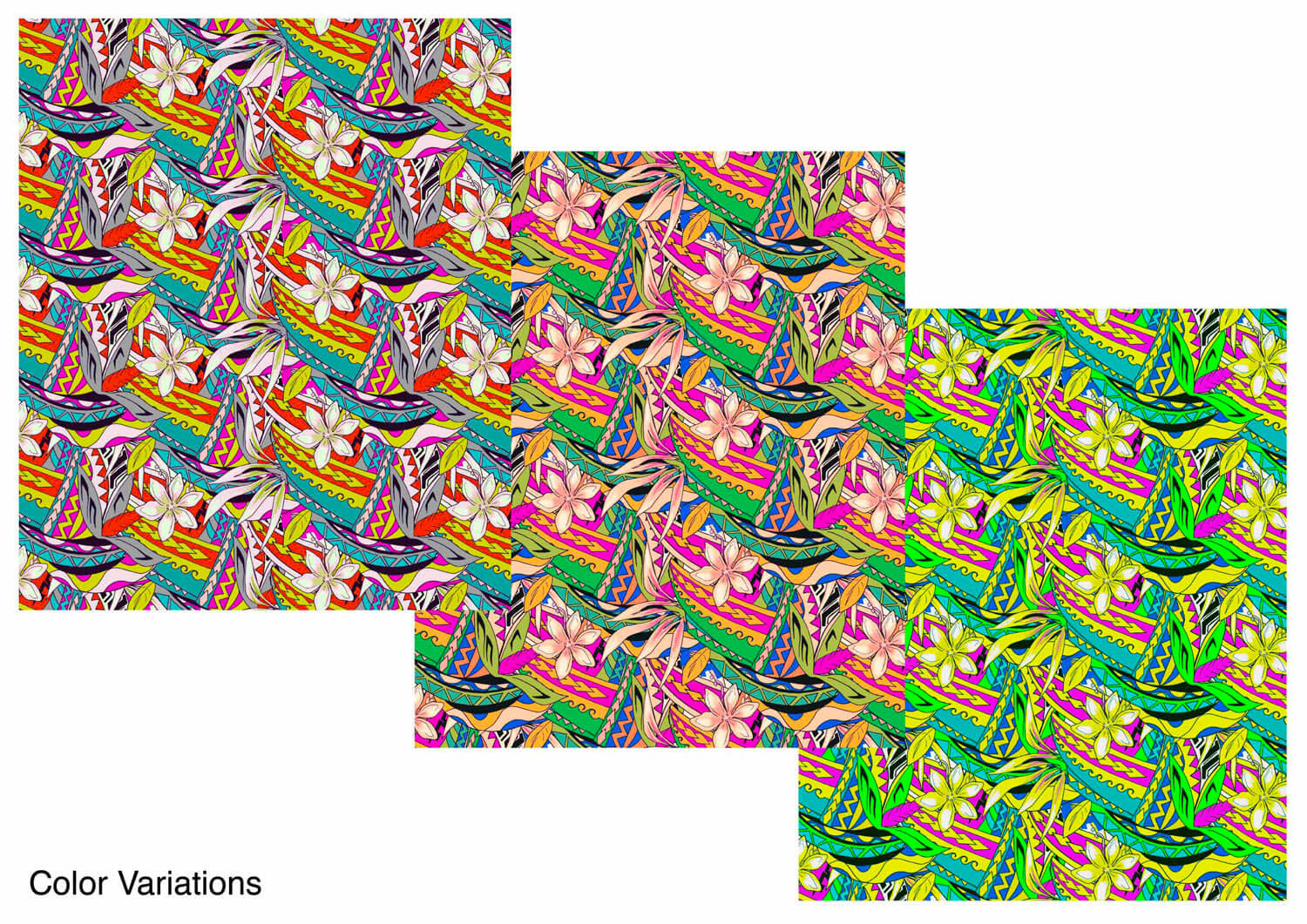
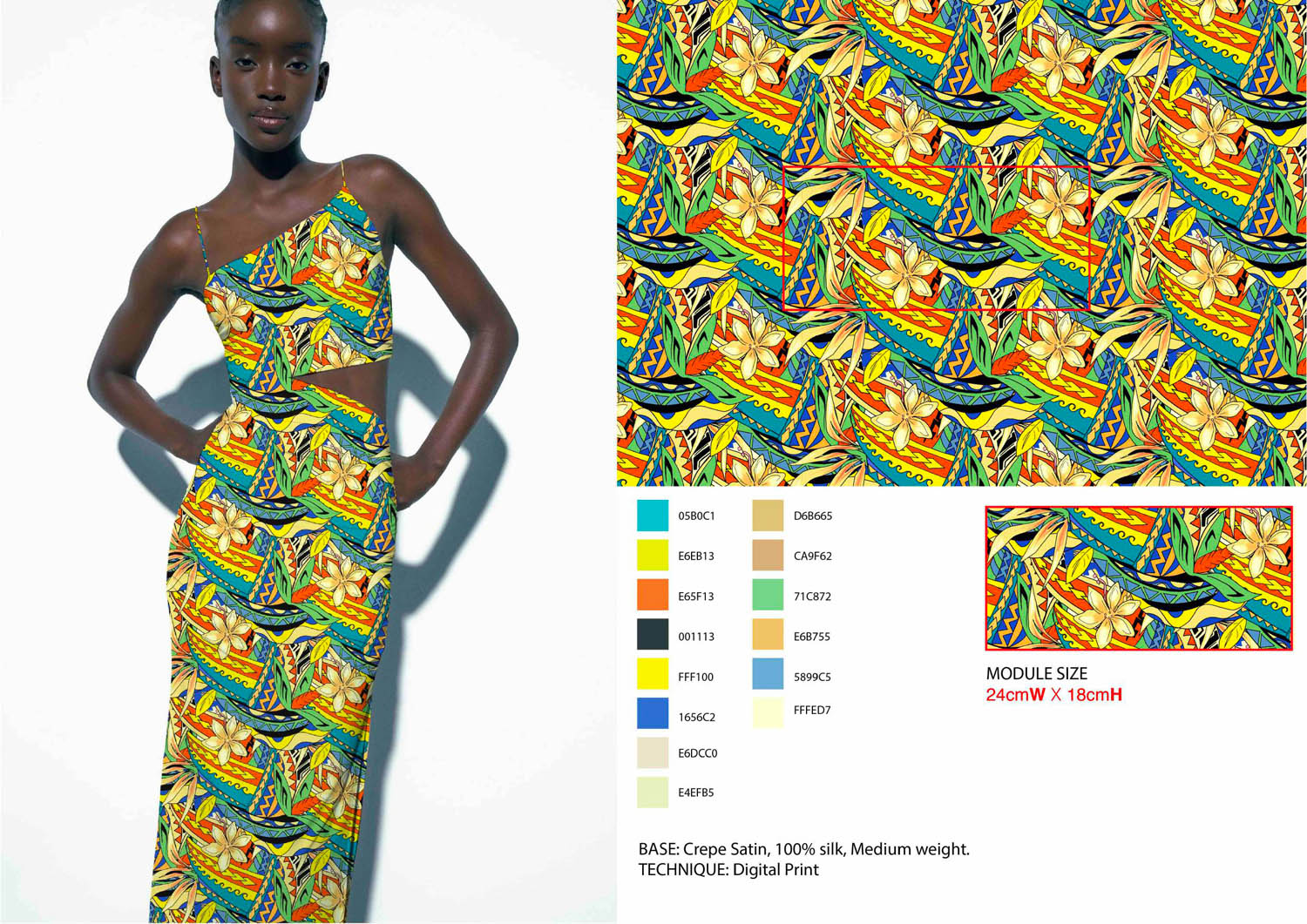
La collezione trae inoltre particolare ispirazione dall’uso di iscrizioni grafiche di entrambe le culture nell’uso di tatuaggi, totem e elementi di design presenti nei costumi normalmente indossati dai reali, soprattutto in Africa centrale. È piuttosto intrigante come entrambe le culture siano riuscite a rimanere attuali fino a oggi nonostante l’arrivo dei cristiani e la colonizzazione. La collezione collega volutamente l’idea delle Hawaii non solo come cultura ma anche come paradiso tropicale, con il cielo azzurro, le spiagge di sabbia gialla, le palme e i fiori, le acque color acquamarina, le montagne verdi e la splendida fauna selvatica. La ricerca fa inoltre un’immersione profonda nella ricca storia dei tessuti delle popolazioni dell’Africa centrale, il kuba in particolare, e la fonde con le stampe dei tessuti presenti nell’abbigliamento quotidiano degli indigeni hawaiani, tra cui palme e canne.
ARTE DEL TATOO HAWAIANO:
Come altri polinesiani, il popolo hawaiano ha importato nelle isole l’arte tradizionale del tatuaggio, nota come kakau. Non serviva solo per ornamento e distinzione, ma anche per proteggere la salute e il benessere spirituale. Le immagini di lucertole, molto rispettate e temute, e del ventaglio a mezzaluna hawaiano (Peahi niu) per i membri di rango più elevato della società, dominavano il kakau hawaiano. Disegni intricati, che imitano canne intrecciate o altre forme naturali, ornavano le braccia, le gambe, il torso e il viso degli uomini. Le donne erano generalmente tatuate su mani, dita, polsi e talvolta sulla lingua. I turtuli sono presenti anche nei disegni dei tatoo. Alcune leggende hawaiane narrano che furono le tartarughe marine a guidare per prime i polinesiani verso le isole Hawaii. Che sia vero o meno, la tartaruga marina è stata a lungo considerata un amakua o spirito guardiano, oltre che un portafortuna per coloro che chiamano le Hawaii “casa”.
Secondo le usanze, gli uomini portano generalmente i tatuaggi polinesiani dalla parte superiore delle ginocchia alla parte inferiore della schiena, mentre le donne sono solite tatuarsi sulle mani. La posizione del tatuaggio dipende anche dalla famiglia e dalla professione della persona. Una massaggiatrice, ad esempio, potrebbe tatuarsi le mani o un insegnante potrebbe tatuarsi il viso, noto anche come moko, sul labbro inferiore. I disegni più diffusi su braccia, gambe e spalle erano disegni astratti e geometrici sotto forma di cerchi, croci e rettangoli, nonché animali e piante figurative.
Oggi è molto insolito vedere un tatuaggio che sia veramente nello stile “storico” di una delle isole. Questo perché la rinascita e la popolarità dei tatuaggi polinesiani ha causato una forte fusione degli stili indigeni. I disegni che ne derivano sono ibridi: includono motivi provenienti da diverse tradizioni polinesiane.
Ad esempio, il motivo della spirale maori e quello dei denti di squalo samoano si ritrovano così frequentemente che anche molti artisti non li considerano più specifici di una sola cultura.
IL TESSUTO KUBA:
Come molti tessuti tradizionali, il tessuto Kuba ha un significato sia pratico che simbolico. Veniva utilizzato quotidianamente sotto forma di abiti e stuoie per dormire. Aveva anche speciali usi cerimoniali e, in alcuni casi, veniva persino scambiata come moneta. Ma altrettanto importanti dei suoi usi originari sono i disegni, che comunicano lo status sociale, l’età o lo stato civile del proprietario. Tali segni variano in tutta la regione dell’Africa centrale, poiché le diverse tribù all’interno del regno Kuba sono note per i loro distinti stili visivi e materiali.Oltre alla pura abilità artistica dietro questi tessuti, ciò che è così unico è la loro creazione. Gli uomini sono responsabili della coltivazione della palma da rafia e della sua tessitura. Le donne ricamano con la rafia tinta per creare il vello. Ogni panno cerimoniale, una singolarità, ha un’inventiva insistente e abbagliante che chiama i Kuba alla celebrazione. Si dice che sia un popolo che non può lasciare una superficie senza ornamenti.
Le forme geometriche sembrano collocarli nel loro universo conoscibile; la qualità mistica della natura risiede nella sua entità astratta. Sebbene non sia mai stato chiarito del tutto perché o come questo impulso, costrizione e obbligo profondamente spirituale si sia generato nell’universo Kuba sotto forma di comunicazione geometrica, si potrebbe ipotizzare che Woot, il primo uomo (i Kuba sono noti anche come “i figli di Woot”), un modello di assoluta complessità, sia temuto, onorato e venerato attraverso queste complesse ma abbaglianti esibizioni di segni geometrici.
Cosa simboleggia il tessuto Kuba?
Il tessuto Kuba ha un significato culturale e simbolico significativo per i Kuba.
I motivi geometrici e i disegni sul tessuto Kuba hanno spesso un significato simbolico.
Possono trasmettere informazioni sull’uso previsto del tessuto, sullo status o sull’identità di chi lo indossa o sul contesto sociale e culturale in cui è stato creato. Ecco alcuni esempi dei significati simbolici che si celano dietro alcuni dei disegni standard presenti sui tessuti Kuba:
1. La forma a diamante: La forma a diamante è uno dei motivi più comuni presenti sui tessuti Kuba e rappresenta il concetto di “mbalax” del popolo Kuba, che si riferisce all’interconnessione di tutte le cose nell’universo.
2. Il motivo a scacchiera: Il motivo a scacchiera sul tessuto Kuba rappresenta l’idea di equilibrio e armonia e il concetto di dualismo, in cui le forze opposte sono viste come complementari e necessarie per mantenere l’equilibrio.
3.Il motivo a zigzag: Il motivo a zig zag sui tessuti Kuba è spesso utilizzato per rappresentare l’acqua, una risorsa vitale nella società agricola del popolo Kuba.
4.Il motivo a tratteggio: si dice che il motivo a tratteggio sul panno Kuba rappresenti le cicatrici sulla schiena di un coccodrillo, che simboleggiano forza e resistenza.
Nel complesso, il panno Kuba rappresenta il ricco patrimonio culturale e le tradizioni artistiche del popolo Kuba, e gli intricati motivi e disegni sul panno hanno un importante significato simbolico per la comunità.