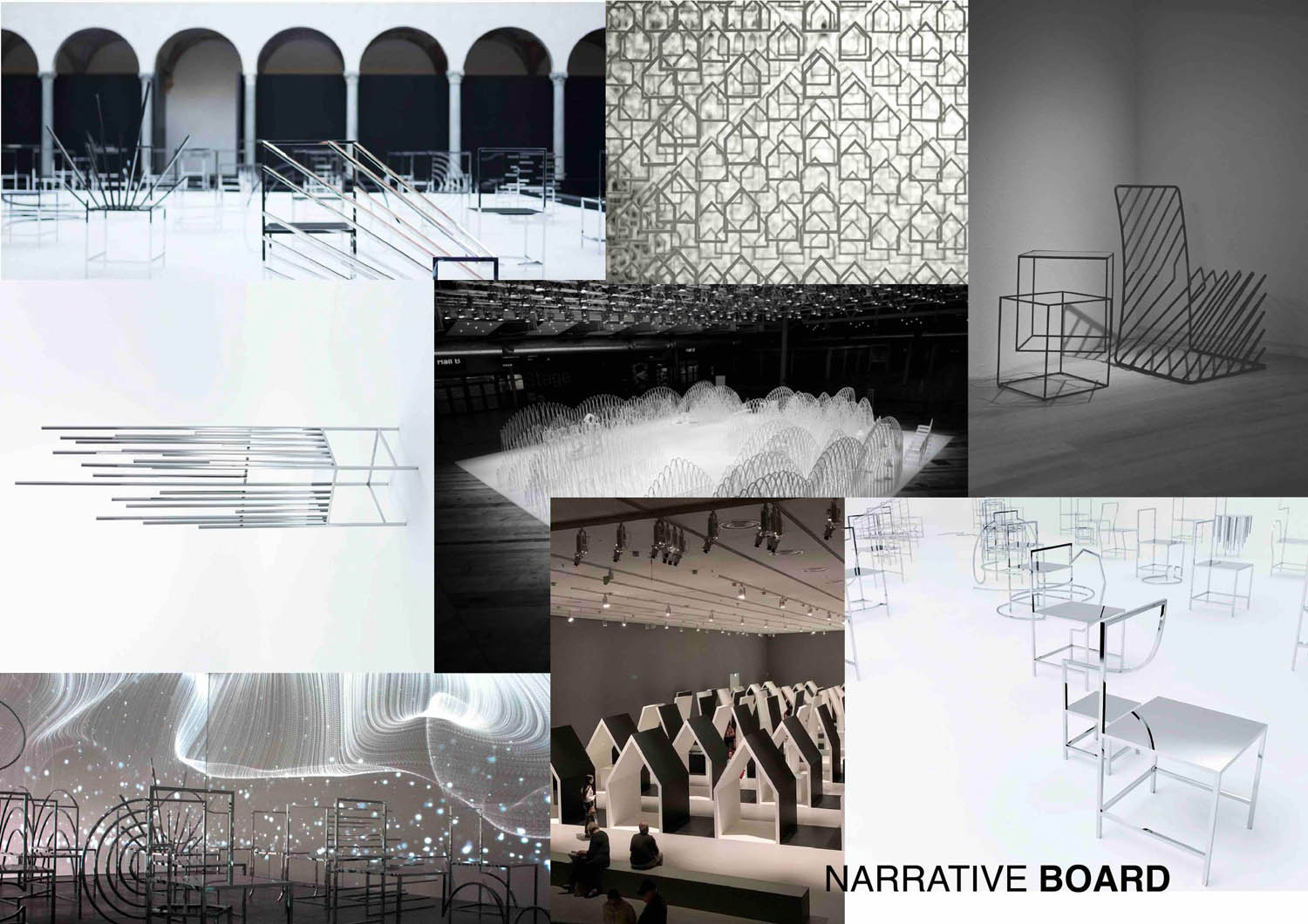
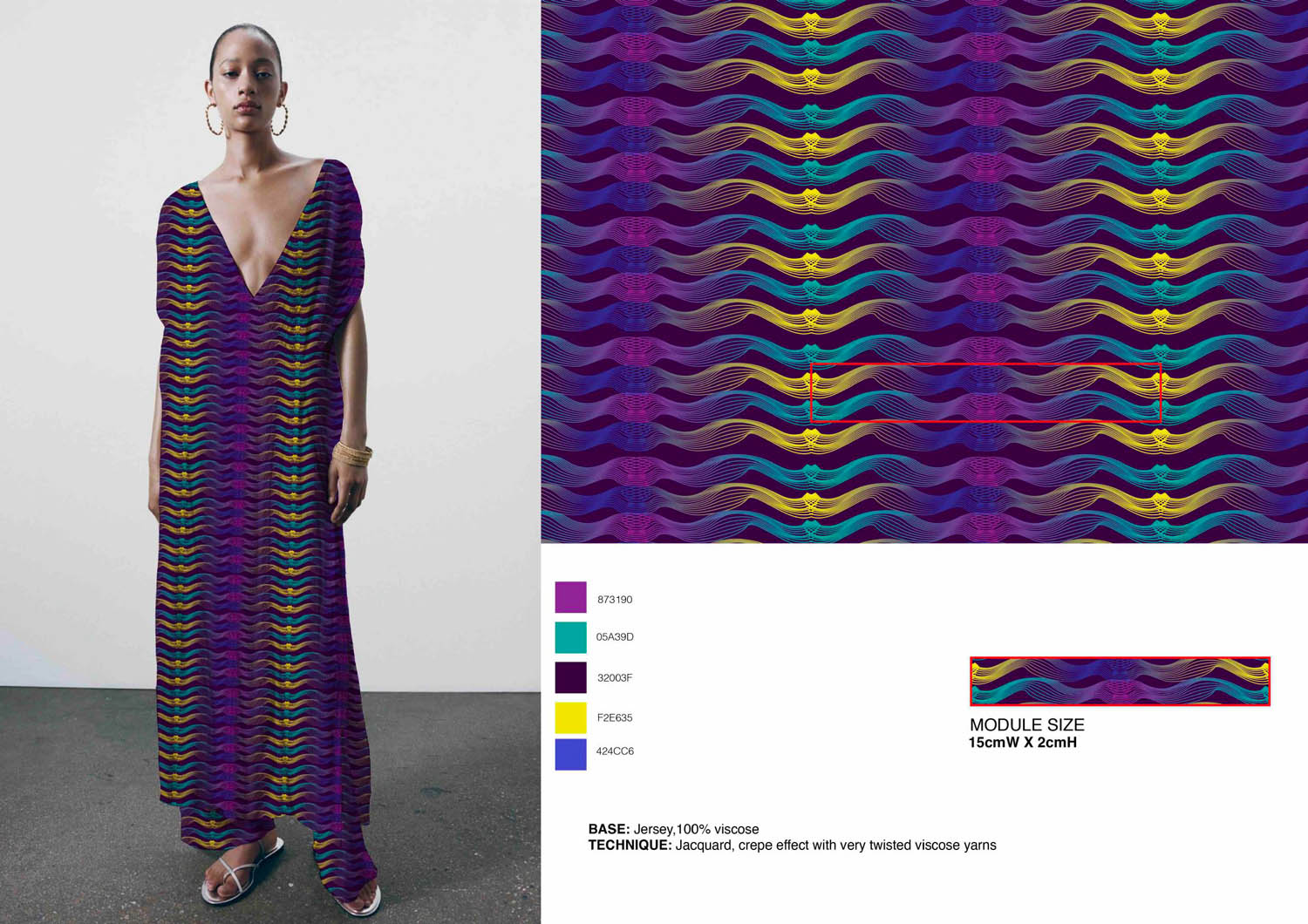
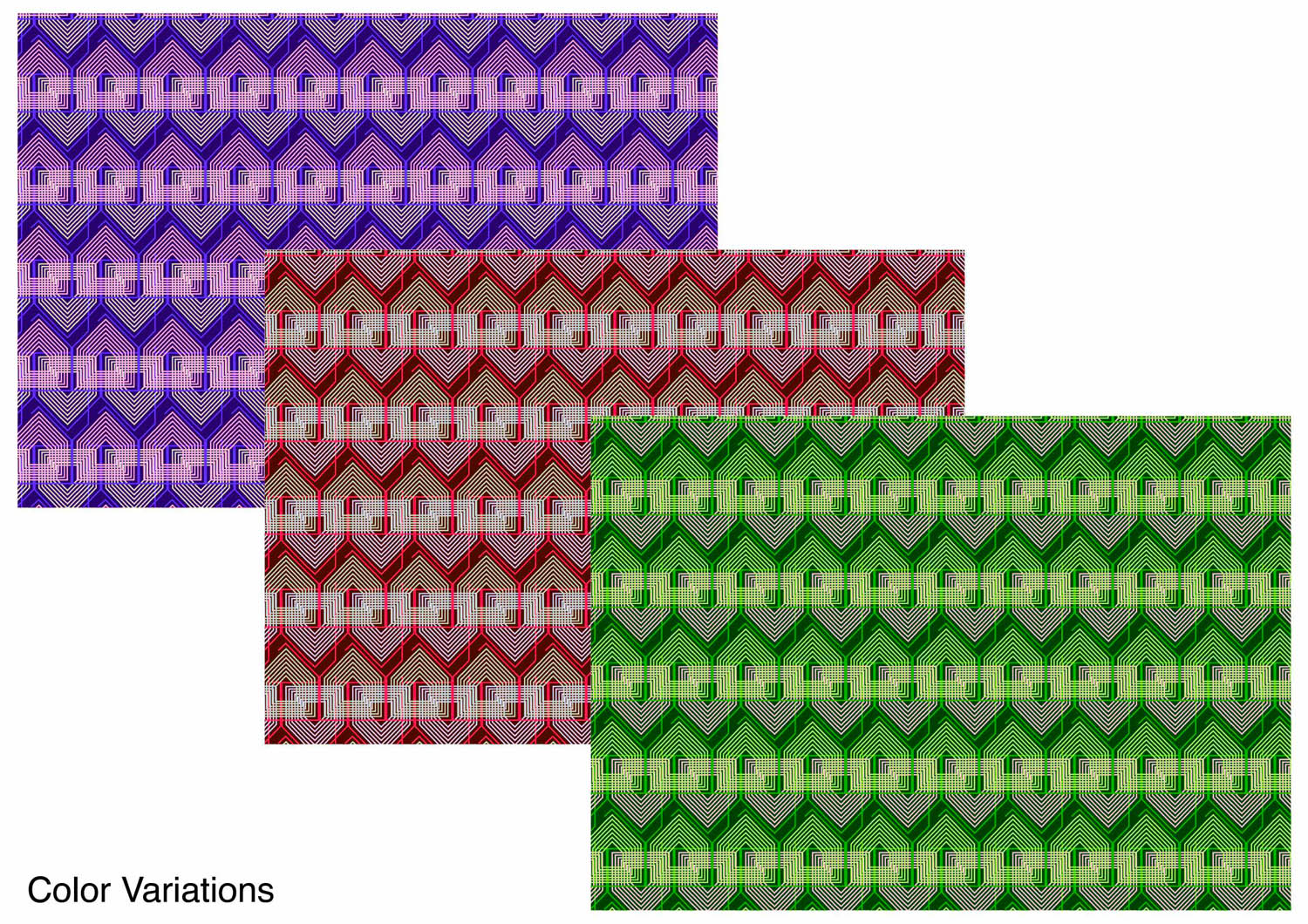
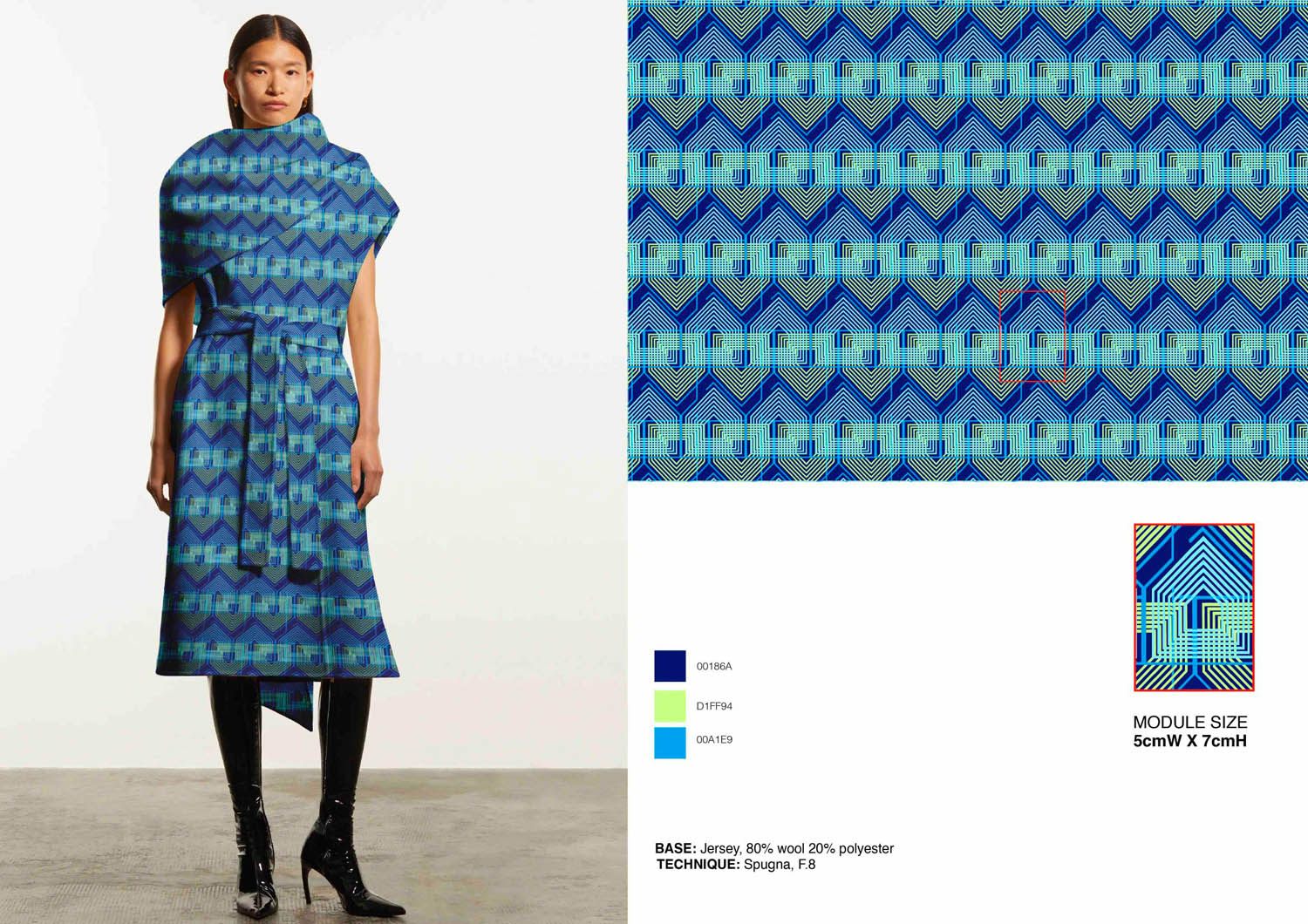
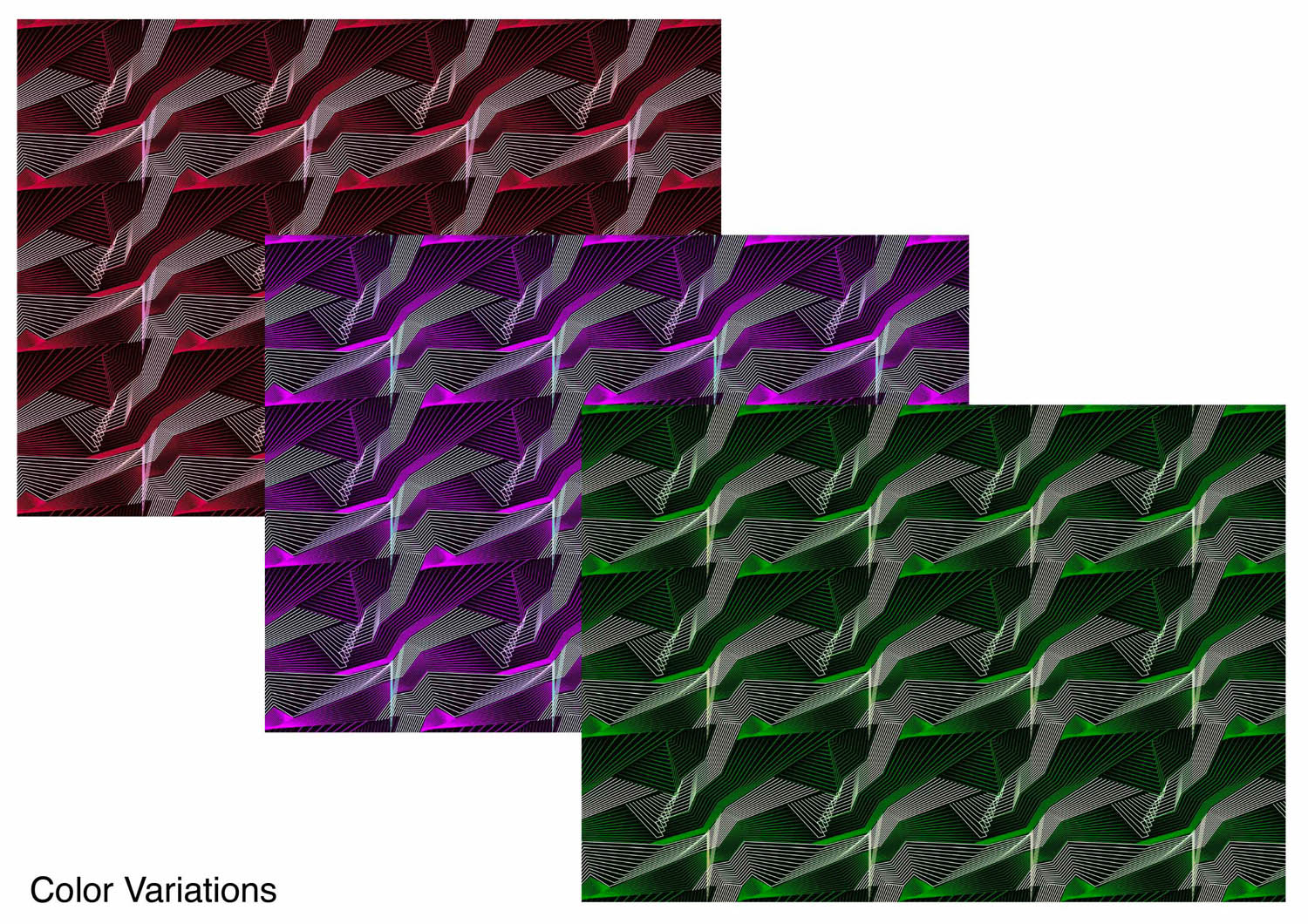
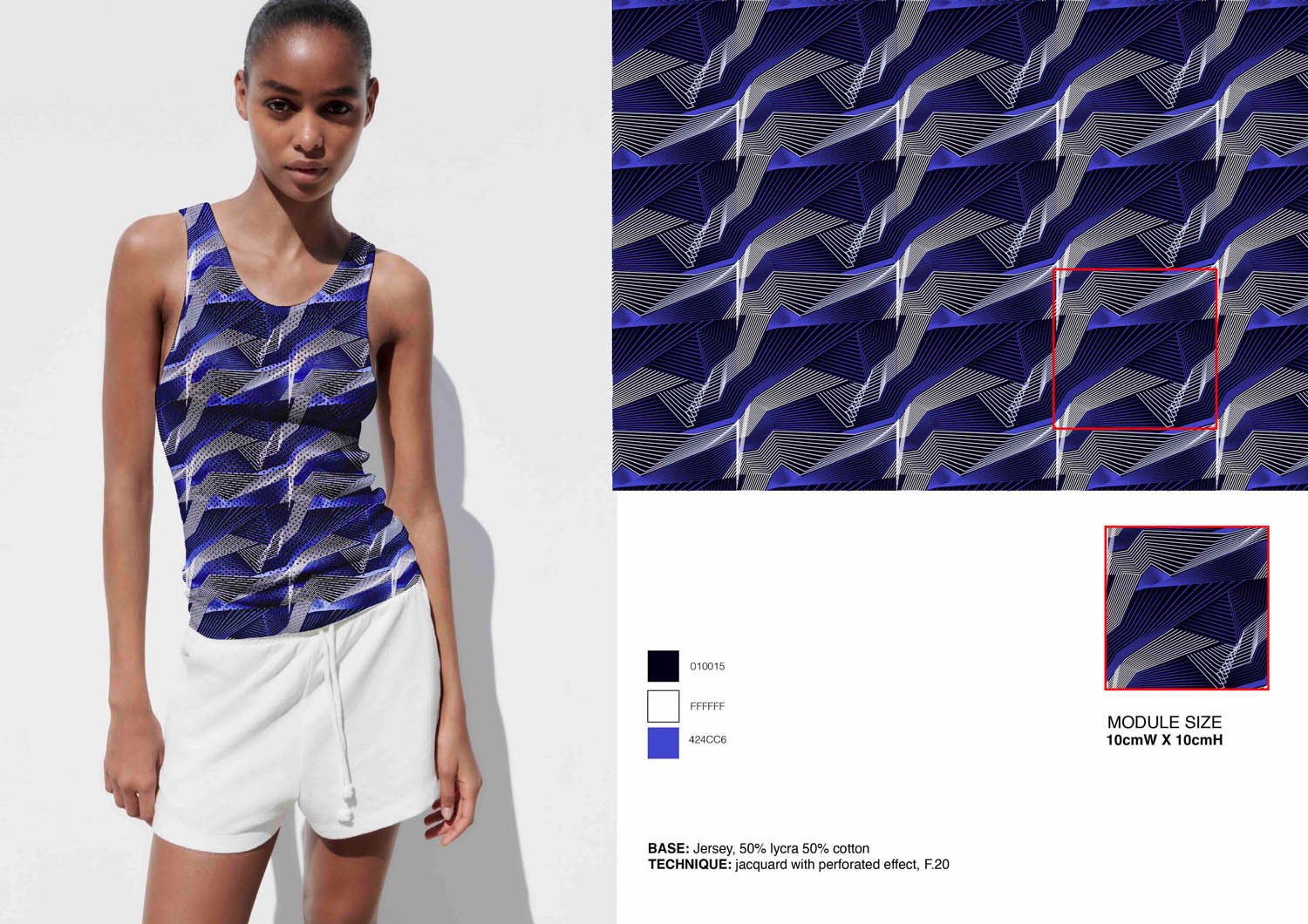
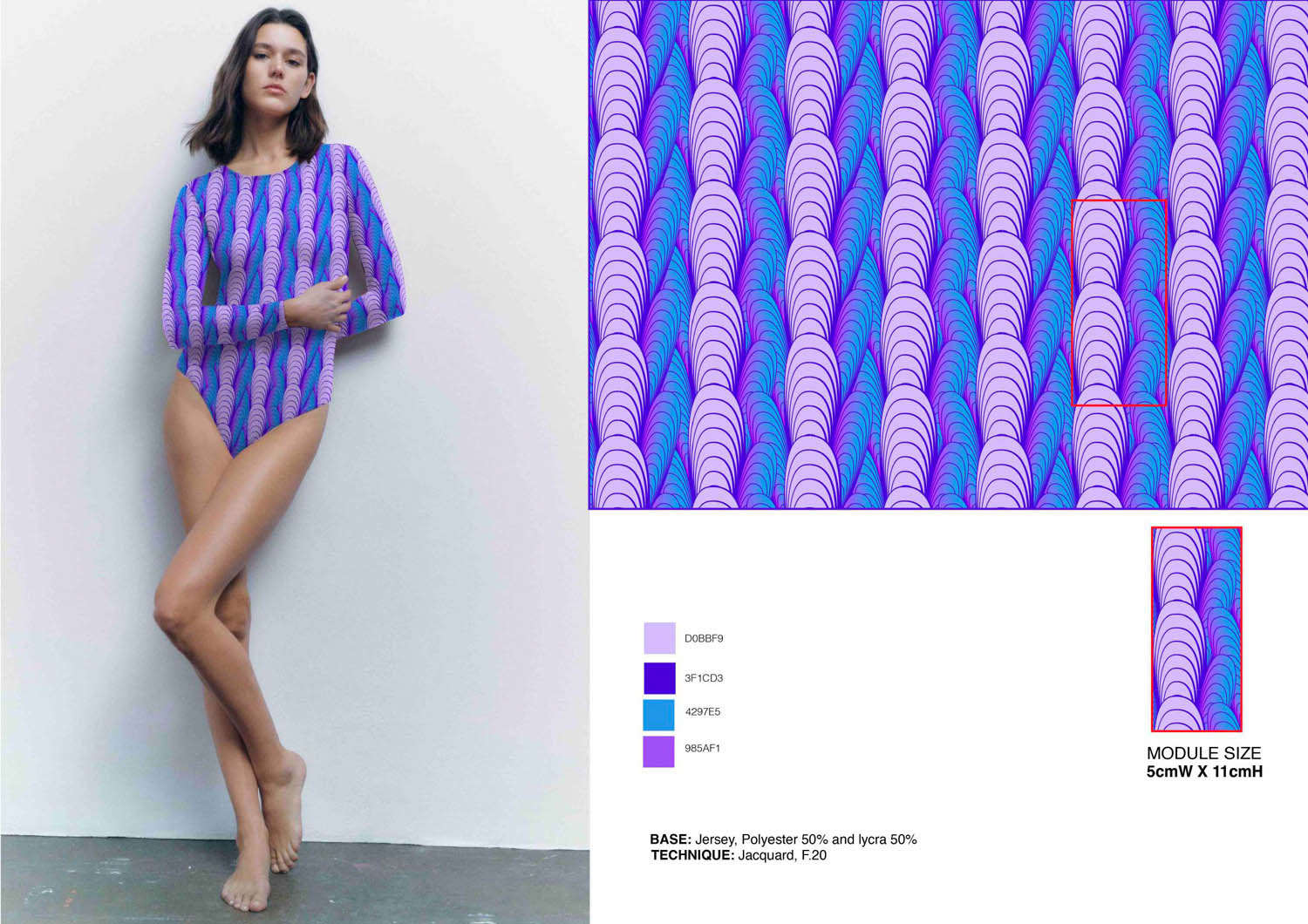
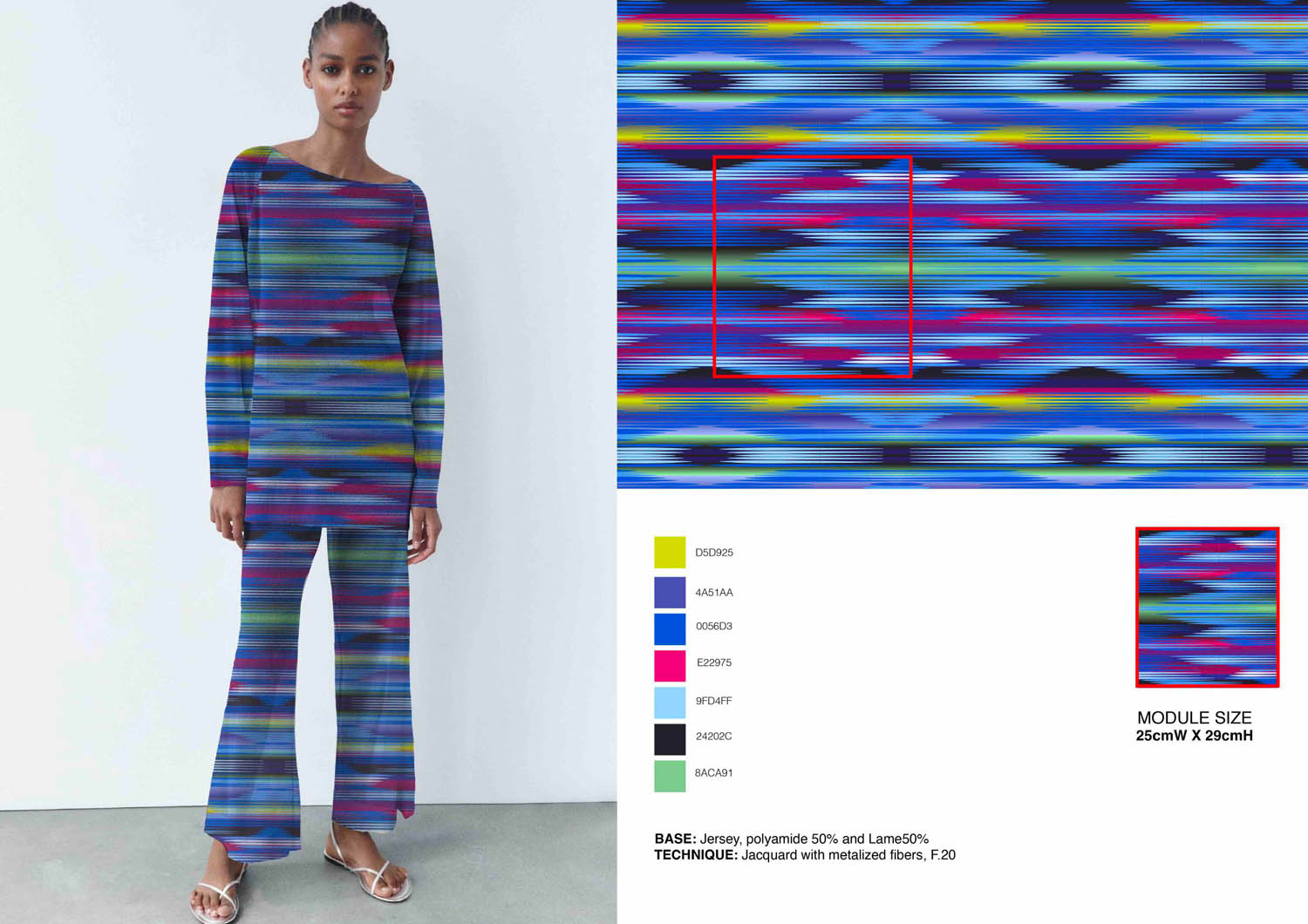
Il progetto si ispira alle opere di Oki Sato, nato nel 1977 a Toronto, in Canada, che ha studiato architettura alla Waseda University di Tokyo. Ha conseguito il Master nel 2002. Nello stesso anno è nato a Tokyo lo studio nendo. Ora ha conquistato la scena internazionale, con uffici a Tokyo e Milano. Nendo, che significa “argilla da modellare”, esprime il suo desiderio di avere una certa flessibilità e la capacità di reinventarsi. Il designer si ispira allo stile giapponese senza fronzoli per creare un linguaggio del suo tempo. La filosofia di Oki Sato si riflette nei suoi progetti, grazie ai quali trasforma le interazioni delle persone con gli oggetti che le circondano, creando una parentesi nella loro vita. Questo desiderio si ritrova nelle forme ordinate e caratteristiche dei suoi progetti, a cui aggiunge sempre un tocco di umorismo e convivialità.
La prima mostra di Oki Sato, “Streeterior”, è stata presentata a Tokyo e a Milano nel 2003. In seguito ha ricevuto numerosi premi:
Good Design Award, German Design Award, Elle Deco International Design Award ed è stato nominato Designer dell’anno 2012 dalla rivista britannica Wallpaper*. Molte delle sue creazioni sono esposte in musei come il Museum of Modern Art di New York, il Muse des Arts Décoratifs e il Centre Pompidou di Parigi, il Victoria & Albert Museum di Londra e l’Israel Museum di Gerusalemme.
Tra le sue numerose collaborazioni: Lasvit, Cappellini, Moroso, DePadova, Starbucks, Puma. Recentemente lo studio ha partecipato anche alla Milano Design Week, ha prodotto un’installazione chiamata “Rain Bottle” alla mostra di settembre 2014 di MAISON&OBJET PARIS e varie mostre al National Design Center di Singapore e all’Orgatec di Colonia.
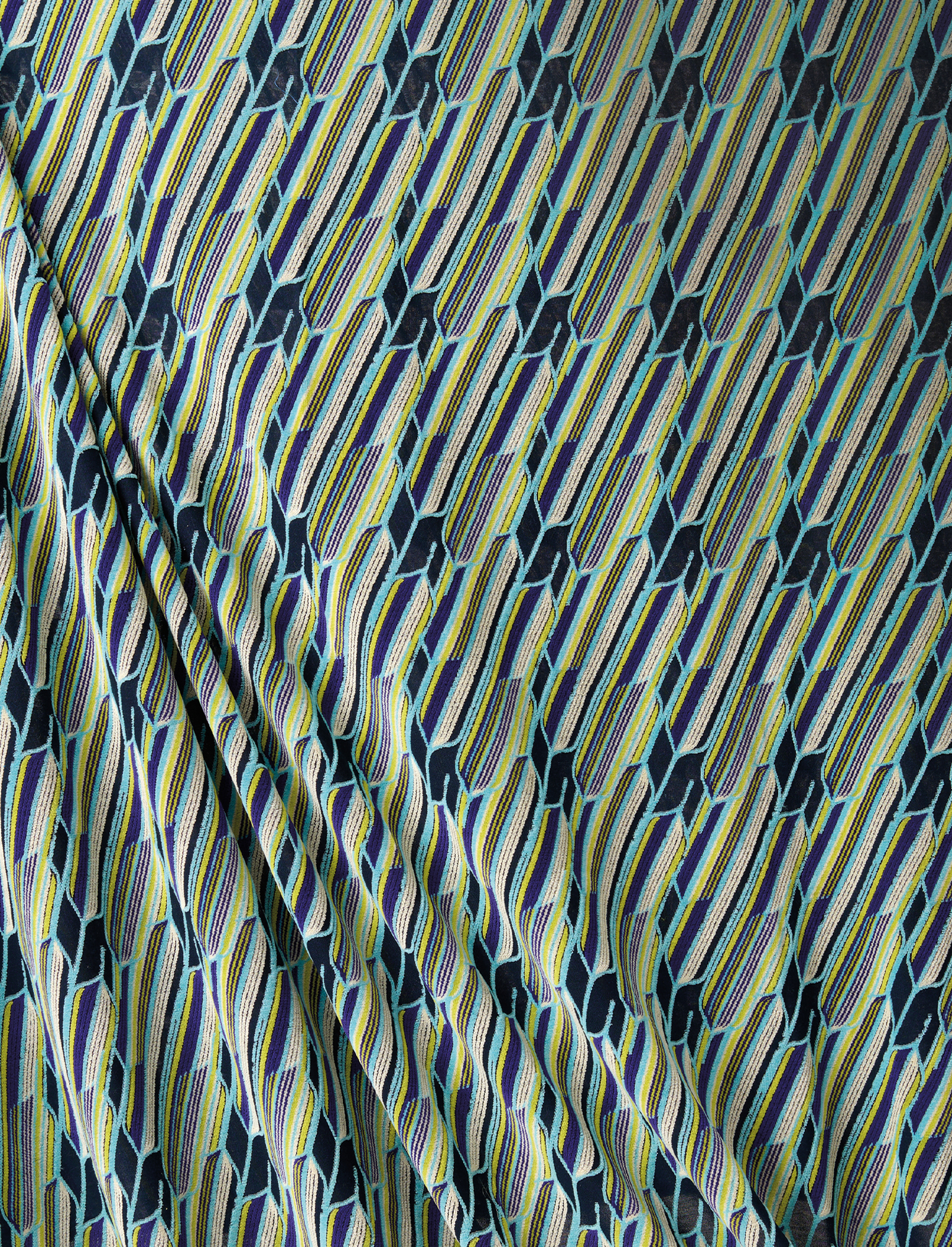
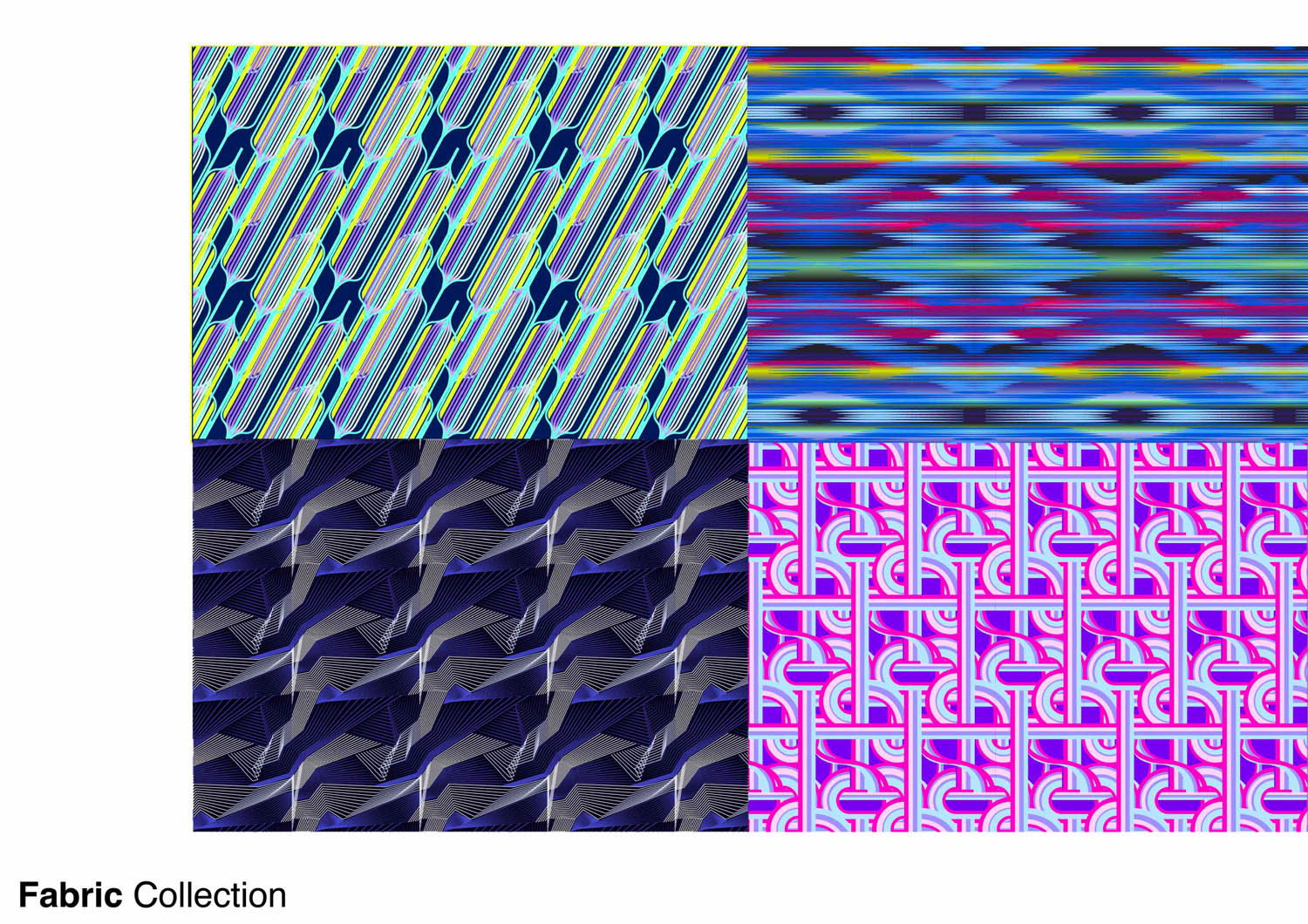
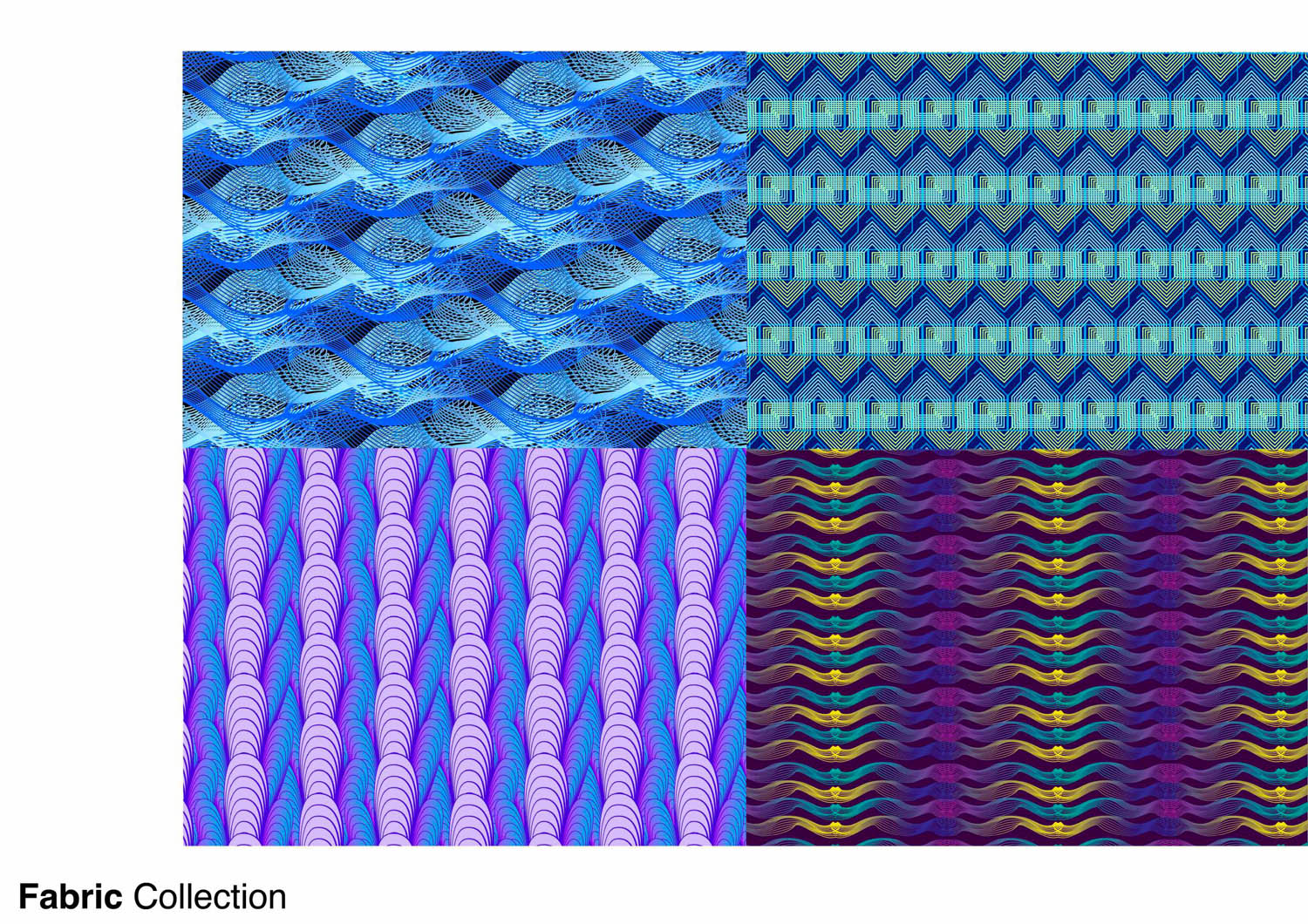
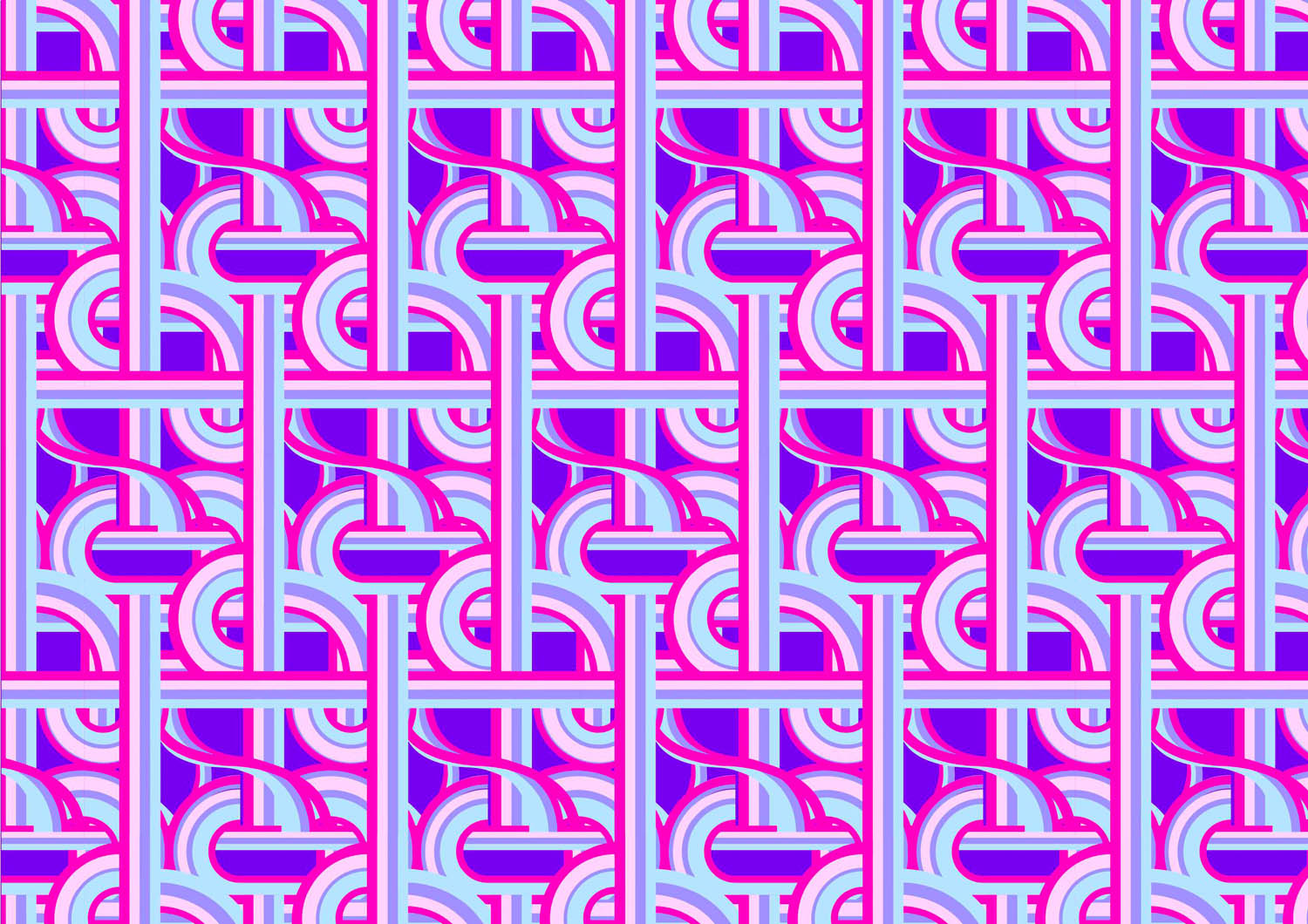
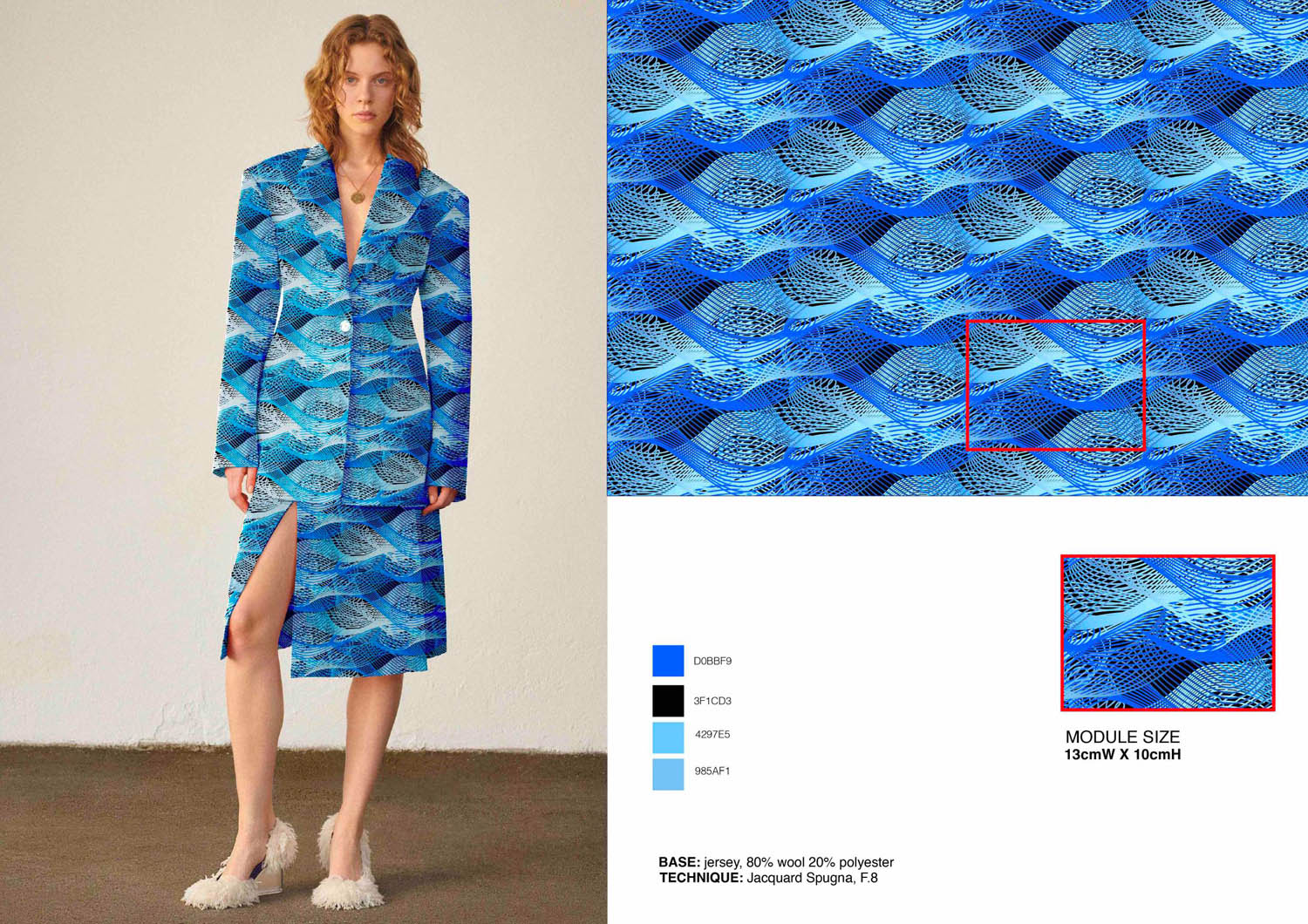
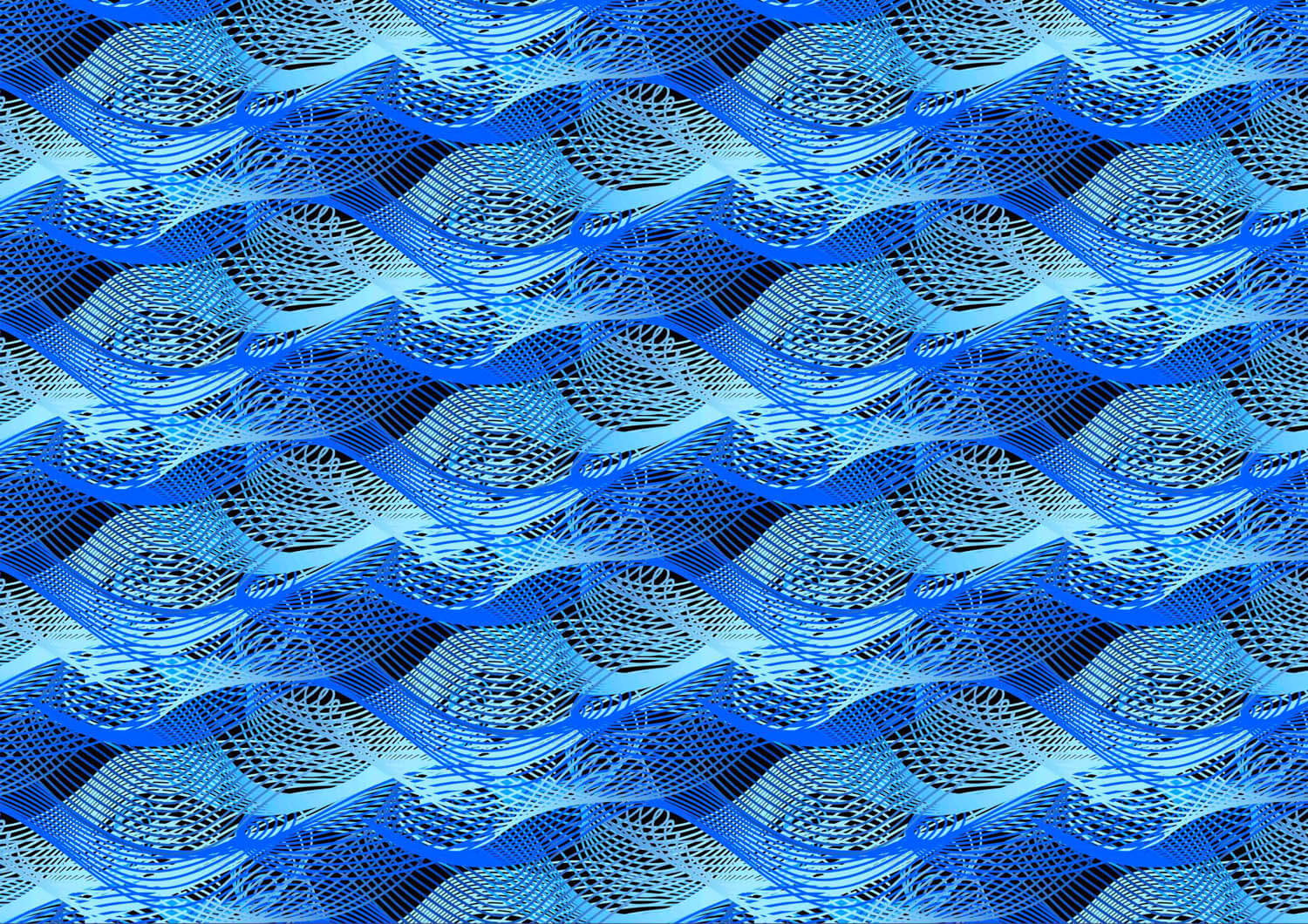
La collezione di tessuti è particolarmente ispirata alle opere di Sato e al modo in cui egli indaga l’unico spazio in cui il fondatore dello Studio Nendo non poteva intervenire, lo spazio intermedio. ciò che sta in mezzo, ciò che non è design e l’area operativa attentamente calcolata lasciata alla luce e all’aria. Nelle parole di Sato
“Voglio che i miei oggetti parlino da soli, quindi è meglio che siano semplici: voglio che il messaggio sia molto chiaro. Ma a volte, quando si rende il tutto troppo minimale, può essere percepito come un po’ troppo freddo, cosa che vorrei evitare. Penso che il design debba essere amichevole ed è per questo che a volte aggiungo un po’ di umorismo o qualcosa di simile a una ‘spezia’ ai miei progetti per renderli più amichevoli. Li rende più accessibili alle persone”.
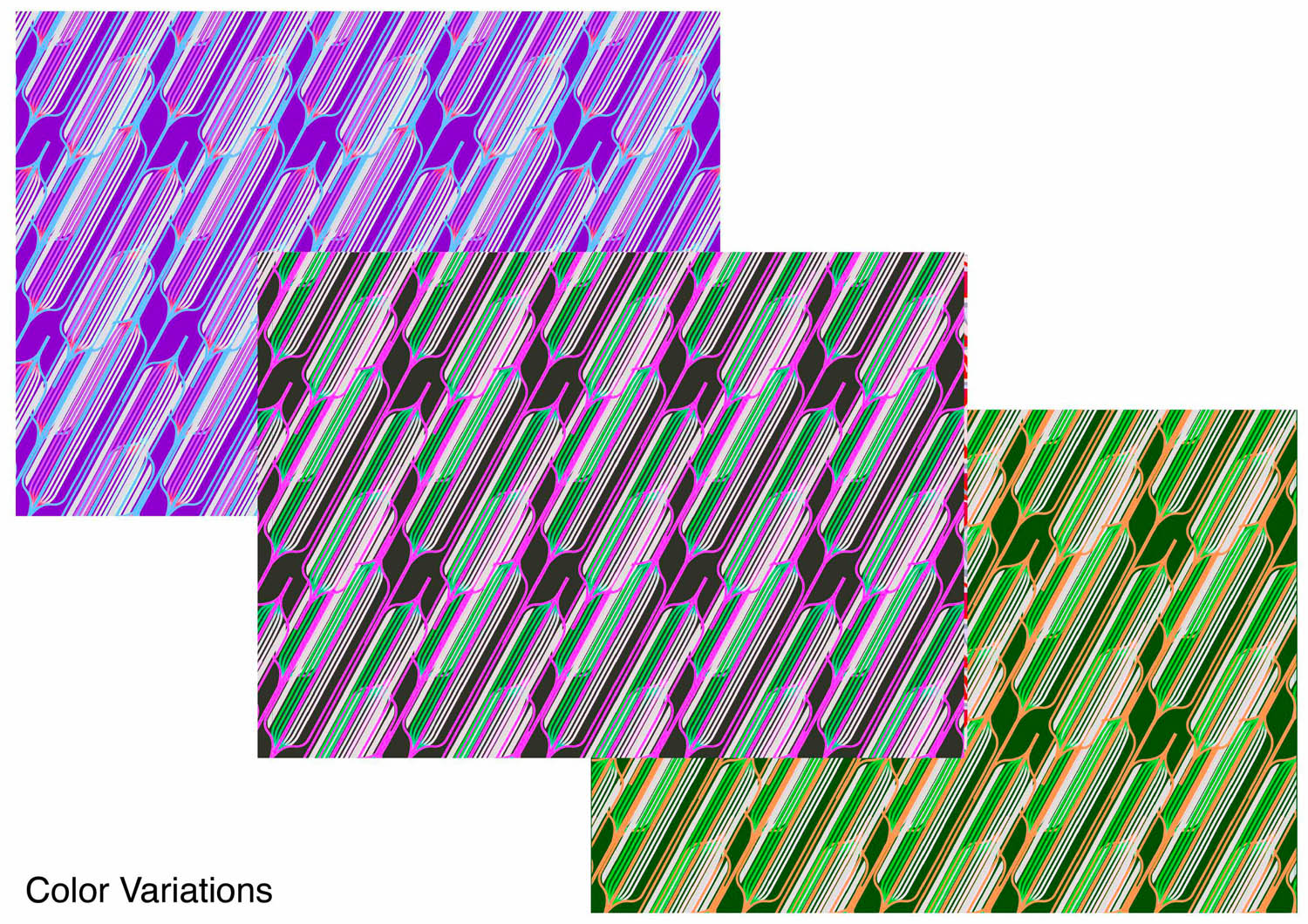
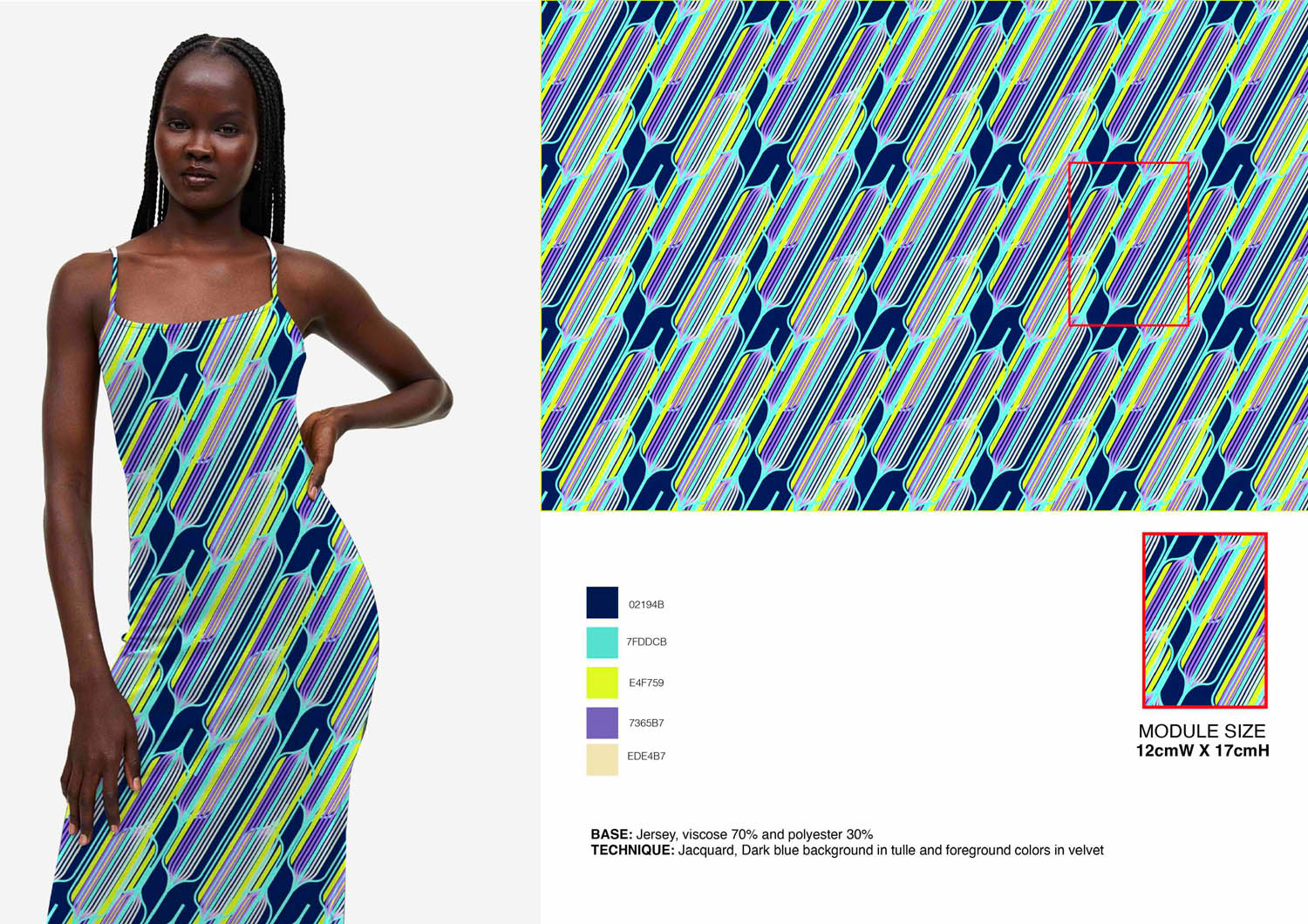
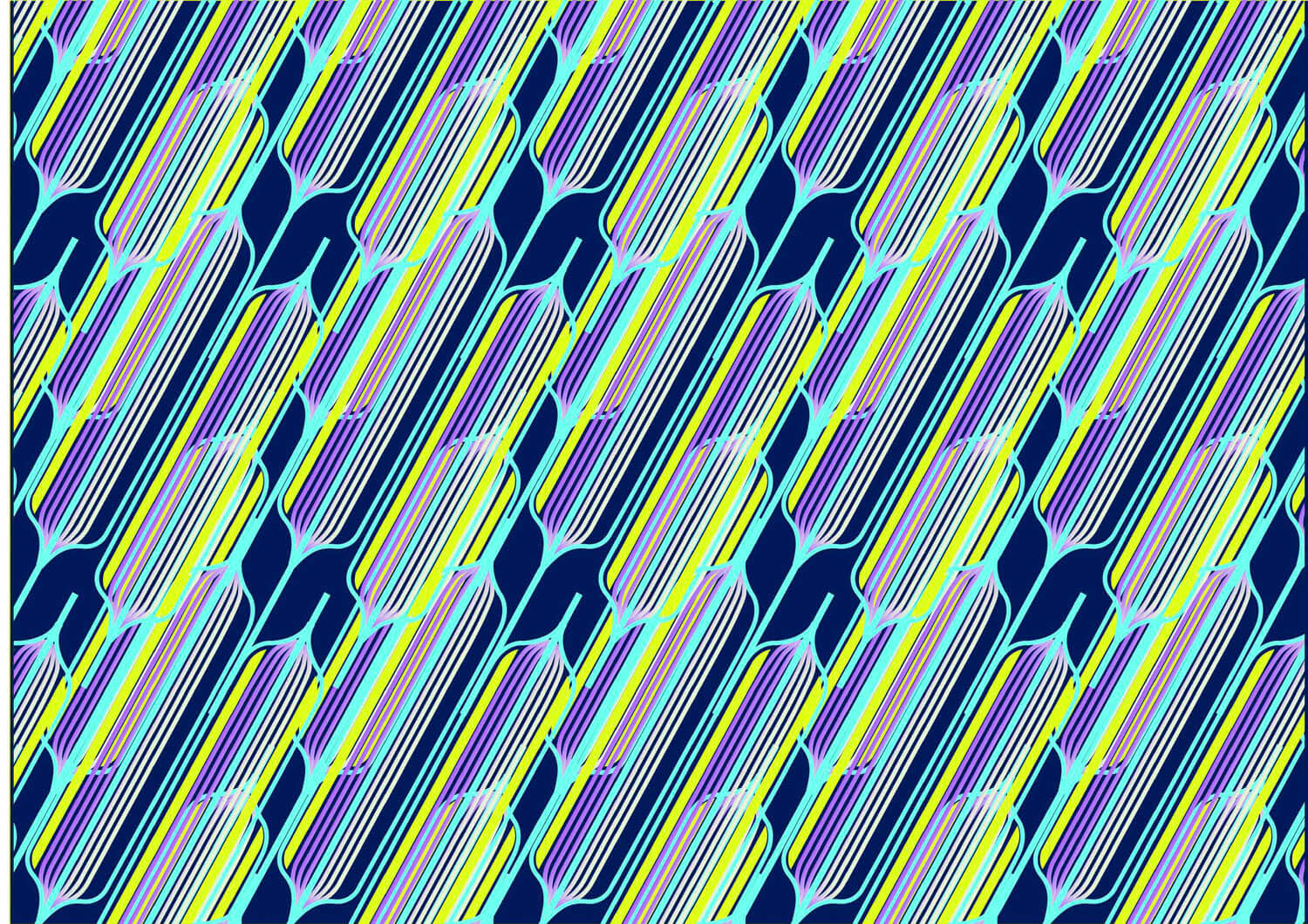
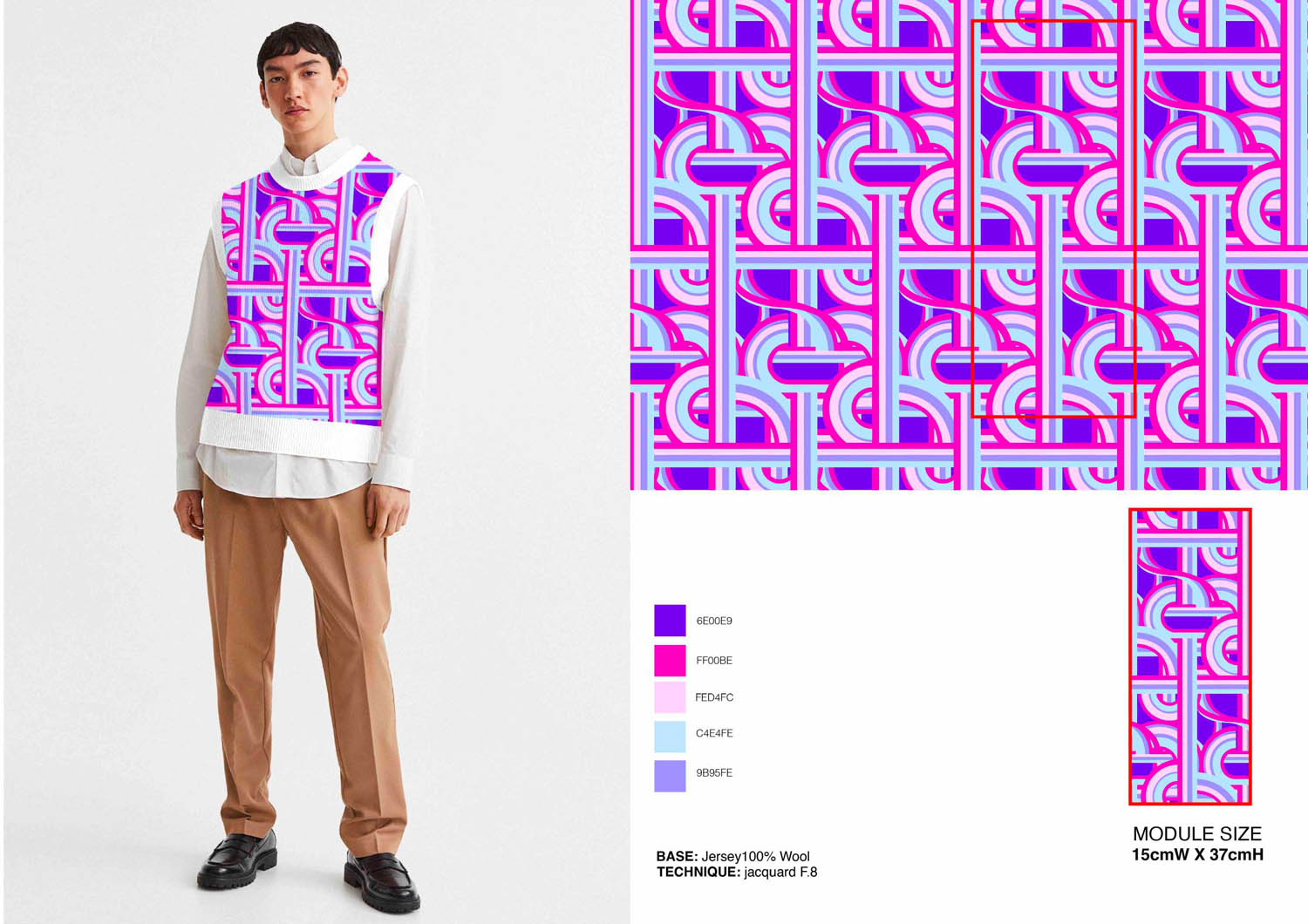
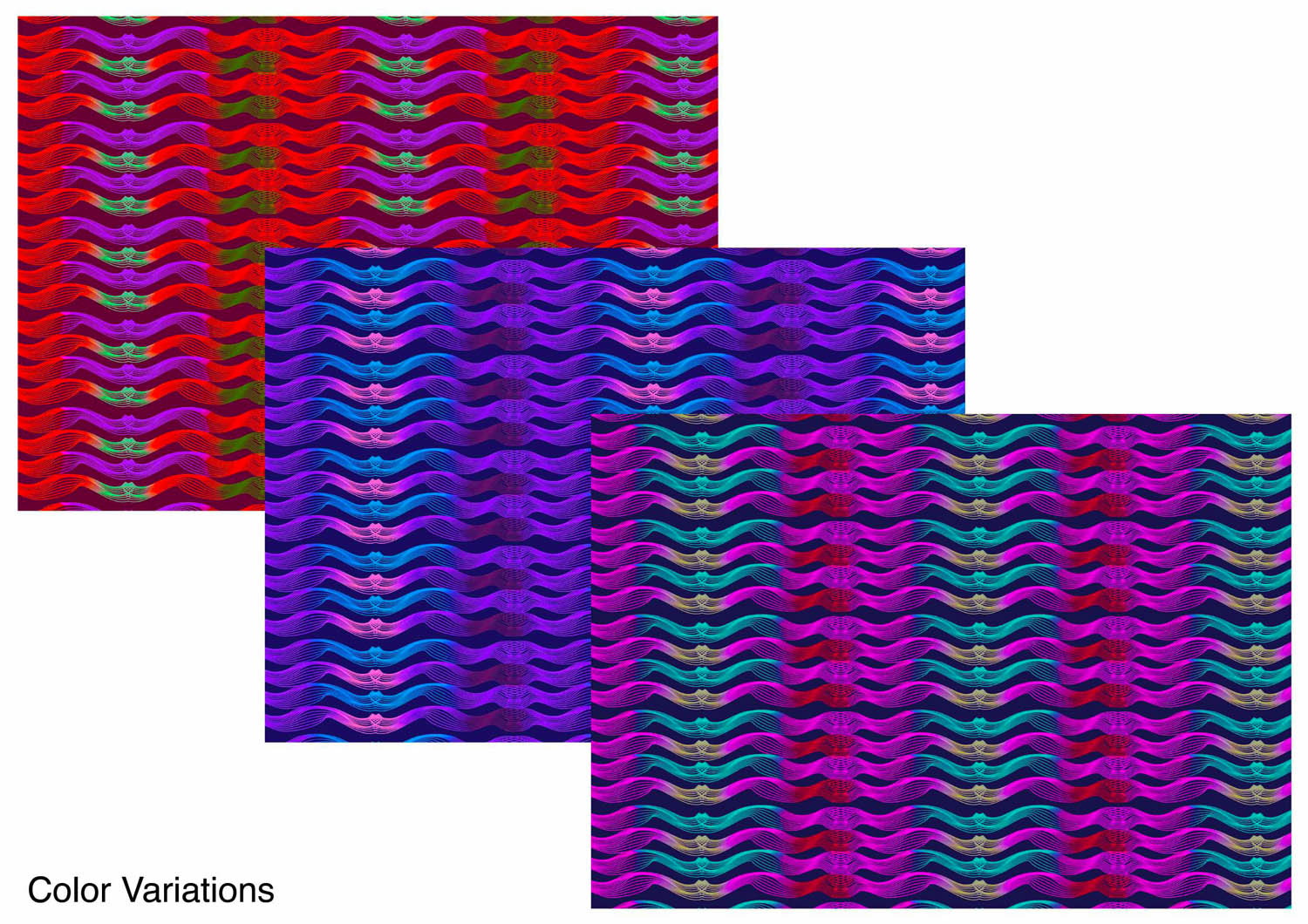
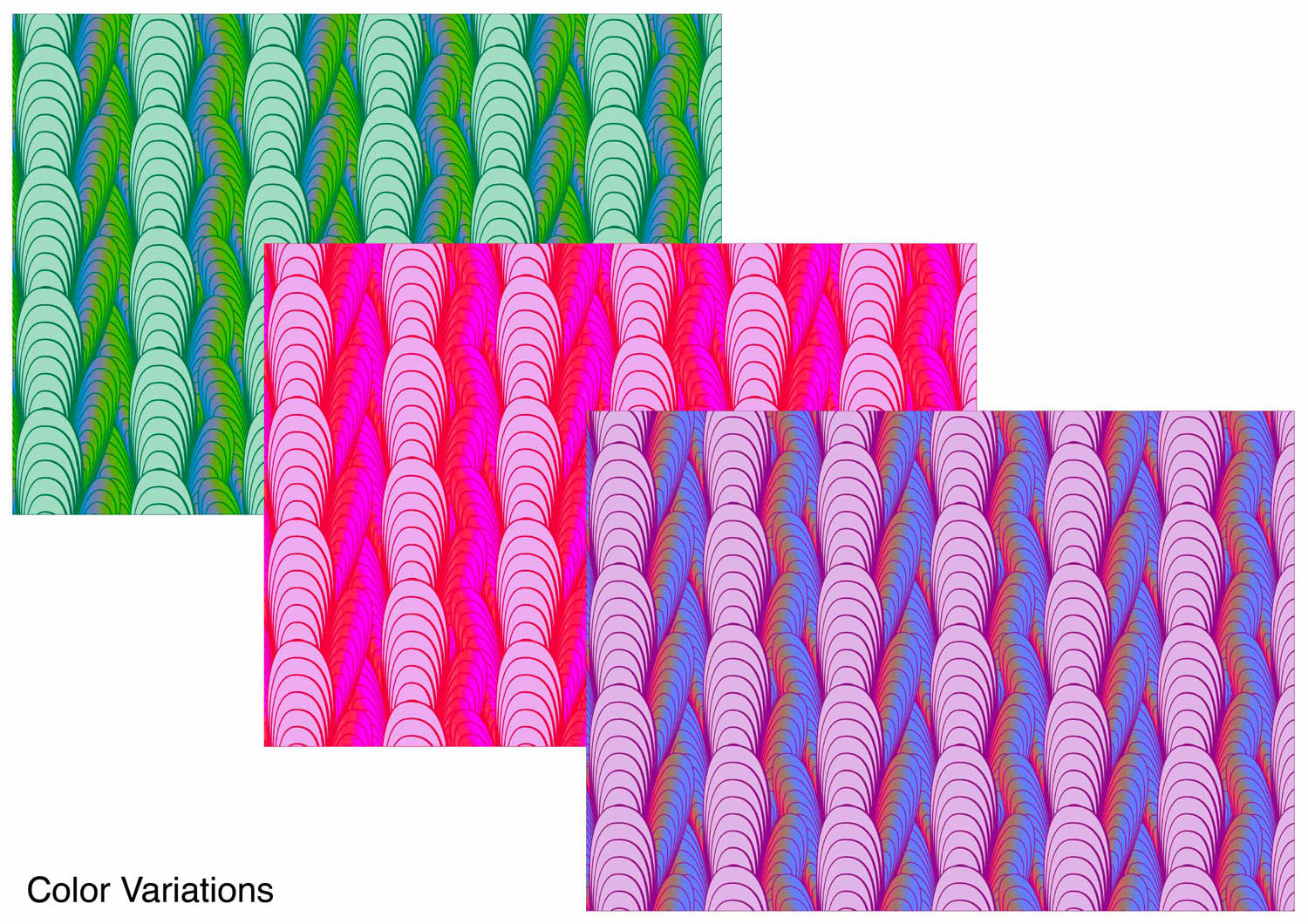
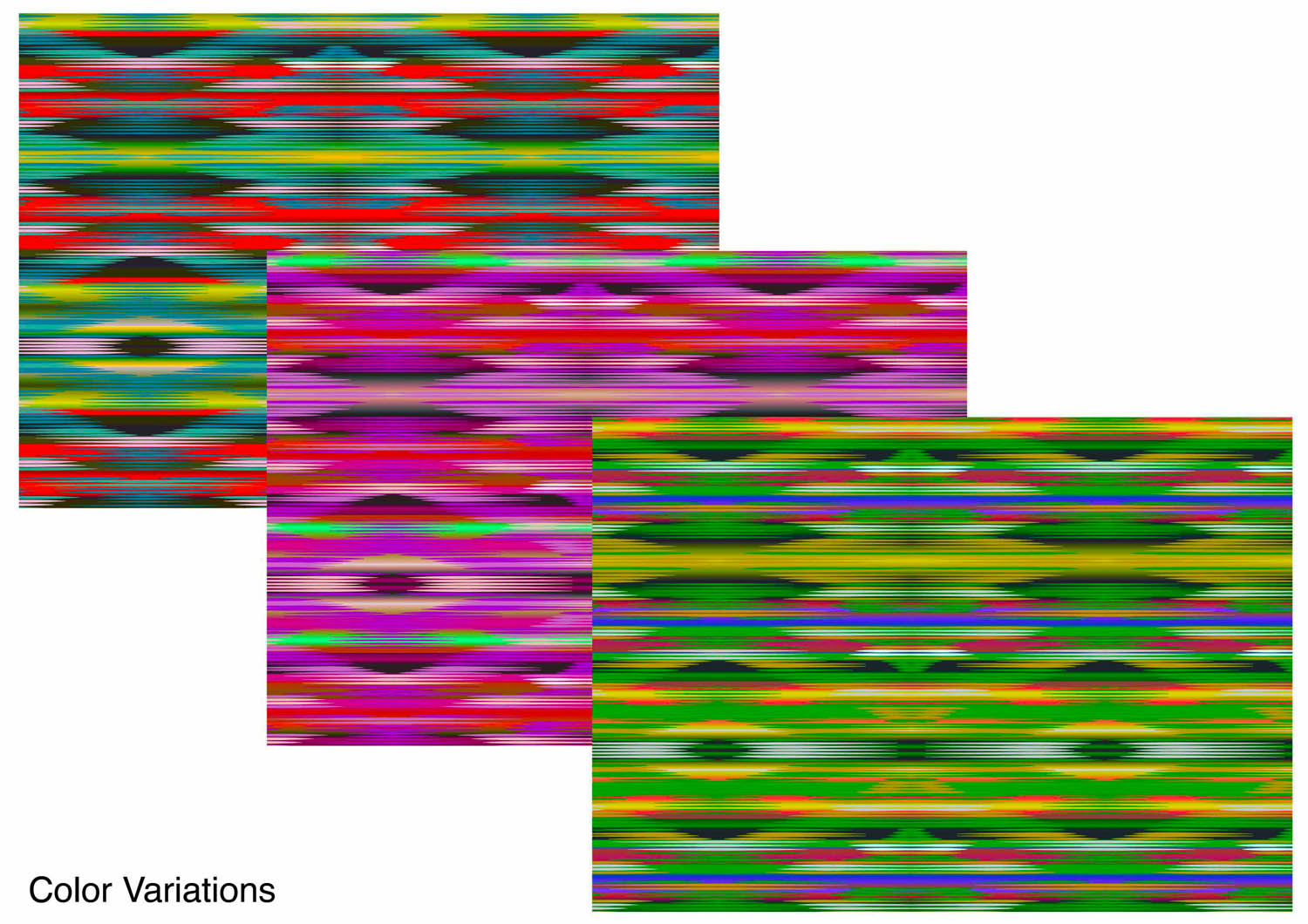
Alcuni degli elementi visivi di Sato sono stati messi in gioco nello sviluppo dei disegni dei tessuti, ad esempio Uno degli aspetti che la cultura giapponese apprezza dal punto di vista del design è la visualizzazione di elementi e spazi non visti, come il passaggio del tempo, le emozioni o i ricordi. In Giappone, l’idea di progettare oggetti, mobili, case in modo libero e flessibile, con uno spirito giocoso e irriverente, quasi come un bambino fa con la plastilina, è rivoluzionaria ma si rivela vincente. Lo stesso schema di pensiero è stato messo in gioco nello sviluppo della proposta di tessuto. Disegnato in modo altrettanto minimale di come Sato si sarebbe fatto venire idee per il design di un tessuto o di una stoffa.