Ratti

Cultured

Krithika Sengottaiyan

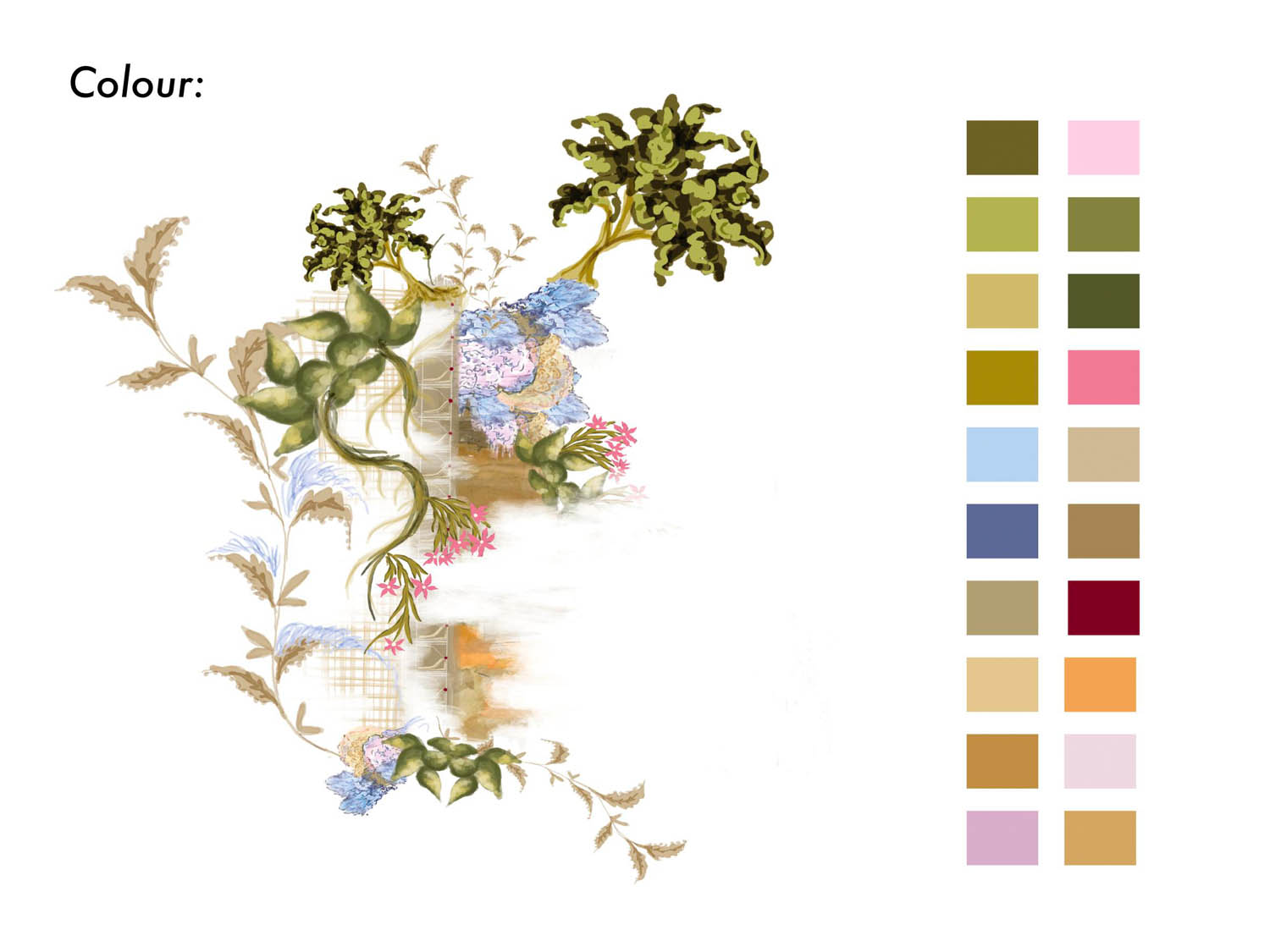
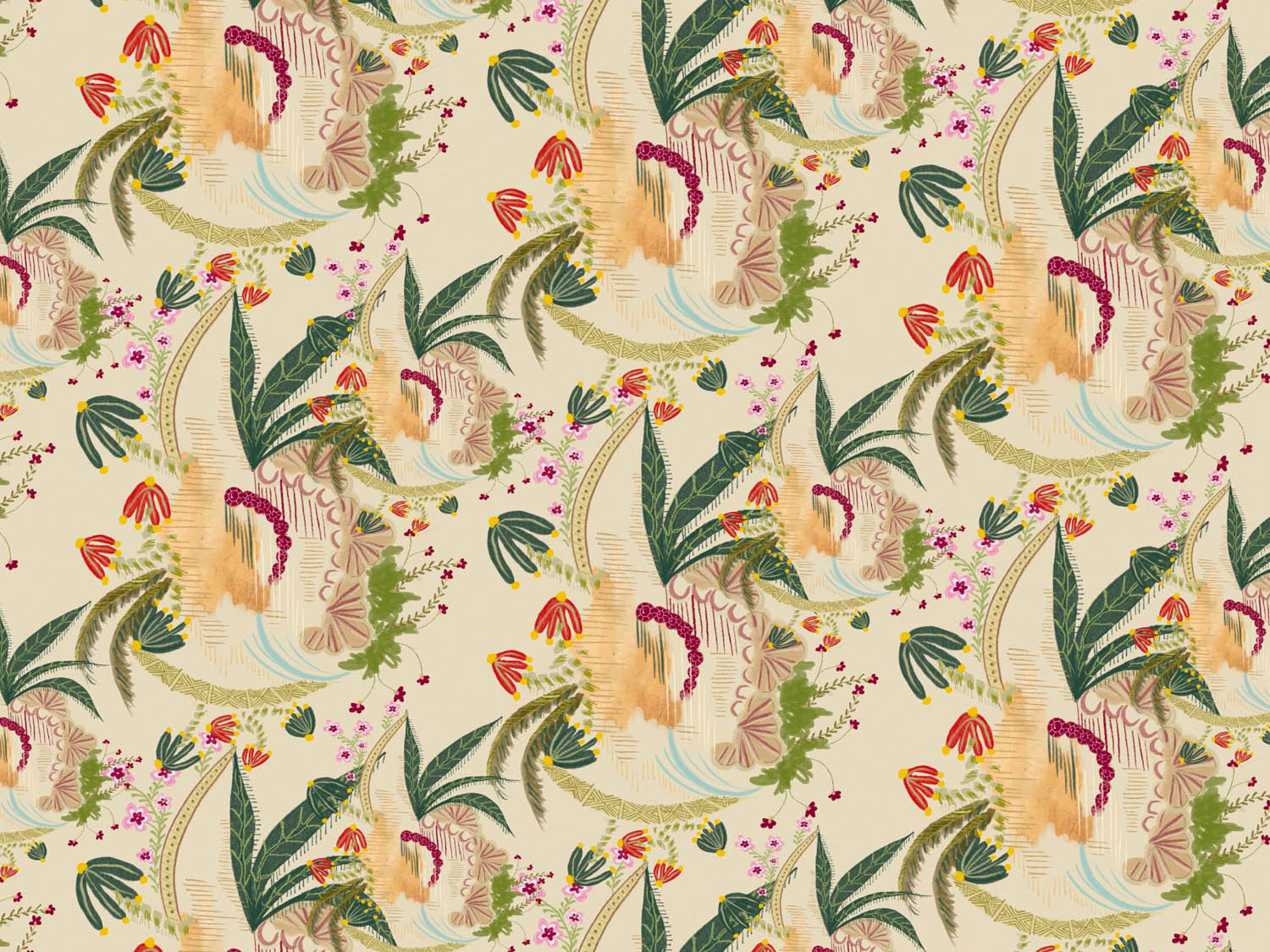
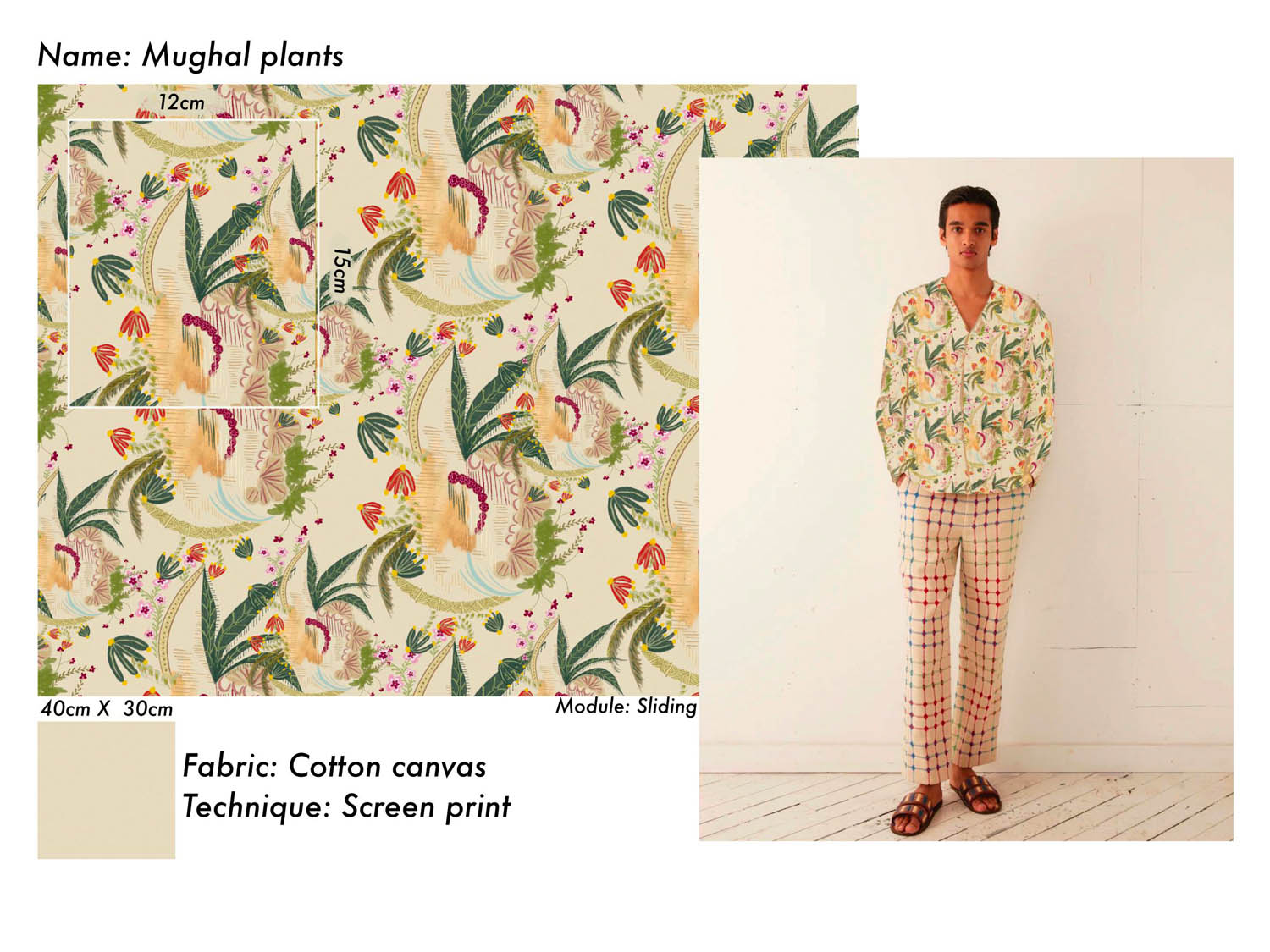
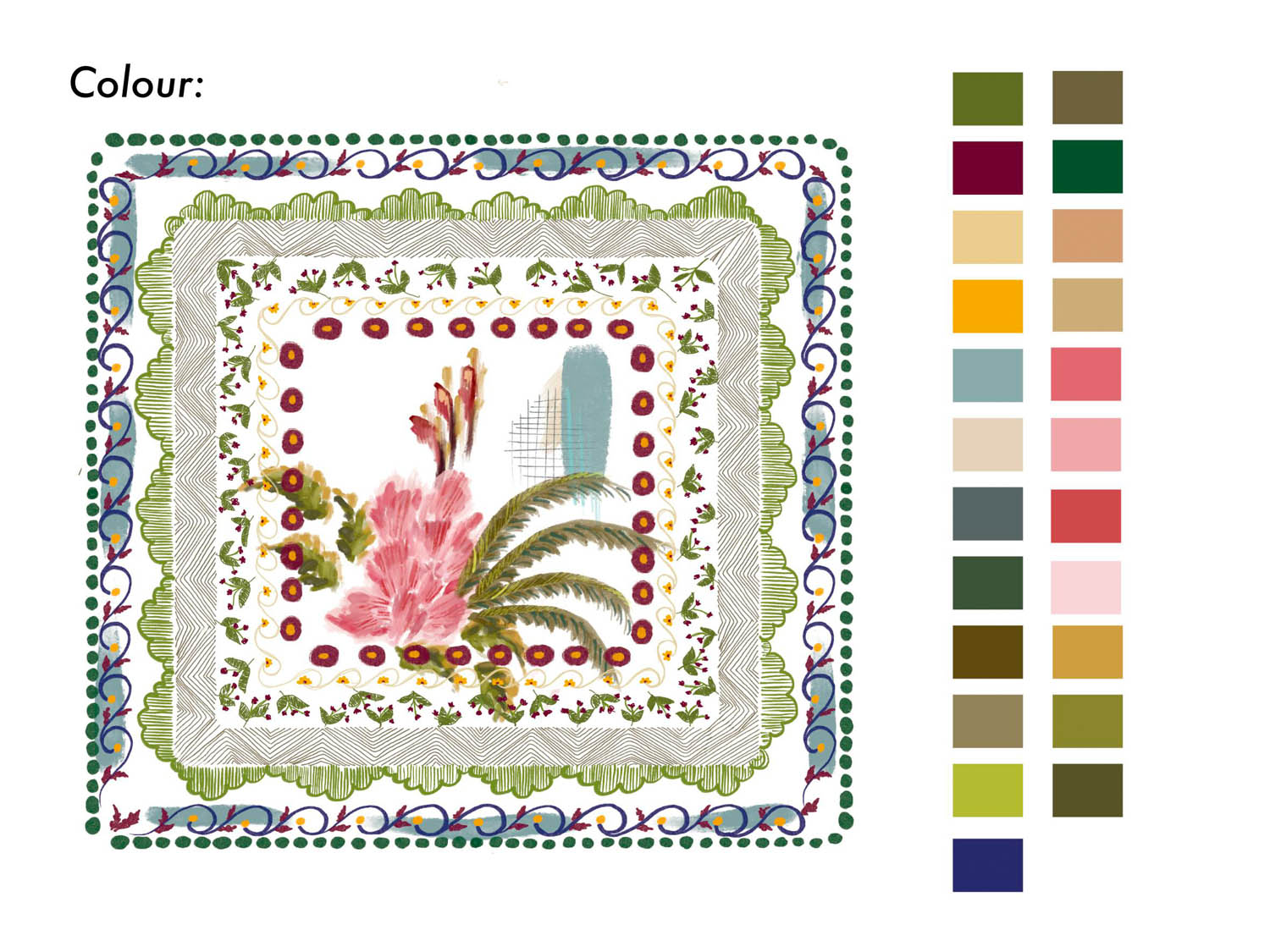
Nota del designer: quando ho letto il suggerimento sulla cultura, la prima cosa che mi è venuta in mente è stata
l’India, in quanto è la mia etnia. Mentre la California gioca un ruolo importante nella mia visione del mondo e
nella percezione come designer. Volevo combinare entrambe queste culture e rappresentare il mio viaggio
rimanendo fedele al mio processo di progettazione individuale.

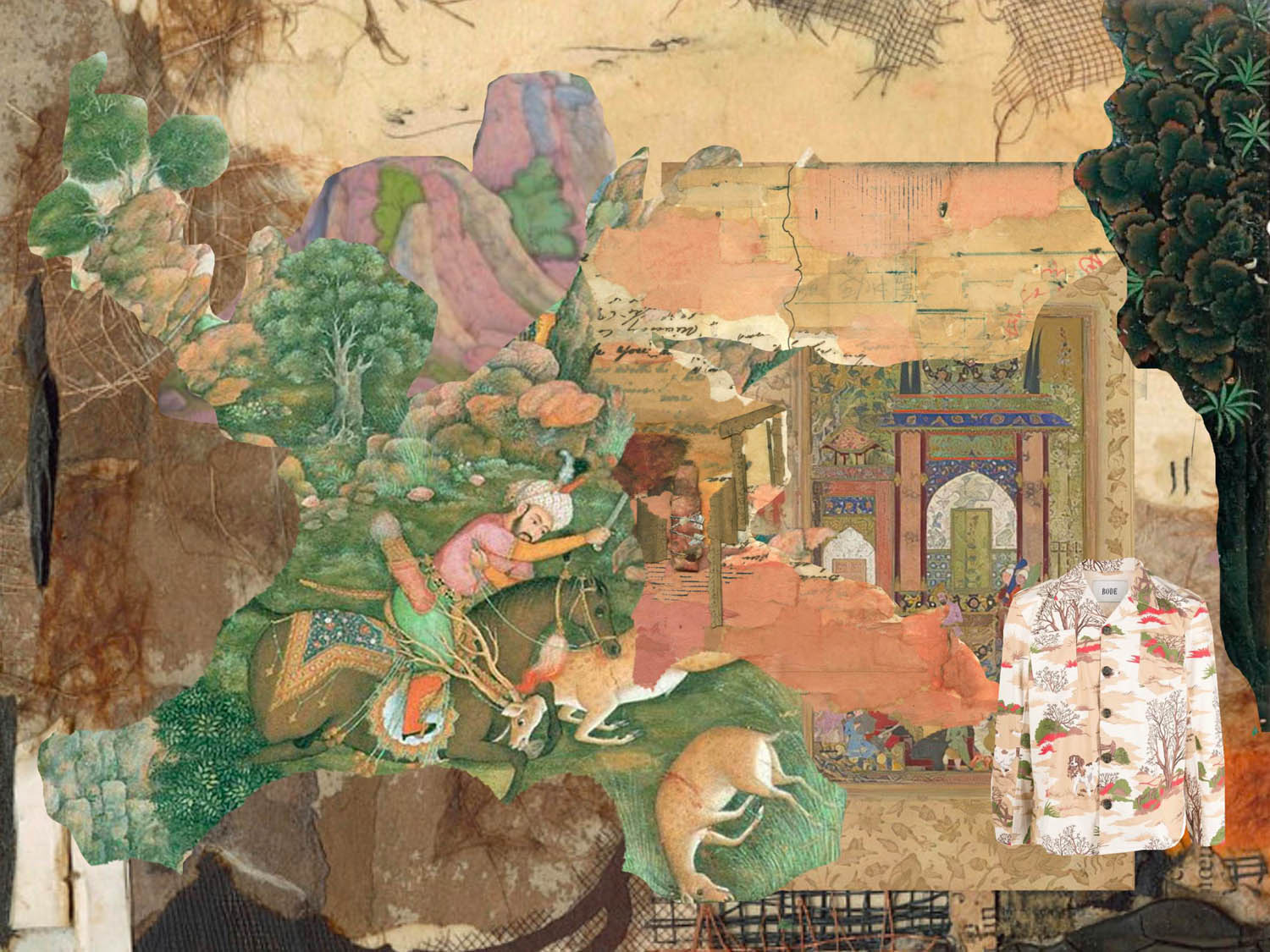
Pittura Mughal, Mughal scriveva anche Mogul, stile di pittura, limitato principalmente all’illustrazione di libri e
alla produzione di singole miniature, che si sviluppò in India durante i regni degli imperatori Mughal (XVI-XVIII
secolo). Nelle sue fasi iniziali mostrò un certo debito nei confronti della scuola Safavid della pittura persiana, ma
si allontanò rapidamente dagli ideali persiani. Probabilmente il primo esempio di pittura Mughal è il racconto
popolare illustrato Tuti-nameh (“Racconti di un pappagallo”) al Cleveland (Ohio) Museum of Art.
La pittura moghul era essenzialmente un’arte di corte; si sviluppò sotto il patrocinio degli imperatori Mughal al
potere e iniziò a declinare quando i governanti persero interesse. Gli argomenti trattati erano generalmente
secolari, costituiti da illustrazioni di opere storiche e letteratura persiana e indiana, ritratti dell’imperatore e della
sua corte, studi di vita naturale e scene di genere.

Farrukh Beg: (fiorì nel XVII secolo, India), eccezionale pittore Mughal, elogiato dall’imperatore Mughal indiano
Jahāngīr come “senza rivali nell’epoca”.

Un Kalmyk dell’Asia centrale, Farrukh Beg lavorò per la prima volta a Kabul (ora in Afghanistan) sotto Mirzā
Hakīm, il fratellastro dell’imperatore Mughal Akbar. Dopo la morte di Hakīm, Farrukh Beg si unì al servizio di
Akbar (1585) in India. I suoi primi dipinti sono di carattere fortemente persiano, e continuò ad essere un pittore
conservatore, senza modificare il suo stile in misura considerevole nel nuovo ambiente. I suoi tratti paesaggistici
particolarmente distinti rendono le sue opere facilmente riconoscibili..

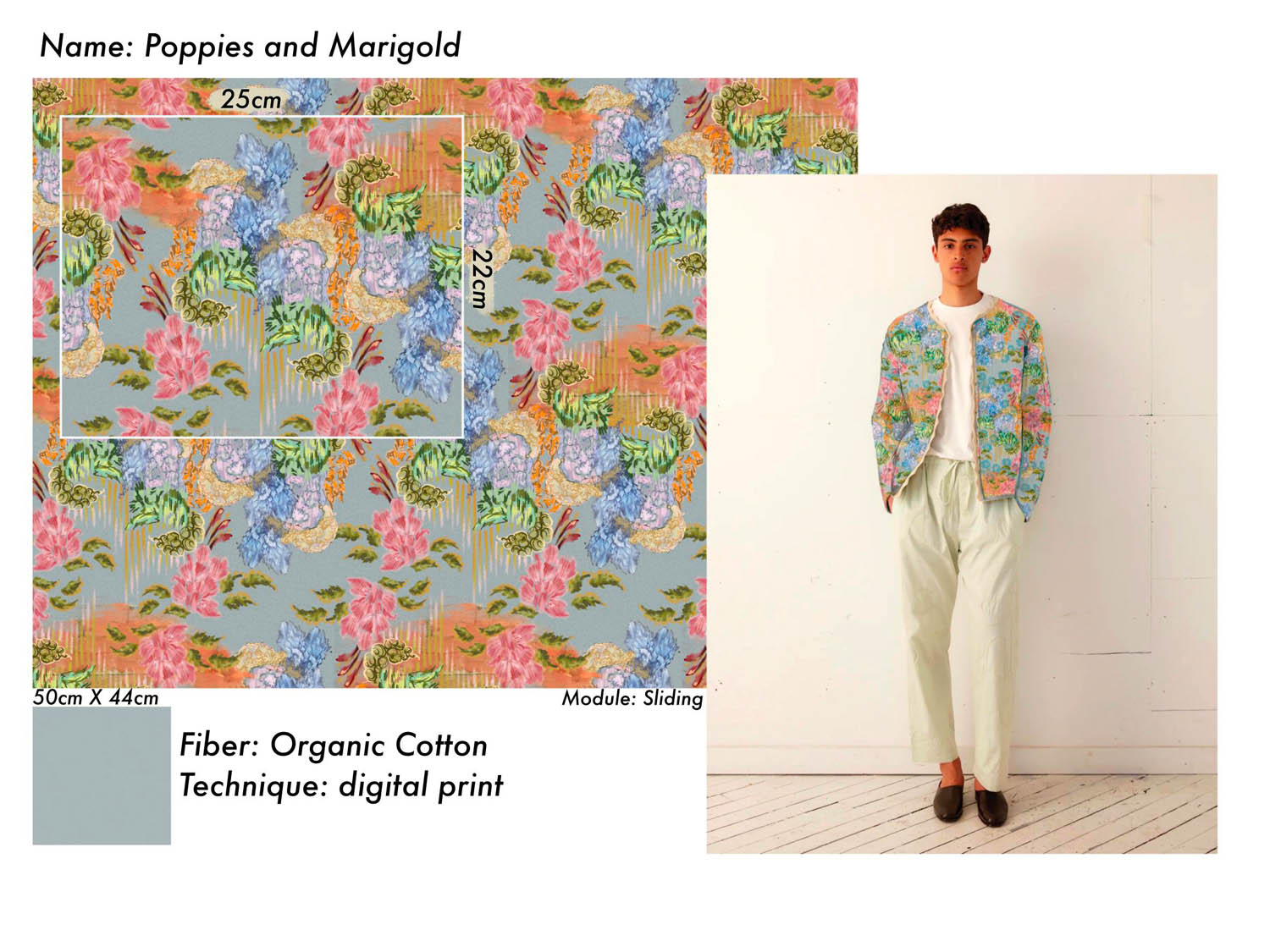
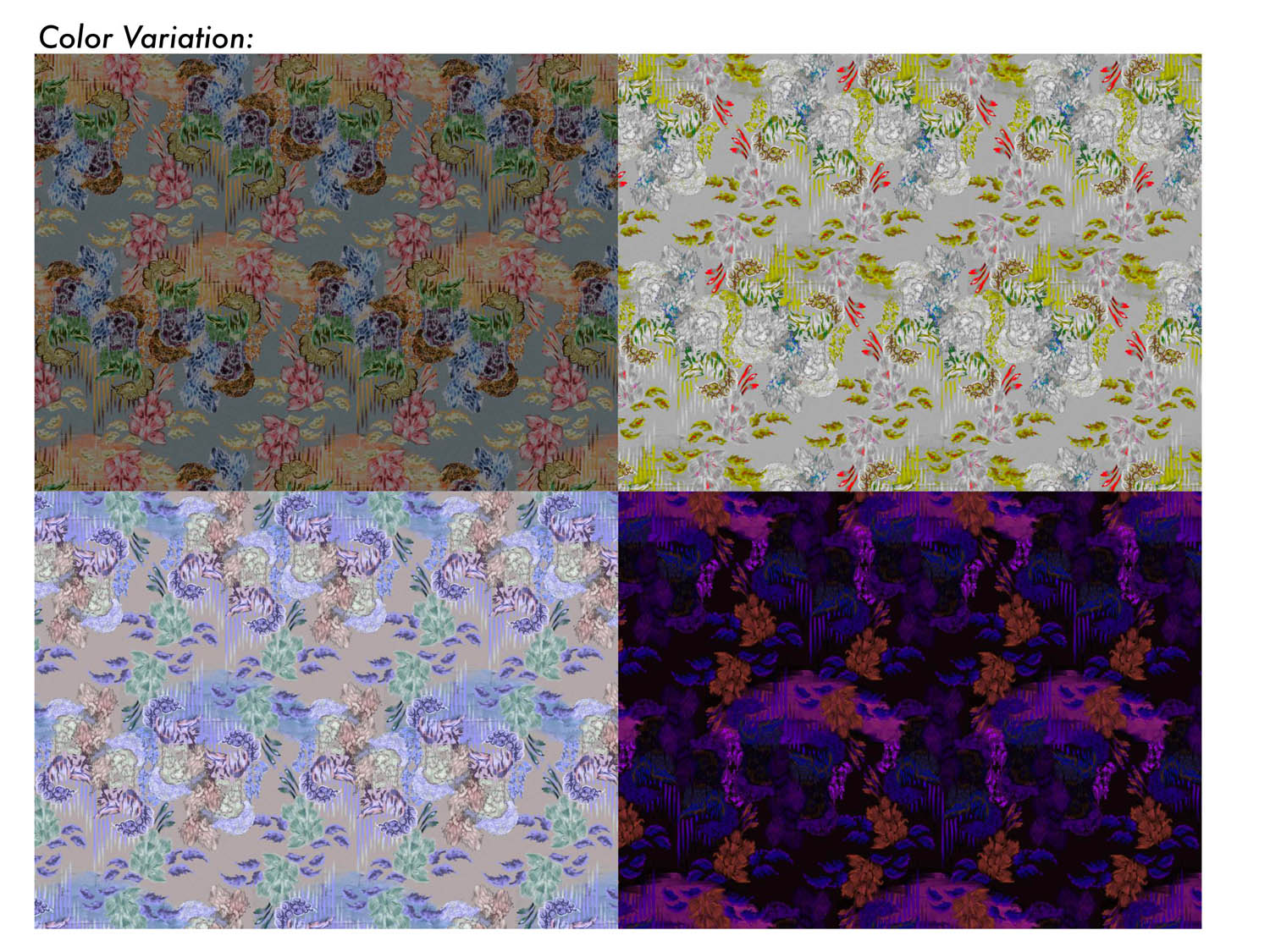
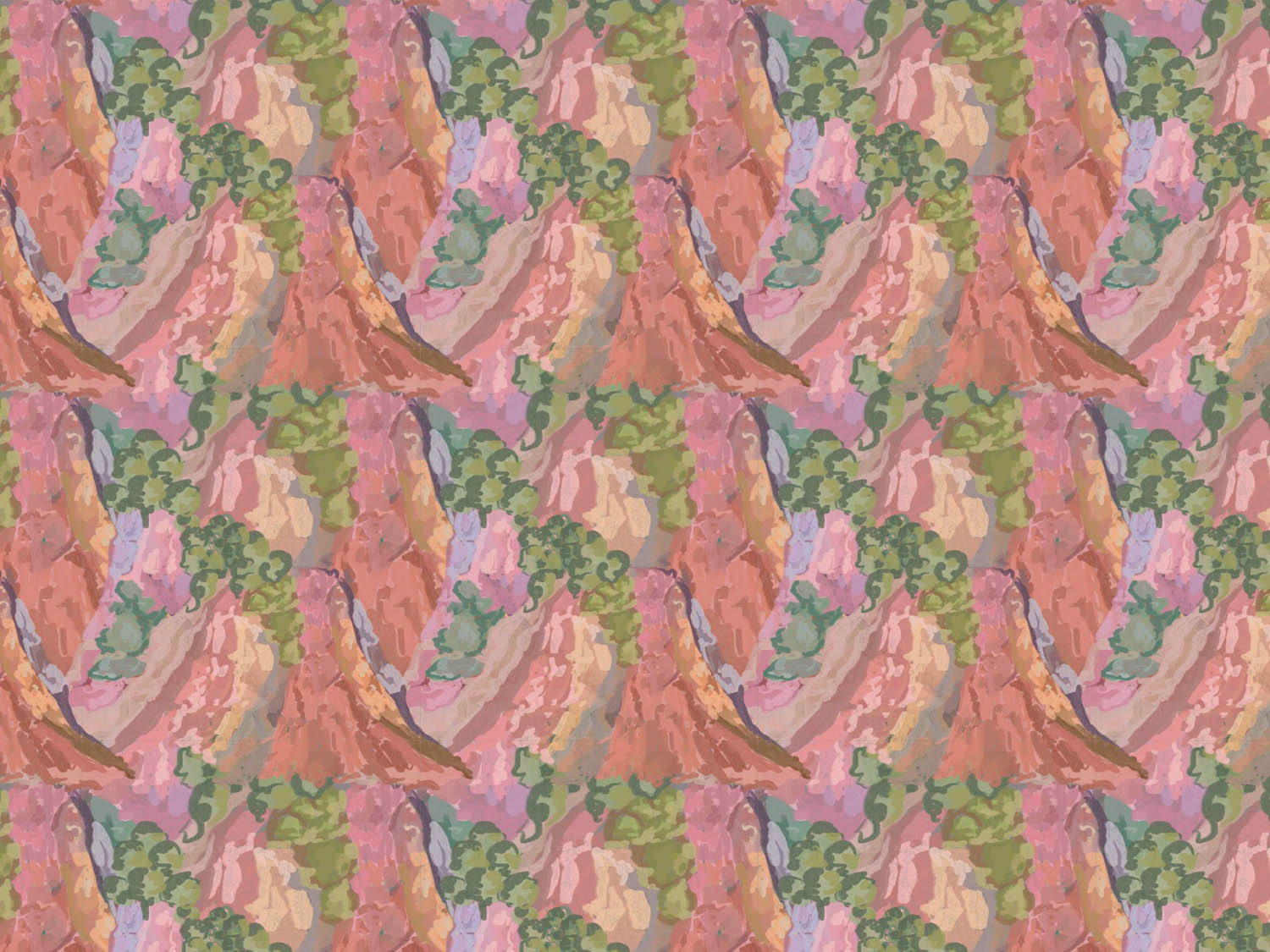
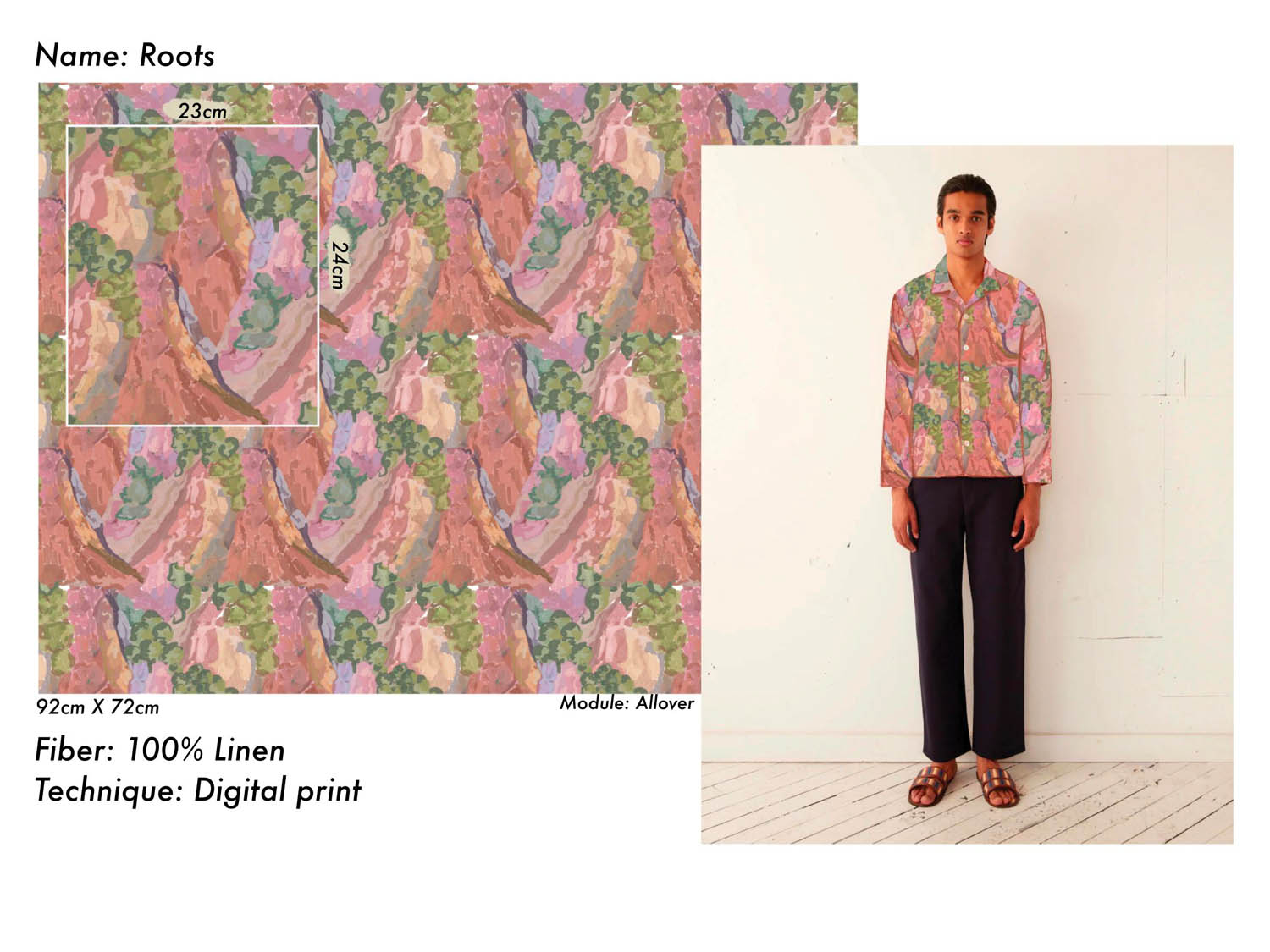
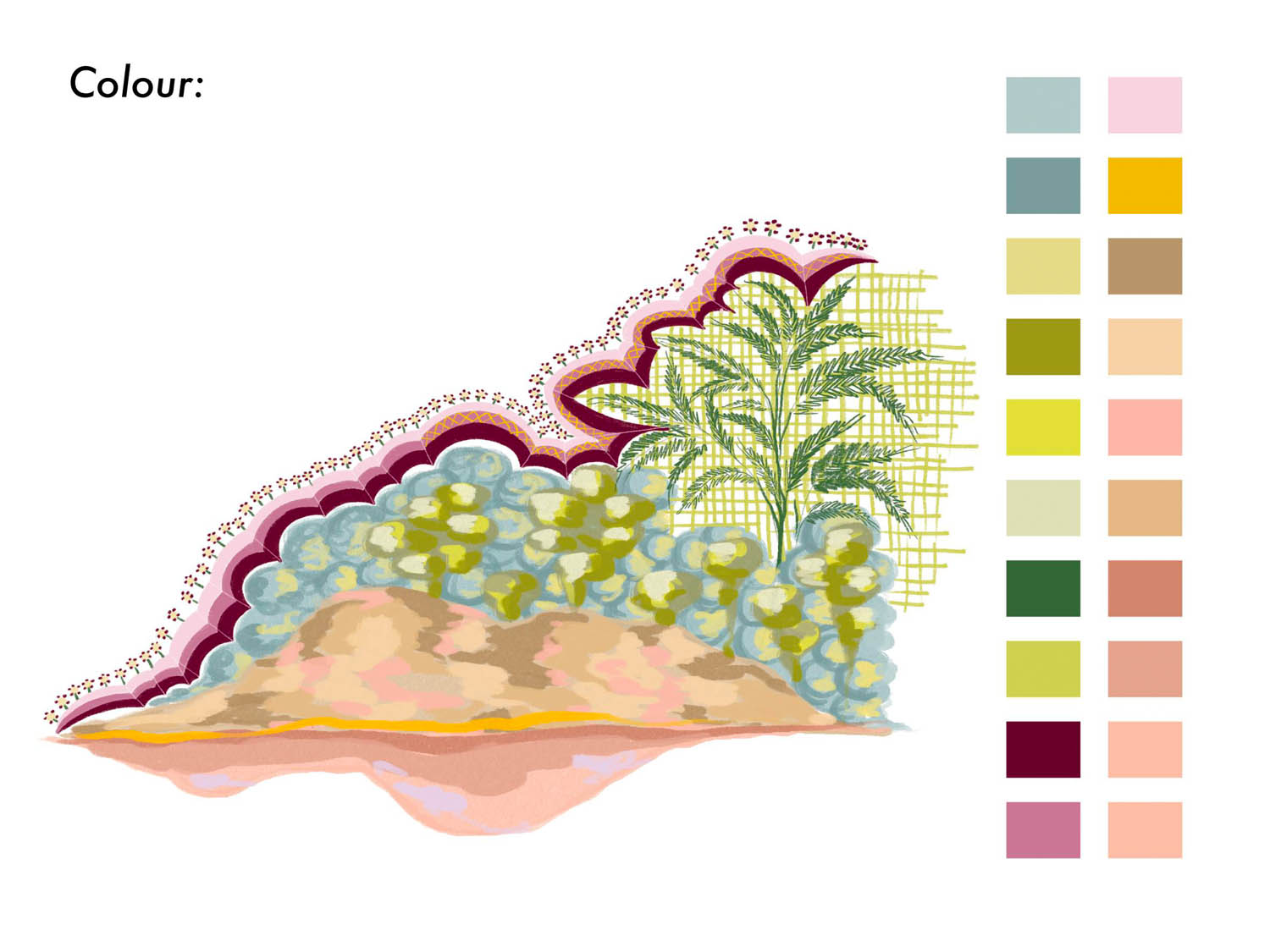
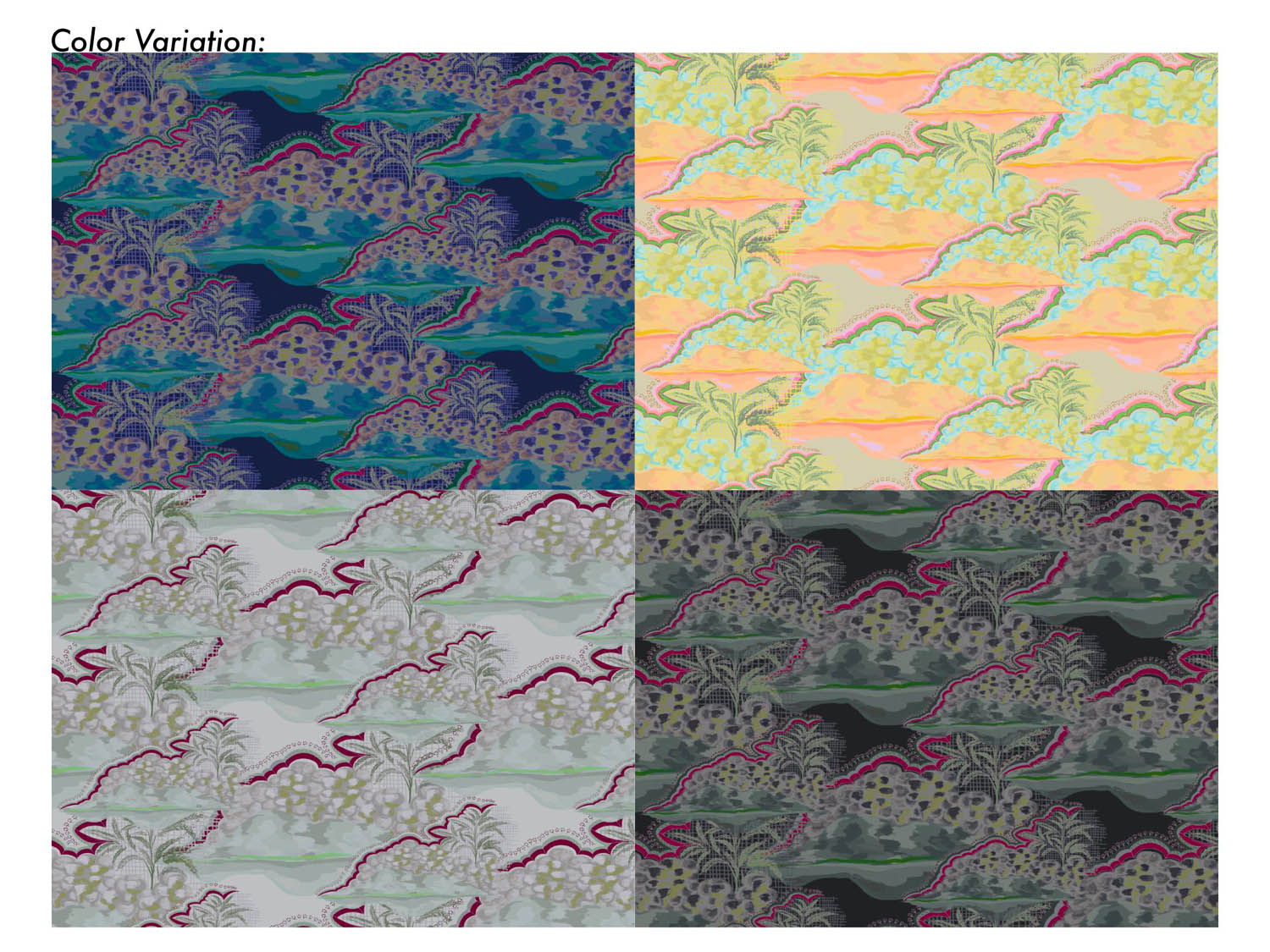
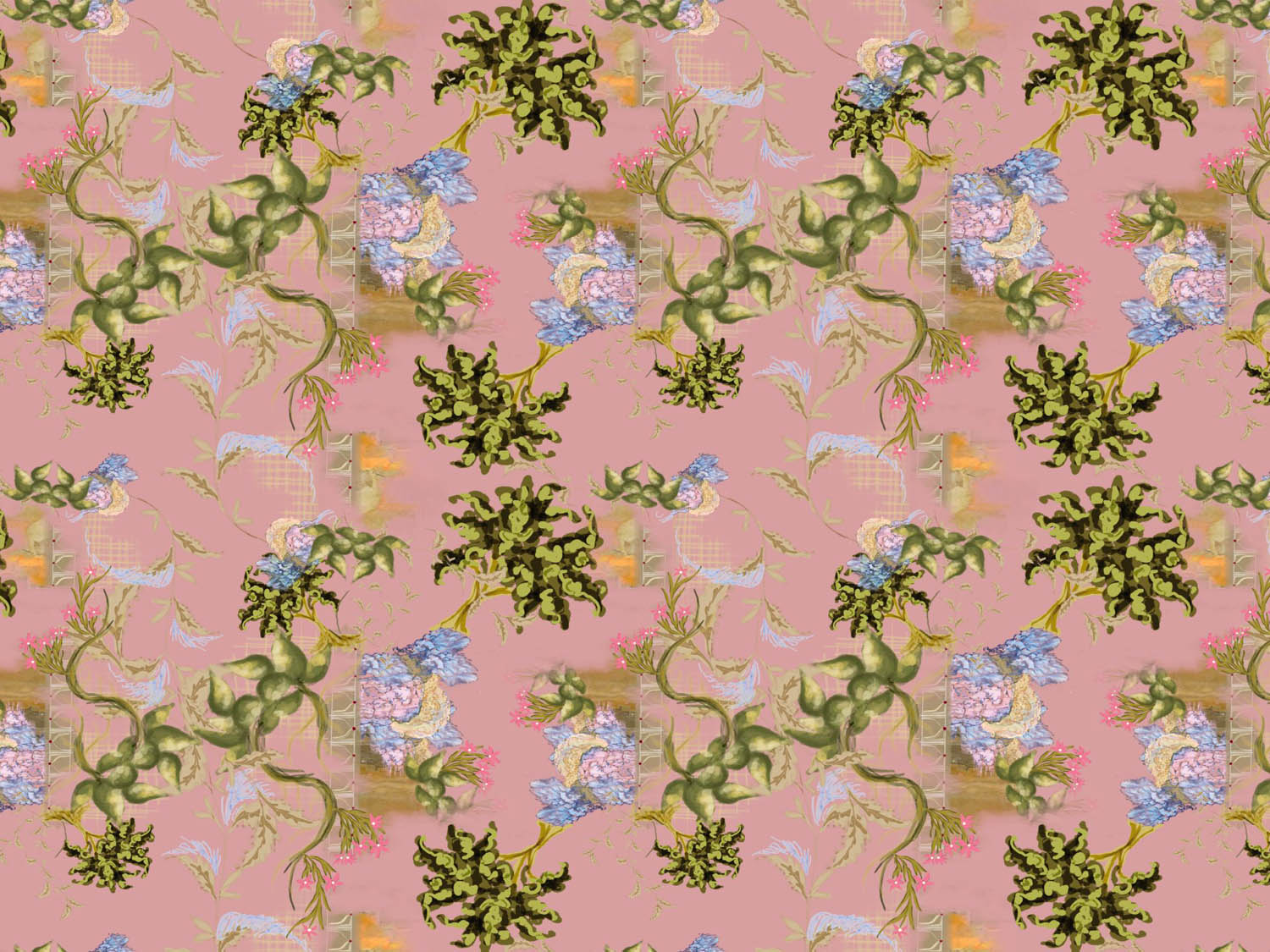
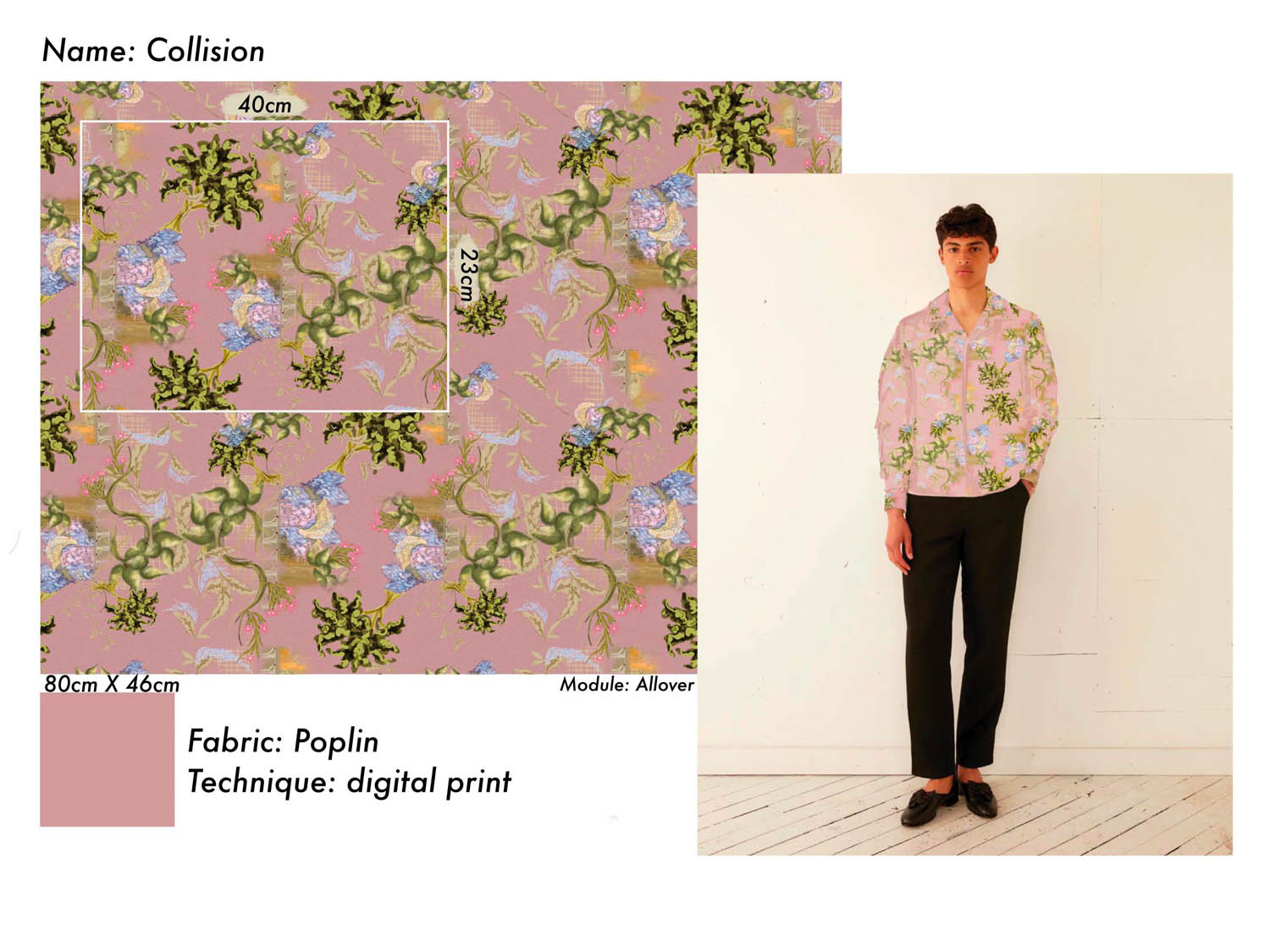
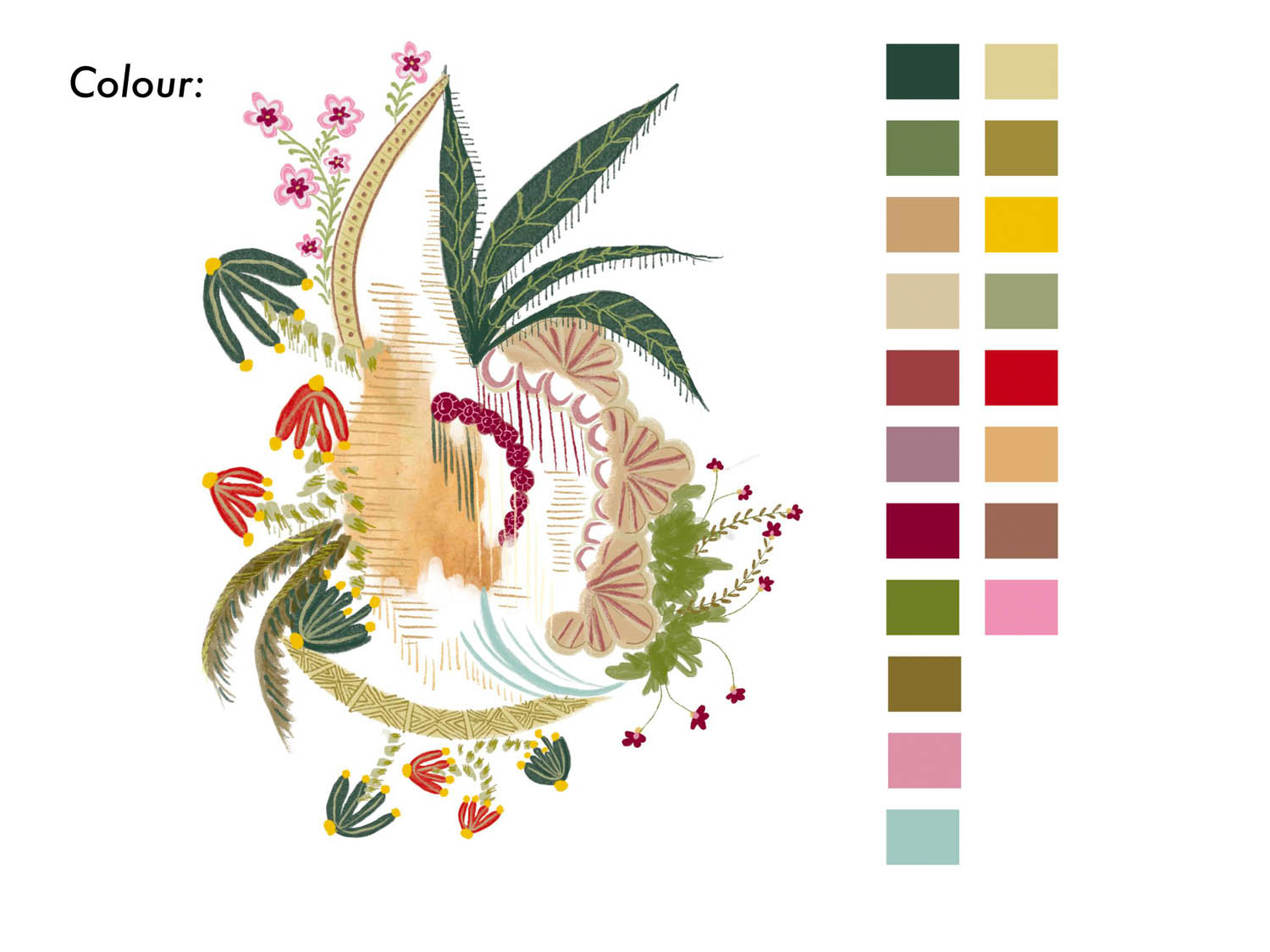
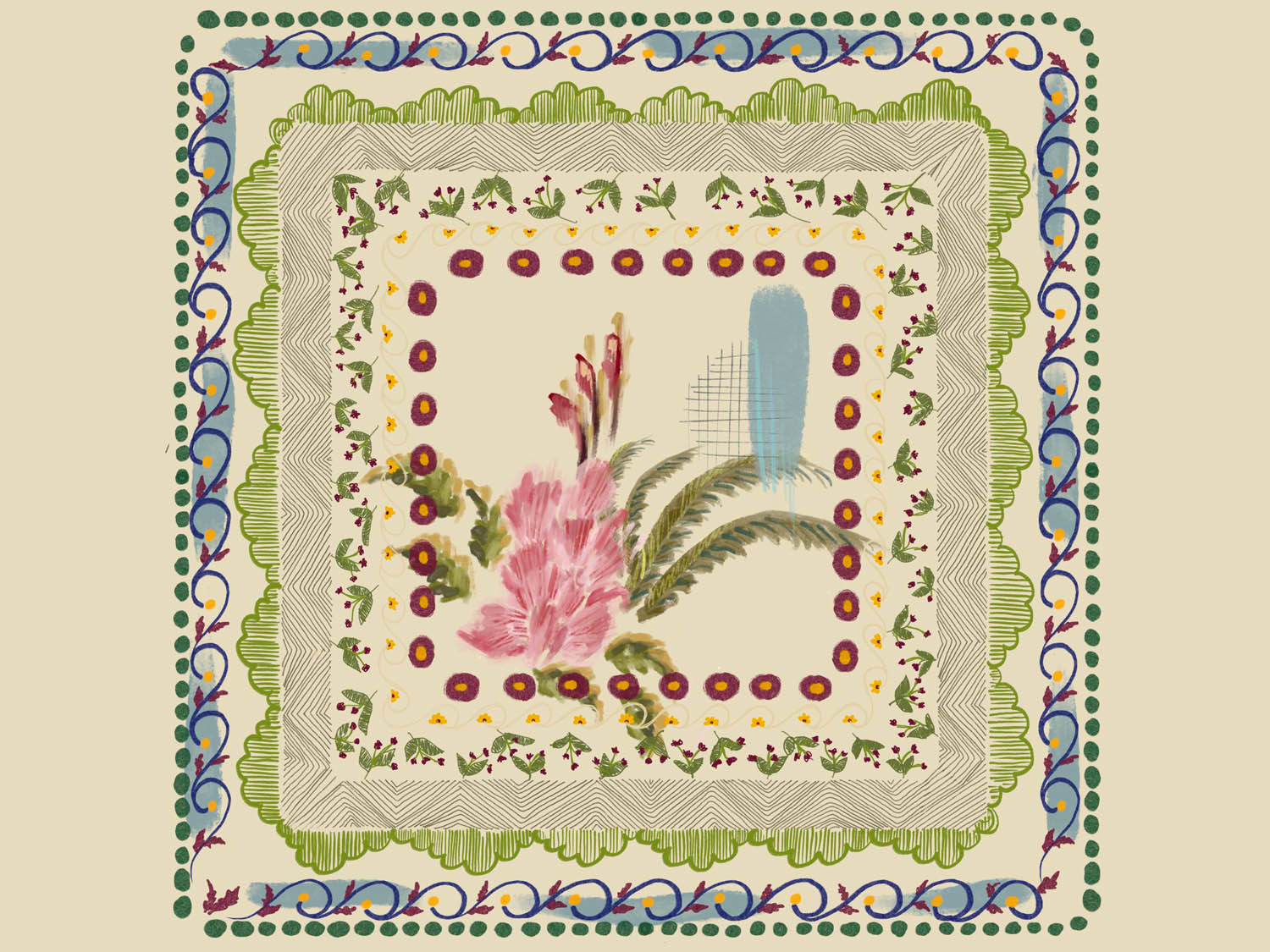
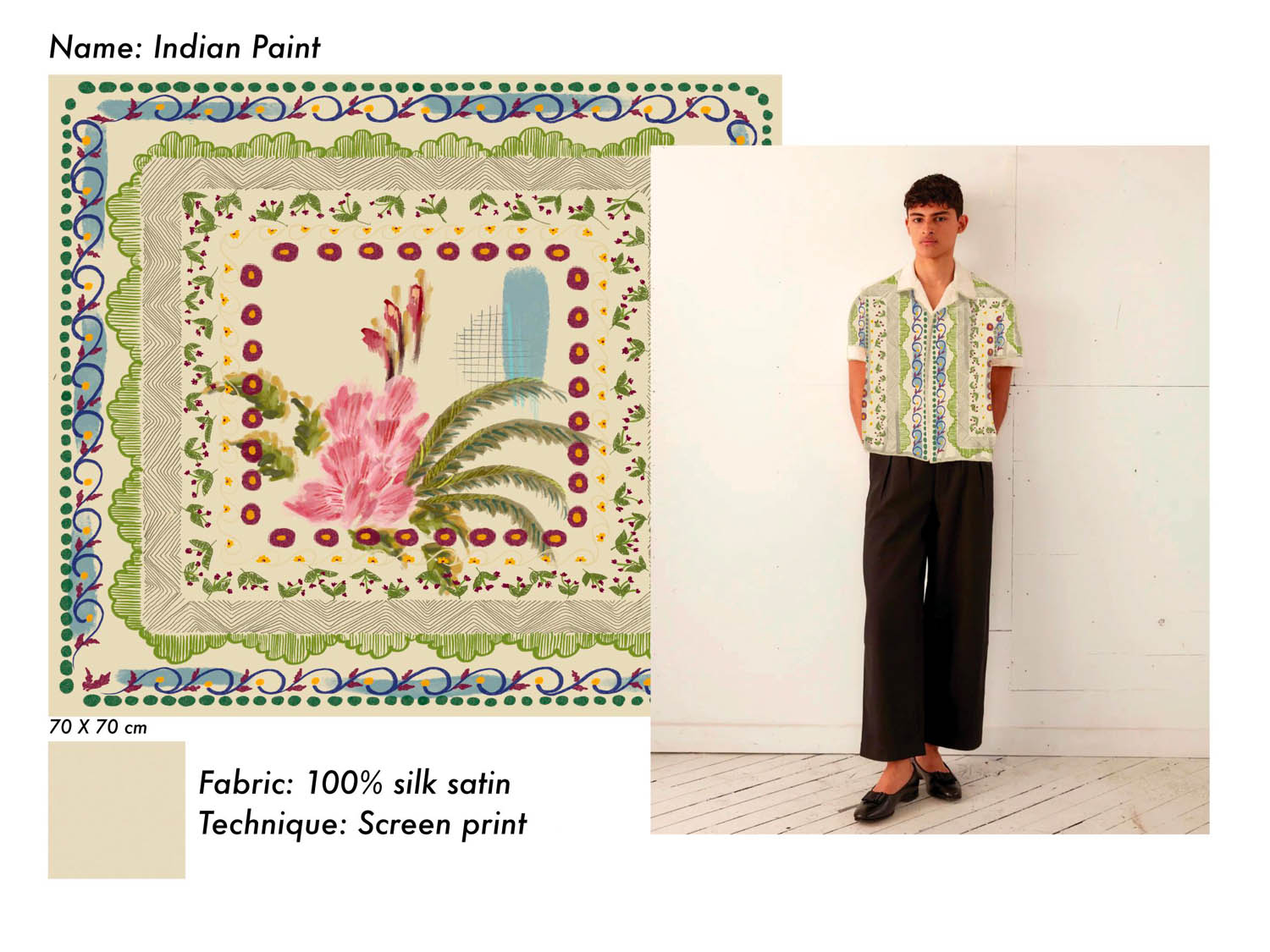
Designer’s note: When I read the suggestion about culture, the first thing that came to my mind was
India, as it is my ethnicity. While California plays an important role in my worldview and
in my perception as a designer. I wanted to combine both of these cultures and represent my journey
while staying true to my individual design process.

Mughal painting, Mughal also spelled Mogul, style of painting, limited mainly to book illustration and
to the production of individual miniatures, which developed in India during the reigns of the Mughal emperors (16th-18th
century). In its early stages it showed some debt to the Safavid school of Persian painting, but
it quickly moved away from Persian ideals. Probably the earliest example of Mughal painting is the tale
popular illustrated Tuti-nameh (“Tales of a Parrot”) at the Cleveland (Ohio) Museum of Art.
Mughal painting was essentially a court art; it developed under the patronage of the ruling Mughal emperors
power and began to decline when the rulers lost interest. The subjects covered were generally
secular, consisting of illustrations of historical works and Persian and Indian literature, portraits of the emperor and
his court, studies of natural life and genre scenes.

Farrukh Beg: (flourished in the 17th century, India), outstanding Mughal painter, praised by the Indian Mughal emperor
Jahāngīr as “unrivaled in the age.”

A Kalmyk from Central Asia, Farrukh Beg first worked in Kabul (now in Afghanistan) under Mirzā
Hakīm, the half-brother of the Mughal emperor Akbar. After Hakīm’s death, Farrukh Beg joined the service of
Akbar (1585) in India. His early paintings are strongly Persian in character, and he continued to be a painter
conservative, without changing his style considerably in the new environment. His landscape features
particularly distinct make his works easily recognizable..

Shooting
Moodboard
Lineup & Sketches