Industry project: PIZVAL
Illusion Antique
Per rispondere alla domanda di Ratti sull’illusione ottica, mi sono concentrato sulla definizione della parola:
“qualcosa che inganna l’occhio apparendo diverso da quello che è”. ”
Tutti noi indossiamo abiti, che hanno lo scopo di proteggere, di coprire per pudore, per convinzione o in modo utilitaristico di fronte alla pioggia e al sole. Ma sotto questi abiti, possiamo indovinare i corpi. Questa percezione universale è un puro fatto di natura umana. Abbiamo un corpo umano, certamente diverso da individuo a individuo, ma che funziona globalmente allo stesso modo.
Voglio concentrarmi su questo punto, il corpo e la sua percezione. Per alcuni è solo un modo di vivere, di esistere, di lavorare, per altri il suo aspetto è essenziale, alcuni lo modificano, lo abbelliscono, lo imbruttiscono, lo coprono, lo denudano. Insomma, tante percezioni diverse quanti corpi diversi convivono su questa terra. Ma questa ricerca estetica, questa percezione dei corpi è anche legata al gruppo sociale, ai tempi e alla localizzazione di questi corpi. Il corpo della donna non è mai stato così politicizzato e marcatore di differenze sociali ed economiche (indossare il velo, accesso alle cure mediche e alla chirurgia estetica, nudismo). Per quanto riguarda gli uomini, è la virilità che impone le sue regole, il corpo atletico e l’emozione leggera. È questo che confina e confronta gli uomini.
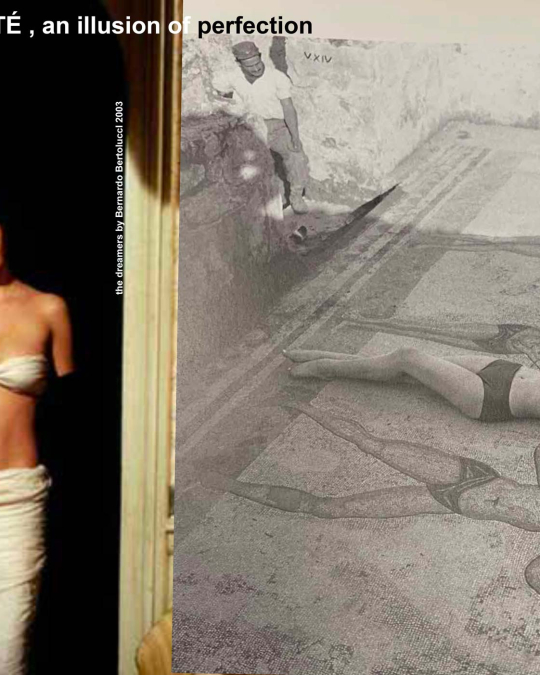
Focalizzo la mia ricerca su un periodo che ha ancora un enorme impatto sulla nostra visione del corpo perfetto, l’antichità… Tutti abbiamo in mente un David di Michel-Angelo o una Venere di Botticelli. Ho voluto giocare con questi corpi perfetti, quasi irrealistici, che ancora oggi affascinano. Per molto tempo le curve voluttuose delle donne e i muscoli degli uomini sono stati il fine ultimo della bellezza. Ma oggi l’estetica del corpo comprende molti altri fattori. Il confine di genere non è più chiaramente definito, il corpo positivo spinge all’accettazione di sé e degli altri. La libertà del corpo, insomma.
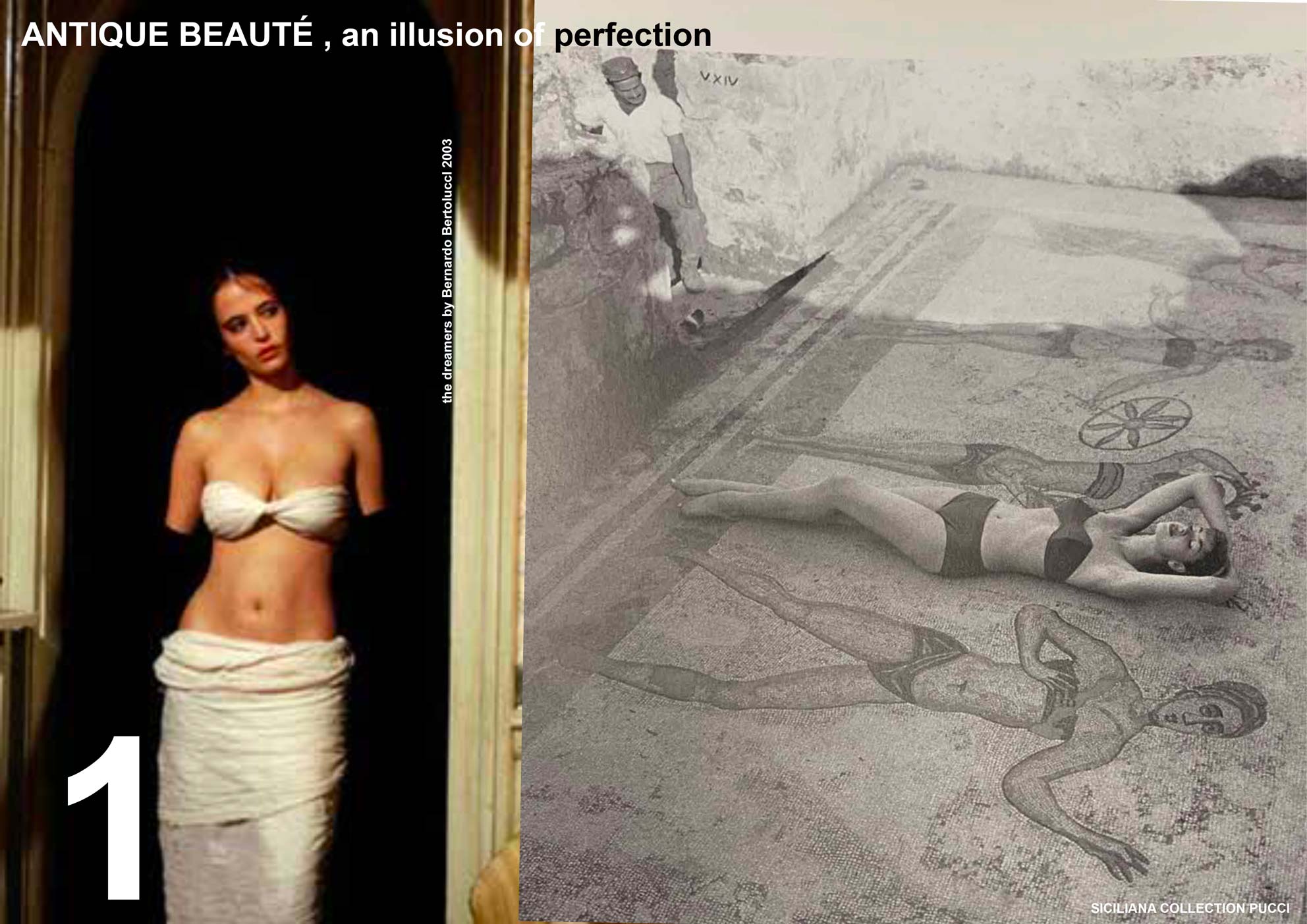
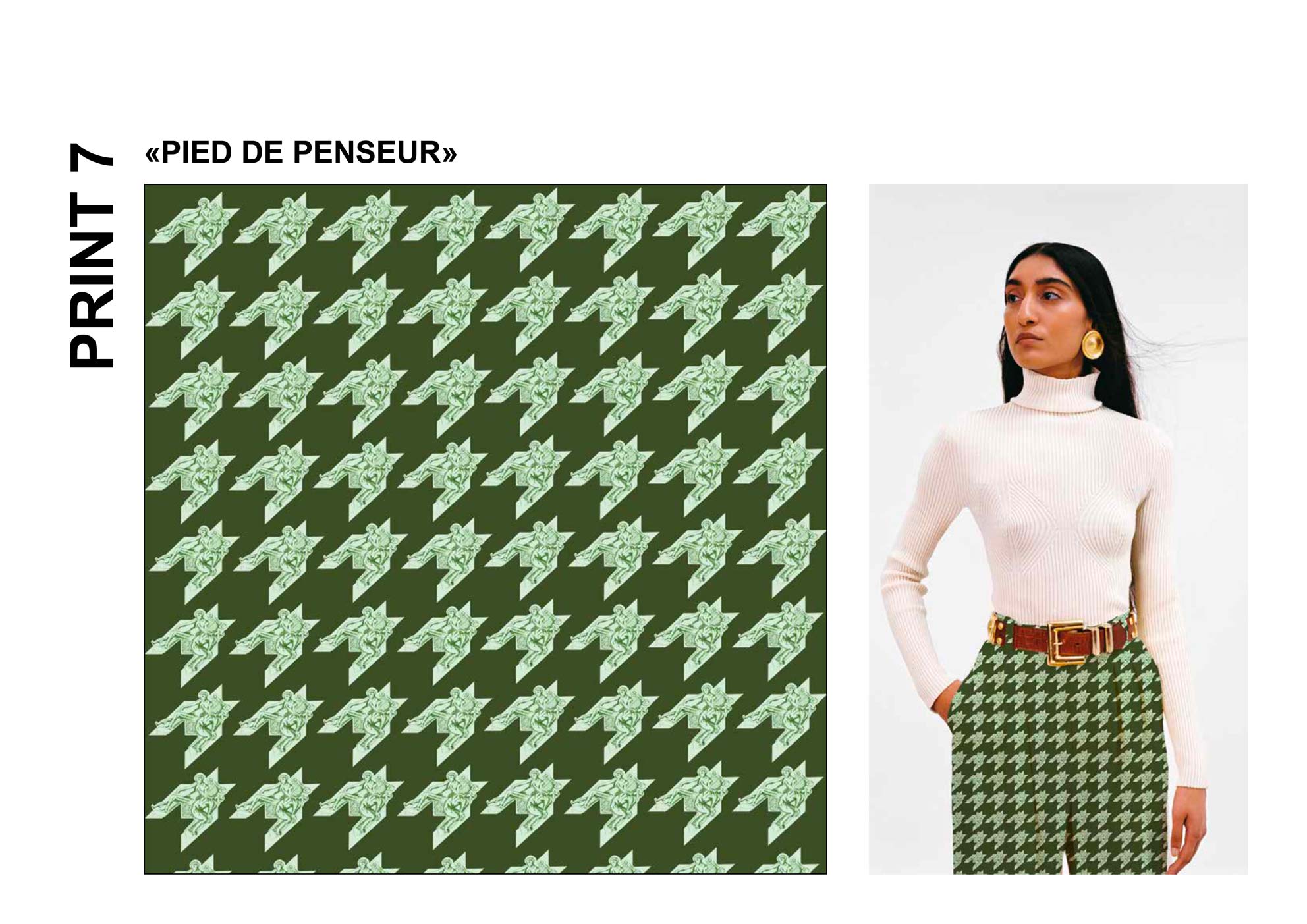
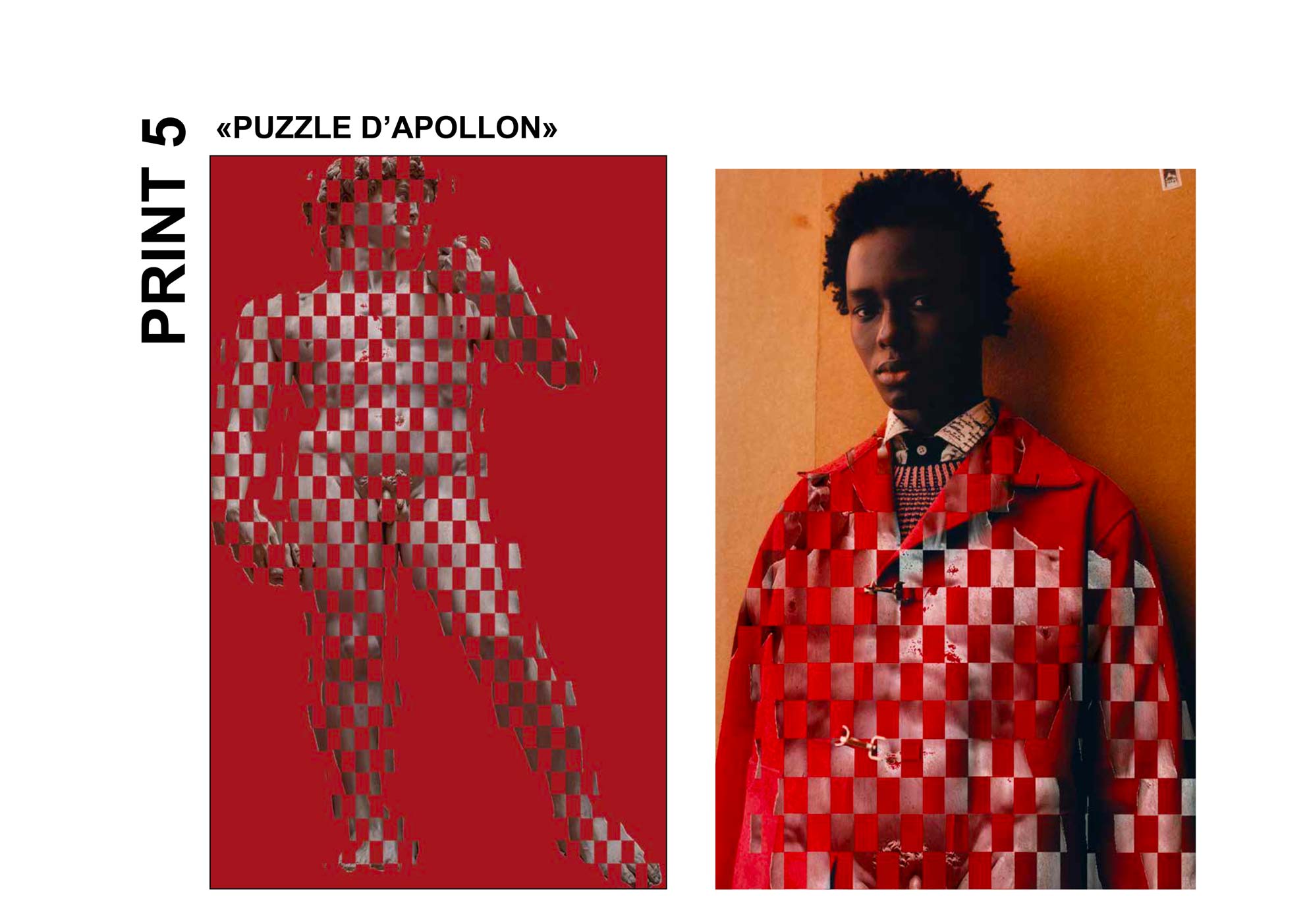
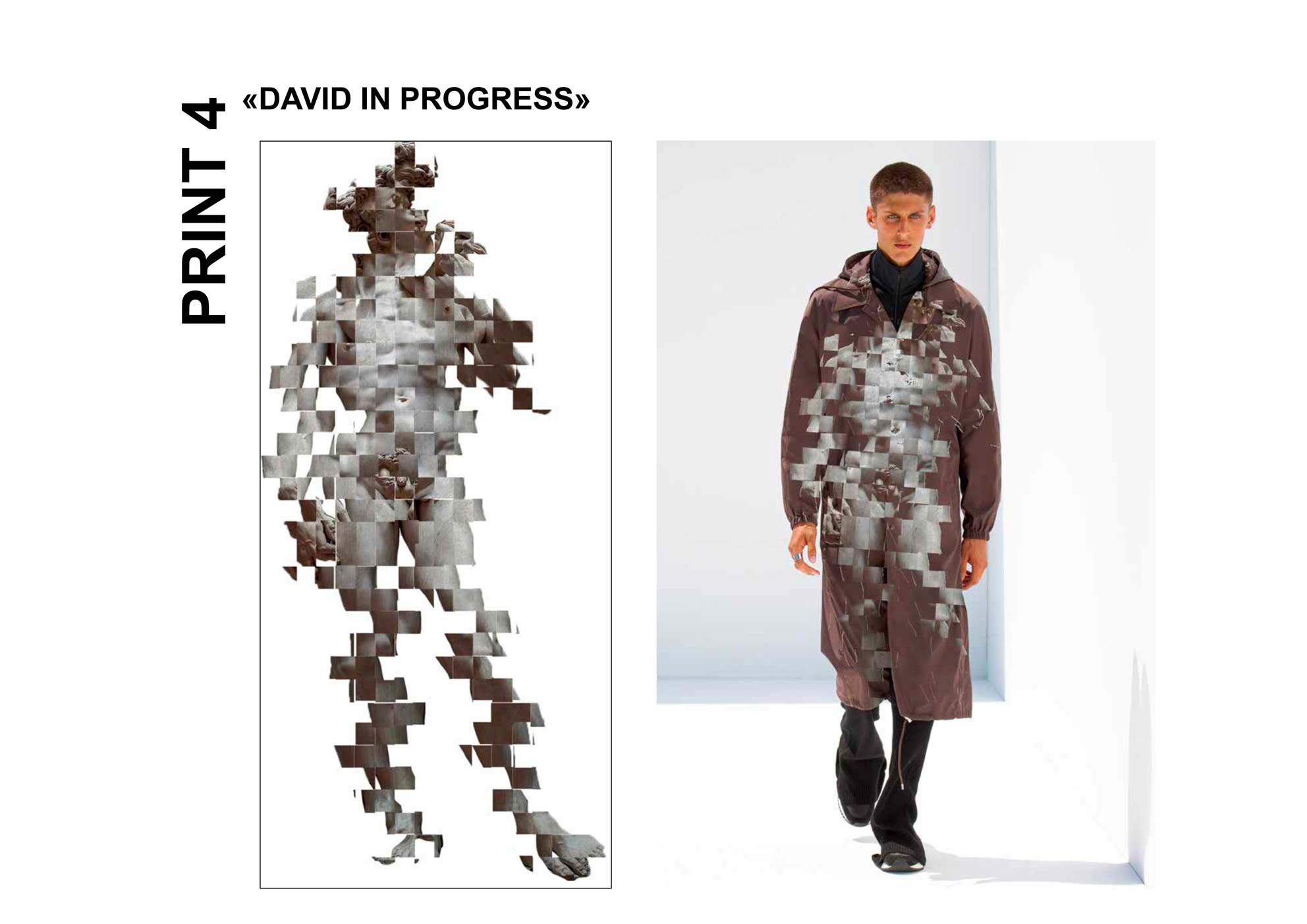
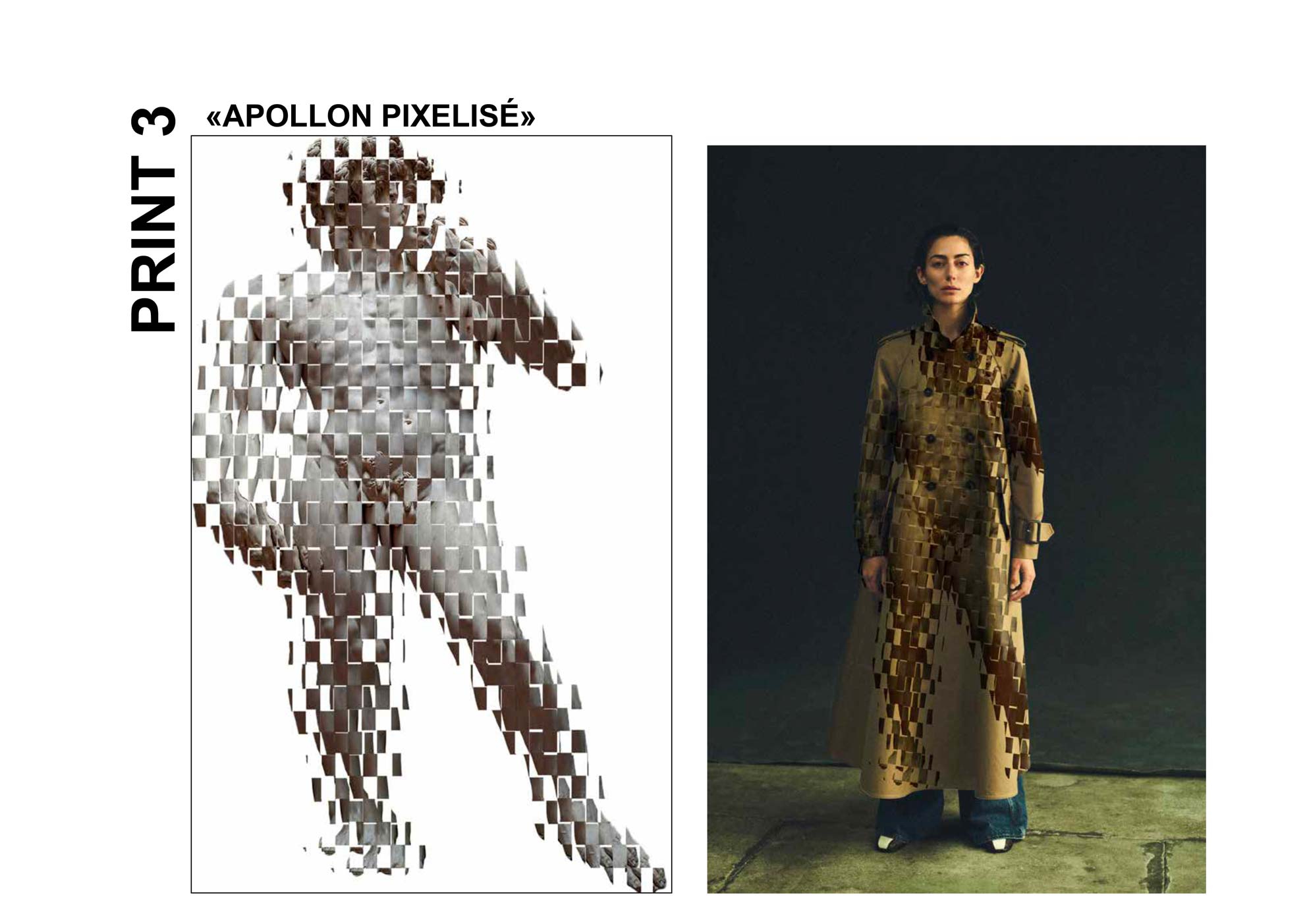
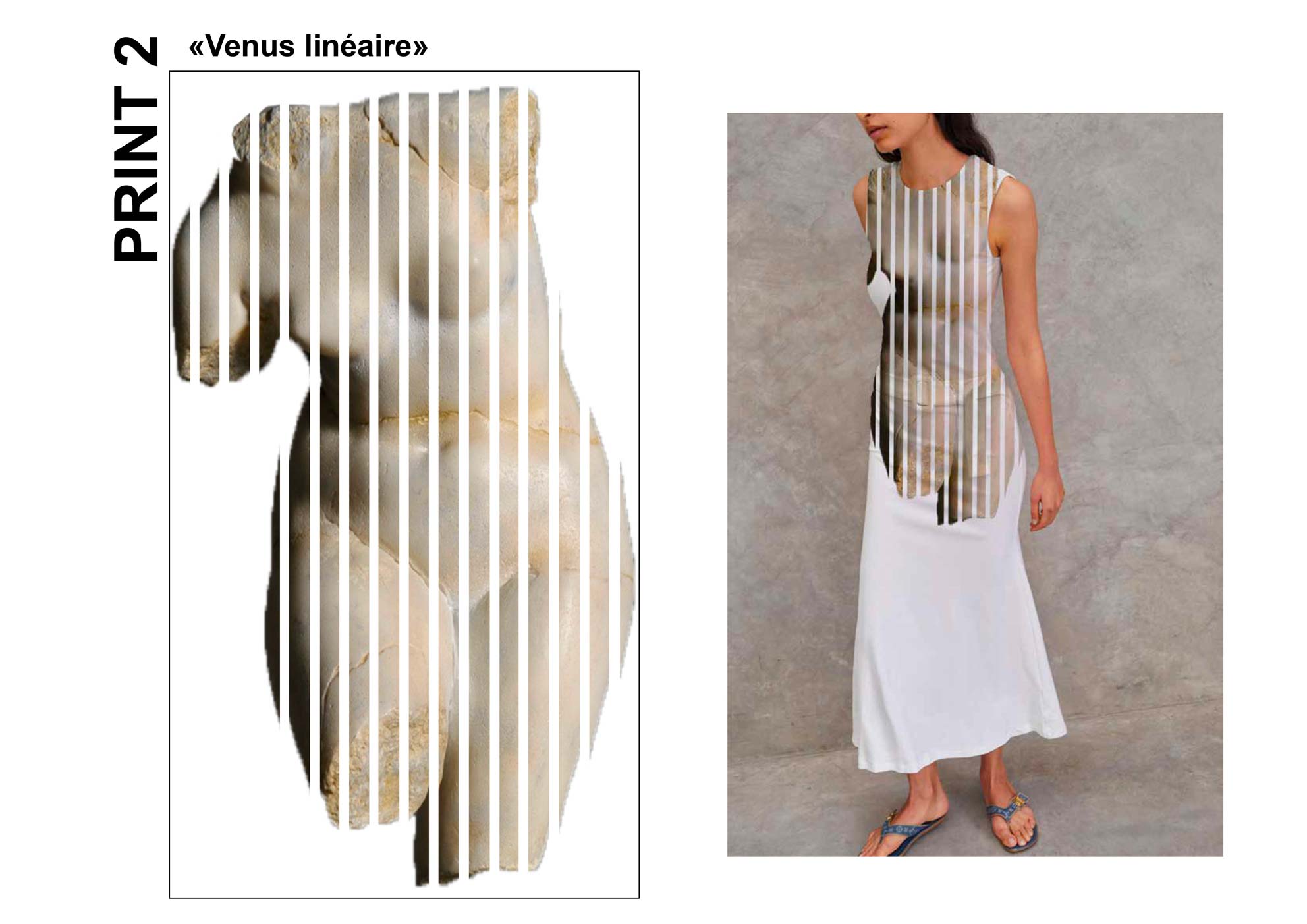
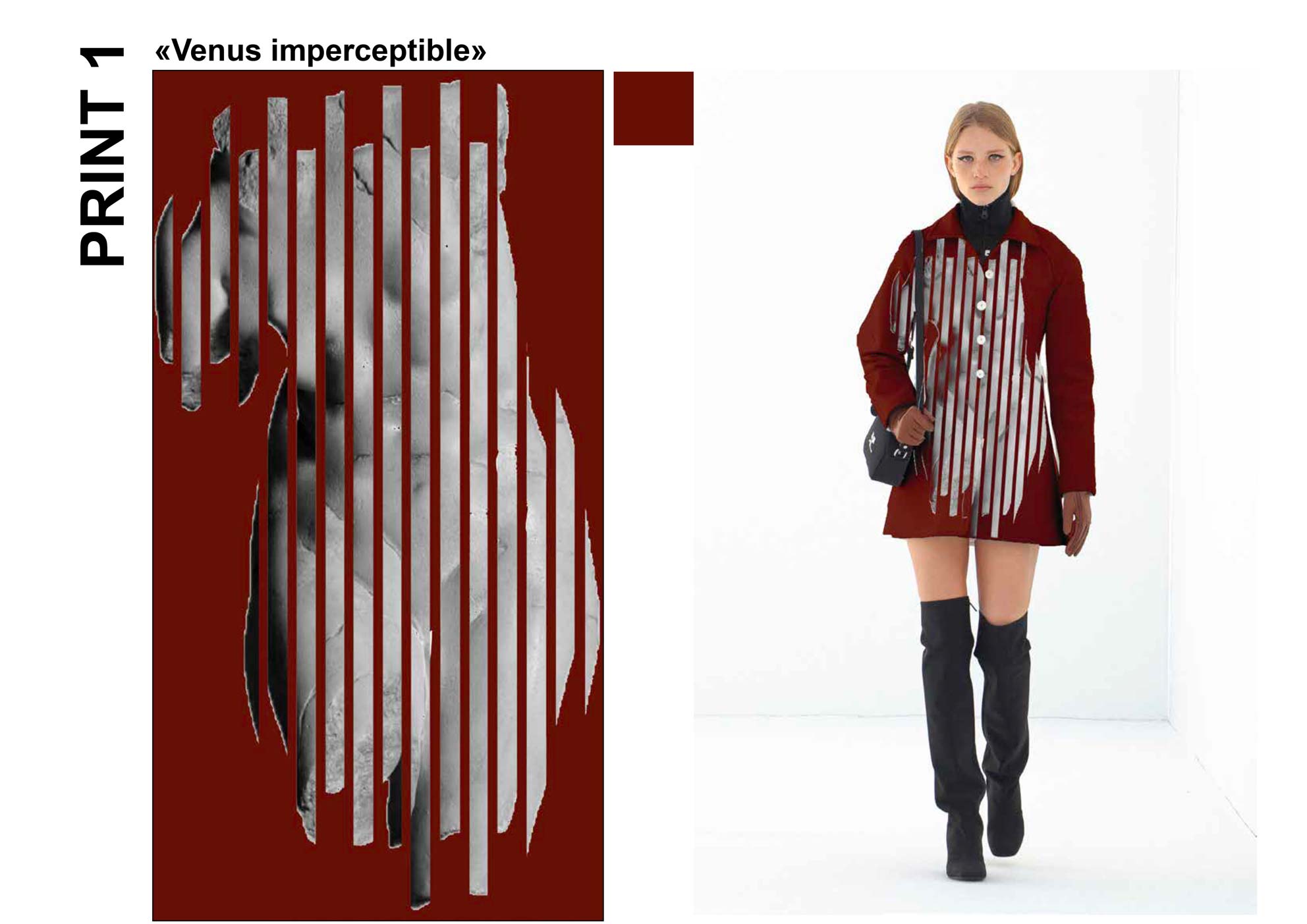
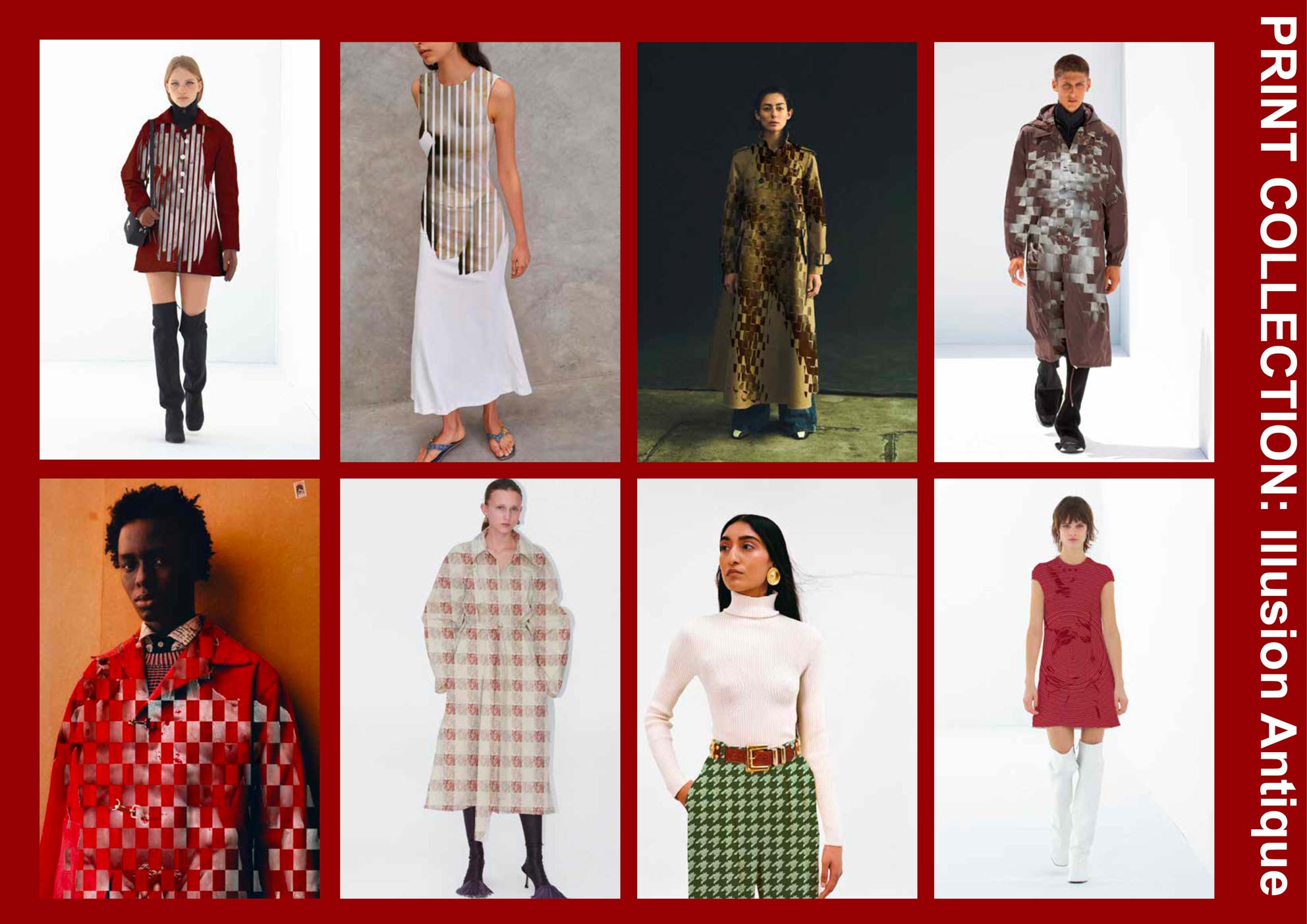
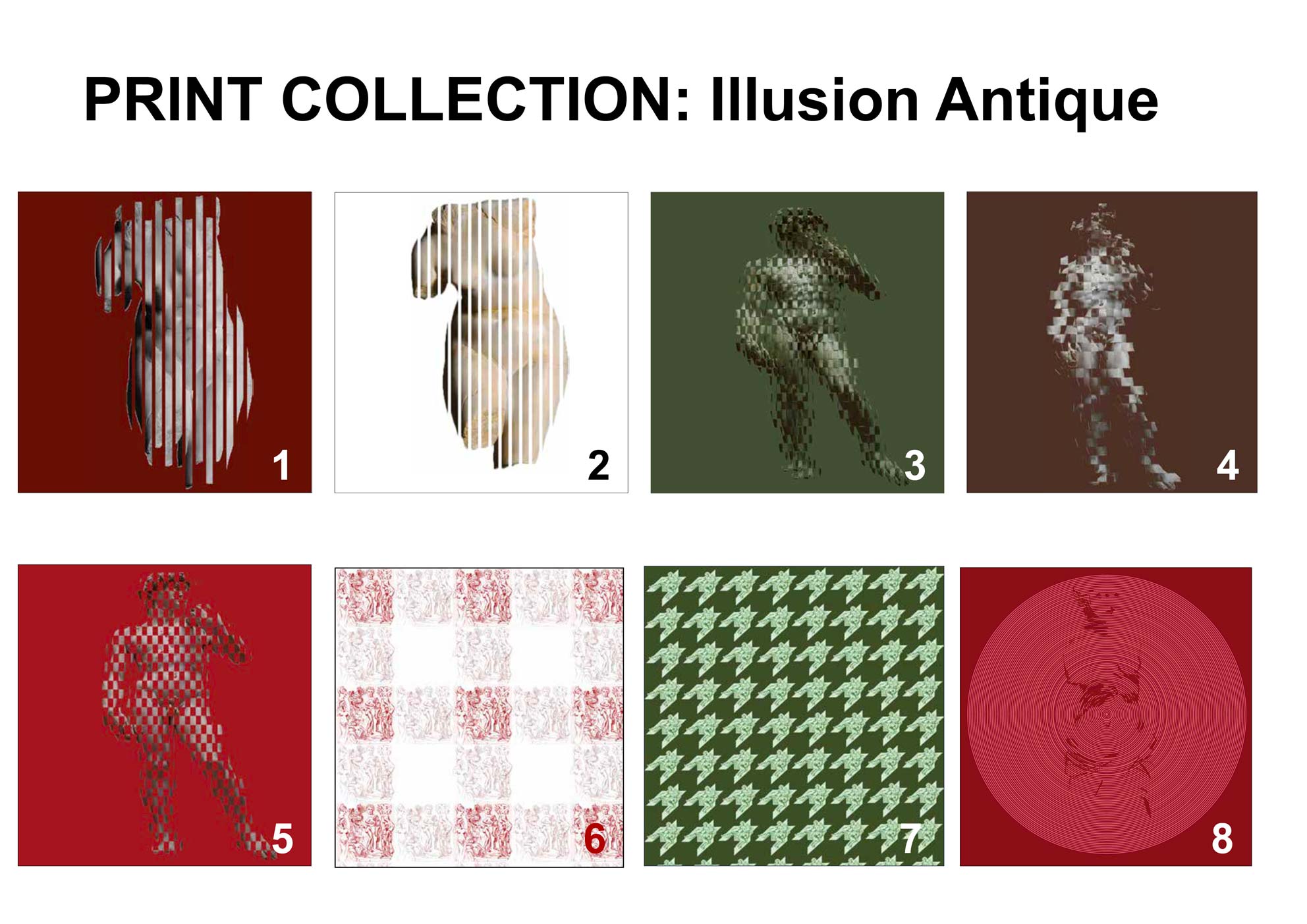
Ho voluto giocare con i principi di Magritte, proponendo un corpo su un corpo, ma che non è un corpo di bobina. Ho voluto distorcere, giocare e pixelare queste immagini di antichi dei per dare vita alla grande illusione della bellezza. Il corpo perde la sua utilità primaria per una funzione ornamentale ed estetica. Ho voluto creare una collezione di corpi che vestissero il corpo, mettendo in discussione la nostra percezione degli altri e il nostro giudizio.
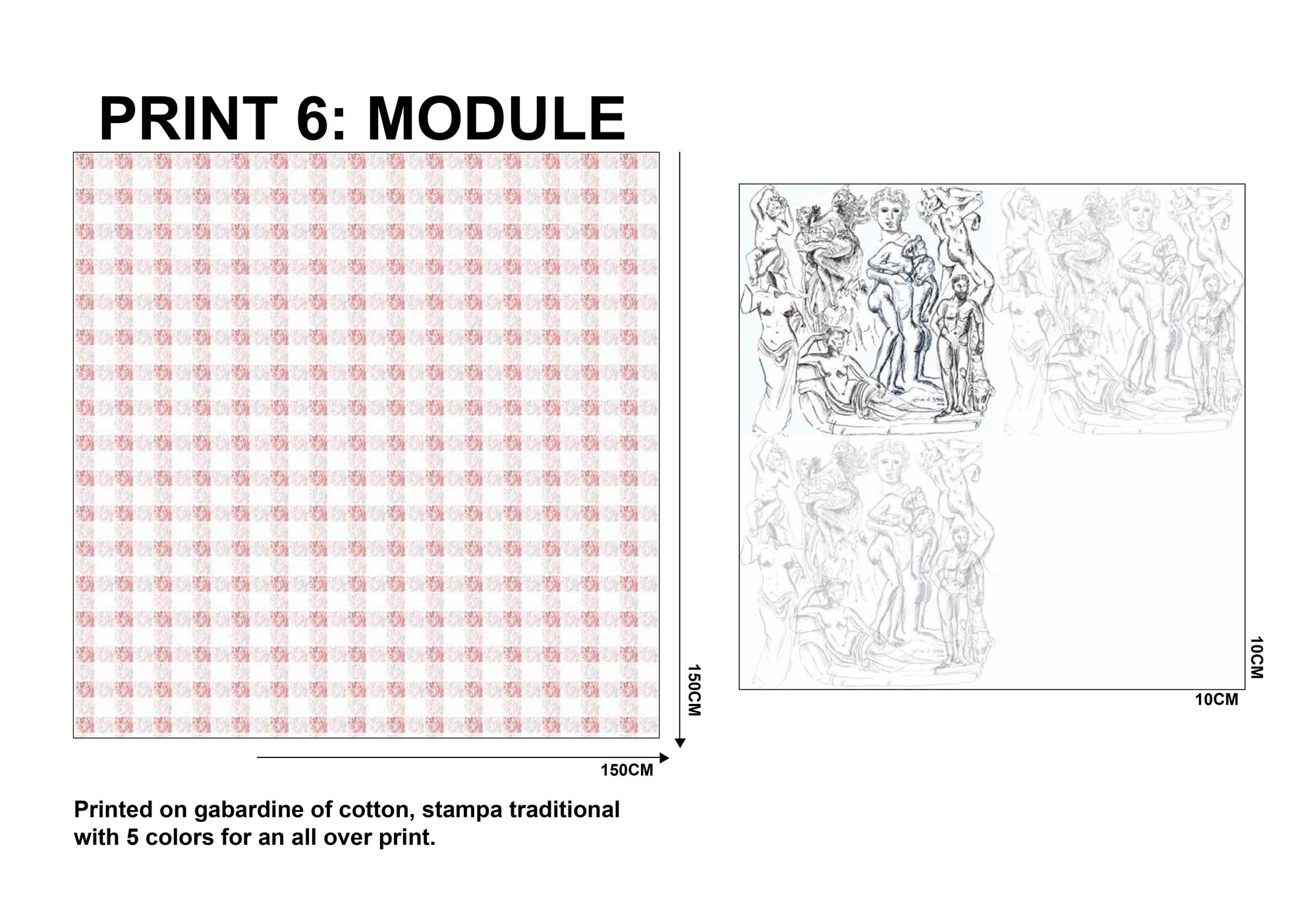
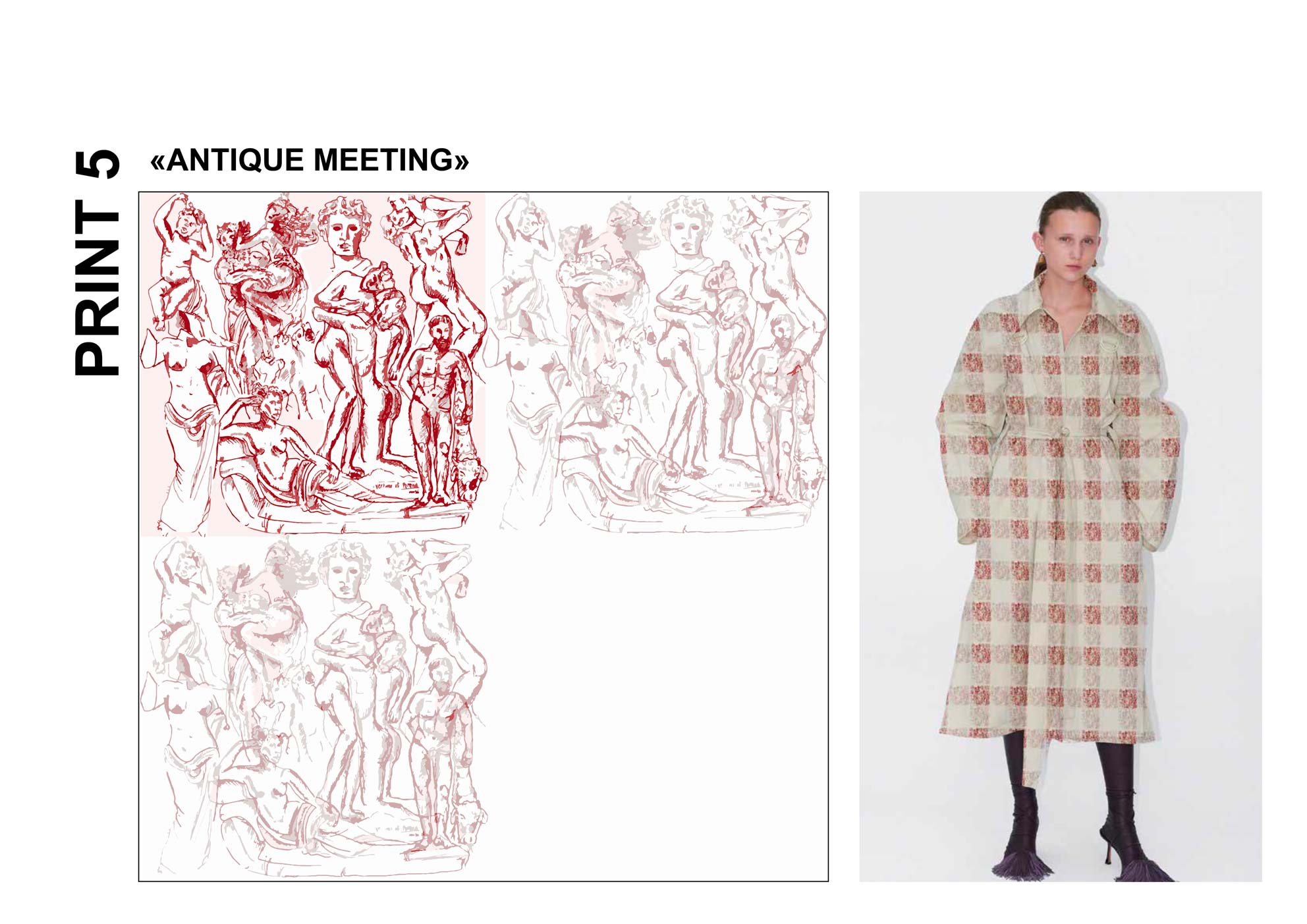
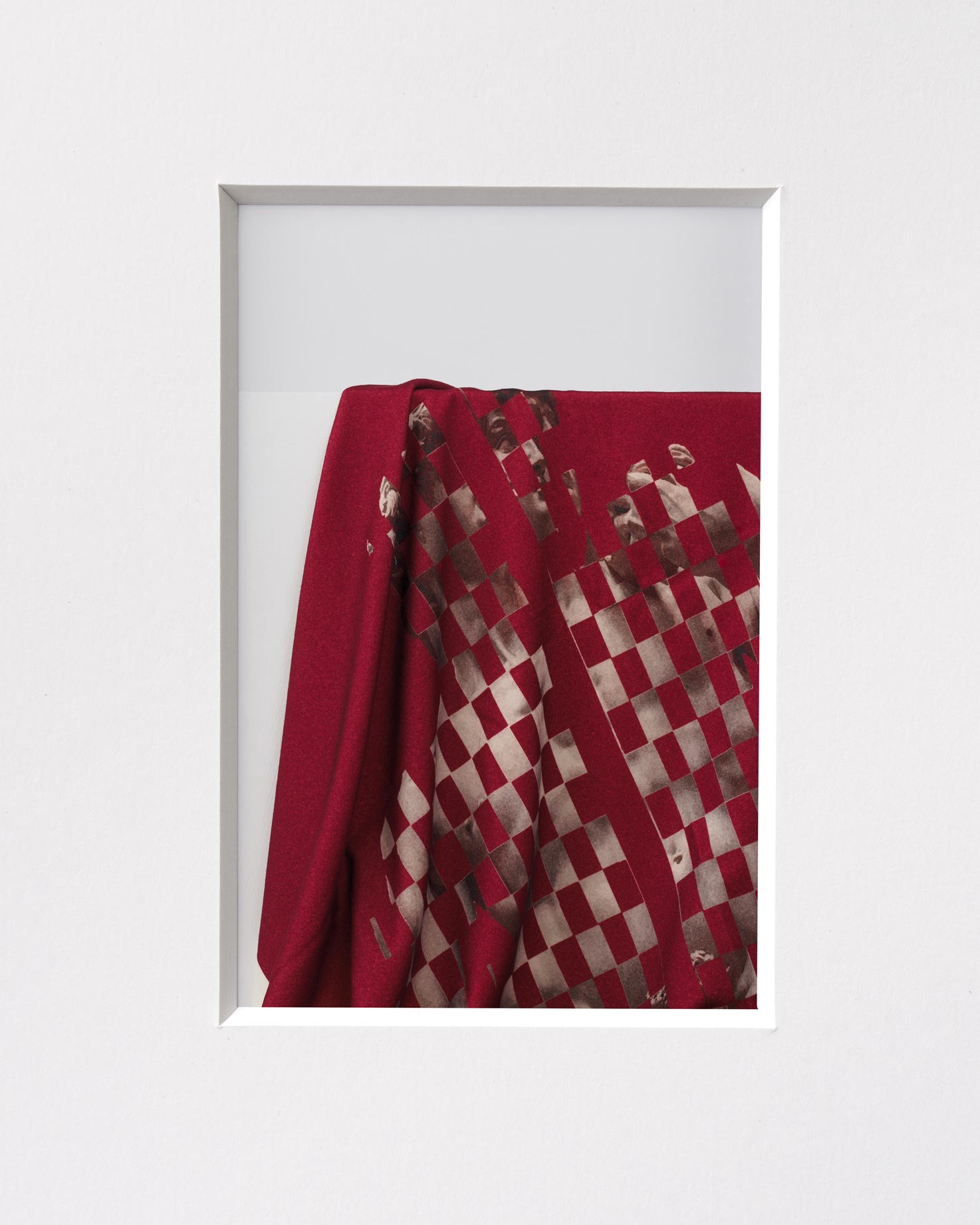
In questa collezione, il corpo è indovinato, deformato e pixelato. Volevo anche giocare con la percezione dei tessuti, dopo “THIS IS NOT MY BODY”, “THIS IS NOT A VICHY”. Con questa collezione ho voluto dimostrare che il modo in cui guardiamo gli altri è spesso leggibile in modi diversi. La percezione dei corpi varia negli altri e in sé stessi. Le statue greche e romane applicate sugli abiti diventano uno scudo e permettono di liberare il proprio corpo e di smettere di cercare l’illusione della percezione. Diventiamo tutti orgogliosi e liberi del nostro corpo.
To answer Ratti’s question about optical illusion, I focused on the definition of the word:
«something that deceives the eye by appearing to be other than it is. »
We all wear clothes, which aim to protect, to cover by modesty, conviction or in a utilitarian way in front of the rain and the sun. But underneath these clothes, we can guess the bodies. This universal perception is a pure fact of human nature. We have a human body, certainly which differs between each individual but which functions globally the same.
I want to focus on that point, the body and the perception of it. For some people it is only a way to live, to exist, to work, for others its appearance is essential, some modify it, beautify it, ugly it, cover it, denude it. In short, as many different perceptions as different bodies cohabit on this earth. But this research of aesthetics, this perception of the bodies is also bound to the social group, to the times and to the localization of these bodies.The woman’s body has never been so politicised and a marker of social and economic differences (wearing the veil, access to medical care and cosmetic surgery, nudism).As for the men, it is virility that imposes its rules, athletic body and light emotion. This is what confines and confronts humans.
I focus my research on a period that still has a huge impact on our vision of perfect bodies, antiquity… We all have in mind a David of Michel-Angelo or Botticelli’s Venus. I wanted to play with these perfect, almost unrealistic bodies that still fascinate today. For a long time the voluptuous curves of women and the muscles of men were the ultimate goal of beauty. But today the aesthetics of the body encompasses many other factors. The gender boundary is no longer clearly defined, the body positive that pushes for self-acceptance and acceptance of others. The freedom of the body, in short.
I wanted to play with Magritte’s principles, by proposing a body on a body but which is not a reel body. I wanted to distort, play with and pixelate these images of ancient gods to give birth to the great illusion of beauty.The body loses its primary utility for an ornamental and aesthetic function. I wanted to create a collection of bodies that would dress the body.Questioning our perception of others and our judgement.
In this collection, the body is guessed, deformed and pixelated. I also wanted to play with the perception of fabrics, after “THIS IS NOT MY BODY”, “THIS IS NOT A VICHY ». Through this collection I wanted to prove that the way we look at others is often readable in different ways. The perception of bodies varies in others and in oneself. The Greek and Roman statues applied on the clothing become a shield and allow to free one’s body and to stop looking for the illusion of perception. Let us all become proud and free of our bodies.
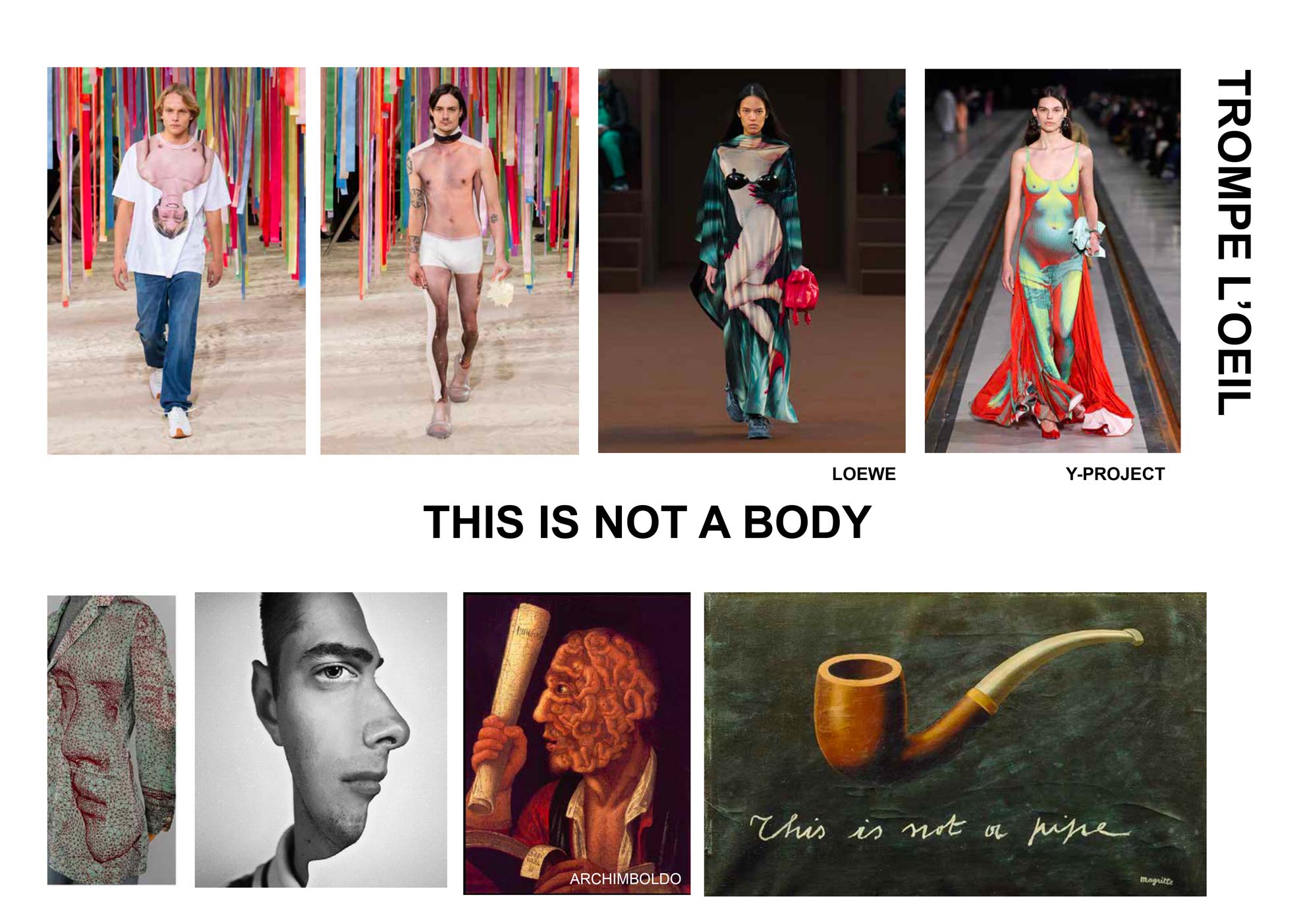
- Moodboard
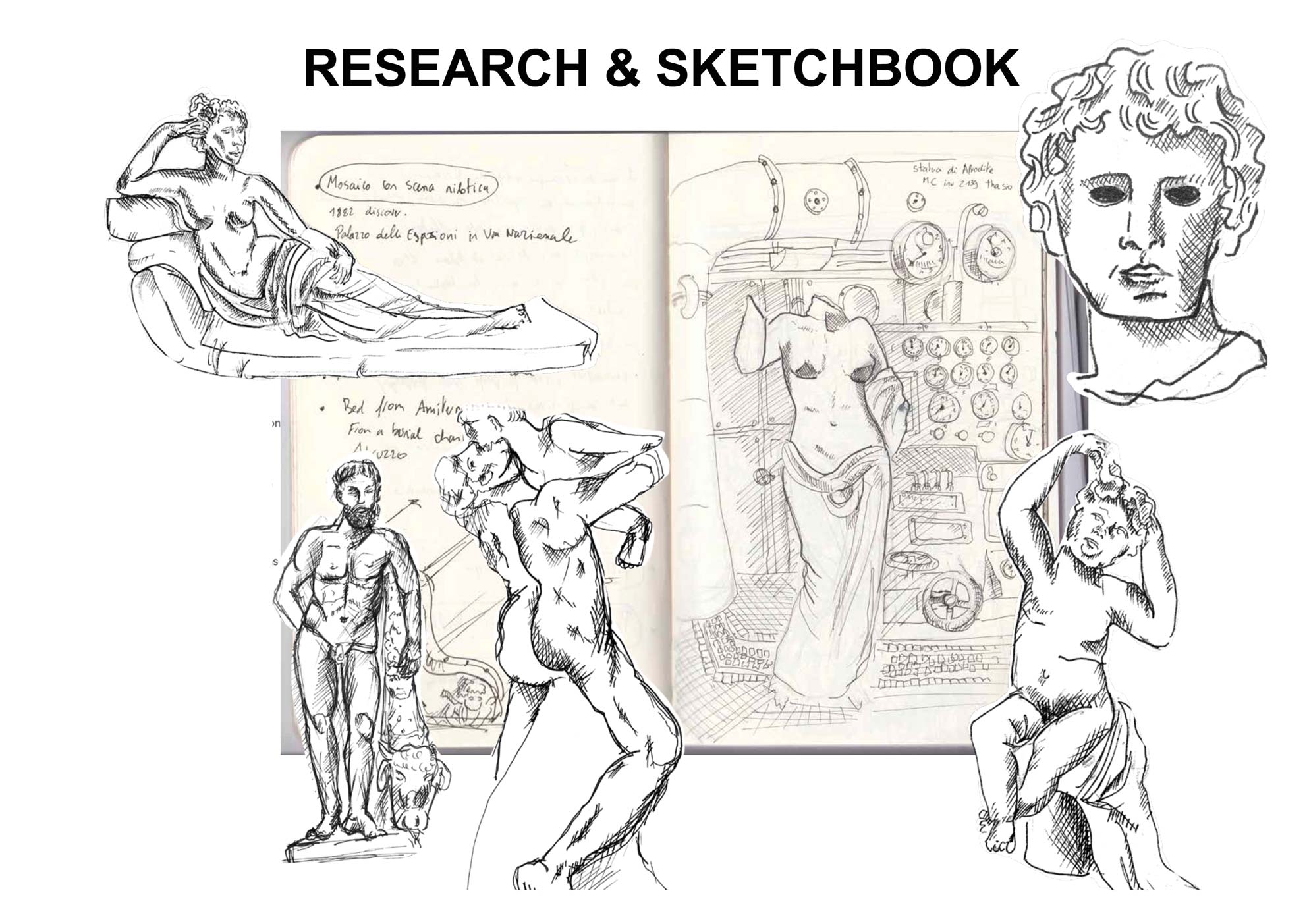
- Sketches
- Line up
- Catwalk