Intertwined Souls
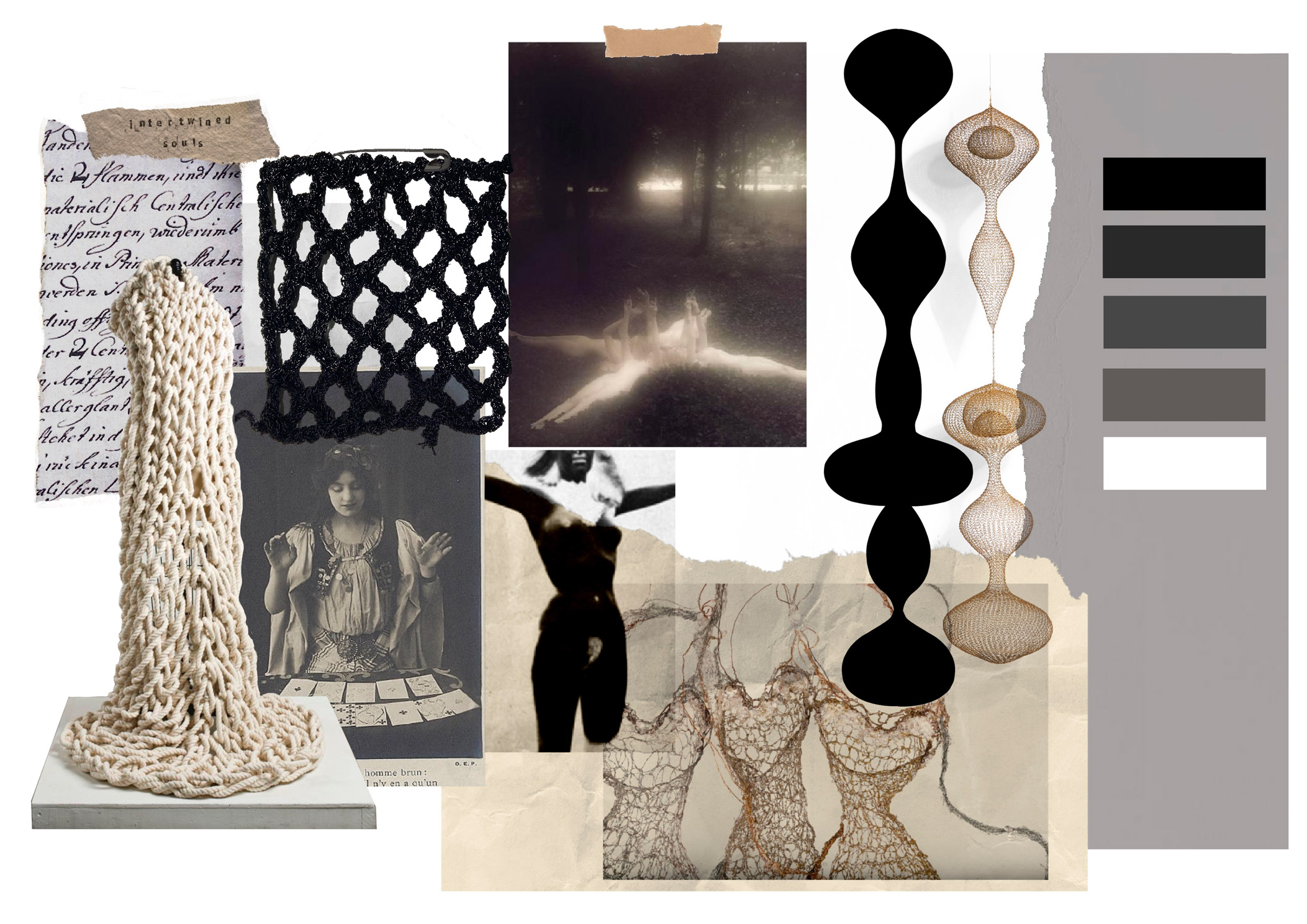
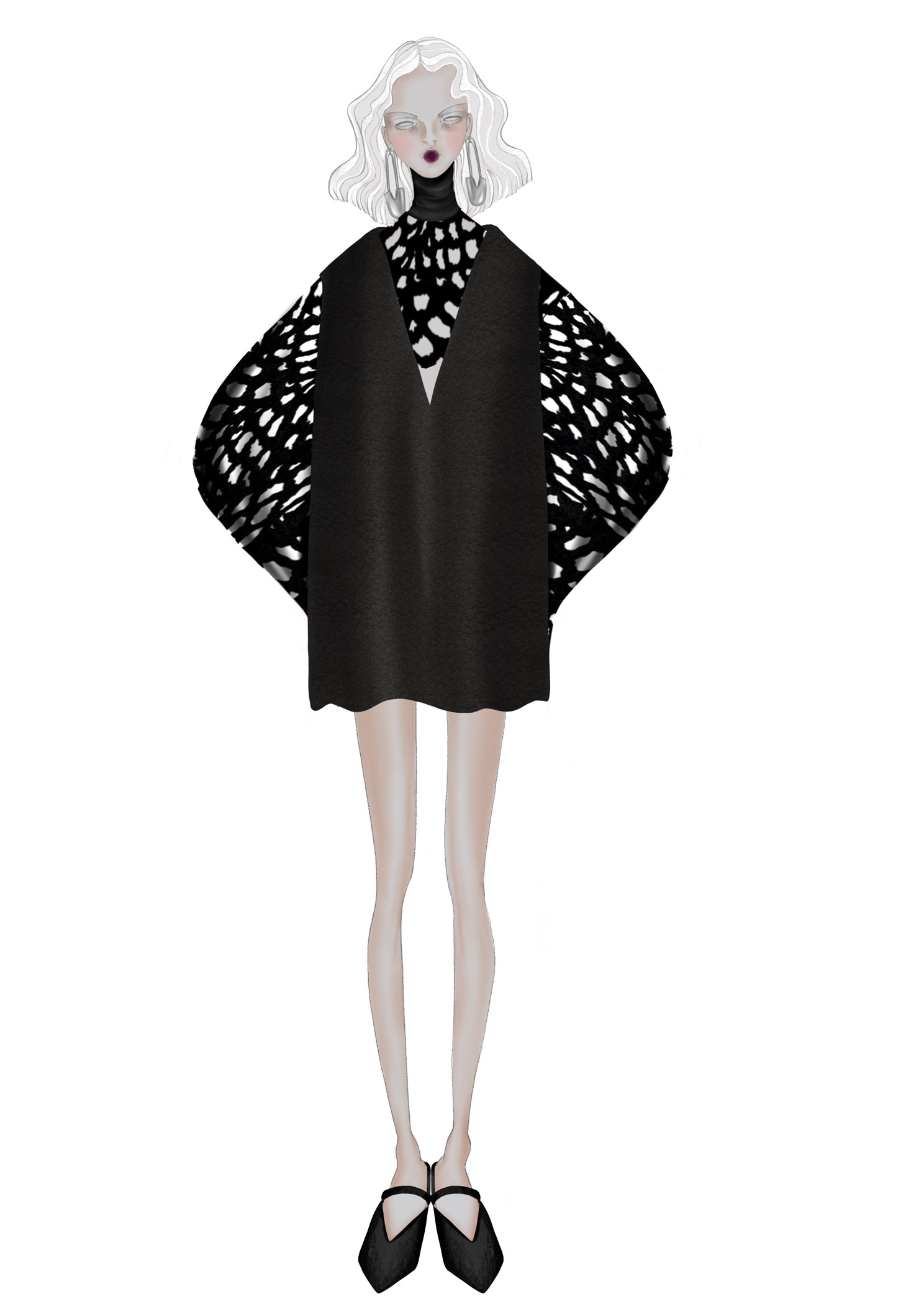
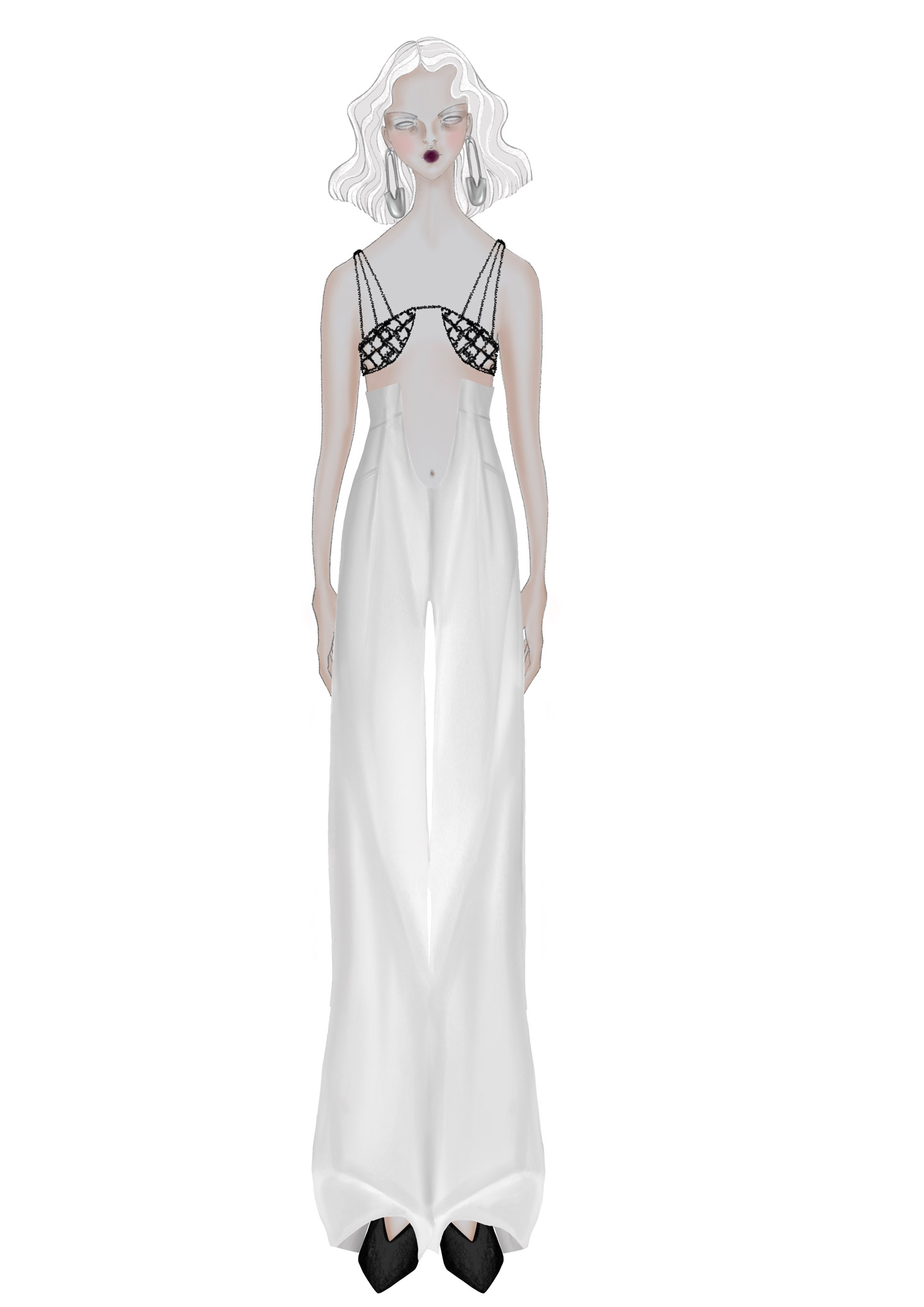
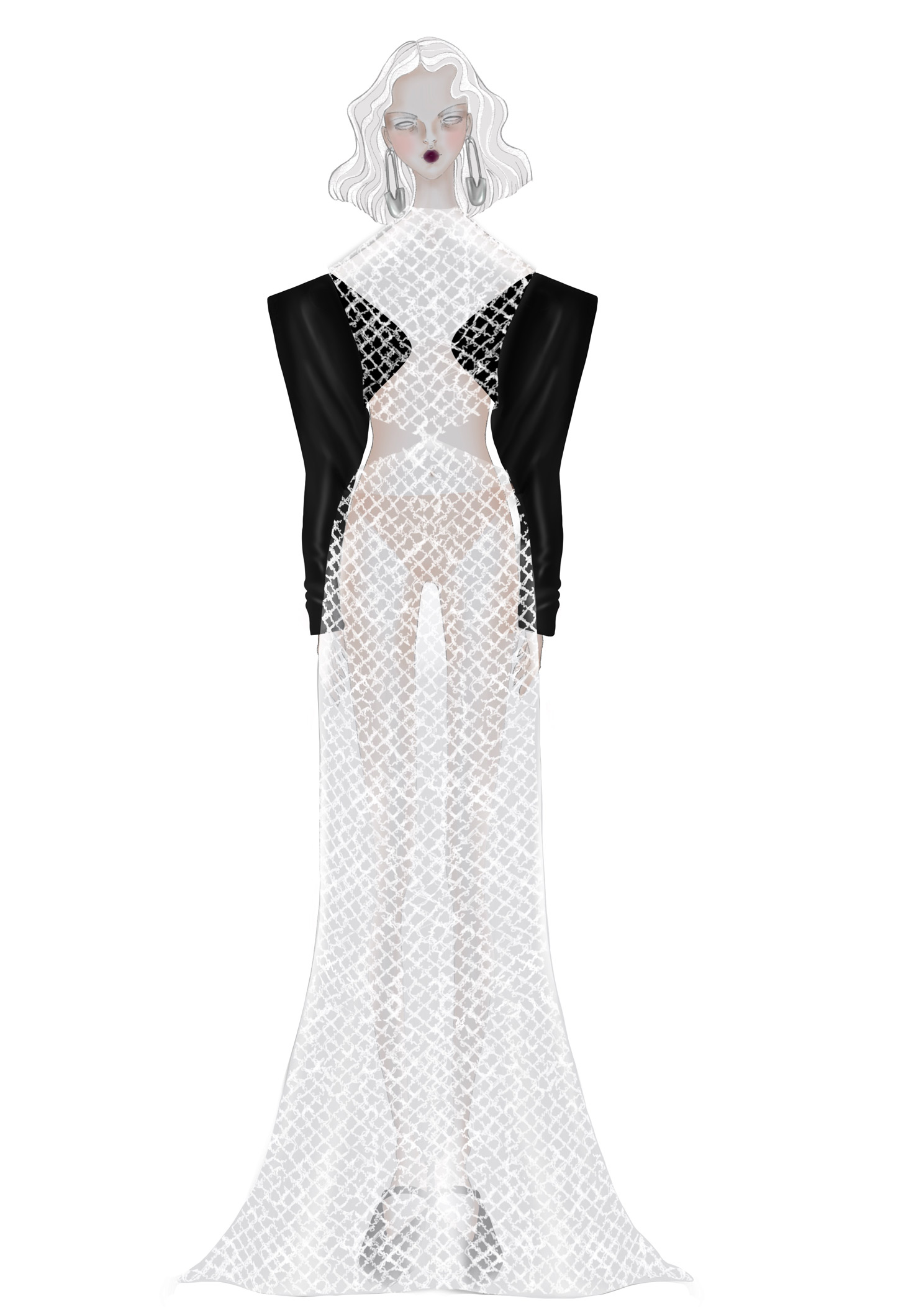
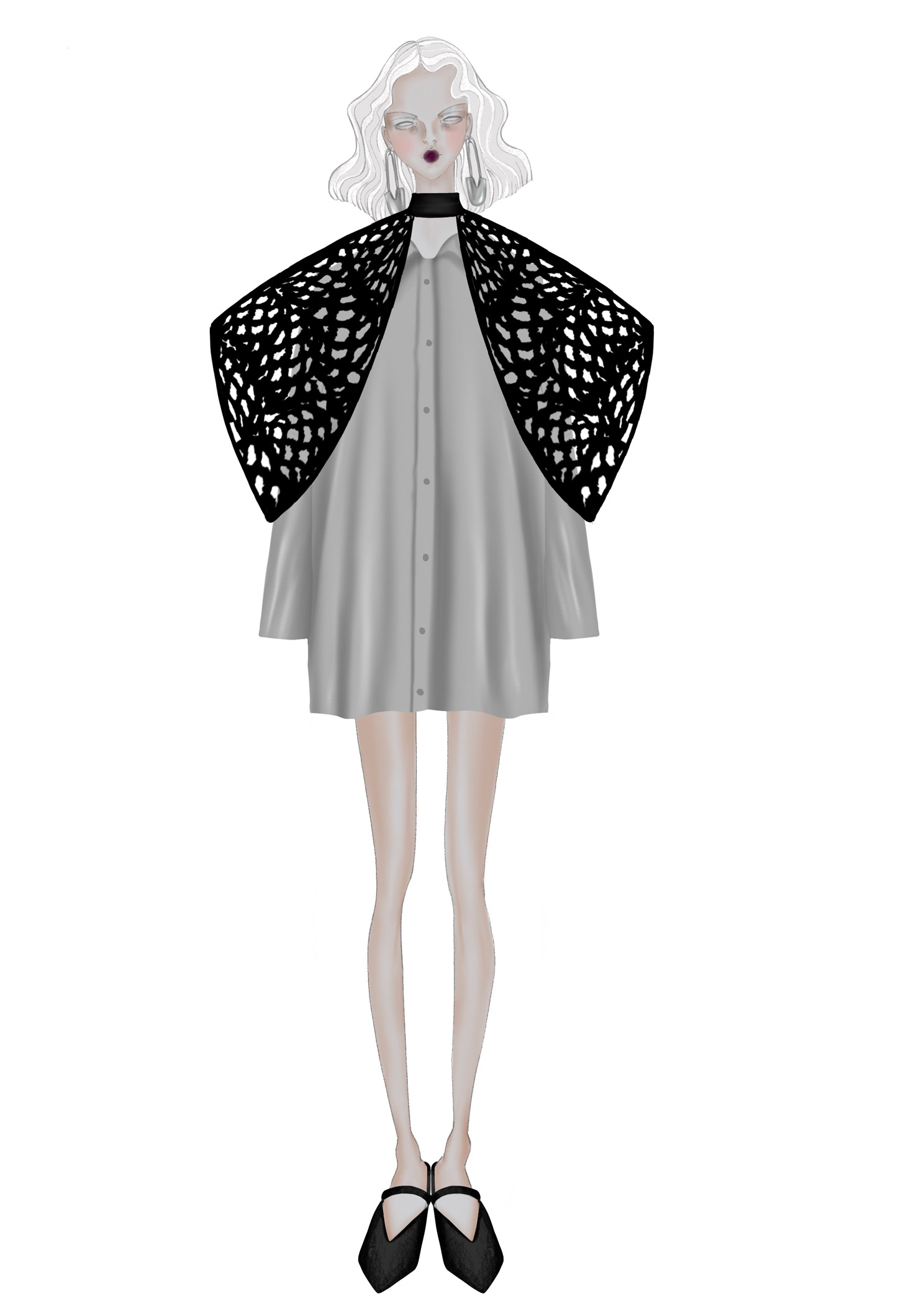
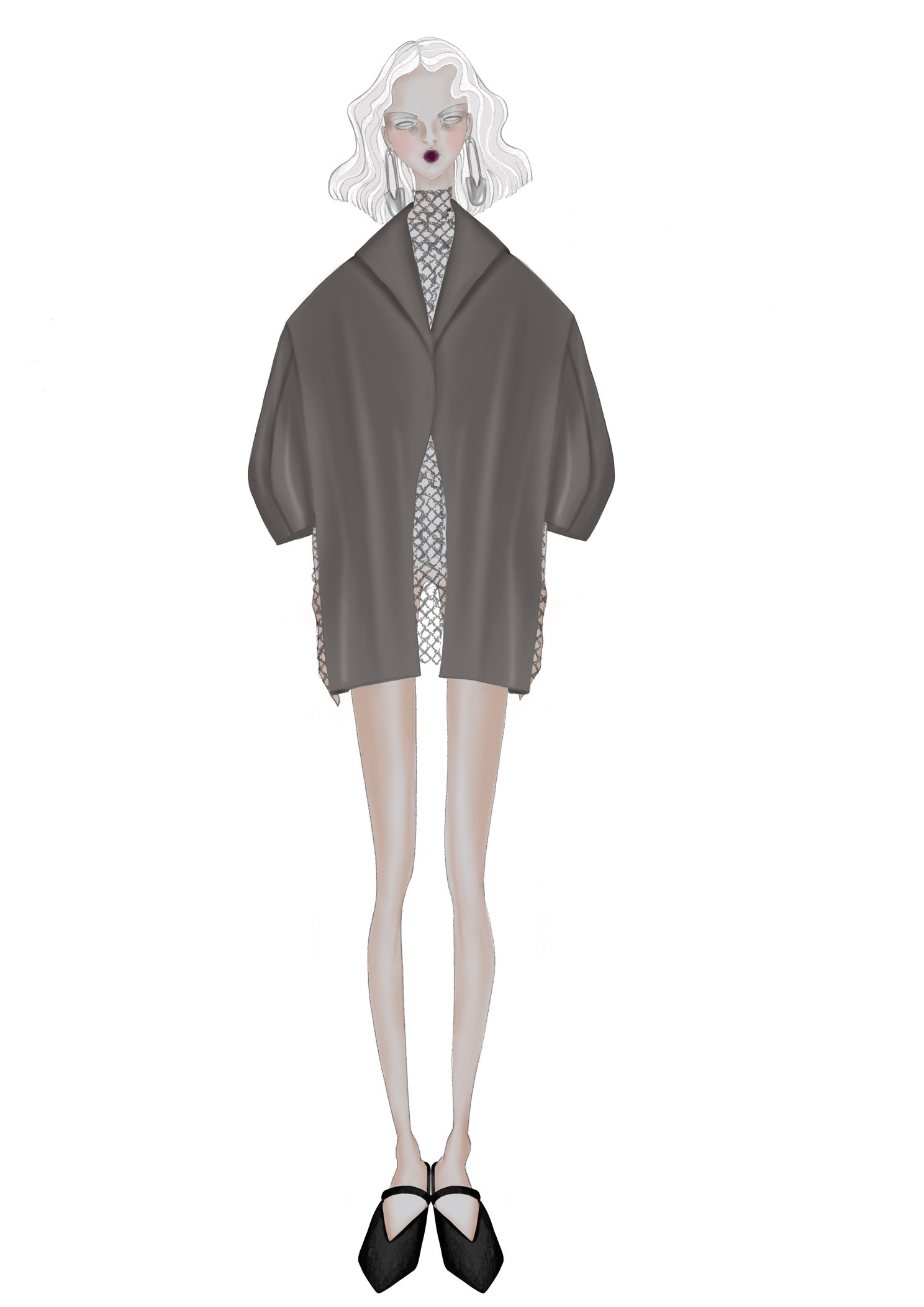
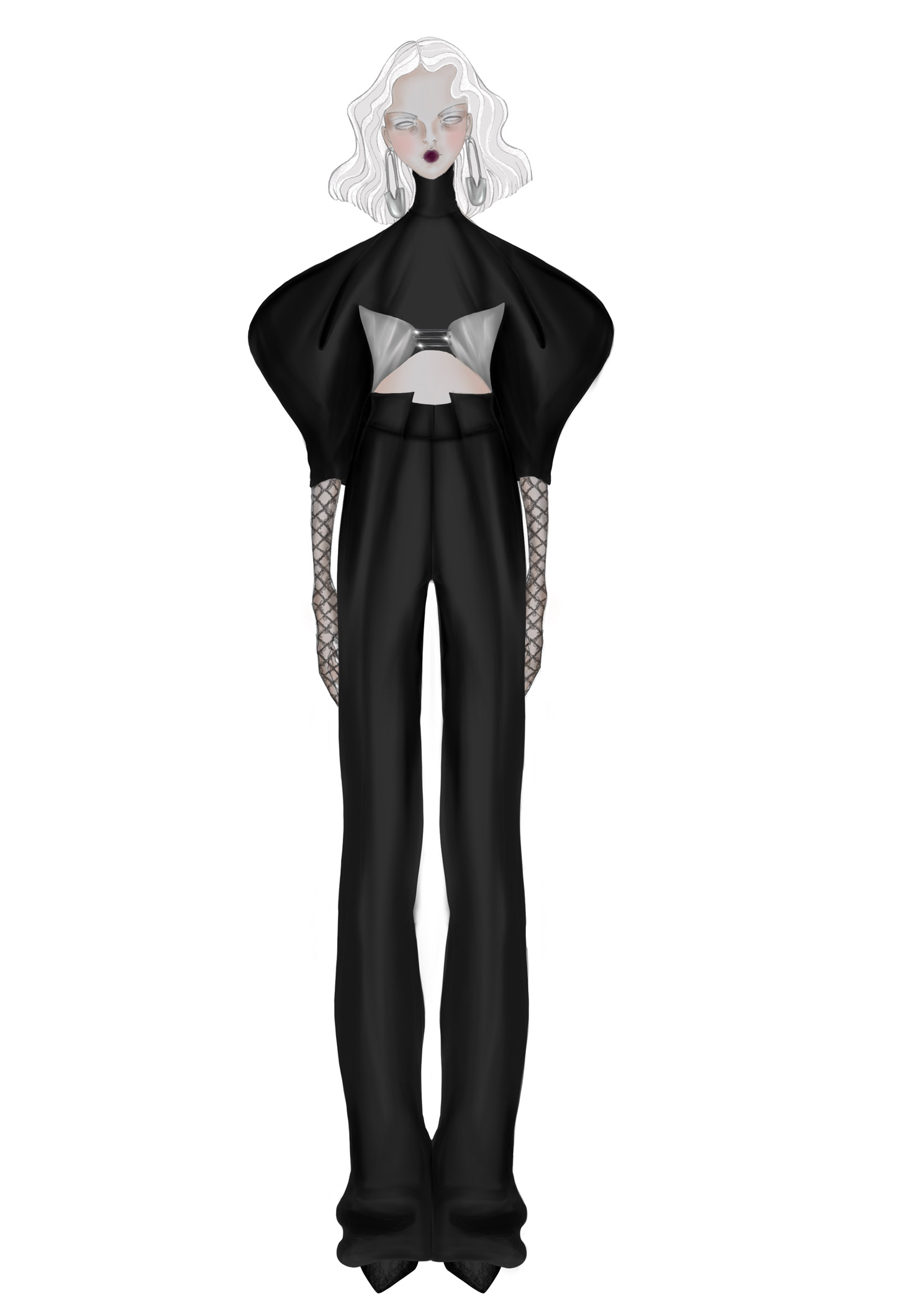
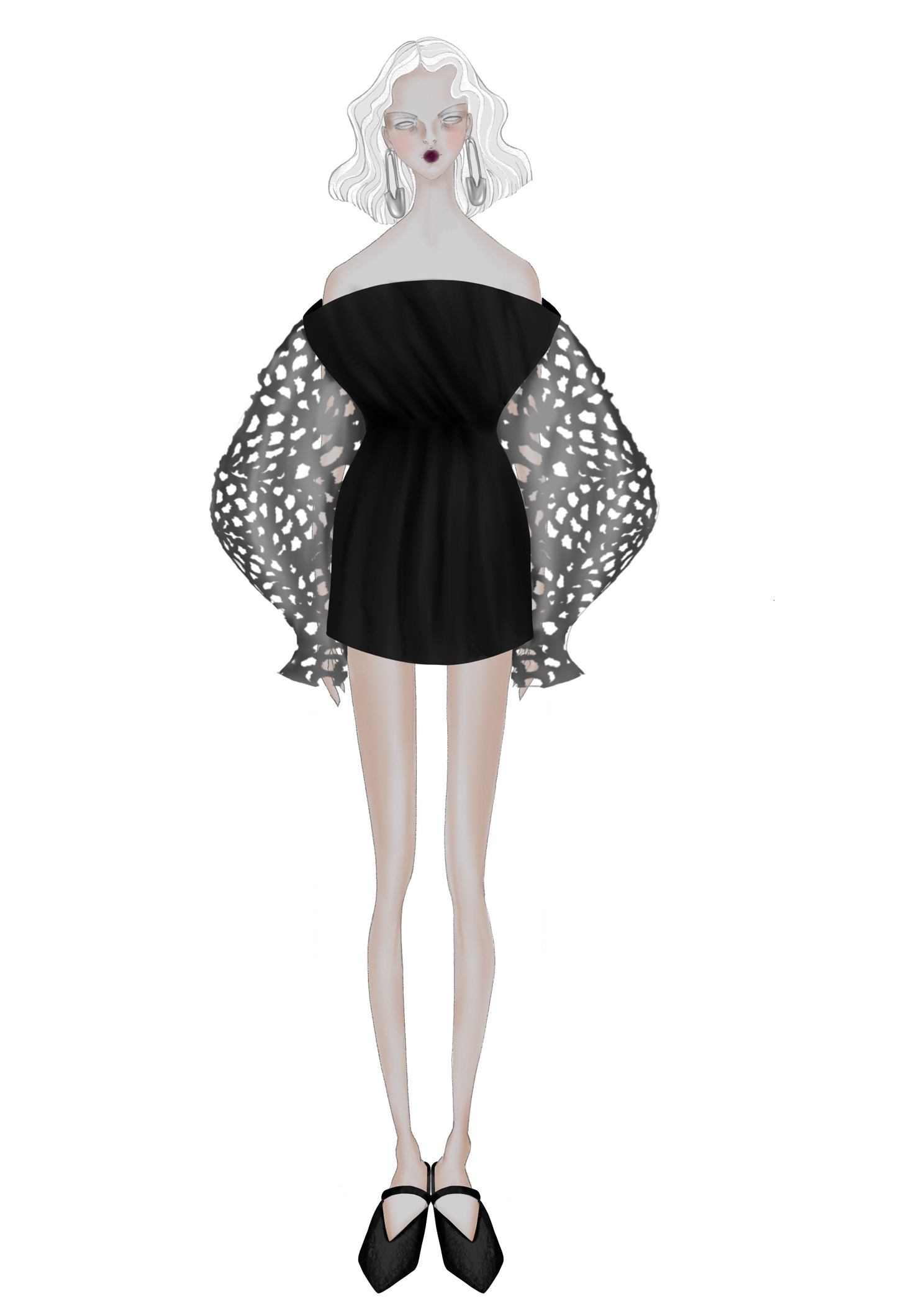
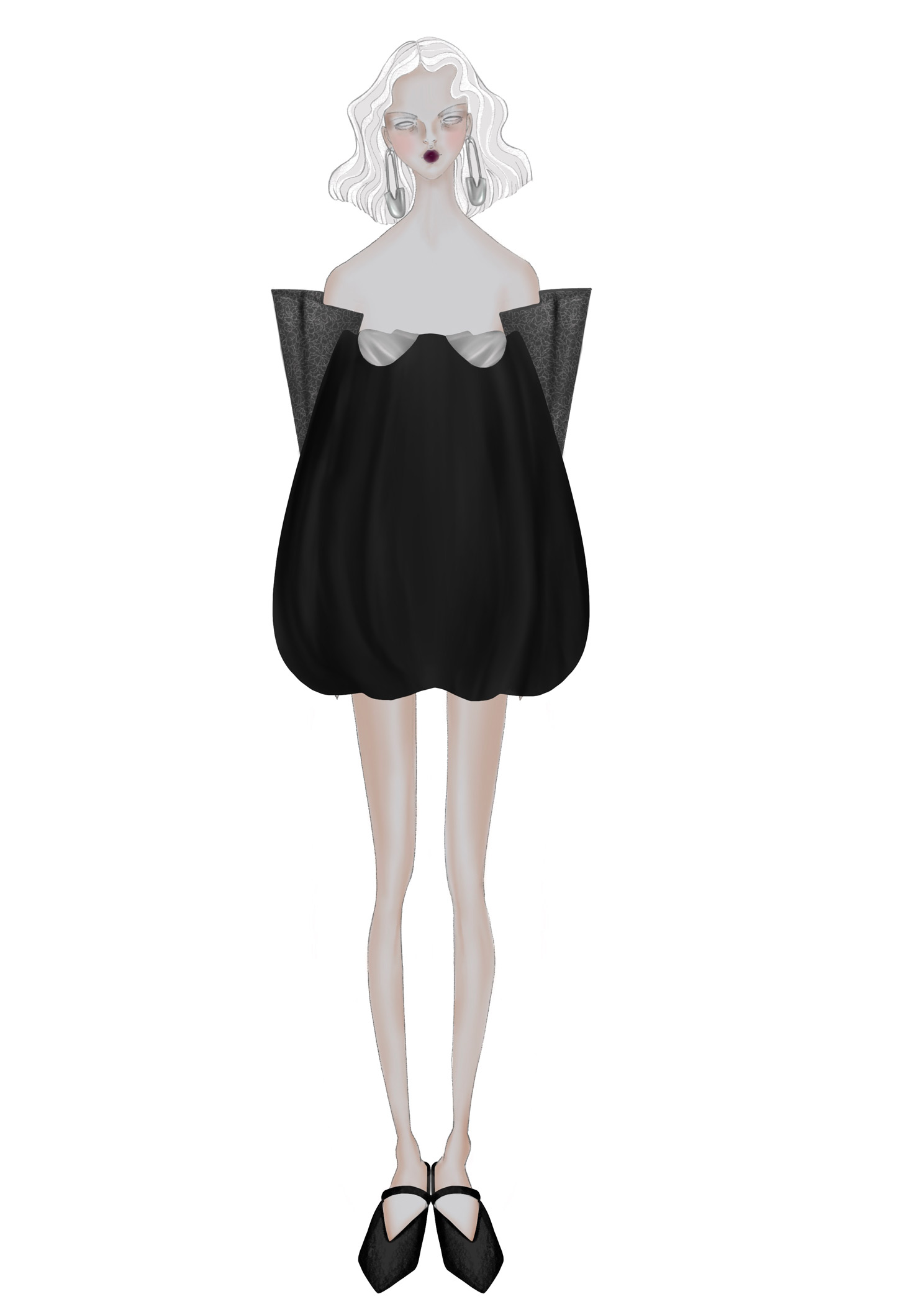
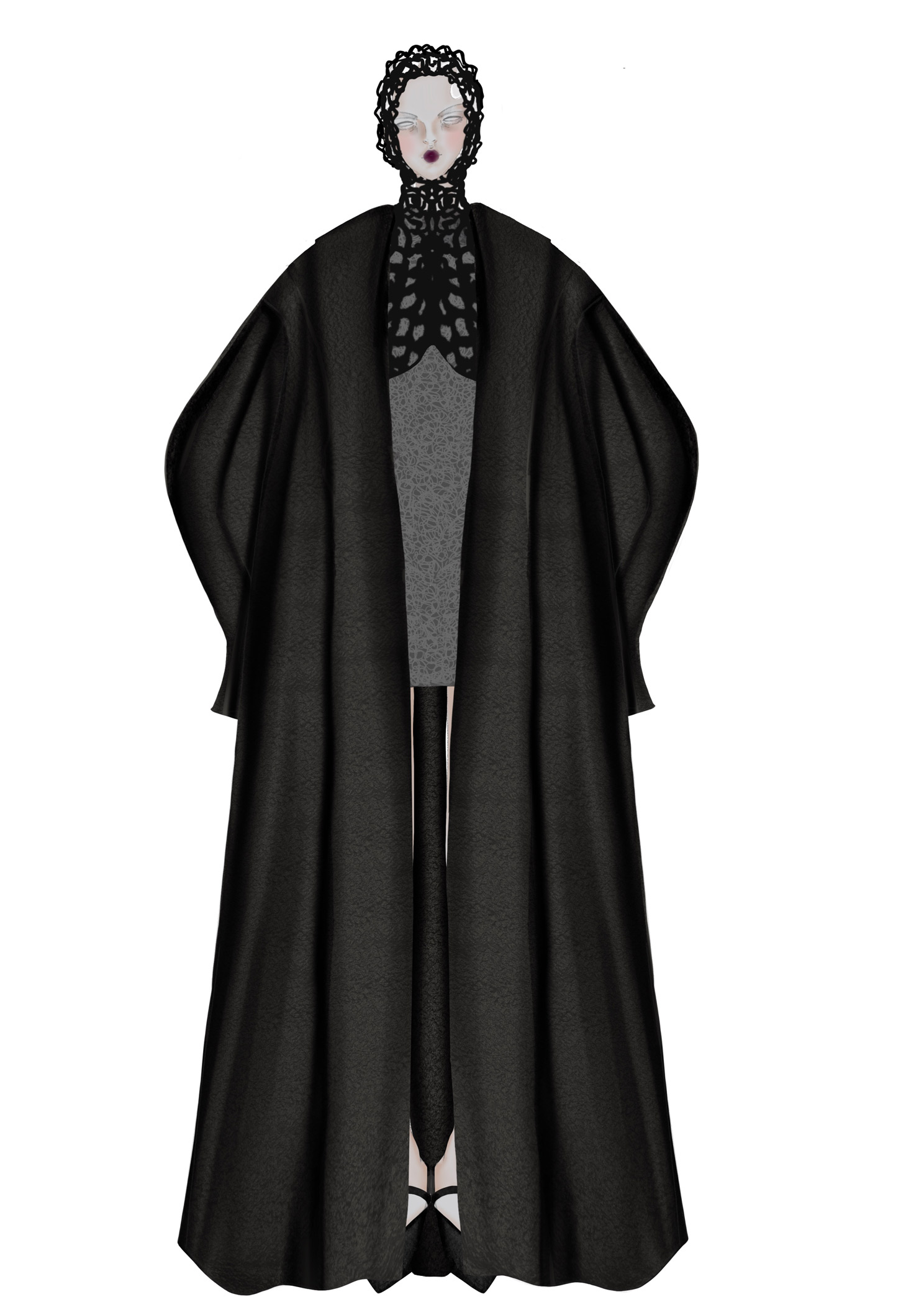
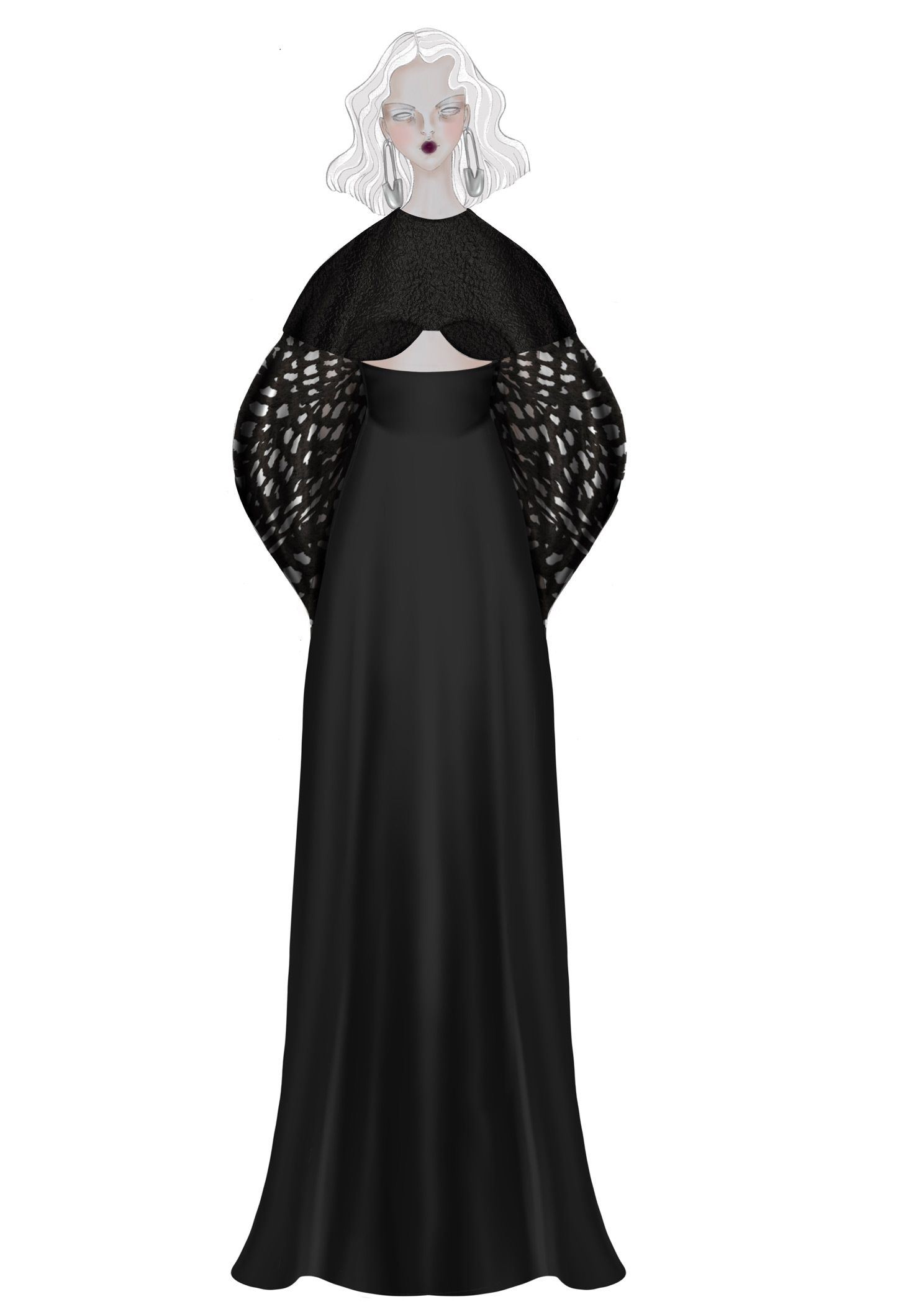
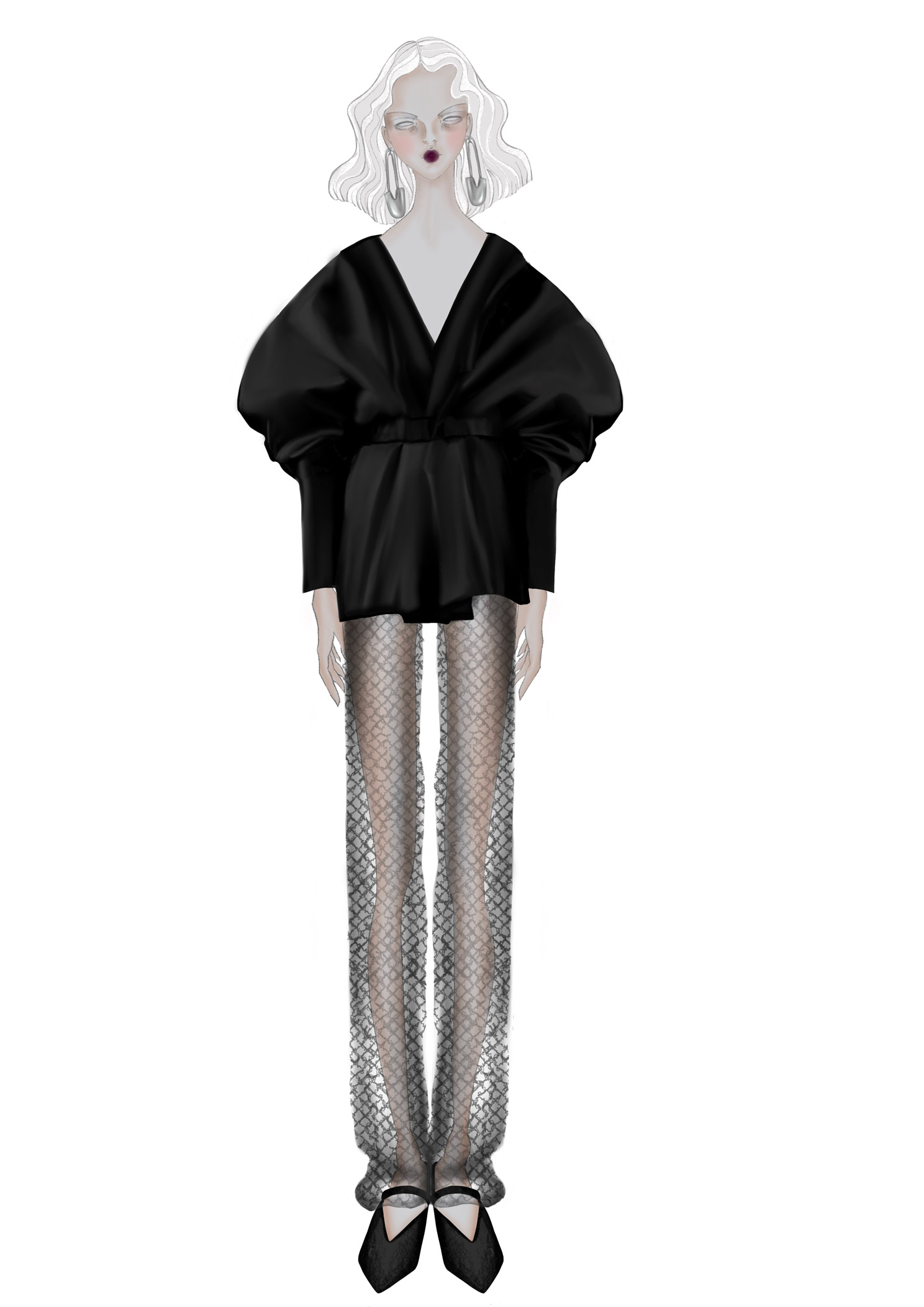
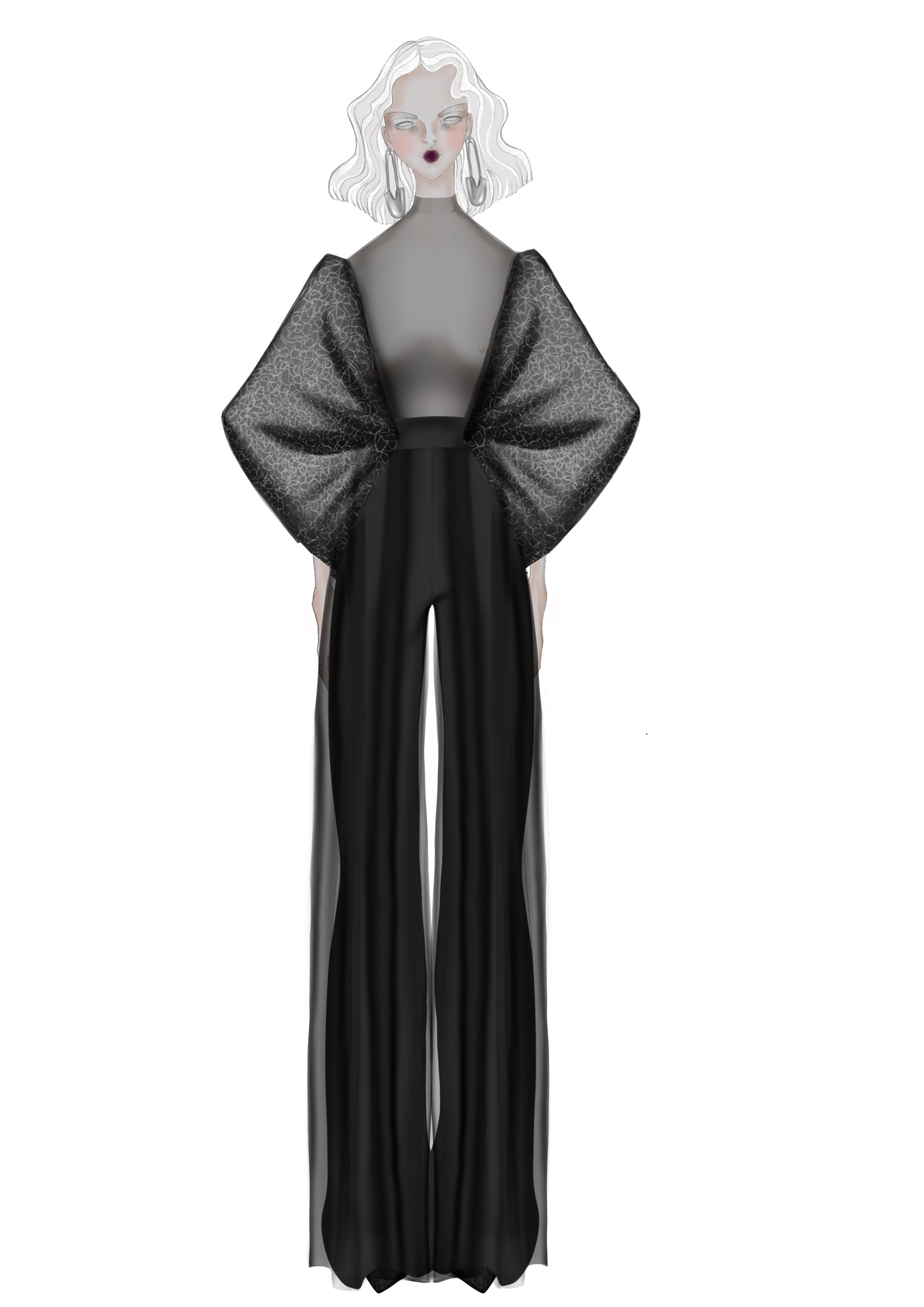
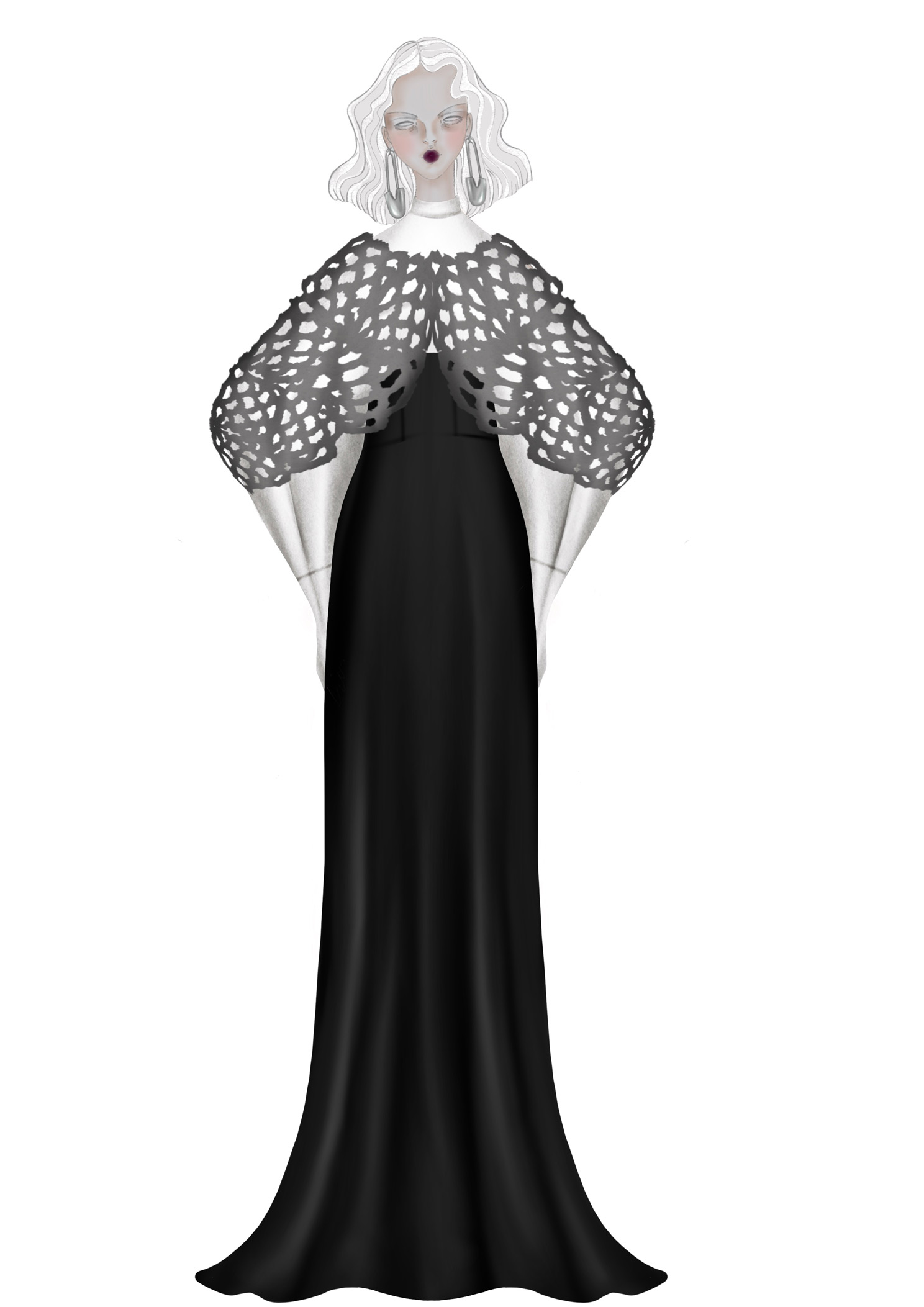
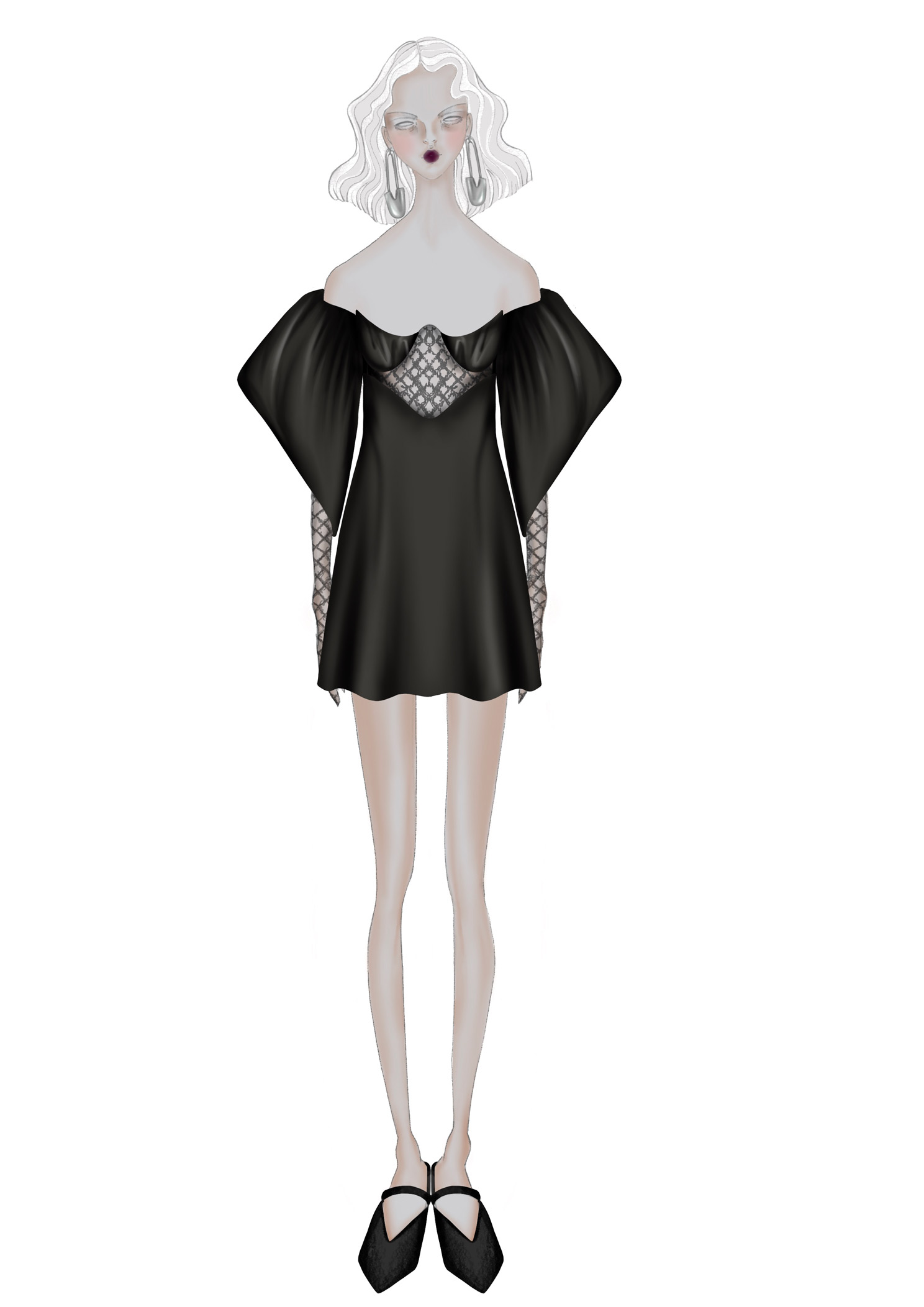
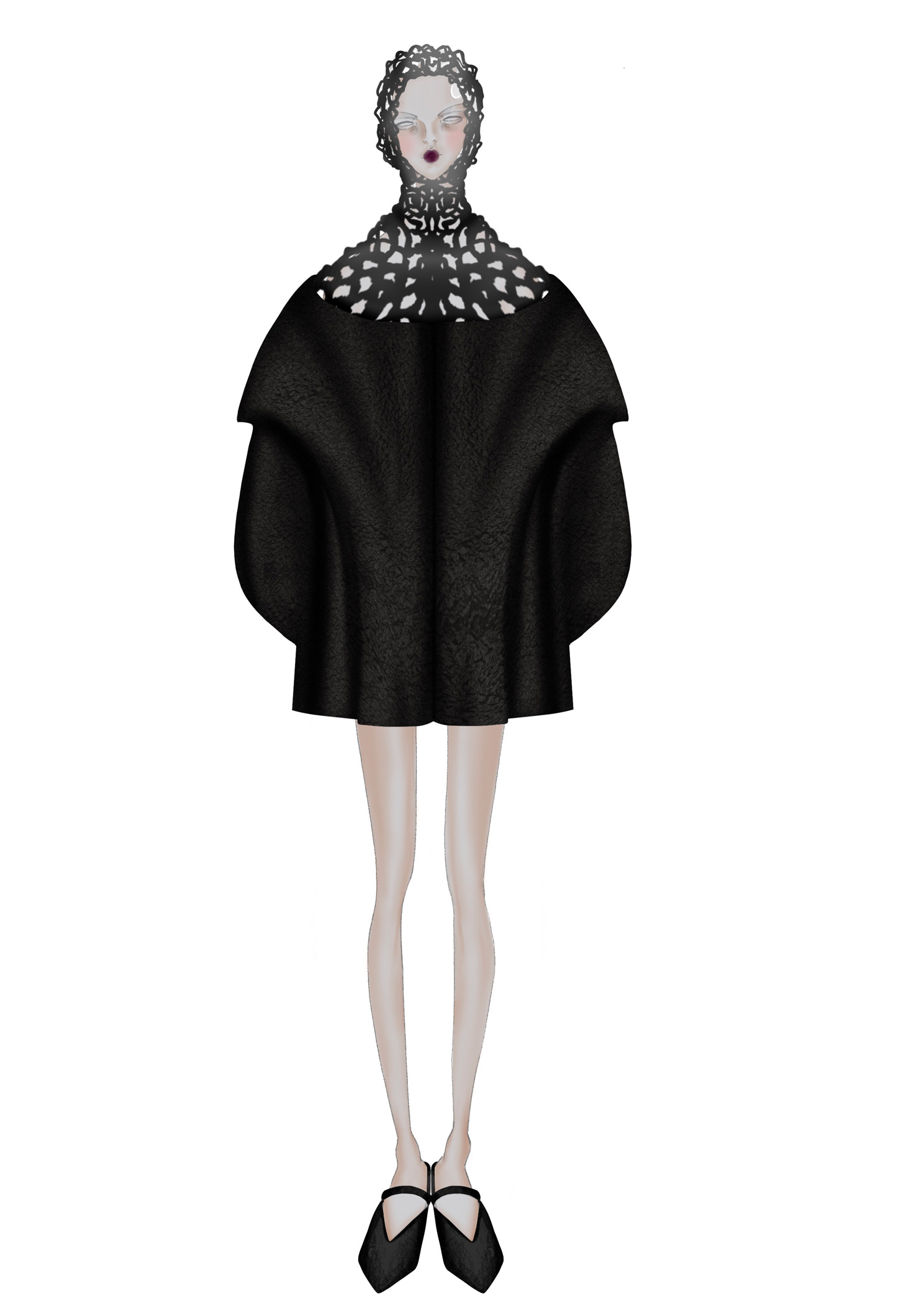
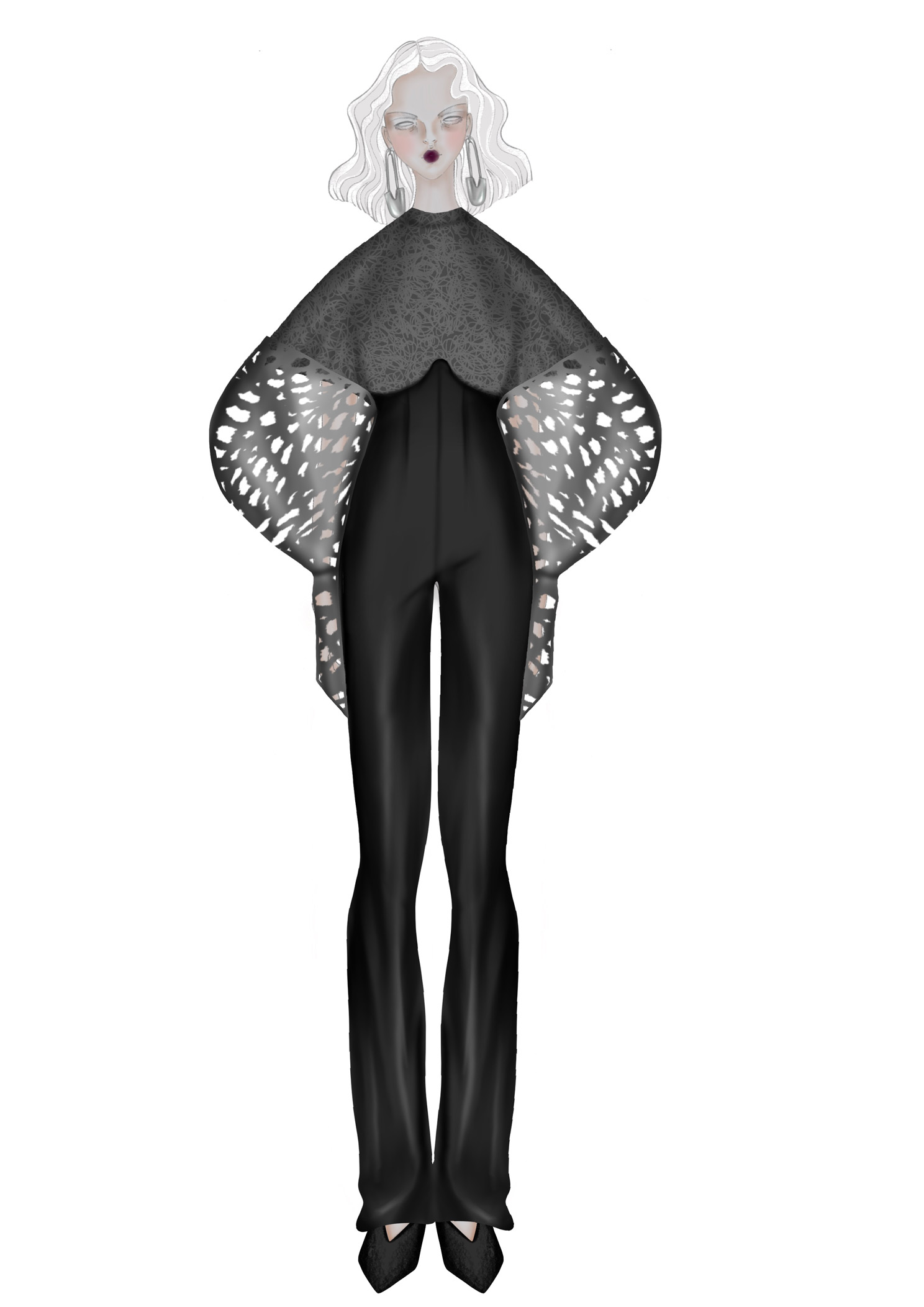
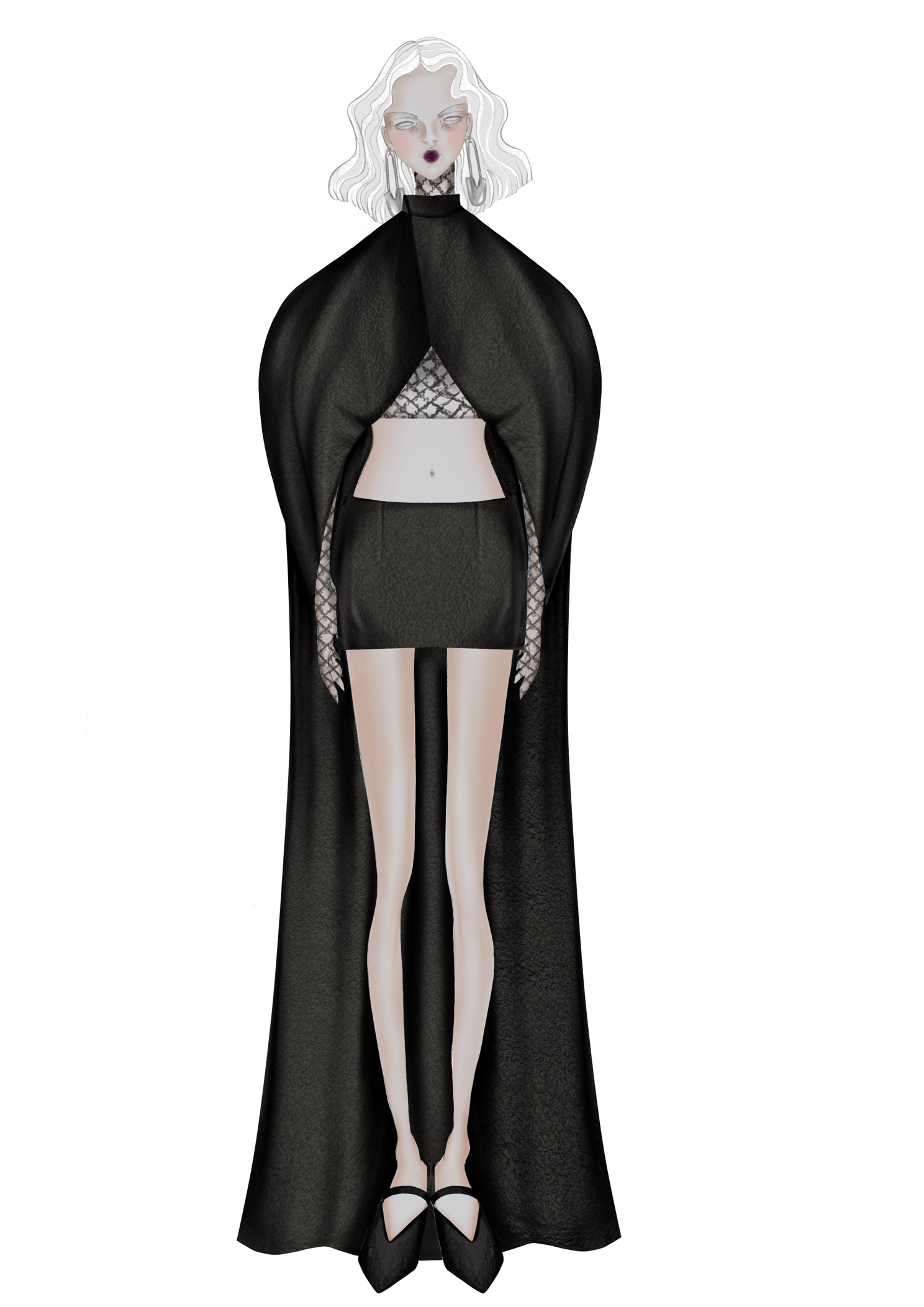
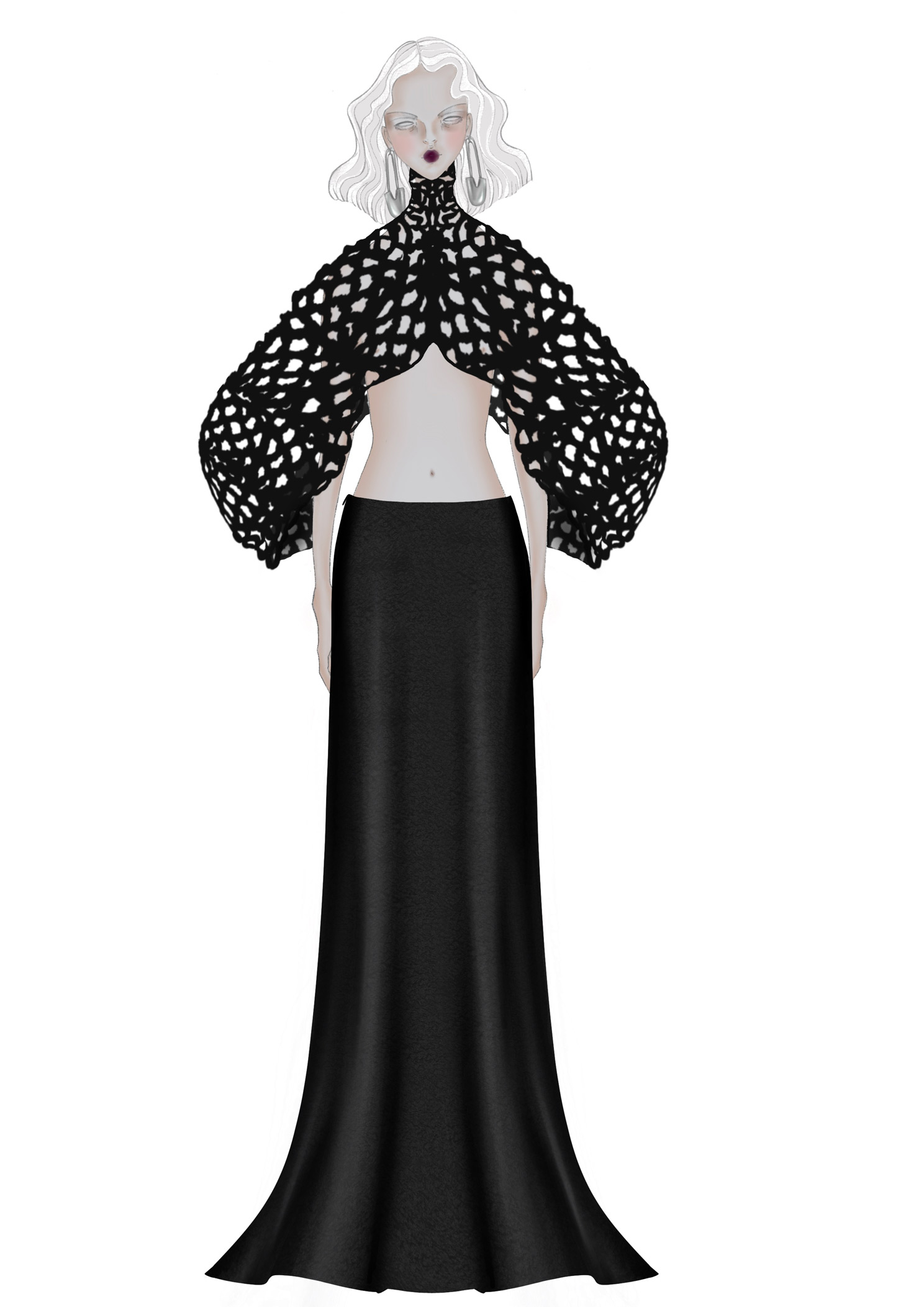
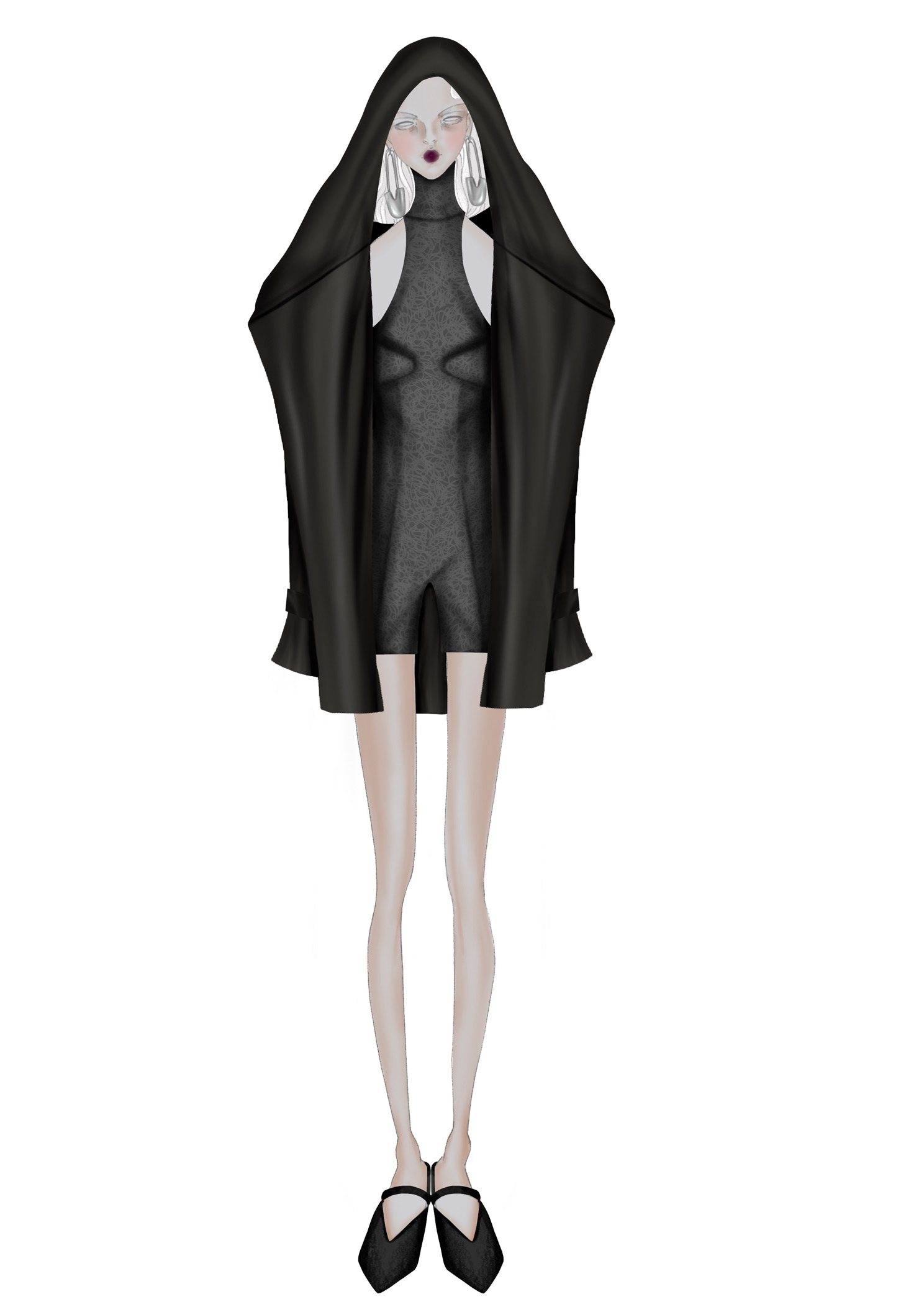
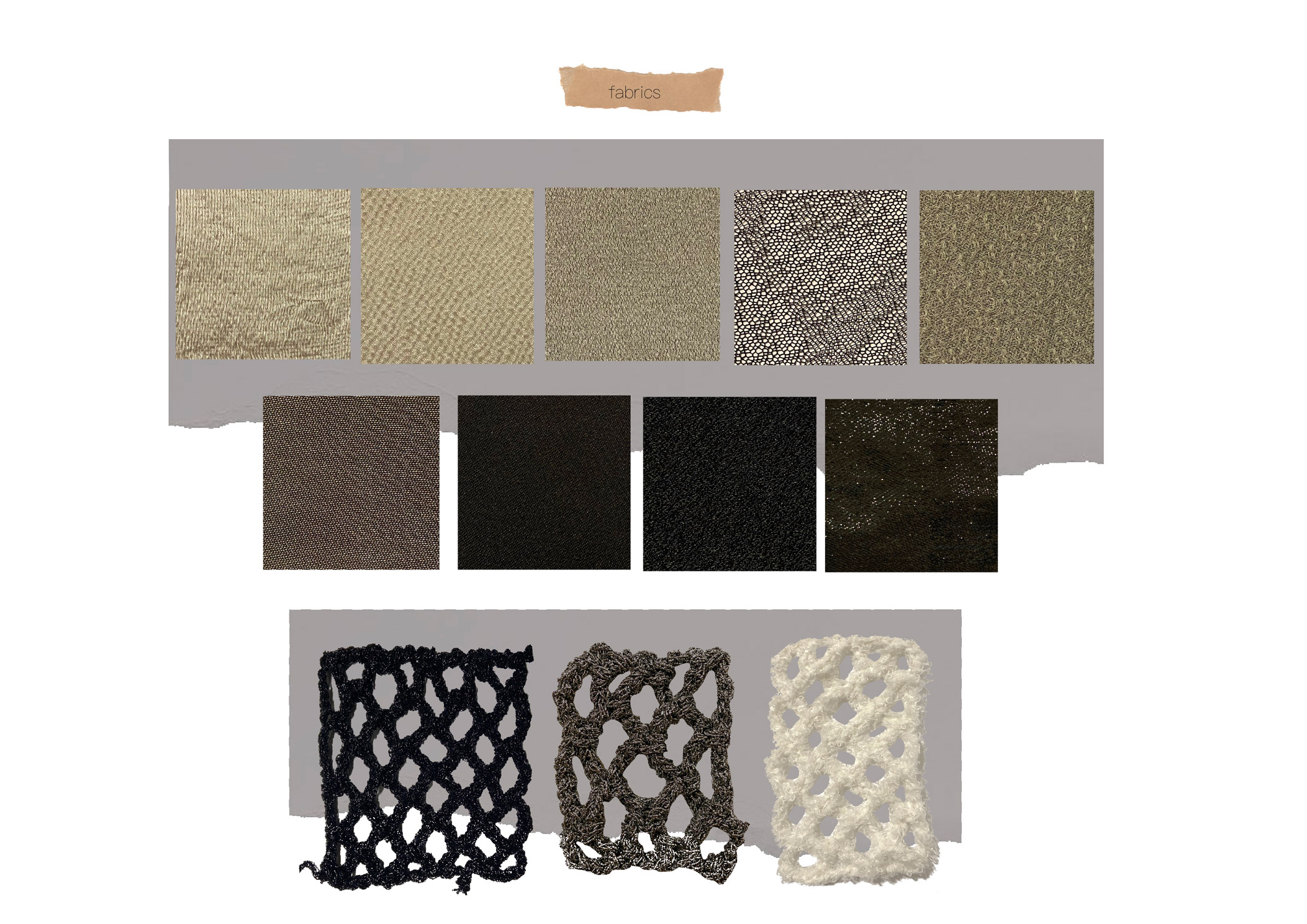
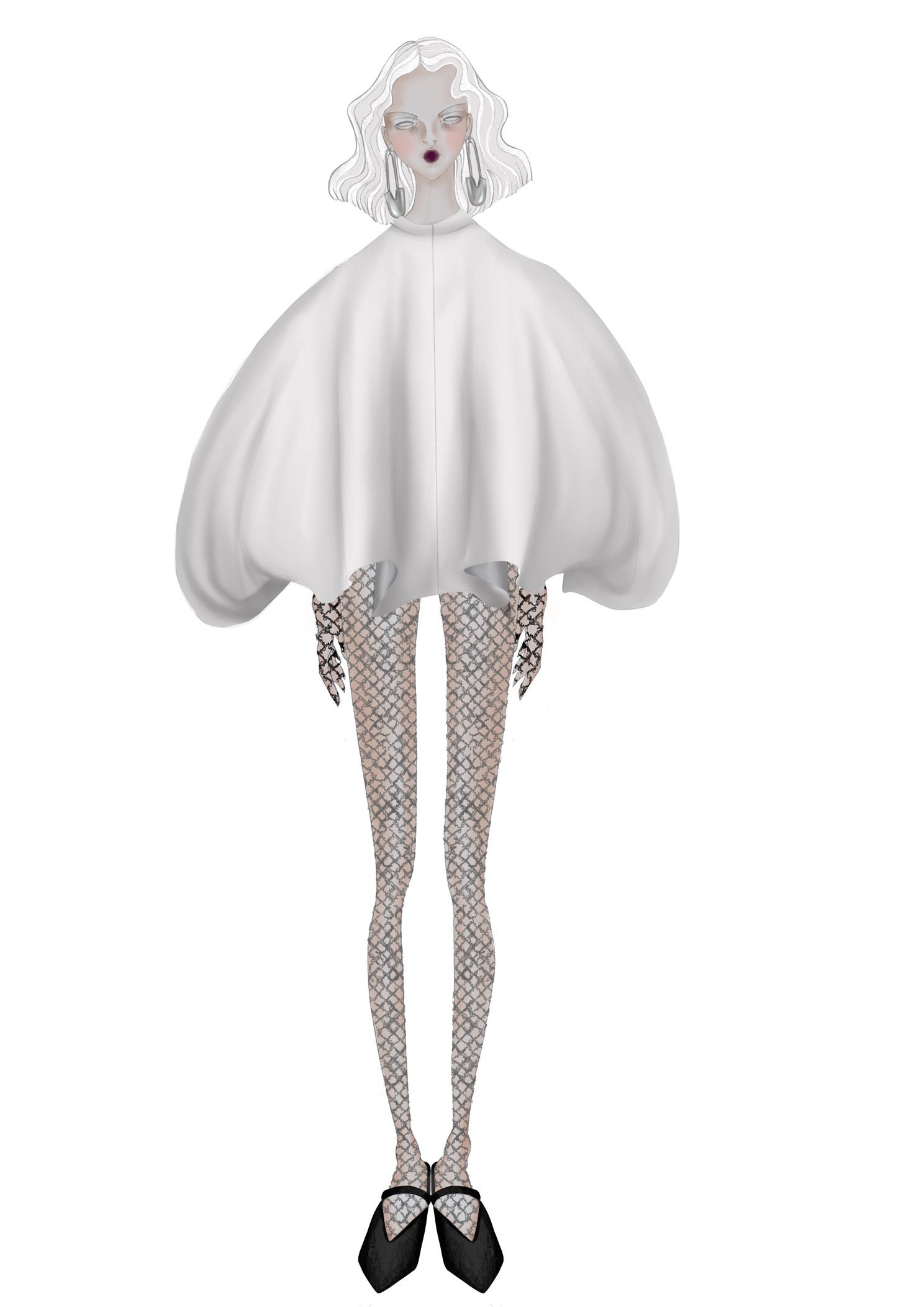
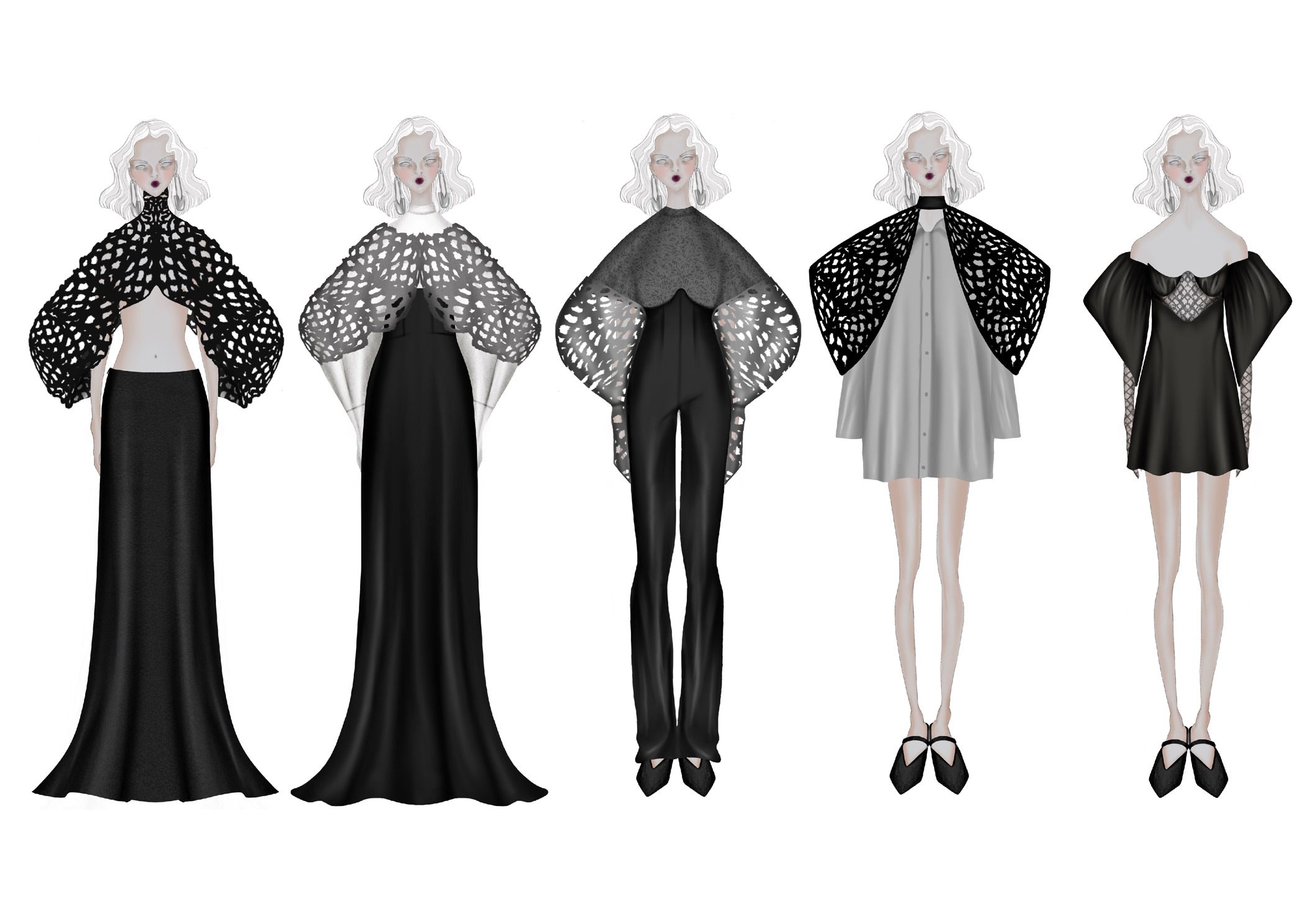
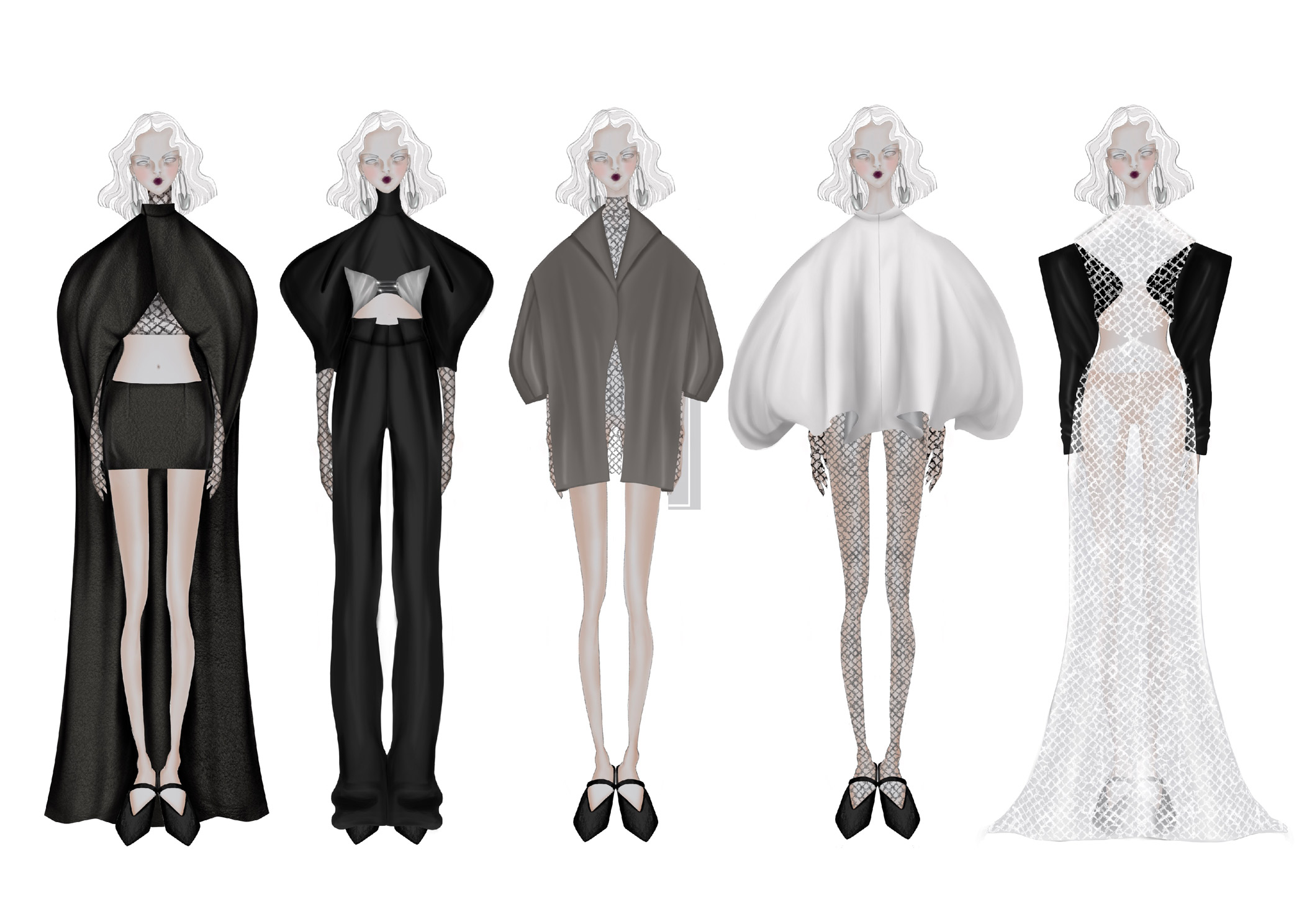
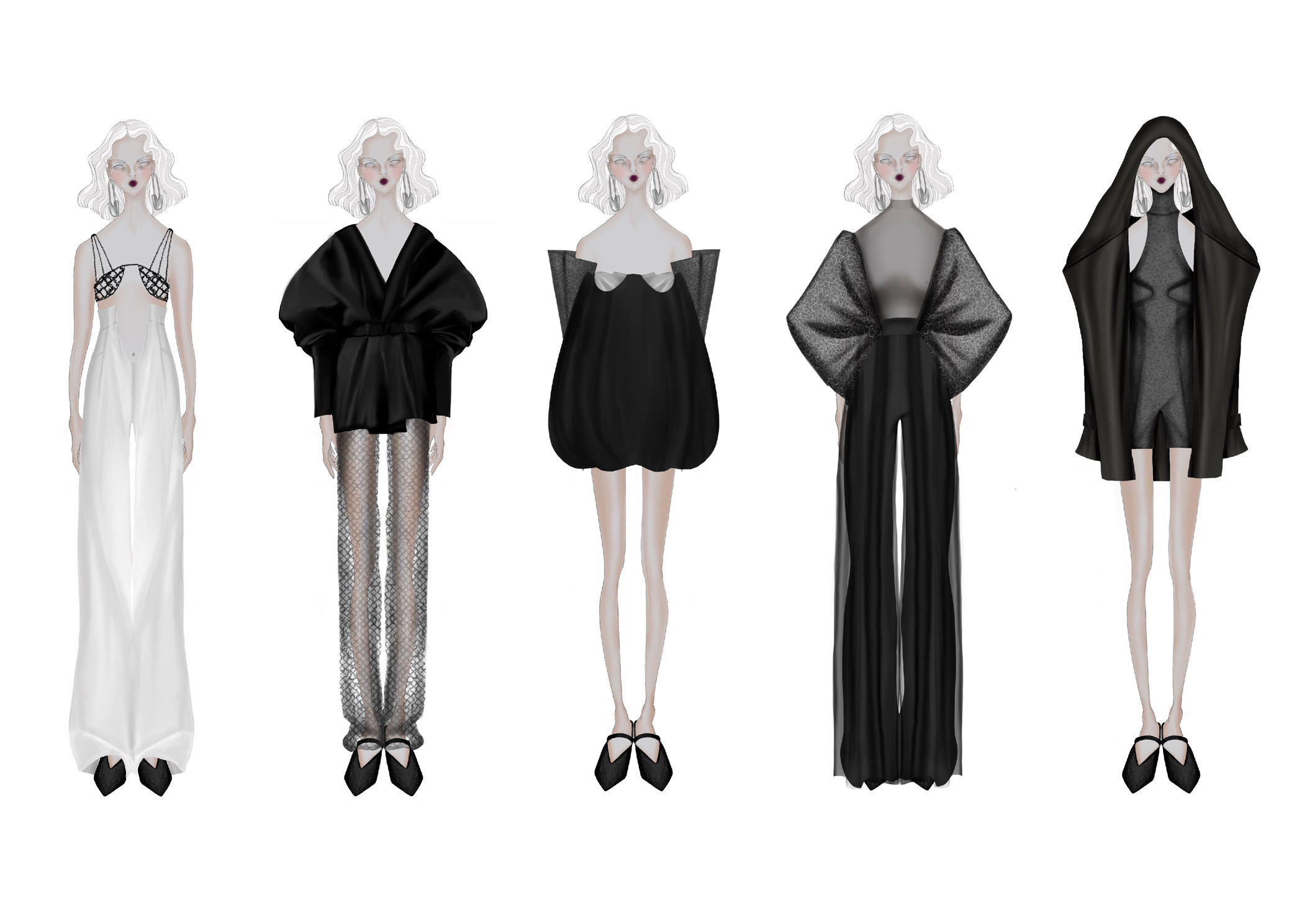
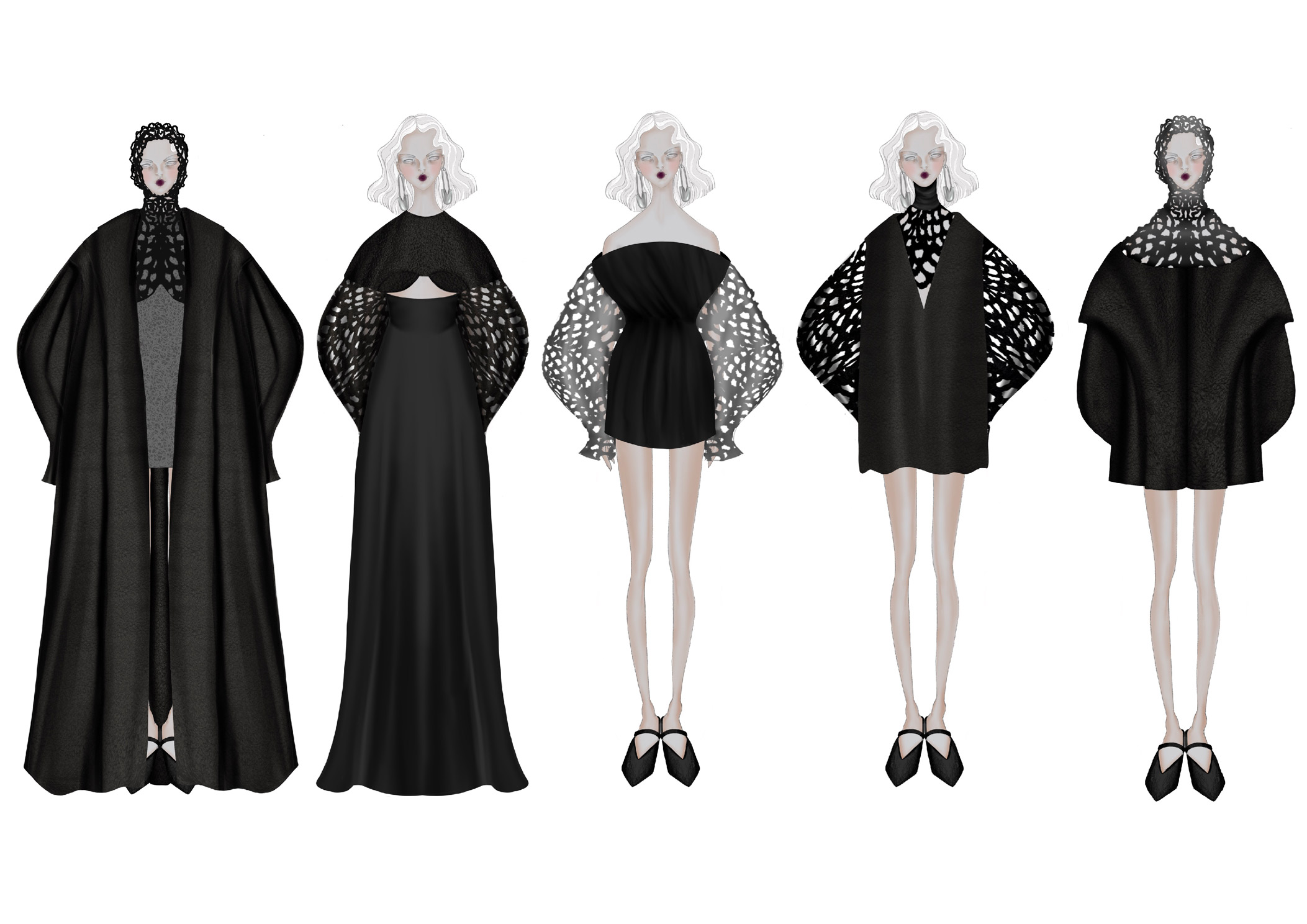
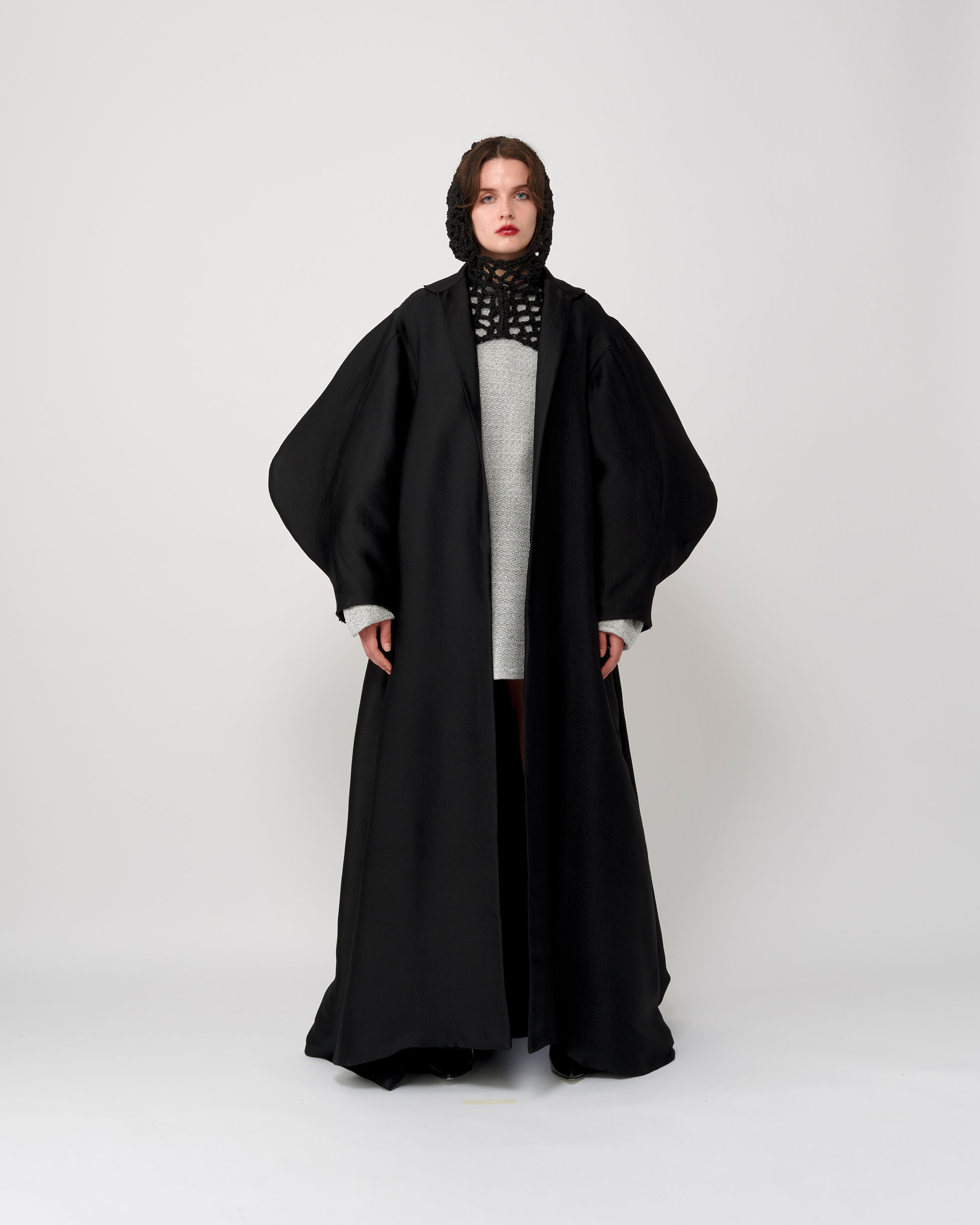
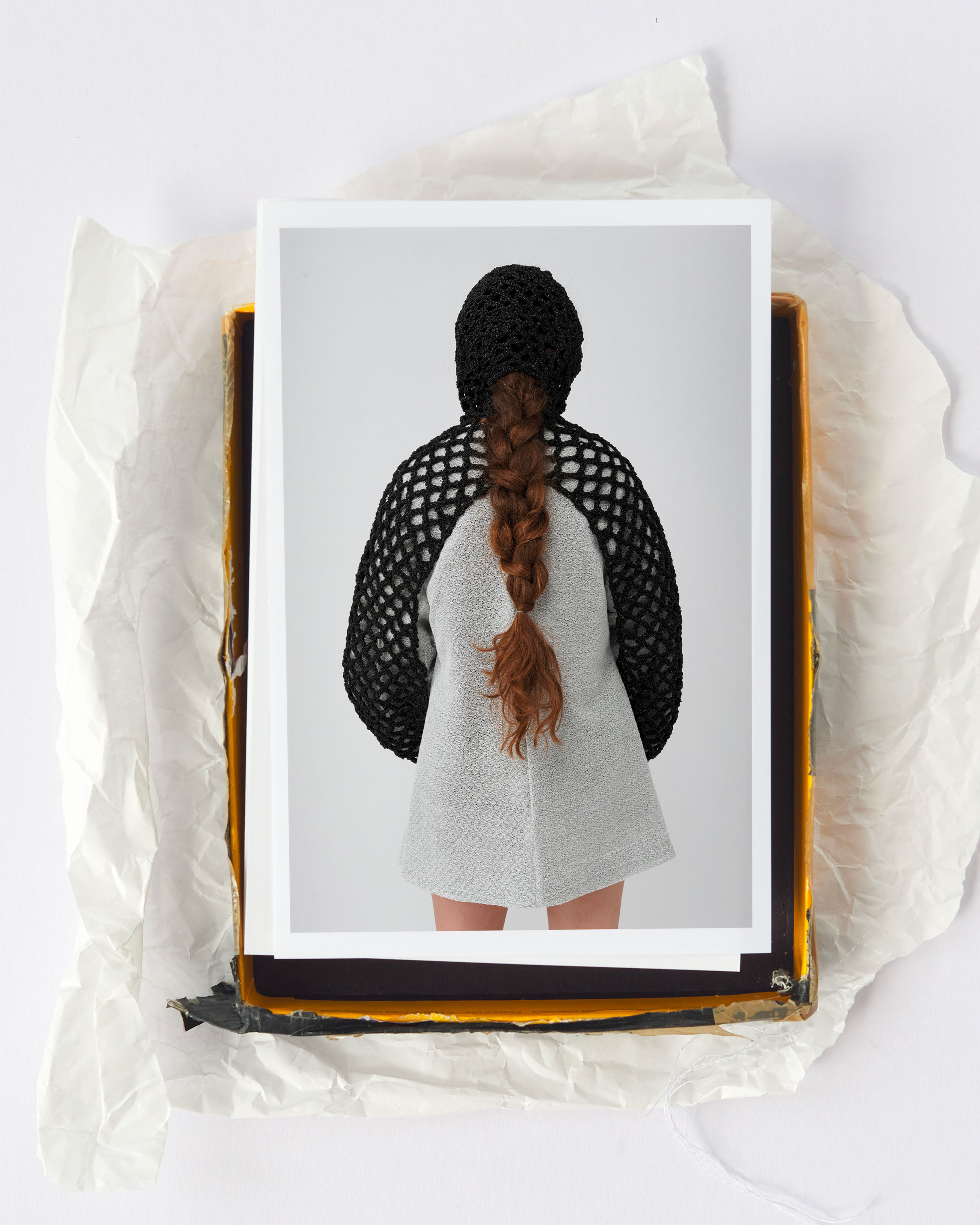
La storia che voglio raccontare è fatta di intrecci e rimandi tra passato e presente, di motivi e spessori, un po’ come la vita, un po’ come la trama di un tessuto. Vi è una connessione tra la vita e l’arte della tessitura di cui rendono testimonianza le Parche romane, le Norne norrene, le Moire greche: tre donne fatali in quanto padrone del fato, la cui immagine mitica di filatrici è legata al destino ineluttabile che colpisce tutti gli esseri umani. Il loro compito era quello di tessere un filo per ogni vita, svolgerlo, intrecciarlo e reciderlo, decretandone infine la morte. Proprio a causa del forte legame con la creazione e la nascita, l’arte tessile era riservata alle donne, che si radunavano per questo lavoro escludendo gli uomini dalla loro cerchia. La pratica di invocazione prevedeva il canto di lunghe litanie nelle quali si ripeteva infinitamente il nome di alcune divinità la cui identità oggi è sconosciuta. In Italia il termine “magliaia” utilizzato per indicare una strega deriva da “maglia”, ovvero l’intreccio. La magliaia era sia incaricata della tessitura e della creazione dei orditi, sia dotata della capacità magica di guarire, divinare, fare amuleti e rimuovere il malocchio. L’analisi dell’arte dell’intreccio di Ruth Asawa ha condotto allo studio della “nudità rituale” detta Skyclad (vestirsi di cielo), una pratica soprattutto Wicca e di altri gruppi neopagani. La nudità rituale contemporanea è tipicamente attribuita all’influenza di Gerald Gardner o all’opera Aradia o del Vangelo delle Streghe di Charles Godfrey Leland, e come tale viene principalmente attribuita alle congreghe wiccan Gardneriana e Aradiana. Gardner’s Witchcraft Today, di G. Gardner, è un libro pubblicato nel 1954 che si occupa della stregoneria religiosa pagana in Inghilterra, praticata nella contemporaneità, sopravvissuta come religione tenuta nascosta per secoli. Lo Skyclad, ovvero il vestirsi di cielo, è la tappa fondamentale di un percorso religioso verso il cambiamento e la guarigione da tutto ciò che avvelena l’animo umano. Originariamente, i rituali di Skyclad erano destinati a far sentire l’individuo a suo agio nell’abito che gli dei gli avevano donato, ovvero la propria pelle. Creava infatti una certa intimità e consentiva ai partecipanti di accettare il prossimo senza riserve. il rito era praticato solo per sei mesi all’anno, mentre durante gli altri sei mesi si potevano utilizzare le tipiche vesti cerimoniali. La nudità rituale e le anime intrecciate delle sculture di Ruth Asawa sono il punto di partenza della collezione. La palette colori deriva dall’incontro di due erbe magiche e guaritrici, la calendula e l’achillea, utilizzate dalle streghe fin dall’antichità per proteggere gli uomini dagli spiriti. I capi aderiscono ai corpi in una comunione di pelle e tessuto; pantaloni ampi slanciano la silhouette e si accompagnano spesso a micro top che sottolineano il punto vita e il seno, valorizzandolo e avvolgendolo con ampie maniche e mantelle. Nella collezione ogni capo mima l’inconsistenza e la leggerezza delle due anime: i fili si fondono, creando un ordito senza inizio e senza fine, unico in quanto frutto di una pratica millenaria ed enigmatica come la tessitura. È un intreccio primitivo ma complesso, profondo quanto evidente, come un primo passo verso un passo a due eterno.
The story I want to tell is made up of intertwining and cross-references between past and present, of motifs and thicknesses, a bit like life, a bit like the texture of a fabric. There is a connection between life and the art of weaving as witnessed by the Roman Fates, the Norse Norns, the Greek Moires: three fatal women as master of fate, whose mythical image of spinners is linked to the ineluctable destiny that it affects all human beings. Their task was to weave a thread for each life, unwind it, weave it and cut it, finally decreeing its death. Precisely because of the strong link with creation and birth, textile art was reserved for women, who gathered for this work excluding men from their circle. The practice of invocation involved the singing of long litanies in which the name
of some deities was repeated infinitely, whose identity is unknown today. In Italy the term “magliaia” used to indicate a witch derives from “maglia”, or the plot. The knitter was both in charge of weaving and creating the warps, and endowed with the magical ability to heal, divine, make amulets and remove the evil eye. The analysis of the art of weaving by Ruth Asawa has led to the study of the “ritual nudity” called Skyclad (dressing in the sky), a practice especially Wicca and other neo-pagan groups. Contemporary ritual nudity is typically attributed to the influence of Gerald Gardner or the work Aradia or Charles Godfrey Leland’s Gospel of the Witches, and as such is primarily attributed to the Gardnerian and Aradian Wiccan covens. Gardner’s Witchcraft Today, by G. Gardner, is a book published in 1954 that deals with contemporary pagan religious witchcraft in England, which has survived as a hidden religion for centuries. The Skyclad, or wearing the sky, is the fundamental stage of a religious journey towards change and healing from everything that poisons the human soul. Originally, Skyclad’s rituals were intended to make the individual feel comfortable in the garb that the gods had bestowed upon him, namely his own skin. Indeed, it created a certain intimacy and allowed the participants to accept others without reservations. the rite was practiced only for six months of the year, while during the other six months the typical ceremonial robes could be used. The ritual nudity and intertwined souls of Ruth Asawa’s sculptures are the starting point of the collection. The color palette derives from the meeting of two magical and healing herbs, calendula and yarrow, used by witches since ancient times to protect men from spirits. The garments adhere to the bodies in a communion of skin and fabric; wide trousers slim the silhouette and are often accompanied by micro tops that emphasize the waist and the bust, enhancing it and enveloping it with wide sleeves and capes. In the collection, each garment mimics the inconsistency and lightness of the two souls: the threads merge, creating a warp with no beginning and no end, unique in that it is the result of a millenary and enigmatic practice such as weaving. It is a primitive but complex weave, as deep as it is evident, like a first step towards an eternal pas de deux.
Partners:
Fabrics by: Clerici Tessuto, Pizval
- Moodboard
- Sketches
- Line up
- Catwalk