Reflexio
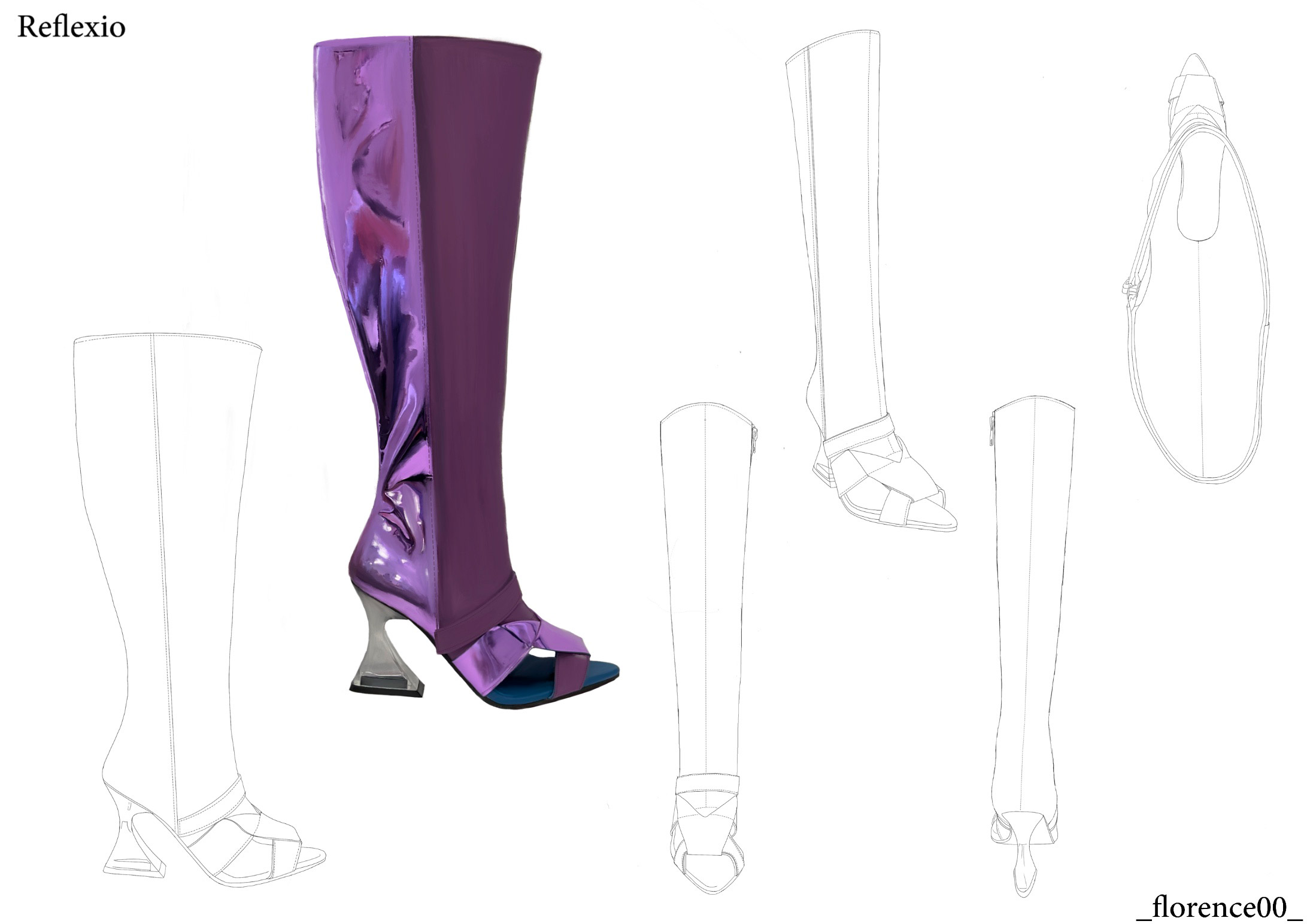
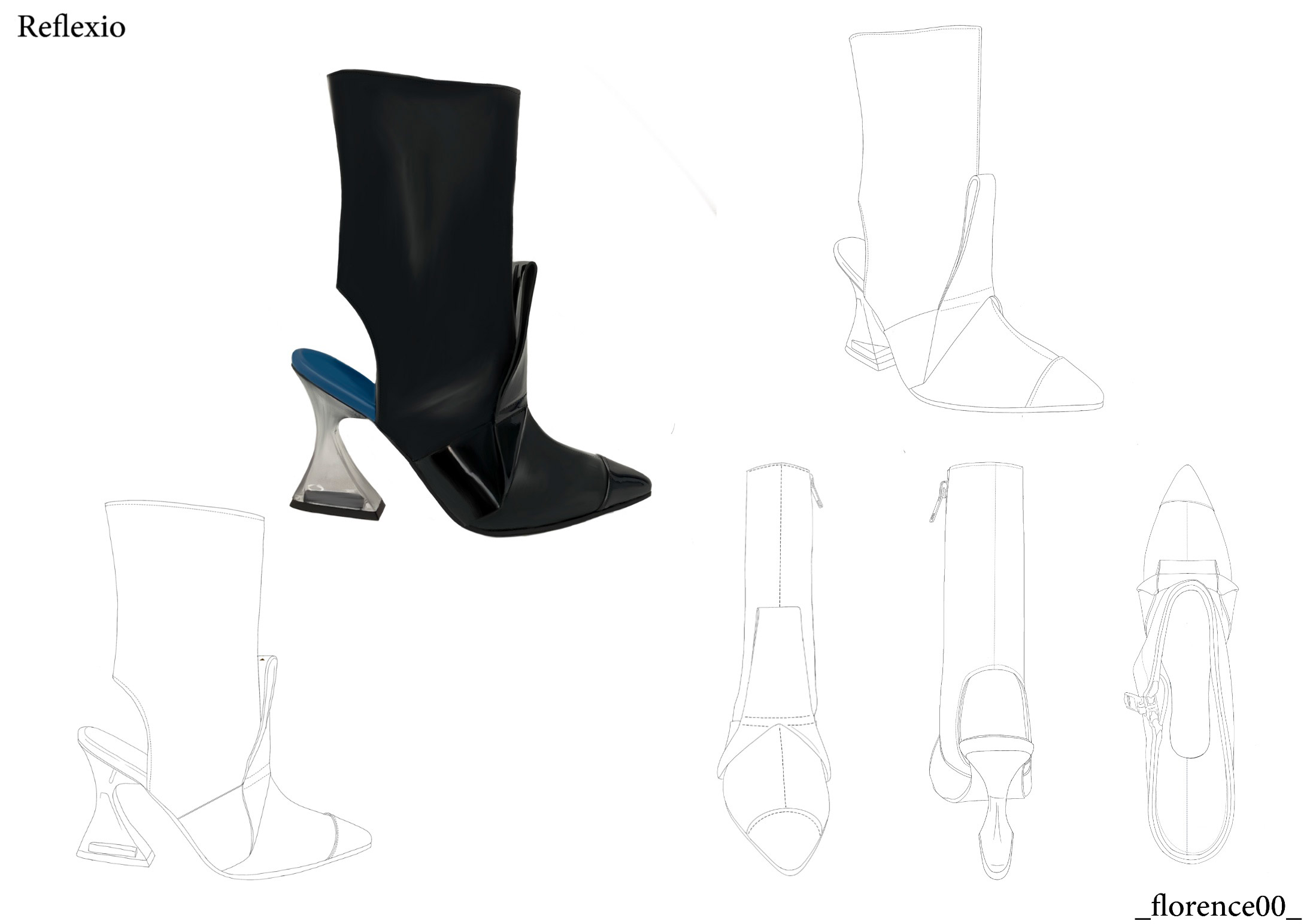
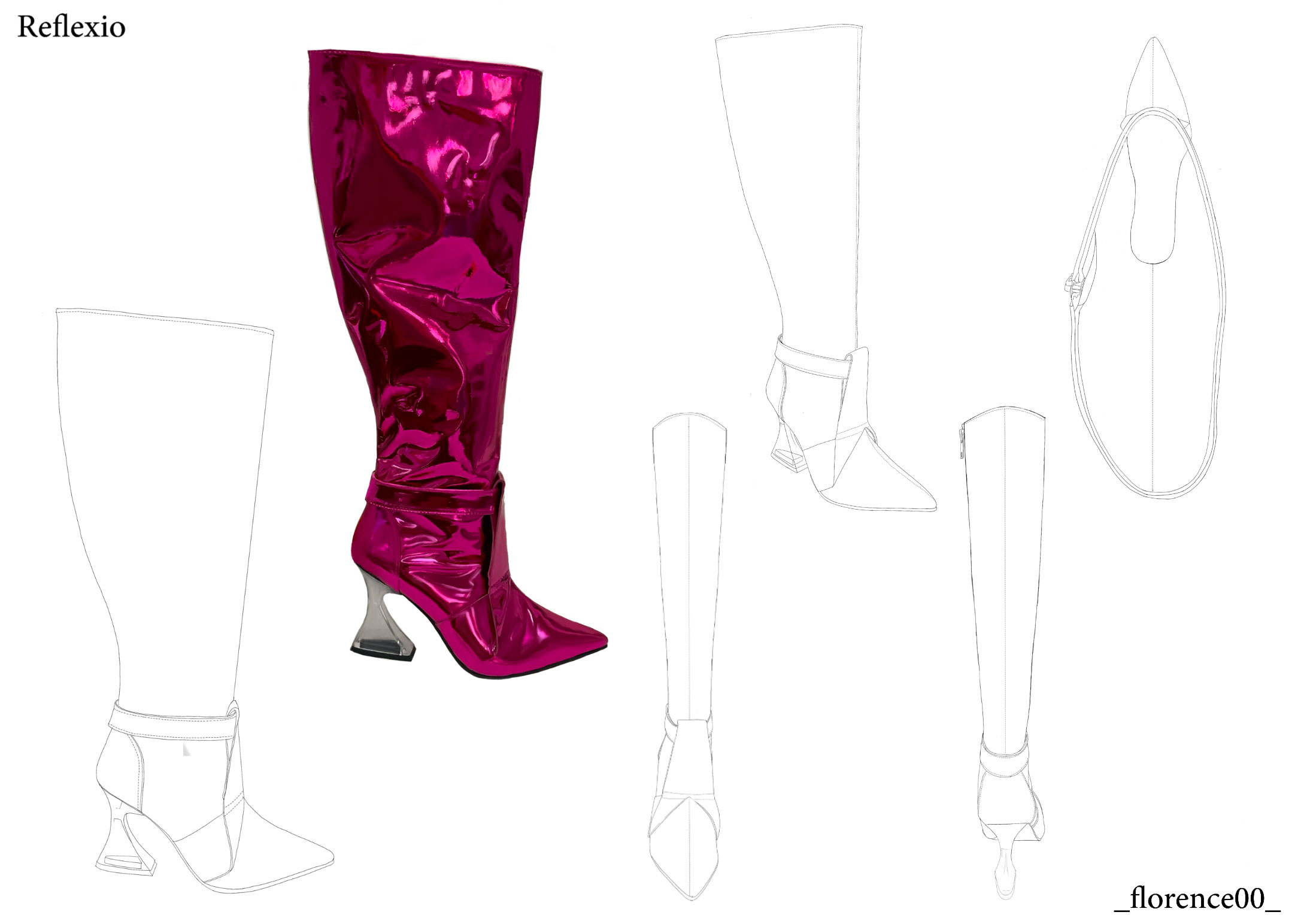
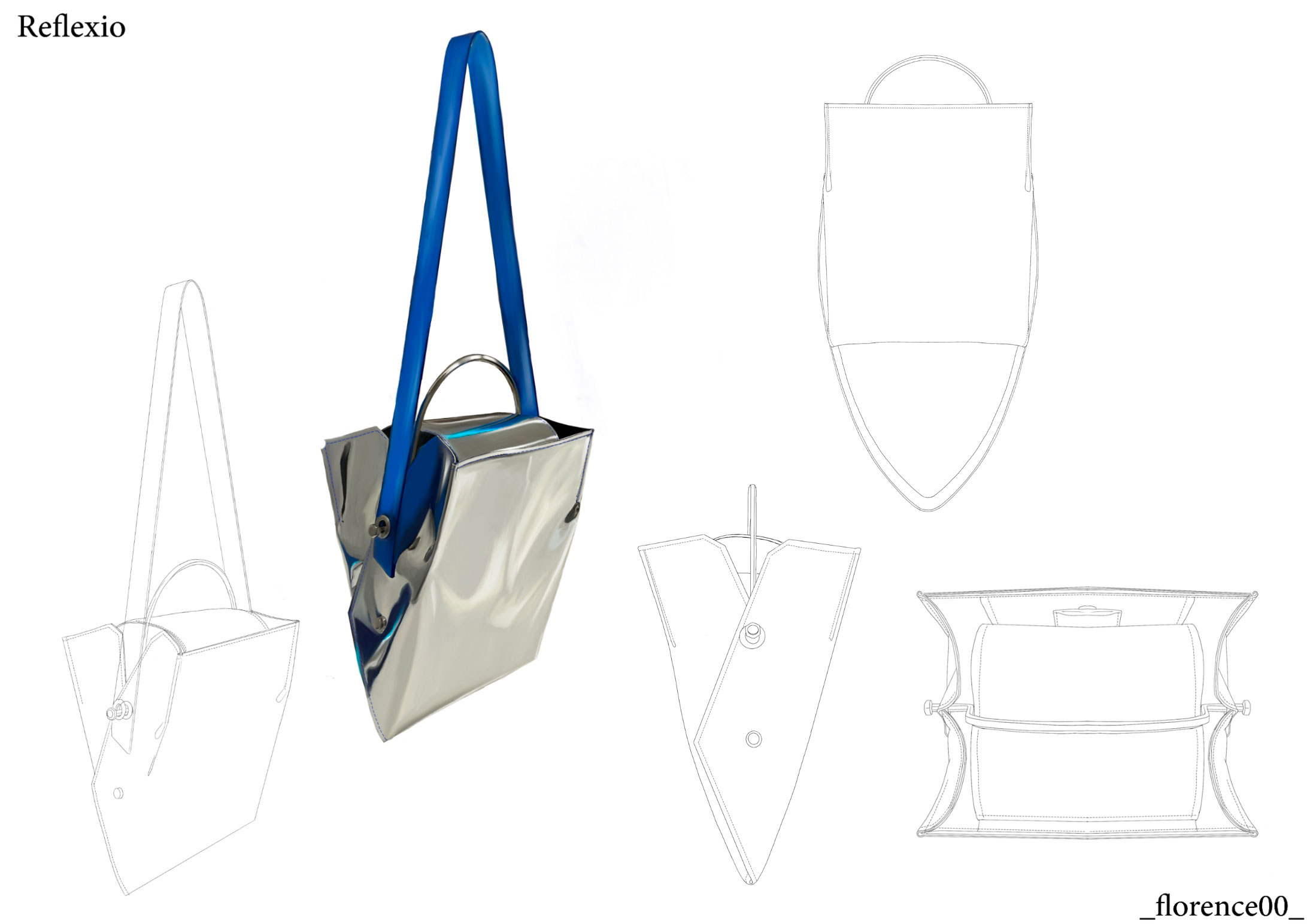
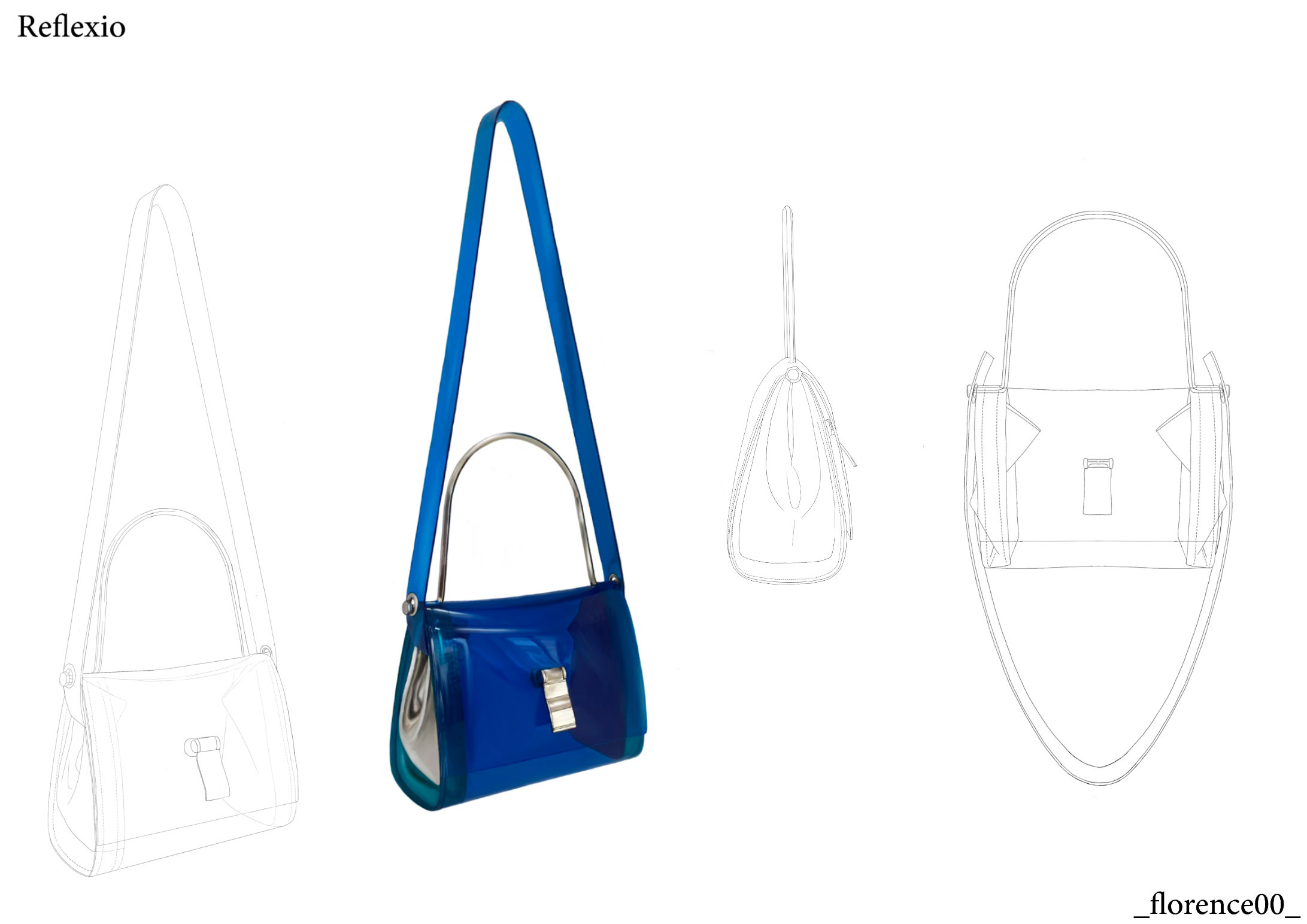
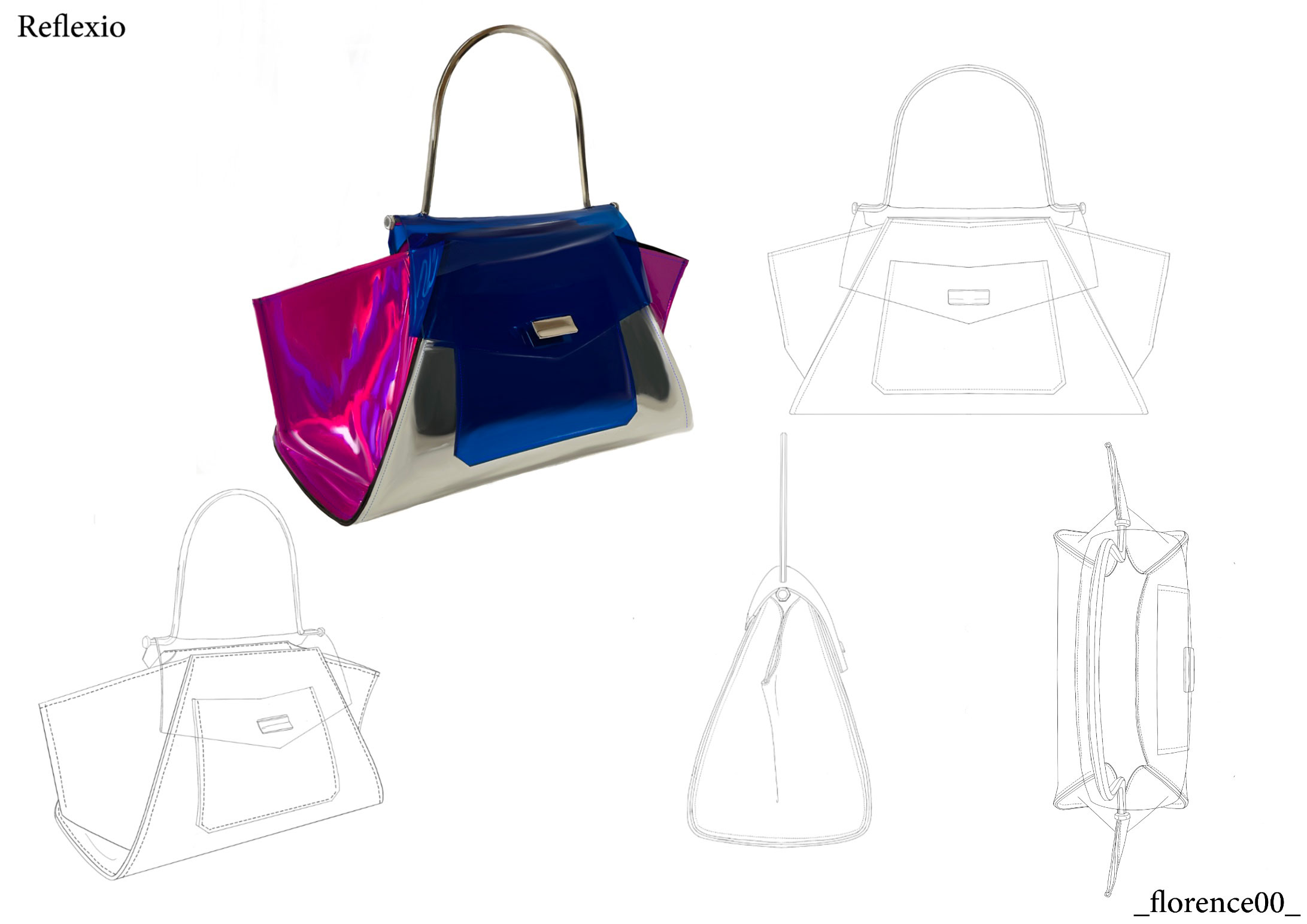
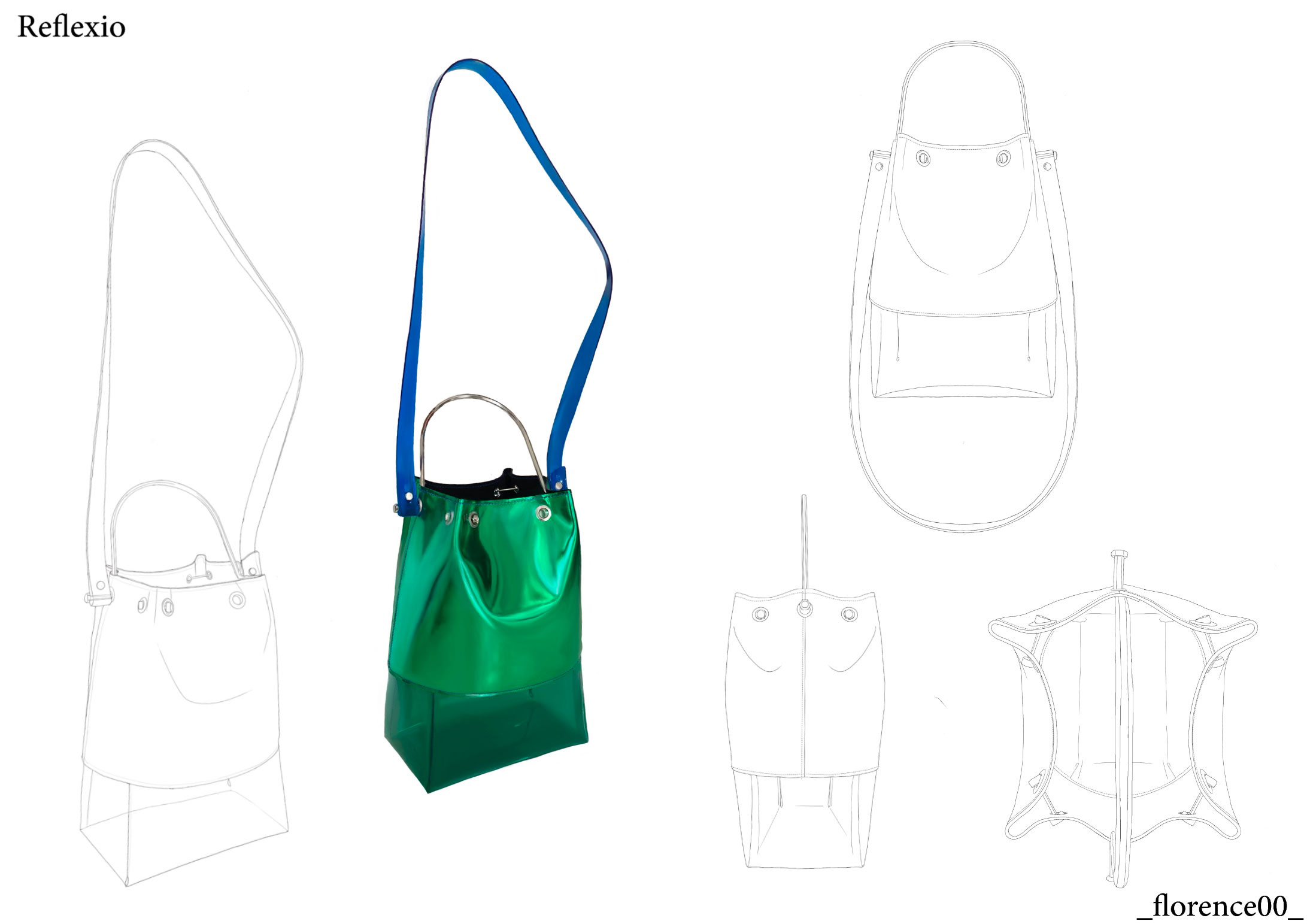
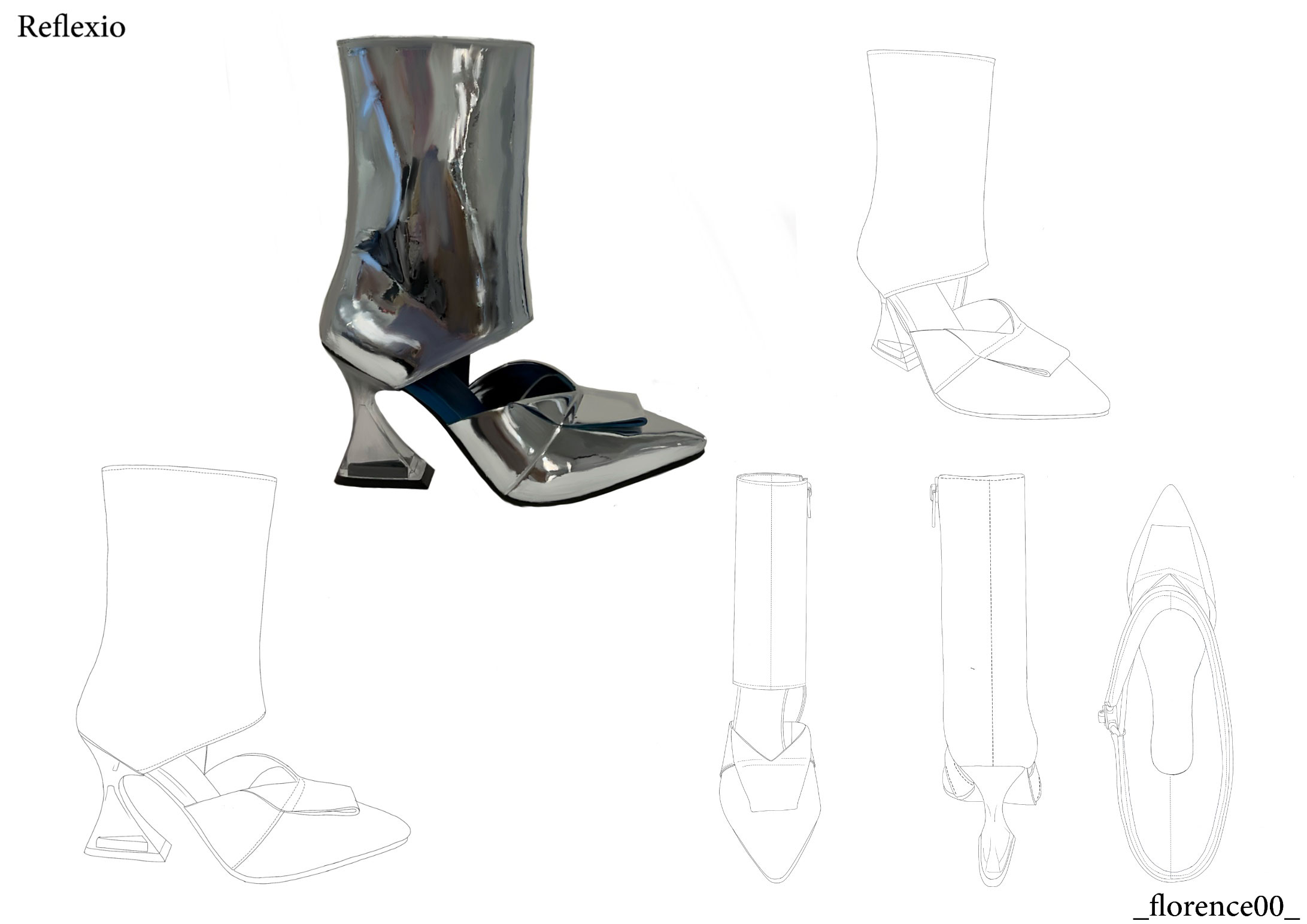
REFLEXIO = riflessione nasce da uno studio sulla riflessione e rifrazione della LUCE. Due fenomeni che avvengono quando un fascio di radiazioni luminose, incide sulla superficie di un mezzo materiale riflettente e il raggio si riflette nella direzione opposta. Nel caso del fenomeno della rifrazione, il bianco della luce entrante si scompone in diversi colori come in un Arcobaleno. Dallo studio di questi fenomeni parte la ricerca per la realizzazione di una capsule collection di pelletteria e calzature donna. Tre sono gli elementi principali che accomunano due artiste contemporanee: la luce, il colore e la plasticità dei volumi. Le sculture della mostra “Invisible dimension” della prima artista, realizzate in alluminio verniciato e acrilico rivestito da pellicola dicroica, riflettono uno spettro completo di colori. Flavie Audi trova il suo punto di partenza nella manipolazione del vetro. L’artista persegue modi di esprimere la sensualità e la luminosità creando incontri abbaglianti con la meraviglia e il sublime. Audi cerca di tradurre nella sua opera, la fisicità e la fluidità del vetro, attraverso forme astratte. Dallo studio di tali forme e materiali nasce l’idea di un tacco trasparente, sagomato e sfaccettato, realizzato in plexiglas. La palette color caratterizzata da colori puri in contrasto tra loro e l’utilizzo di tessuti olografici e poliuretano riciclato trasparente derivano dalle opere dell’americano Stephen Knapp che, con i suoi “Light Paintings”, trasforma la luce in colori.
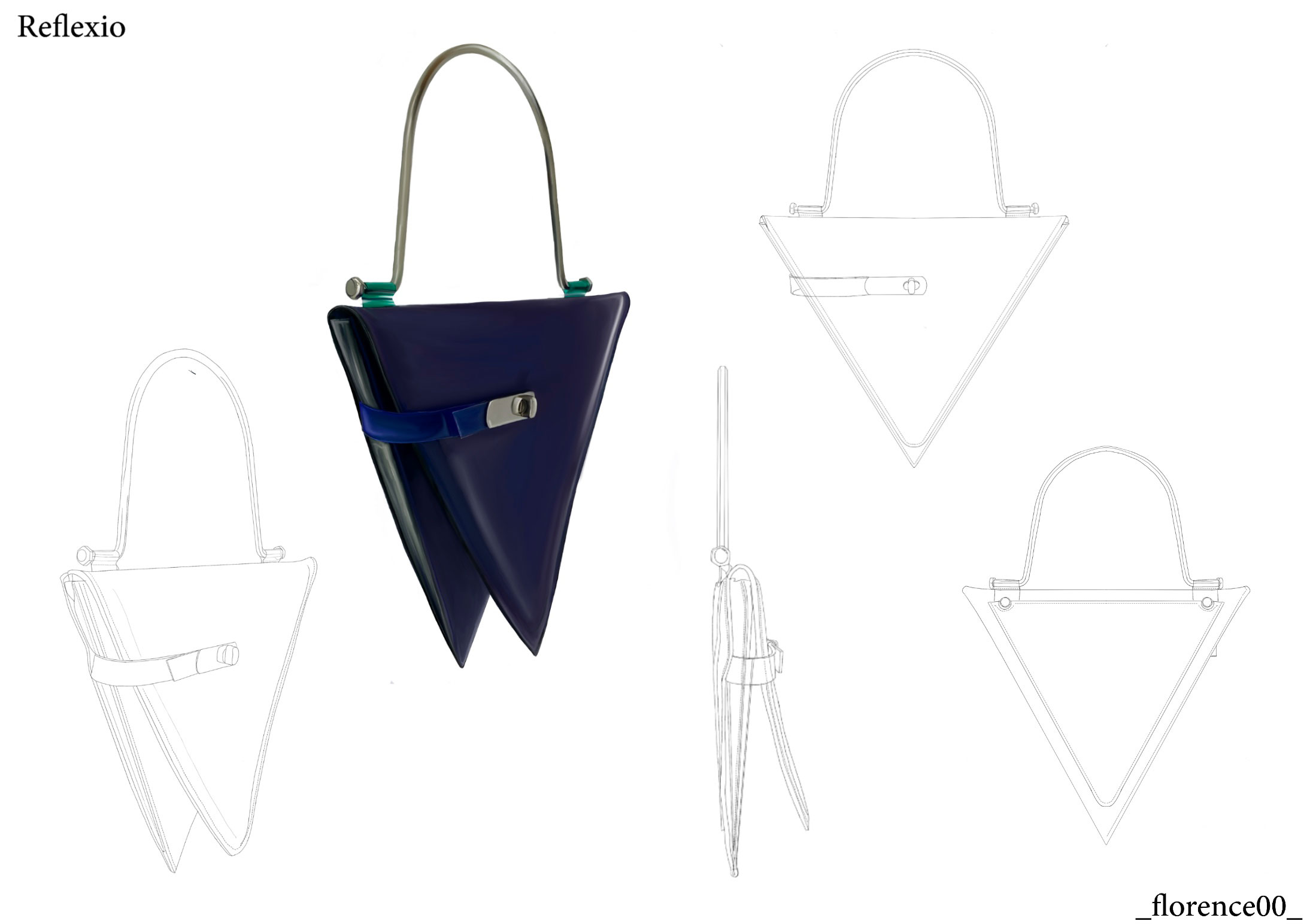
Queste opere su larga scala utilizzano strumenti minimi, sfruttando semplicemente la luce e il vetro dicroico per lanciare una moltitudine di colori contro le pareti e la stanza. La figura eclettica e poliedrica di Getulio Alviani realizza alla fine degli anni Cinquanta le “Superfici a struttura vibratile”, superfici metalliche, in acciaio e alluminio. Le lamiere, lavorate con metodi differenti, vengono assemblate in modo che riflettano la luce incidente a seconda dell’angolo di incidenza. Si tratta quindi di opere che oltre ad essere “ottiche” sono anche “dinamiche”. Ma il risultato visivo dipende anche dalla sensibilità dell’occhio che in quel momento guarda l’opera, potendo una superficie apparire ora concava ora convessa, e quindi parliamo anche di “percezione” dell’occhio. Tutto questo si traduce nell’utilizzo di pelli e tessuti specchiati, materiali di seconda scelta recuperati attraverso un processo di spalmatura, in contrasto con pelle di vitello liscia. Anche la metalleria, con finitura acciaio, richiama le forme geometriche: dai manici che presentano il filo esagonale agli anelli che riprendono la forma triangolare del Prisma. “Thinking with the body”, pensare con il corpo, è la filosofia del coreografo Wayne Mc Gregor.
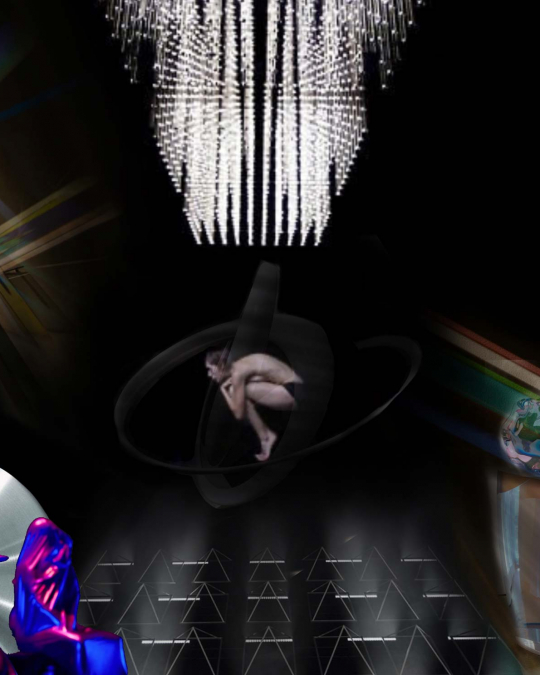
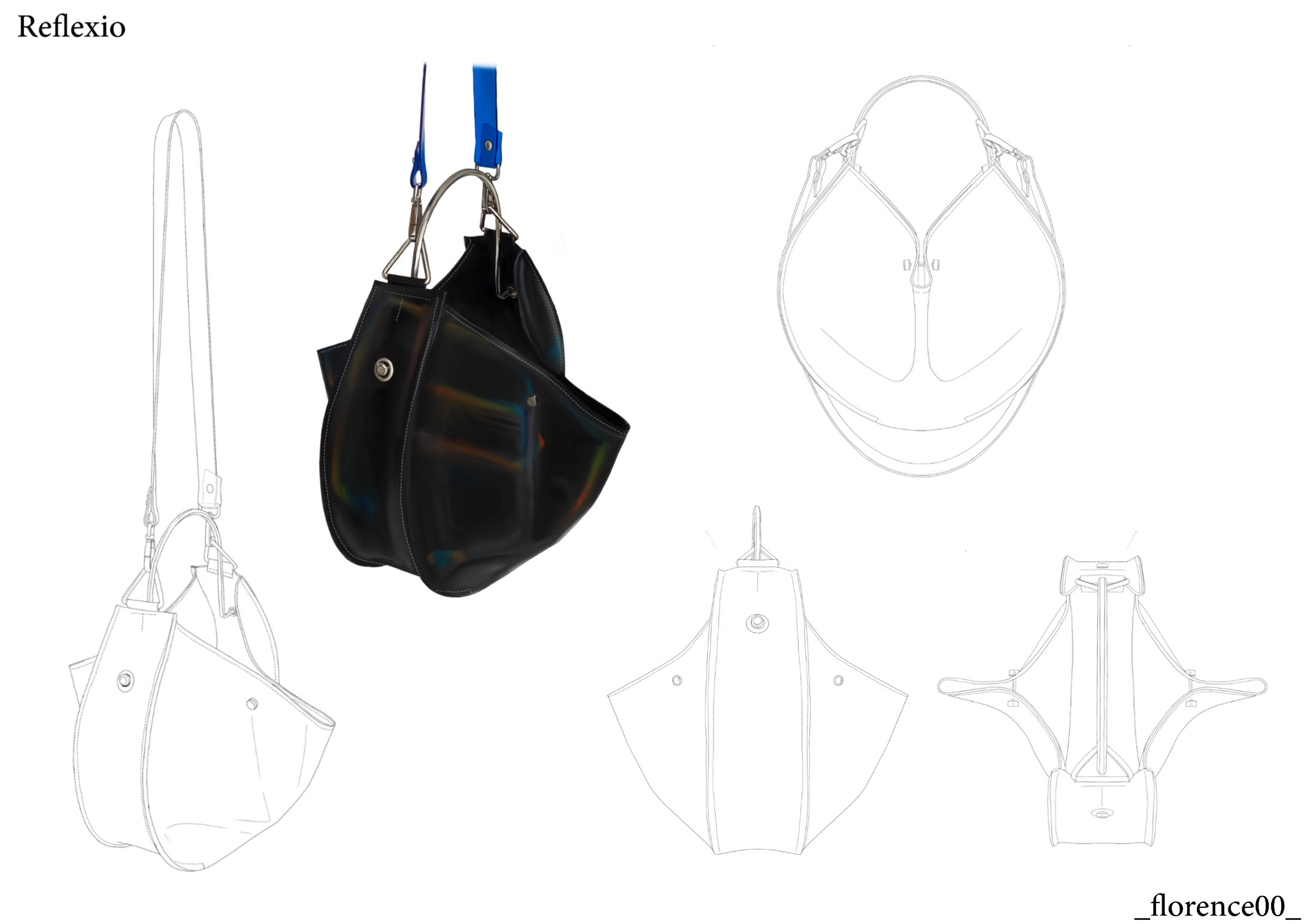
Il danzatore è un’unica entità che si esprime attraverso il movimento ma anche attraverso una profonda “riflessione”, in quanto considerazione attenta ed esercizio del pensiero. Nella coreografia “Autobiography”, le luci riproducono un universo noto e ignoto allo stesso tempo: una serie di prismi dal soffitto si illuminano o semplicemente incombono, creando a terra una geometria che diventa il contorno dei tracciati di vita che i danzatori disegnano in dialogo con linee e volumi creati dalla luce. Uno dei grandi coreografi modernisti del 20° secolo, Alwin Nikolais ha utilizzato il design delle luci, i costumi, il trucco, il suono elettronico e la forma umana per creare performance quasi surreali. In “Noumenon” Nikolais nasconde i danzatori dentro sacchi di tessuto Lycra riflettente, che si attorciglia e si increspa mentre essi ruotano e si contorcono all’interno. Tutto procede all’insegna della creazione istantanea di forme plastiche irreali e cangianti che continuamente si rinnovano nel ‘dialogo’ tra colui che è nascosto nel sacco e il sacco stesso, e la percezione è quella di una massa scultorea in movimento di cui non si individuano i contorni ma solo il volume.
REFLEXIO = reflection comes from a study on the reflection and refraction of LIGHT.
Two phenomena that occur when a beam of light radiation strikes the surface of a material medium, and the ray is reflected in the opposite direction. Aiming a ray of white light at a prism-shaped crystal we can see, that through the phenomenon of refraction, the white of the incoming light breaks down into different colors like in a Rainbow. Through the study of these phenomena begins the research for woman’s capsule collection of leather goods and footwear. There are three main elements that unite two contemporary artists: light, color and the plasticity of the volumes. The sculptures of the first artist’s “Invisible dimension” exhibition, made of painted aluminum and acrylic coated with dichroic film, reflect a complete spectrum of colors. Flavie Audi finds its starting point in the manipulation of glass. The artist pursues ways of expressing sensuality and luminosity by creating dazzling encounters with wonder and the sublime. Audi tries to translate the physicality and fluidity of glass into hers work through abstract forms. From the study of these shapes and materials comes the idea of a transparent, shaped and faceted heel, made of Plexiglas. The color palette characterized by pure colors in contrast with each other and the use of holographic fabrics and transparent recycled polyurethane come from the works of the American Stephen Knapp who transforms light into colours by his “Light Paintings”.
These large-scale works use minimal tools, simply harnessing light and dichroic glass to throw a multitude of colors against the walls and room. At the end of the 1950s, the eclectic and polyhedric figure of Getulio Alviani created the “Superfici a struttura vibratile”, metal surfaces in steel and aluminum. The plates, worked with different methods, are assembled so that they reflect the incident light according to the angle of incidence. Therefore, these are works that in addition to being “optical” are also “dynamic”. But the visual result also depends on the sensibility of the eye observing at the work at that moment, since a surface can appear now concave now convex, and therefore we also speak of “perception” of the eye.
All this translates into the use of mirrored leathers and fabrics, second-rate materials recovered through a coating process, in contrast with calfskin leather. Even the metalwork, with a steel finish, recalls geometric shapes: the handles have a hexagonal thread; square wire carabiners and the rings take up the triangular shape of the Prisma. “Thinking with the body” is the philosophy of choreographer Wayne McGregor. The dancer is a single entity who expresses himself through movement but also through profound “reflection” as careful consideration and exercise of thought. In the “Autobiography” choreography, the lights reproduce a known and unknown universe at the same time: a series of prisms from the ceiling light up or simply loom, creating a geometry on the ground that becomes the outline of the paths of life that the dancers draw in dialogue with lines and volumes created by light. One of the great modernist choreographers of the 20th century, Alwin Nikolais used light design, costumes, electronic sound and the human form to create almost surreal performances. In “Noumenon” Nikolais hides the dancers inside sacks of reflective Lycra fabric, which twist and ripple as they twist and writhe inside. Everything proceeds under the banner of the instantaneous creation of unreal and iridescent plastic forms which are continually renewed in the ‘dialogue’ between the one who is hidden in the sack and the sack itself, and the perception is that of a moving sculptural mass of which one cannot identify the side dishes but only the volume.
Partners:
Leathers by: Russo di Casandrino, Lineapelle
Metal Accessories by: Crisden



- Moodboard
- Sketches
- Line up
- Catwalk