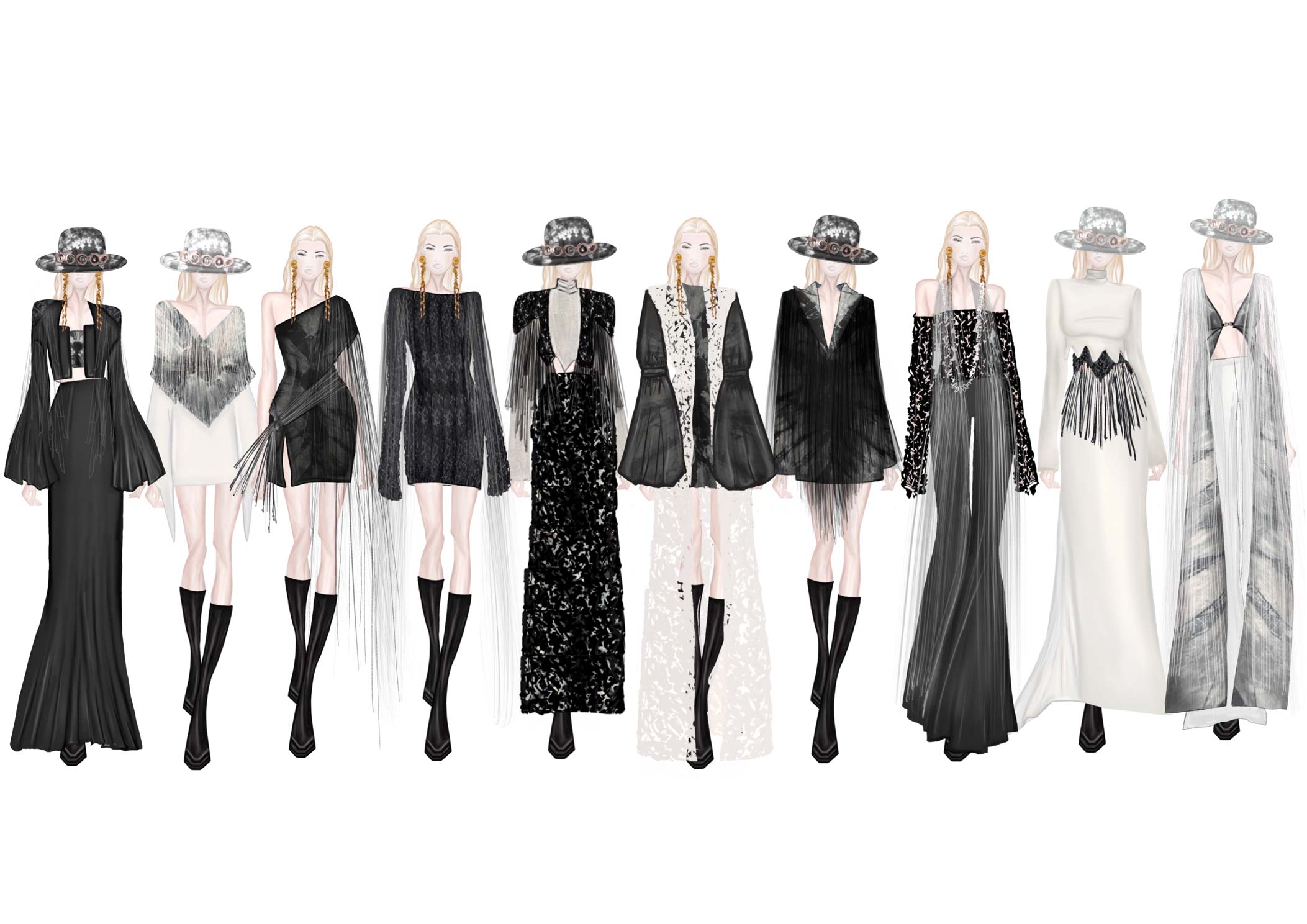
See it, Feel it
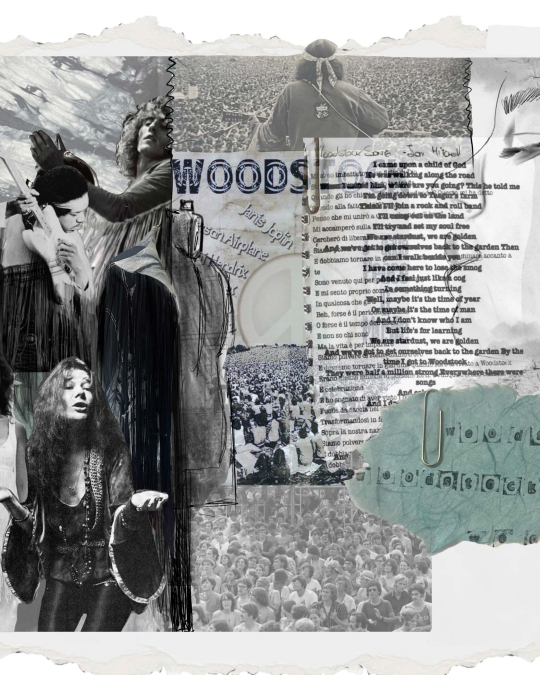
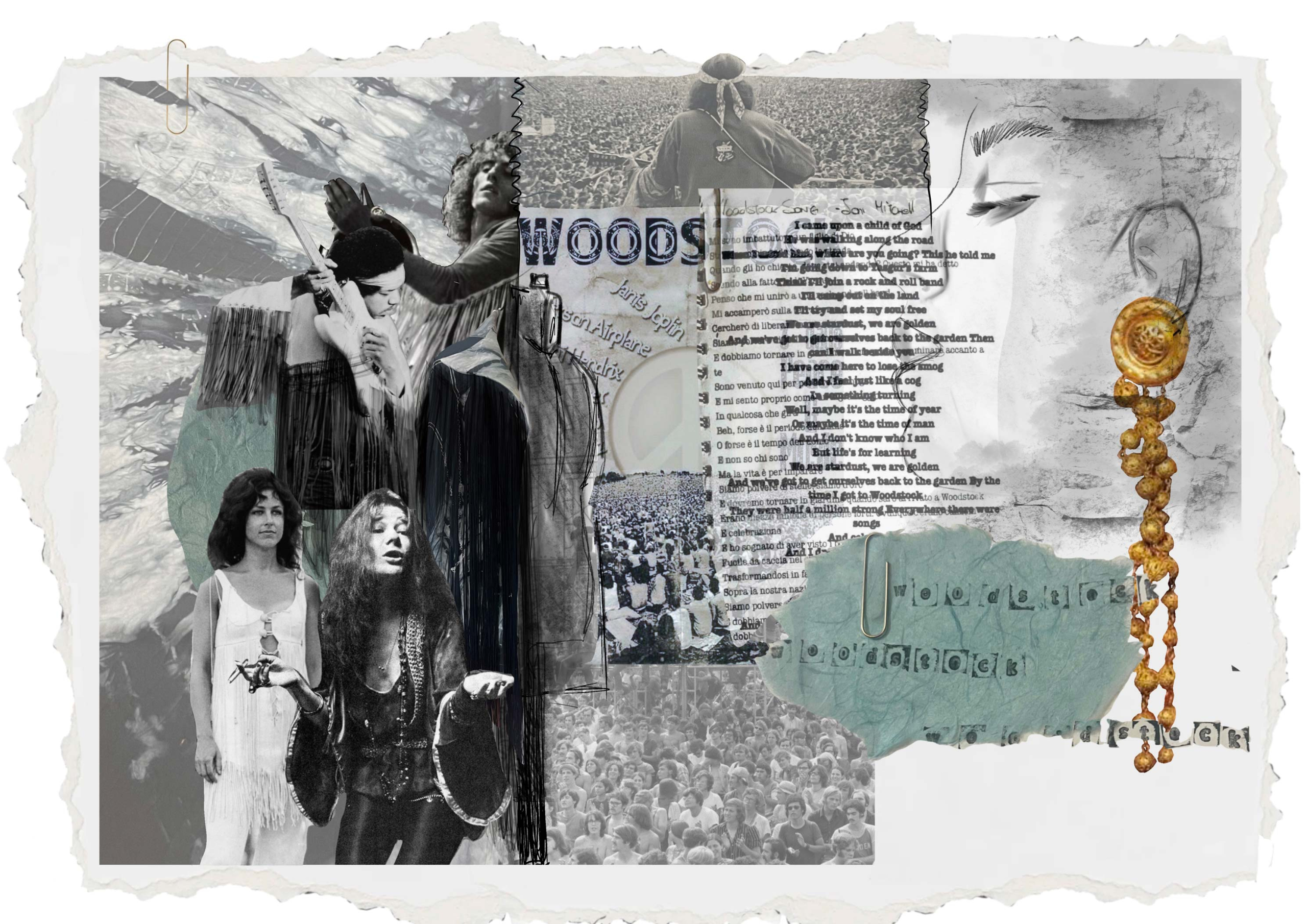
“Feel It, See it”, vuole raccontare l’idea di concerto come esaltazione delle sensazioni e delle vibes che si vanno a creare in un determinato momento o situazione; non soltanto come esibizione sonora fine a se stessa ma come esperienza di conoscenza, libertà, spensieratezza e condivisione. Un evento musicale non va solo ascoltato, è necessario percepirlo e vederlo, viverlo assaporandolo in tutte le sue sfaccettature.
Il festival di Woodstock, che si svolse dal 15 al 18 agosto del 1969, quello che doveva essere solo un evento con fini economici, è diventato molto di più. Gli anni 60/70 furono tra i più turbolenti della storia, dove molti giovani si sono ritrovati a fronteggiare guerre a cui non volevano prendere parte, in tanti rifiutarono la chiamata alle armi, erano sempre meno propensi a seguire le orme dei genitori.
Per il movimento giovanile, il 68 fu l’anno delle delusioni, la parola d’ordine della controcultura era protestare pacificamente. Inizialmente l’evento di Woodstock divise l’opinione pubblica: amato dagli hippie e dai pacifisti che lottavano contro la guerra degli Stati Uniti in Vietnam e detestato dal resto del mondo che guardava alla grande radura come un ritrovo di viziosi nullafacenti.
Al festival arrivano migliaia di giovani con l’idea di manifestare pacificamente, quando si parla di miracolo di Woodstock, si parla proprio di questo, far capire alle persone che si poteva vivere tranquillamente insieme in pace anche contro gli estremi disagi che la vita può riservare. I giovani dell’epoca erano stanchi di tutto ciò che si muoveva intorno a loro, usavano tutti i mezzi necessari per essere “liberi”, utilizzavano droghe, si sentivano liberi di poter mostrare il loro corpo, avevano a cura l’ambiente e preferivano crearsi da se i proprio capi di abbigliamento o acquistarne in negozi vintage; per certi aspetti, non erano così lontani dai giovani d’oggi nonostante vivano in un mondo totalmente diverso, mangiato dalla tecnologia e dalle apparenze. Con il passare degli anni Woodstock ha perso il suo significato politico ed è stato universalmente riconosciuto come uno degli eventi musicali più importanti della storia. L’atmosfera appunto che si creò durante il festival, fu sicuramente grazie anche al potere delle note e dei testi che furono suonati, si esibirono tra i migliori artisti dell’epoca.
Momento emblematico fu il concerto di Jimi Hendrix a Woodstock. Due ore circa di esibizione, una critica aperta e sfacciata al governo americano, la chitarra che grazie a un anello applicato sul dito del chitarrista riproduce il suono delle bombe che intanto cadono sul Vietnam. Sì, Woodstock fu forse la più grande protesta pacifista mai organizzata dall’uomo, evento che raccolse il grido di un’intera generazione.
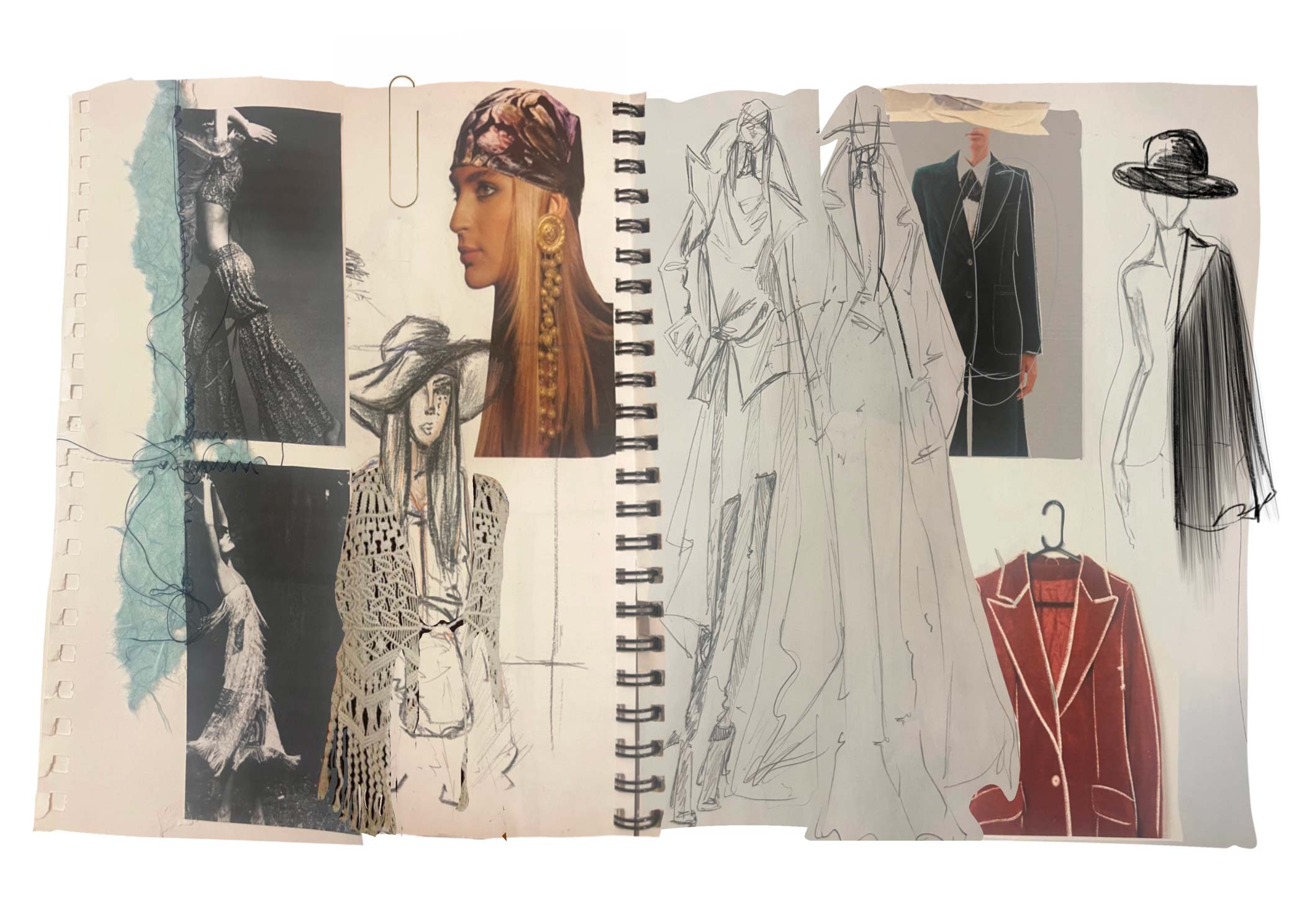
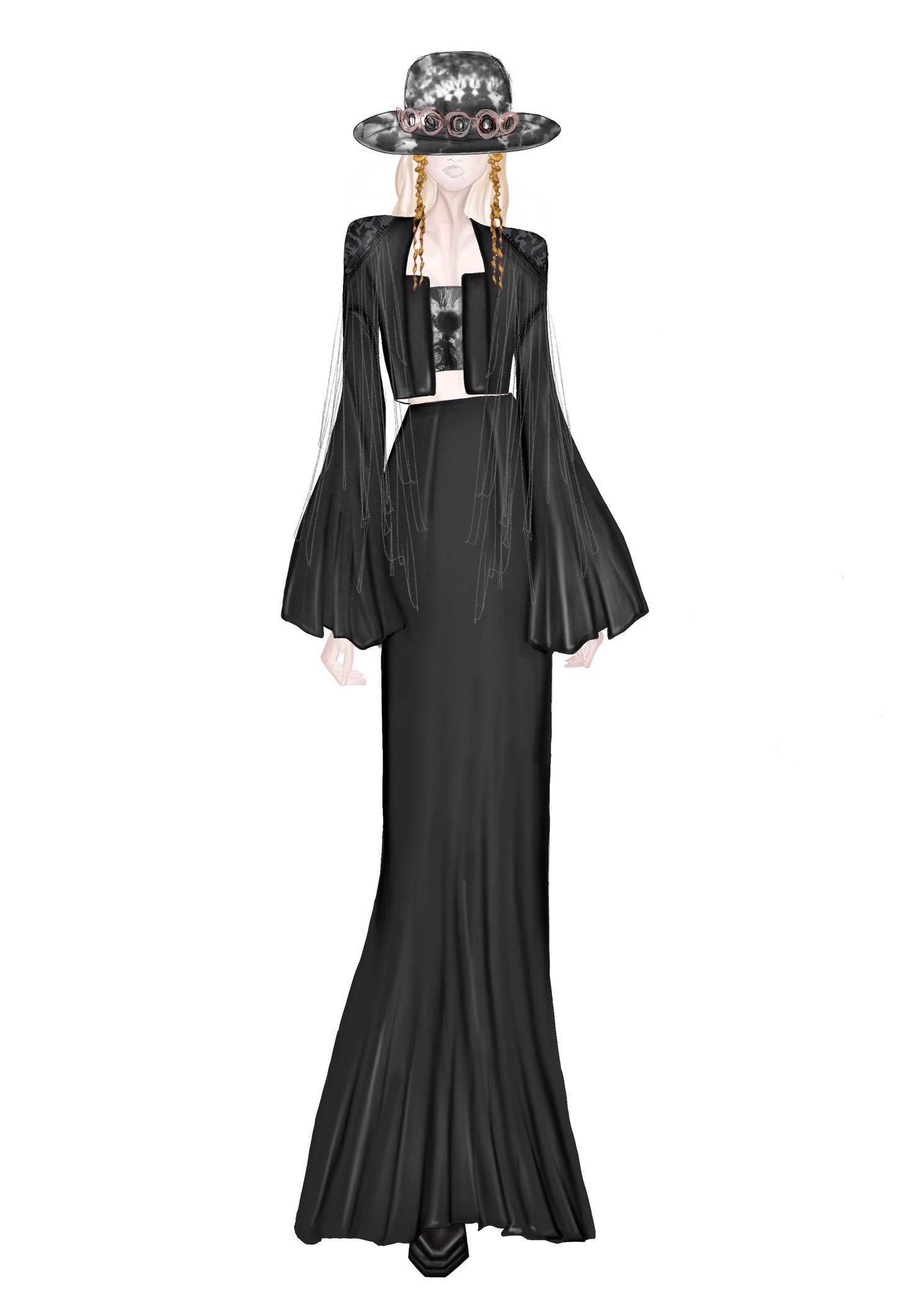
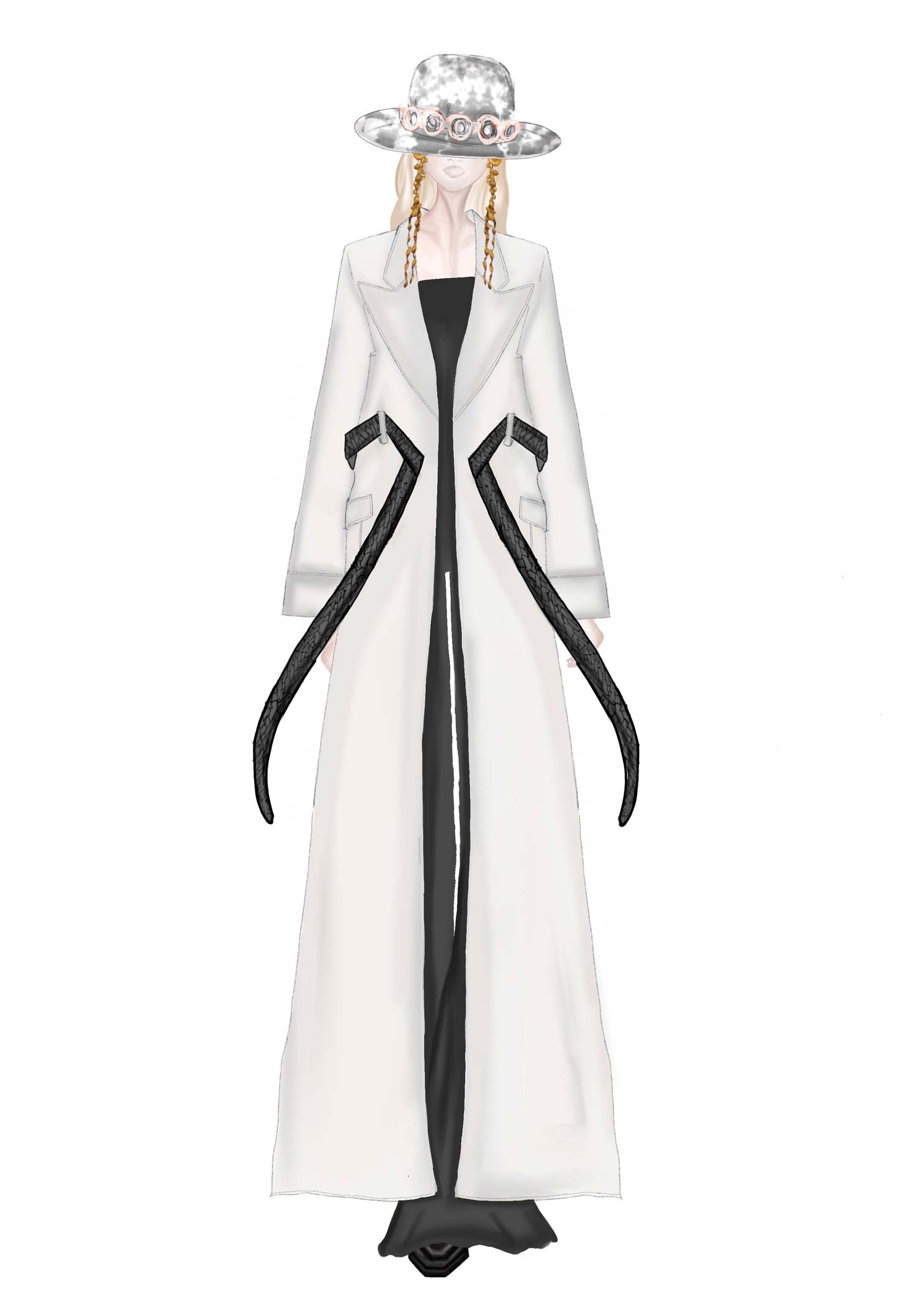
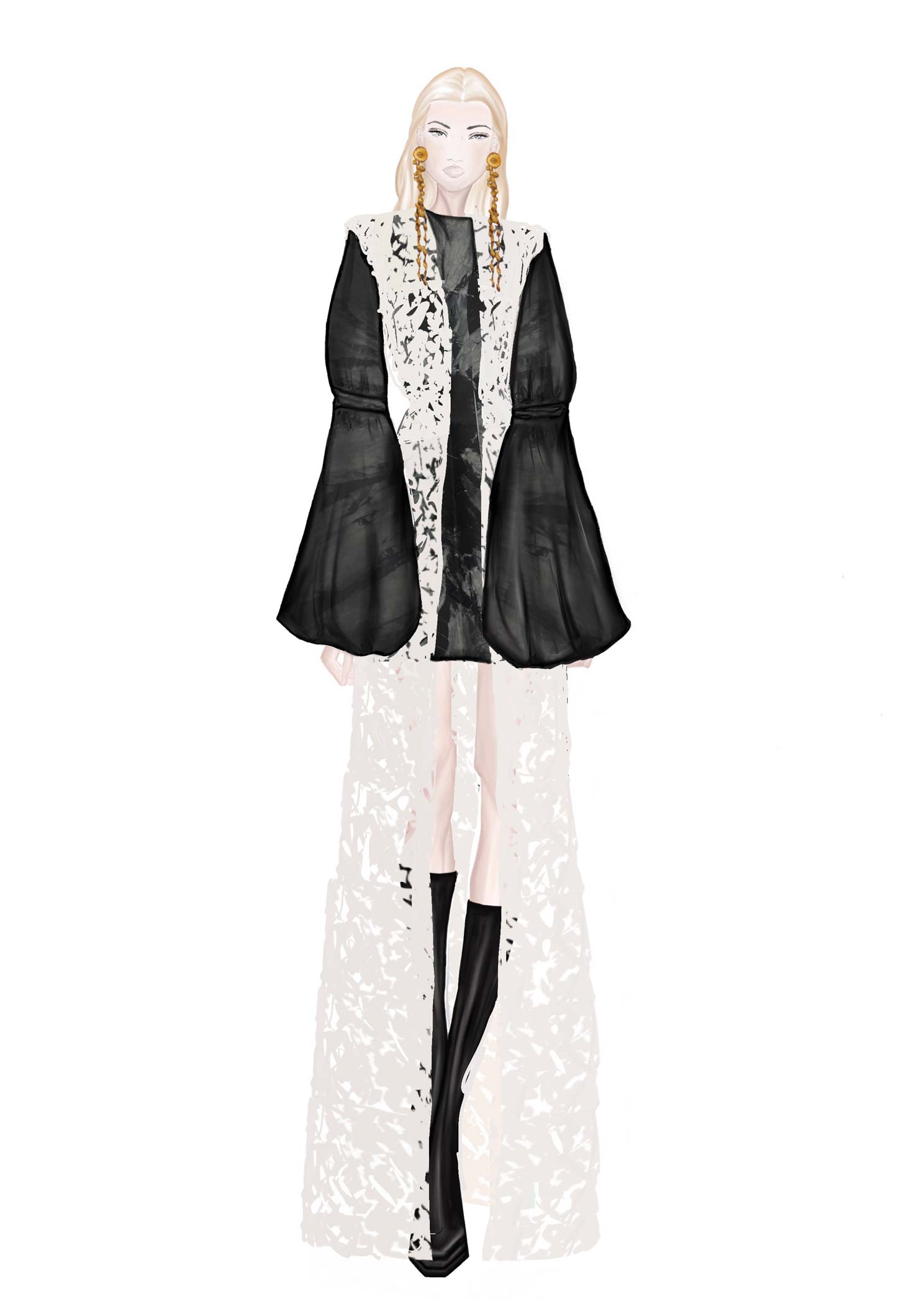
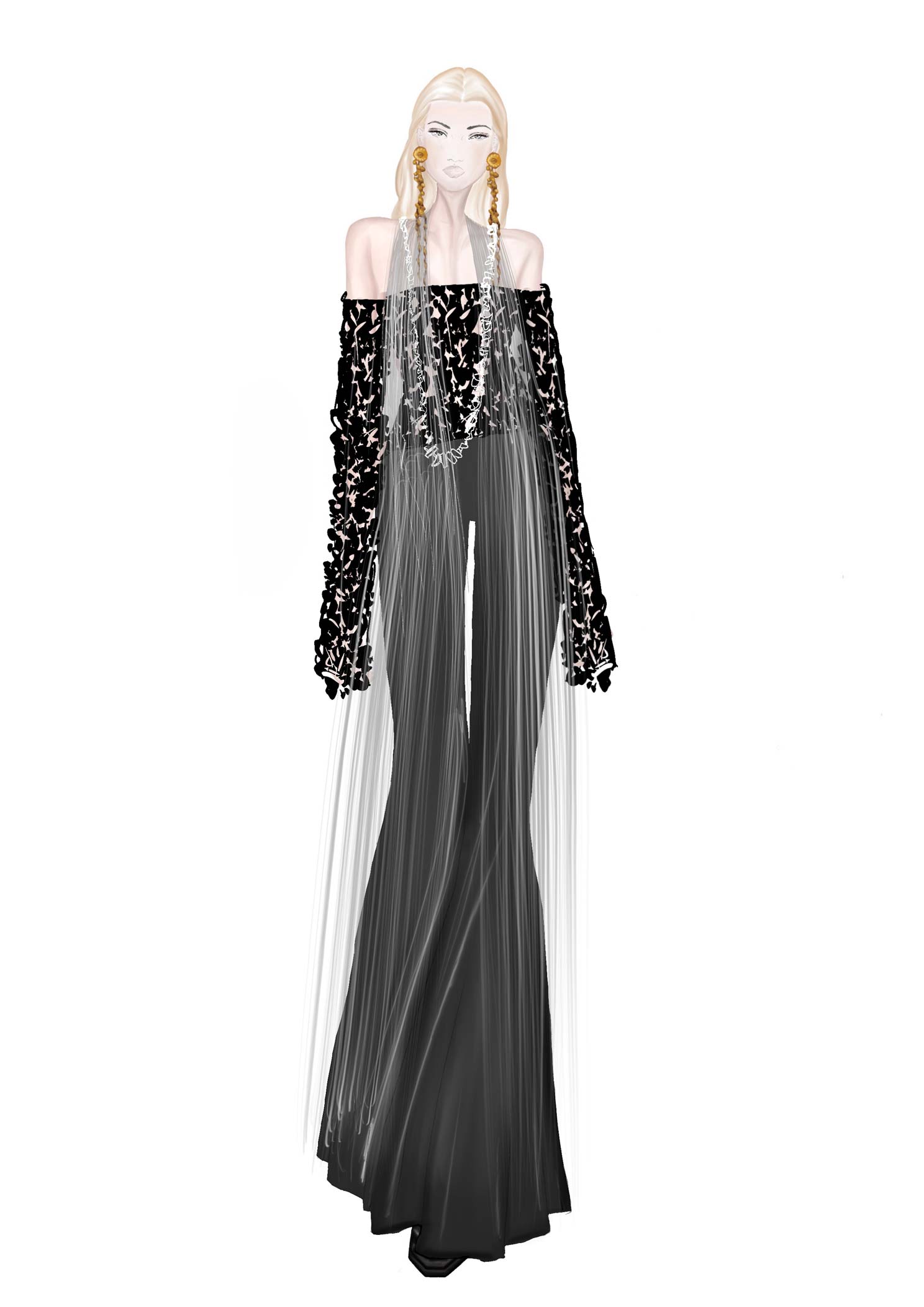
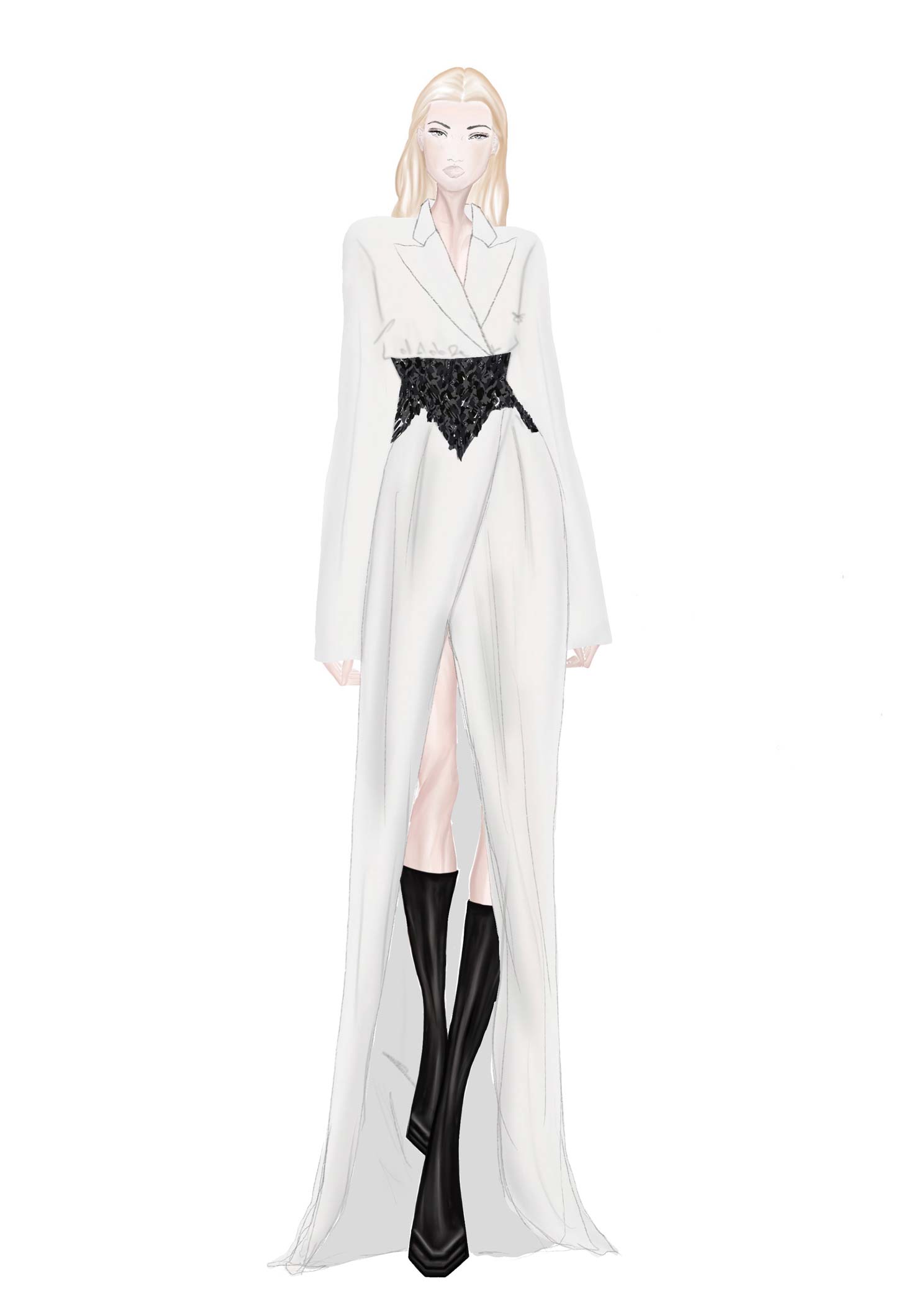
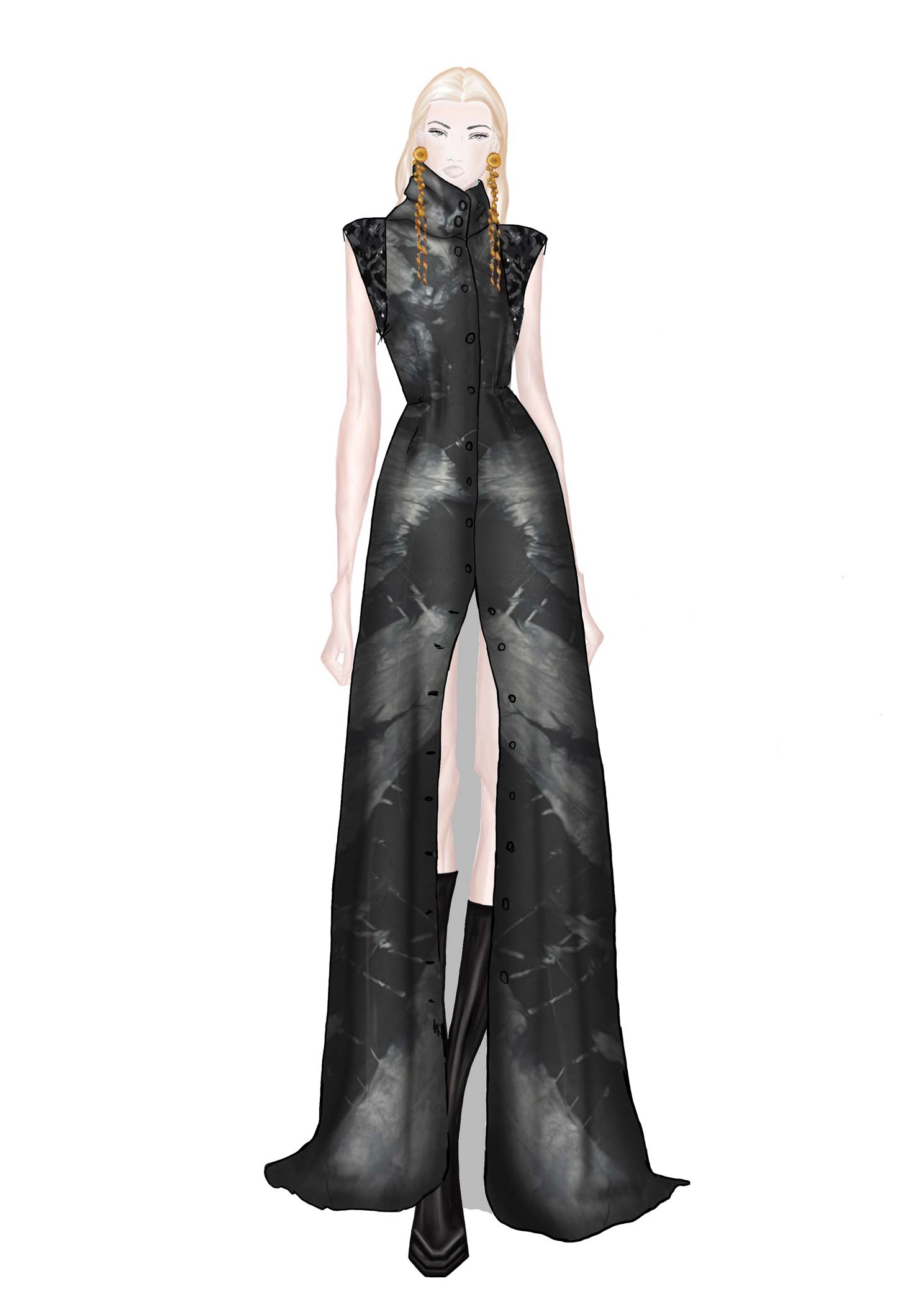
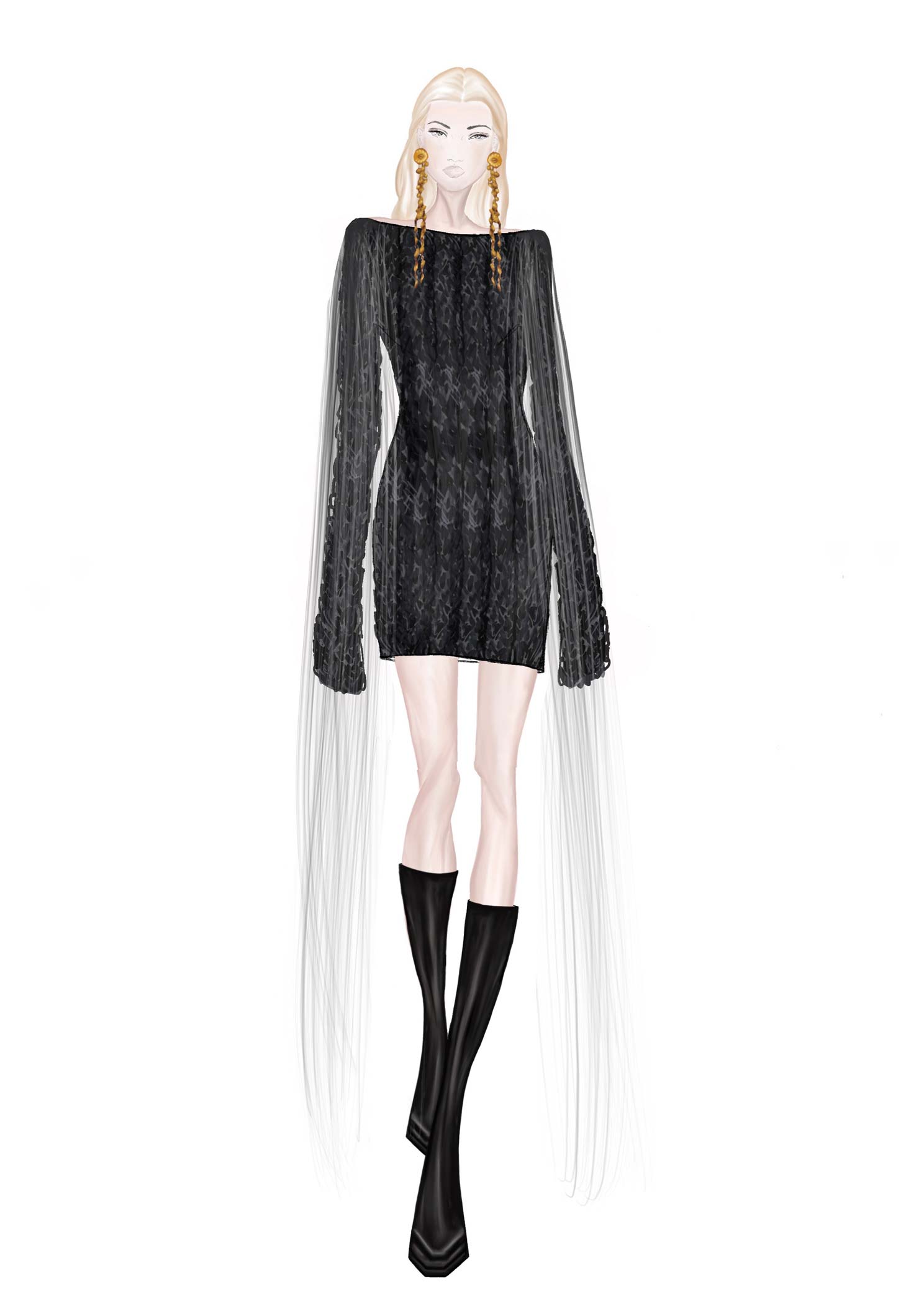
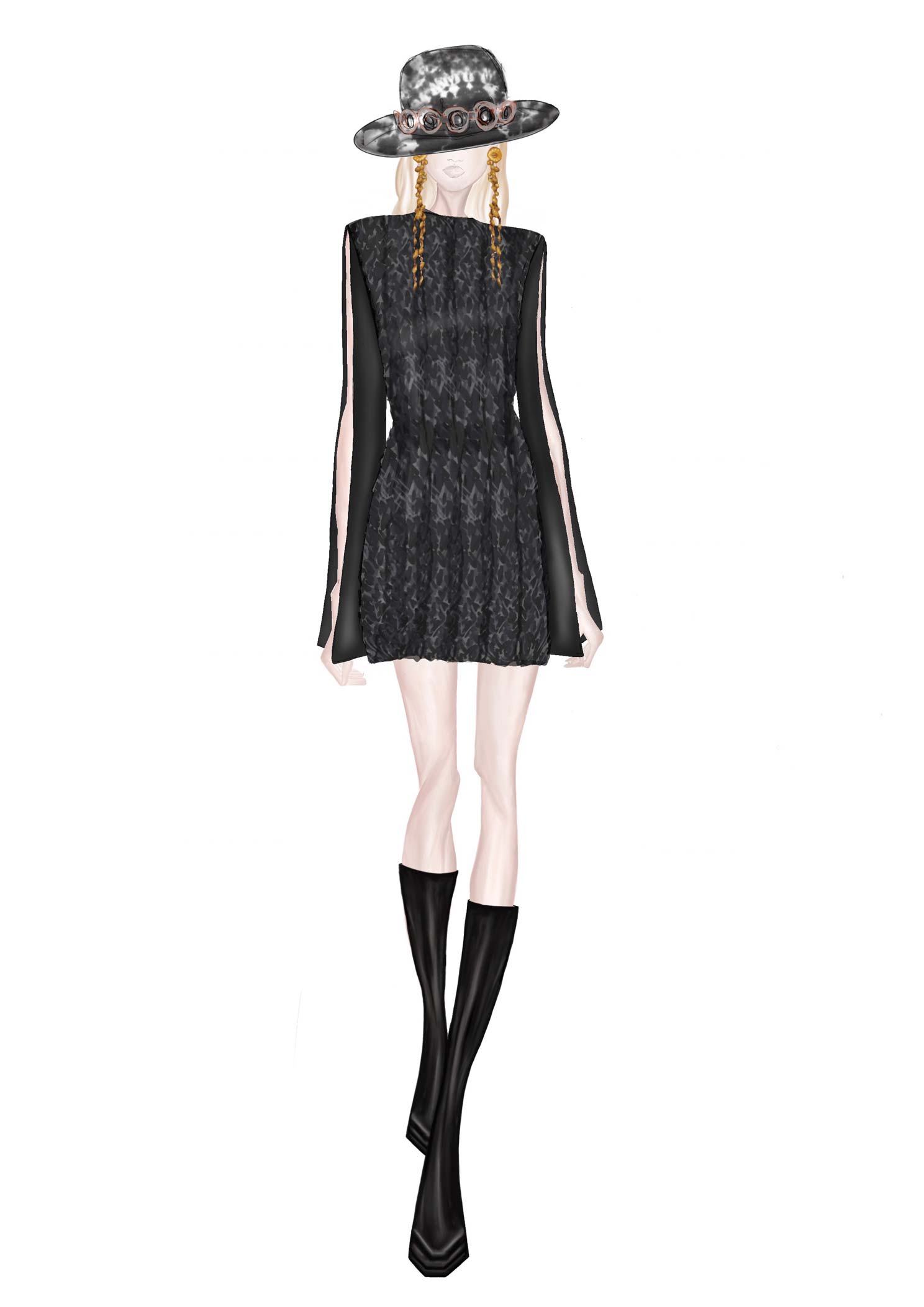
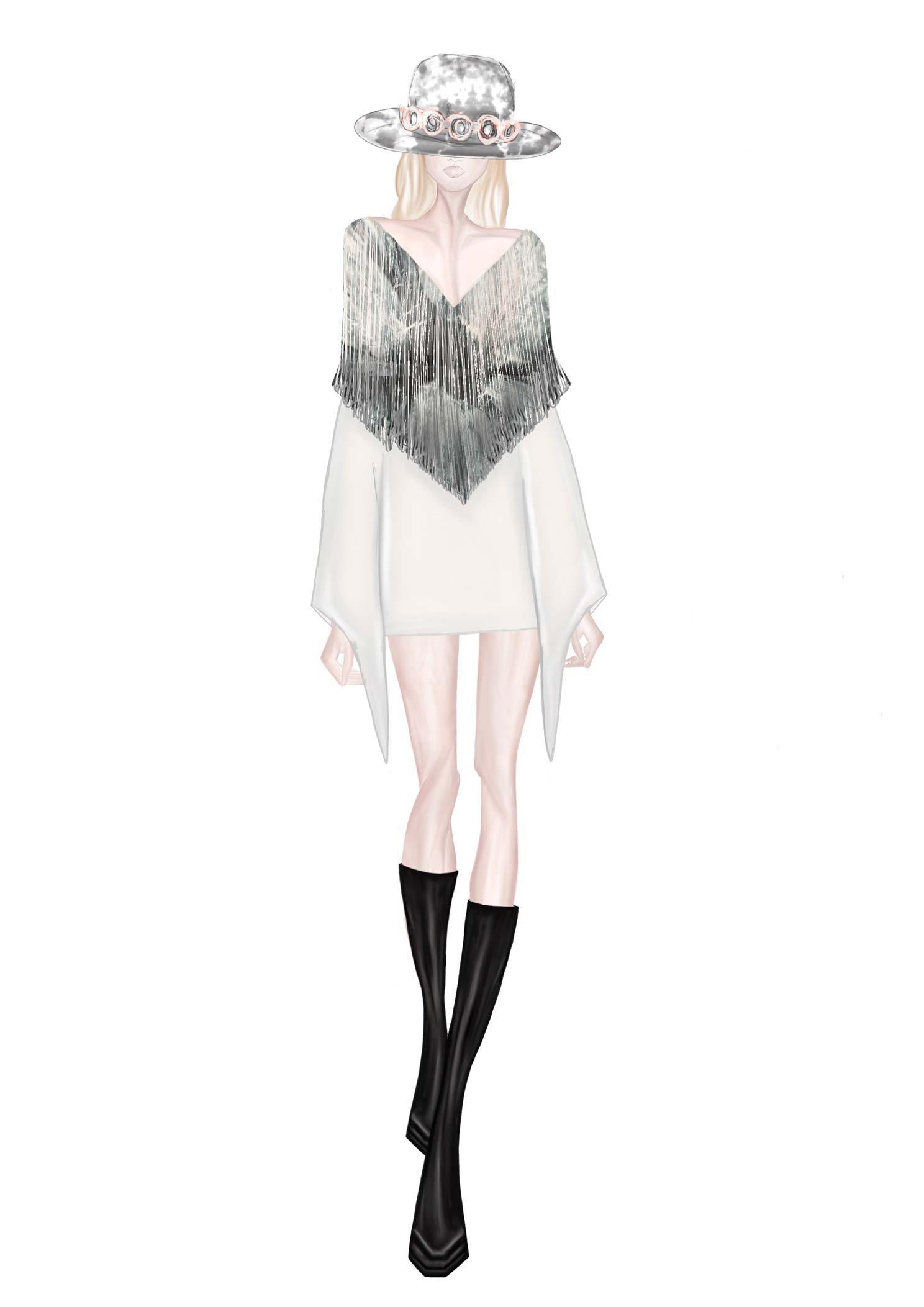
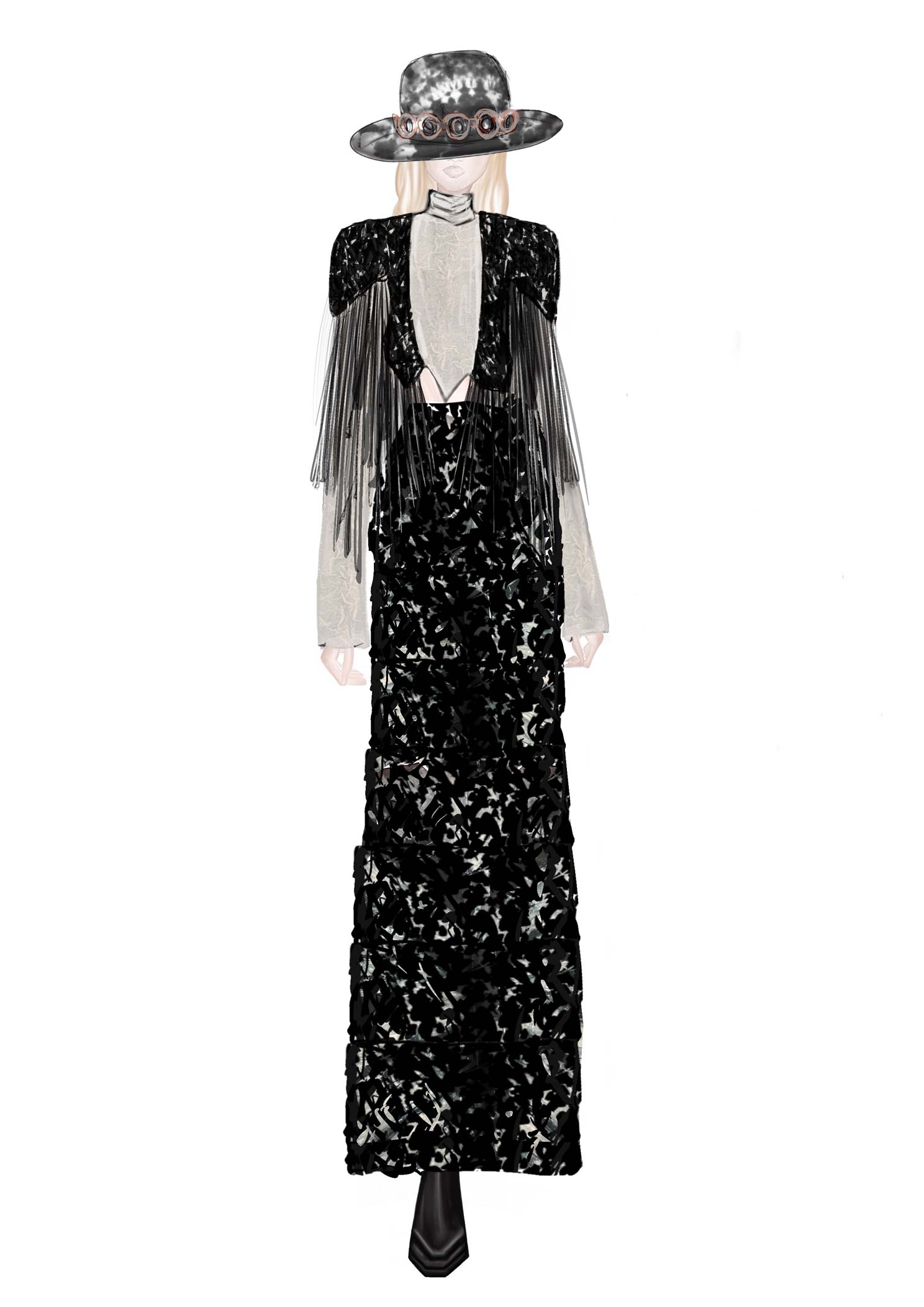
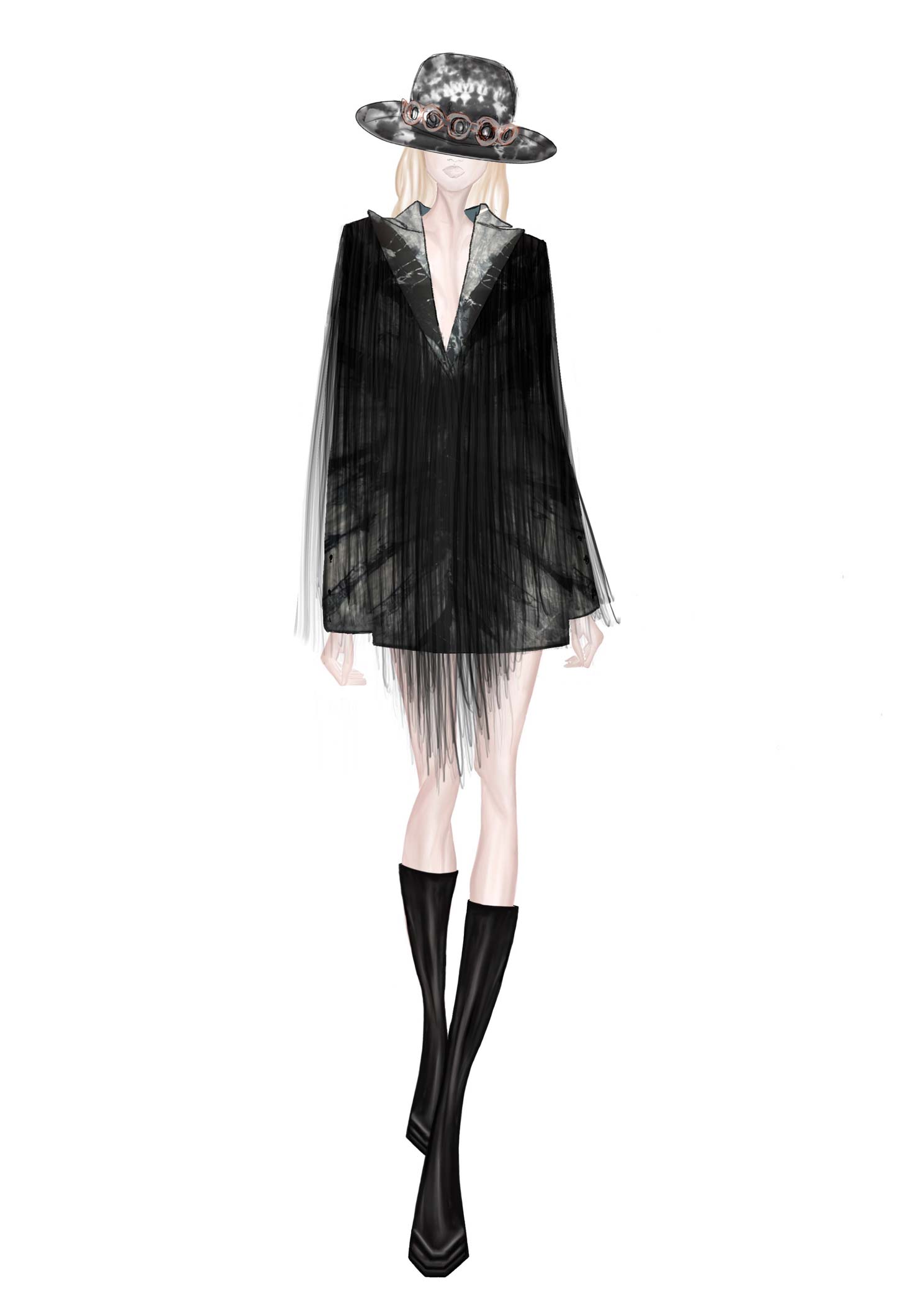
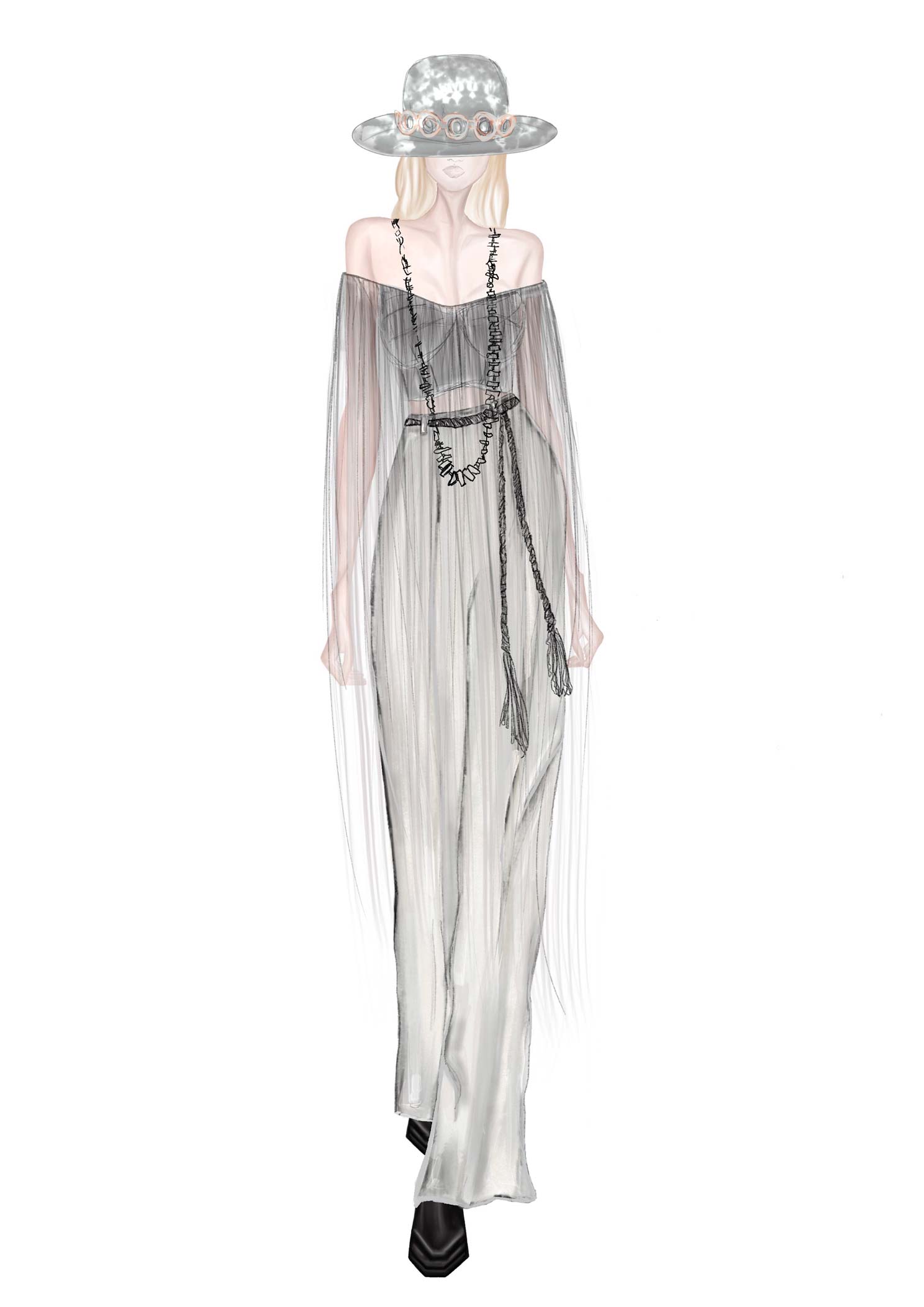
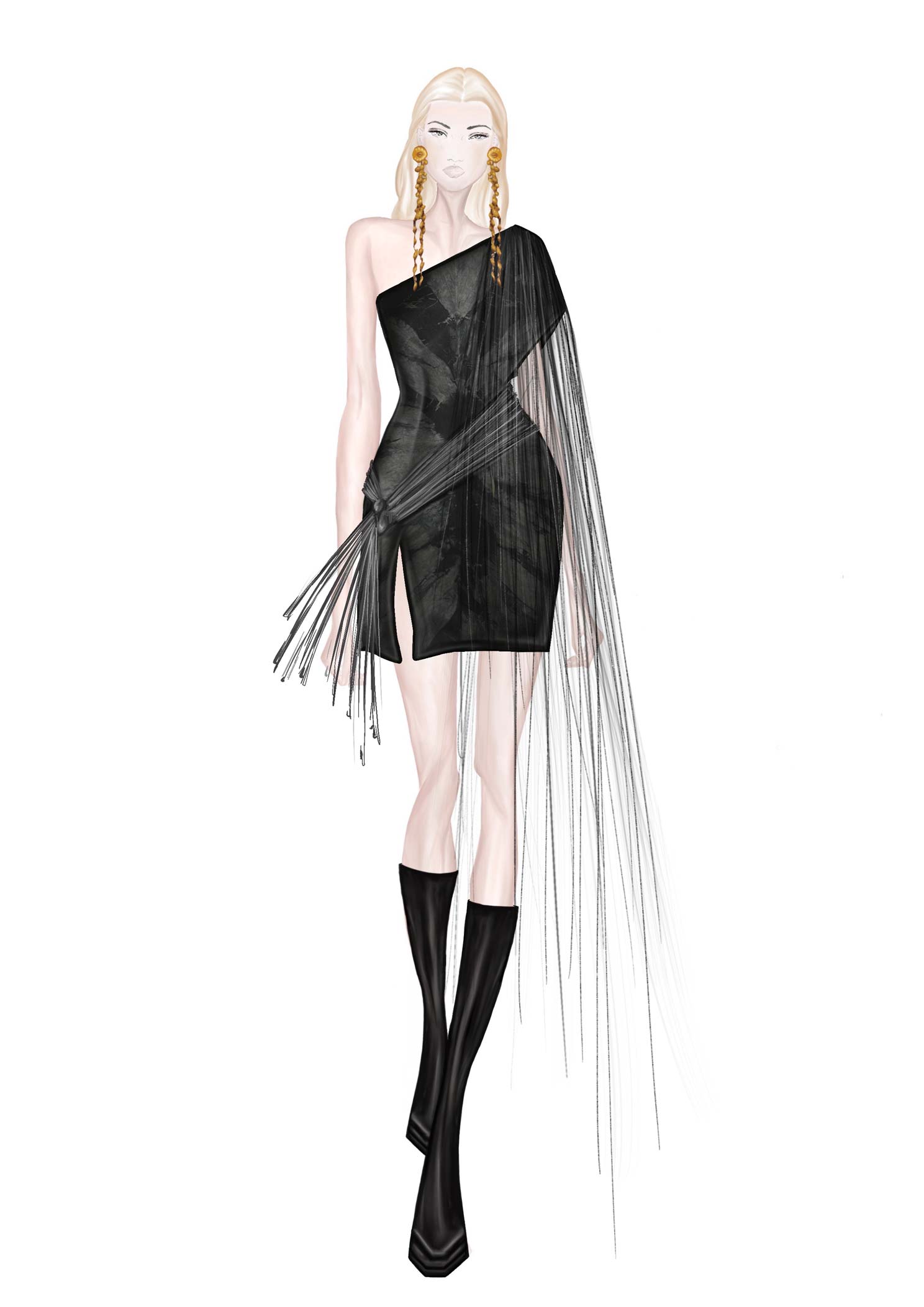
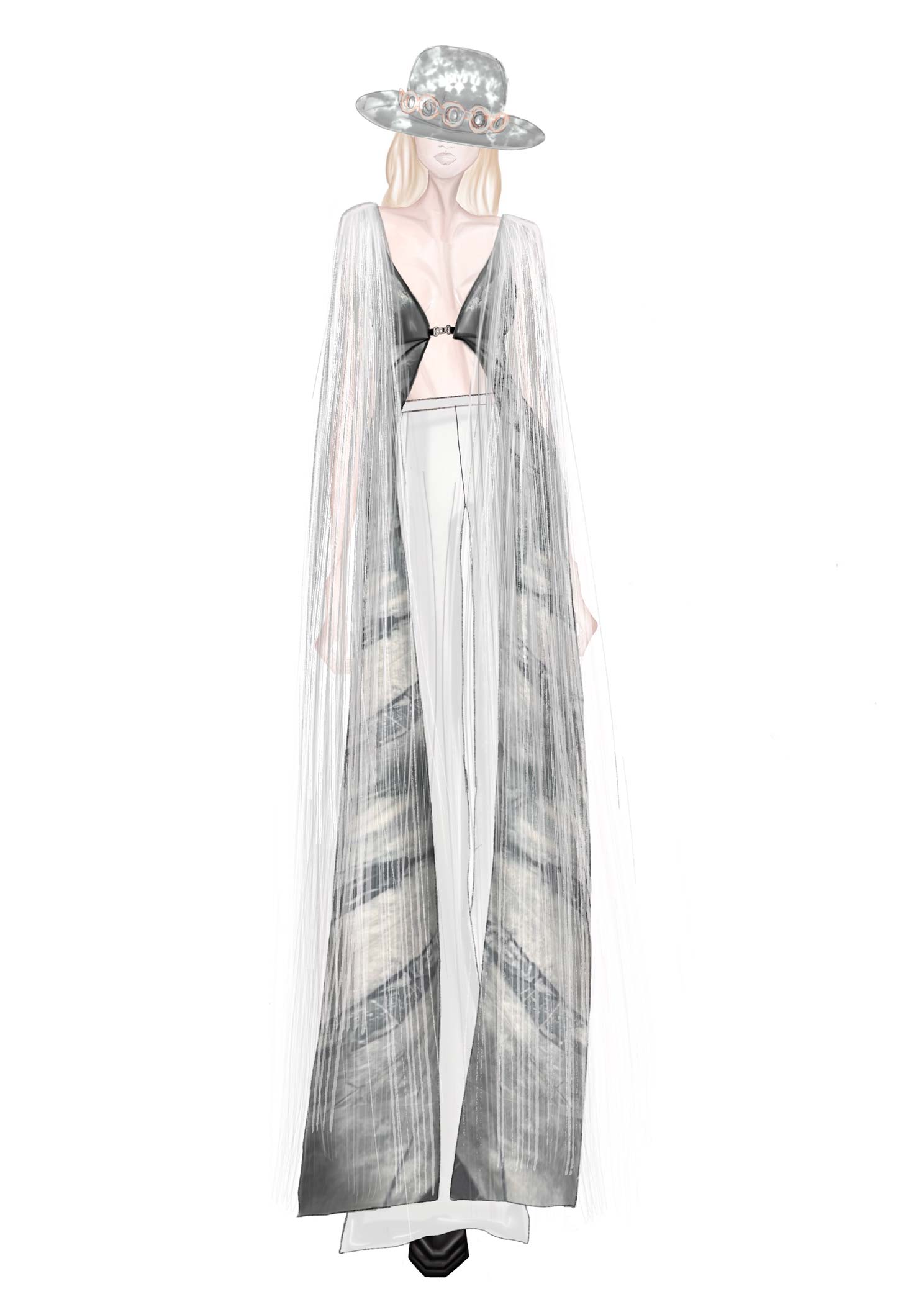
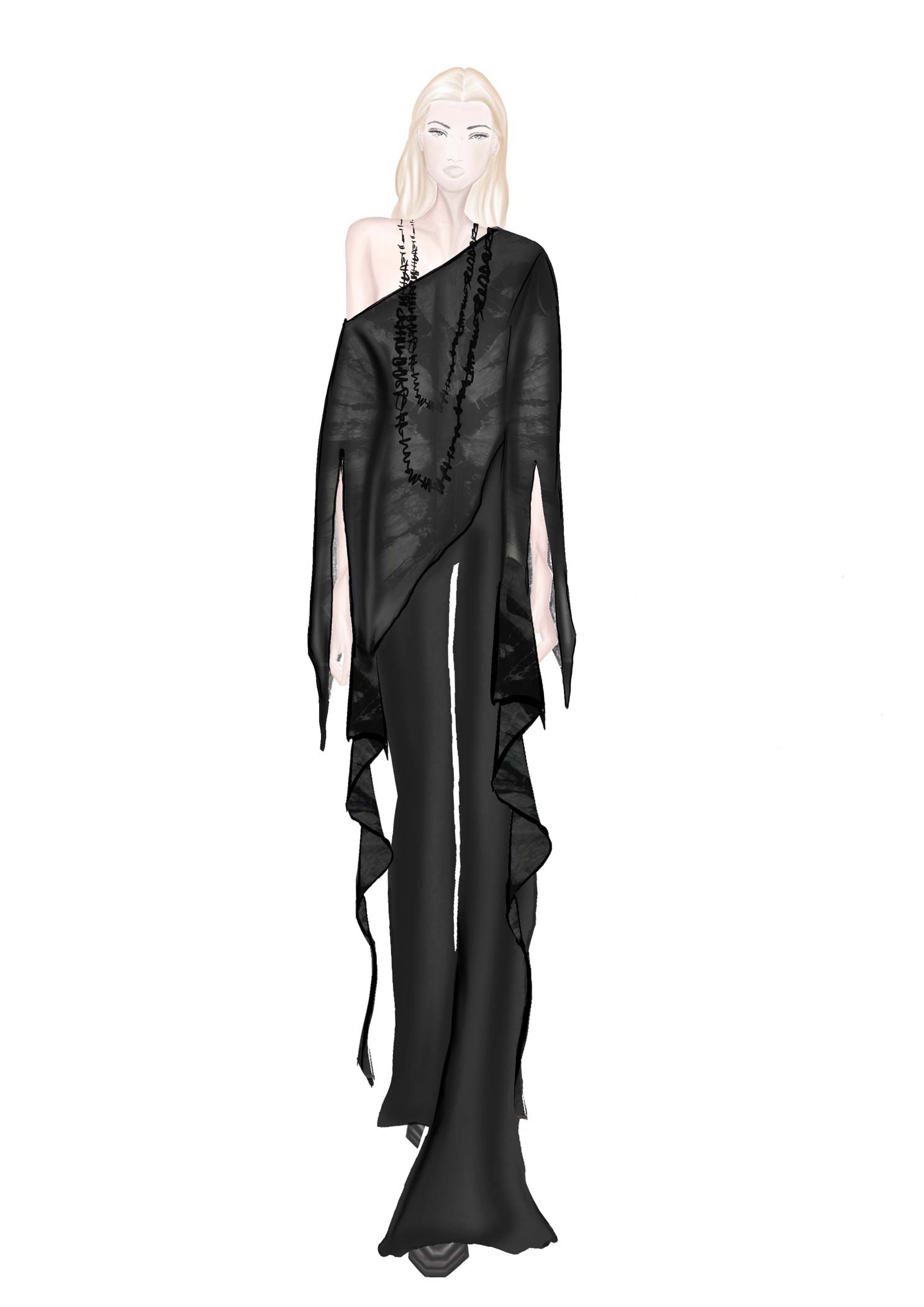
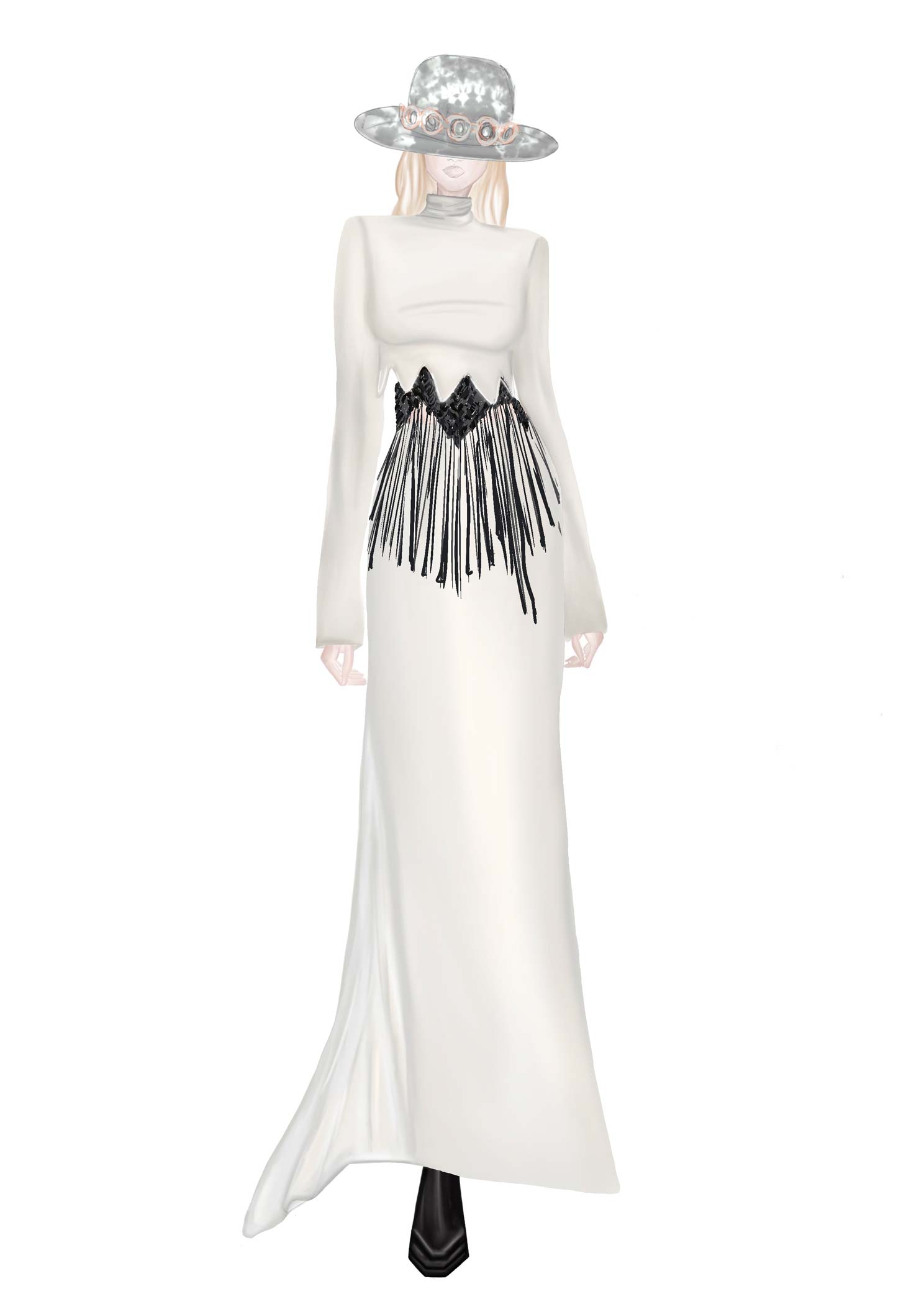
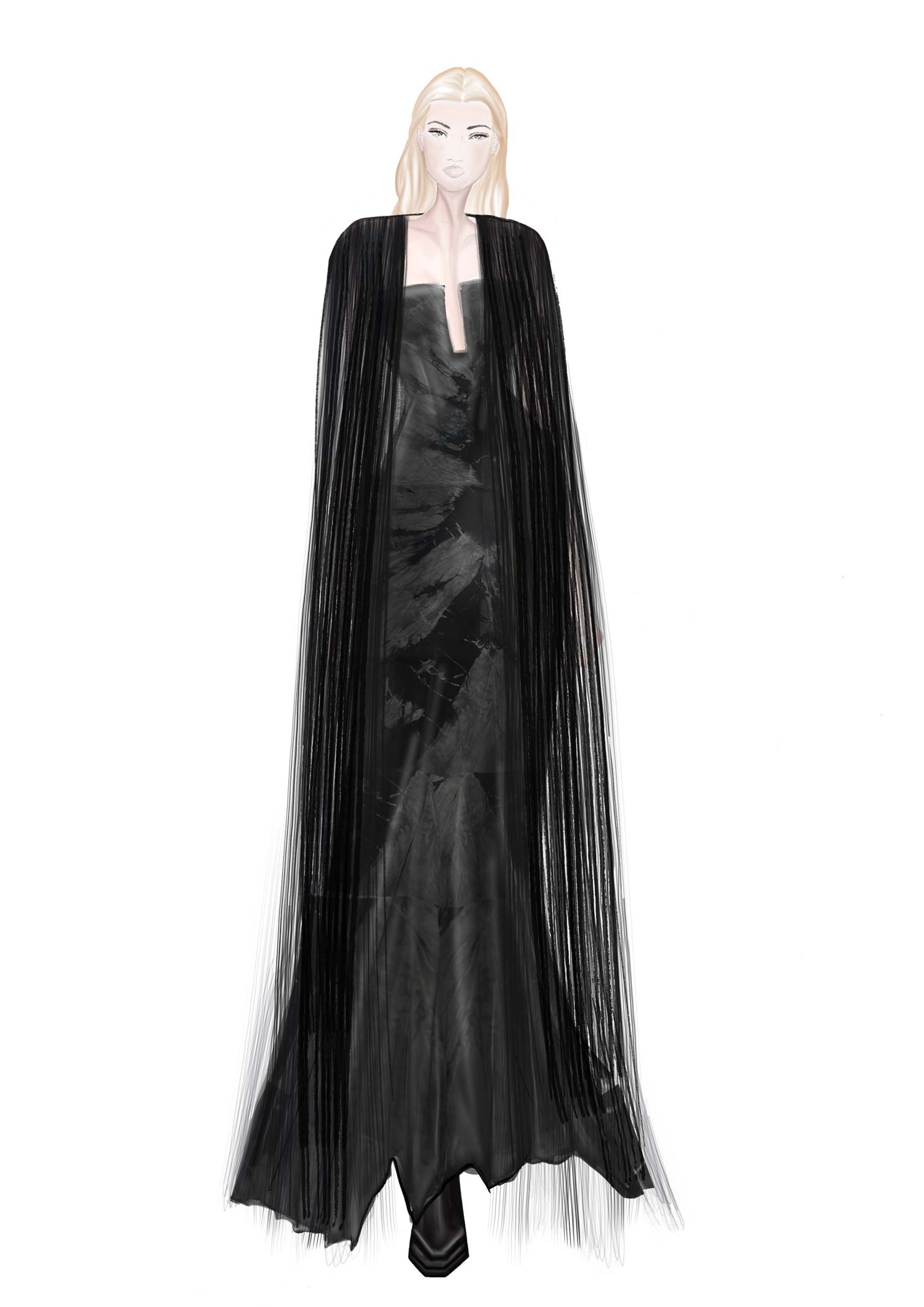
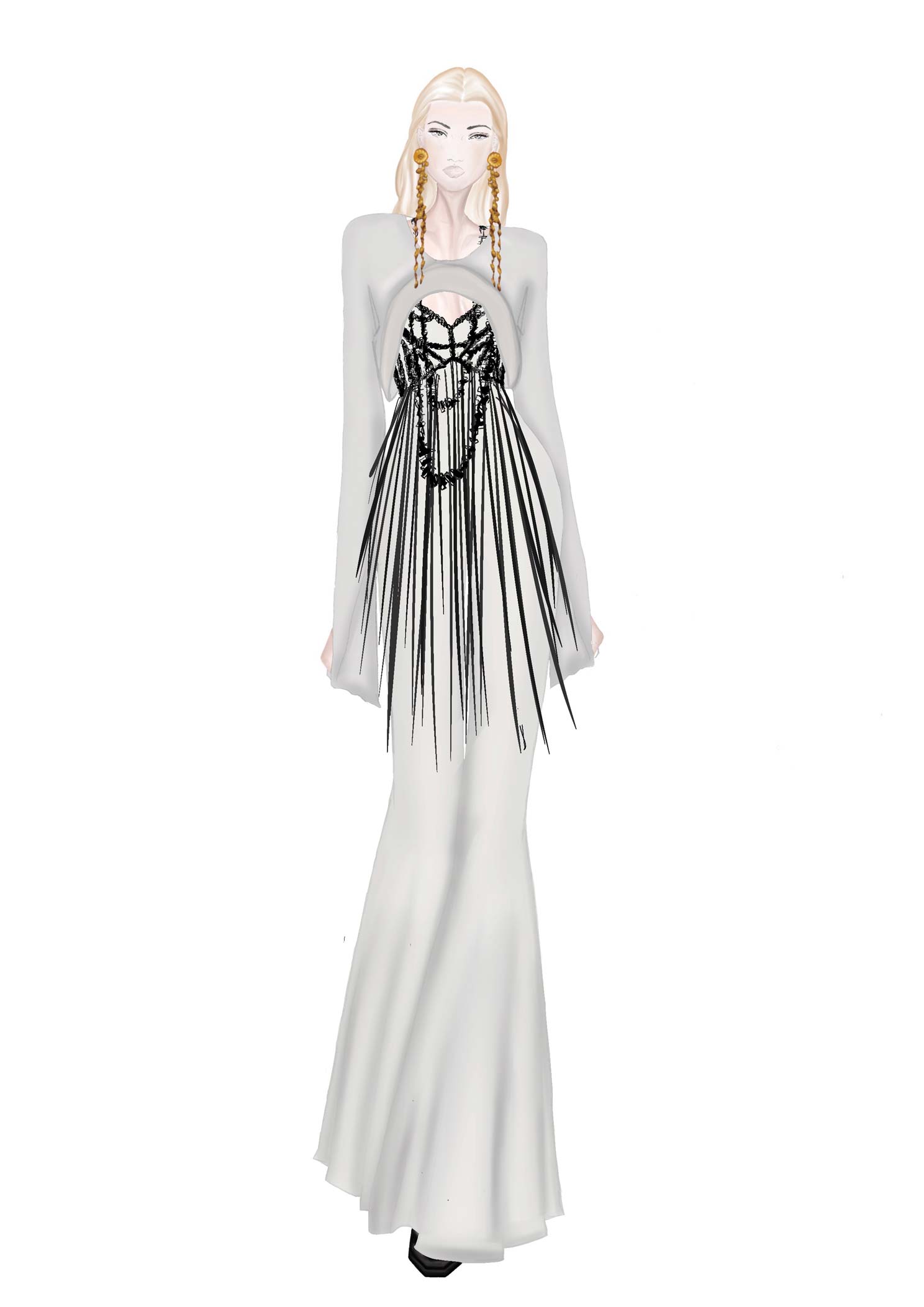
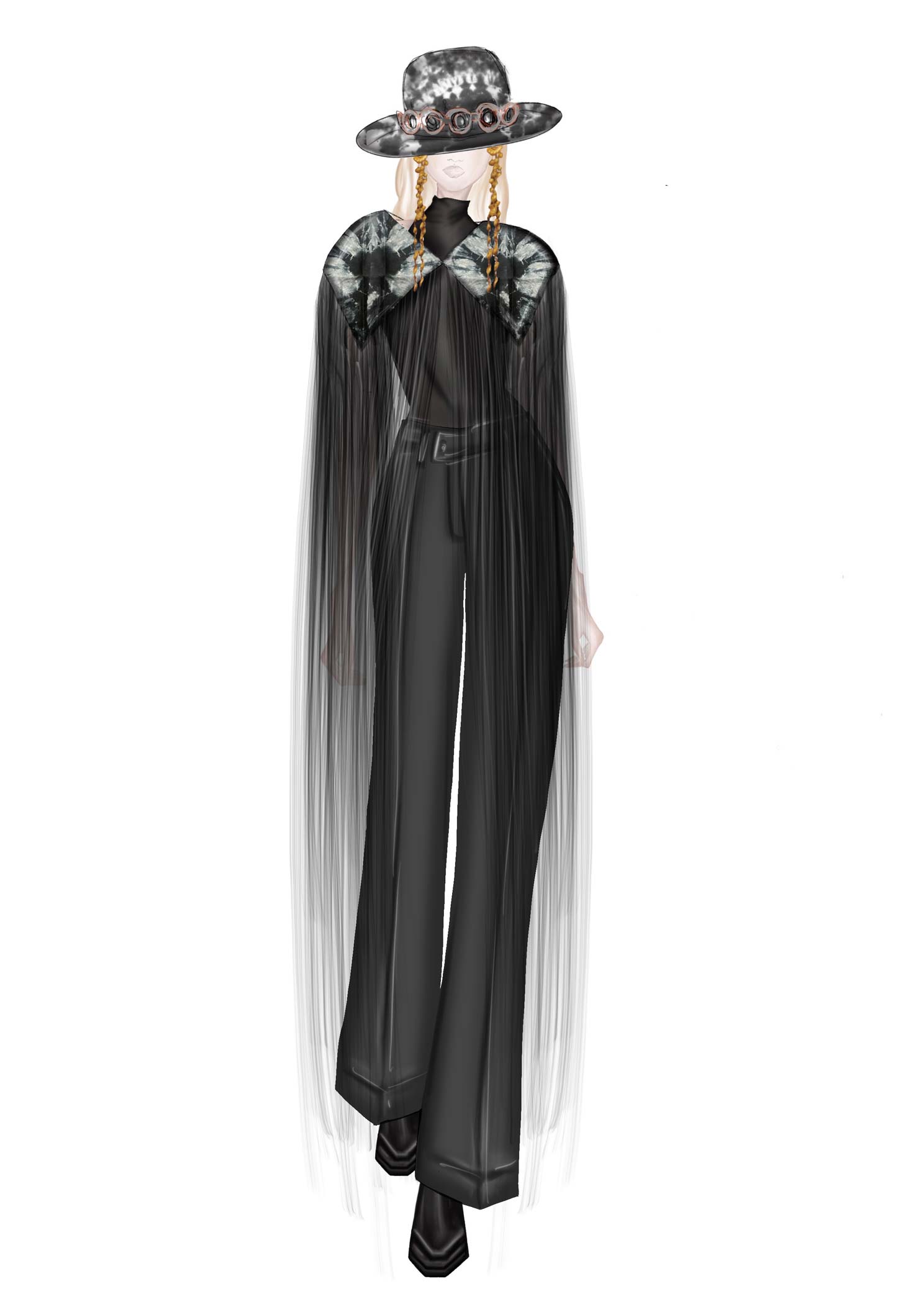
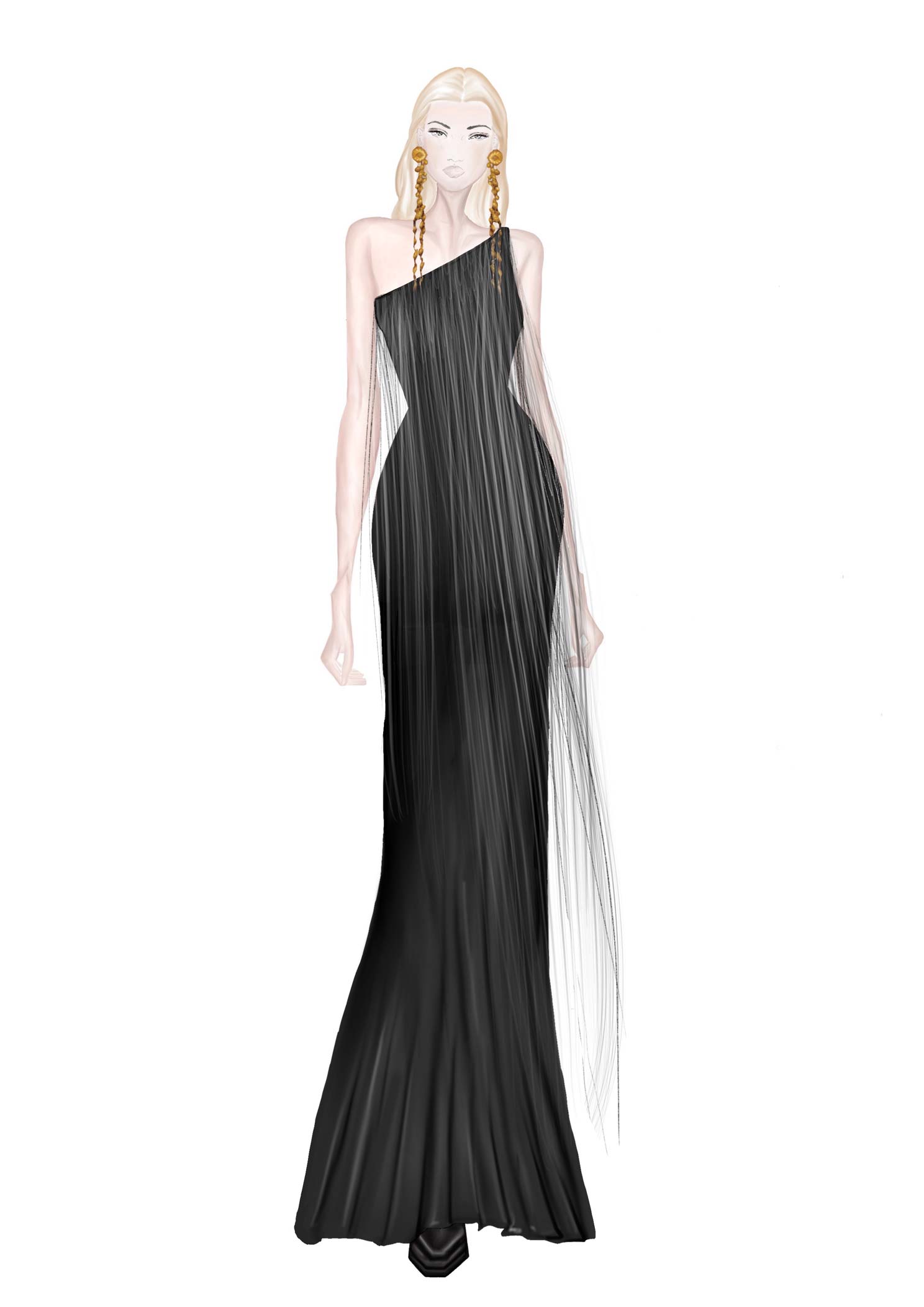
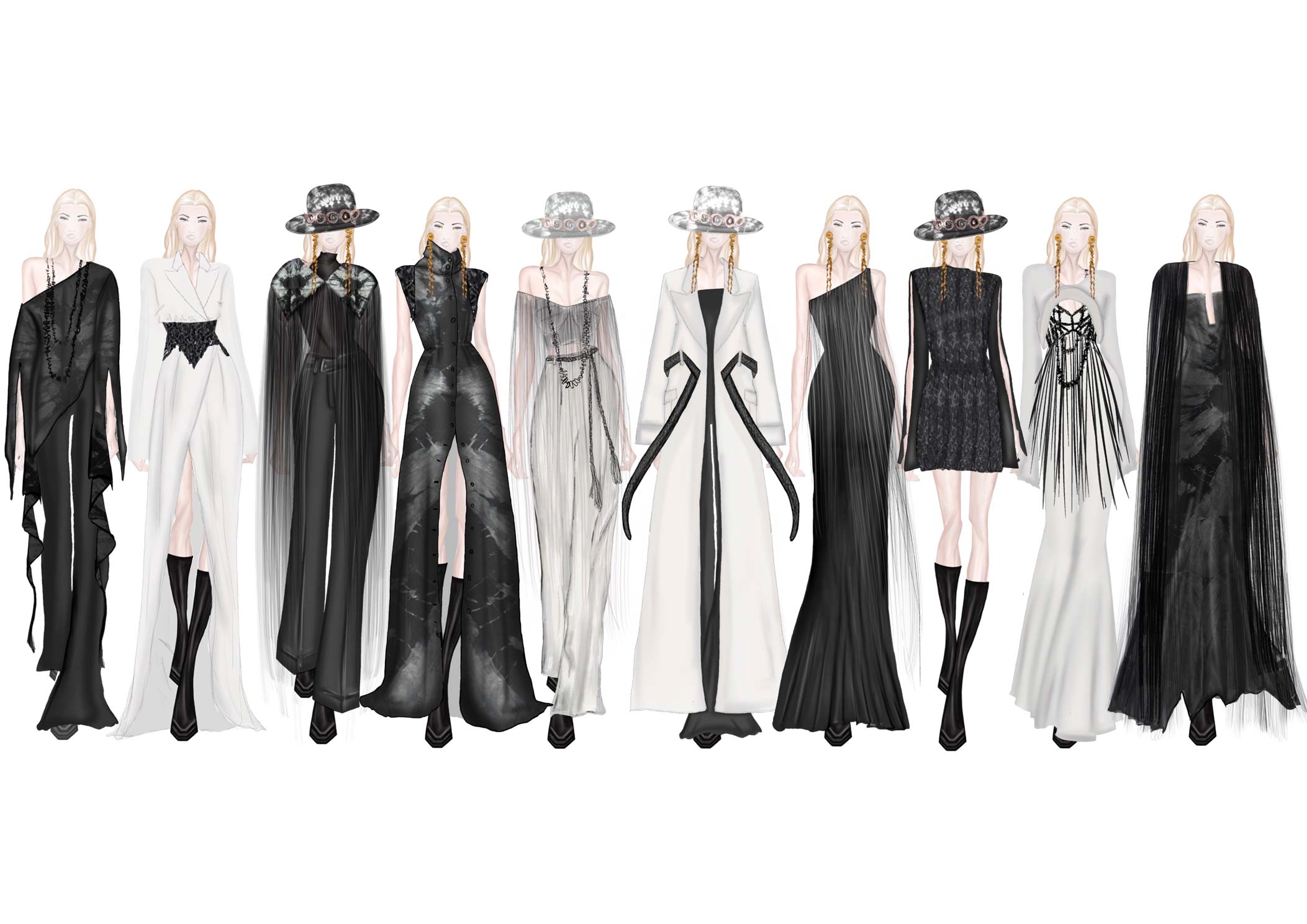
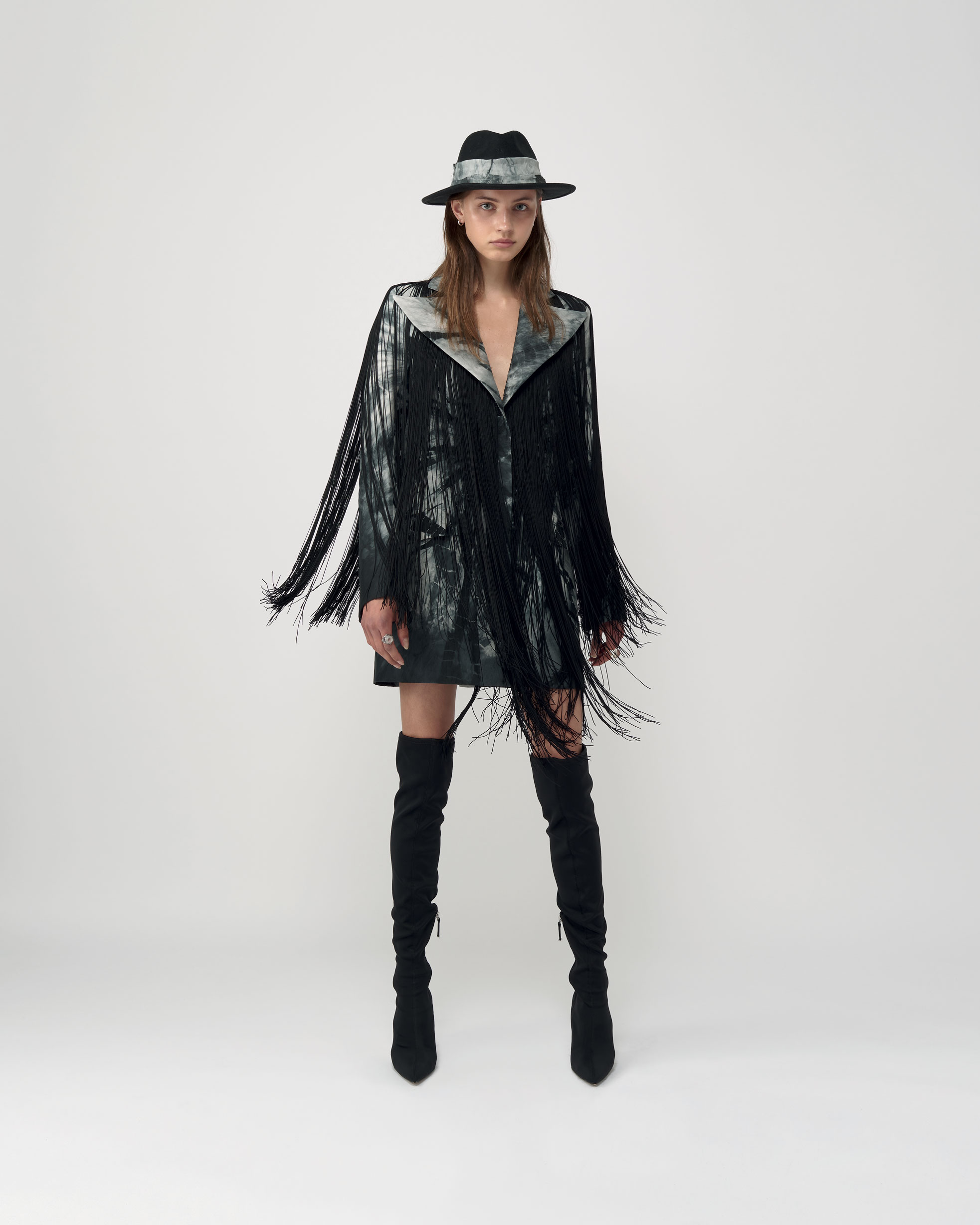
Per la mia ricerca, ho voluto prendere in esame stilisticamente parlando alcuni dei cantanti che si esibirono, cercando di creare un mix tra le loro visioni e personalità, contemporaneamente a quelli che erano tratti distintivi della moda di inizio anni 70 e della controcultura hippy. Il tessuto utilizzato è stato realizzato completamente a mano con una manipolazione differente rispetto alla tecnica Tie dye, strutturando il tessuto in modo tale che fuoriuscissero le trame increspate e il risultato finale fosse in rilievo. Per le manipolazioni è stato ricreato il movimento del macramè ma con cady tinto, imbottito e rilegato.
“Feel It, See it”, wants to tell the idea of concert as an exaltation of the sensations and vibes that are created in a given moment or situation; not only as a sound exhibition as an end in itself but as an experience of knowledge, freedom, light-heartedness and sharing.A musical event must not only be listened to, it must be perceived and seen, experienced and savored in all its facets.
The Woodstock festival, which took place from August 15 to 18, 1969, what was supposed to be just an event for economic purposes, has become much more.The 60s and 70s were among the most turbulent in history, where many young people found themselves facing wars they didn’t want to take part in, many refused the call to arms, they were less and less inclined to follow in their parents’ footsteps. For the youth movement, 1968 was the year of disappointments, the watchword of the counterculture was to protest peacefully. Initially the Woodstock event divided public opinion: loved by the hippies and pacifists who fought against the United States war in Vietnam and detested by the rest of the world who looked at the great clearing as a meeting place for vicious idlers. Thousands of young people arrive at the festival with the idea of demonstrating peacefully, when we talk about the miracle of Woodstock, we are talking about this, to make people understand that we could live peacefully together in peace even against the extreme hardships that life can reserve . The young people of the time were tired of everything that moved around them, they used all the means necessary to be “free”, they used drugs, they felt free to be able to show their body, they cared for the environment and preferred to create your own clothes or buy them in vintage shops; in some respects, they weren’t so far from today’s young people despite living in a totally different world, eaten up by technology and appearances. Over the years Woodstock has lost its political significance and has been universally recognized as one of the most important musical events in history. The atmosphere that was created during the festival was certainly thanks also to the power of the notes and texts that were played, among the best artists of the time. An emblematic moment was the Jimi Hendrix concert in Woodstock. Approximately two hours of performance, an open and brazen criticism of the American government, the guitar which, thanks to a ring applied to the guitarist’s finger, reproduces the sound of the bombs falling on Vietnam in the meantime. Yes, Woodstock was perhaps the largest pacifist protest ever organized by man, an event that raised the cry of an entire generation. For my research, I wanted to stylistically examine some of the singers who performed, trying to create a mix between their visions and personalities, simultaneously with what were the distinctive features of the early 70s fashion and the hippy counterculture. The fabric used was made entirely by hand with a different manipulation than the Tie dye technique, structuring the fabric in such a way that the rippled textures came out and the final result was in relief. For the manipulations, the movement of macramé has been recreated but with dyed, padded and bound cady.
Partners:
Embroidery by: Forza Giovane
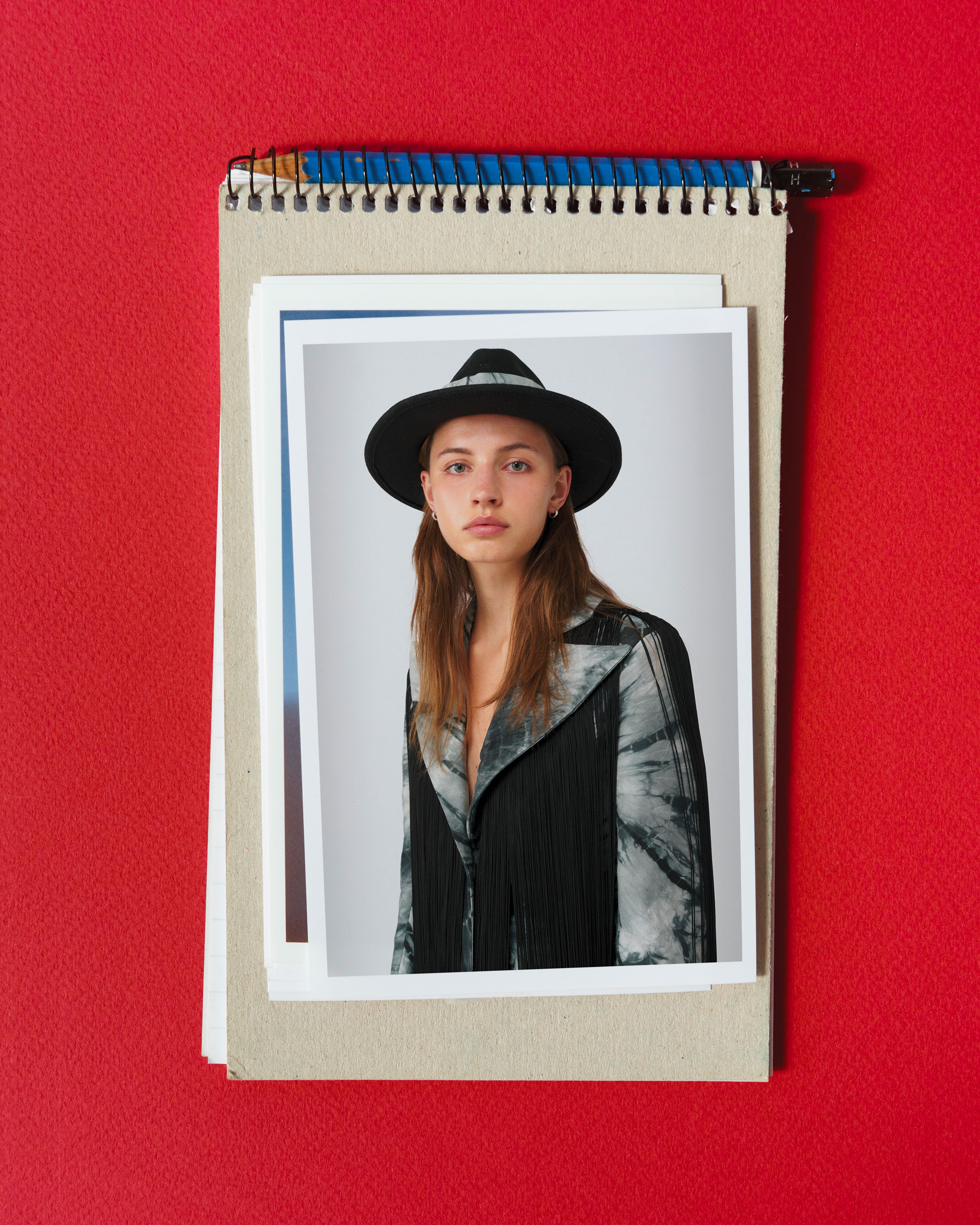
- Moodboard
- Sketches
- Line up
- Catwalk