The outside core
“Always felt that what you wear is the first step towards becoming the person you want to be”.
Leggendo questa frase mi sono trovata abbastanza d’accordo con Rick Owens, gli abiti hanno un ruolo nella definizione e nella ricerca della propria identità. In particolare ho voluto concentrarmi nella ricerca, come punto di partenza, della categoria del loungewear. Se ci si pensa questa è la categoria che, a rigor di logica, dovrebbe rispecchiare maggiormente la propria identità, essendo ciò che si indossa quando si è soli e non si ha l’interferenza di occhi esterni.
l loungewear come tipo di prodotto ha origine nelle regioni dell’India, in cui venivano utilizzati “pigiami” come protezione per gli abiti invece considerati “buoni”; le forme erano ampie e venivano rese confortevoli e più comodi dall’uso di lacci e effetti “wrap around”. In seguito alla colonizzazione da parte degli inglesi, come molte altre cose, questo modo di vestire viene appropriato dagli europei e traslato nelle loro usanze. E’ qui che, grazie anche alla vecchia Hollywood e a personaggi famosi, il loungewear fa capolino al di fuori della sfera privata e diventa sempre più “glamour” nelle forme e nei materiali, diventando degno di essere indossato in pubblico.
Si nota quindi un passaggio, uno slancio di questa categoria di prodotto dalla sfera privata a quella pubblica, cosa che mi accorgo essere successa anche ultimamente. Penso al lockdown che abbiamo subito come un periodo di incubazione, in cui ognuno ha dovuto fare i conti con sè stesso e trovare un proprio centro, una propria identità; una volta usciti da questo momento si ha la voglia di essere più sociali e comunicare, anche attraverso gli abiti, ciò che prima era costretto in quattro mura.
Parlare di identità non è però così immediato, pensando soprattutto alla Gen Z: il mondo esterno è in continuo cambiamento, è difficile identificarsi, avere dei punti di riferimento e trovare qualcosa di familiare.
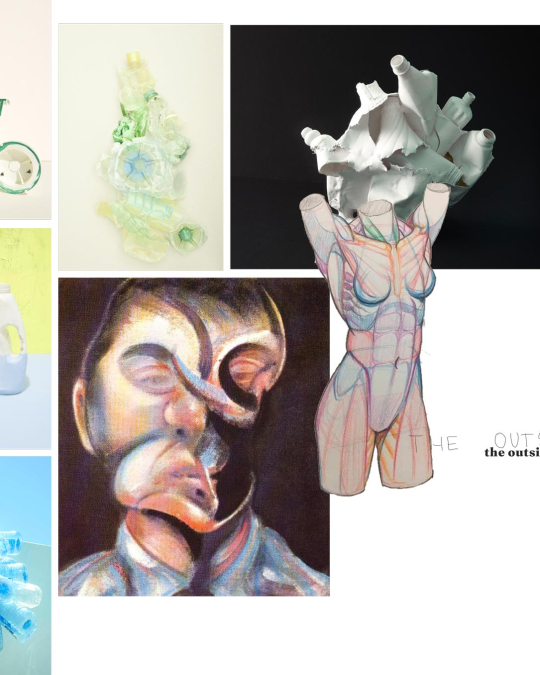
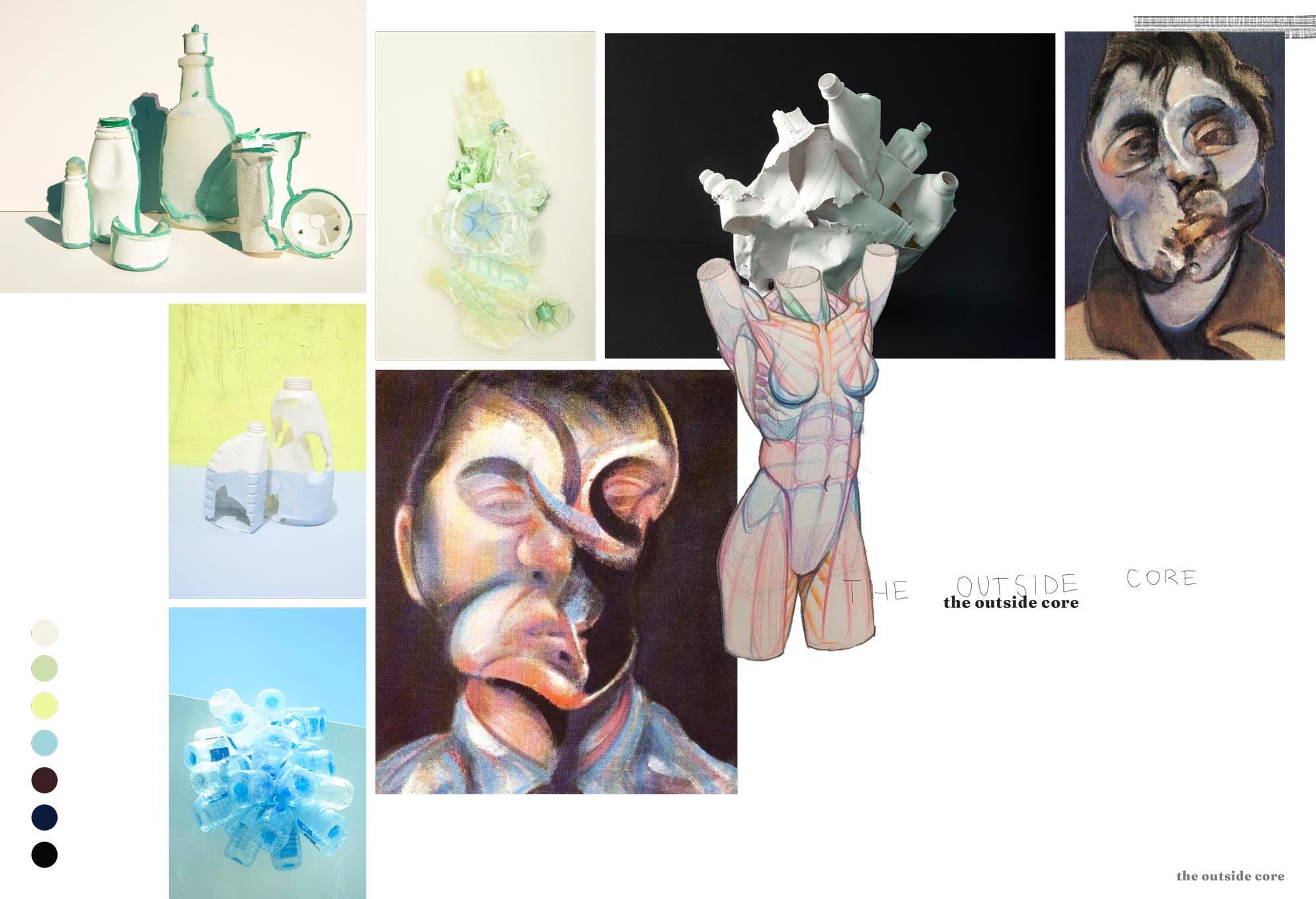
Il progetto “Plastic ocean” dell’artista olandese Thirza Schaap racchiude questo sentimento a mio avviso molto bene. Il lavoro consiste nella raccolta, in diverse parti del mondo, di rifiuti in plastica dagli oceani, e nella creazione di composizioni, a cui viene dato un titolo. Il titolo rimanda la composizione a qualcosa di conosciuto dallo spettatore, creando una contrapposizione tra la natura dell’oggetto, la sua gradevolezza allo sguardo, e l’immagine reale a cui fa riferimento.
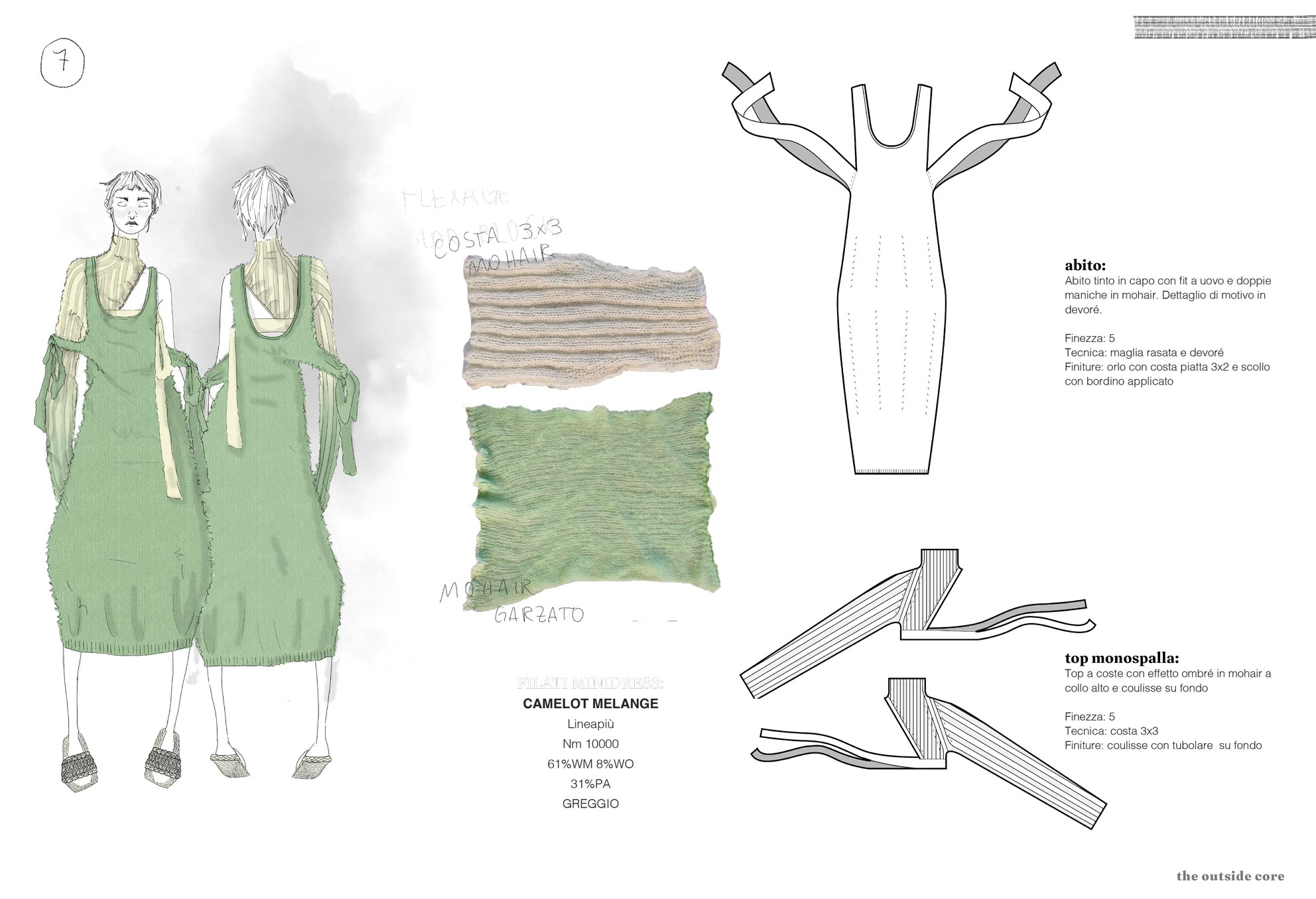
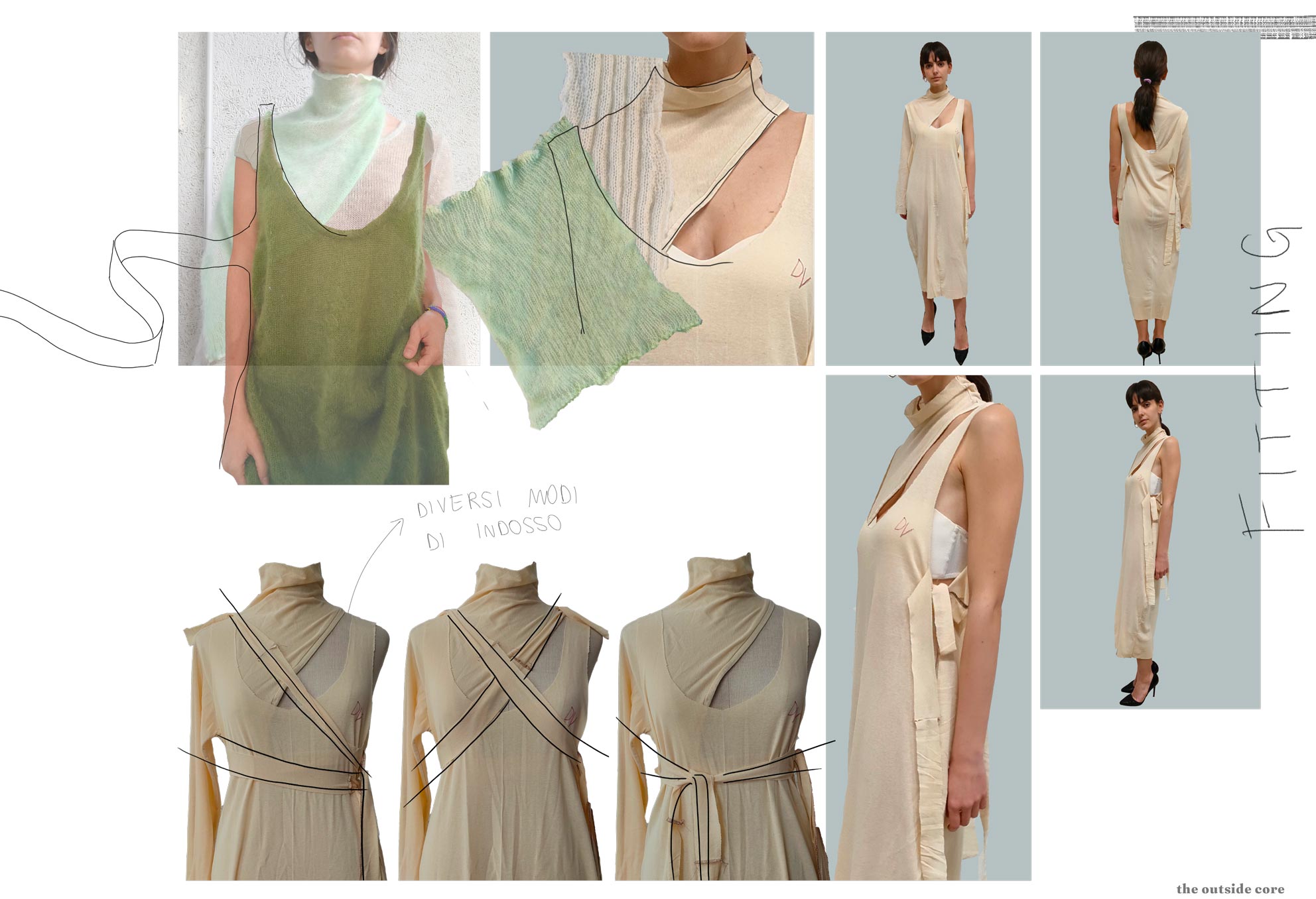
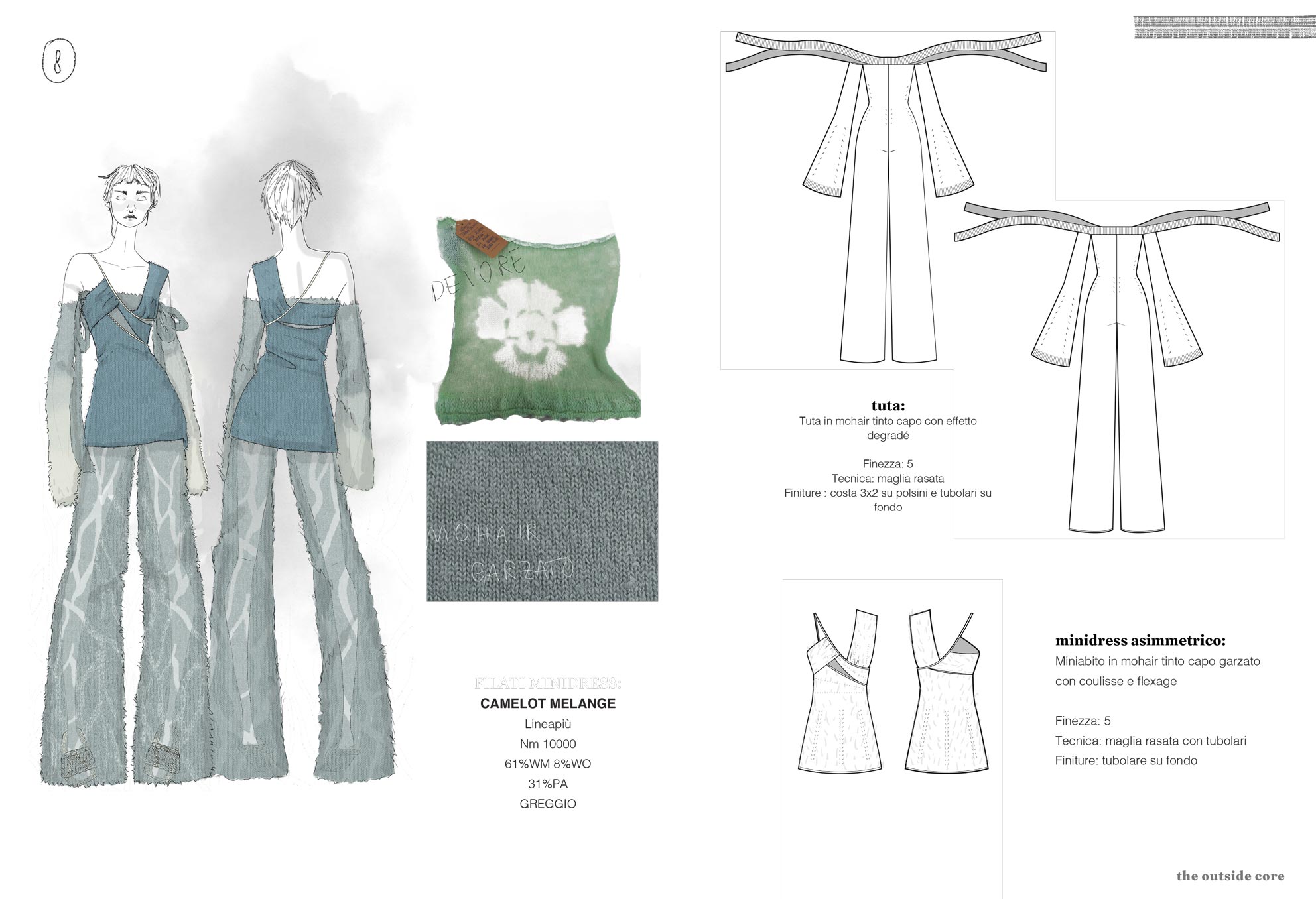
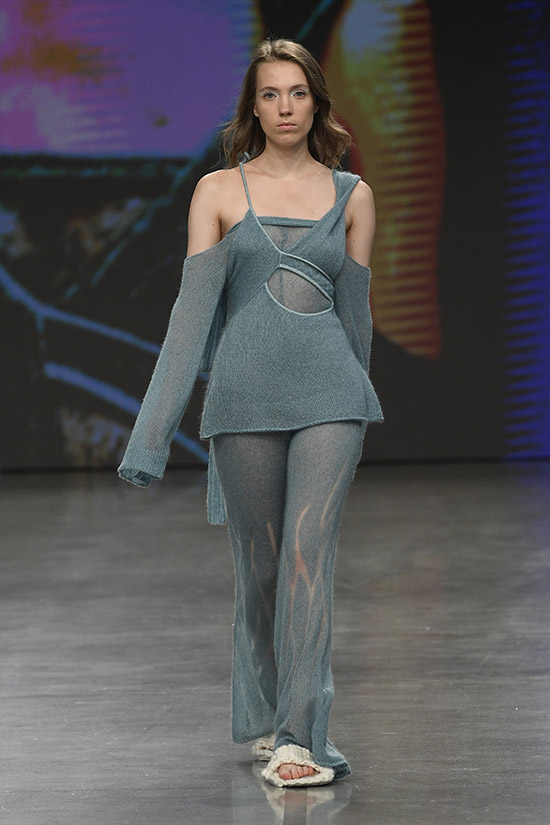
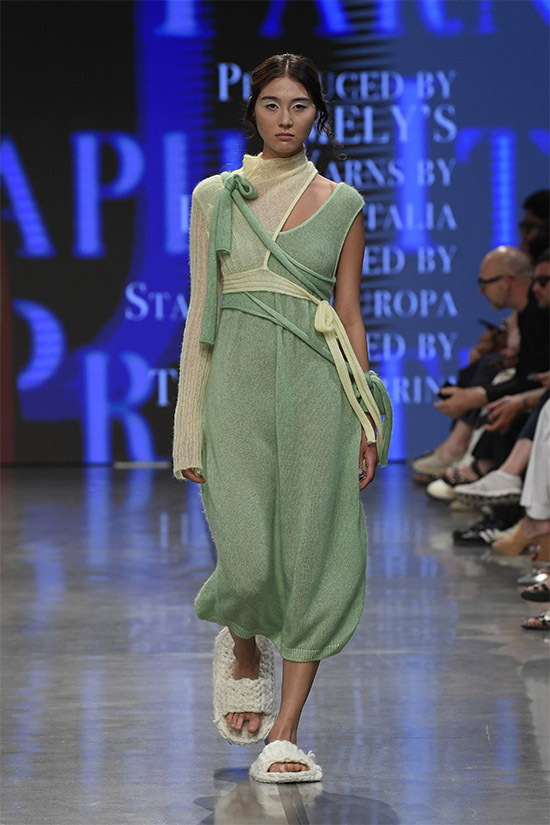
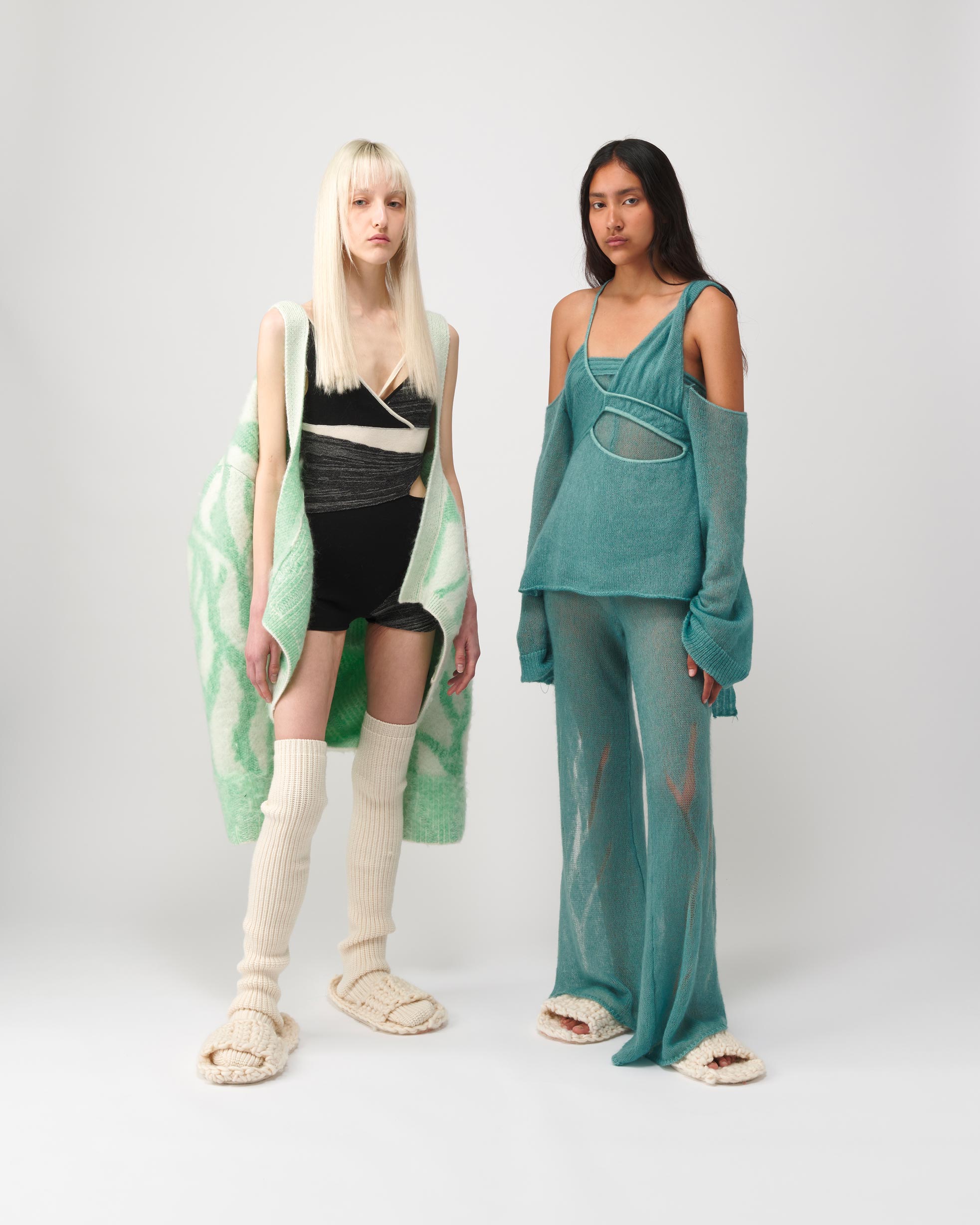
Ispirandomi alle bellissime immagini di Schaap e ai loro colori ho realizzato dei teli in mohair molto sgradati, partendo da una stessa materia prima greggia di stock ho diversificato utilizzando la tintura naturale in capo. Ho giocato su outfit total look mohair, usando trasparenze e sovrapposizioni.
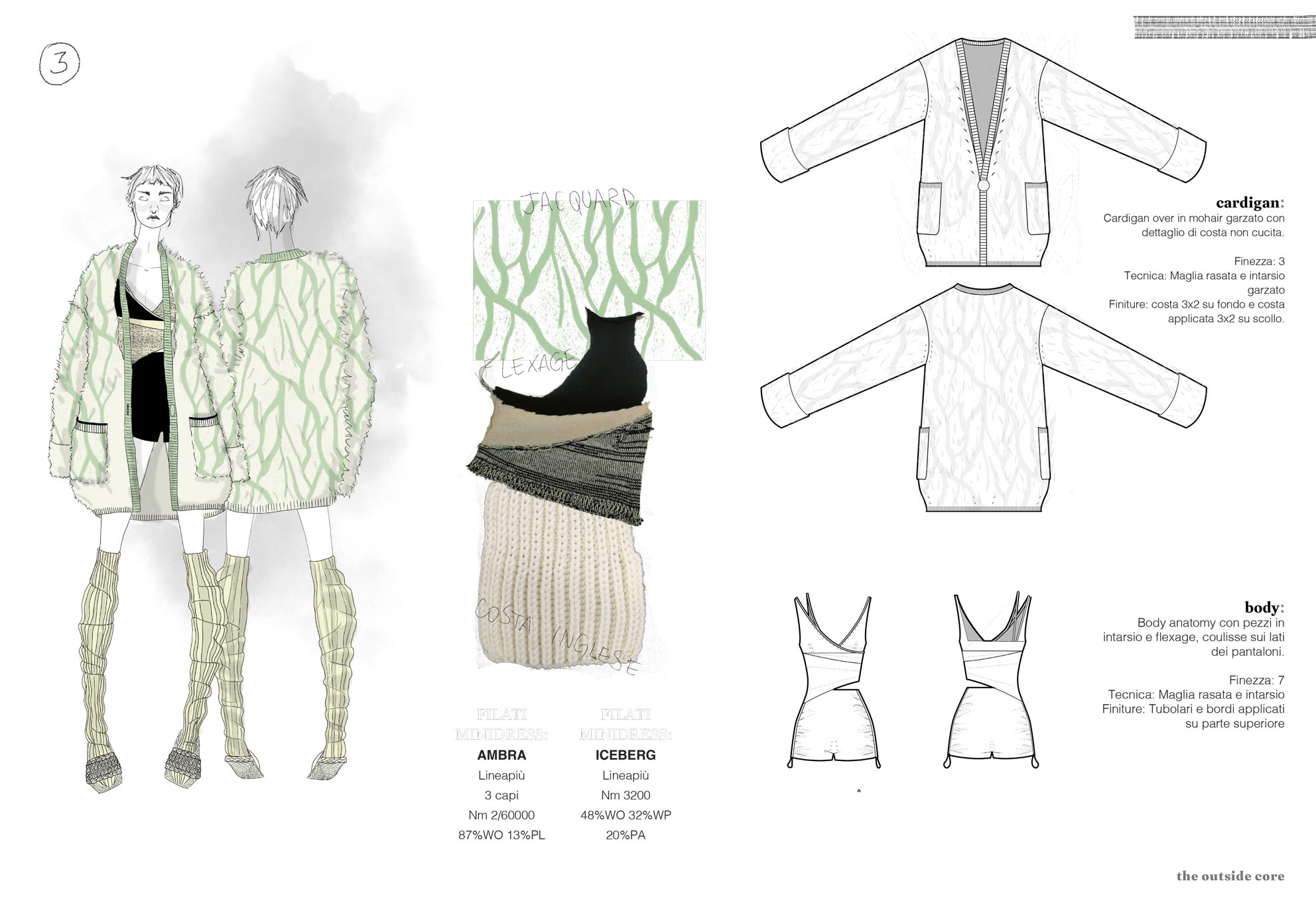
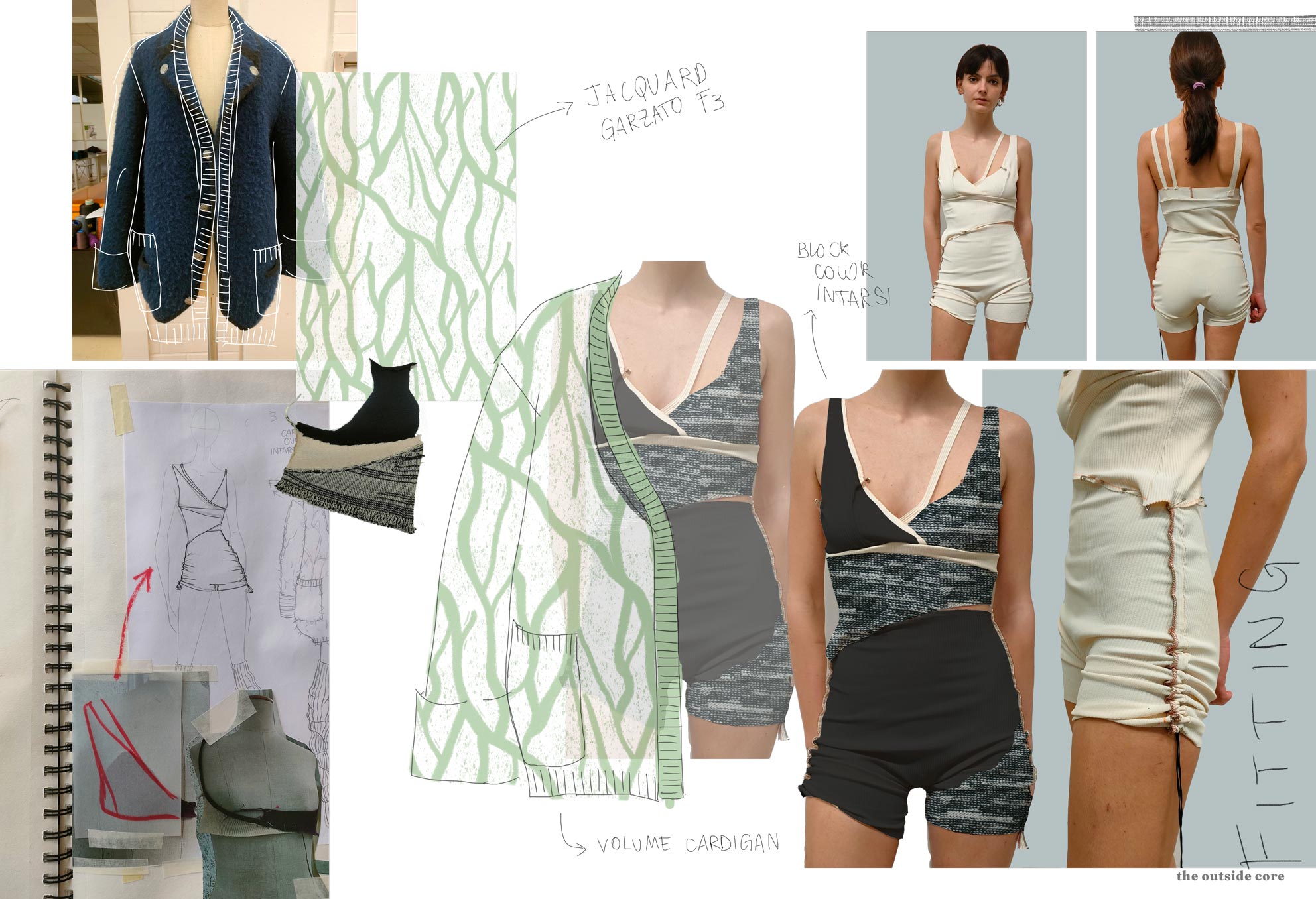
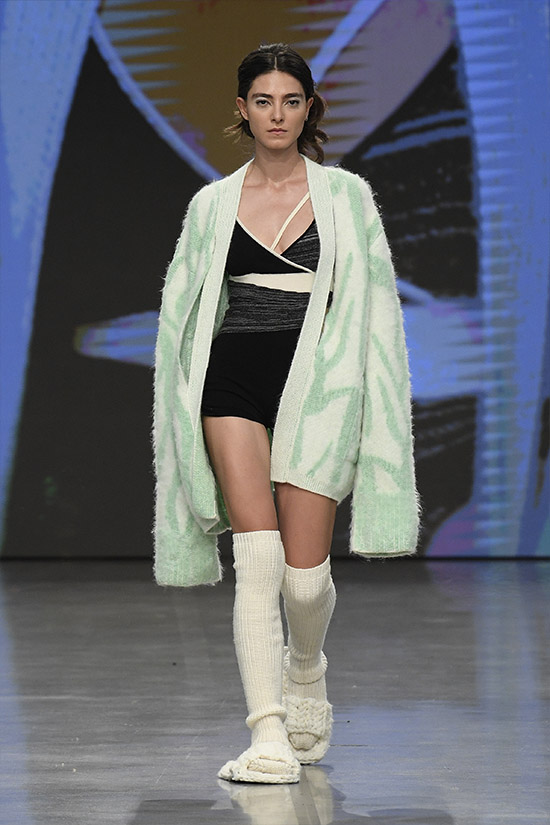
Inoltre ho sviluppato uno jacquard con un disegno di “crepe” prendendo spunto dalle foto degli oggetti rotti nelle foto di “Plastic ocean” . Viene realizzato in finezza 3 e garzato, in modo da non avere un disegno netto, ma delle sfumature che ricordano i colori del progetto di Schaap.
Vivere in un mondo così confuso e senza punti di riferimento costringe a rivolgersi sempre più verso l’interno, facendo una vera e propria scansione di sè
stessi, sezionandosi nelle varie parti. Si prende coscienza del proprio corpo, inteso come corpo biologico, in modo oggettivo, senza giudizio di “bello o brutto”: dare un giudizio in questo senso sarebbe troppo parziale e soggettivo in un momento in cui si vogliono riferimenti fissi. Come ispirazione ho preso gli autoritratti di Francis Bacon degli anni ‘70, in cui l’artista seziona il proprio volto nelle sue parti, indagandolo, per ricercare quello che sta sotto: la propria identità.
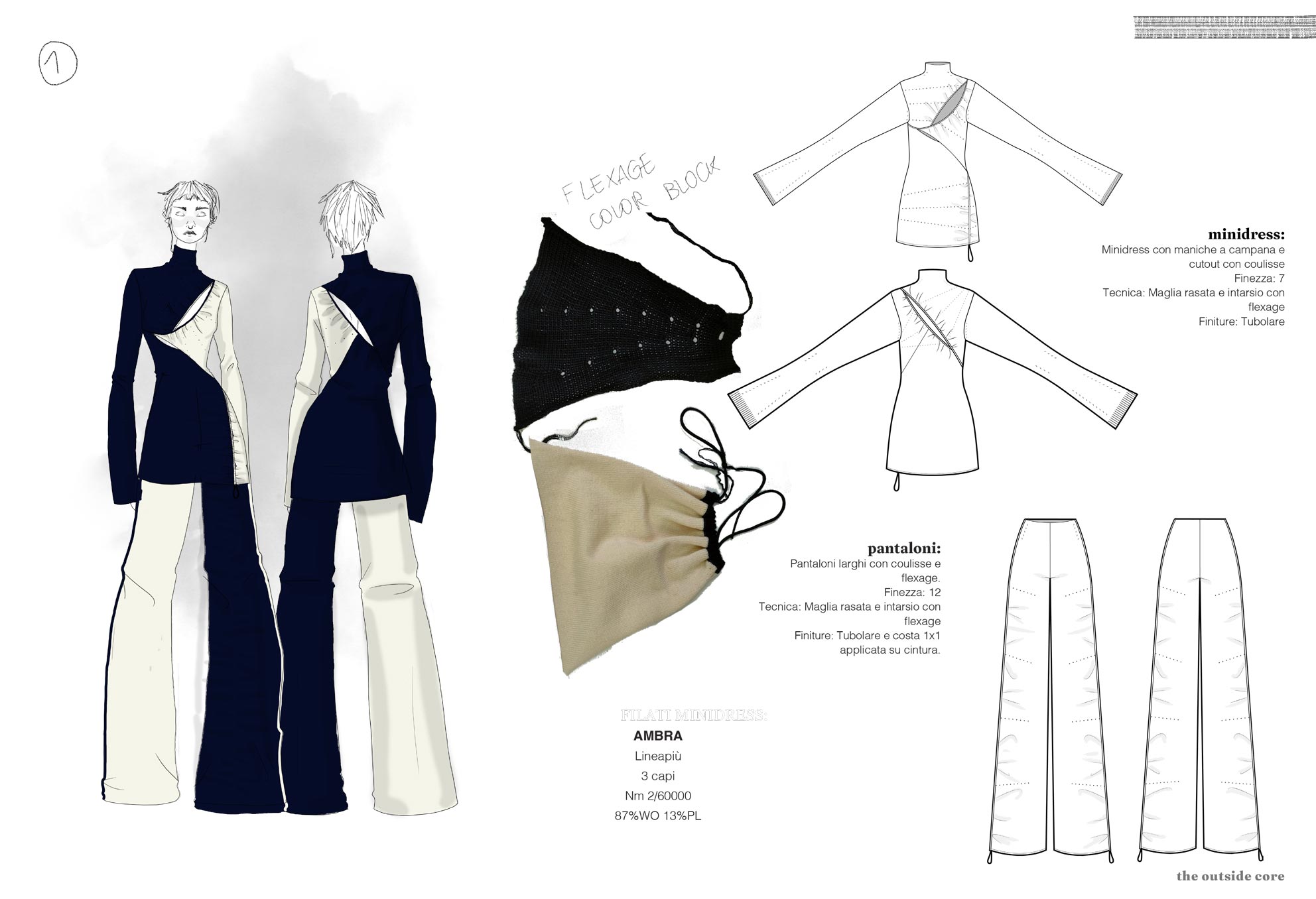
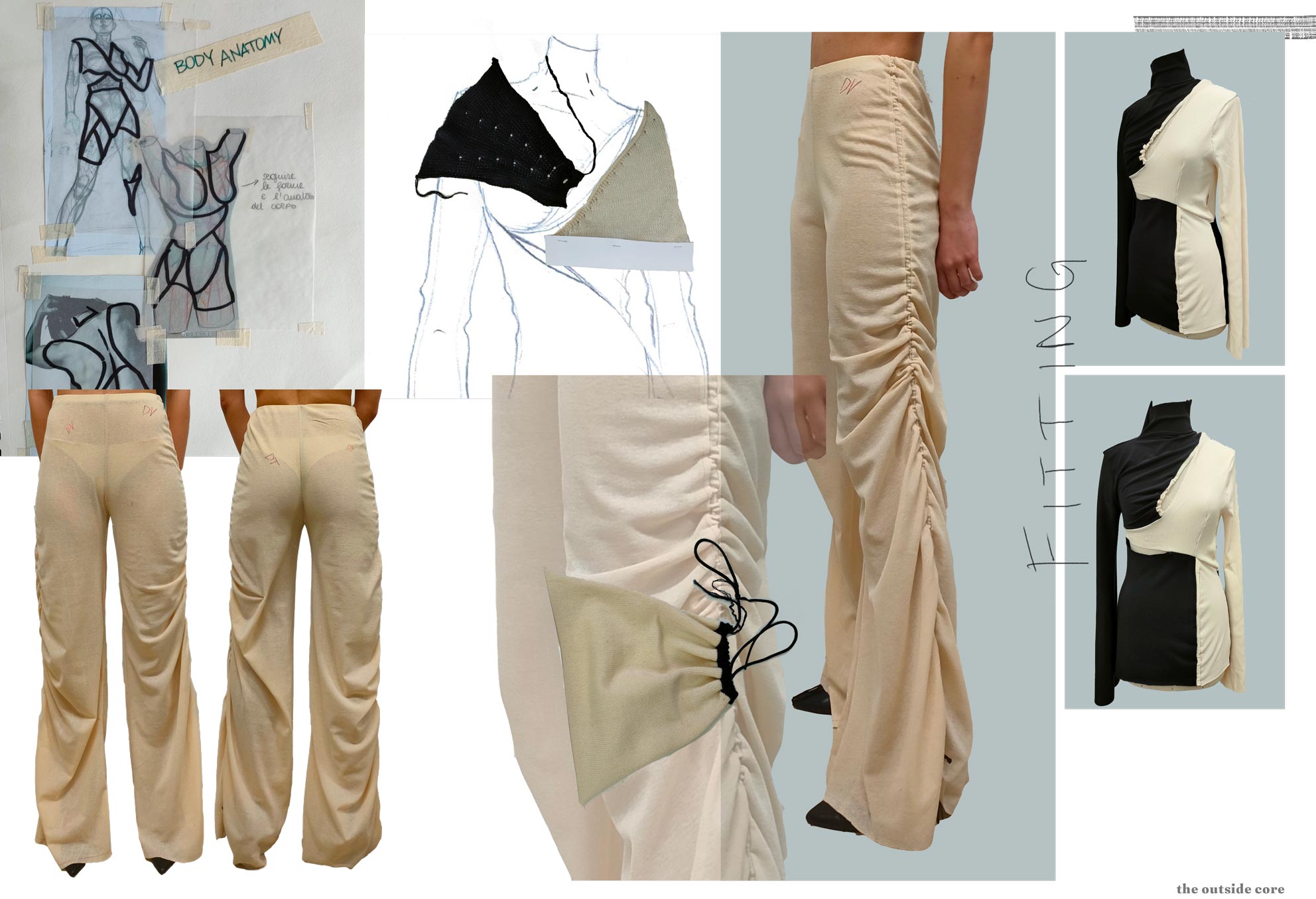
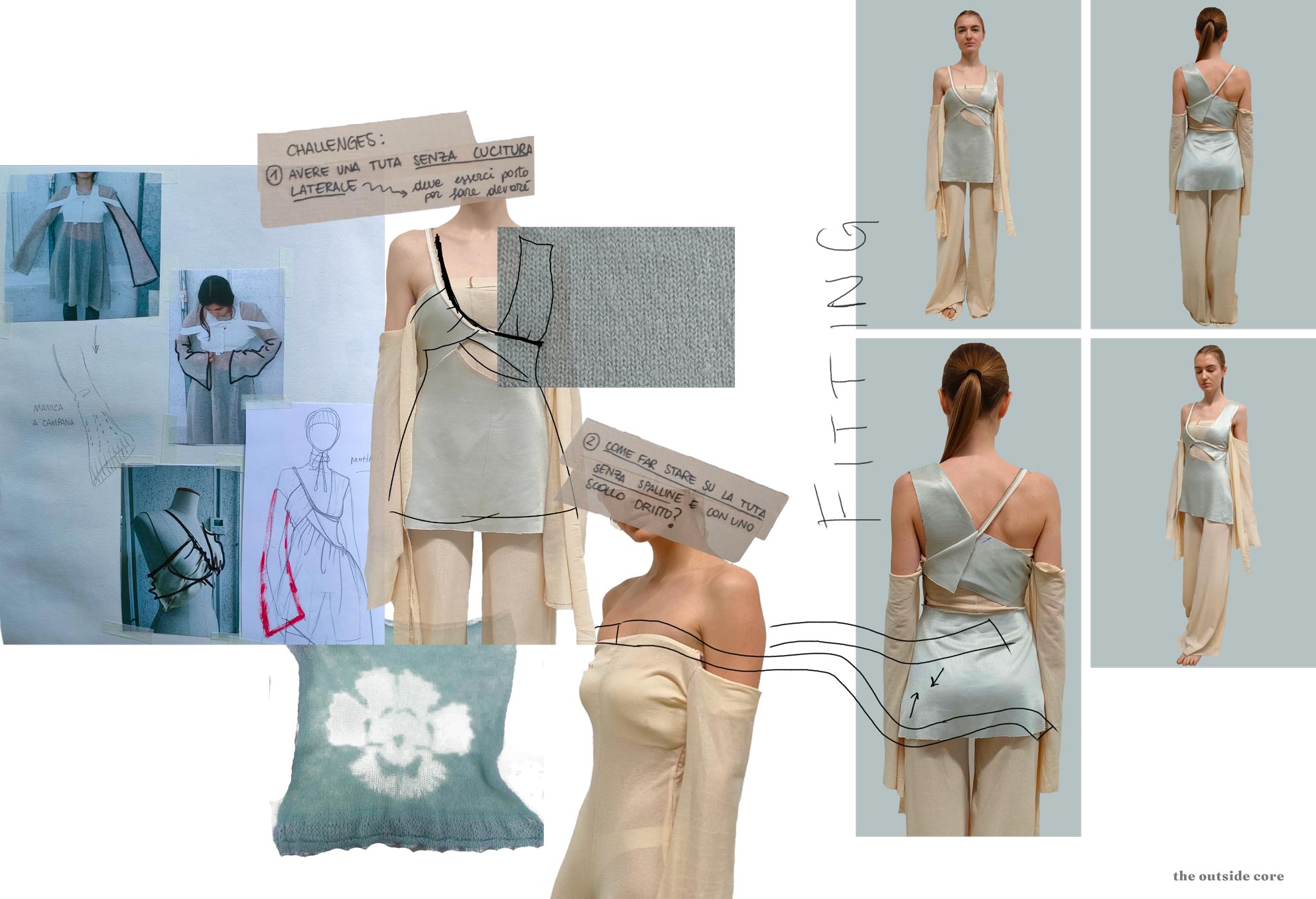
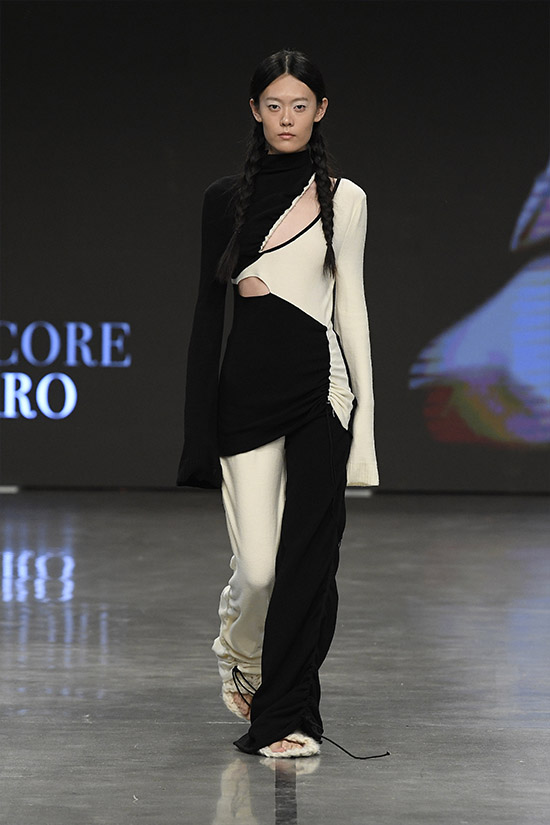
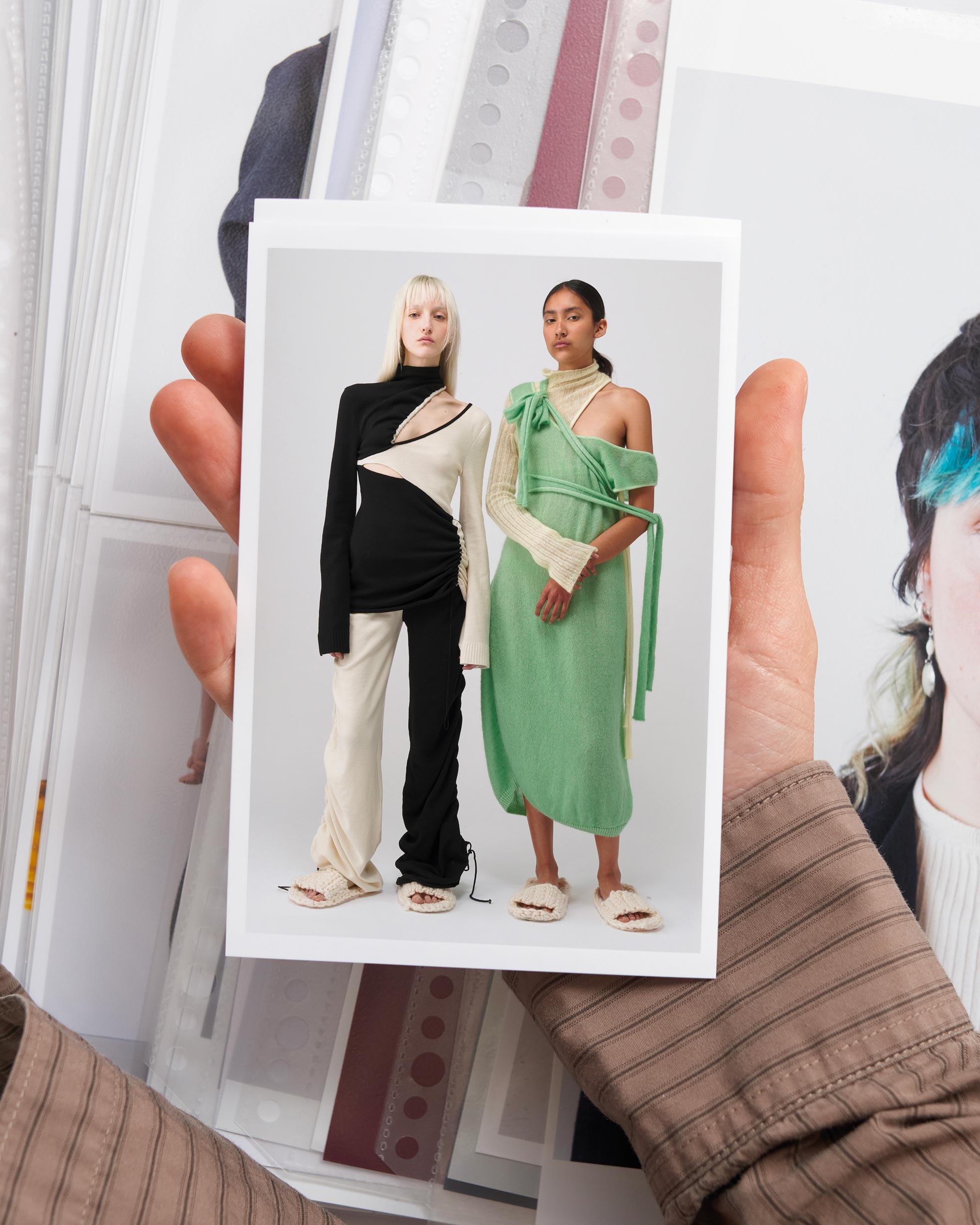
Partendo da questo tema ho realizzato delle forme in flexage che seguissero le forme del corpo, anche attraverso l’uso di coulisse da tirare per far aderire ulteriormente il capo al corpo.
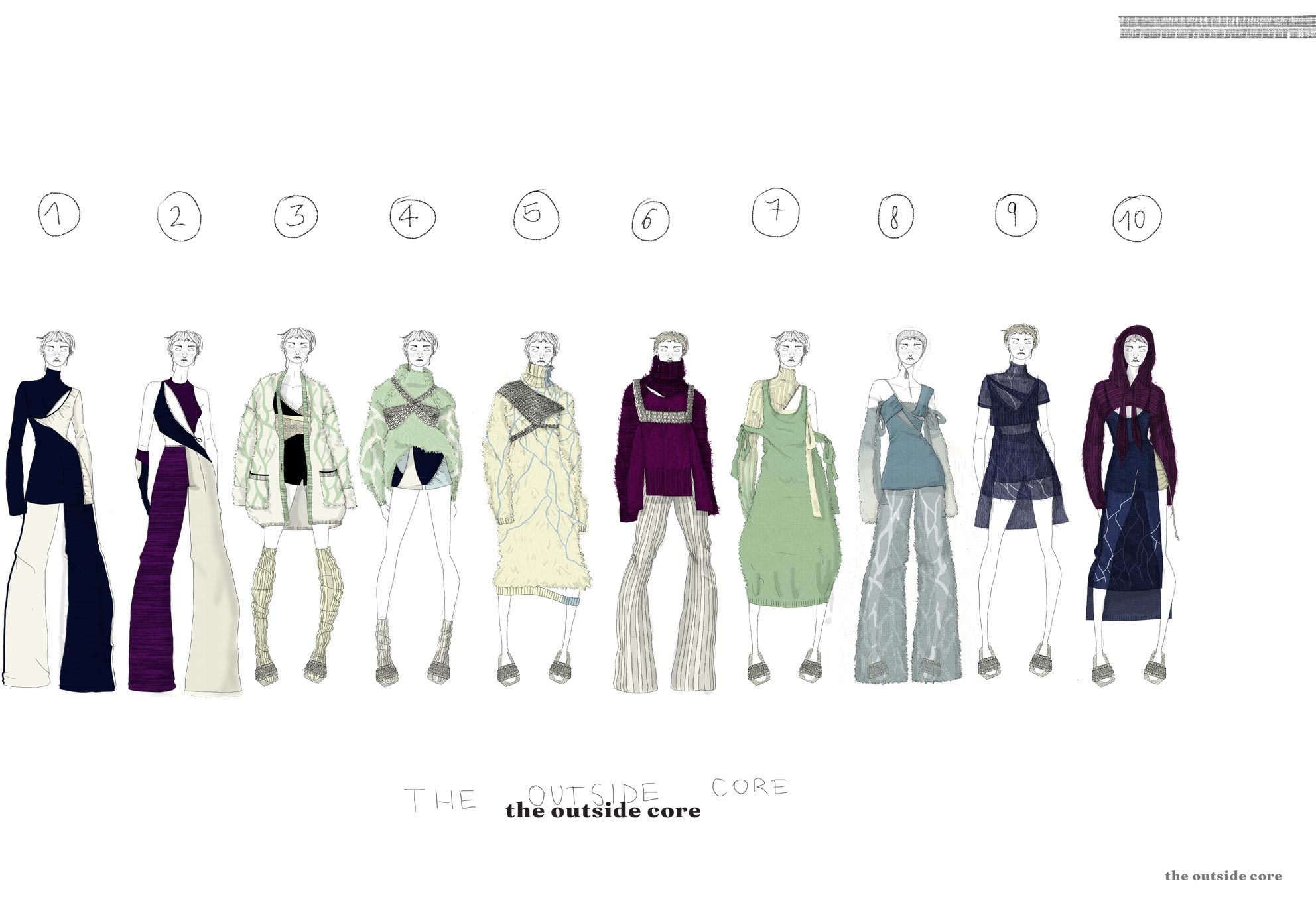
La collezione parte dai look più “anatomici” e a blocchi di colore, fatti per seguire le linee del corpo, e si trasforma in una collezione di capi total look mohair tinto capo, in cui è ancora presente l’attenzione al corpo e alle sue forme, ma in chiave più soft e desaturata. Per me è importante anche la dimensione del fatto a mano: tutti gli accessori sono prodotti lavorando ai ferri e all’uncinetto. Il fatto a mano e le tecnologie delle macchine da maglieria elettroniche più nuove andranno sempre di pari passo, senza escludersi a vicenda.
“The outside core” è il prodotto di questo processo, questa indagine e del continuo passaggio tra sfera privata e pubblica, esterno e interno. Indossare il proprio “centro” in pubblico.
“I’ve always thought that what you wear is the first step towards becoming the person you want to be.” Reading this sentence I found myself in agreement with Rick Owens, clothes have a role in defining and researching one’s identity. In particular, I wanted to concentrate on researching the loungewear category. If you think about it, this is the category that should reflect your identity the most, being what you wear when you are alone and nobody is looking at you.
Loungewear originates in the regions of India, where “pyjamas” were used as protection for clothes considered “good”; shapes were roomy were made more comfortable by the use of laces and “wraparound” effects. Following the colonization by the British, like many other things, this way of dressing was appropriated by the Europeans and translated into their customs. It is here that, thanks also to old Hollywood and famous people, loungewear peeps out of the private sphere and becomes more and more “glamorous” in shapes and materials, becoming worthy of being worn in public. We therefore notice a passage, a momentum of this product category from the private to the public sphere, which I notice has also happened recently. I think of the lockdown that we underwent as an incubation period, in which everyone had to come to terms with themselves and find their own centre, their own identity; once you get out of this moment you have the desire to be more social and communicate, even through clothes, what was previously confined within four walls.
However, speaking of identity is not so immediate, especially thinking of Gen Z: the outside world is constantly changing, it is difficult to identify, have points of reference and find something familiar.
The “Plastic ocean” project by the Dutch artist Thirza Schaap embodies this sentiment very well in my opinion. The work consists in the collection, in different parts of the world, of plastic waste from the oceans, and in the creation of compositions, which are given a title. The title refers the composition to something known by the viewer, creating a contrast between the nature of the object, its pleasantness to the eye, and the real image to which it refers.
Inspired by the beautiful images of Schaap and their colors, I made some very light mohair swatches, starting from the same stock raw material, I diversified by using dye. I played on mohair total look outfits, using transparencies and overlays.
I also developed a jacquard with a “crack” design inspired by the photos of the broken objects in “Plastic ocean”. It is made in gauge 3 and brushed, so as not to have a clear-cut design, but nuances that recall the colors of Schaap’s project.
Living in such a confused world without points of reference forces us to turn more and more inwards, making a real scan of ourselves, dissecting ourselves into the various parts. One becomes aware of one’s body, the biological body, in an objective way, without judgment of “beautiful or ugly”: making a judgment in this sense would be too partial and subjective in a moment in which one wants fixed references. As inspiration I took the self-portraits of Francis Bacon from the 70s, in which the artist dissects his own face into its parts, investigating it, to search for what lies beneath: his own identity. Starting from this theme, I created colour block flexage knits that follow the shape of the body, also through the use of a drawstring to pull to further adhere the garment to the body.
The collection starts from the more “anatomical” and color block looks, made to follow the lines of the body, and transforms into a collection of garment- dyed mohair total look garments, in which attention to the body and its shapes is still present , but in a softer and more desaturated key. For me, handmade as a theme is also very important: all the accessories are produced by hand knitting and crocheting. Handmade and the newest electronic knitting machine technologies will always go hand in hand, without being mutually exclusive. “The outside core” is the product of this process, this investigation of the continuous passage between the private and public spheres, external and internal. Wearing our “core” in public.
Partners:
Designed by Irene Sassaro
Produced by MELY’S
Yarns by Lineapiú Italia
Printed by Stamperia Europa
Dyed by Tintoria Ferrini
- Moodboard
- Sketches
- Line up
- Catwalk