Studio.visit
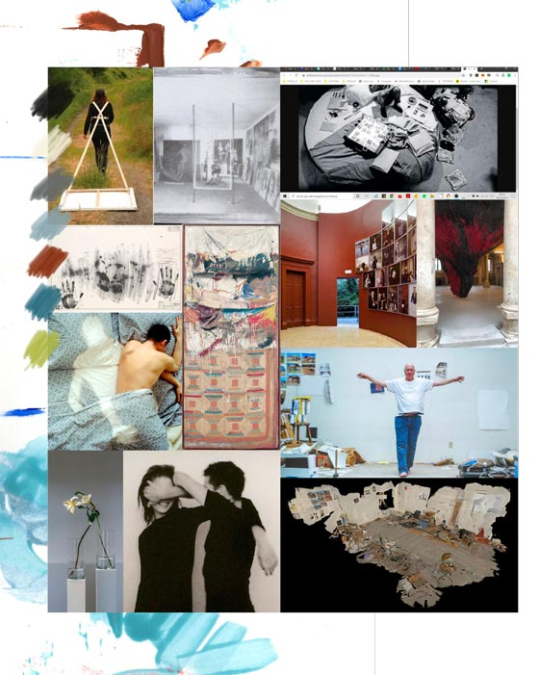
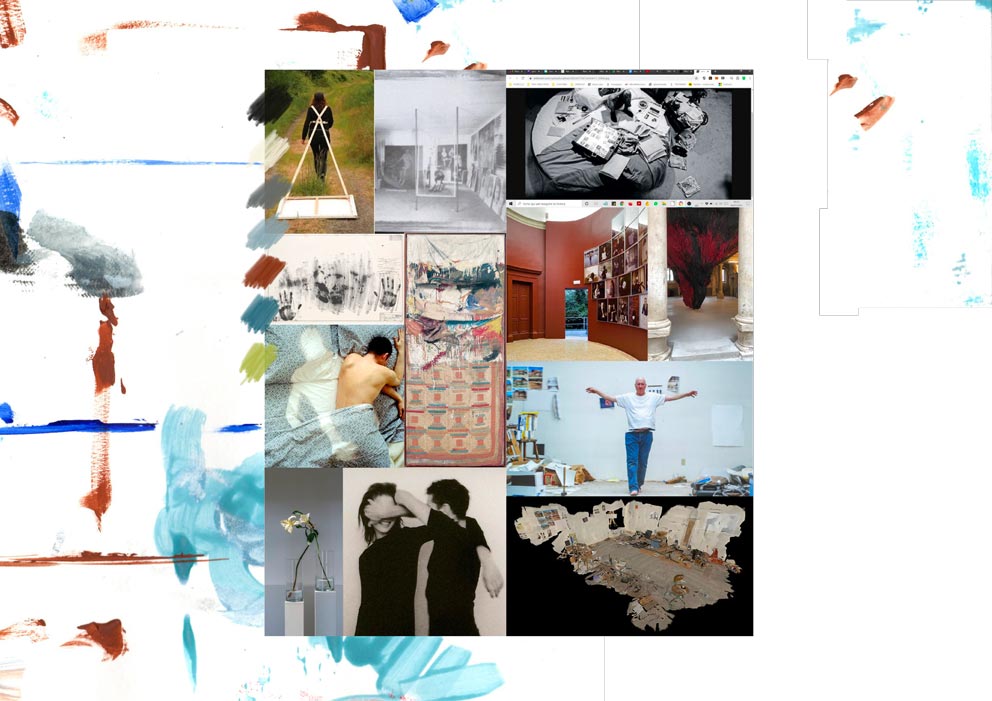
La necessità di definire e analizzare uno spazio creativo ha da sempre suscitato grande interesse e mistero nella storia dell’arte e non solo; in quanto spazio fondamentale per approfondire la ricerca dell’artista e la sua produzione.
Inizialmente erano visti come dei luoghi mitologici, sacri, mentre per altri erano dei luoghi caotici ed iin continuo mutamento, sede della creazione artistica. In entrambi i casi, lo studio resta l’espressione migliore dell’identità dell’artista e del suo processo creativo, che viene trasportato direttamente sulle pareti dell’ambiente.
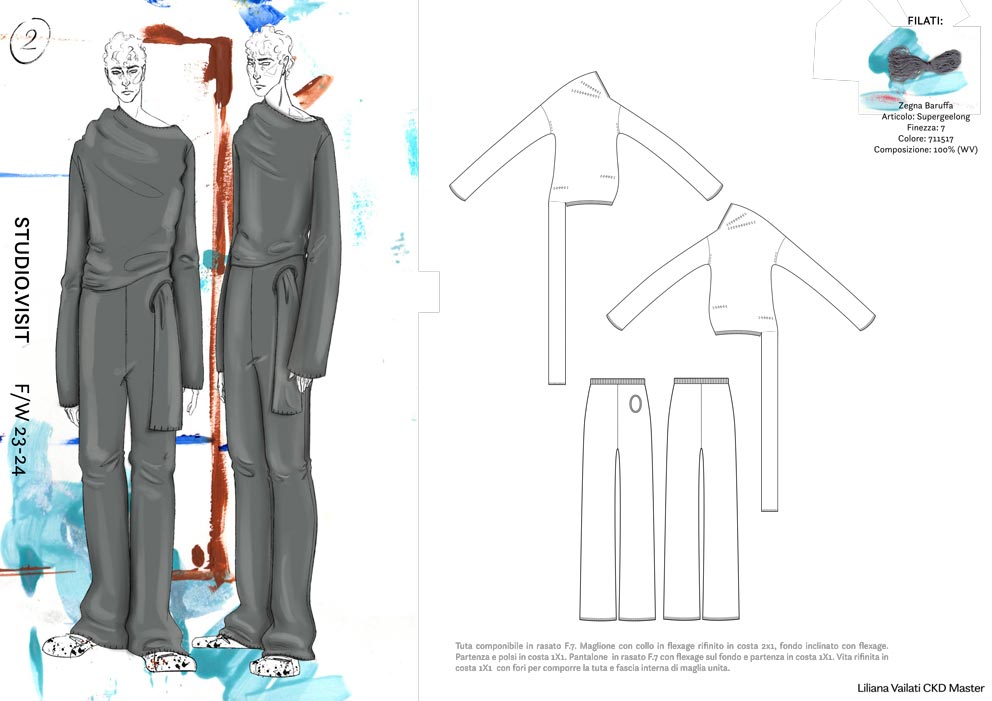
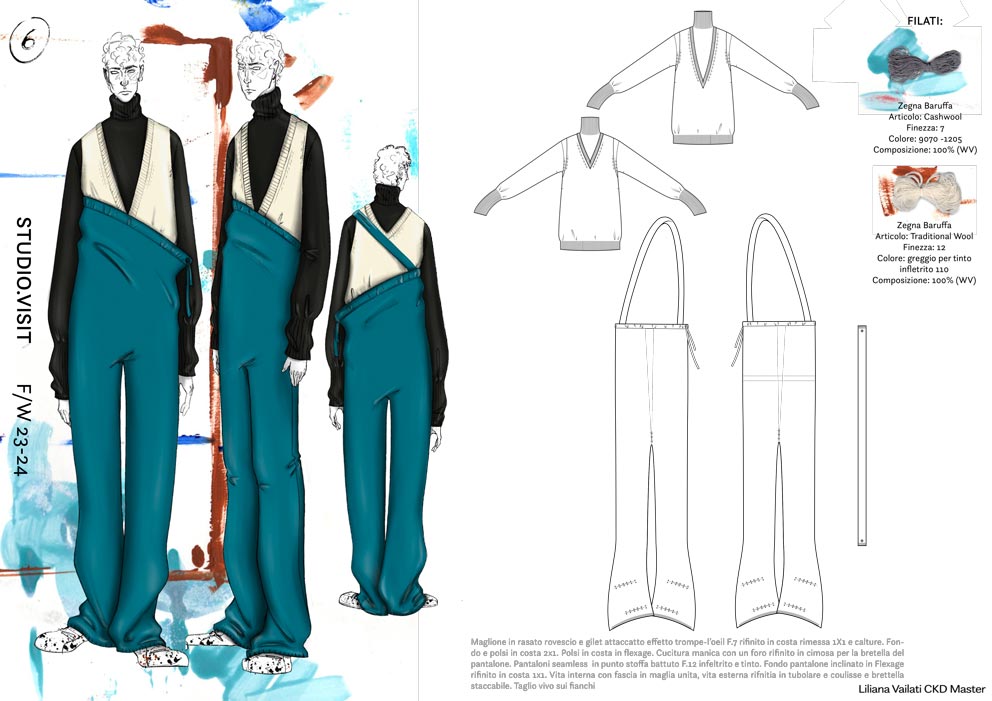
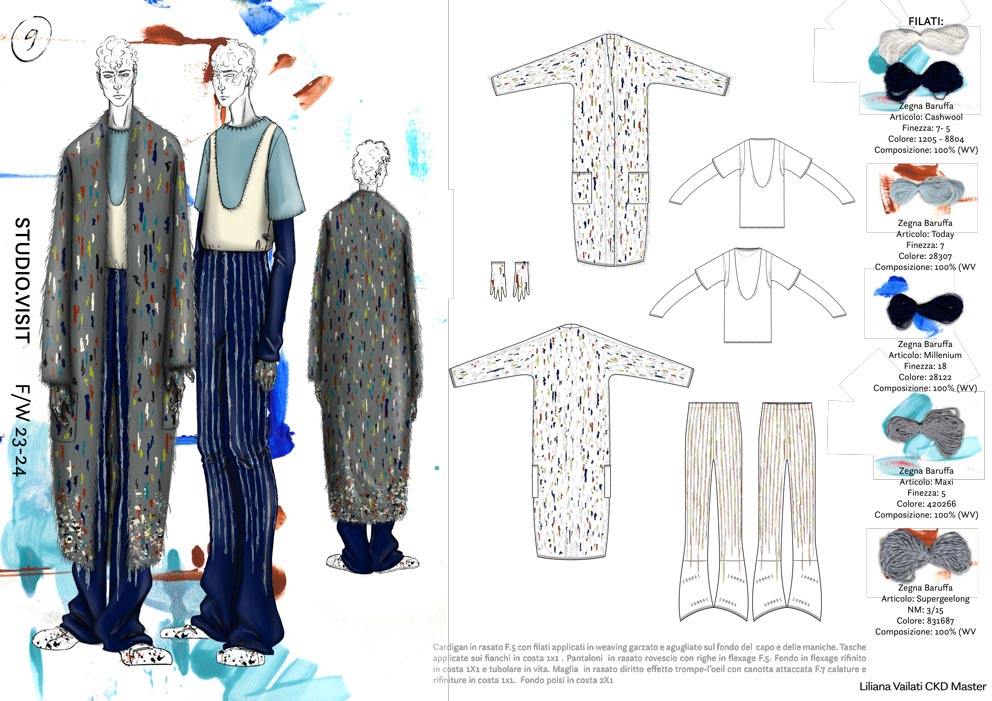
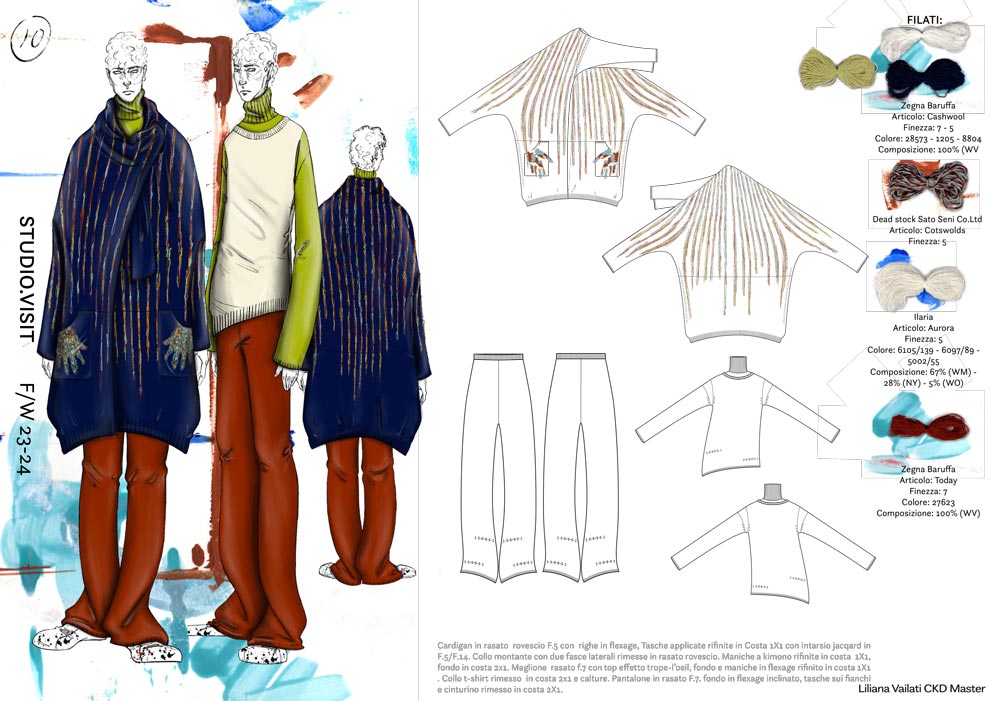
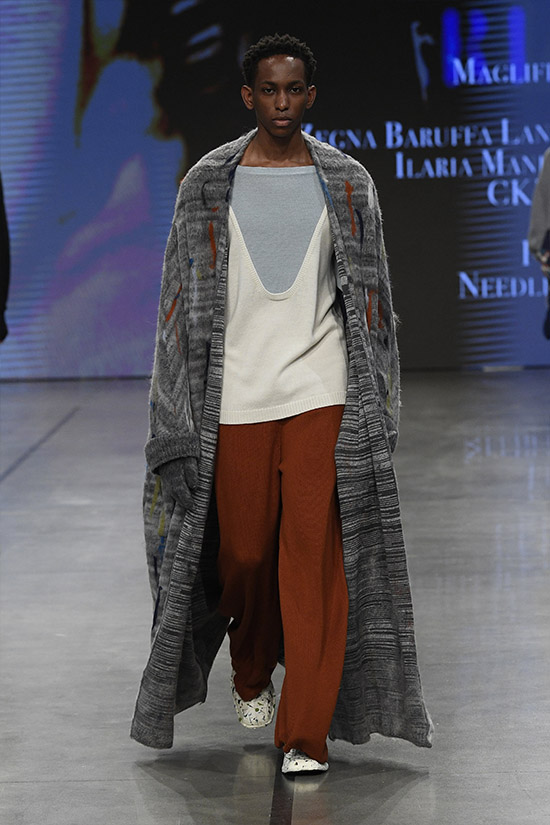
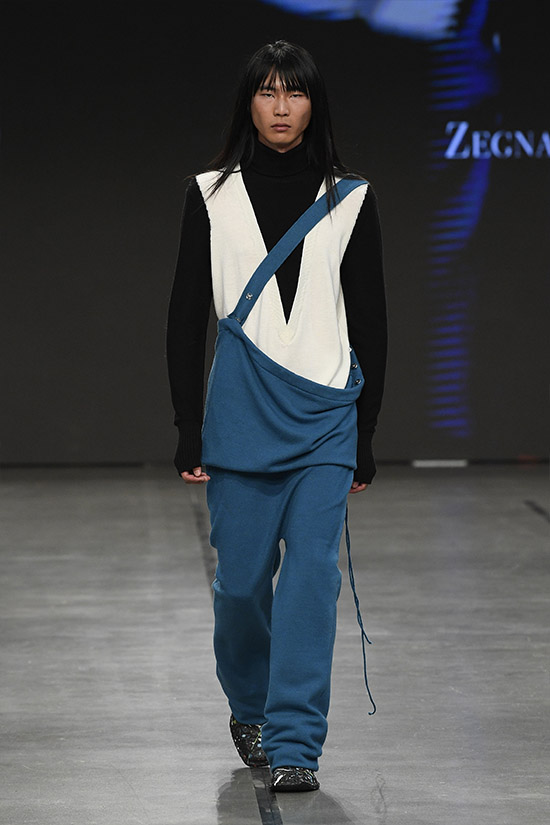
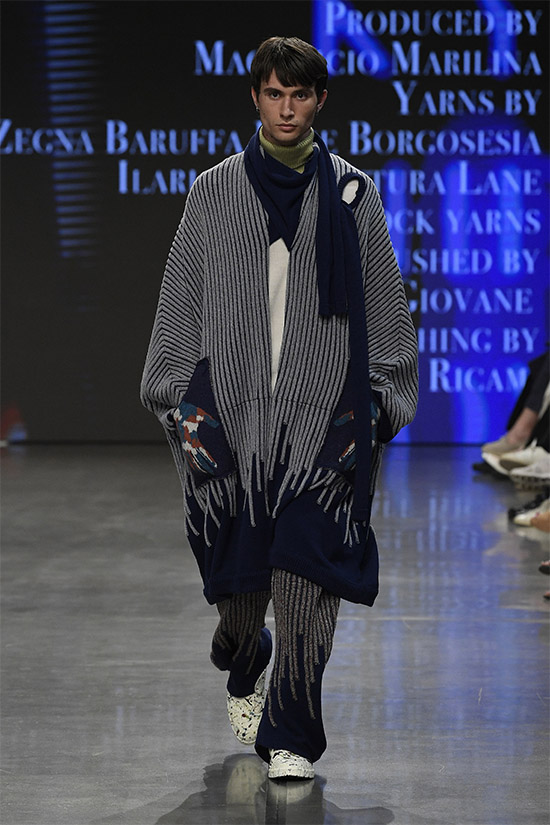
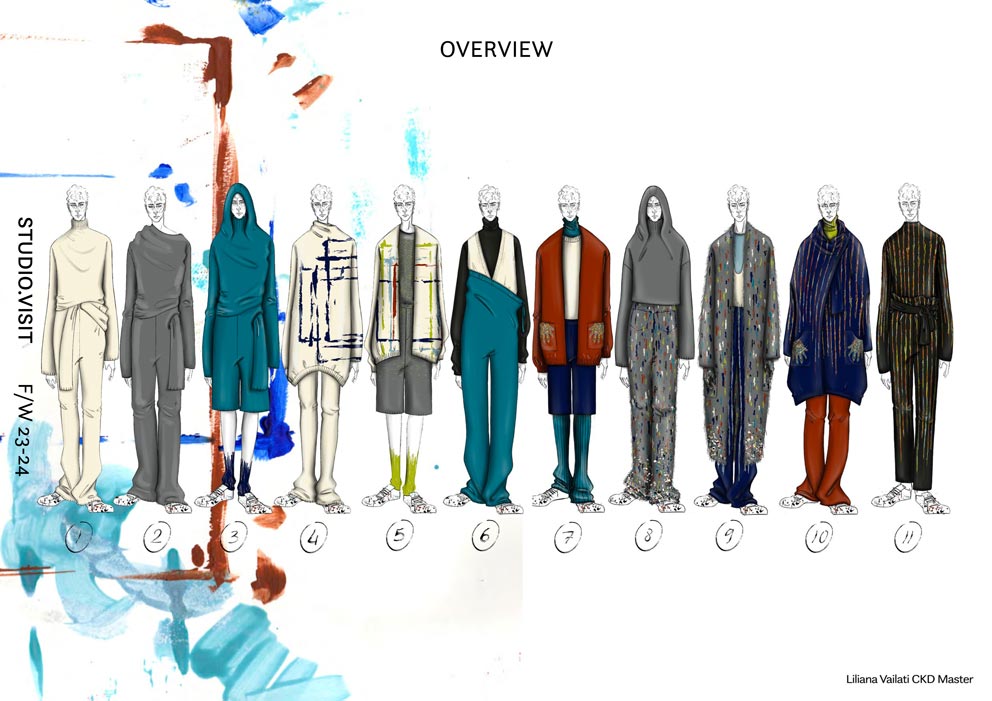
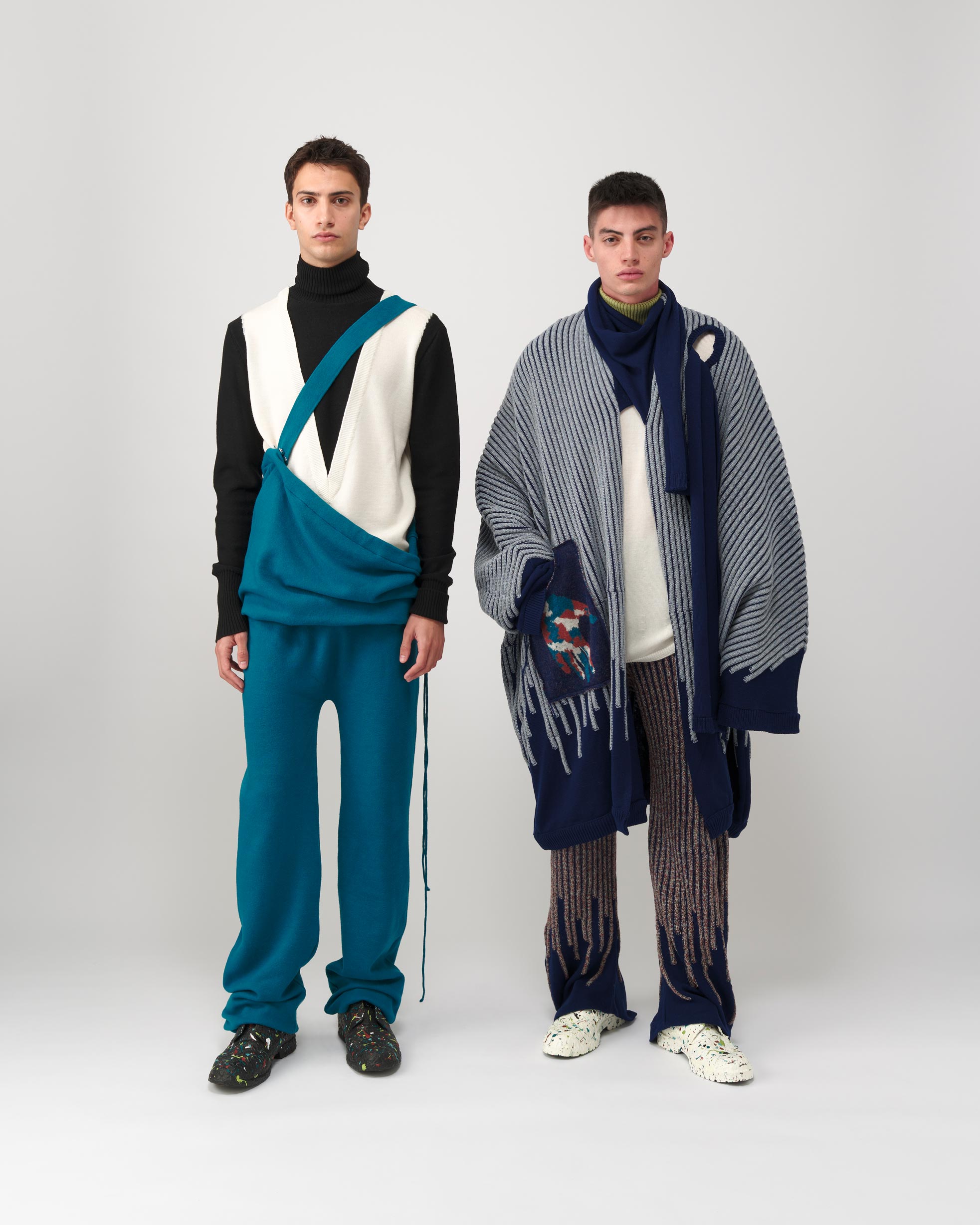
L’evoluzione dello spazio creativo, mette in evidenza l’aspetto mutevole, che caratterizza sia lo studio d’arte del passato sia quello attuale. Tale caratteristica delinea la prima parte di ricerca della collezione sviluppando una serie di capi componibili, che danno movimento e vita al capo. Tra questi sono presenti delle “false tute” che creano l’illusione di un unico capo e dei pezzi unici che sembrano più capi sovrapposti fra loro ricreando un effetto trompe l’oeil.
La tuta stessa è uno dei capi d’abbigliamento utilizzati all’interno dello studio, ed è anche
fondamentale per la storia dell’arte, con il movimento futurista che ne sviluppo l’idea. Un capo universale, utilizzabile da entrambi i generi e ideale per il lavoro in studio.
Lo spazio stesso dello studio non è più solo un luogo fisico. La valenza romantica della stanza in cui l’artista dipinge è una visione del passato, talvolta ancora presente, ma non è più l’unica sua rappresentazione. Grazie ai nuovi media, lo studio può essere qualsiasi cosa anche un singolo oggetto o uno spazio portatile, come un computer, che può diventare il proprio mondo creativo. La scrivania virtuale (desktop) diventa così un prolungamento di quella fisica.
Durante la ricerca, oltre al computer, sono stati individuati altri componenti che sono spesso presenti e che definiscono lo spazio creativo. Fra gli oggetti essenziali abbiamo: il cavalletto, i supporti per dipingere con il colore come le tavolozze, il pavimento che può diventare un elemento indispensabile per comporre un progetto, la sedia e infine la stessa scrivania sia essa fisica o, digitale.
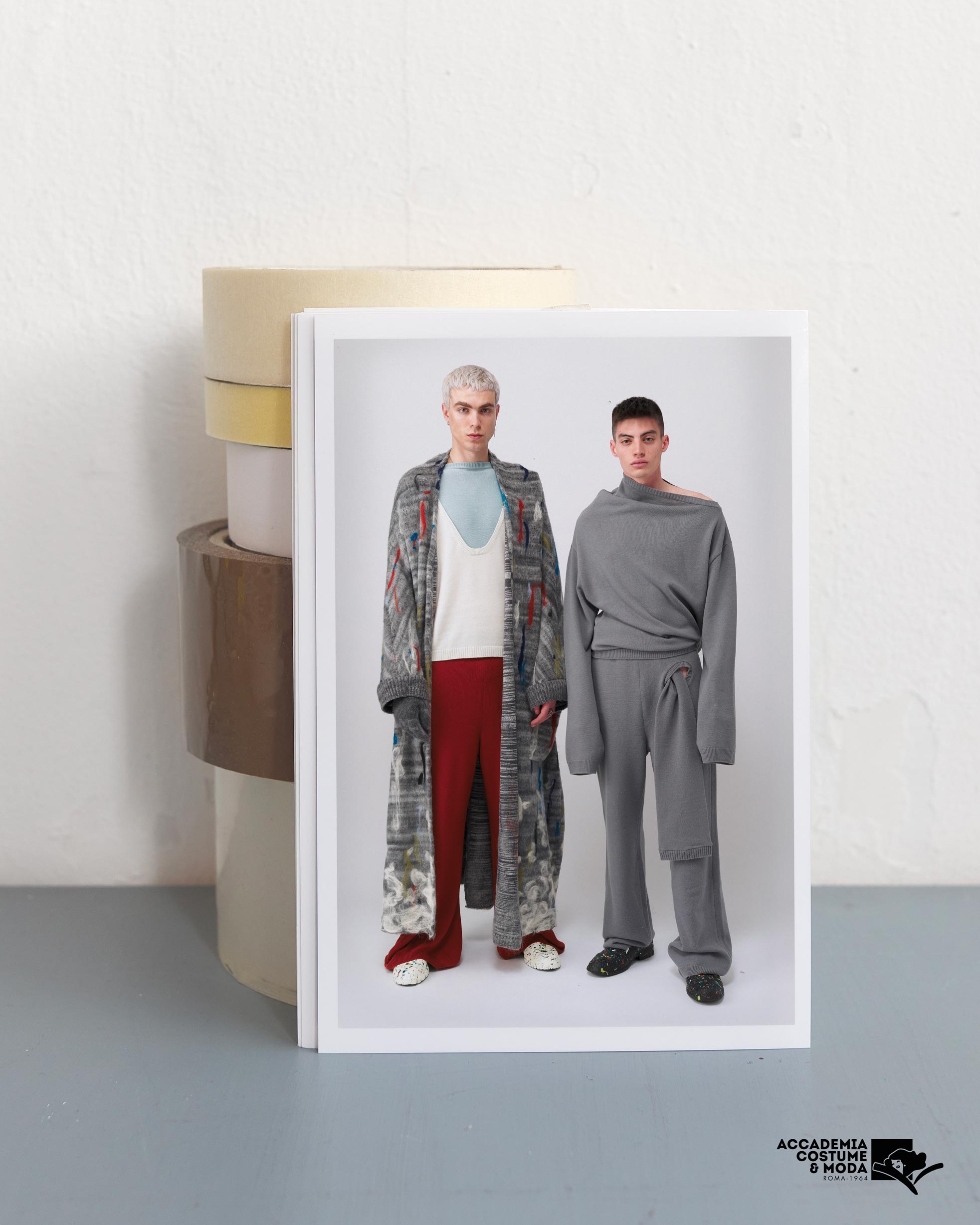
Tuttavia, il componente più ricorrente non solo negli studi pittorici, ma anche in altri ambienti è un materiale che spesso passa inosservato: il Felt o Feltro protettivo, un “tessuto non tessuto” idrorepellente composto da scarti di cotone rigenerato, utilizzato come protezione per il pavimento. All’interno della collezione viene ricreato tale elemento abbinando a una base di maglia rasata del fiocco che vada a simulare gli scarti di cui è costituito il Felt.
Viene indagato anche il valore intimo dello spazio, attraverso gli elementi nascosti dell’atto creativo. Infatti sia l’atelier d’artista di oggi che quello del passato sono accomunati dalla memoria e delle tracce nascoste che restano per sempre all’interno dello studio e che sopravvivono all’artista stesso.
La memoria di un luogo può mostrarsi in modi differenti, fra quelli più personali ci sono: i tessuti impregnati di colore per pulire pennelli e altri accessori per il lavoro, o il colore incrostato rimasto sulla parete, che cola sul muro, o ancora che lascia il segno stesso della presenza di un supporto, come una tela. Da tali segni è stato sviluppato un campione attraverso l’utilizzo della tecnica del flexage e di una combinazione di filati monocolore e fantasia, che rimandi al colore che cola.
La collezione riflette anche su quali potrebbero essere i segni nascosti nei capi d’abbigliamento, che rappresentino la memoria di un indumento. Attraverso una serie di intarsi jacquard che riproducono le macchie lasciate dalle tele sui muri degli studi; allo stesso modo è stata realizzata una grafica per le tasche, come se fossero esse stesse dei supporti su cui dipingere.
Anche un abito può mostrare il suo processo, così viene creata la grafica di una mano che metta in evidenza la materia che resta sulle mani durante il lavoro, attraverso l’utilizzo dell’intarsio jacquard e di alcuni filati mohair. Tale disegno viene piazzato sulle tasche, cercando di mostrare il modo in cui indossare e portare l’abito stesso, ma rimanda anche ad un capo appena usato per dipingere un’opera, come se qualcuno si fosse appena pulito le mani nei vestiti.
Il progetto “STUDIO VISIT” si pone così l’obbiettivo di dare risalto alle tracce di memoria dello studio e all’atto stesso di processo creativo.
The need to define and analyze a creative space has always aroused great interest and mystery in the history of art and not only; as a fundamental space to deepen the artist’s research and his production.
Initially they were seen as mythological, sacred places, while for others they were chaotic and continuous changing places, the site of artistic creation. In both cases, the studio remains the best expression of an artist’s identity and its creative process, which is transferred directly onto the walls of the room.
The evolution of the creative space highlights the changing aspect that characterizes both the art studio of the past and the current one. This characteristic outlines the first part of the research of the collection by developing a series of modular clothes, which give movement and life to the garment. Among these there are “fake overalls” that create the illusion of a single garment and unique pieces that look like multiple clothes overlap on each other, recreating a trompe loeil effect. The suit itself is one of the clothing used within the studio, and is also fundamental to the history of art, with the Futurism movement that develop the idea of the suit. A universal garment, usable by both genders and perfect for studio work.
The studio space itself is no longer just a physical place. The romantic value of the room in which the artist paints is a vision of the past, sometimes still present, but is no longer the only representation. Thanks to the new media, the studio can be anything, even a single object or a portable space, such as a computer, which can become one’s own creative world. The virtual desk (desktop) becomes an extension of the physical one.
During the research, in addition to the computer, other components were identified that are often present and define the creative space. Among the essential objects we have: the easel, the brackets for painting with color such as palettes, the floor which can become an indispensable element for composing a project, the chair and finally the desk itself, whether physical or digital. However, the most recurring element not only in pictorial studies, but also in other environments is a material that often goes unnoticed: Felt or protective Felt, a water-repellent “non-woven fabric” composed of regenerated cotton scraps, used as protection for the floor. Within the collection, this element is recreated by matching a single jersey base with a wad of knit that simulates the scraps of which the Felt is made.
The intimate value of space is also investigated, through the hidden elements of the creative act. In fact, both the artist’s atelier of nowadays and the past one are united by memory and hidden traces that remain forever inside the studio and that survive to the artist himself. The memory of a place can show itself in different ways, among those more personal ones there are: fabrics soaked of color to clean brushes and other work accessories, or the encrusted color left on the wall, that drips on the wall, or leaves the sign of the presence of a support, such as a canvas. From these marks was developed a sample through the use of the flexage technique and a combination of monochrome and fancy yarns, that refers to the dripping color. The collection also reflects on what could be the hidden signs in clothing, which represent the memory of a garment. Through a series of Intarsia Jacquard that reproduce the spots left by the canvases on the studio walls; in the same way, was created a graphic for the pockets, as if they were themselves the supports to paint on.
Even a dress can show its process, so the graphic of a hand is created that highlights the matter that remains on the hands during the work, through the use of Intarsia Jacquard and some mohair yarns. This design is placed on the pockets, trying to show how to wear the dress itself, but also refers to a garment that has just been used to paint a work, as if someone had just clean their hands on the clothes. The “STUDIO VISIT” project stands the goal to highlight the memory traces of the studio and the act of the creative process itself.
Partners:
Produced by Maglificio Marilina
Yarns Zegna Baruffa Lane Borgosesia, Ilaria Manifattura Lane and CKD stock yarns
Brushed by Forza Giovane
Needle Punching by Staff Ricami

- Moodboard
- Sketches
- Line up
- Catwalk