Tempus fugit
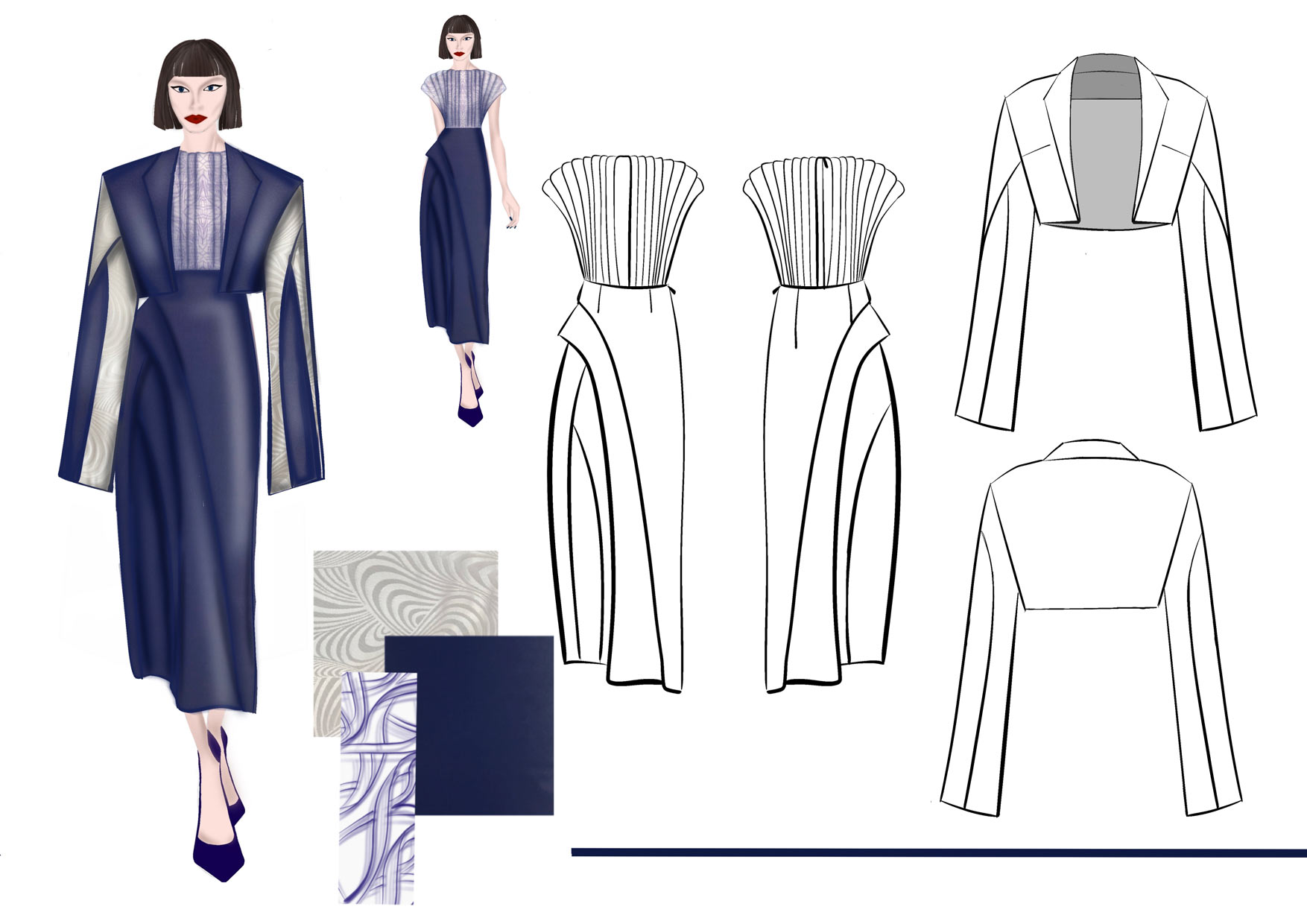
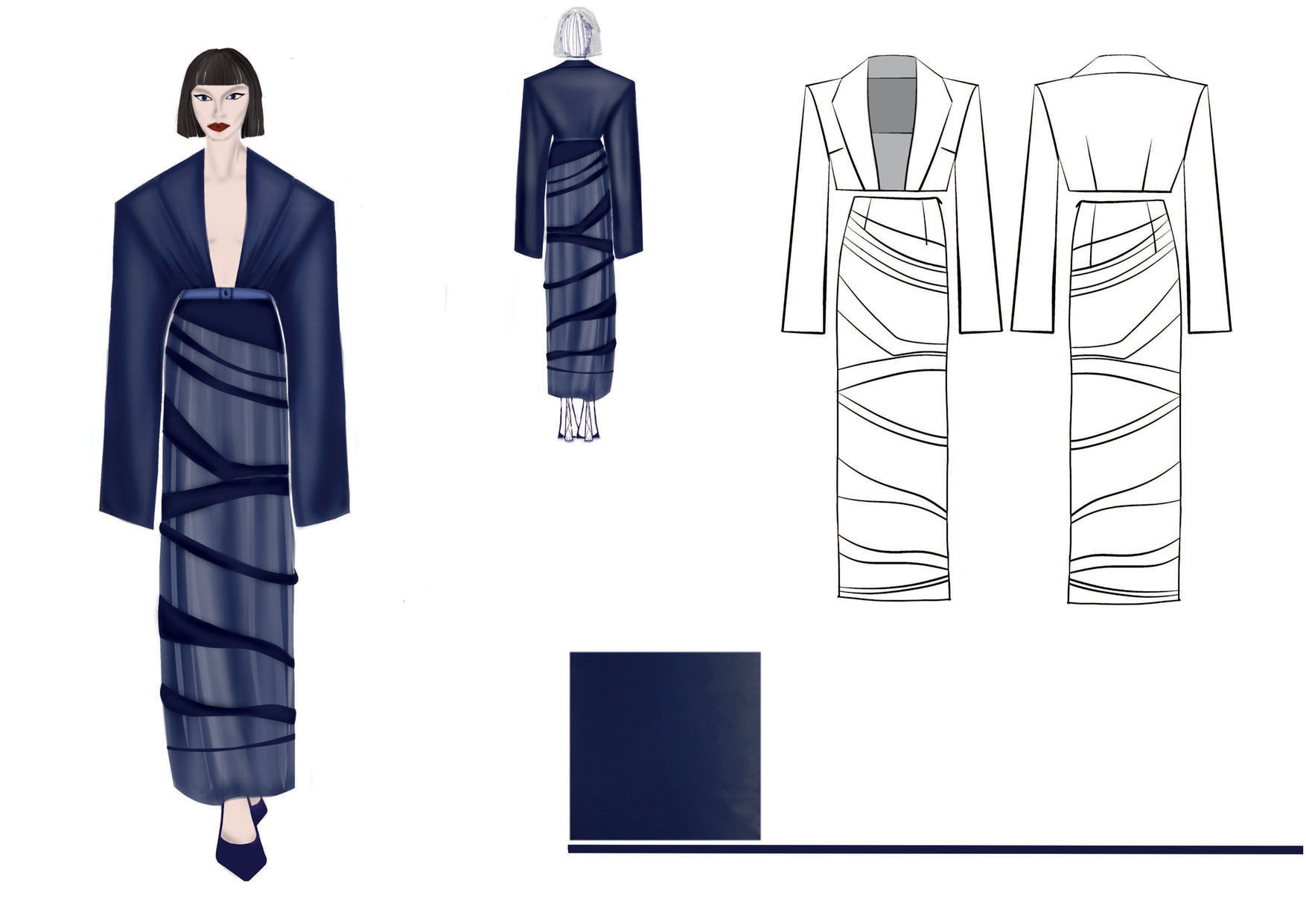
Tempus Fugit nasce dal desiderio di rendere manifesta una riflessione che parte dai versi cardine del “Trionfo di Bacco e Arianna”, scritto da Lorenzo De Medici, del 1490.
“Quant’è bella giovinezza, che si fugge tuttavia, chi vuol esser lieto sia, di doman non c’è certezza”.
C’è chi pensa che questo trionfo sia un inno alla giovinezza, chi invece un eco malinconico del ricordo di non possederla più, ma il fulcro della poesia è, in realtà, chiaro: la giovinezza, così, come qualsiasi altro momento della nostra vita, una volta vissuto, non torna più indietro.
Il tempo, formato da un istante che sussegue l’altro, elemento singolo dunque, che crea il flusso temporale, insieme di instanti, ecco come la pluralità viene creata dall’elemento singolo.
Cogli l’attimo, perché il tempo fugge! Questi due verbi restituiscono, oltre il significato, anche un’immagine. Il Fuggire, evoca il passaggio del tempo, un movimento continuo proteso nel tempo, creato dalla successione di momenti singoli. Il Cogliere, suggerisce un movimento singolo, che ha un inizio e una fine, teso a estrapolare uno di questi attimi della successione per poterlo utilizzare alla sua massima espressione, per renderlo migliore, approfittando del momento.
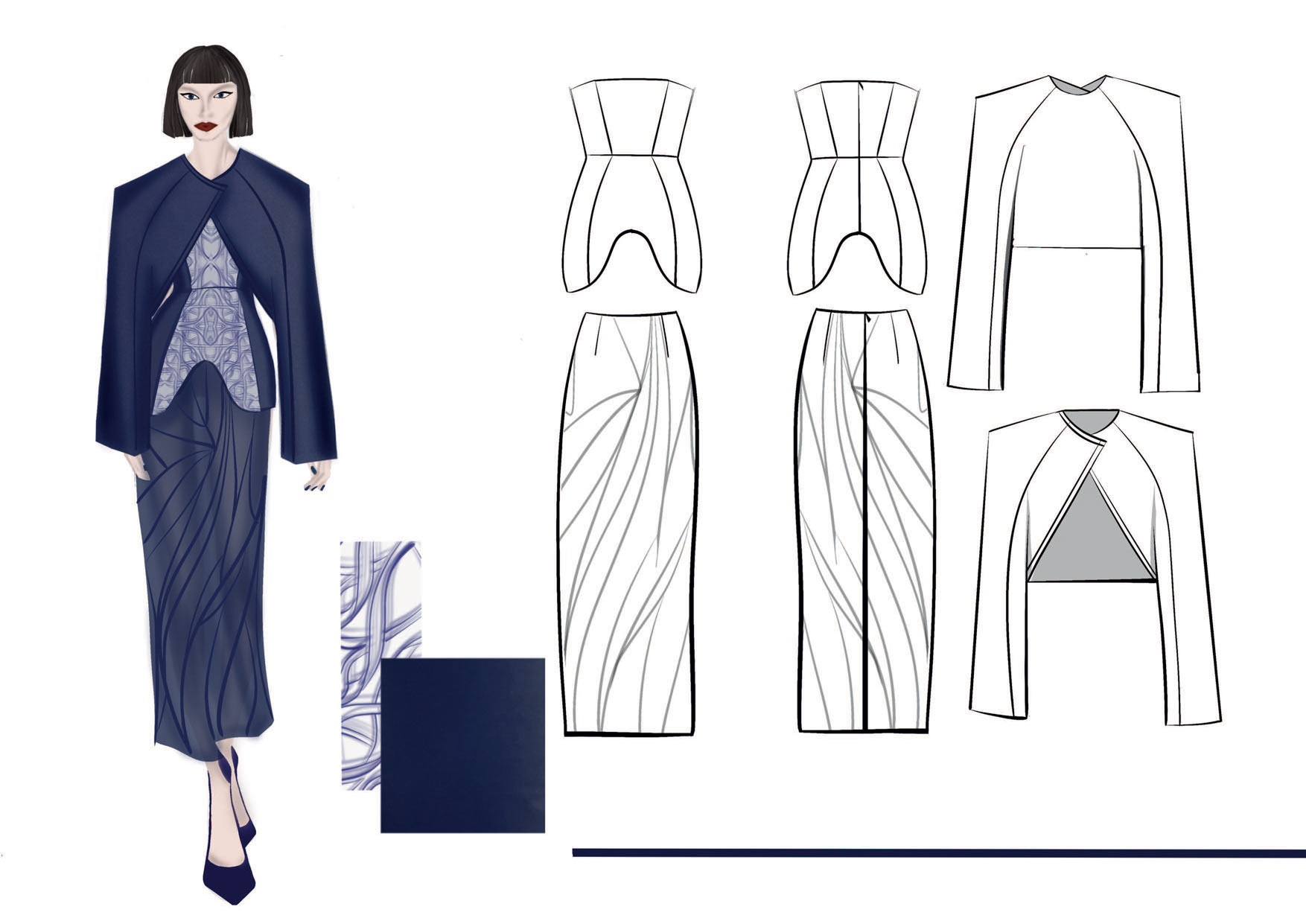
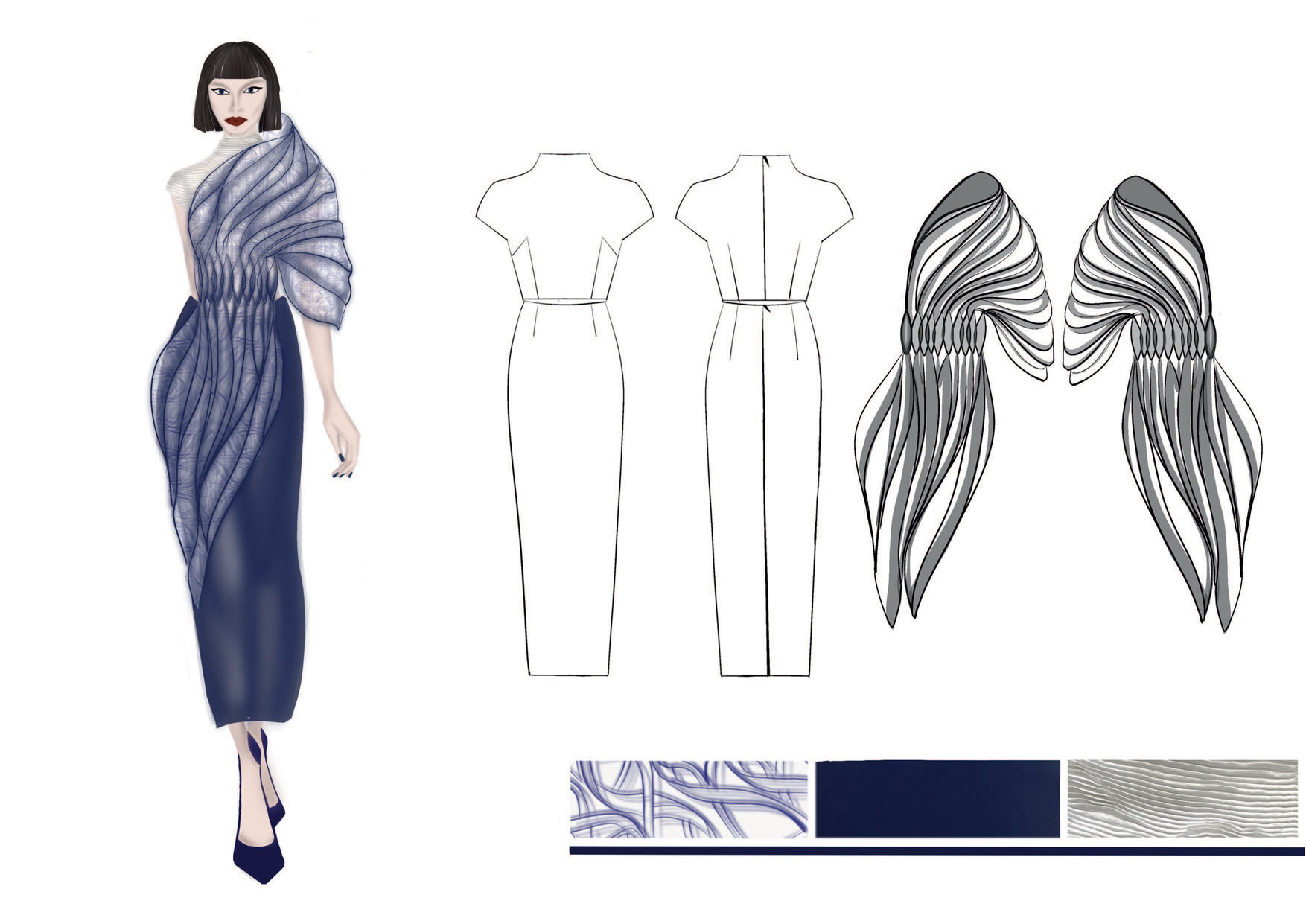
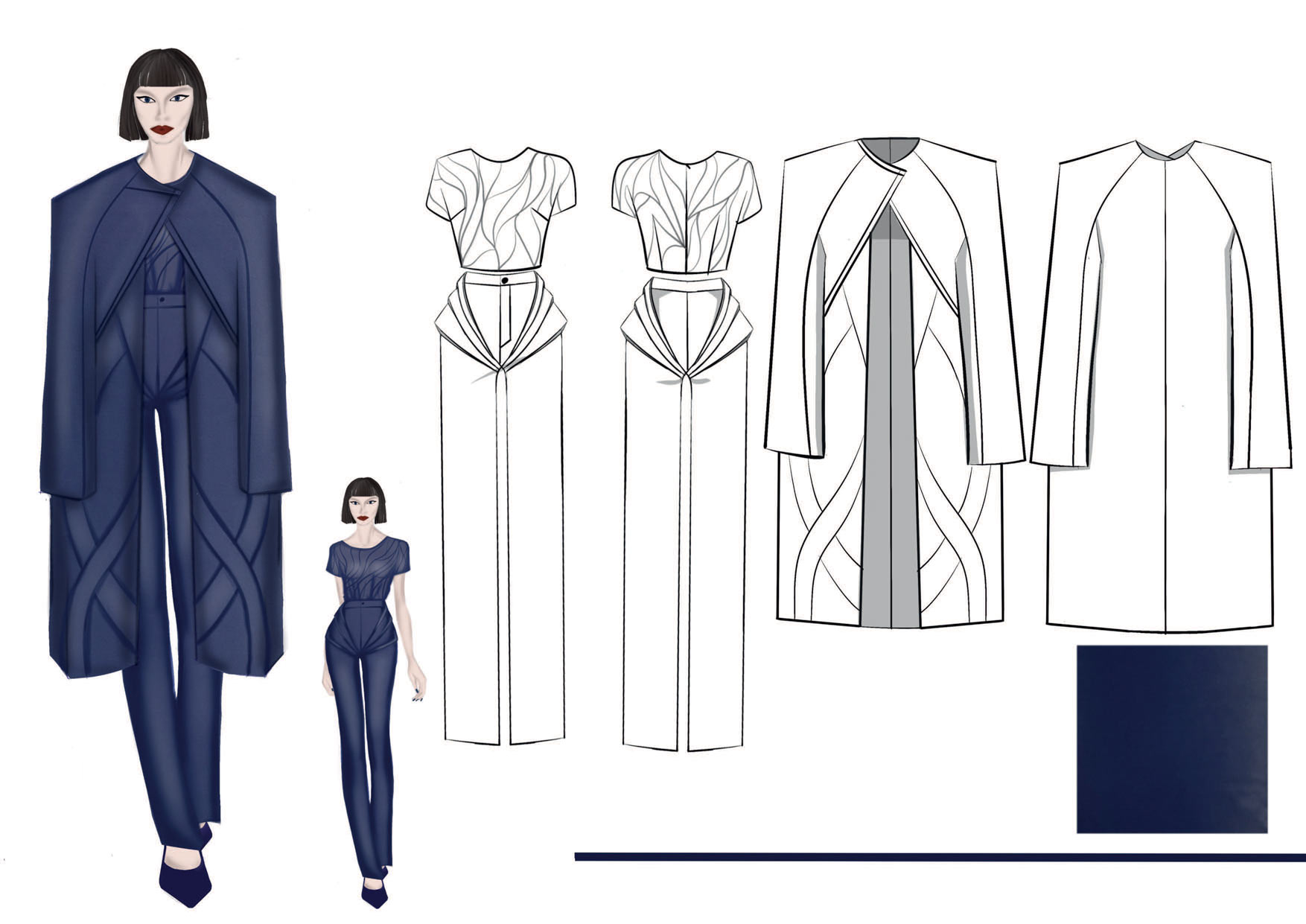
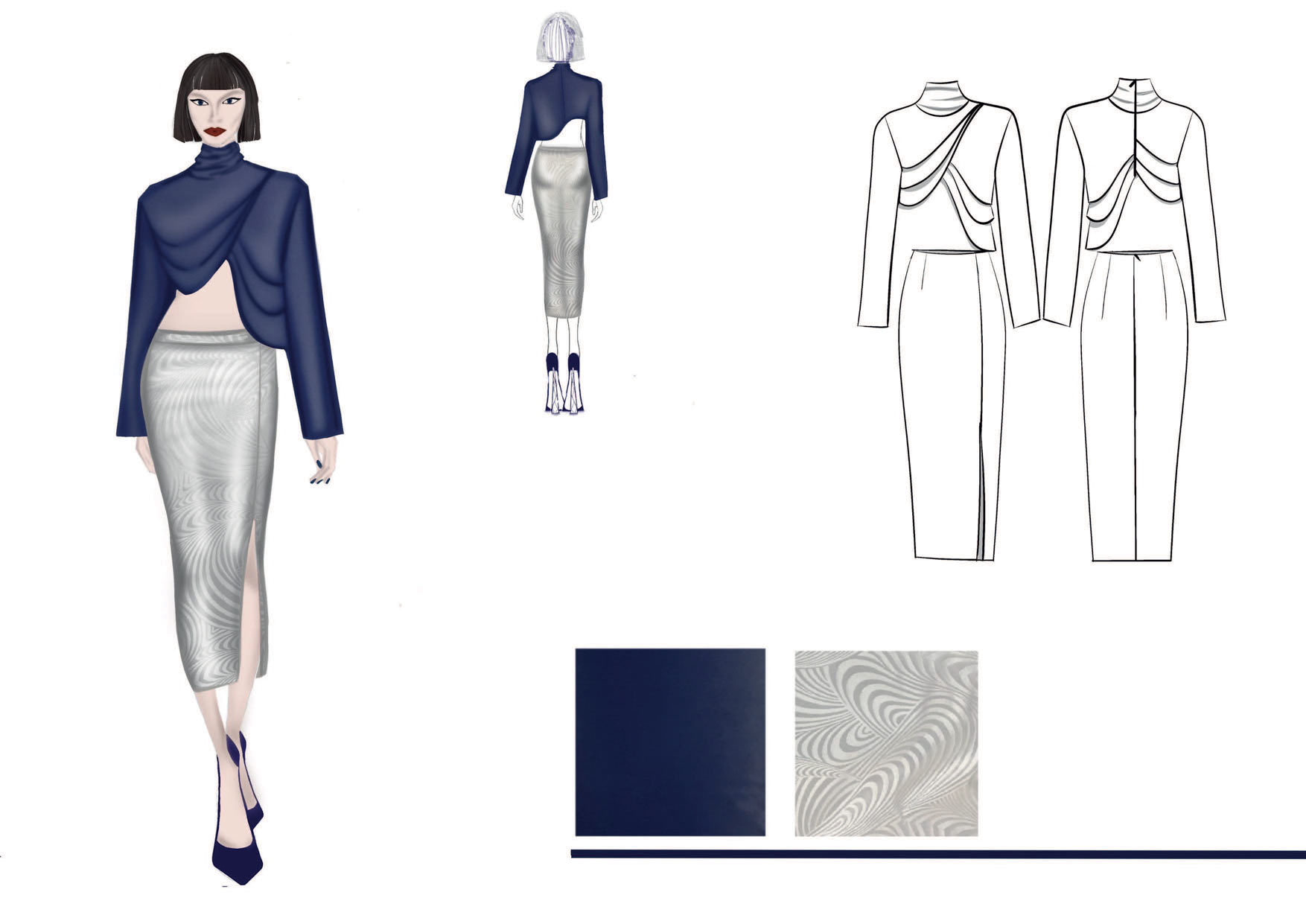
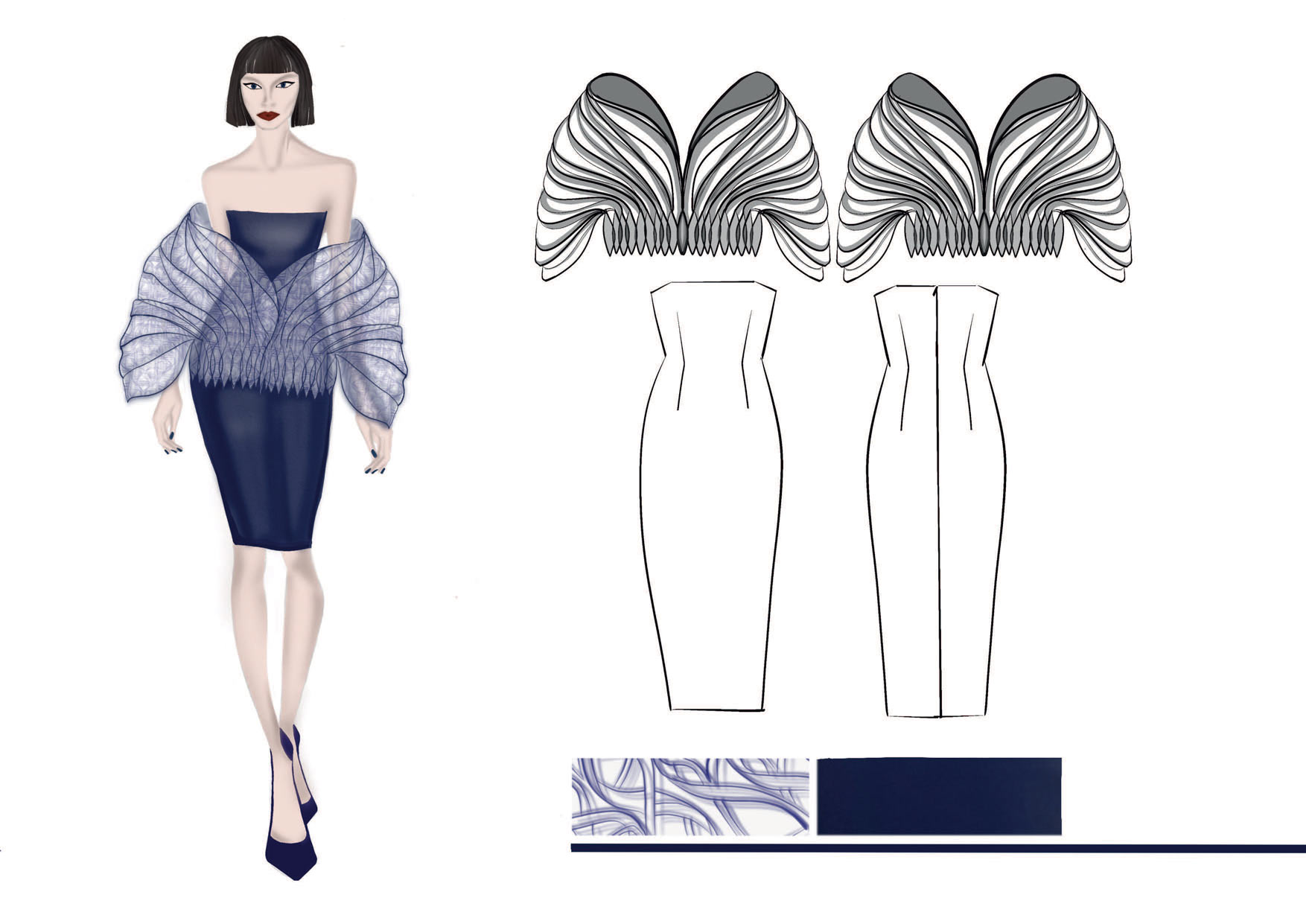
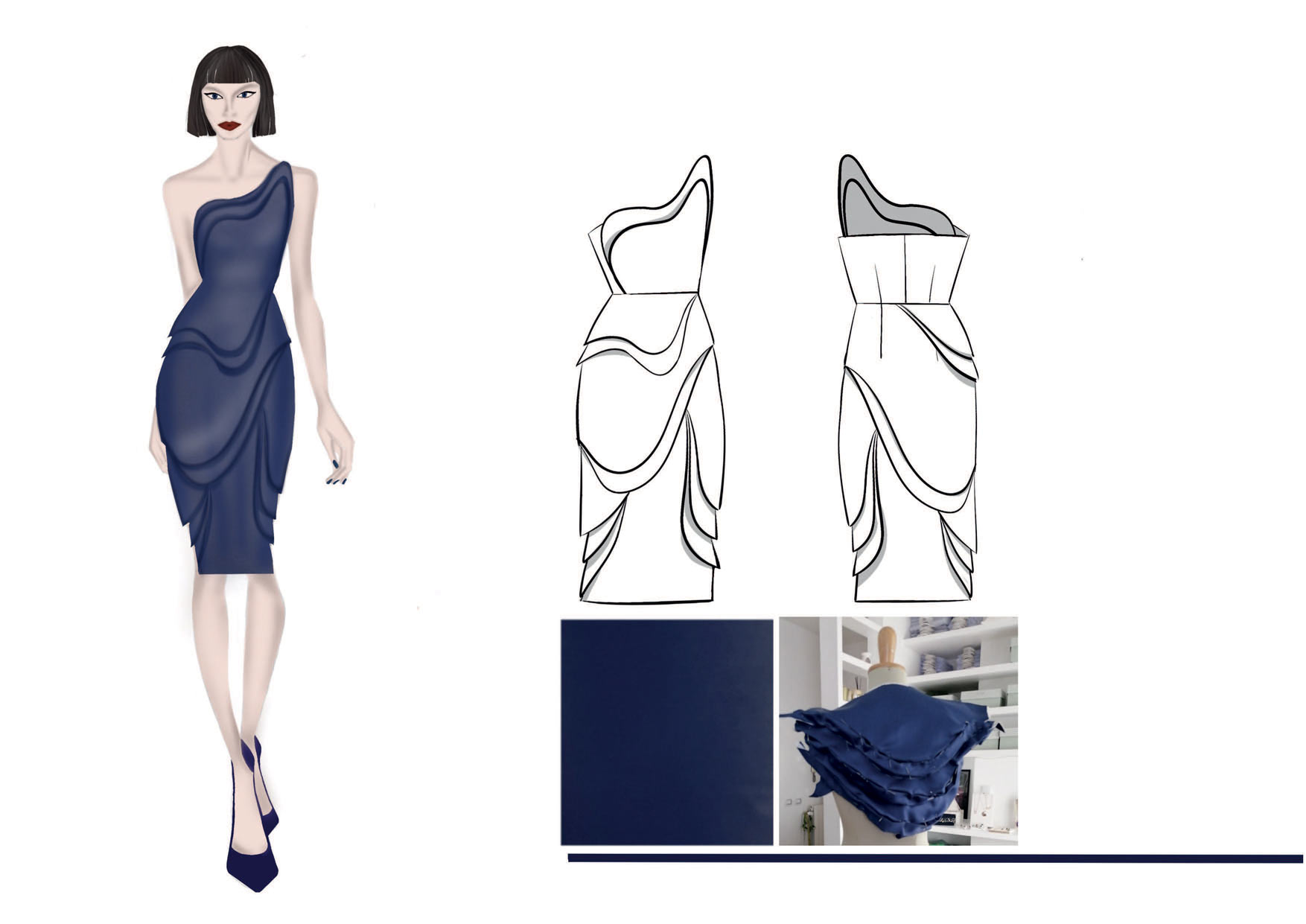
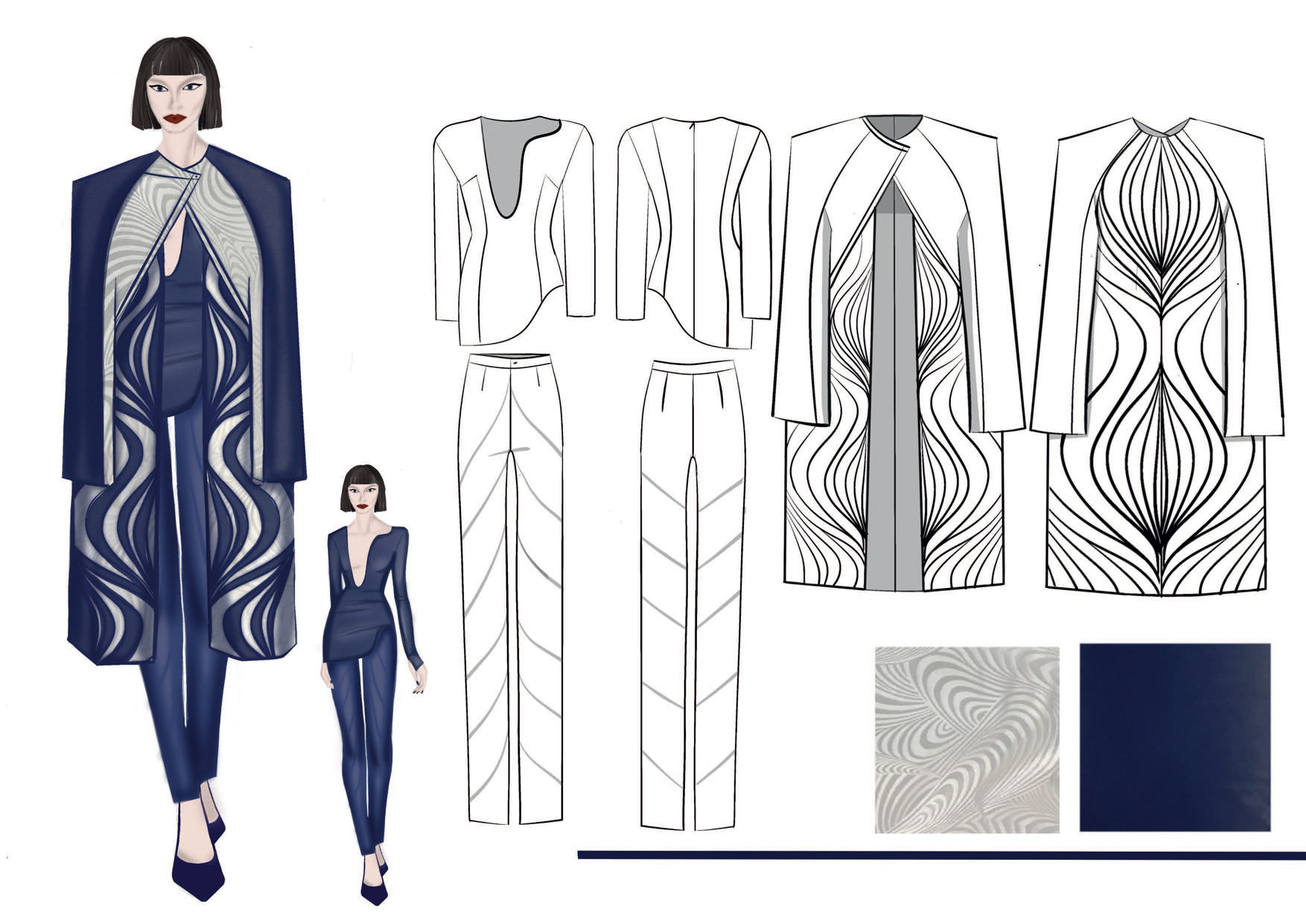
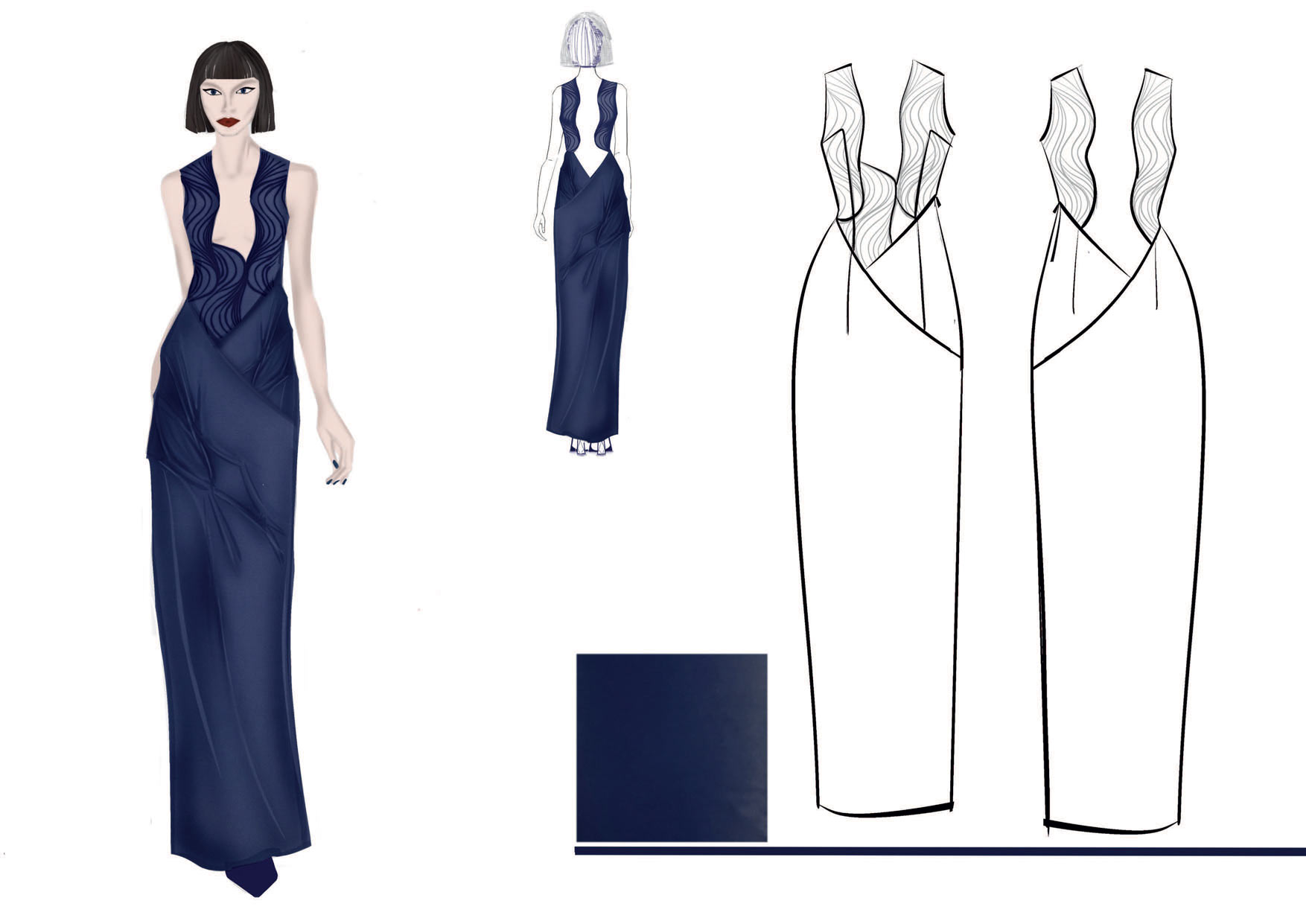
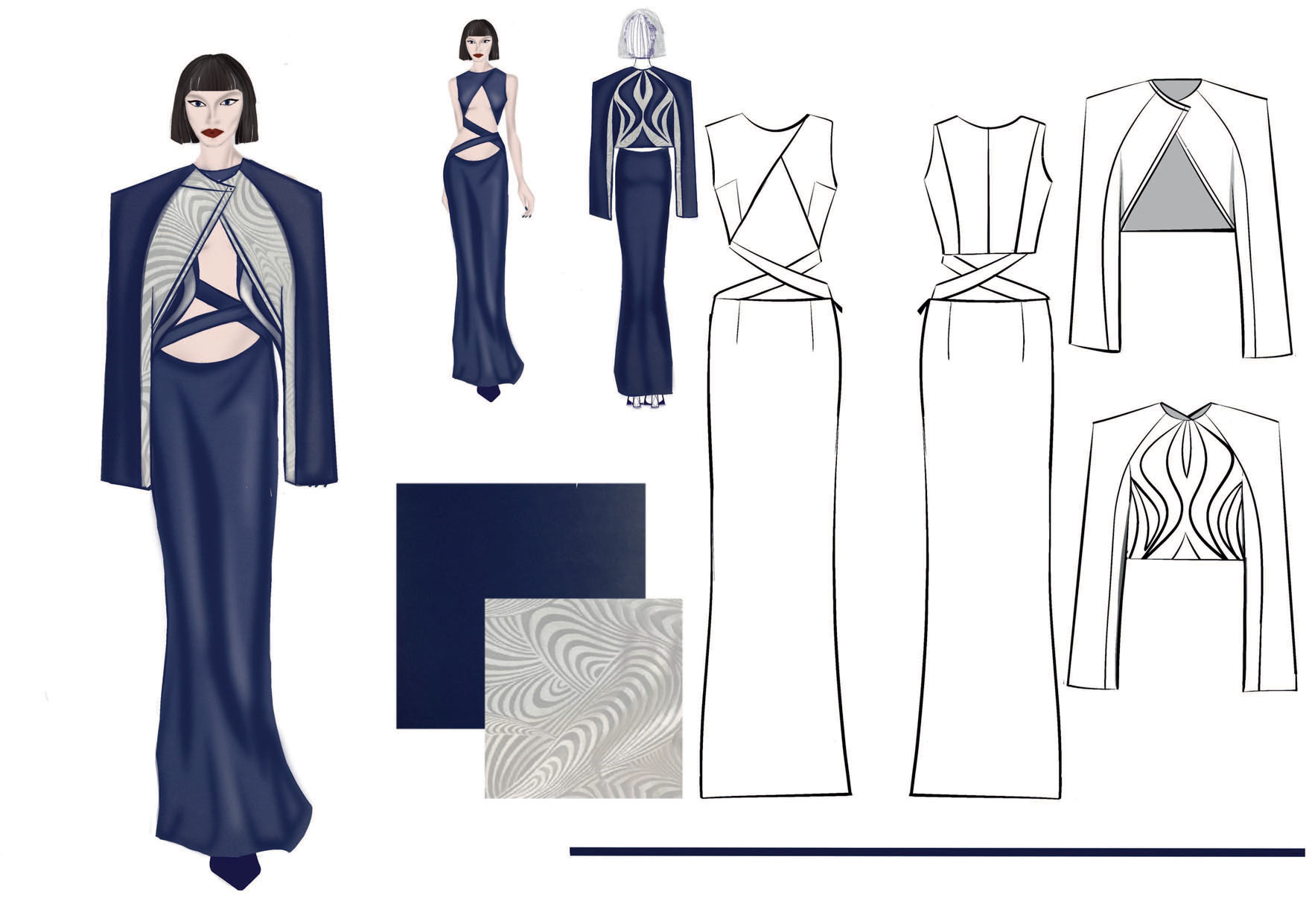
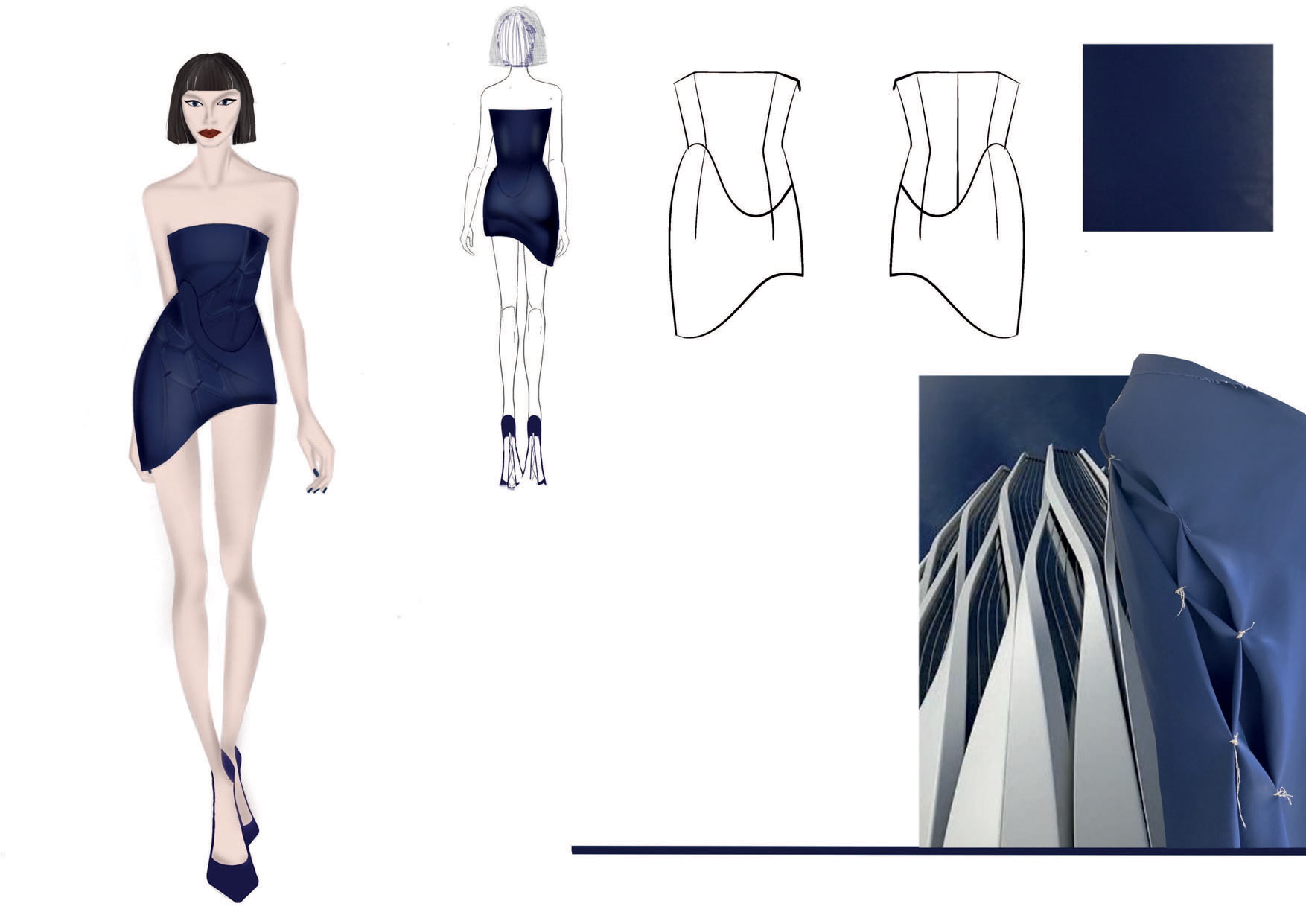
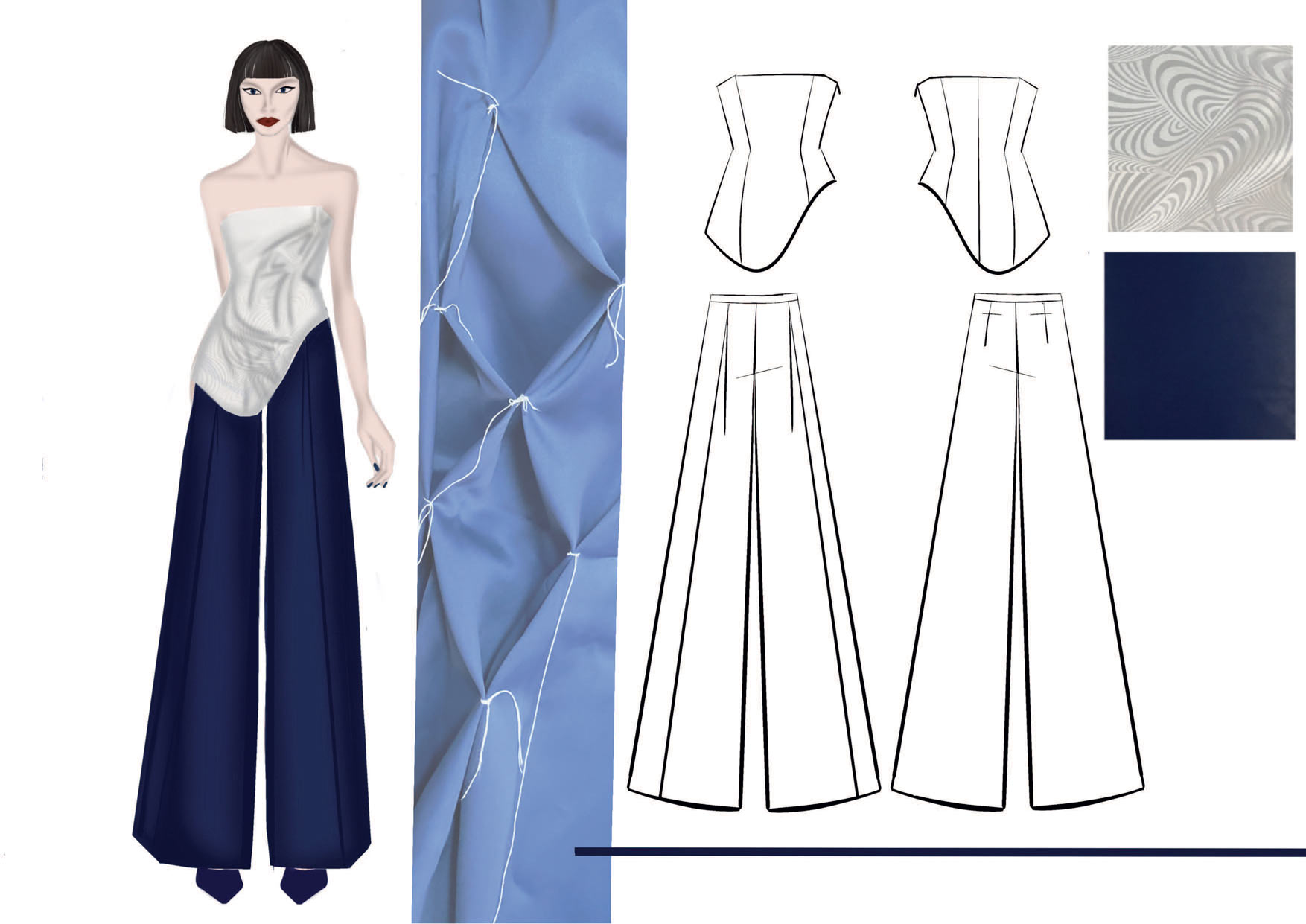
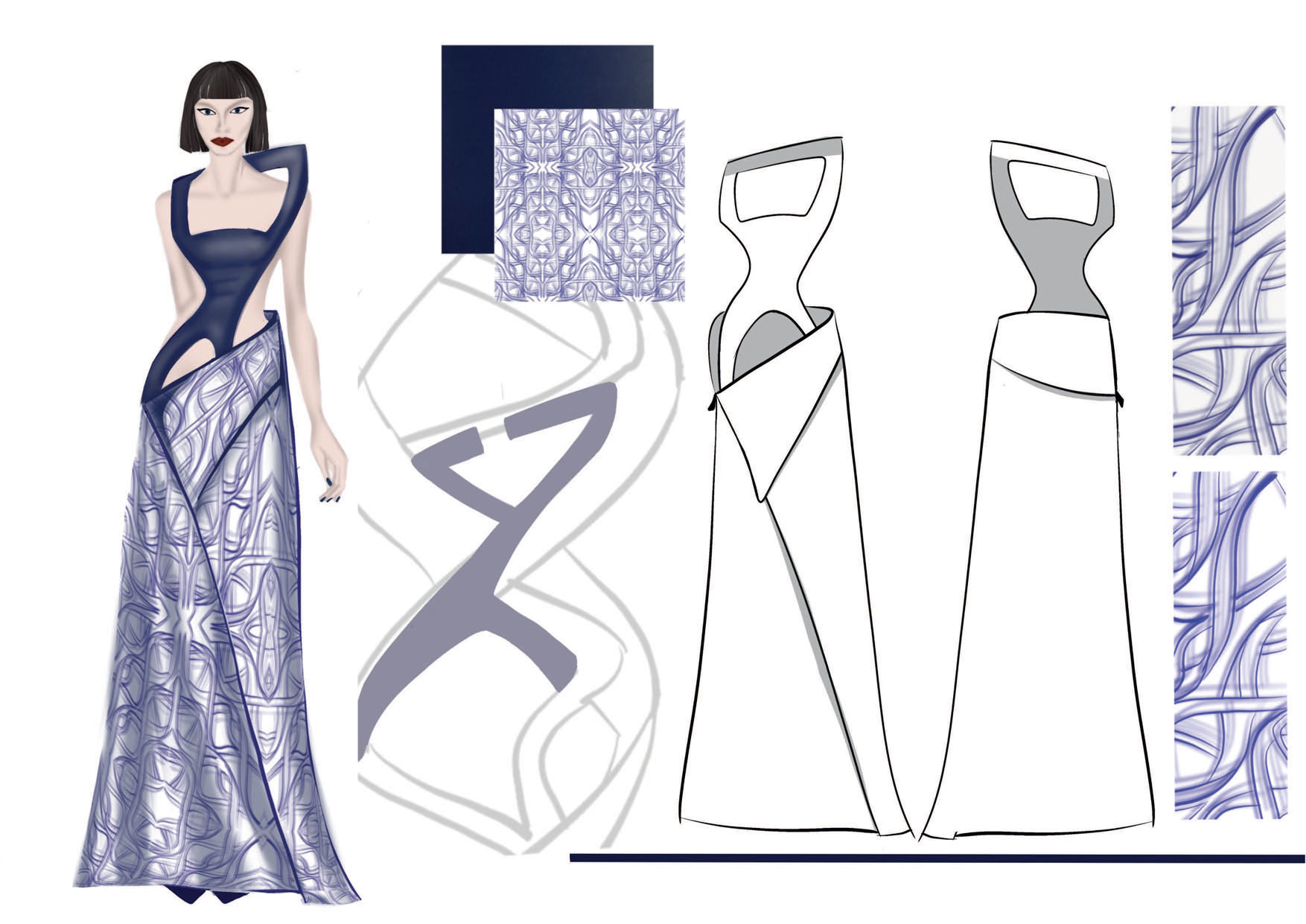
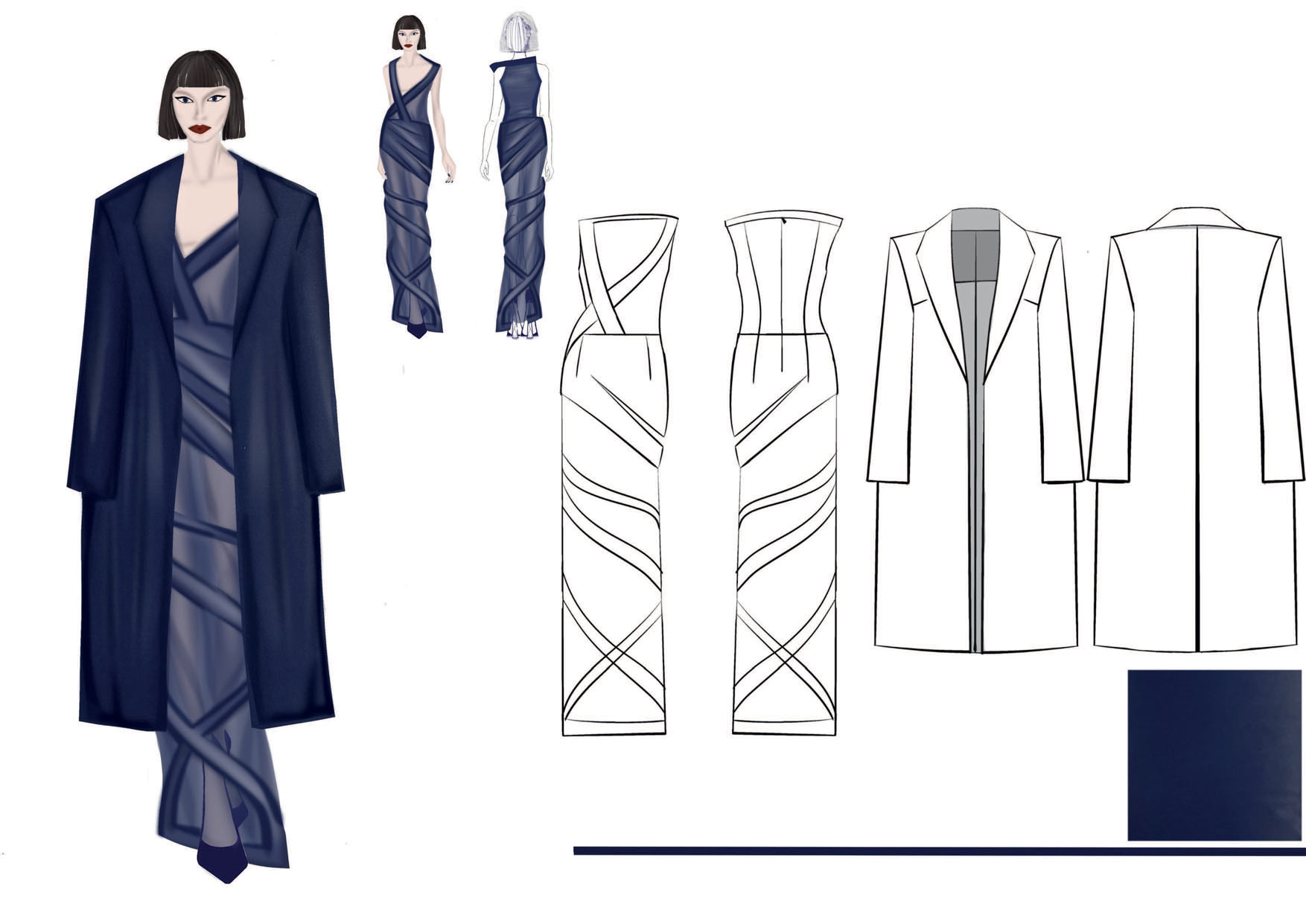
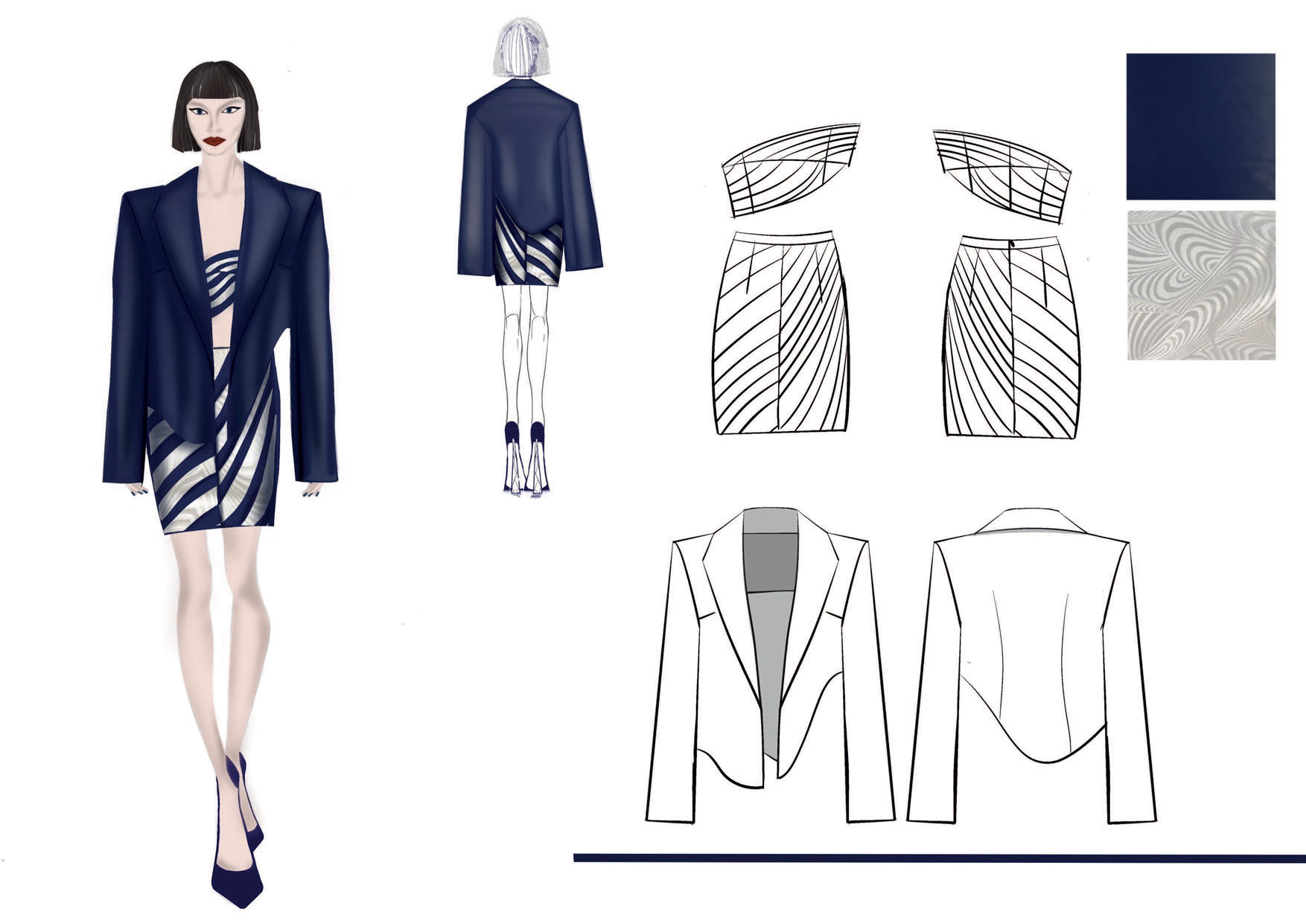
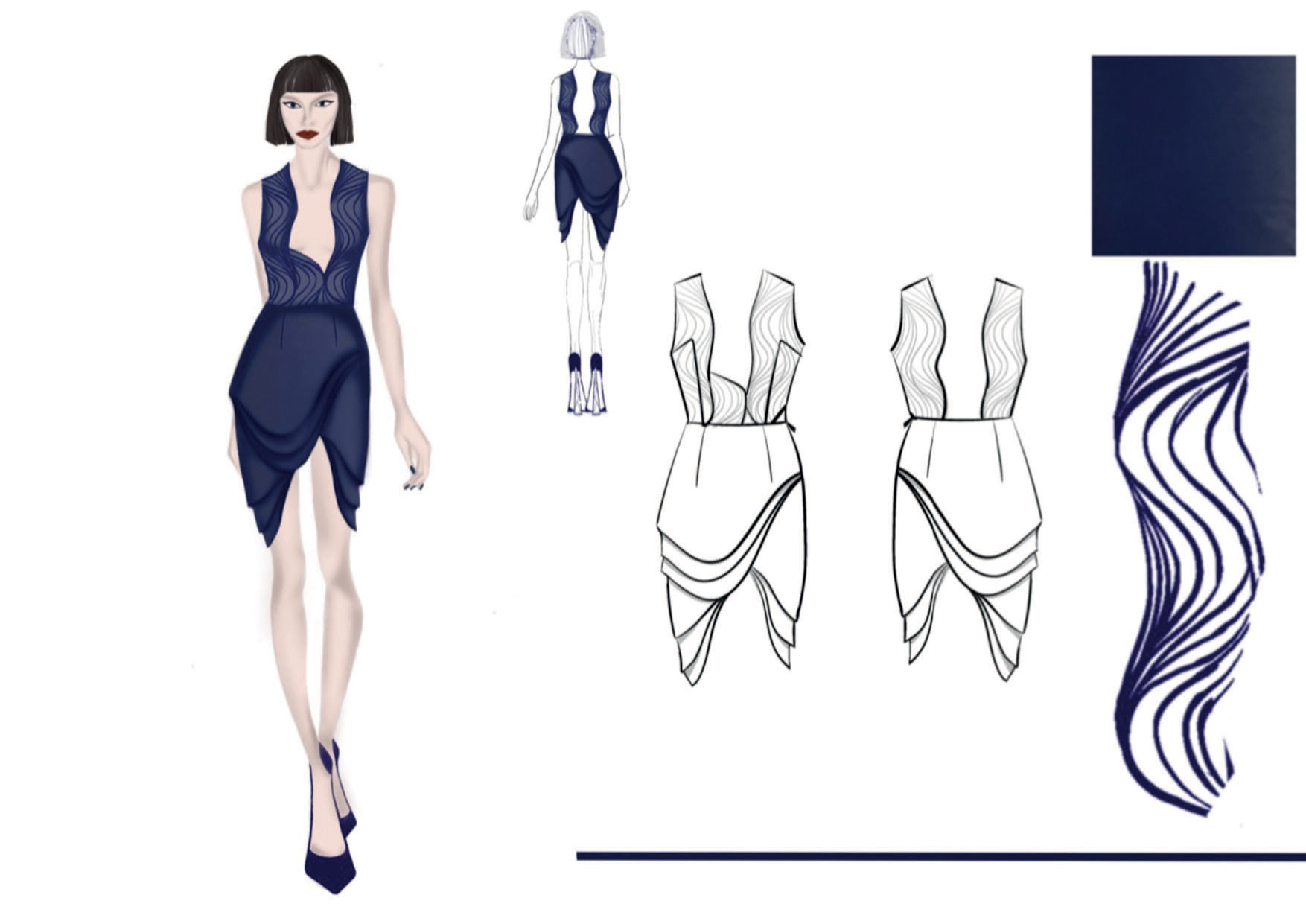
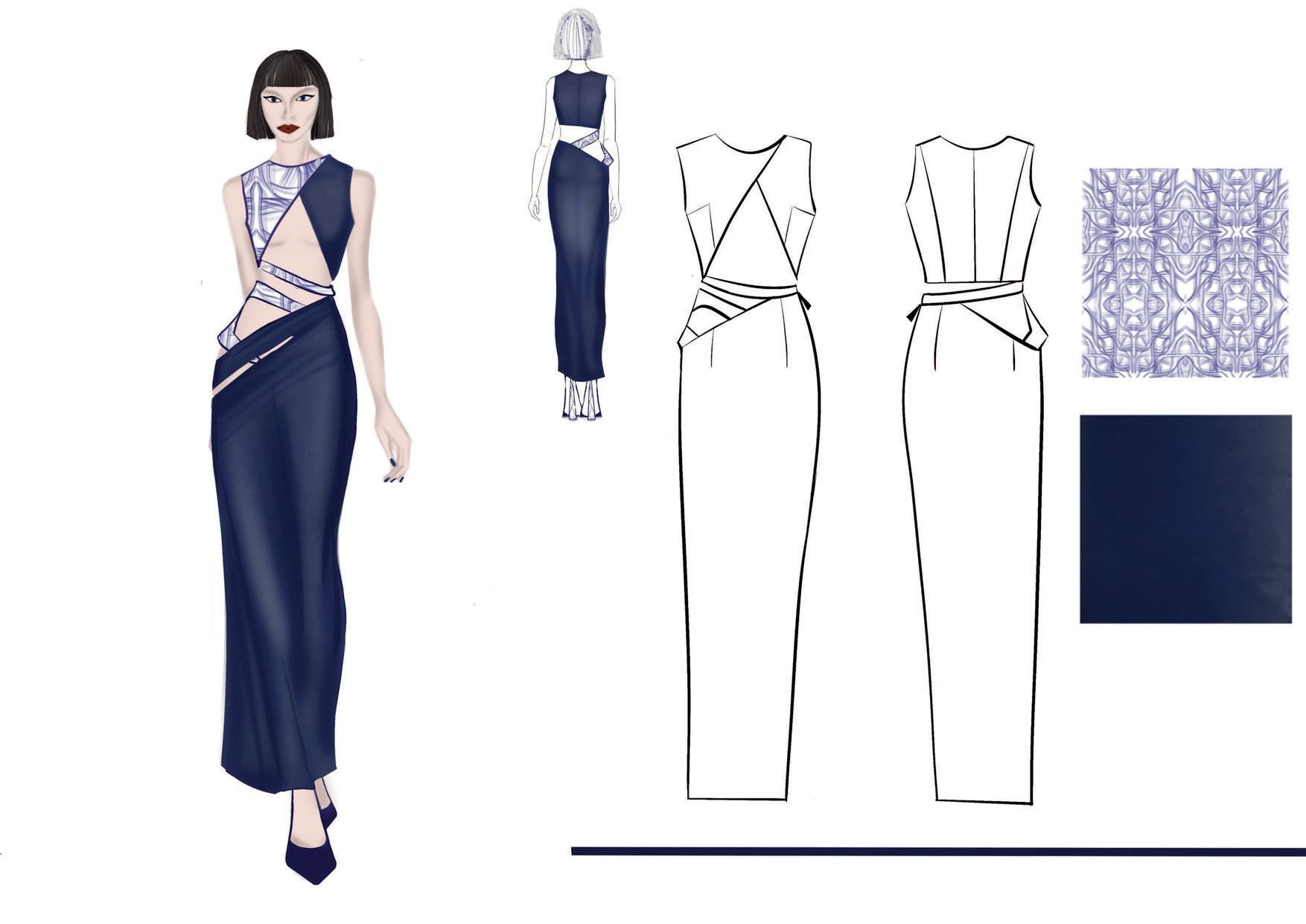
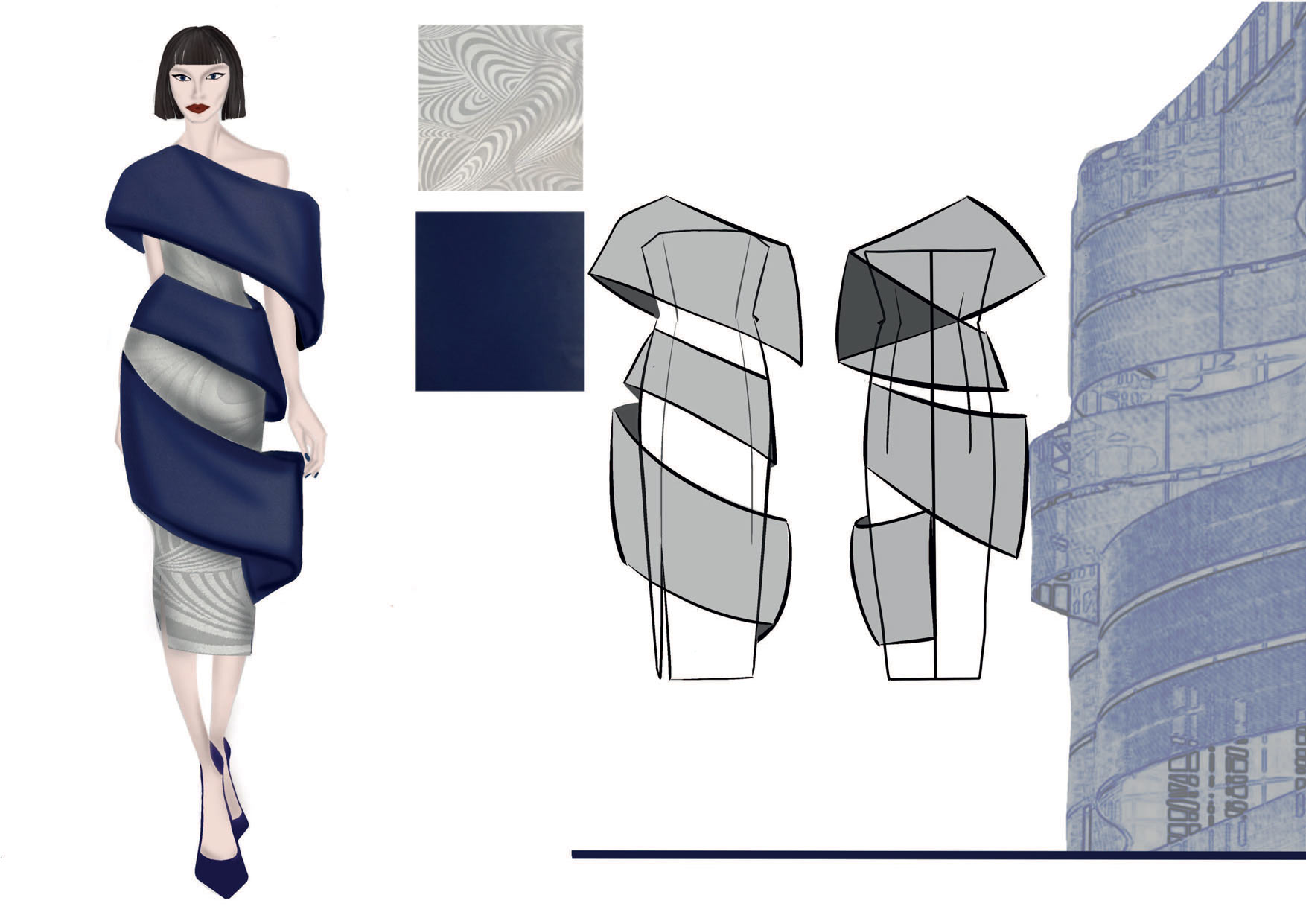
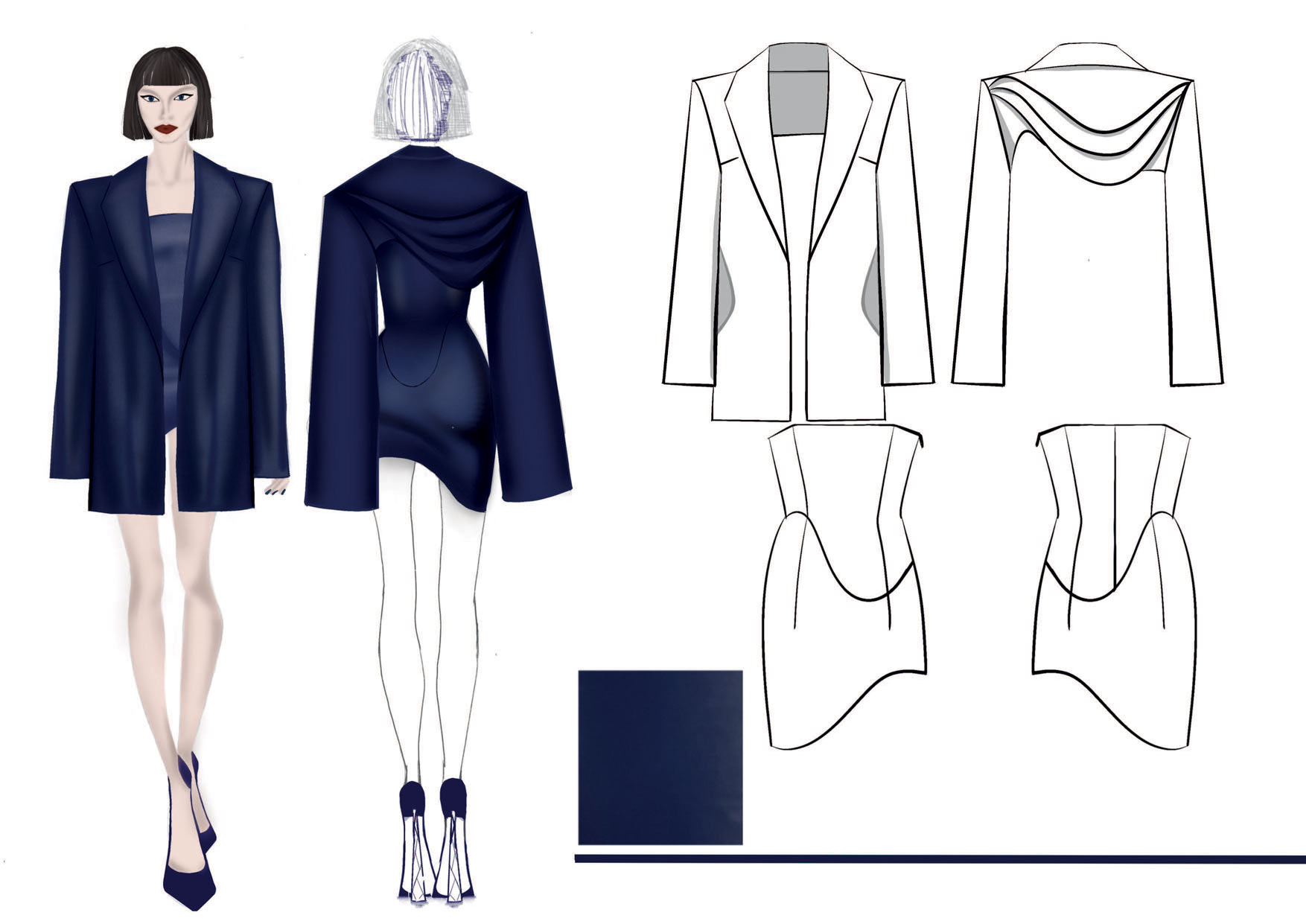
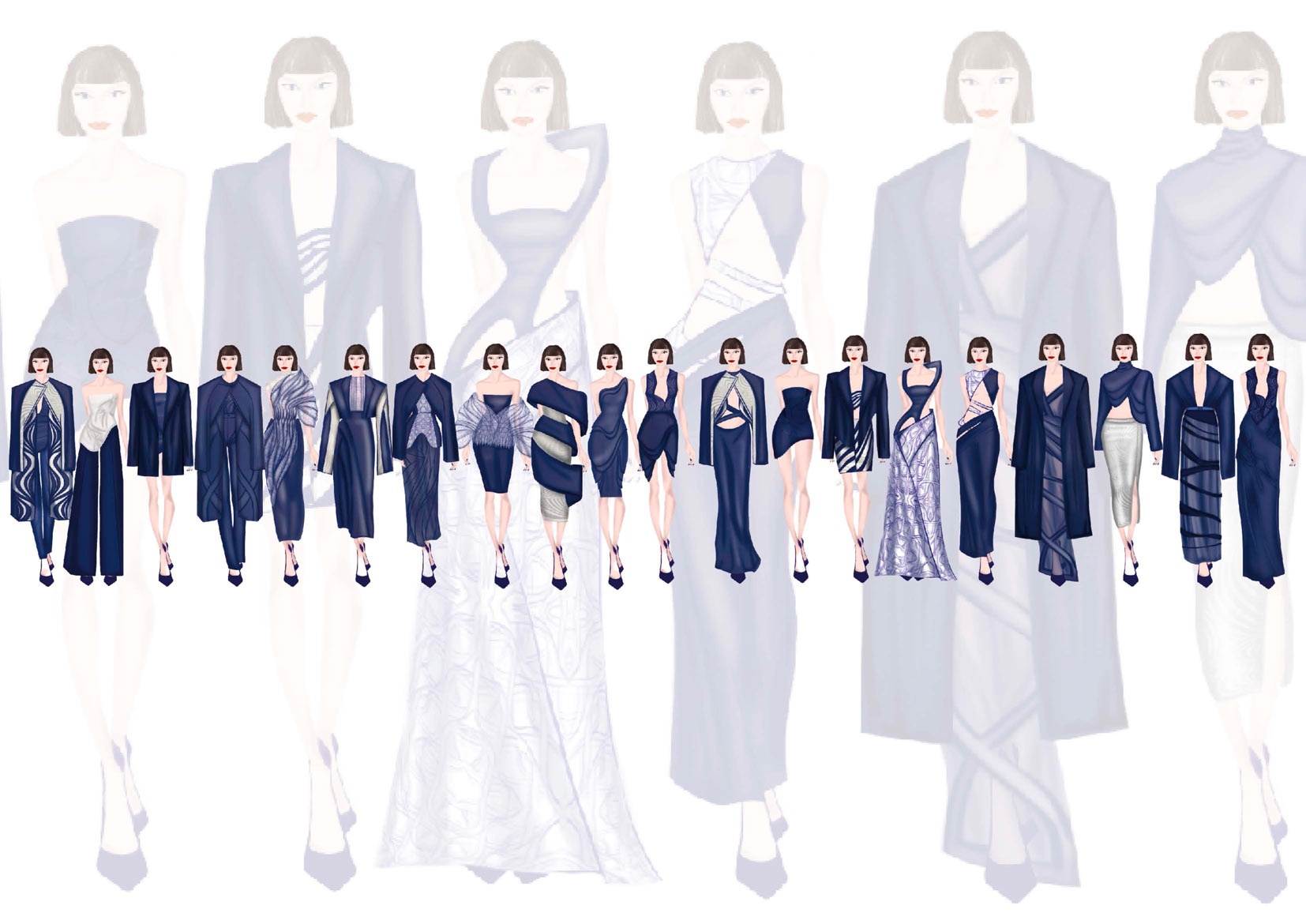
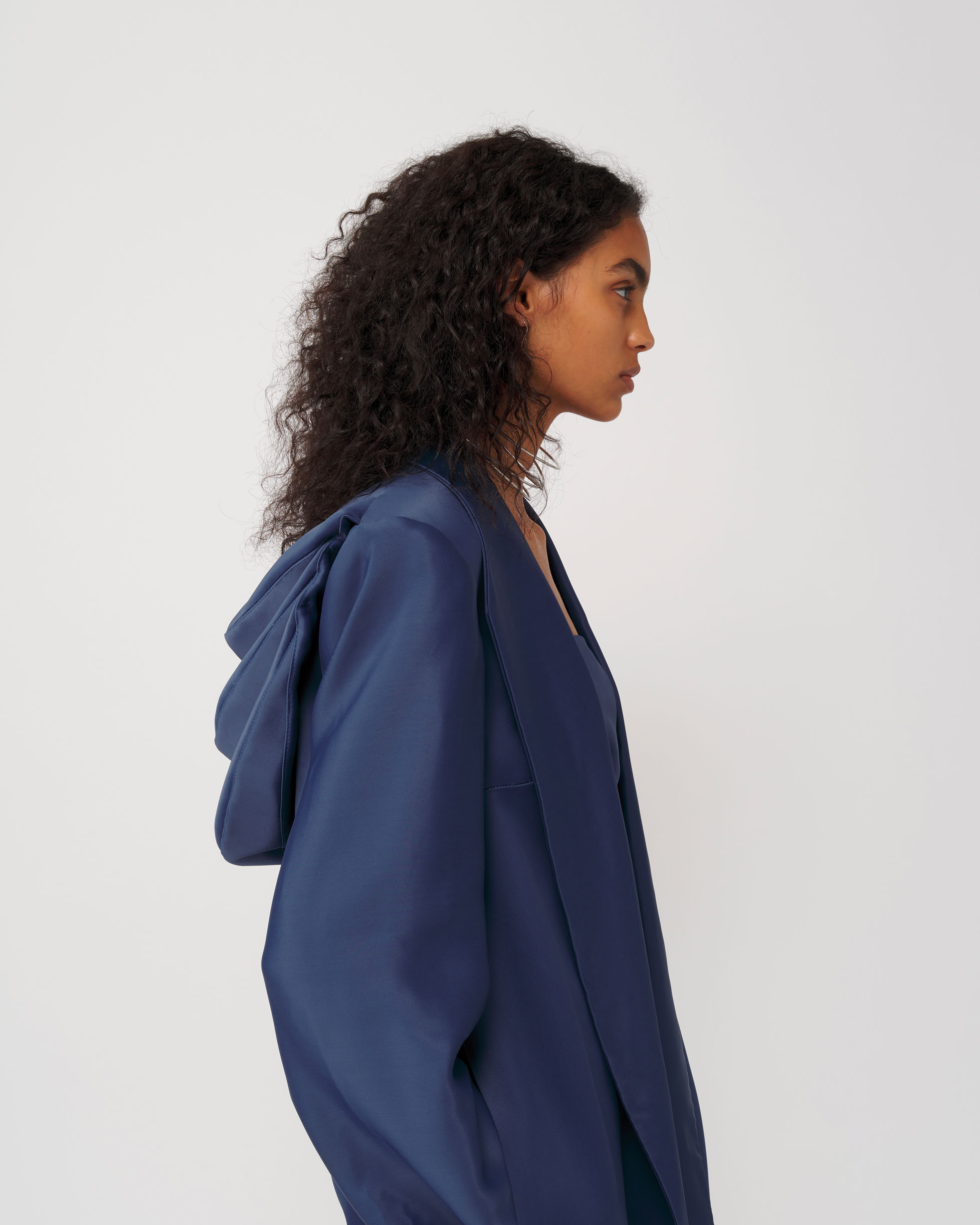
La collezione si articola quindi in abiti che restituiscono la pluralità del susseguirsi degli instanti, elementi contrastanti con le linee pulite, che separano Il momento da cogliere.
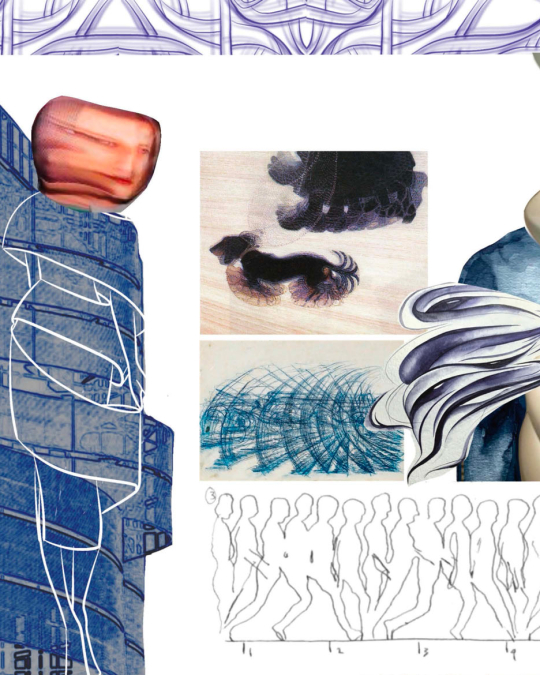
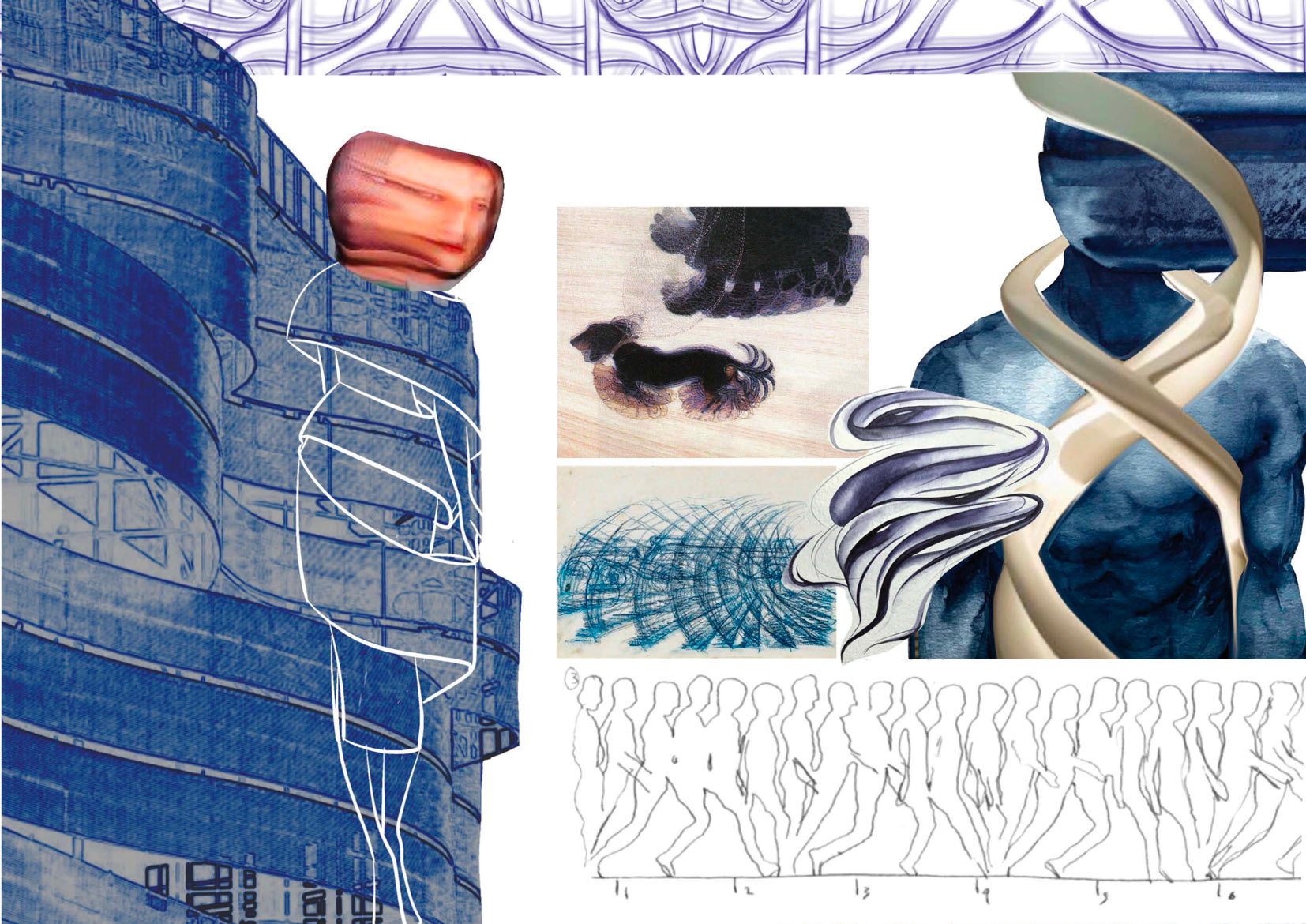
Lo studio delle curve, il movimento dettato da questo scorrere e/o sfuggire sono state la reinterpretazione di studi su linee e movimento di Zaha Hadid, architetta Iraniana.
L’interesse verso il connubio tra moda, tecnologie e sperimentazioni sull’arte digitale si pone come archetipo: in quanto il mondo dell’alta moda, il lusso e l’arte non vivono soltanto di utilità pratica ma soprattutto di bellezza, stupore, immaginazione e sogno.
Tempus Fugit was born from the desire to make manifest a reflection that starts from the key verses of the “Triumph of Bacchus and Ariadne”, written by Lorenzo De Medici, of 1490.
” Quant’è bella giovinezza, che si fugge tuttavia, chi vuol esser lieto sia, di doman non c’è certezza “.
There are those who think that this triumph is a hymn to youth, who instead a melancholy echo of the memory of no longer possessing it, but the fulcrum of the poem is clear: youth, like any other moment of our life Once lived, it never comes back.
Time, formed by one instant that follows the other, a single element therefore, which creates the temporal flow, a set of instants, this is how plurality is created by the single element.
Seize the moment, because time flies! These two verbs return, in addition to the meaning, also an image. Fuggire evokes the passage of time, a continuous movement stretched out in time, created by the succession of single moments. The Grasping suggests a single movement, which has a beginning and an end, aimed at extrapolating one of these moments of the succession in order to be able to use it to its maximum expression, to make it better, taking advantage of the moment.
The collection is therefore articulated in clothes that return the plurality of the succession of instants, contrasting elements with the clean lines, which separate The moment to be seized.
The study of curves, the movement dictated by this flowing and/or escaping have been the reinterpretation of studies on lines and movement by Zaha Hadid, an Iranian architect.
The interest in the union between fashion, technologies and experiments on digital art arises as an archetype: as the world of high fashion, luxury and art don’t live only on practical utility but above all on beauty, amazement, imagination and dream.
Partners:
Fabrics by: Ostinelli Seta
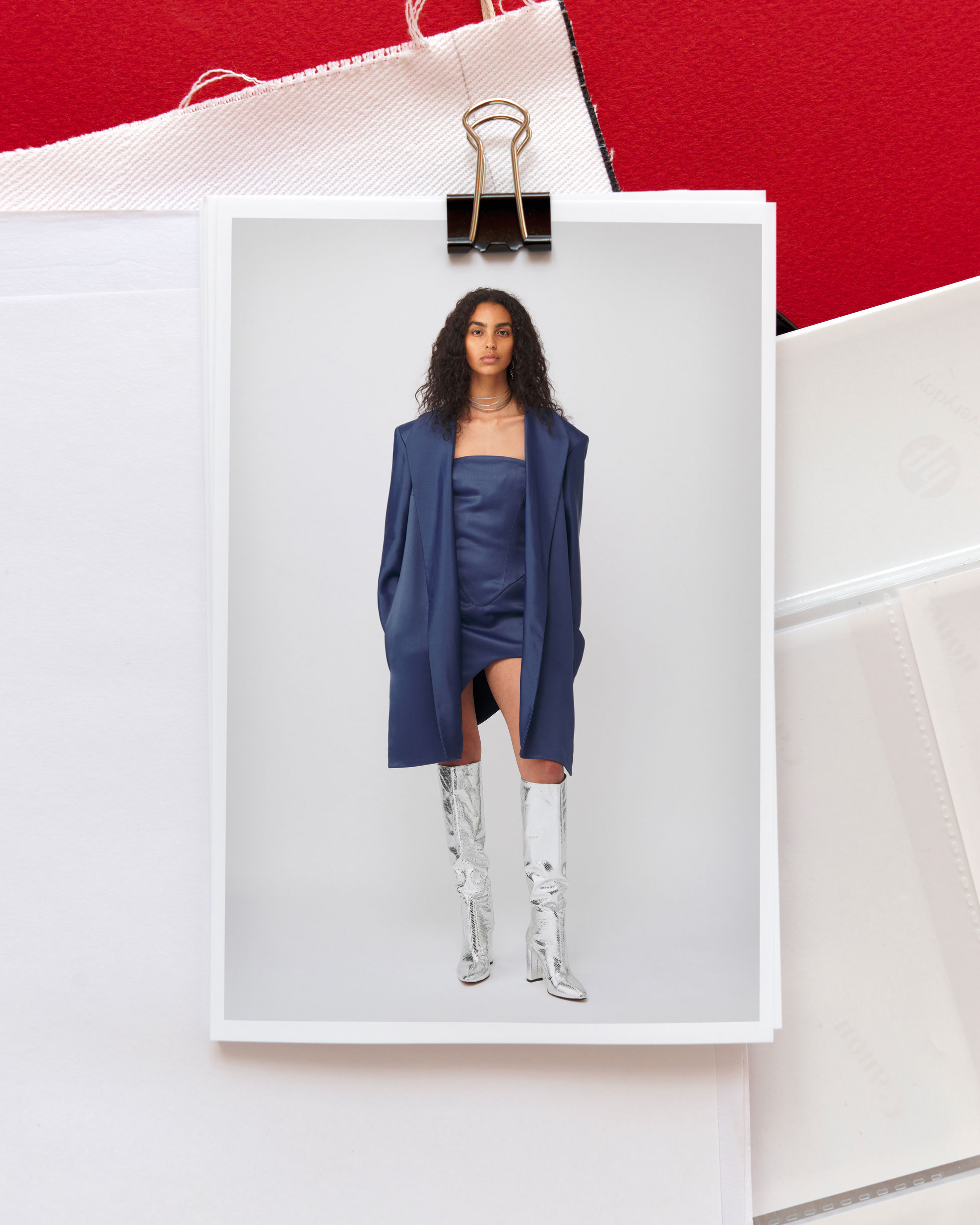

- Moodboard
- Sketches
- Line up
- Catwalk